We’re just 44 years away from “peak human” — when the world’s population will begin to decrease, according to new projections published in The Lancet.
Breaking it down: By 2100, the populations of China, Japan and Italy are expected to be half of what they are today, while sub-Saharan Africa will be home to three times as many people.
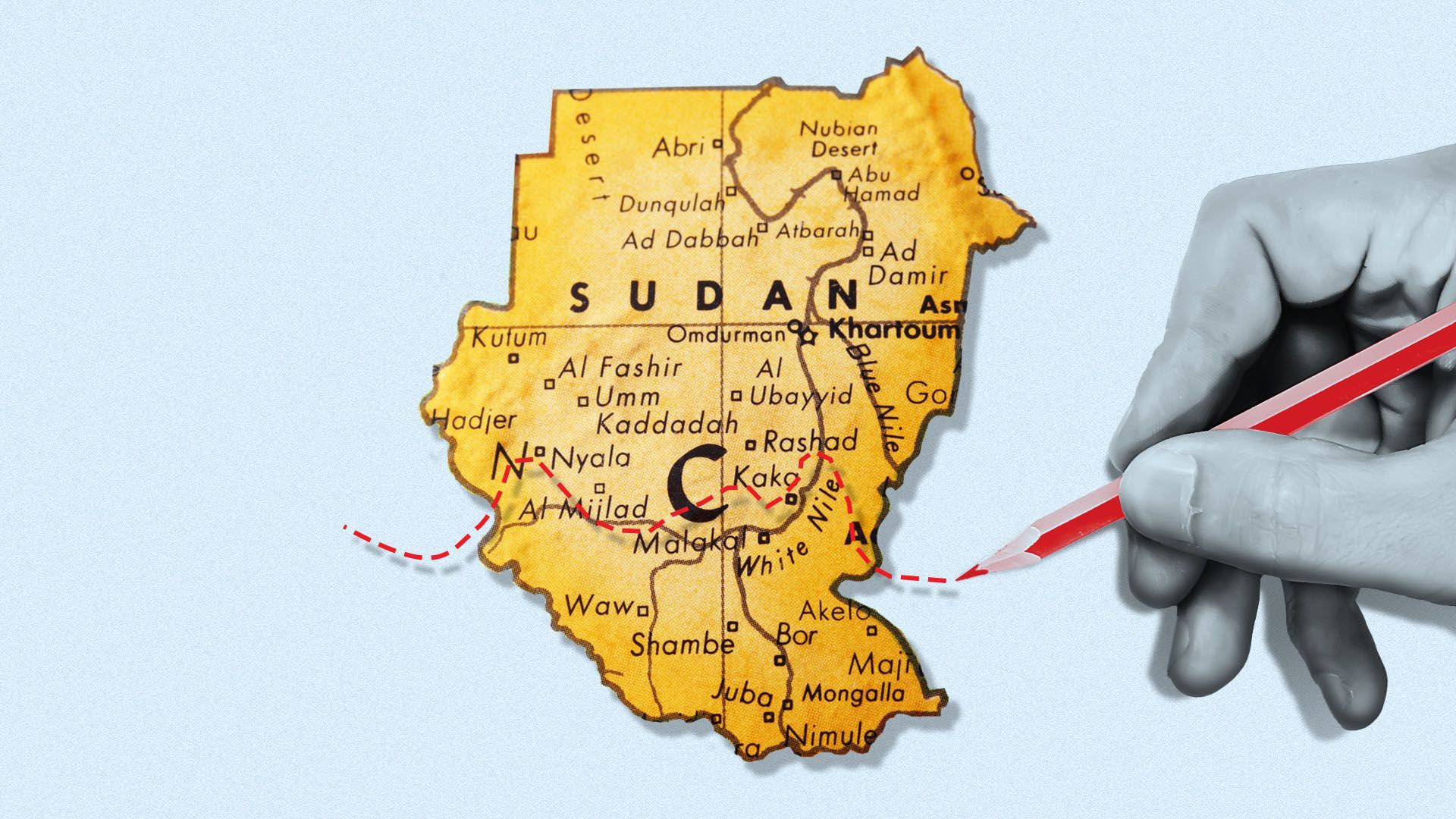
This week marks nine years since South Sudan was admitted to the United Nations, becoming the 193rd and most recent entrant into the club of internationally recognized countries.
The big picture: This is the longest period in modern history during which the world map has remained unchanged.
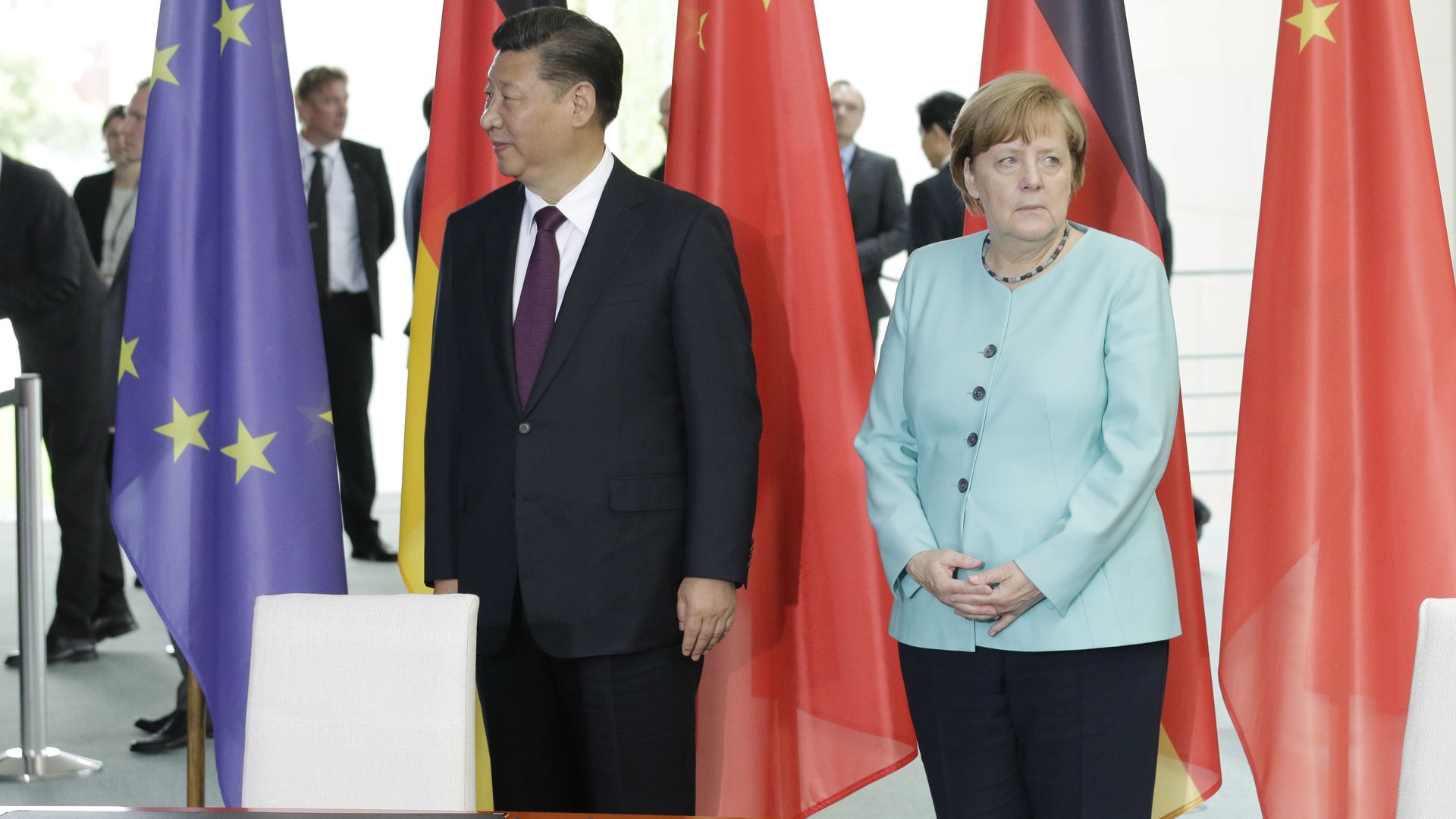
While countries including the U.S. and U.K. grow increasingly willing to challenge China on everything from Hong Kong to Huawei, Germany has steered clear of confrontation with Beijing.
Why it matters: Despite German Chancellor Angela Merkel's reputation as a champion of democratic values, her critics contend that when it comes to China, any such concerns are trumped by the economy.
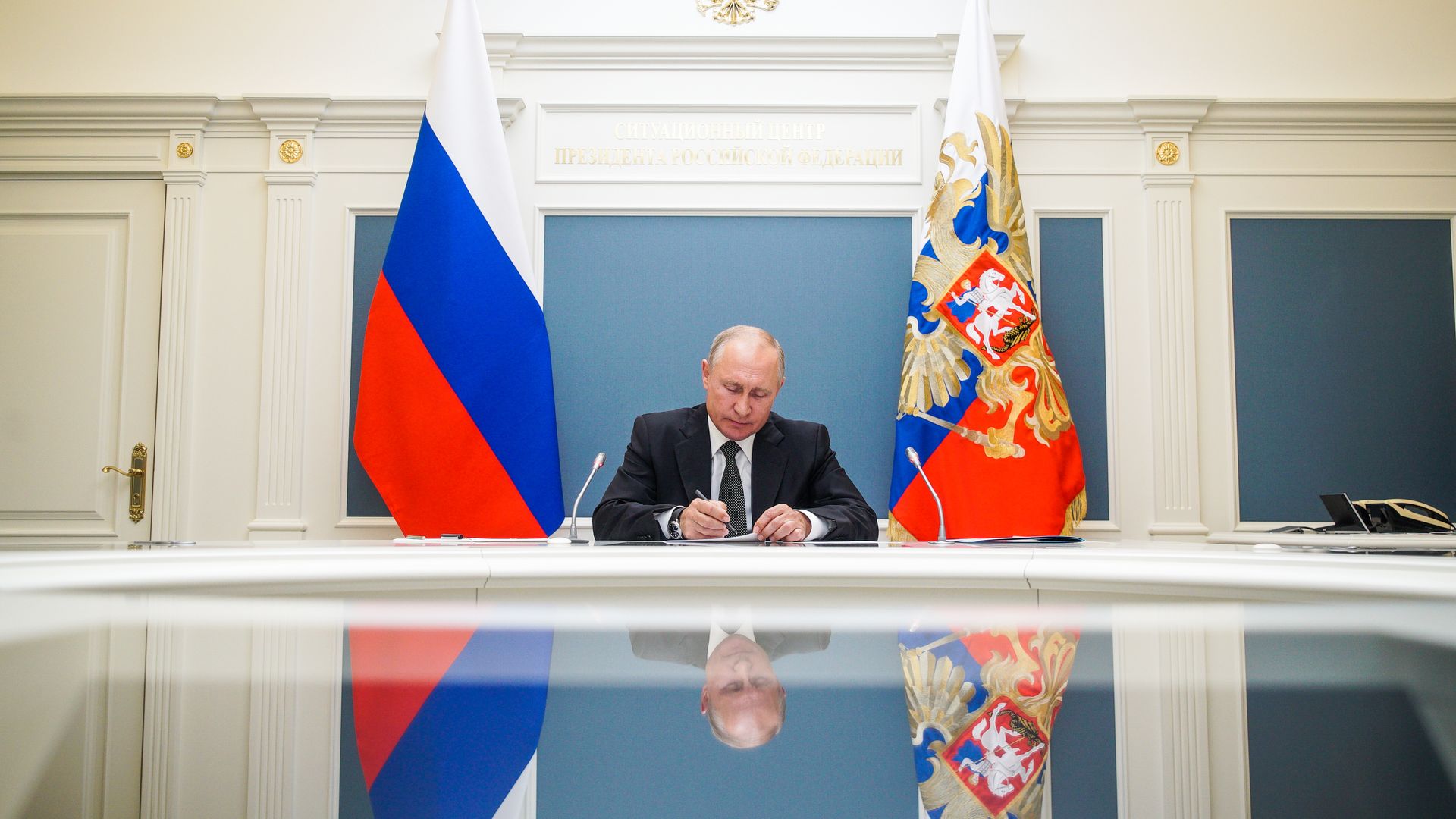
Hackers associated with Russian intelligence services are trying to steal information from researchers involved in coronavirus vaccine development, according to a joint advisory by U.K., U.S. and Canadian authorities published Thursday.
The big picture: This isn't the first time a foreign adversary has been accused of attempting to steal COVID-19-related research. U.S. officials in May announced an uptick in Chinese-government affiliated hackers targeting medical research and other facilities in the U.S. for data on a potential cure or effective treatments to combat the virus.
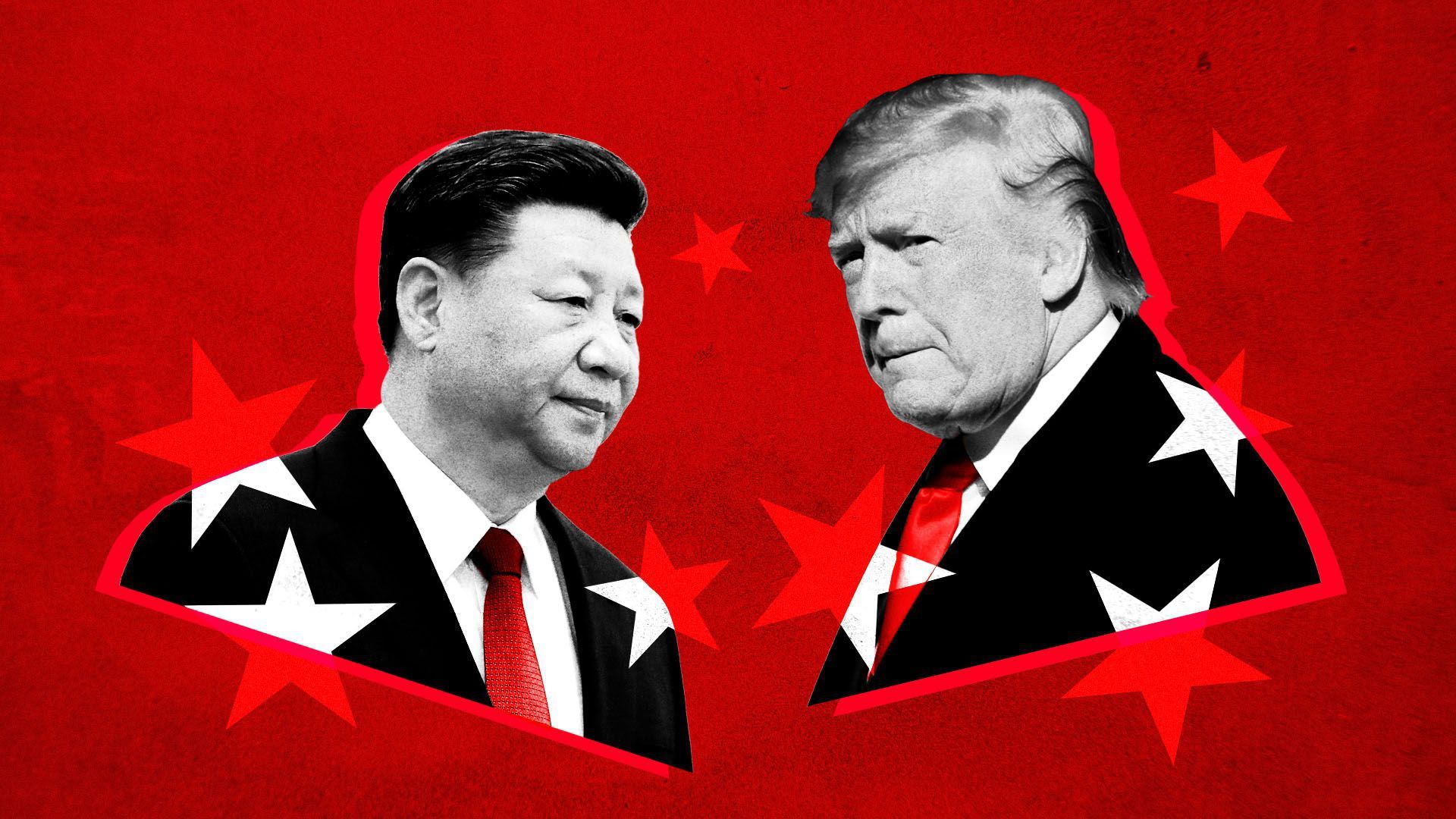
Lost amid headlines about the coronavirus pandemic and the seemingly unstoppable stock market rally, has been the monthslong escalation of tensions in the U.S.-China trade war — and it's likely here to stay.
Why it matters: The tariffs continue to impress a sizable tax on U.S. companies and consumers, adding additional costs and red tape for small businesses, farmers, manufacturers and households trying to stay afloat amid the pandemic.
Canada is convincing an increasing number of noncitizen American residents with tech talent to instead settle north of the border.
Why it matters: The U.S. risks losing its long-standing leadership in the tech sector as restrictive laws and a hostile political climate causes highly skilled immigrants to leave for more welcoming countries.
Eight world leaders called on the international community in a Washington Post op-ed Wednesday to ensure that people across the globe have equal access to a future vaccine for the coronavirus.
Why it matters: Global demand for a successful vaccine is expected to skyrocket, which could send nations racing to obtain a supply while international organizations scramble to secure equitable access for all countries.
The U.S. will impose visa restrictions on certain employees of Chinese telecom Huawei and other companies that "provide material support to regimes engaging in human rights violations globally," Secretary of State Mike Pompeo said Wednesday.
Why it matters: The Trump administration's latest escalation against Huawei, which U.S. intelligence officials view as a threat to national security due to its ties to the Chinese military, comes the day after the U.K. announced it will no longer allow the telecom to access its 5G network.