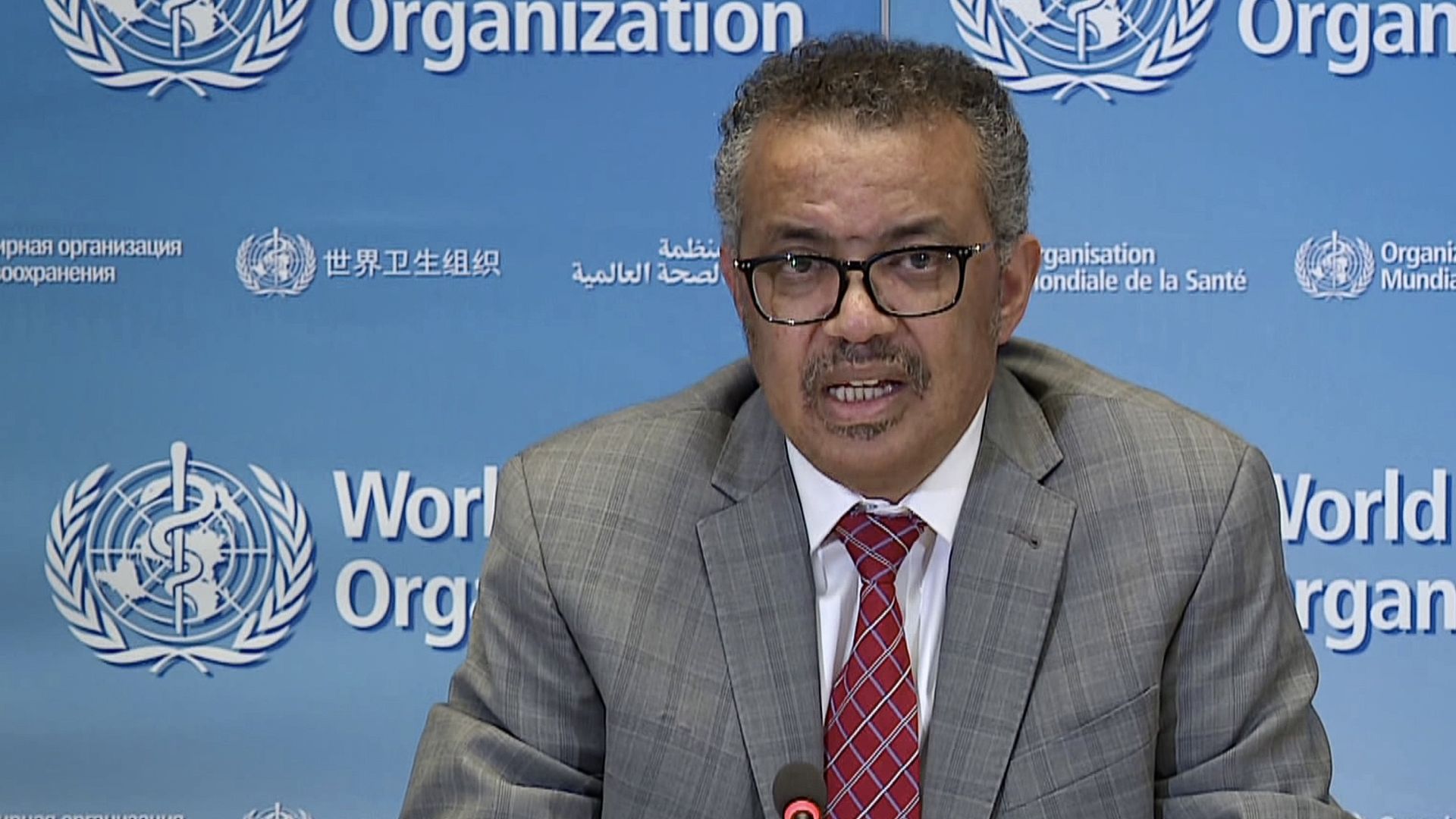
The coronavirus pandemic "reached a milestone in Africa" on Friday, as the World Health Organization says the virus has spread to every country on the continent, with over 100,000 confirmed cases.
The big picture: Africa’s low mortality rate associated with COVID-19 may be caused in part by 60% of the continents' population is under the age of 25, according to early analysis by the WHO. Adults over 65 are at a higher risk of dying or being hospitalized due to the coronavirus, per the CDC.
Police in the Philippines have raided multiple illegal hospitals in recent weeks that have reportedly been secretly treating Chinese patients with the coronavirus and other diseases.
Why it matters: These facilities not only pose health risks, they've also shed light on the industry many of the patients worked in: offshore gambling.
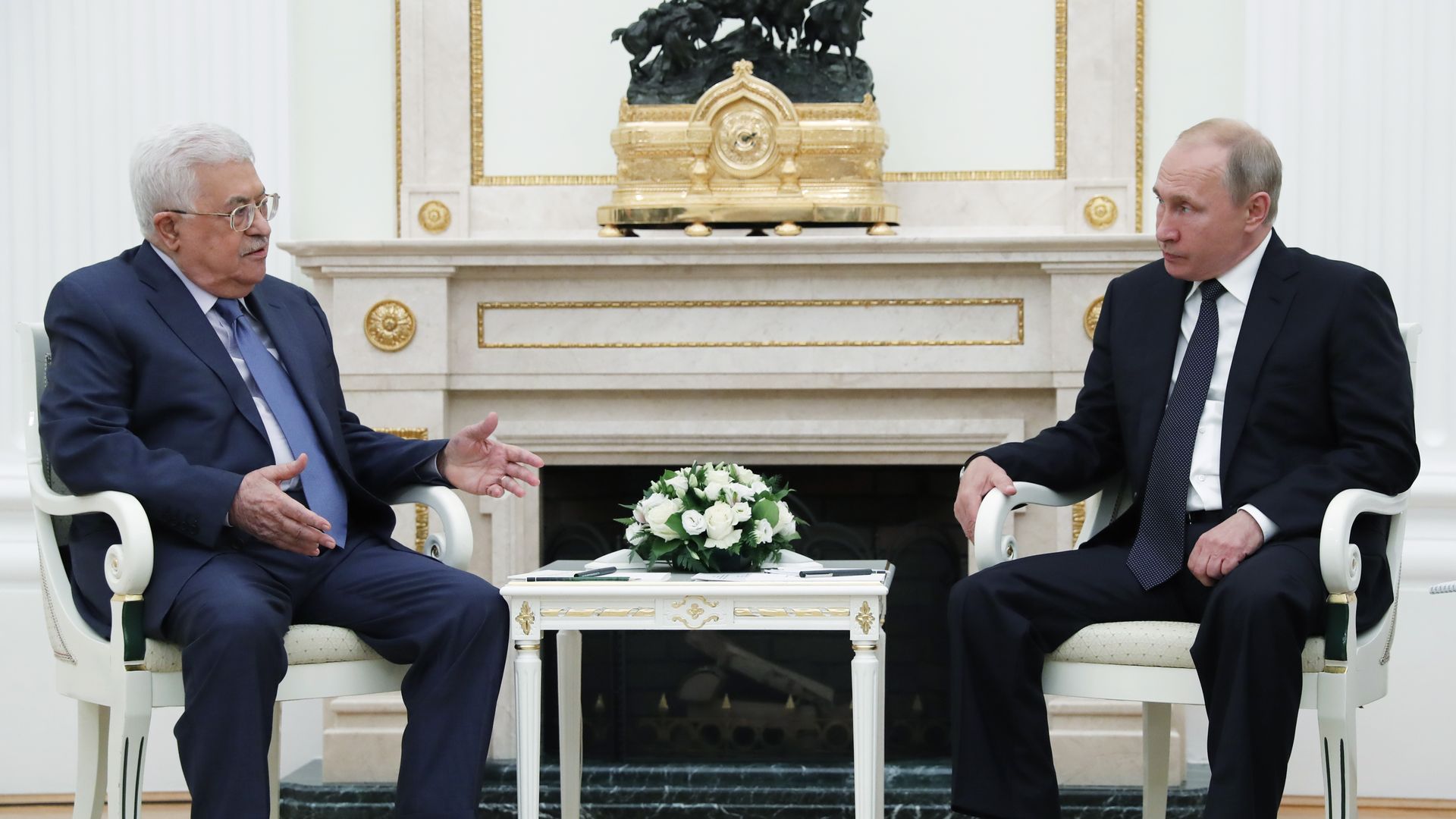
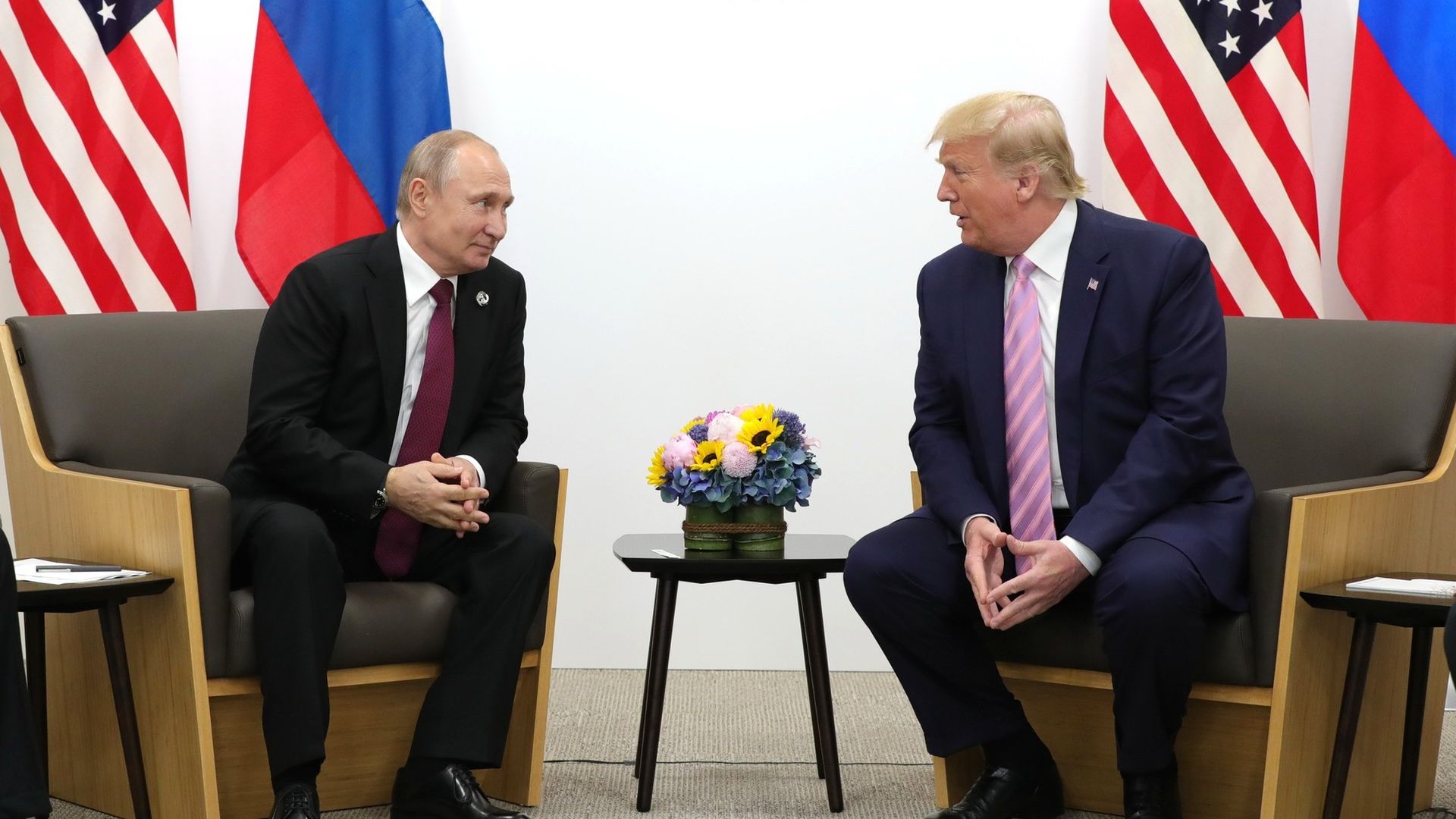
Officials from the U.S., Russia, EU and UN will hold a video-conference today to discuss the possibility of an international meeting to restart the Israeli-Palestinian peace process, Western diplomats tell me.
Why it matters: The meeting comes amid escalating tensions, with Israel threatening to move forward with annexations in the West Bank and Palestinian leaders announcing the suspension of all agreements with Israel and the U.S., including on security coordination.
Americans tend to think South Korea and Germany responded effectively to the COVID-19 pandemic, while China and Italy failed to do so, according to new polling from Pew Research.
The U.S. is moving to withdraw from Open Skies, a 1992 treaty that allows NATO countries and Russia to surveil one another from the air to prevent the risk of military conflict.
Why it matters: This is the third major international defense agreement President Trump has abandoned, following the Iran nuclear deal and the Intermediate Nuclear Forces treaty. The fate of another highly consequential treaty, New START, remains in the balance.
Secretary of State Mike Pompeoopened a press conference on Wednesday with a remarkable statement: "The media’s focus on the current pandemic risks missing the bigger picture of the challenge that’s presented by the Chinese Communist Party.”
Why it matters: In the midst of a global crisis with more than 300,000 dead and no end in sight, American foreign policy seems absorbed with China's actions at the start of the outbreak, rather than a global effort to contain and eventually end it.
50 ventilators manufactured in the U.S. arrived in Russia on Thursday as part of a $5.6 million relief package to fight the coronavirus, the U.S. embassy in Moscow announced.
Why it matters: Russia is reporting the most coronavirus cases outside of the U.S., although experts doubt the official tally, as the nation's death toll is well below other most-affected countries.
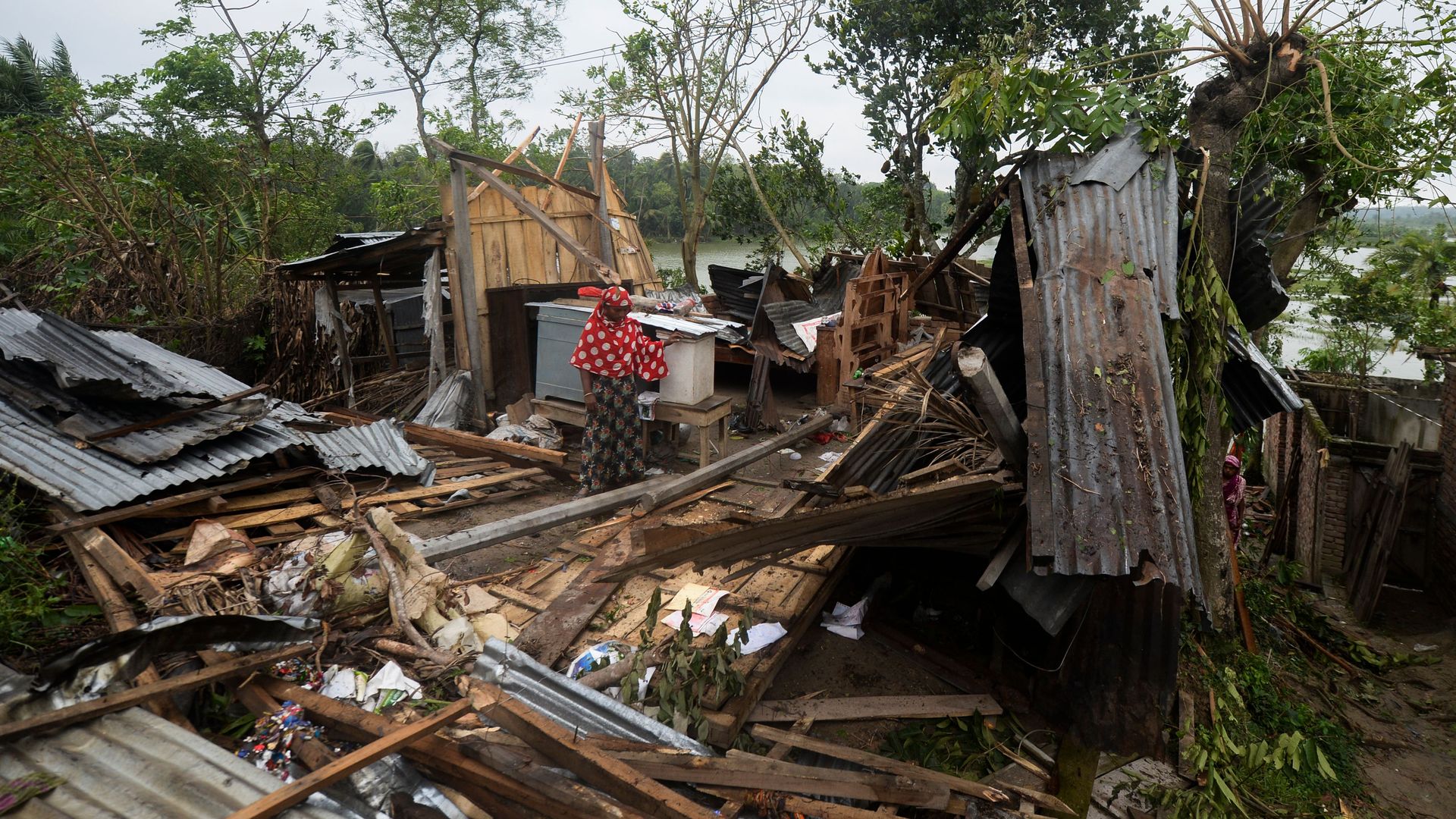
Cyclone Amphan killed at least 80 people as of Thursday after torrential rains and powerful winds hit eastern India and Bangladesh earlier this week, per New York Times.
Details: Kolkata, one of India's biggest cities, is among the worst-hit areas, with more than 14 million people left without power, the BBC reports. West Bengal chief minister Mamata Banerjee described the situation as "more worrying than the coronavirus pandemic," per AFP. "Almost everything is destroyed in the coastal villages of the state," she said.
Both Congress and the Nasdaq this week made it harder for Chinese companies to list their stocks in the U.S. Dan digs in with Alexandra Stevenson, a Hong Kong-based business reporter with the New York Times.
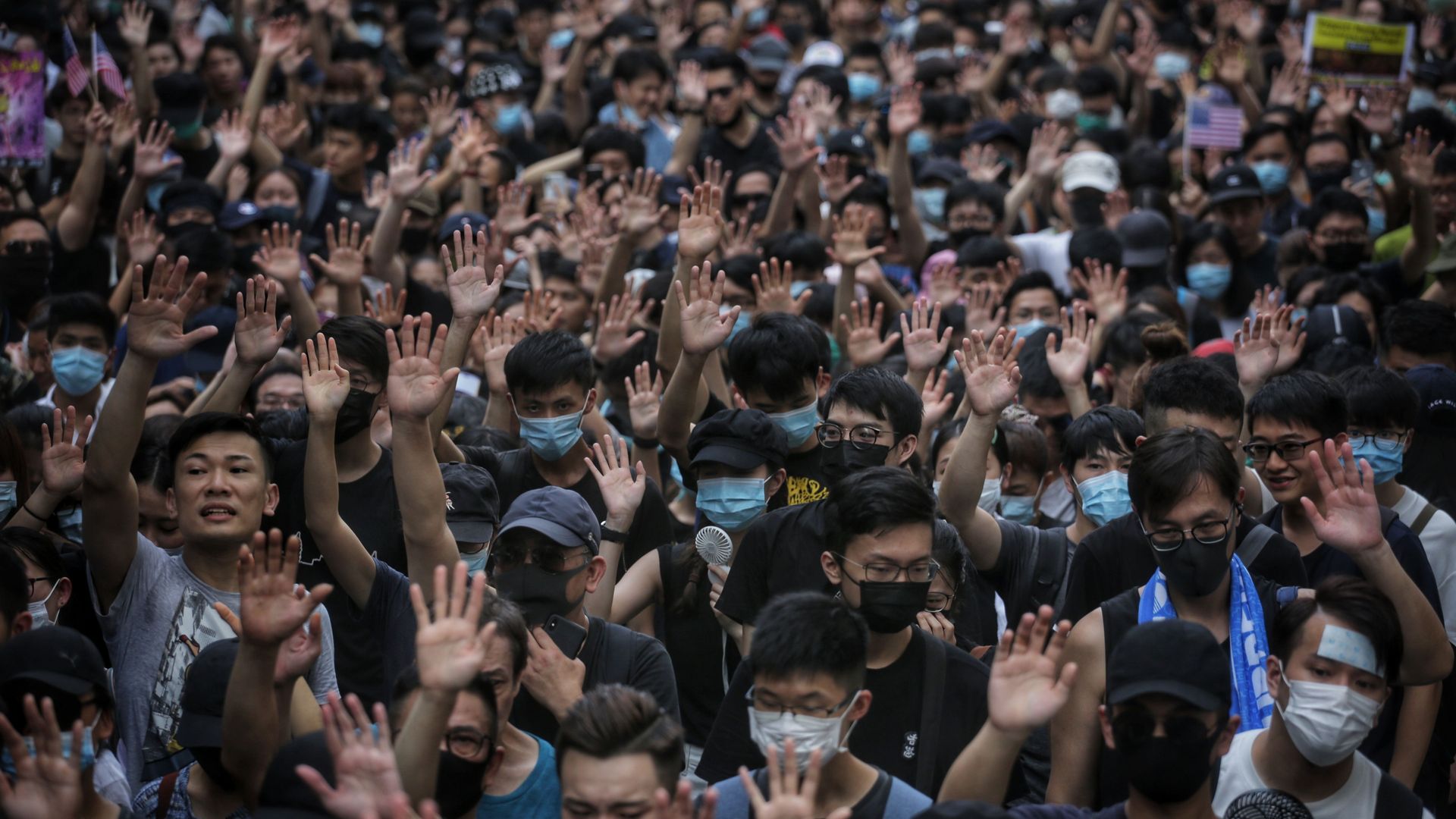
China plans to implement a sweeping national security law for Hong Kong that could dramatically constrain Hong Kong's autonomy and provoke fierce backlash from pro-democracy activists.
Why it matters: Beijing's encroachment on Hong Kong's independent legal system prompted massive protests last year that have resumed on a smaller scale as social-distancing measures lift.
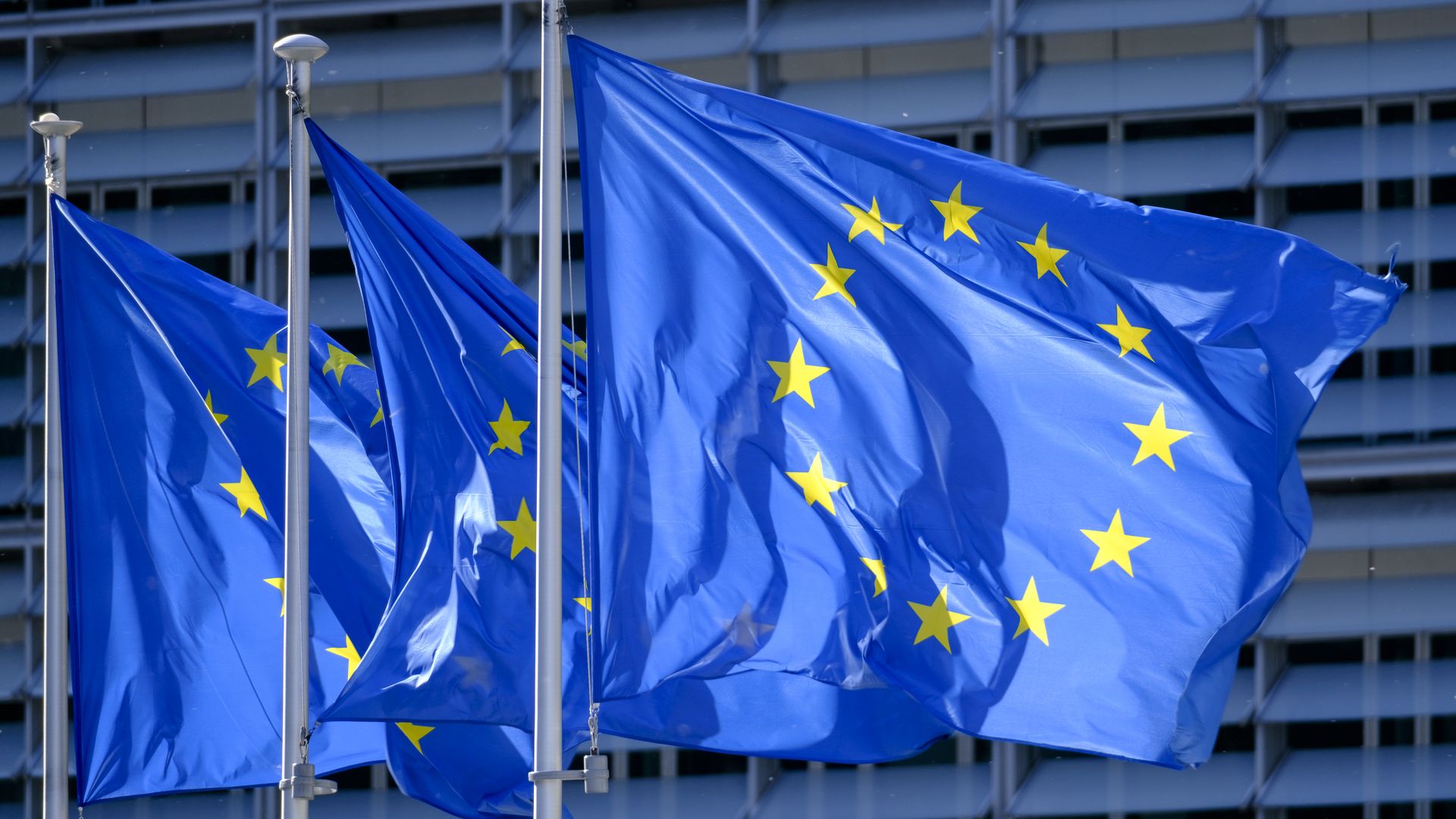
Information is coming out about how European nations hope to use economic stimulus packages to bolster deployment of climate-friendly energy sources.
Why it matters: The UN, International Energy Agency, International Monetary Fund and others want governments to use big pandemic response plans to help accelerate the global energy transition.
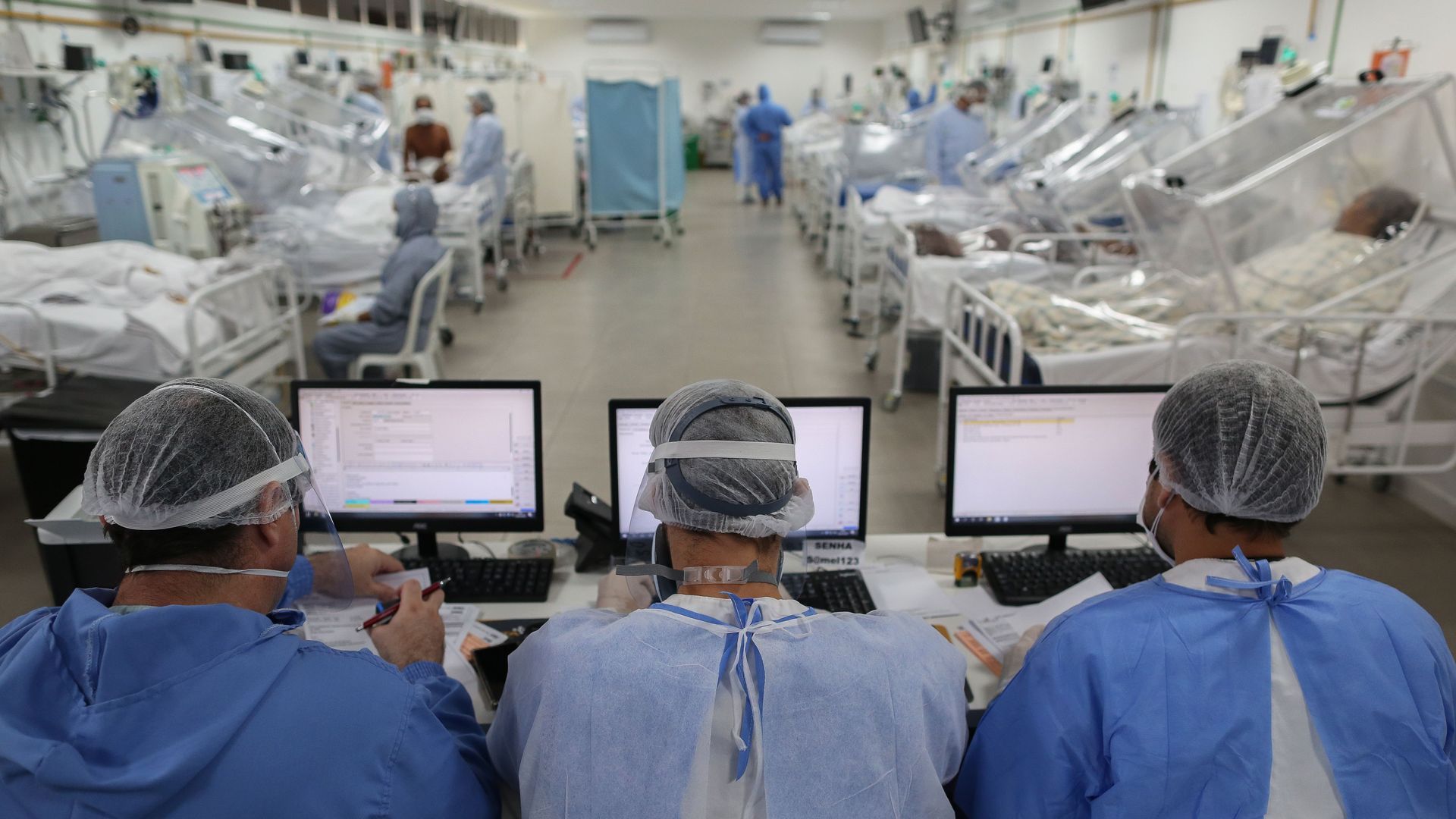
Latin America has overtaken the U.S. and Europe for the largest number of new daily novel coronavirus cases this week, per Reuters.
Why it matters: The outbreak in Latin America, and Brazil in particular, significantly contributed to global infection numbers surpassing 5 million early on Thursday. The surge in cases indicates a shift in the spread of COVID-19 from the original epicenter of China to Europe and the U.S.
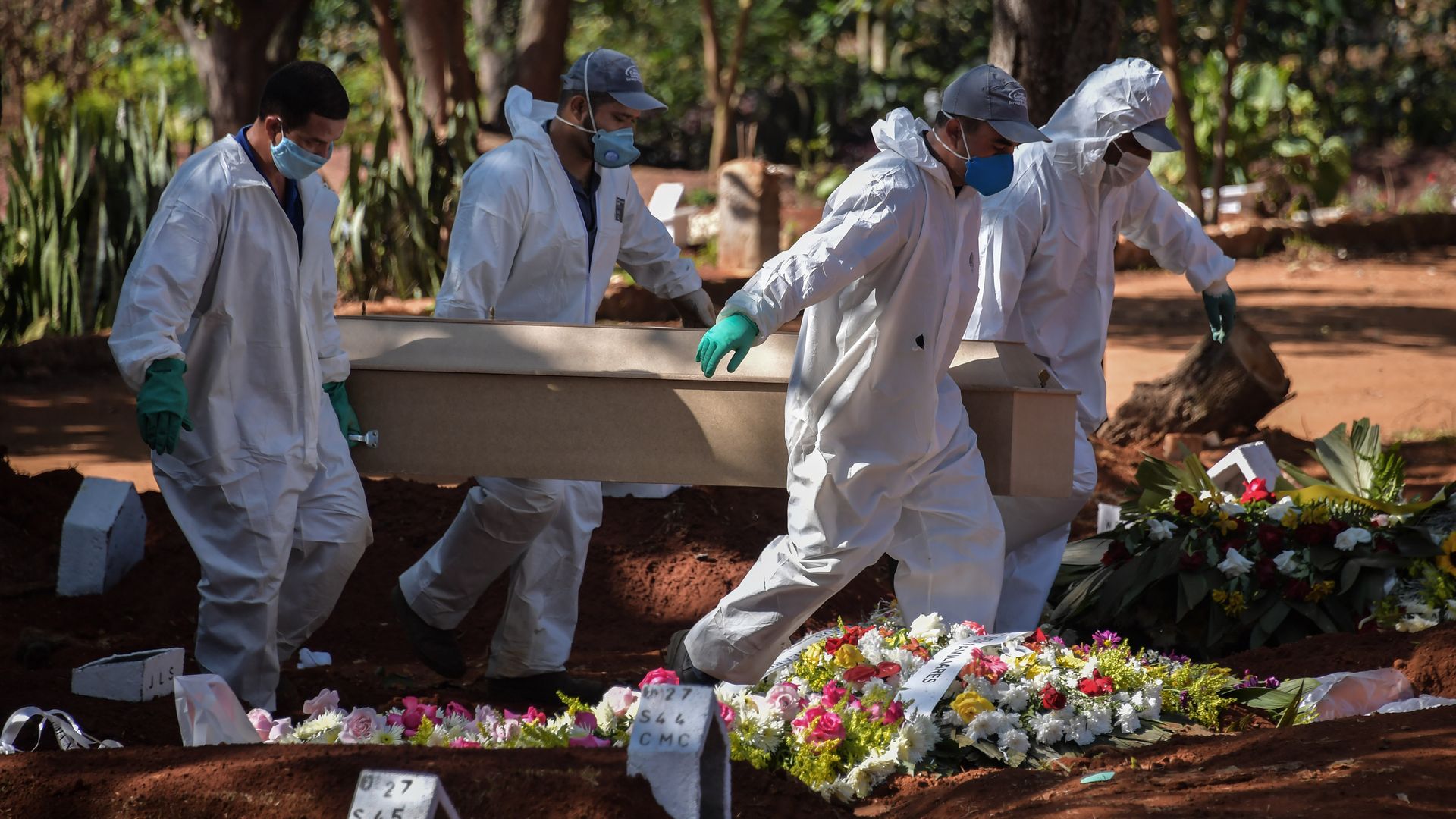
Coronavirus deaths in São Paulo, the largest city in Brazil and the Western Hemisphere, have increased by over 485% since the city's health department began keeping track in April.
The big picture: Prolonged lapses in testing and tracking, documented by the Washington Post in April, have led to severely undercounted death tolls in Brazil. The country is reporting the third-most confirmed COVID-19 cases in the world, per Johns Hopkins data — only behind Russia and the U.S.