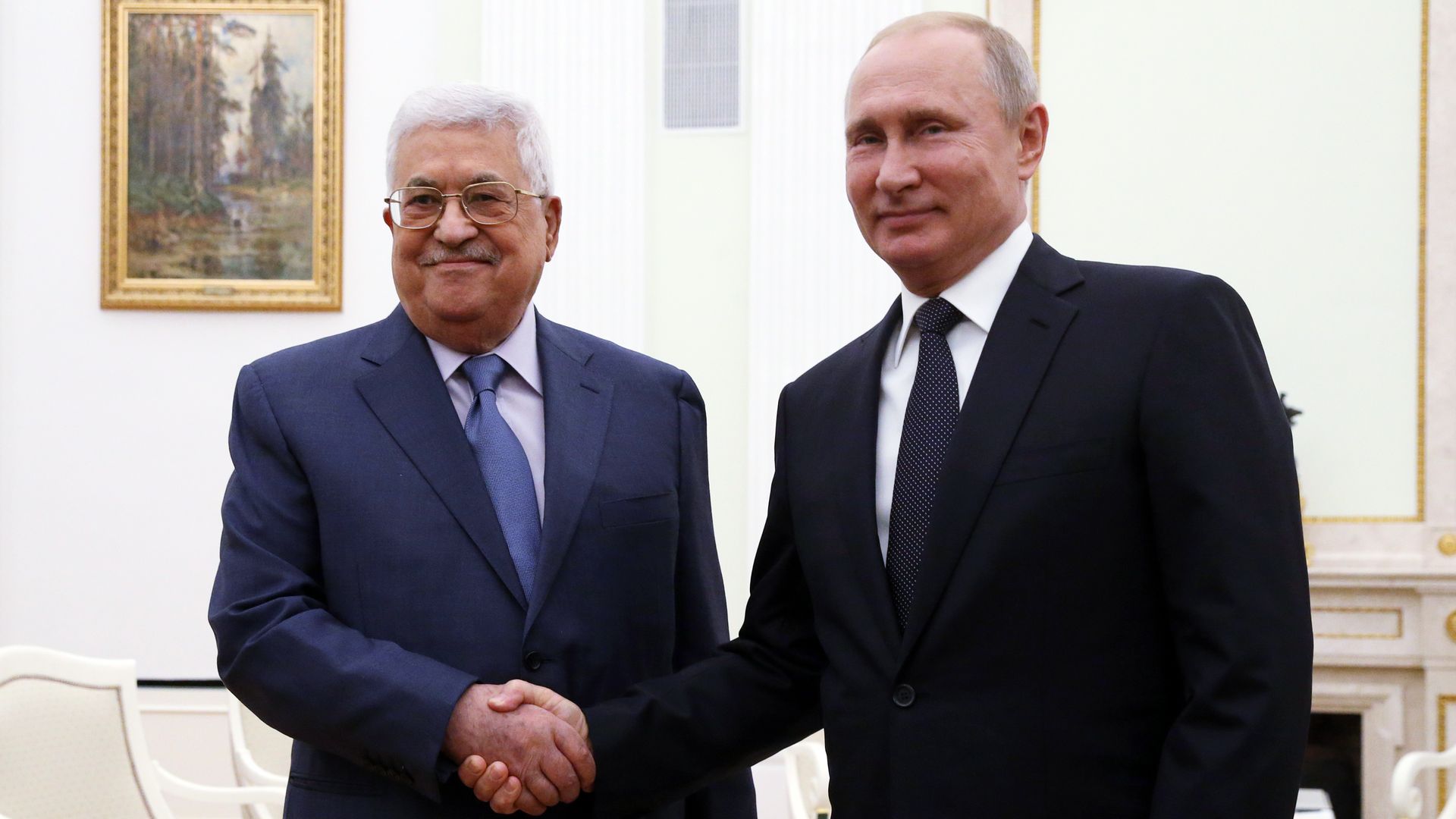
Russia has offered to facilitate a meeting in the next few weeks between the U.S. and the Palestinian Authority, Western diplomats briefed on the Russian initiative tell me.
Why it matters: Dialogue was severed between the U.S. and the Palestinians two and a half years ago, and the Palestinians aren't taking part in negotiations on President Trump's peace plan. New talks could also offer a way to prevent escalation on the ground as Israel considers annexing parts of the West Bank.
This item first appeared in the Axios China newsletter. Subscribe here.
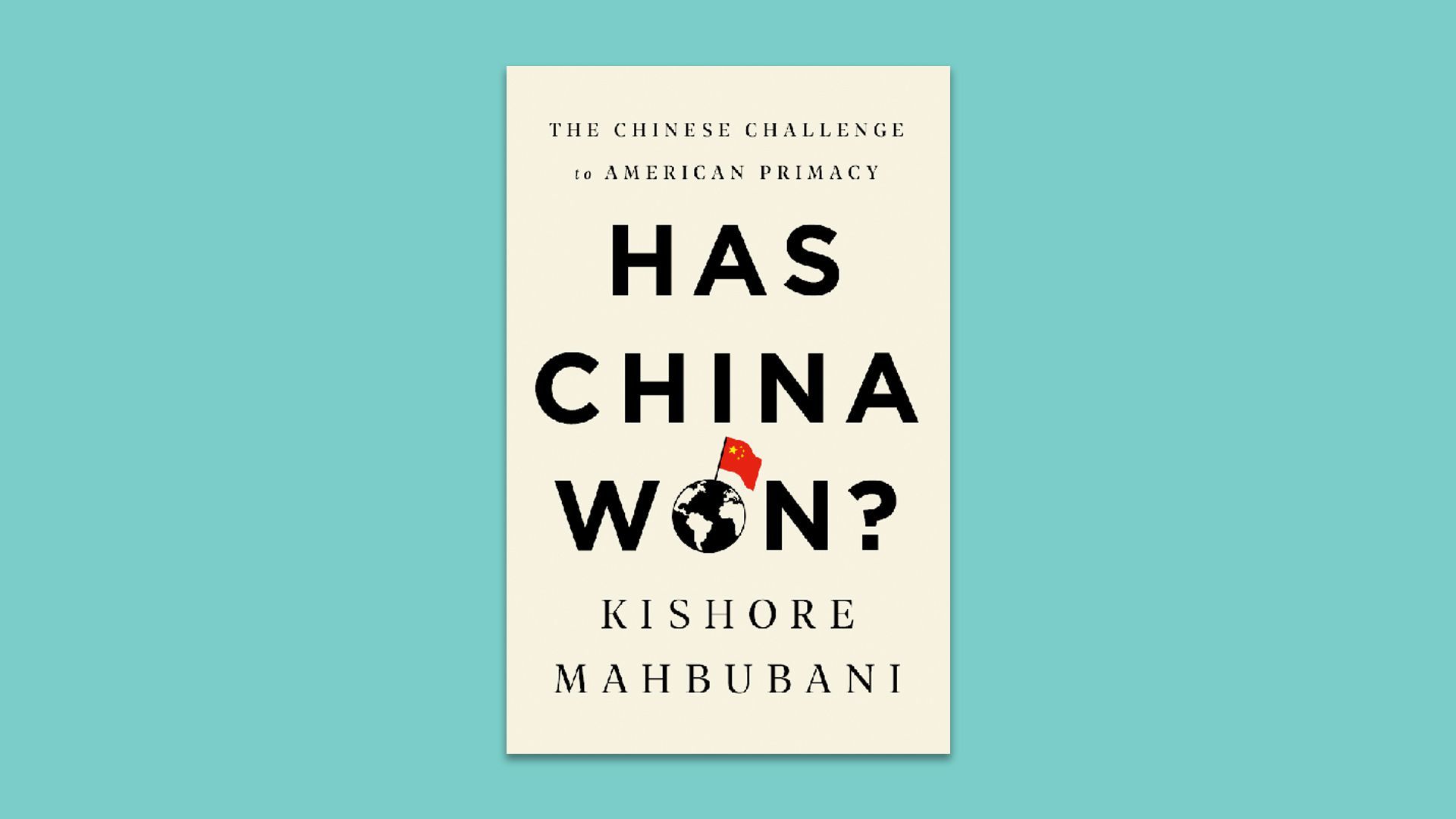
For those of you who like to look at things from both sides, you'll likely enjoy the latest book by Singaporean former diplomat Kishore Mahbubani.
The big question: "Has China Won? The Chinese Challenge to American Primacy" (Public Affairs, March 2020) starts with a question no U.S. politician dares address publicly: "What strategic changes will America have to make when it no longer is the world's dominant economic power?"
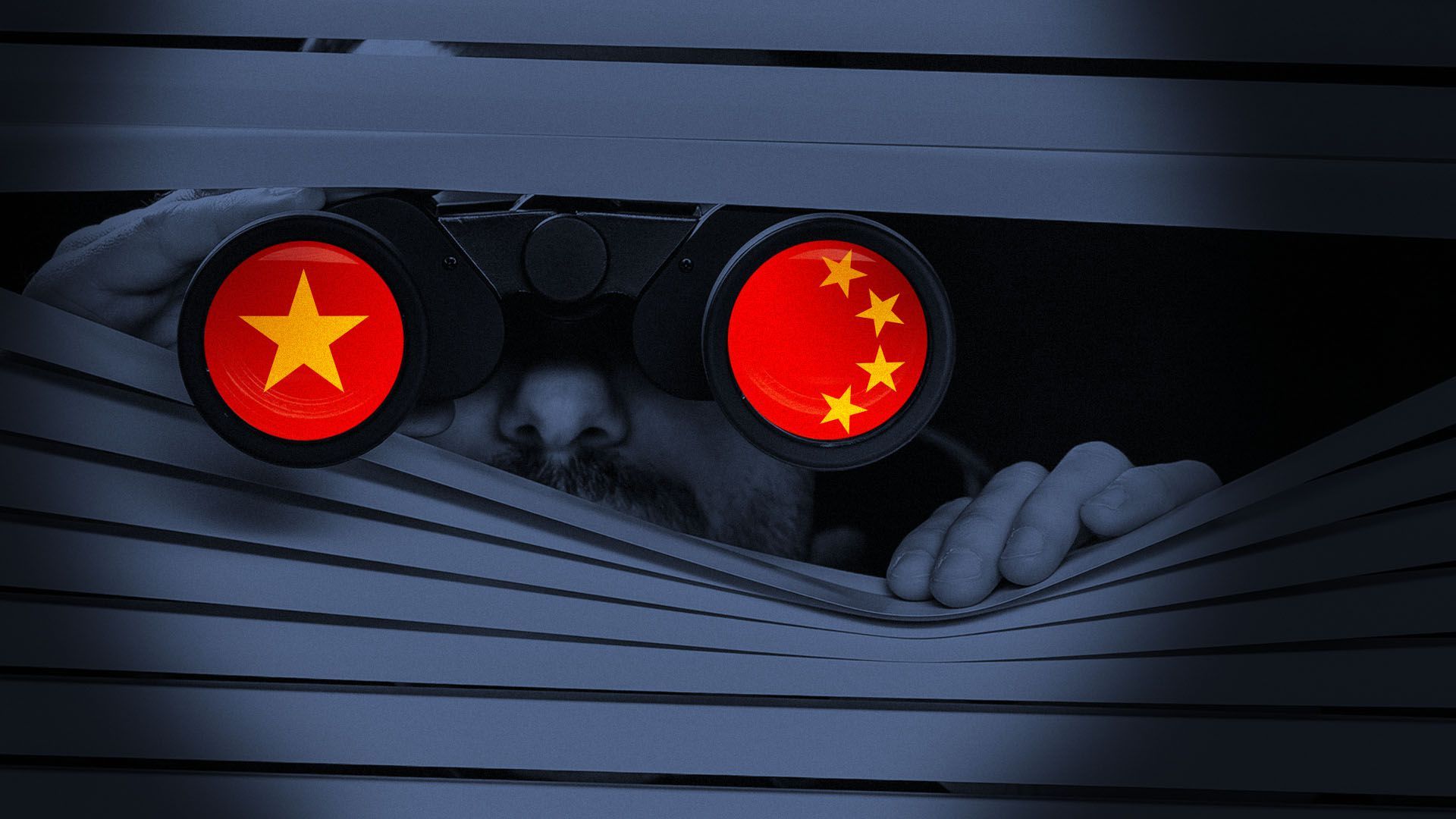
A legal scholar is raising concerns about the Department of Justice's China Initiative, which is aimed at countering economic espionage, theft of intellectual property and other national security concerns related to China, and its possible implications for civil rights.
Why it matters: Amid the U.S. government's new emphasis on countering threats from China, there is growing concern about the potential for over-zealous or discriminatory investigations.
A new regulation announced last week requires foreign semiconductor suppliers that use U.S. designs to get a license from the U.S. government before selling to Huawei. Business groups aren't exactly welcoming the move with open arms.
Why it matters: The new restrictions may reduce revenues and hobble research and development for U.S. companies.
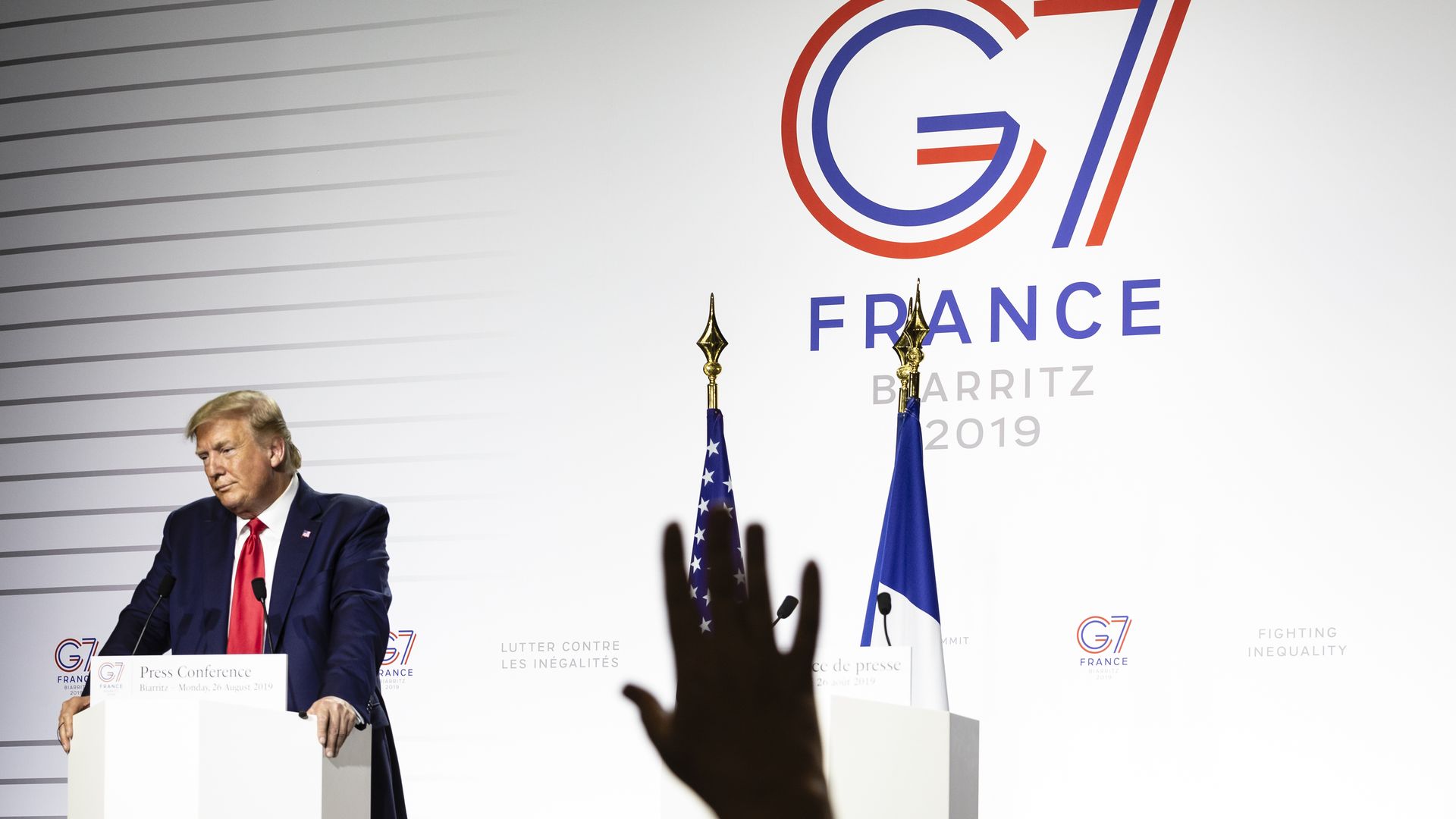
President Trump tweeted Wednesday that he is "considering" ultimately holding the G7 summit in person at Camp David this summer after it was moved to a virtual setting in March amid the coronavirus pandemic.
Why it matters: A White House official told Axios then that the virtual move would allow more "resources to be devoted to the urgent needs of each country" because "each nation was preparing to spend large amounts of money and devoted dozens of staff" to the summit.
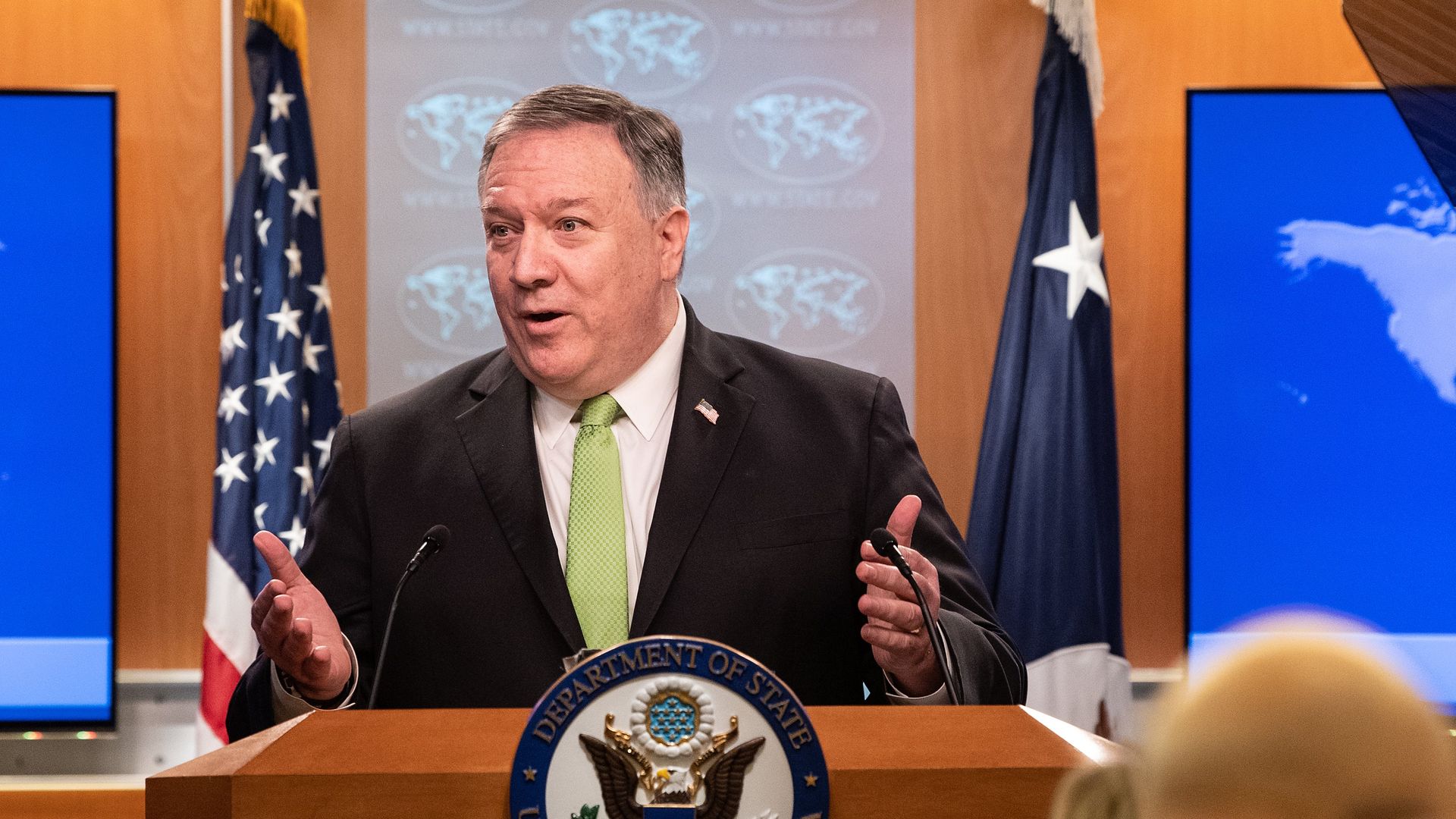
Secretary of State Mike Pompeo declared that he should have sought State Department Inspector General Steve Linick's ouster "some time ago," in a short and combative press conference that comes amid a trail of reports about what Linick was investigating before being fired by President Trump at Pompeo's request.
What he's saying: Pompeo dismissed those reports — which include claims he had diplomatic security personnel run errands and walk his dog — as "crazy stuff." He refused to address the reason he wanted Linick fired, but said it could not be an act of retaliation because he never knew "what investigations were taking place."
Secretary of State Mike Pompeo said at a press briefing Wednesday that he hopes security coordination between Israel and the Palestinians will continue, despite Palestinian President Abbas’ announcement on Tuesday that he would void all agreements with both Israel and the U.S. because of Israel's annexation plans.
Why it matters: Security coordination between Israel and the Palestinians is one of the main pillars of the Oslo Accords and the relationship between the parties. The U.S. has been deeply involved in security coordination and has provided hundreds of millions of dollars in equipment and training to the Palestinian security forces over the last 25 years.
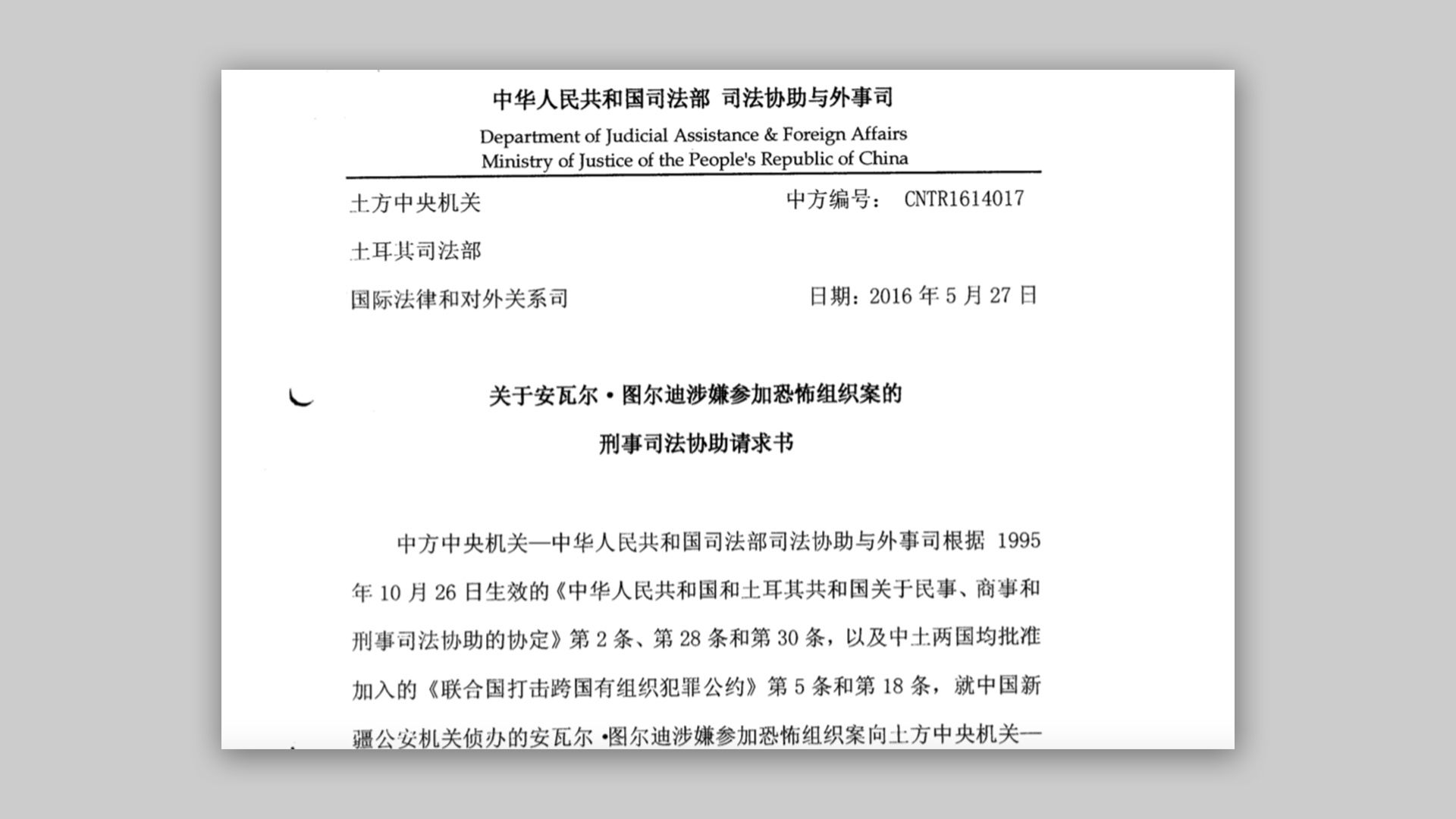
Axios has obtained a Chinese government request sent to the Turkish government for a Uighur man who fled Xinjiang amid worsening repression.
Why it matters: Uighurs living outside China have long suspected that Beijing is using its growing diplomatic and economic clout to pressure foreign governments into interrogating and deporting them.
The Chinese government is trying to extradite a Uighur man living in Turkey who fled Xinjiang amid worsening repression, documents obtained by Axios show.
Why it matters: The documents from 2016 and 2017 — together with Turkey's treatment of the man after that — show how Beijing is using its growing diplomatic clout to pressure foreign governments to surveil and deport Uighurs.