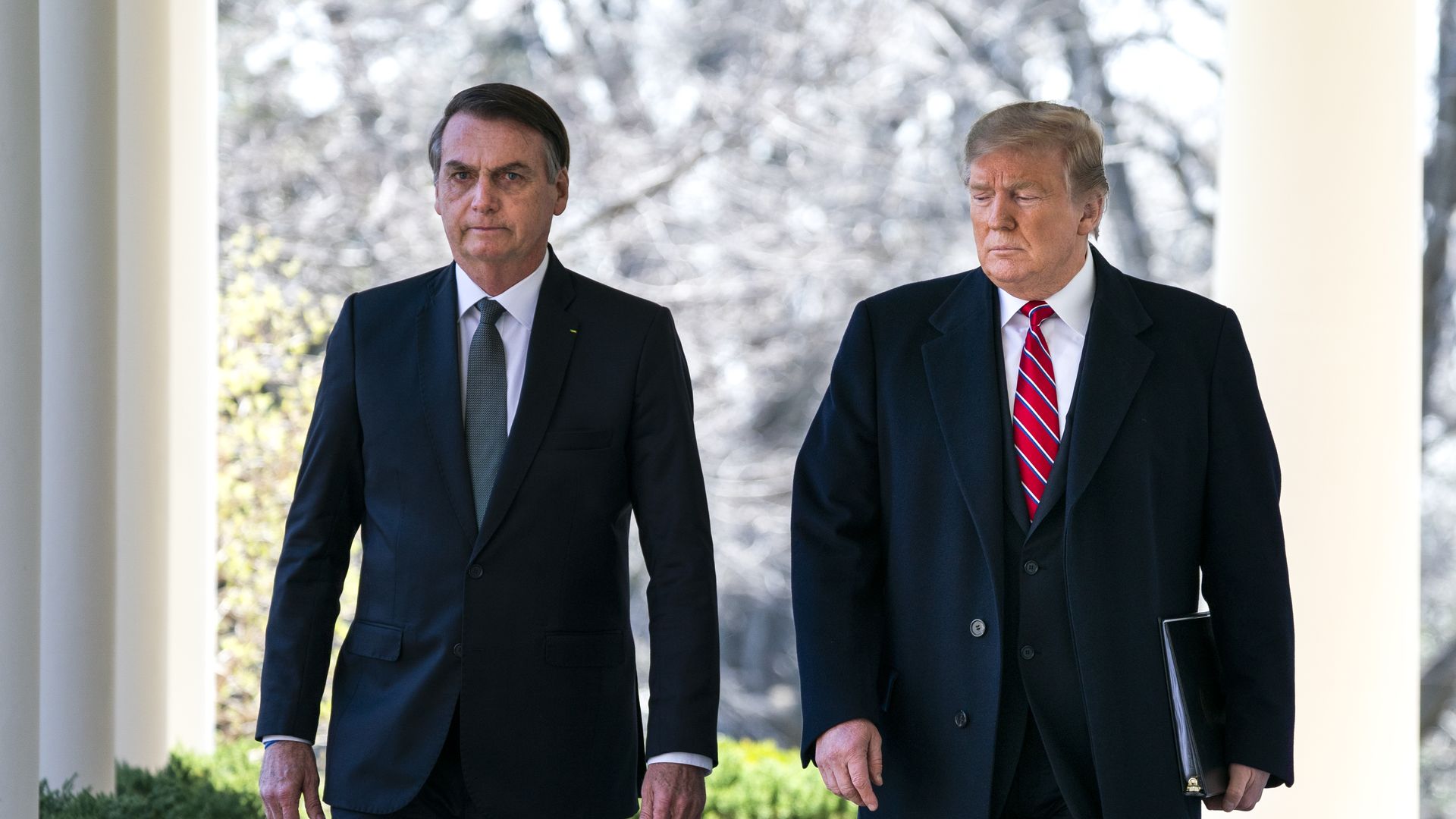
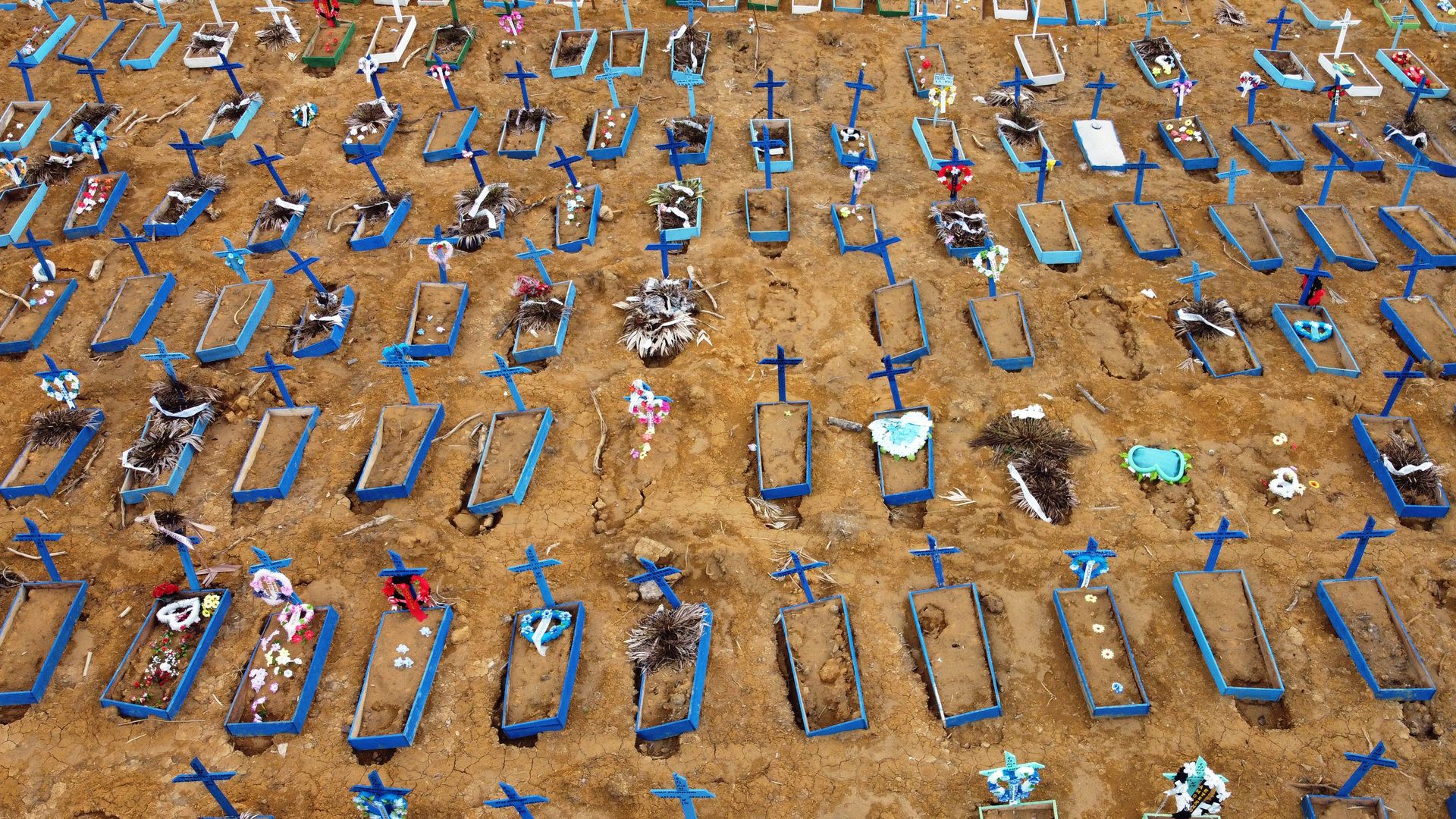
The White House announced that beginning at 11:59 pm ET on Thursday, President Trump would suspend entry of non-U.S. citizens who have been in Brazil in the past 14 days in an effort to stop the imported spread of the coronavirus.
Why it matters: Brazil has reported nearly 350,000 confirmed cases of the coronavirus — the second-most in the world behind the U.S. — and has emerged as a Southern Hemisphere hotspot as other heavily affected countries in Asia and Europe have managed to get their outbreaks under control.
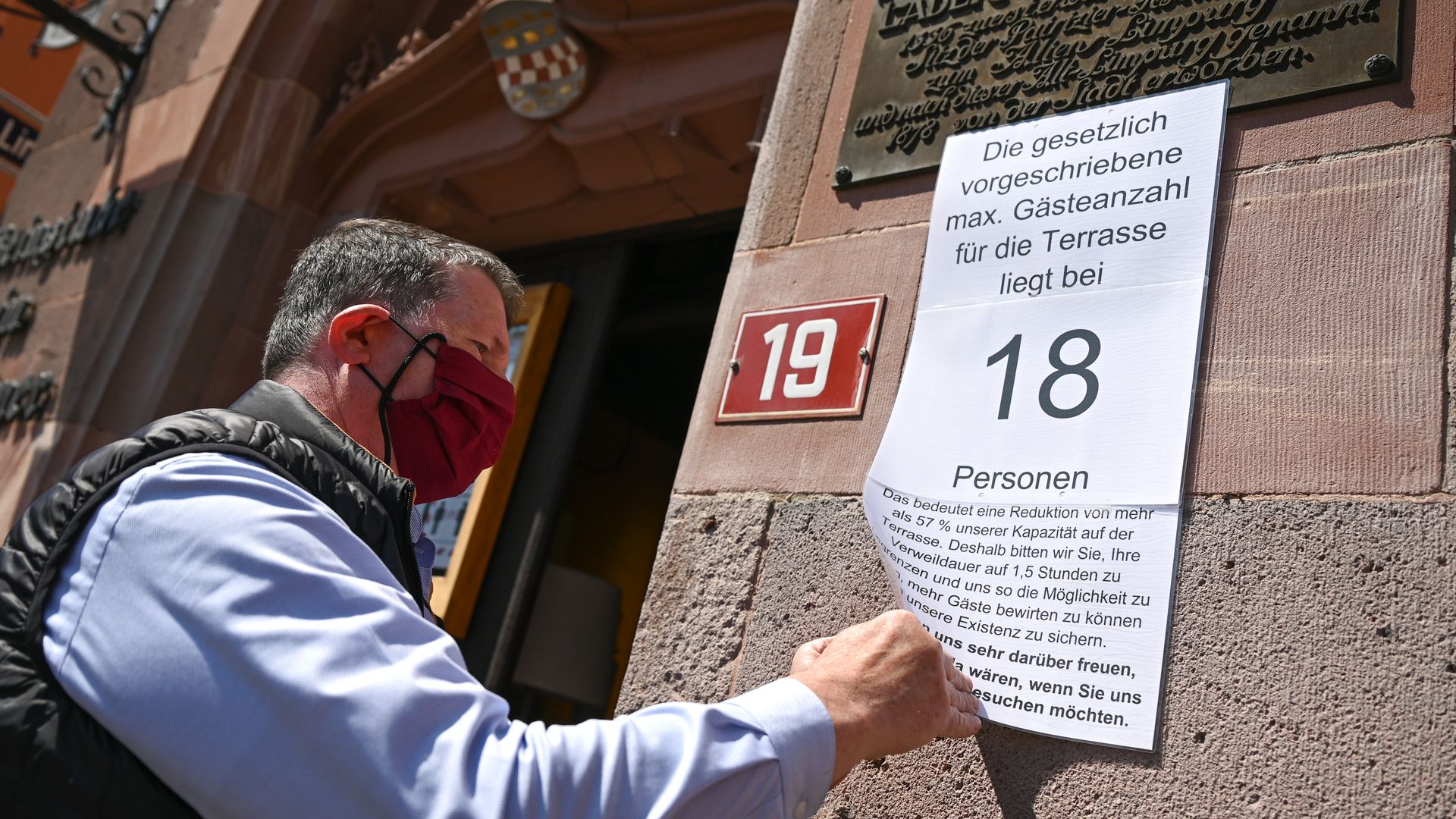
At least 107 confirmed cases of the coronavirus have been traced back to people who attended Sunday services at a church in Frankfurt, Germany, on May 10, the Wall Street Journal reports.
Why it matters: The mini outbreak illustrates how the virus can spread in large groups even with churchgoers observing social distancing and taking extra hygiene precautions.
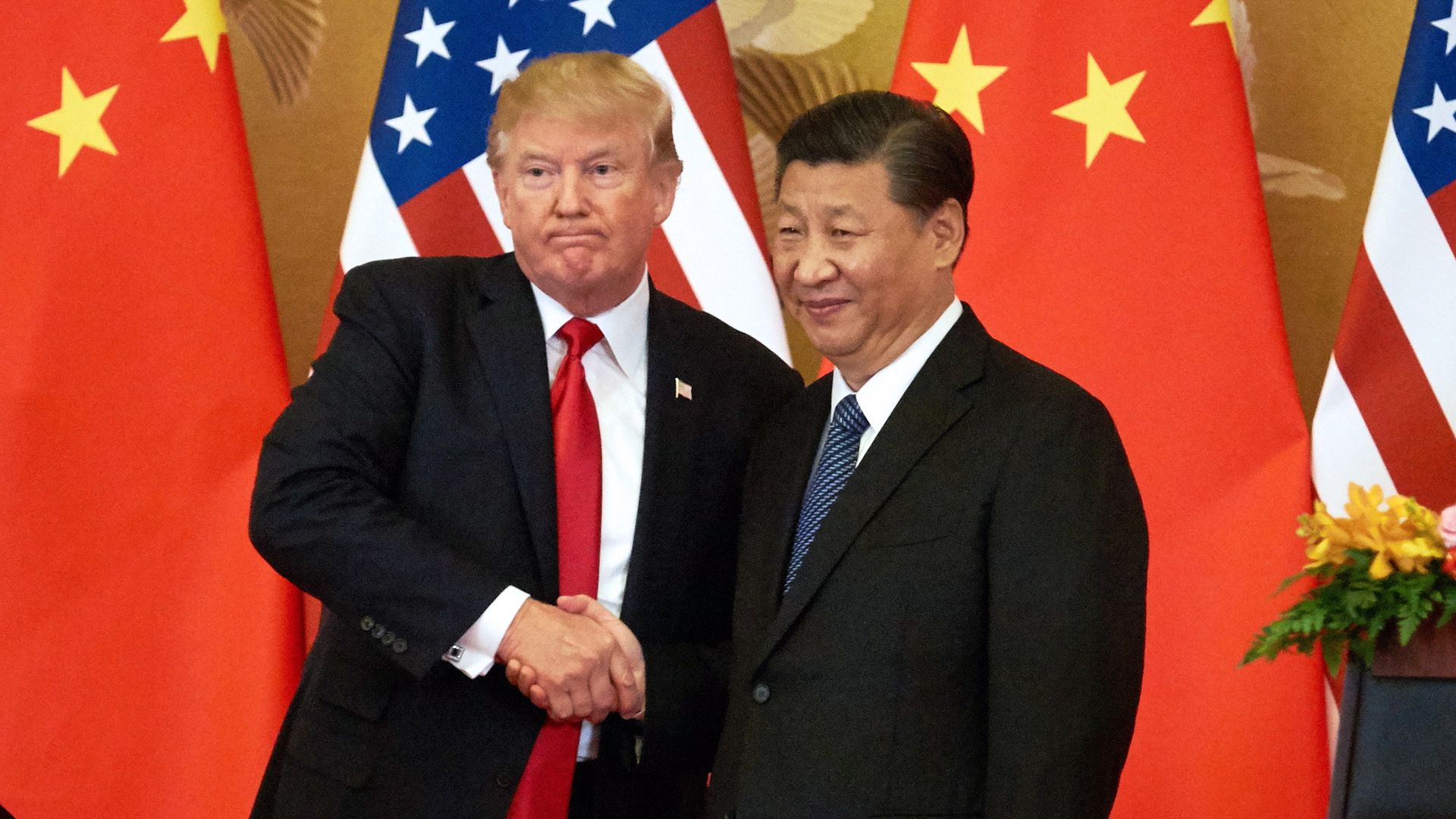
Chinese Foreign Minister Wang Yi said on Sunday that the U.S. should stop its "wishful thinking" of trying to change China, accusing the Trump administration of taking actions that are pushing the two nations toward a "new Cold War," Bloomberg reports.
Why it matters: U.S.-China relations have grown increasingly sour during the coronavirus pandemic. President Trump and many of his Republican allies directly blame the Communist Party's cover-up in the early days of the Wuhan outbreak for allowing the virus to spread throughout the world.
U.K. Prime Minister Boris Johnson came out in support of top aide Dominic Cummings Sunday after a joint investigation by the Daily Mirror and The Guardian found Cummings had traveled 260 miles in April to visit his parents while exhibiting coronavirus symptoms.
The latest: "In traveling to find the right kind of child care, at a moment when both he and his wife were about to be incapacitated by coronavirus, and when he had no alternative, I think he followed the instincts of every father and every parent and I do not mark him down for that," Johnson said Sunday.
White House national security adviser Robert O'Brien said on NBC's "Meet the Press" Sunday that the U.S. government will likely impose economic sanctions on Hong Kong and China if Beijing moves ahead with a proposed national security law for Hong Kong that could constrain the special region's autonomy.
Why it matters: O'Brien said the U.S. could revoke a special status that allows Hong Kong to function as an international financial hub, stating that it's "hard to see" how the financial community can remain in the city if the law is enacted.
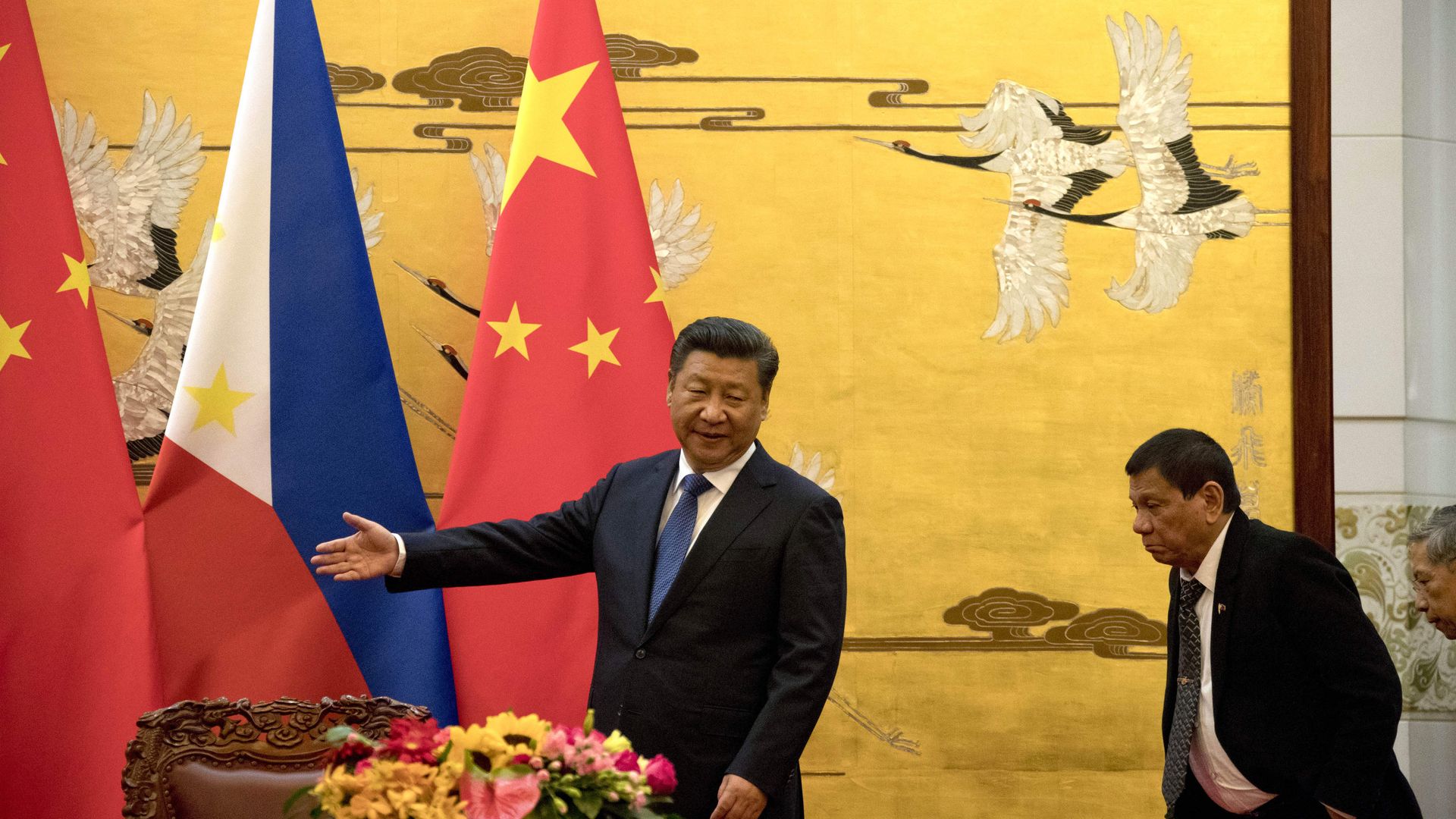
When the Philippines needed resources to fight its coronavirus outbreak, it turned not to its American allies, but to China.
Why it matters: The Philippines was a U.S. colony for half a century and is America’s oldest military ally in Asia. But the Southeast Asian nation is drifting further from the U.S. and toward America's superpower rival.
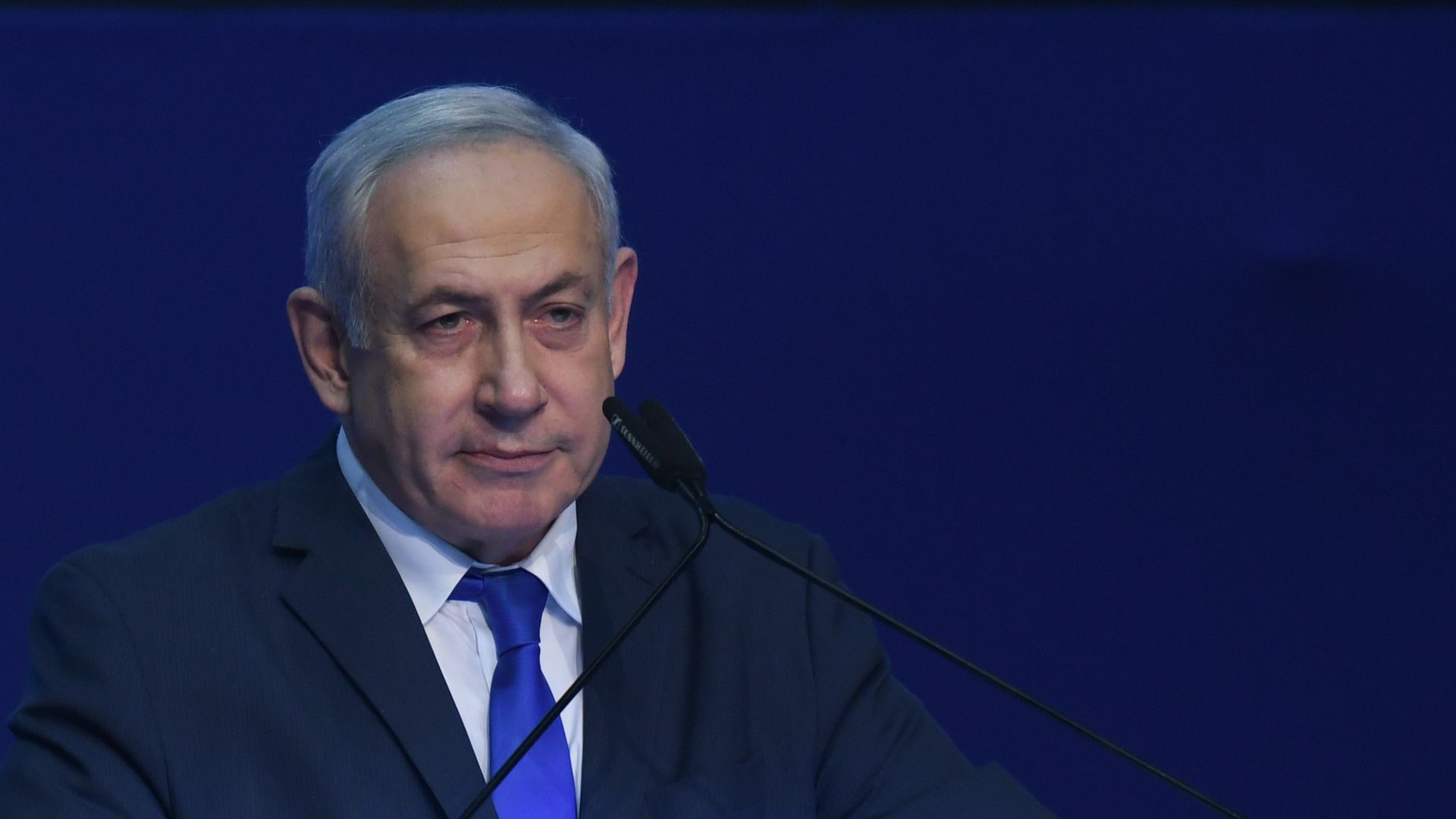
Israeli Prime Minister Benjamin Netanyahu's trial on charges of bribery, fraud and breach of trust is set to start in Jerusalem District Court on Sunday. He strongly denies all charges.
Why it matters: Netanyahu is Israel's first sitting prime minister to go on trial on corruption charges. He's the country's longest-serving leader and was sworn into office for a fourth consecutive term exactly a week ago.
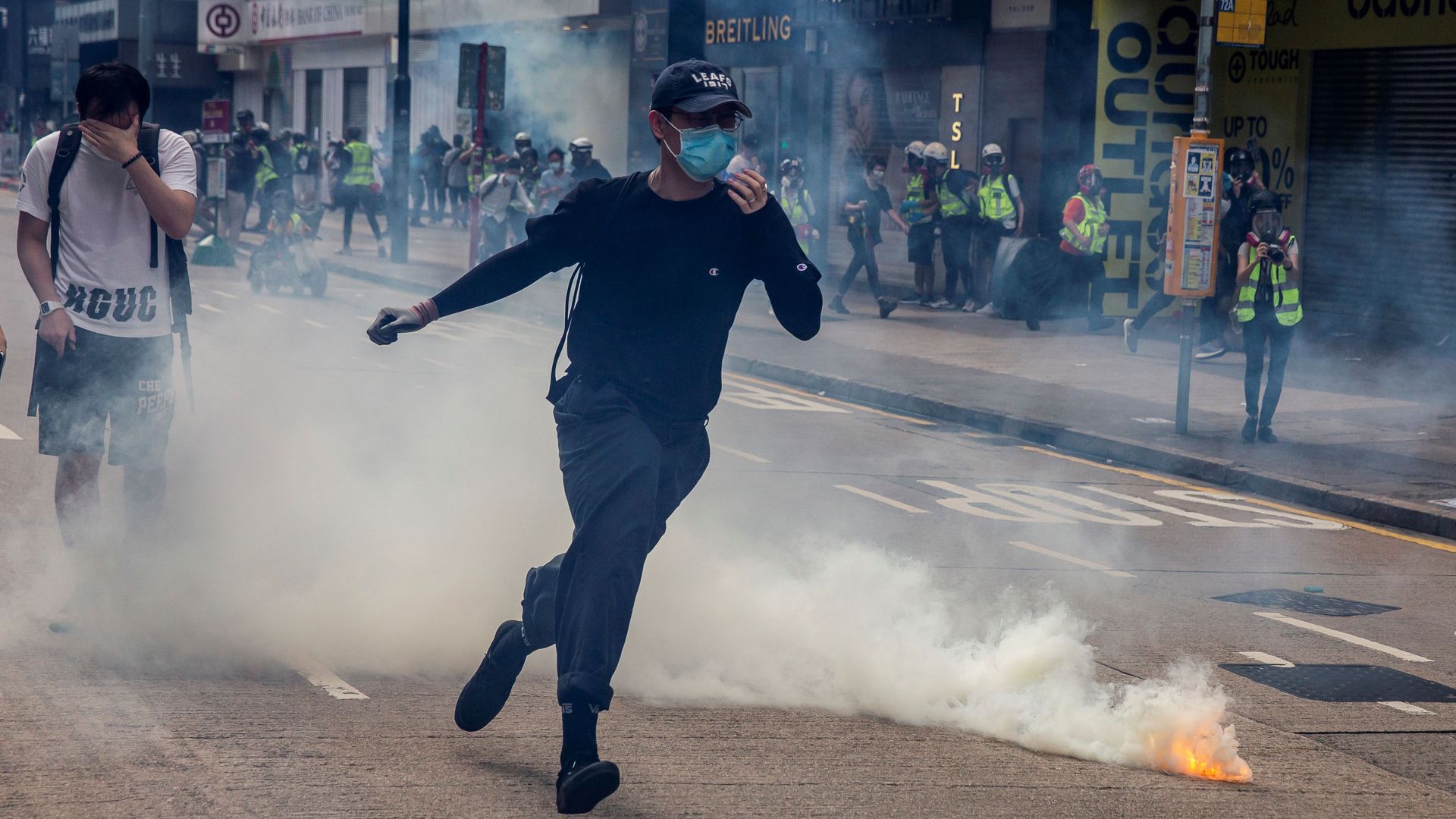
Hong Kong police used tear gas on thousands of protesters marching through the city on Sunday against China's plans to implement a national security law, per The Guardian.
Of note: This is the biggest mass gathering since Beijing's encroachment on Hong Kong's independent legal system sparked huge protests last year. Reuters reported earlier that police warned protesters not to break the ban on gatherings of more than eight people, a restriction imposed to curb the spread of the coronavirus.
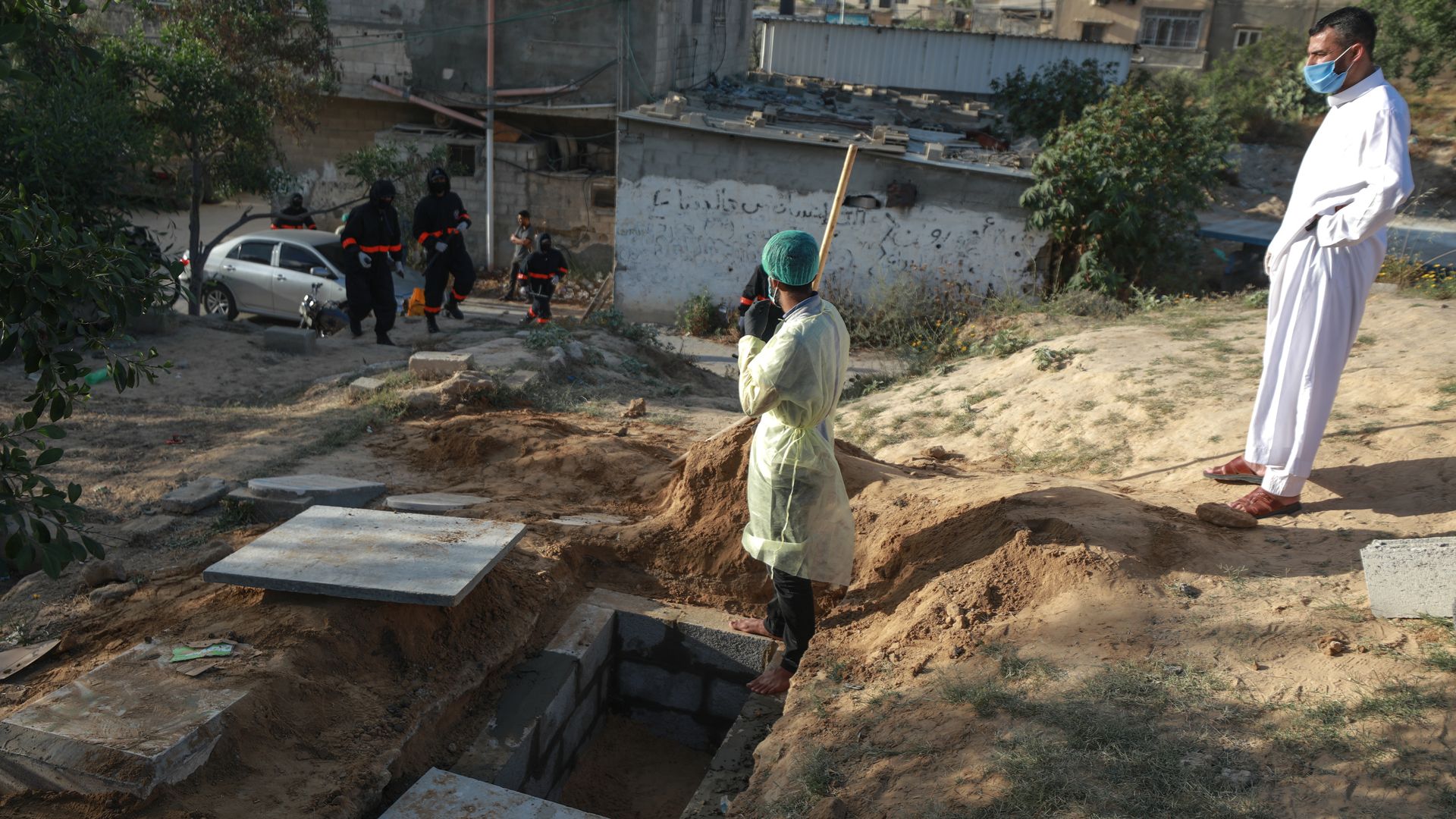
A 77-year-old woman with underlying health conditions has died from the coronavirus in Gaza, health authorities announced Saturday, per the New York Times.
Why it matters: This marks the first confirmed fatality due to the virus in the Gaza Strip, which has reported 55 COVID-19 infections, per the Times.
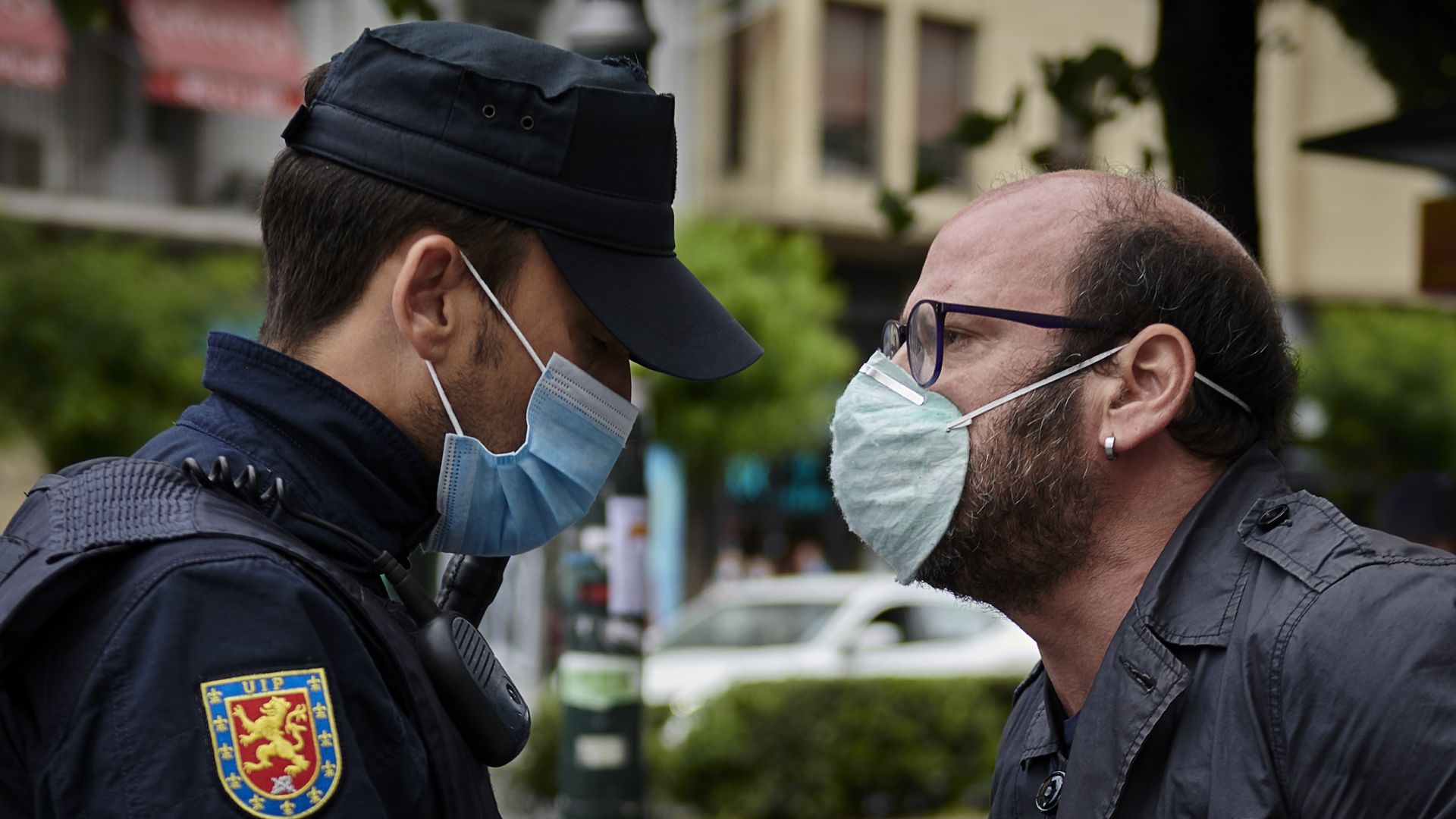
Vox, the far-right party in Spain, protested the government's handling of the novel coronavirus in droves on Saturday. The protestors called for Prime Minister Pedro Sánchez to resign, per the New York Times.
The big picture: Spain began reopening its economy in stages this month. Small businesses and restaurants can offer counter service and appointments as of this week, and limited tourist activity is allowed, per the first phase of the country's reopening.
Coronavirus testing is barely scratching the surface in much of the developing world.
By the numbers: Americans are more than 200 times as likely to have been tested as people in countries like Nigeria and Somalia, according to data compiled by the International Rescue Committee (IRC).
Brazil is reporting more confirmed coronavirus cases than any country in the world other than the U.S., Johns Hopkins data indicated on Friday evening.
The big picture: Prolonged lapses in testing and tracking, documented by the Washington Post in April, led to severely undercounted death tolls in the country as it emerged as an epicenter of the virus in Latin America.