In the 1,160 days since the Brexit referendum, Northern Ireland — a complex, but oft-forgotten country the size of Connecticut — has emerged as the ultimate sticking point in the worst crisis the U.K. has faced since World War II.
Why it matters: Brexit threatens to unsettle the dual identity dynamic on which peace in Northern Ireland hinges. The struggle to maintain that balance has ended the political career of Theresa May, catapulted Boris Johnson into Downing Street, and could result in a cliff-edge Brexit on Oct. 31 with potentially disastrous consequences — barring a miraculous last-minute deal.
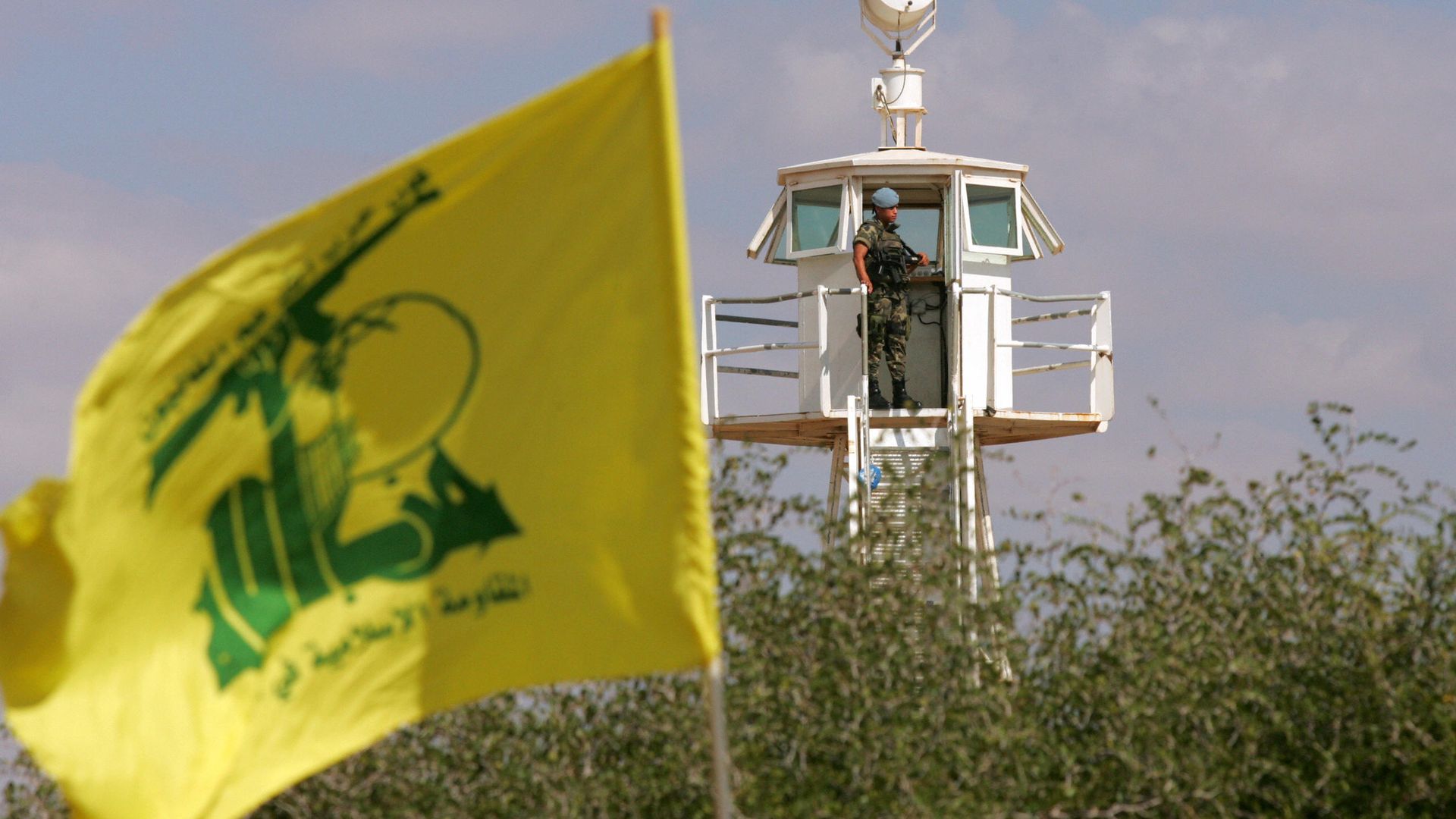
Senior Trump administration officials announced new sanctions against Lebanon-based Jammal Trust Bank and its subsidiaries, for allegedly helping Iran wire money to U.S.-designated terror group Hezbollah, according to a press call on Thursday.
Why it matters: U.S. officials said the new sanctions should serve as a warning to other countries that intend to manipulate foreign financial institutions to fund Hezbollah and other terrorist organizations. Already, the Iranian economy is struggling due to existing U.S. sanctions that went into effect in mid-2018.
13% of American companies with operations in China have moved or plan to move all or part of their business out of China, but only 3% plan to relocate those operations to the U.S., according to a survey of 220 members of the U.S.-China Business Council. Members include companies like Walmart, Caterpillar and Apple.
Why it matters: It undercuts White House arguments that the trade war with China is causing U.S. companies to return home. In fact, a larger percentage planned to relocate from China to the U.S. in 2015. One caveat is that the survey was done in June, before the recent tariff escalations.
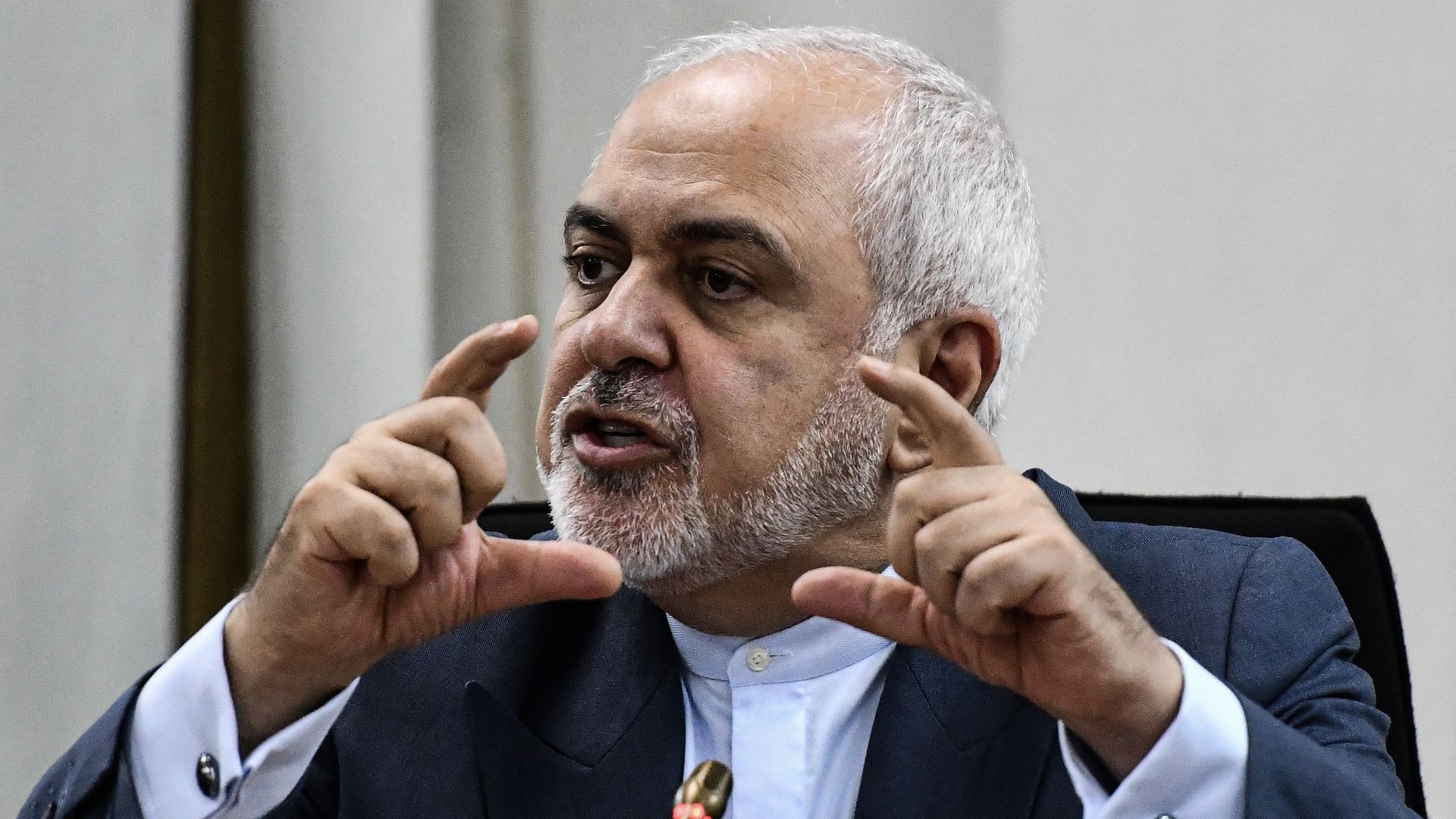
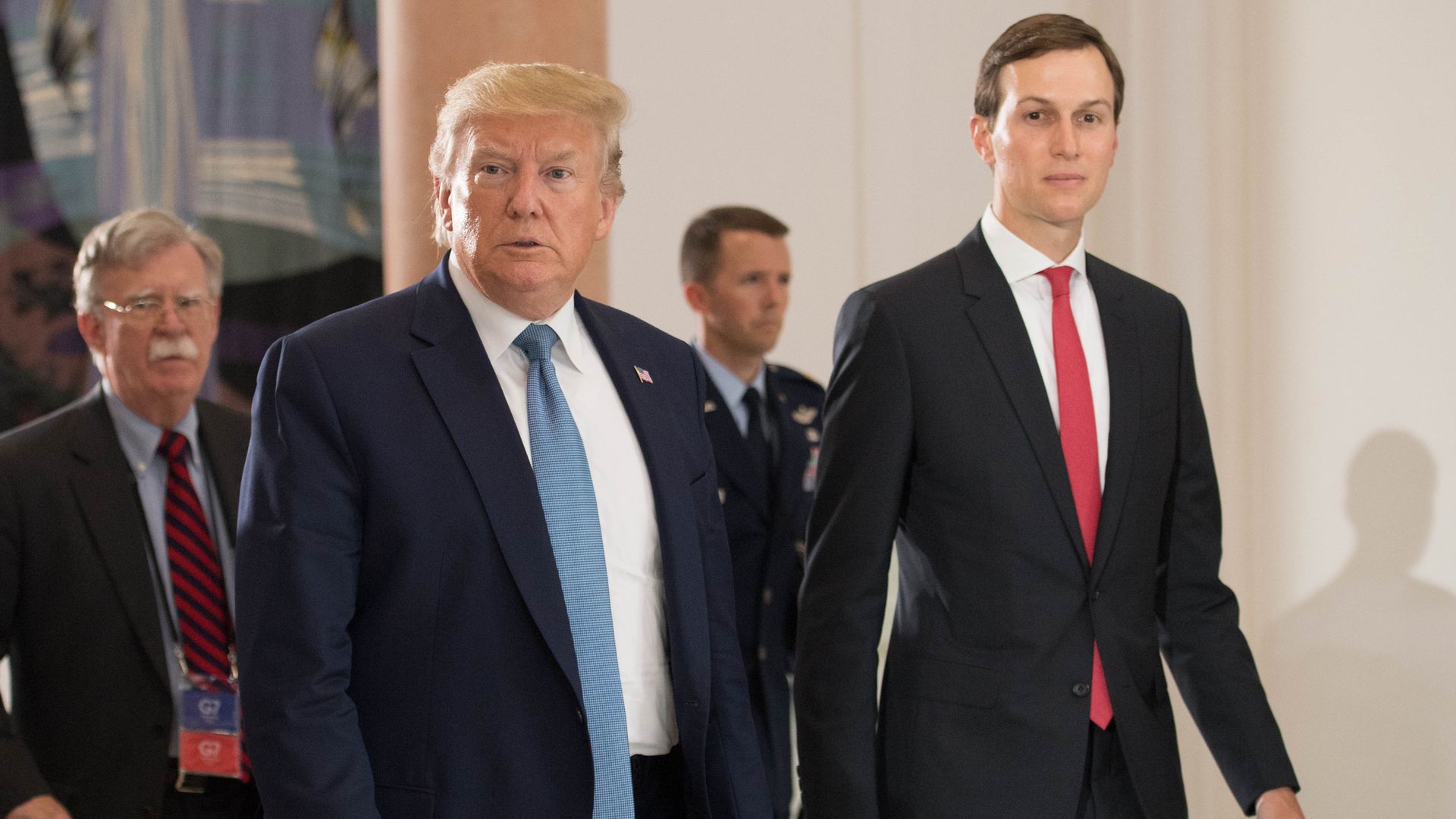
While Iranian Foreign Minister Mohammad Javad Zarif was making his way to France for a surprise visit at the G7 summit on Sunday, Israeli Prime Minister Benjamin Netanyahu and his team scrambled to make sure President Trump wouldn’t meet with him, according to U.S. and Israeli officials.
Netanyahu frantically tried to get President Trump on the phone — who was in back-to-back meetings and couldn’t take the call — while his office contacted multiple senior Trump administration officials, trying to connect the two leaders.
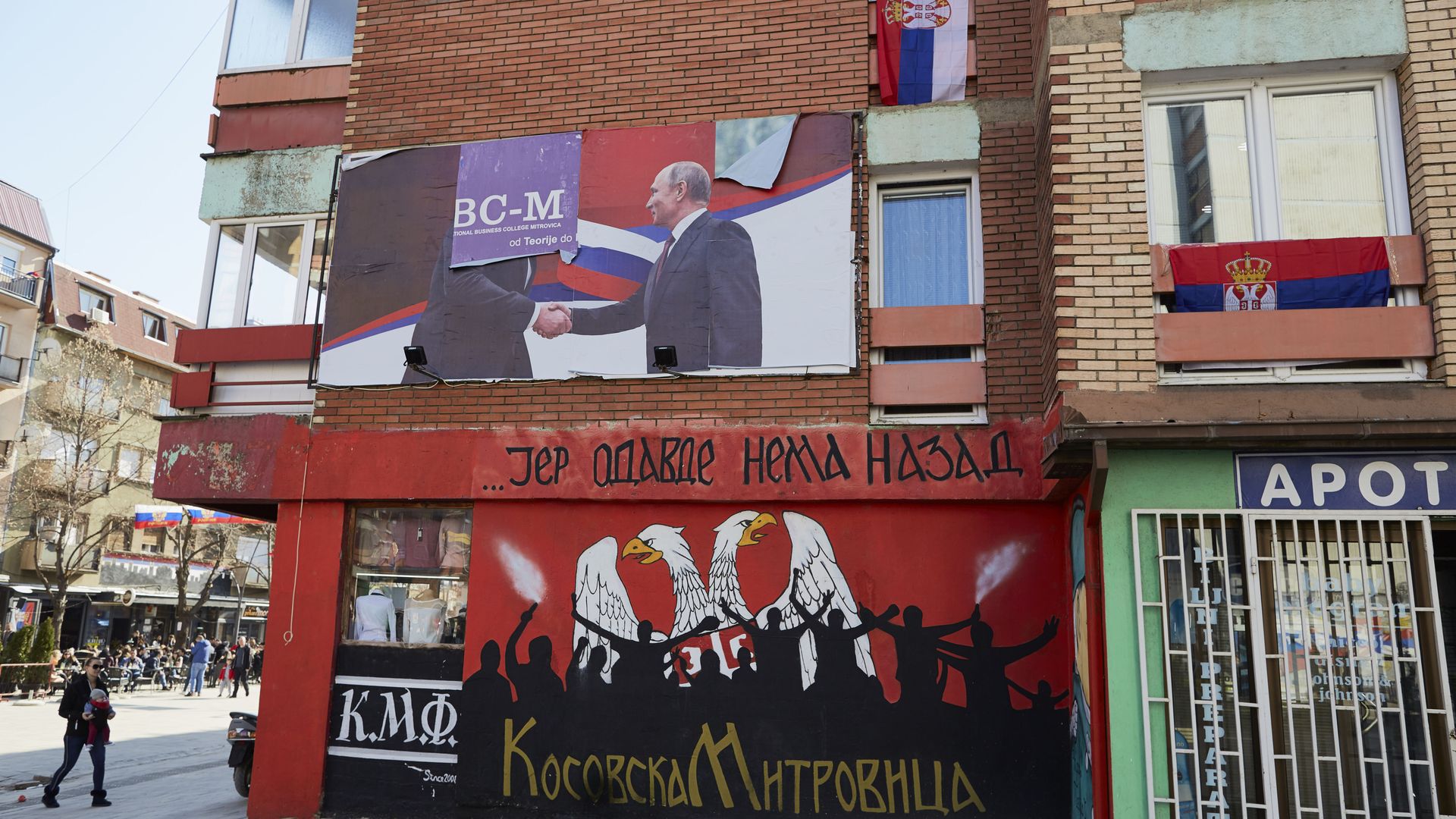
In an interview with Axios Wednesday, Kosovan Foreign Minister Behgjet Pacolli accused Russia of aiding in a Serbian effort to coerce African countries to revoke diplomatic recognition of Kosovo.
The big picture: Kosovo declared independence from Serbia in 2008 and has since been recognized as an independent state by 117 countries, including the U.S. and most of the EU. Serbia bitterly opposes Kosovo’s independence and has undertaken a covert effort to convince countries to change course. The goal is to bring the total number of countries that recognize Kosovo to below 97, or half the membership of the UN.
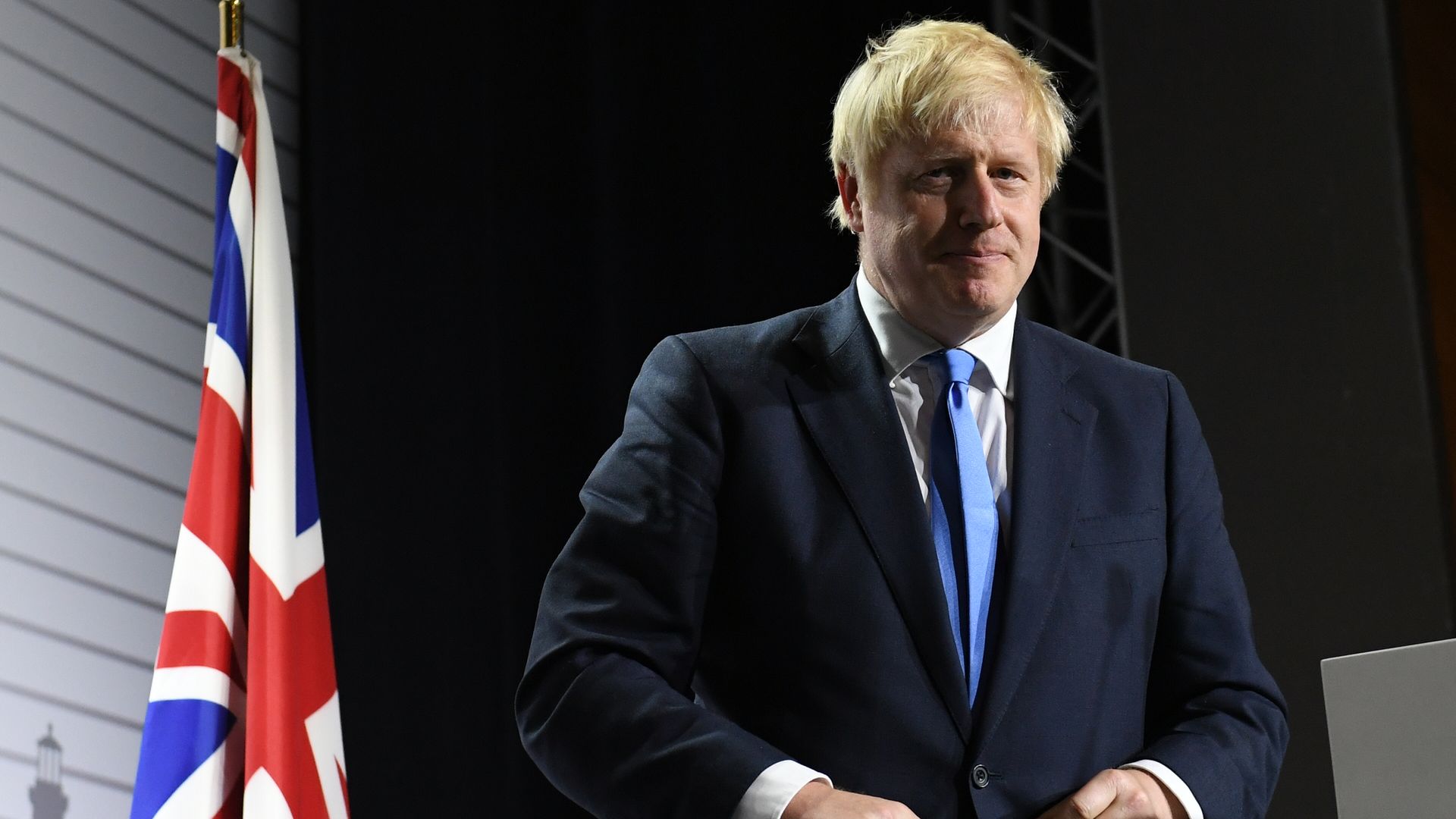
U.K. Prime Minister Boris Johnson got his request to shut down Parliament for several weeks approved by Queen Elizabeth II, leaving less time to avoid a "no deal" Brexit. But investors don't appear overly concerned — at least for now.
By the numbers: The British pound fell by as much as 1.1% against the U.S. dollar on the news, but ended the day just over half a percent lower.
Thousands of people rallied in Hong Kong's streets Thursday against alleged sexual assaults by police on pro-democracy protesters, as images of the Chinese military moving into the city raised fears of a Beijing crackdown, the BBC reports.
Why it matters: What began 12 weeks ago as a rally against a bill proposing to extradite Hong Kongers to mainland China has become a massive anti-government protest to defend the high degree of autonomy residents have had since the former British colony was returned to China in 1997. Clashes between police and protesters have become increasingly violent.
President Trump has decided not to publish his Israeli-Palestinian peace plan, or parts of it, before Israel's Sept. 17 elections, White House special envoy Jason Greenblatt said in a tweet.
Why it matters: Trump has spoken twice about this issue in the last 2 weeks, and he had raised the possibility the plan would be at least partially released before the elections. That could have had a big influence on the outcome of the elections and on the formation of the next governing coalition. The president and his Middle East “peace team," headed by Jared Kushner, had several discussions on this issue before deciding to wait, a White House official tells me.
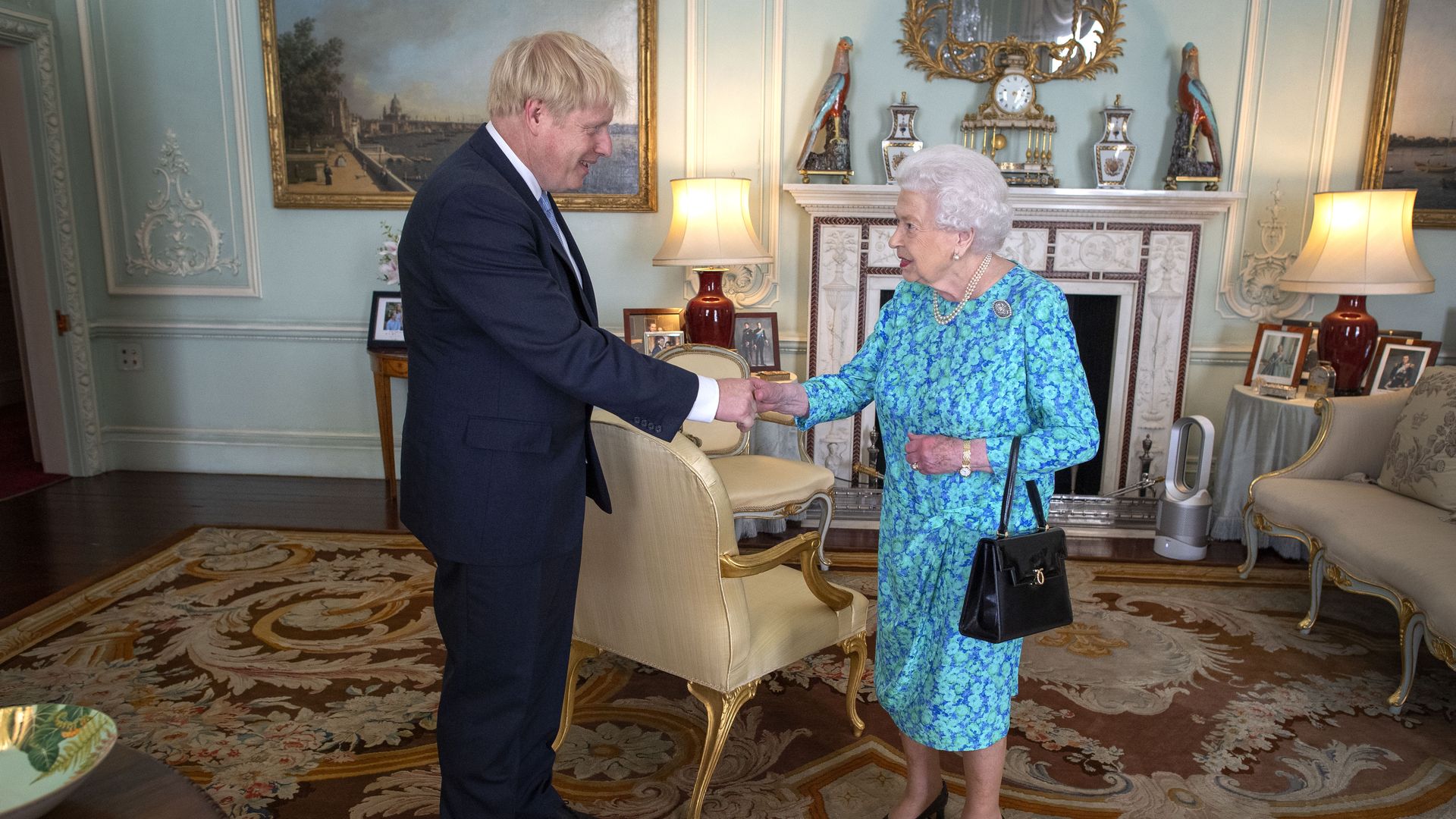
Queen Elizabeth II approved Wednesday U.K. Prime Minister Boris Johnson's request to "prorogue," or suspend, Parliament between the second week of September and Oct. 14.
Between the lines: In a letter to lawmakers, Johnson said he had asked the queen to suspend Parliament to give his government a fresh chance to set out a "new bold and ambitious domestic agenda." While this may be grounded in some truth, the real purpose of the dramatic move is to limit the amount of time opposition members of Parliament have to block a "no-deal" Brexit, the default — and potentially disastrous — legal option on Oct. 31.
Queen Elizabeth II has approved a request from British Prime Minister Boris Johnson's government to suspend Parliament when it returns from its summer recess until it can lay out its plans with a traditional Queen's Speech on Oct. 14, per the BBC.
Why it matters: While the request is largely standard process for a new administration — the Queen's Speech is akin to an incoming State of the Union — these are not standard times. The length of the suspension is longer than usual, and Johnson's opposition would have little time to use parliamentary procedure to stop a no-deal Brexit. Assuming that negotiations with the European Union remain stalled, it means that the U.K. will likely either crash out of the bloc on Oct. 31 — or face a snap general election called by Johnson's opposition.
Sen. Chris Murphy (D-Conn.) said in a statement Tuesday Russia had refused to grant him a visa to visit the country as part of a bipartisan congressional delegation.
Why it matters: Murphy's statement comes a day after fellow Senate Foreign Relations Committee member Sen. Ron Johnson (R-Wis.) said Russia had refused to grant him a visa. President Trump has been trying to press G7 members to let Russia rejoin the group, after it was disinvited in 2014 from attending the summit for annexing Crimea.
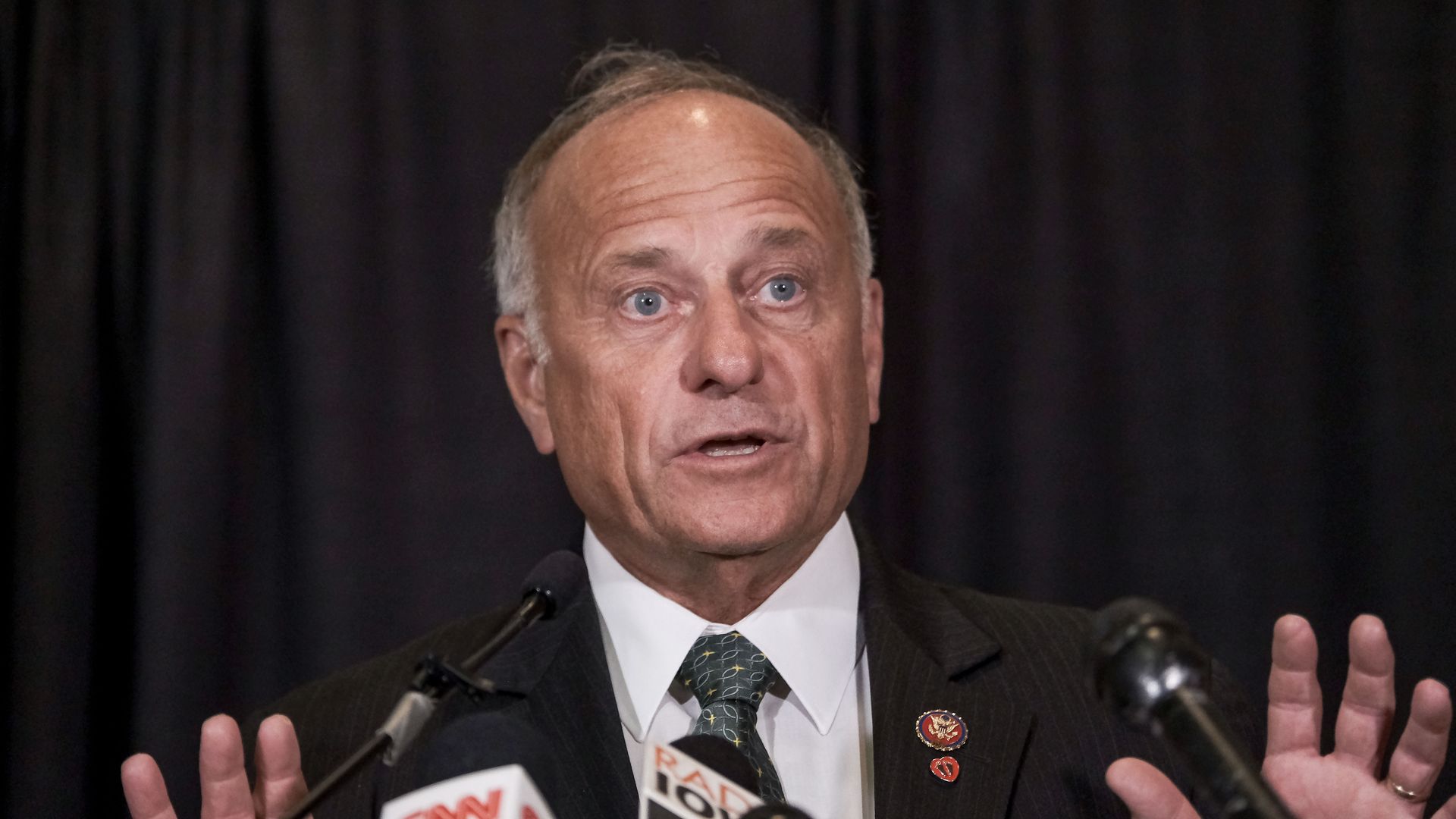
Rep. Steve King (R-Iowa) joked at a town hall in Audubon, Iowa, Tuesday about sterilizing Muslim women in China "so there’s no more Uighurs to be born," and "trying to force them to eat pork," the Sioux City Journal reports.
Why it matters: King has been struggling to attract donors over his previous controversial comments about race and abortion. Per Axios' Dave Lawler, China has detained an estimated 1 million to 2 million Uighur Muslims in the region of Xinjiang in internment camps. Under Islamic law, Muslims are forbidden from eating pork.