In the midst of French efforts to de-escalate tensions between Tehran and Washington at the G7 summit in Biarritz, the conflict between Israel and Iran may have entered a dangerous new stage.
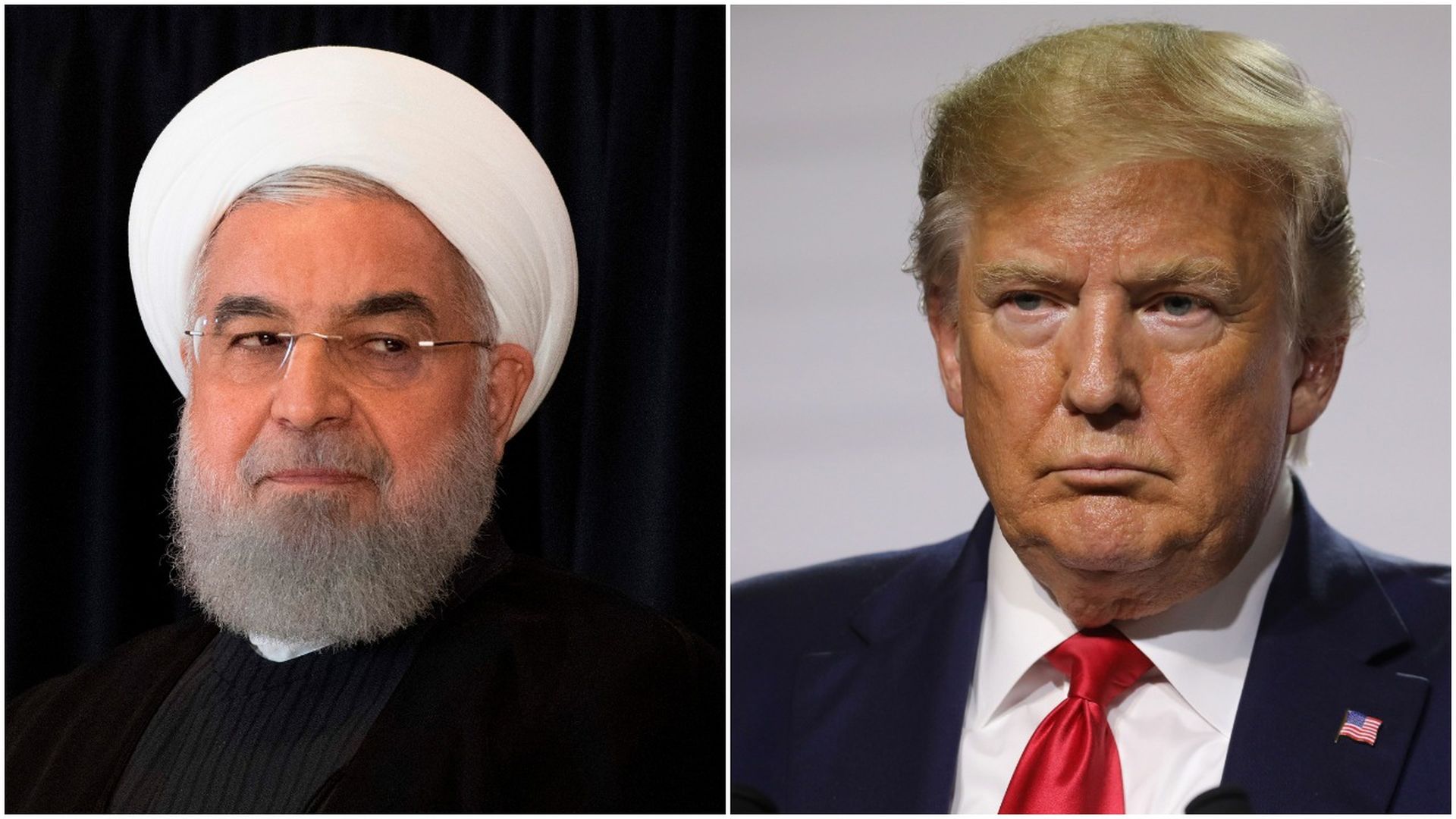
Why it matters: French President Emmanuel Macron is seeking to ease tensions between the U.S. and Iran and arrange a meeting between President Trump and Iranian President Hassan Rouhani in the coming weeks. But an Israeli-Iranian blow up could tank the prospects for any of this.
Iranian President Hassan Rouhani says he's open to meeting with President Trump, but only if crippling U.S. sanctions are lifted first, reports AP.
Why it matters: The statement comes a day after French President Emmanuel Macron said at the G7 that he plans to arrange a meeting between the two leaders in the coming weeks. Rouhani yesterday expressed interest in meeting Trump, but returned today to the insistence that the U.S. remove its crippling economic sanctions if it wants to de-escalate tensions.
The Australian government said in a statement Tuesday it's "very concerned" that Chinese-Australian writer Yang Hengjun has been formally arrested on espionage charges in China after being in detention for months.
Why it matters: The arrest of the New York-based writer comes at a tense time between Australia and China after the U.S. pressed Australia to take a stronger stance against Beijing, per the New York Times, which notes that Secretary of State Mike Pompeo said on a recent trip to Sydney that China’s increasingly aggressive behavior worldwide required greater attention and pushback.
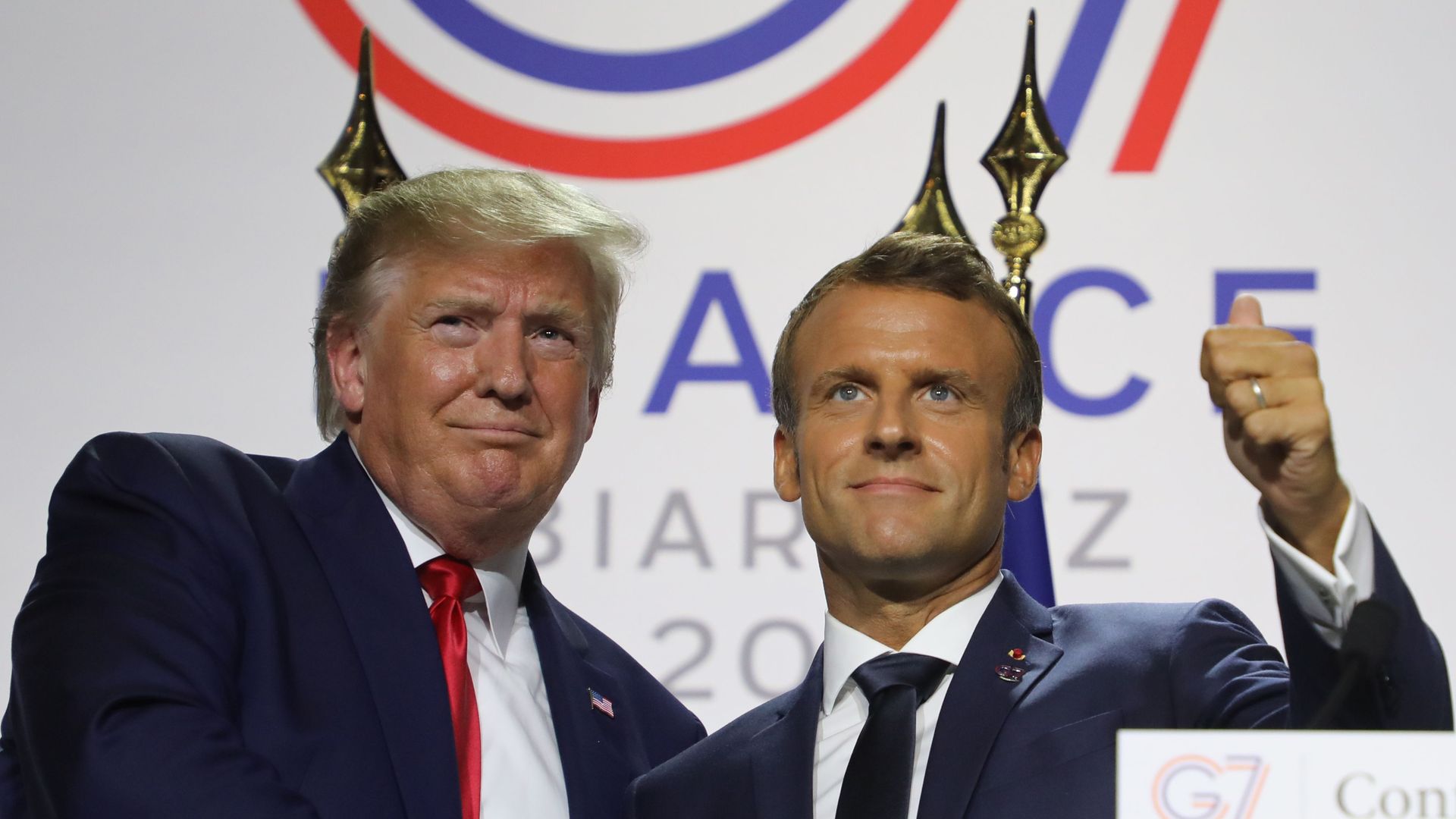
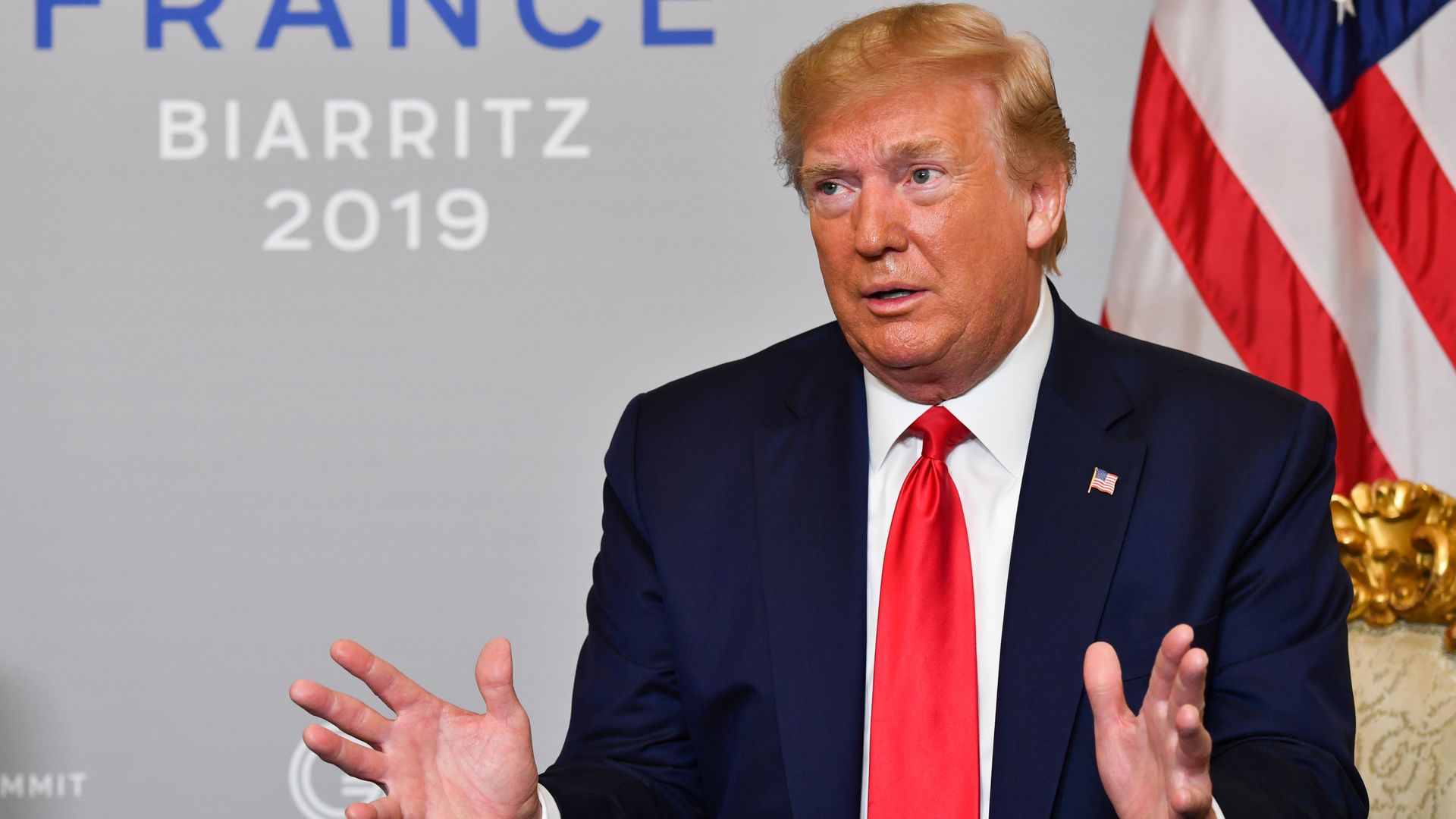
The G7 summit began with a sense of impending doom and included a twist in the form of a surprise guest, but ended with smiles and a delicate breakthrough — President Trump may now be on course to meet with Iranian President Hassan Rouhani.
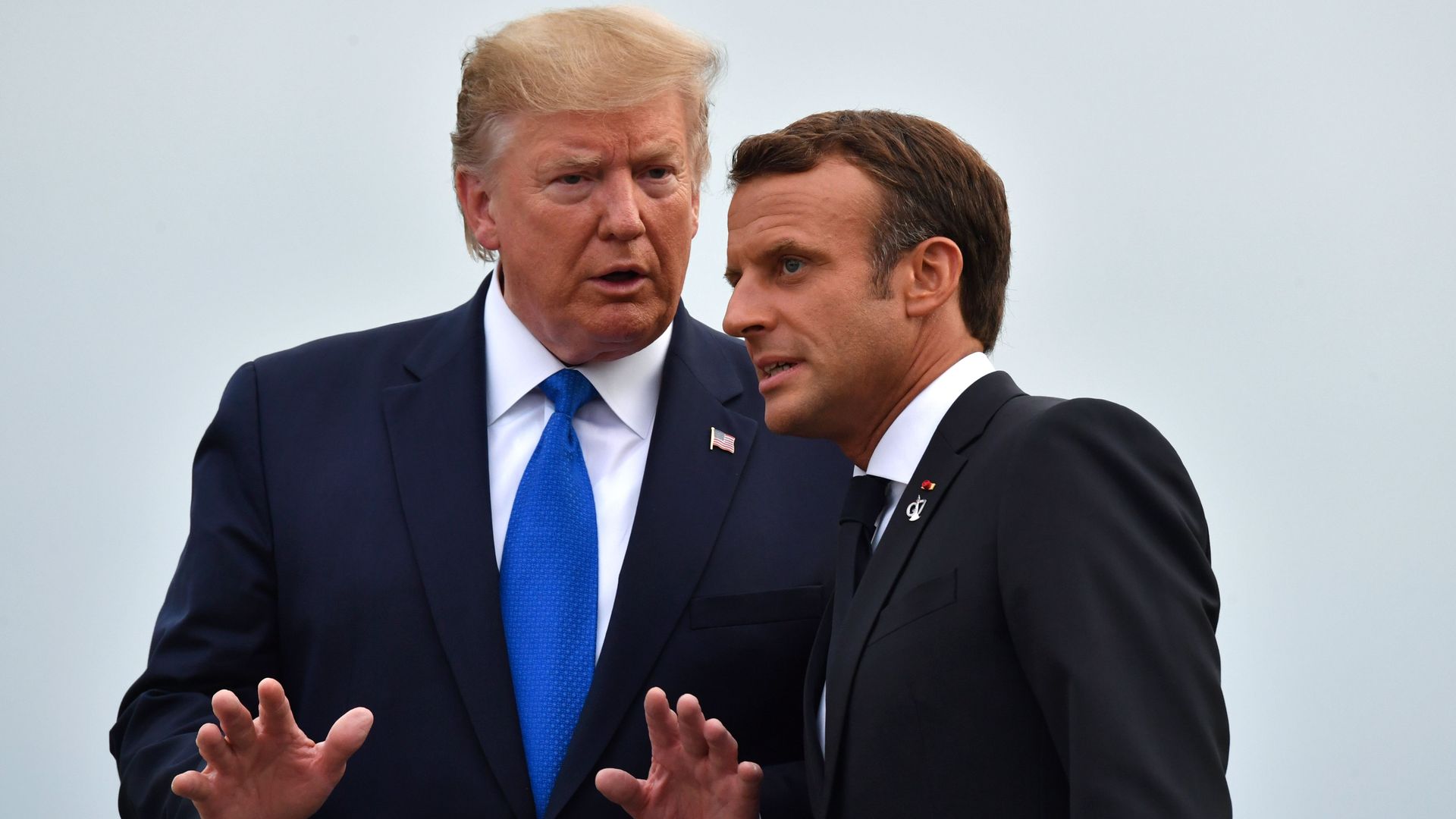
Driving the news: French President Emmanuel Macron, the host, revealed during a joint press conference with Trump today that he has been working to broker such a meeting. That explained his decision to invite Iranian Foreign Minister Mohammad Javad Zarif to Biarritz, a move that raised eyebrows around the world yesterday.
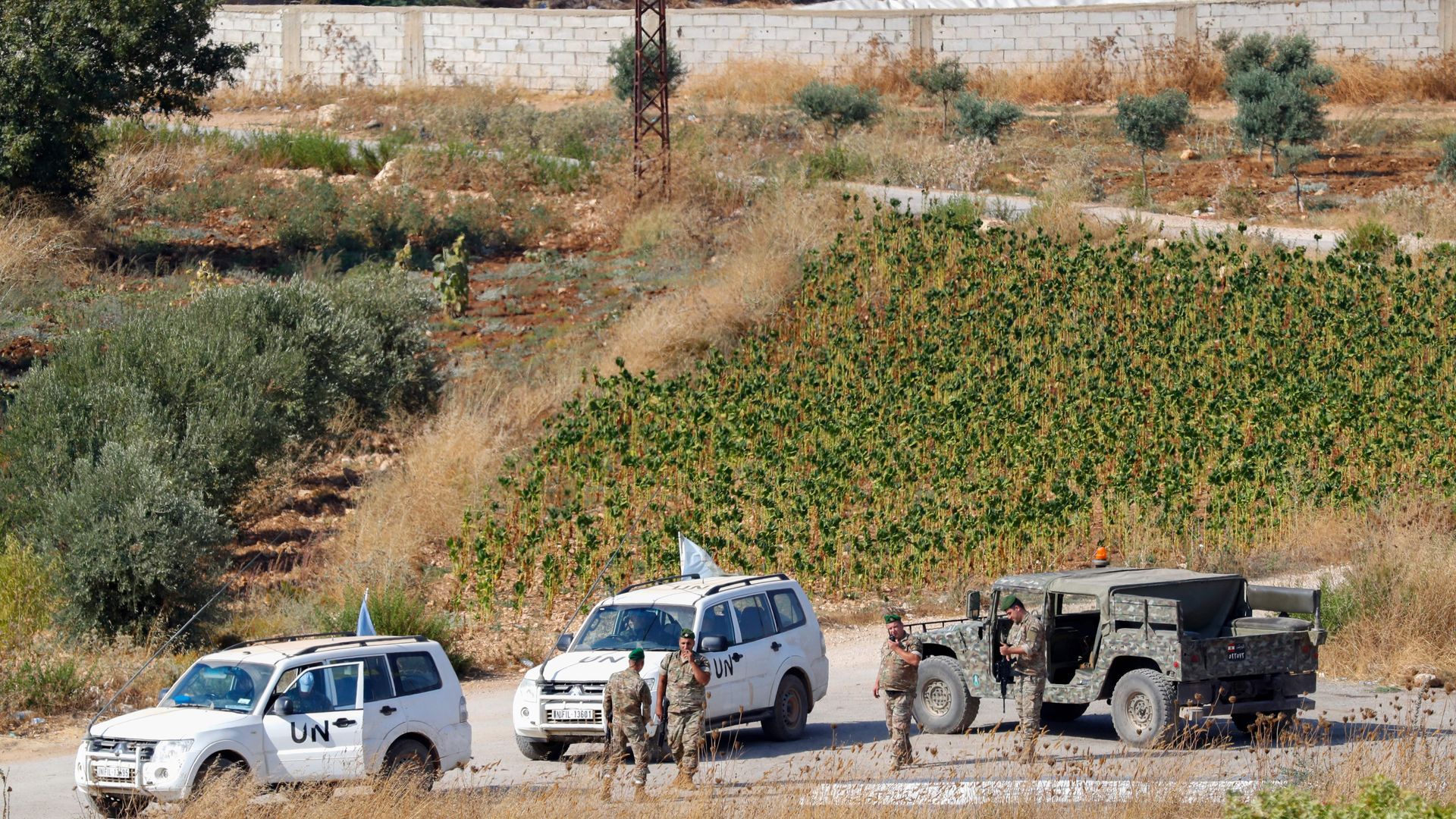
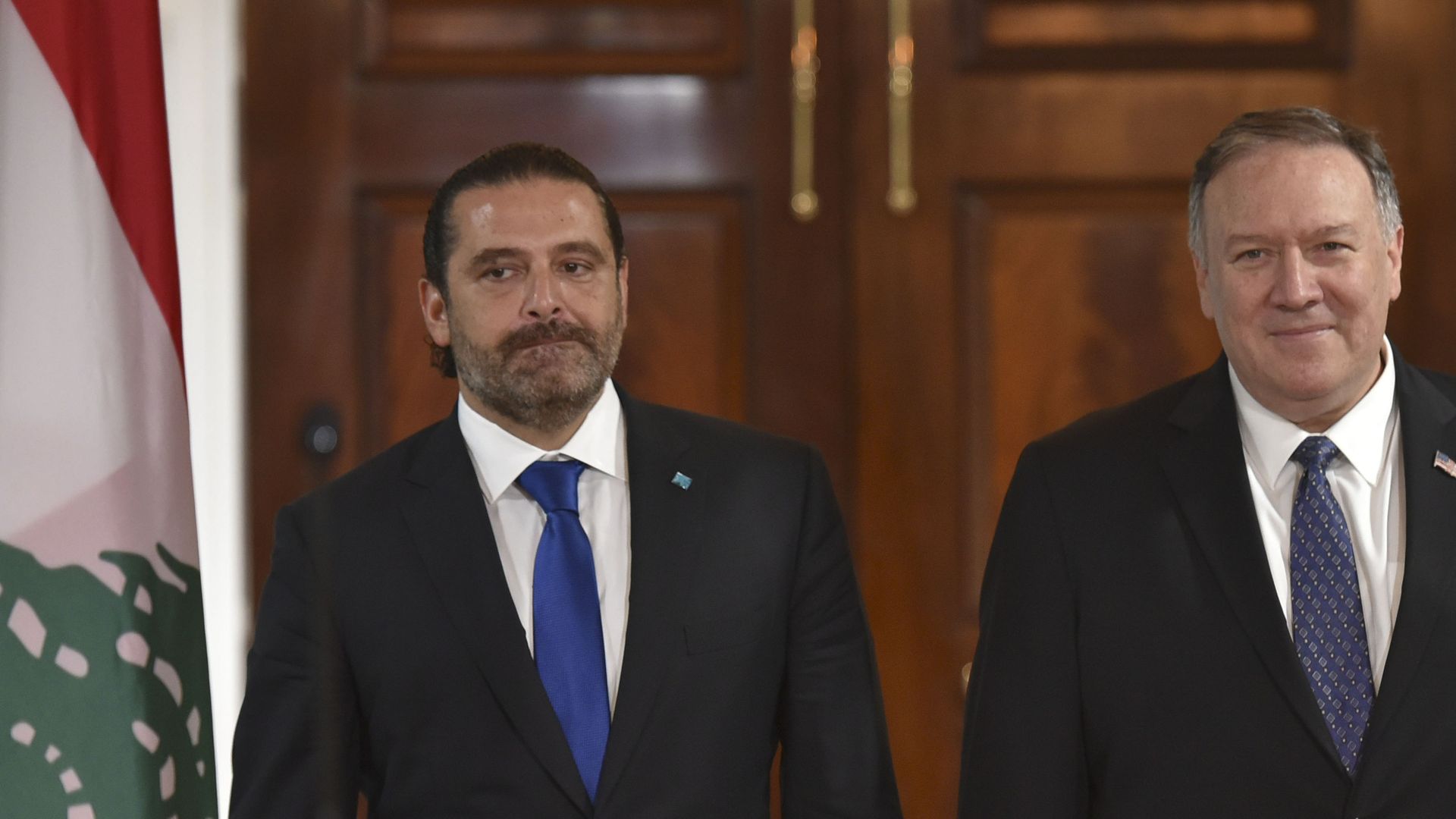
Israeli Prime Minister Netanyahu asked Secretary of State Mike Pompeo yesterday to pass a strong warning to the Lebanese government that Israel will hold it responsible if Hezbollah attacks Israel, Israeli officials tell me.
Why it matters: Hassan Nasrallah, Hezbollah's secretary-general, threatened to attack Israel in retaliation for a drone attack over the weekend on the organization's headquarters in Beirut. Tensions between Israel and Hezbollah are now at their highest point since the 2006 war.
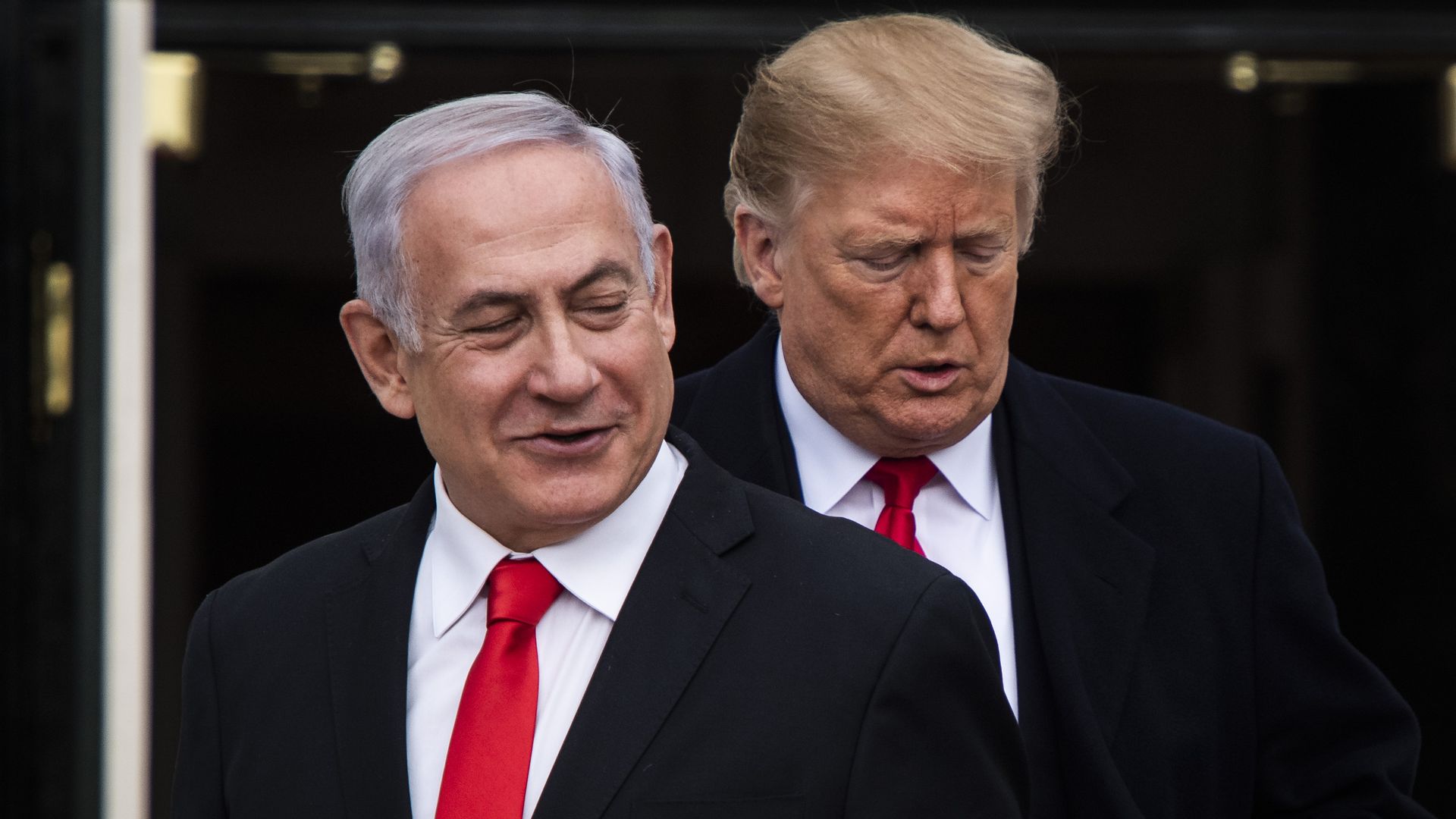
The Israeli government is deeply concerned about the possibility of new U.S.-Iran nuclear talks, which President Trump discussed today alongside President Emmanuel Macron of France, 3 Israeli Cabinet ministers and 2 senior Israeli officials involved in Iran policy tell me.
Why it matters: The pressure campaign against Iran has been the main point of collaboration between the Netanyahu government and the Trump administration, and Netanyahu saw Trump's withdrawal from the Iran nuclear deal as a signature foreign policy achievement. A loosening of Trump's "maximum pressure" campaign on Iran could create tension with Israel.
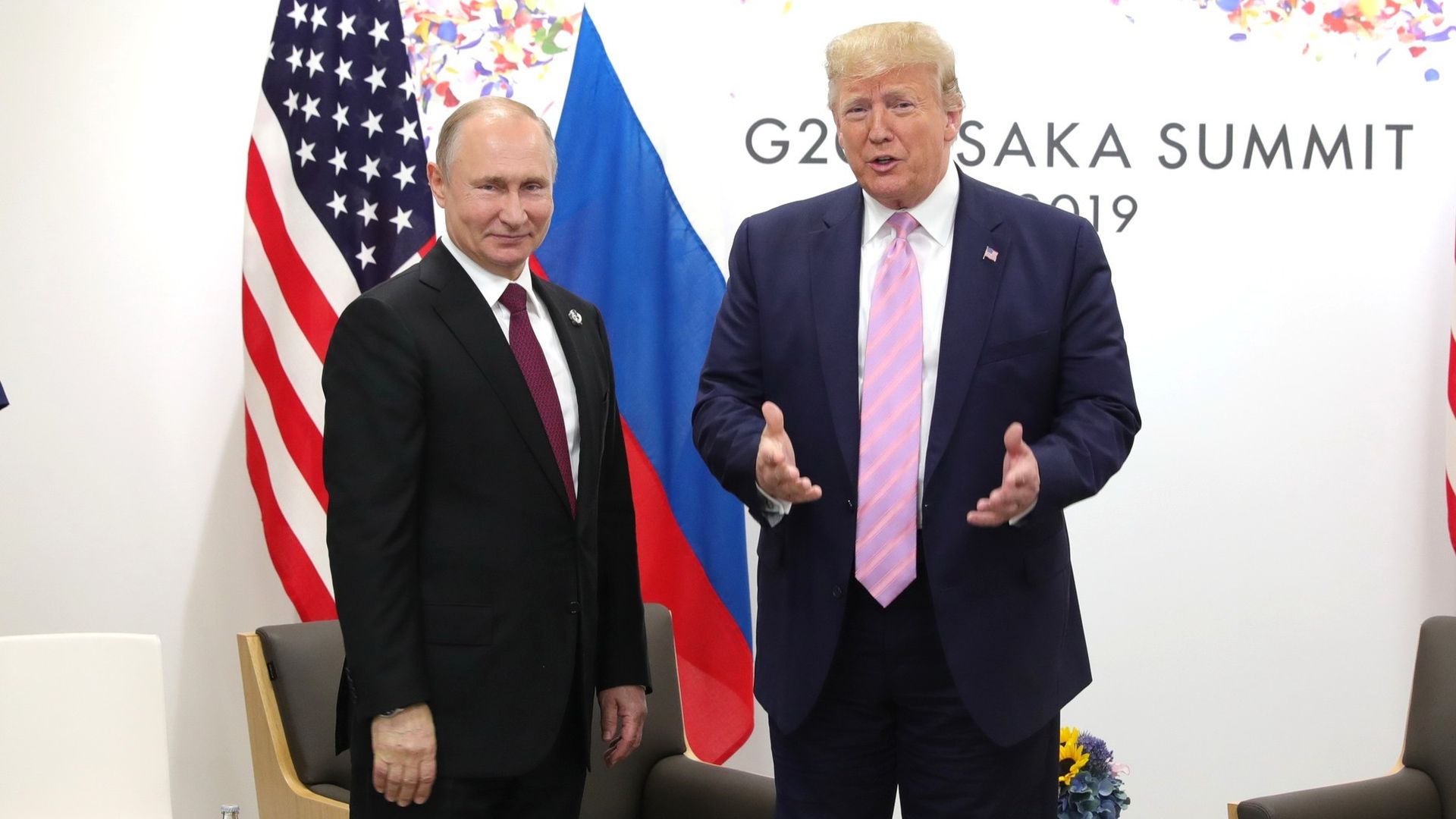
President Trump claimed today that Russian President Vladimir Putin "outsmarted" President Obama when he annexed Crimea in 2014 and that Russia was expelled from the G8 because Obama was upset at having been outmaneuvered.
Why it matters: Trump wants Russia to be allowed to rejoin the G7 club, and he has repeatedly declined to blame Putin personally for the incursions into Ukraine that united the other G8 members against him. Trump said Putin had been "a good member of the G8" and that the world is better off with Russia "inside rather than outside."
French President Emmanuel Macron revealed Monday that he is attempting to broker a meeting between the U.S. and Iran in the coming weeks during a joint press conference with President Trump to close the G7 summit.
Why it matters: Trump has long said that he is willing to meet with Iranian President Hassan Rouhani, but Iranian officials have rejected the idea on grounds that the U.S. is waging "economic warfare" against them. Macron said he told Iranian Foreign Minister Mohammad Javad Zarif, who made a surprise visit to the summit over the weekend, that if such a meeting went forward he believes "an agreement could be reached." He pointed to a statement today from Rouhani that he would be willing to meet with "an individual" if it was in Iran’s interest.
President Trump said Monday during a meeting with Egyptian President Abdel Fattah el-Sisi on the sidelines of the G7 in Biarritz, France, that he may present his long awaited Israeli-Palestinian peace plan before Israel's Sept. 17 elections.
Why it matters: The Palestinian issue is politically explosive in Israel. Before the April elections, Trump decided to postpone the release of his peace plan until a new Israeli government could be put in place, but today's comments show he might act differently this time.