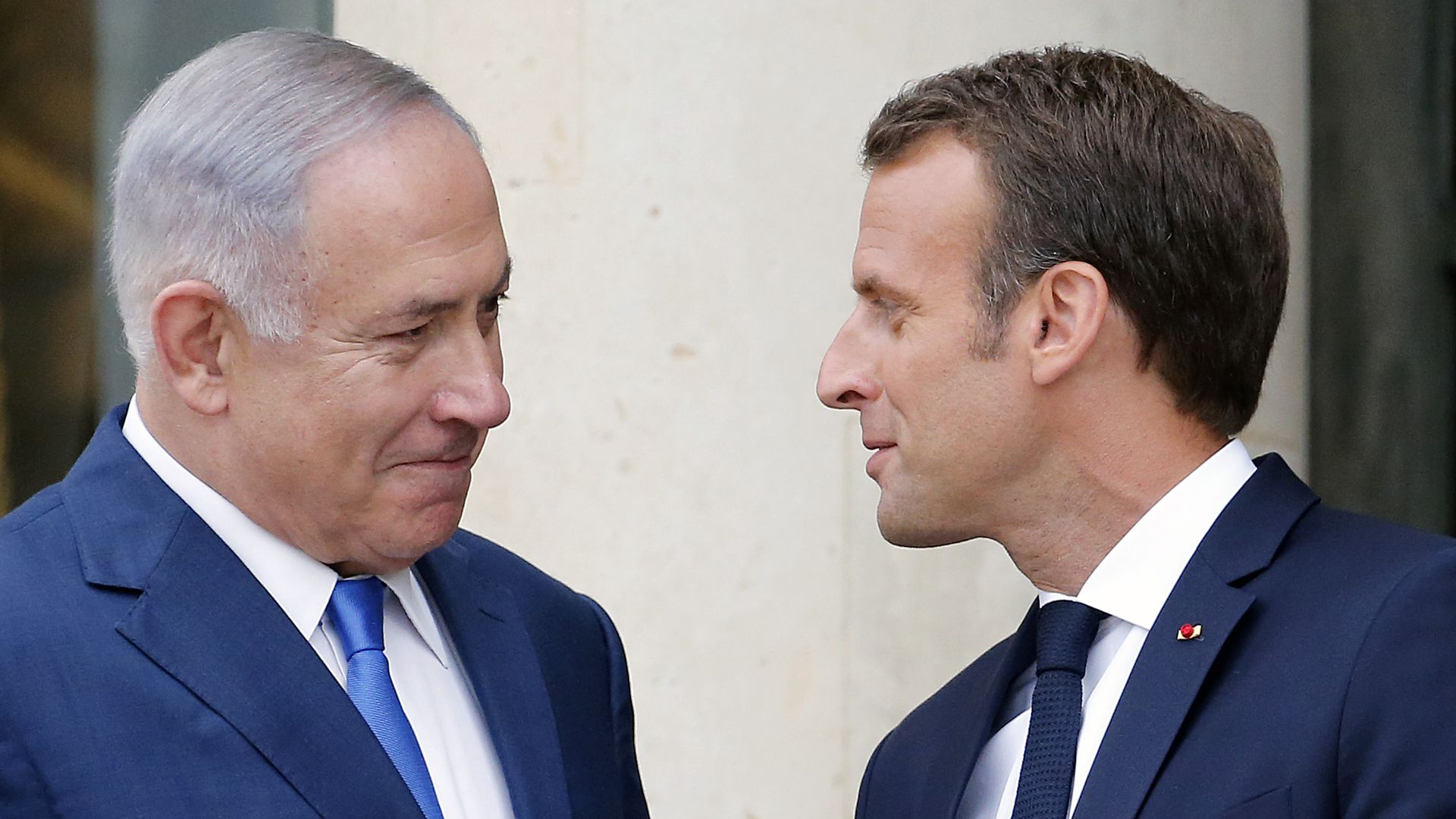
Israeli Prime Minister Benjamin Netanyahu told French President Emmanuel Macron in a phone call Friday that "Iran is expending its aggression in the region and this is not the time" to arrange a summit between President Trump and Iranian President Hassan Rouhani, according to a statement by Netanyahu's office.
Why it matters: Netanyahu is very concerned about Macron's initiative. The statement from Netanyahu's office was his first public reaction on the Iran developments at the G7 meeting in France last Sunday.
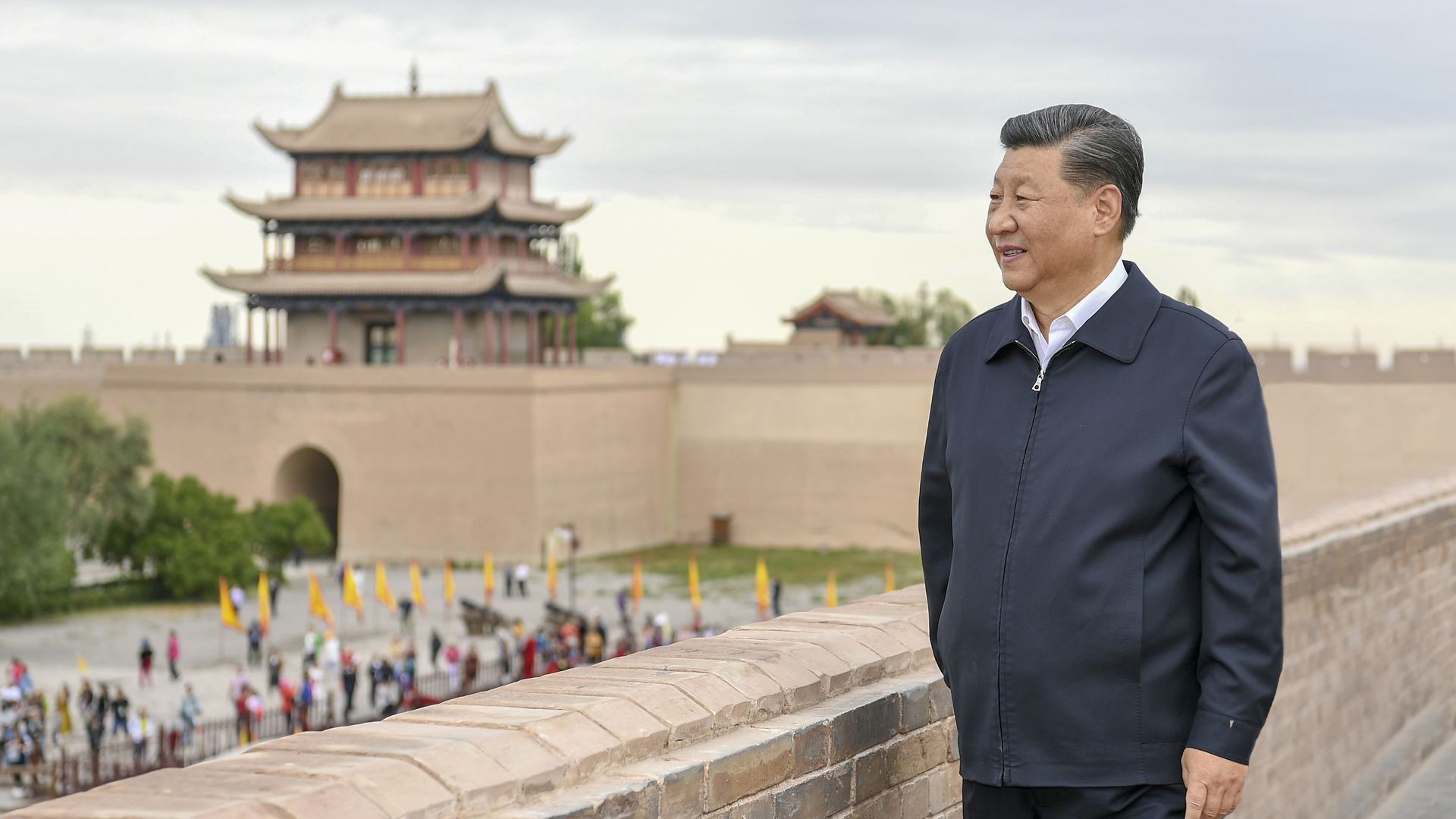
Chun Han Wong, a reporter for the Wall Street Journal who had previously reported on an investigation by Australian authorities into Chinese President Xi Jinping's cousin, had to leave China on Friday after a request to renew his press credentials was denied.
Why it matters, per the Journal: Though no official reason was given for the decision, "Chinese authorities have increased pressure on foreign news media in recent years to dissuade them from reporting on matters the government considers politically sensitive or detrimental to China’s image and interests," often using the revocation of press credentials as a threat.
China's bond and equity markets have been slowly opening up to foreigners. They're now beginning to see fairly significant inflows that are growing much more quickly than foreign direct investment.
What's happening: Over the past 8 years, foreign investment in China's stocks and bonds has grown 6-fold to nearly $1.3 trillion, per Wind Information data shared by Seafarer Funds. And Americans are responsible for nearly half of that total, scooping up $535 billion worth of Chinese assets, with significant flows in recent months.
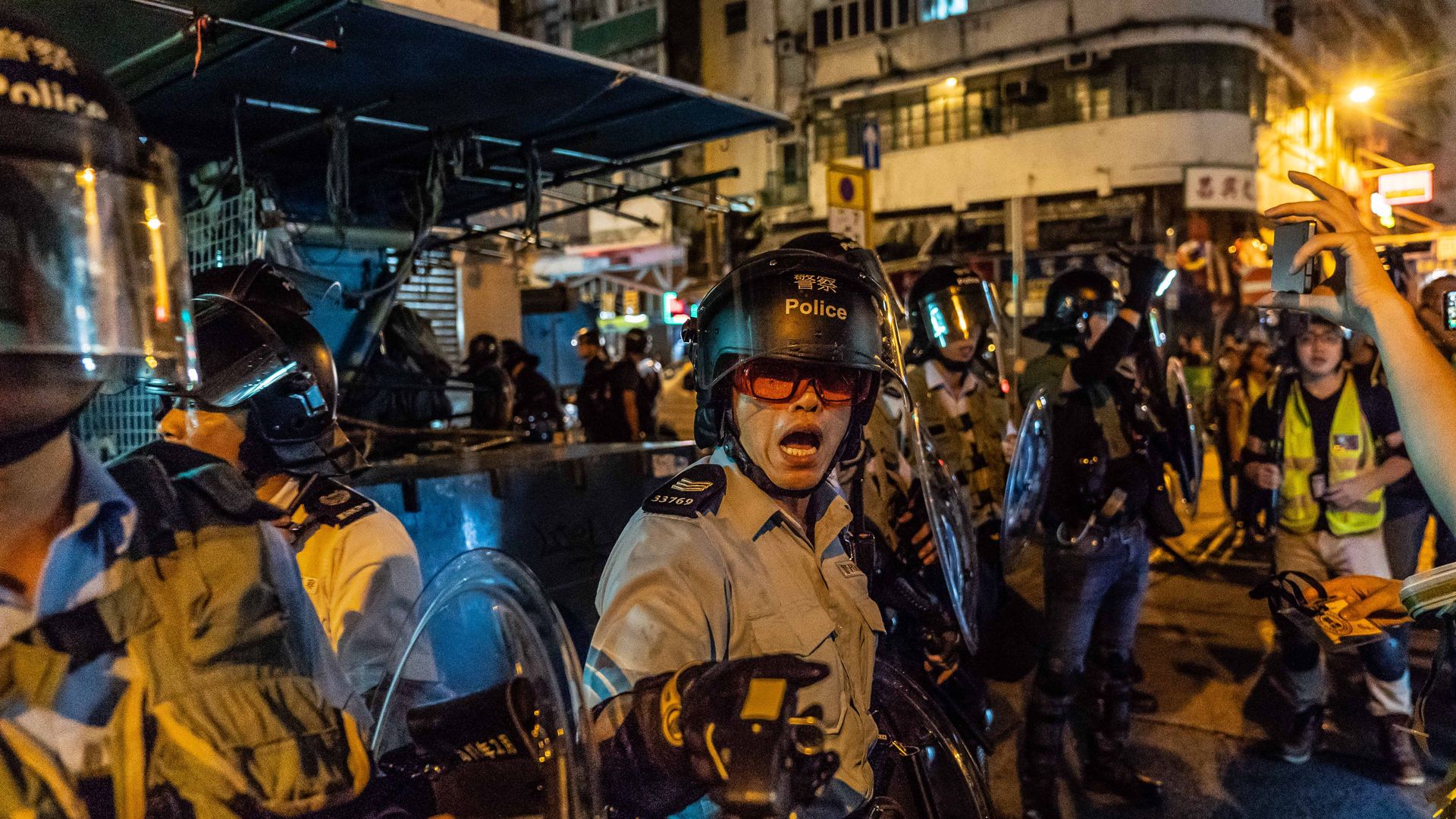
Hong Kong's government refused Friday to grant permission for a major protest march to take place over the weekend while two prominent activists, including Joshua Wong, were also charged for their participation in a June protest, per the AP.
Why it matters: The twin moves, which authorities claim are linked to violence and unrest at earlier demonstrations, indicate that Hong Kong may be taking a "harder line on this summer's protests," according to the AP. The planned march was meant to mark the fifth anniversary of China's decision not to allow fully democratic elections for Hong Kong's leader, though it is still unclear if some protestors may still take to the streets on their own.
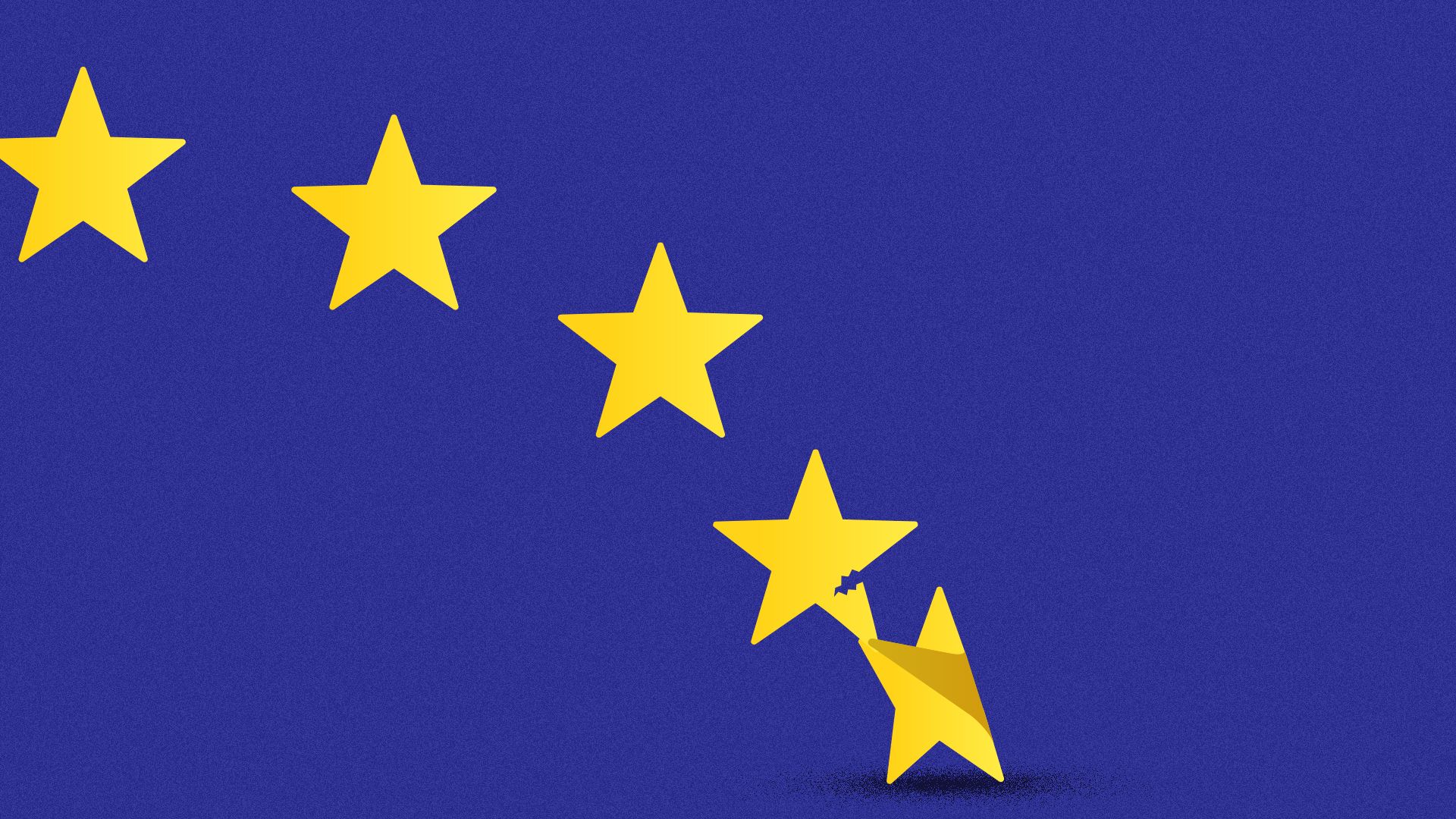
In the 1,160 days since the Brexit referendum, Northern Ireland — a complex, but oft-forgotten country the size of Connecticut — has emerged as the ultimate sticking point in the worst crisis the U.K. has faced since World War II.
Why it matters: Brexit threatens to unsettle the dual identity dynamic on which peace in Northern Ireland hinges. The struggle to maintain that balance has ended the political career of Theresa May, catapulted Boris Johnson into Downing Street, and could result in a cliff-edge Brexit on Oct. 31 with potentially disastrous consequences — barring a miraculous last-minute deal.
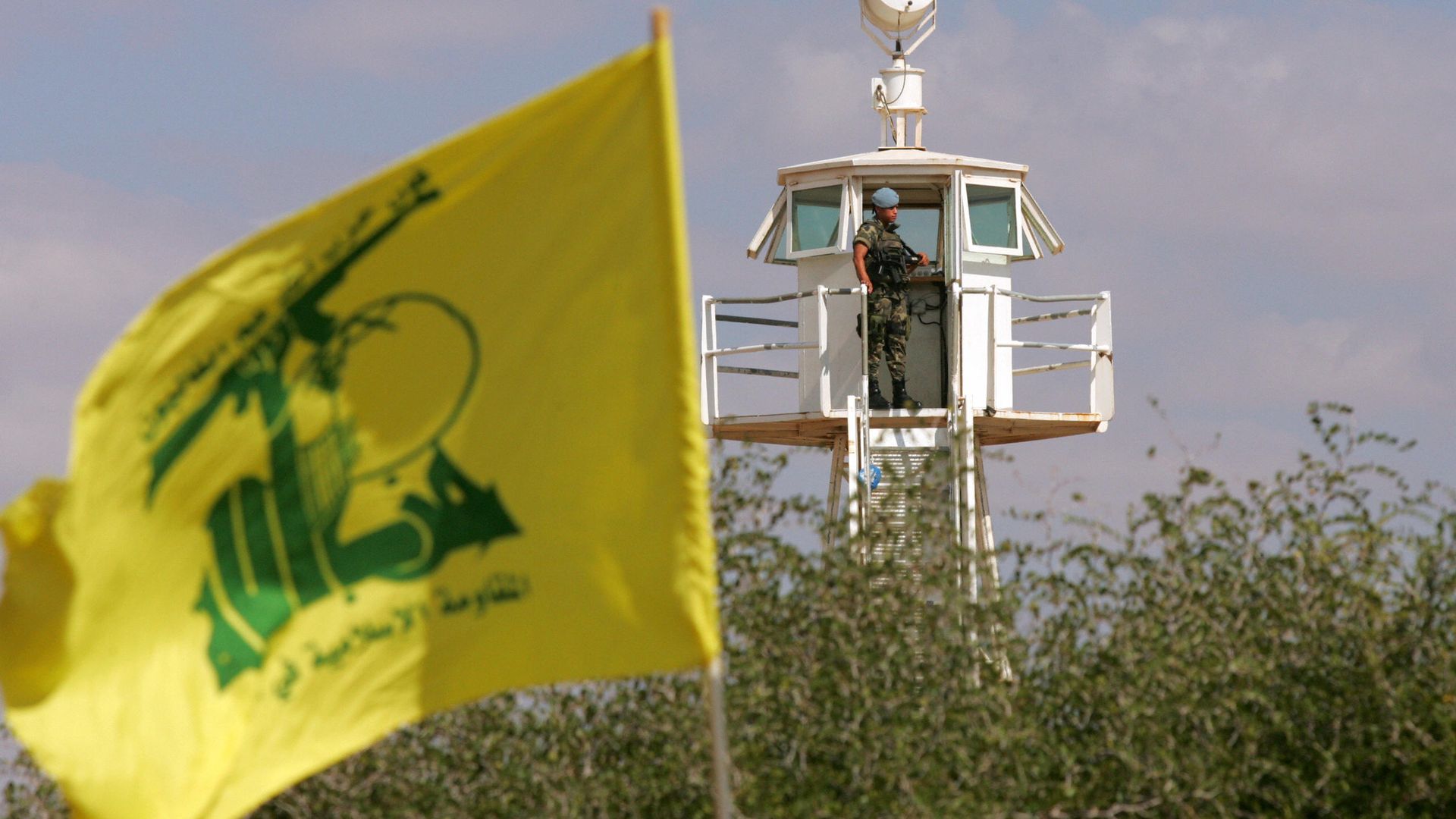
Senior Trump administration officials announced new sanctions against Lebanon-based Jammal Trust Bank and its subsidiaries, for allegedly helping Iran wire money to U.S.-designated terror group Hezbollah, according to a press call on Thursday.
Why it matters: U.S. officials said the new sanctions should serve as a warning to other countries that intend to manipulate foreign financial institutions to fund Hezbollah and other terrorist organizations. Already, the Iranian economy is struggling due to existing U.S. sanctions that went into effect in mid-2018.
13% of American companies with operations in China have moved or plan to move all or part of their business out of China, but only 3% plan to relocate those operations to the U.S., according to a survey of 220 members of the U.S.-China Business Council. Members include companies like Walmart, Caterpillar and Apple.
Why it matters: It undercuts White House arguments that the trade war with China is causing U.S. companies to return home. In fact, a larger percentage planned to relocate from China to the U.S. in 2015. One caveat is that the survey was done in June, before the recent tariff escalations.
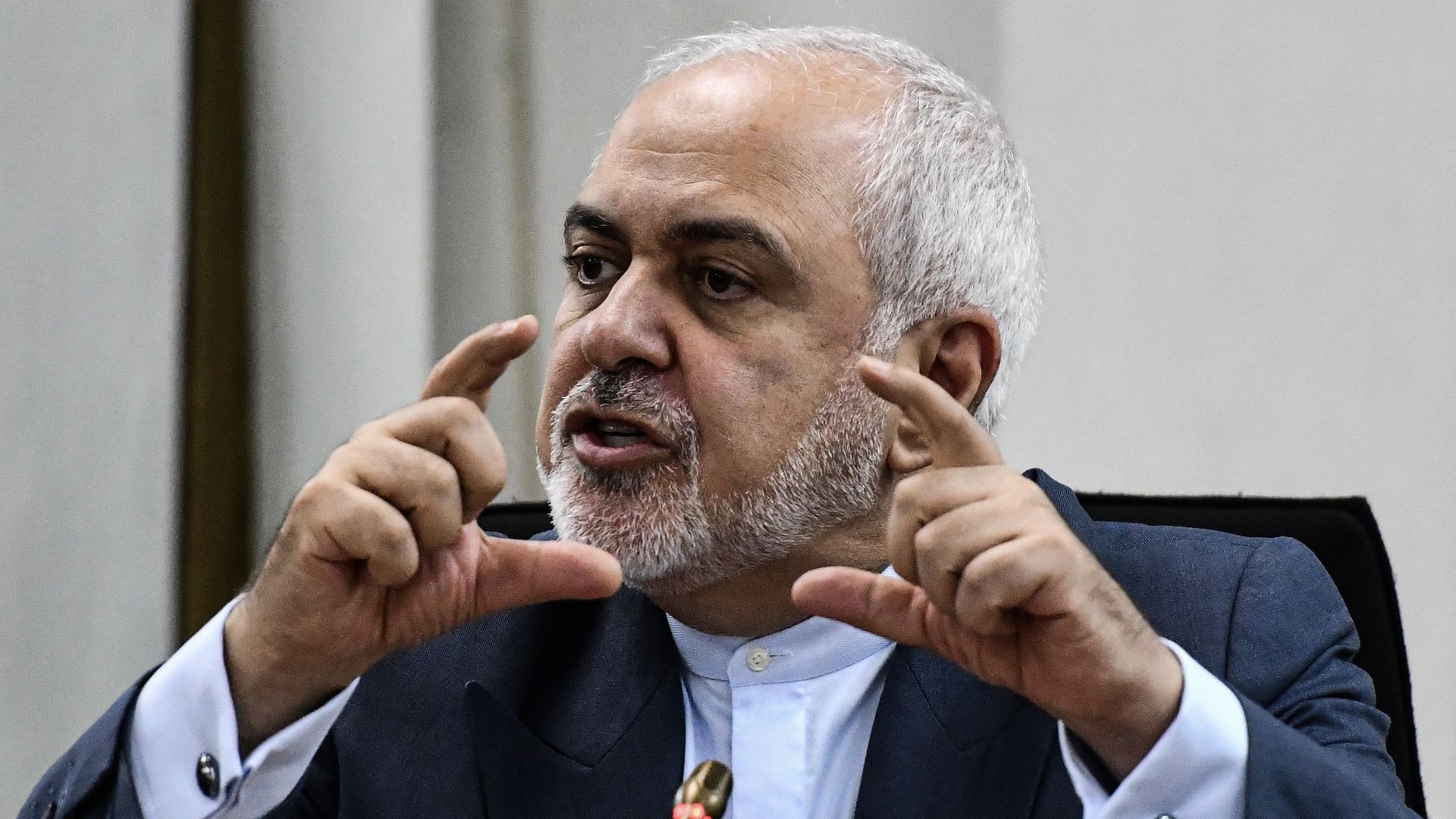
While Iranian Foreign Minister Mohammad Javad Zarif was making his way to France for a surprise visit at the G7 summit on Sunday, Israeli Prime Minister Benjamin Netanyahu and his team scrambled to make sure President Trump wouldn’t meet with him, according to U.S. and Israeli officials.
Netanyahu frantically tried to get President Trump on the phone — who was in back-to-back meetings and couldn’t take the call — while his office contacted multiple senior Trump administration officials, trying to connect the two leaders.
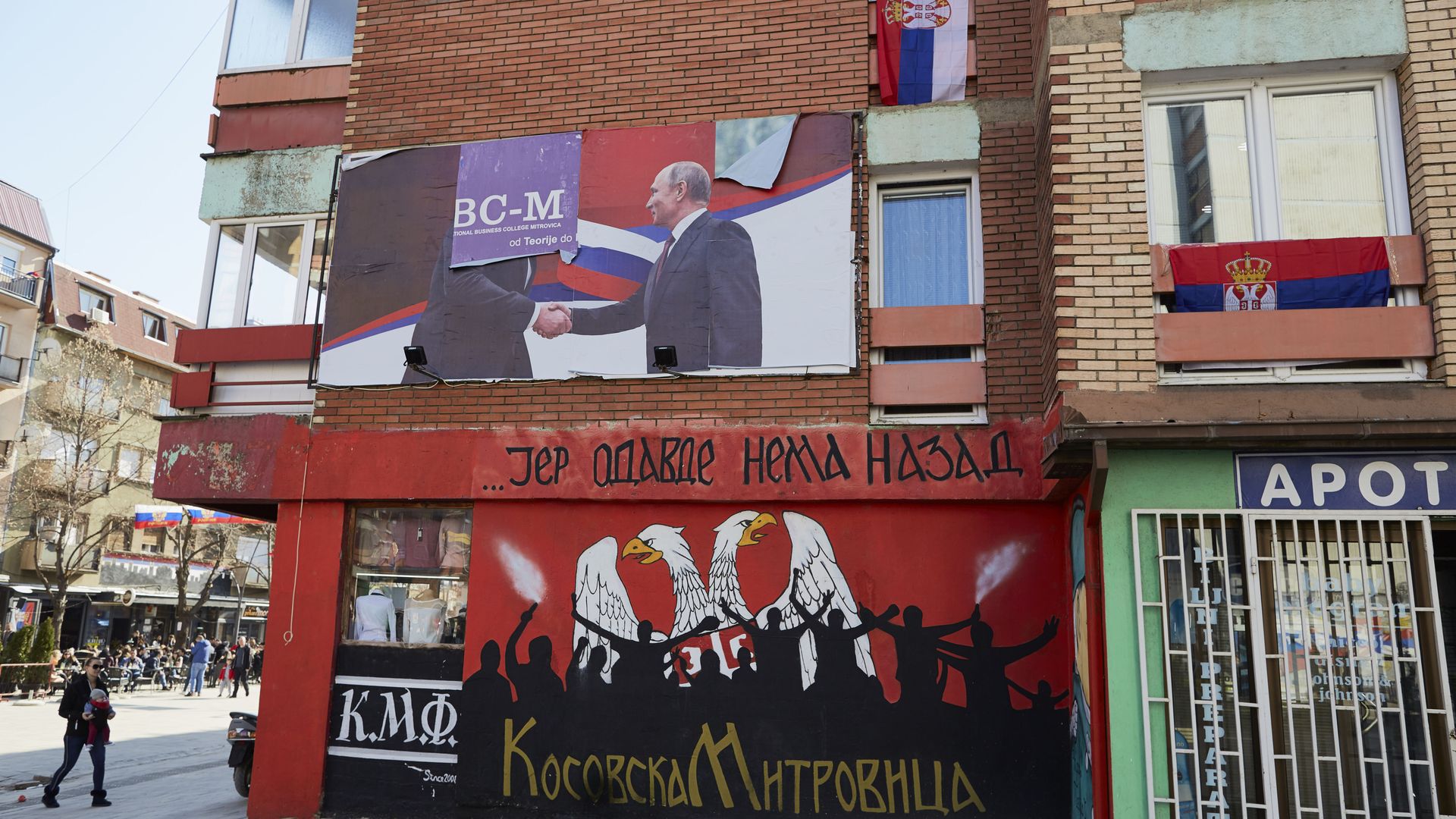
In an interview with Axios Wednesday, Kosovan Foreign Minister Behgjet Pacolli accused Russia of aiding in a Serbian effort to coerce African countries to revoke diplomatic recognition of Kosovo.
The big picture: Kosovo declared independence from Serbia in 2008 and has since been recognized as an independent state by 117 countries, including the U.S. and most of the EU. Serbia bitterly opposes Kosovo’s independence and has undertaken a covert effort to convince countries to change course. The goal is to bring the total number of countries that recognize Kosovo to below 97, or half the membership of the UN.
U.K. Prime Minister Boris Johnson got his request to shut down Parliament for several weeks approved by Queen Elizabeth II, leaving less time to avoid a "no deal" Brexit. But investors don't appear overly concerned — at least for now.
By the numbers: The British pound fell by as much as 1.1% against the U.S. dollar on the news, but ended the day just over half a percent lower.
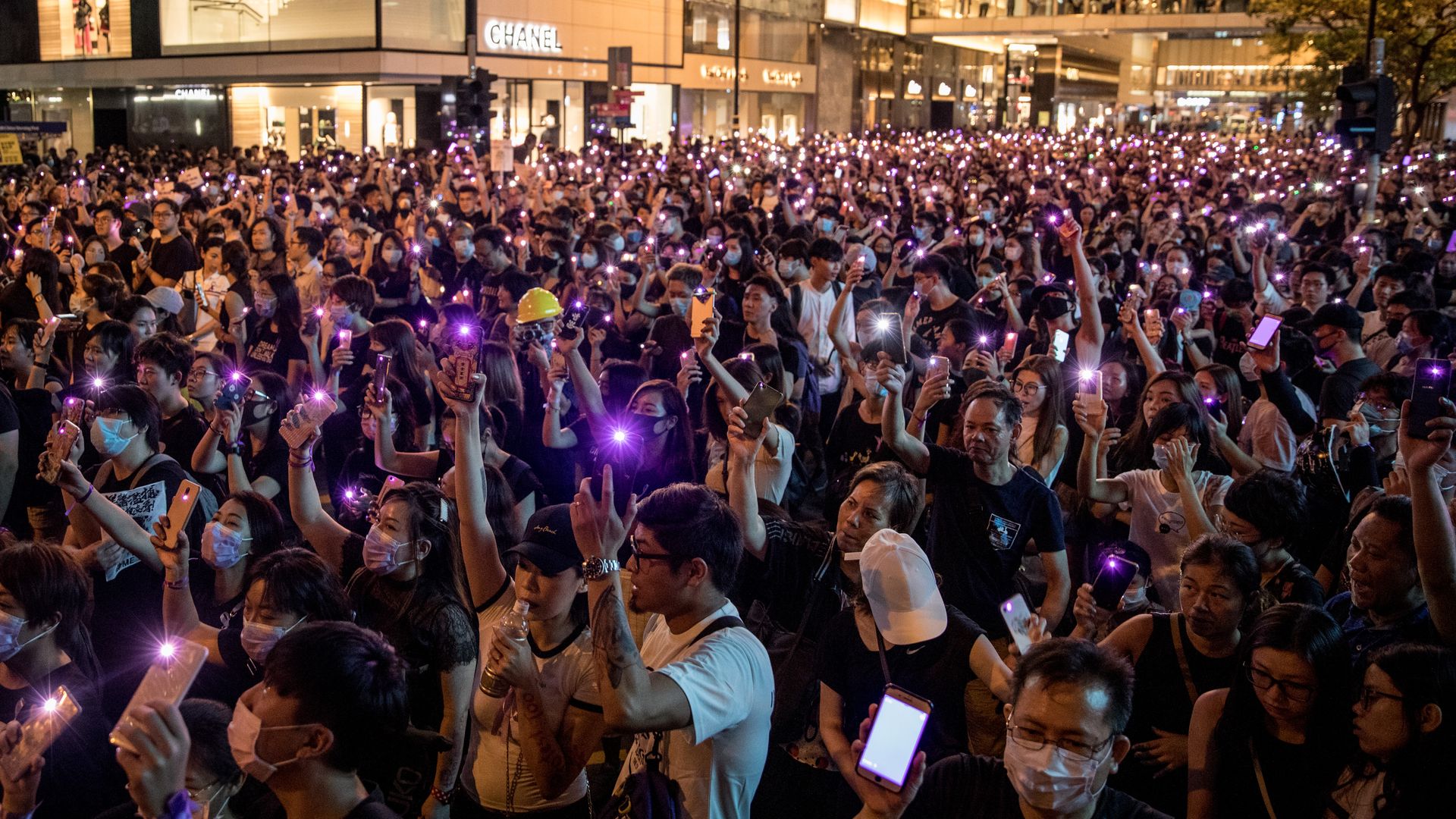
Thousands of people rallied in Hong Kong's streets Thursday against alleged sexual assaults by police on pro-democracy protesters, as images of the Chinese military moving into the city raised fears of a Beijing crackdown, the BBC reports.
Why it matters: What began 12 weeks ago as a rally against a bill proposing to extradite Hong Kongers to mainland China has become a massive anti-government protest to defend the high degree of autonomy residents have had since the former British colony was returned to China in 1997. Clashes between police and protesters have become increasingly violent.