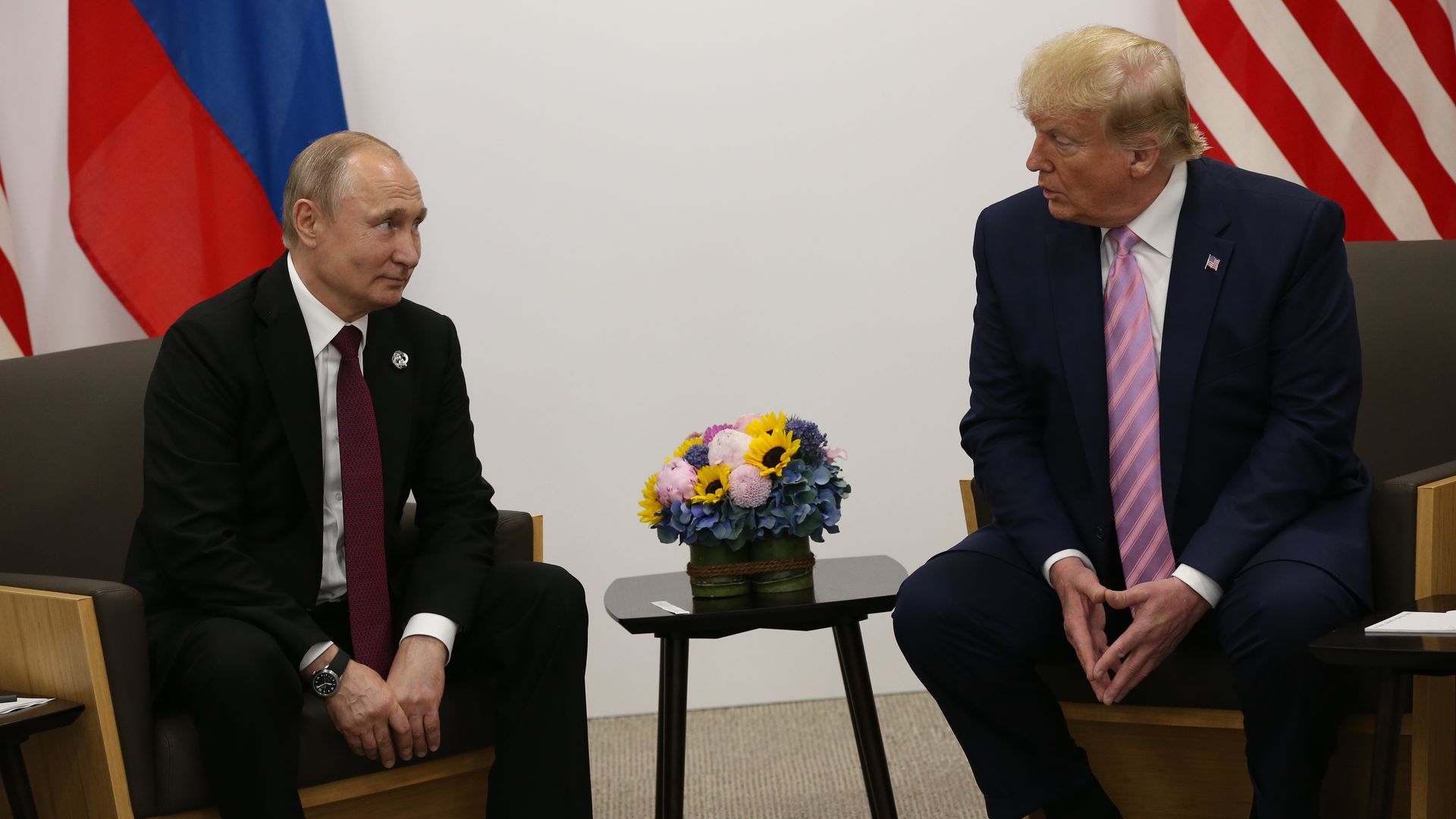
Speaking to reporters before departing for his rally on Thursday, President Trump said he did not bring up the topic of Russian interference in his phone call with President Vladimir Putin, again casting aspersion on the warnings of the U.S. intelligence community.
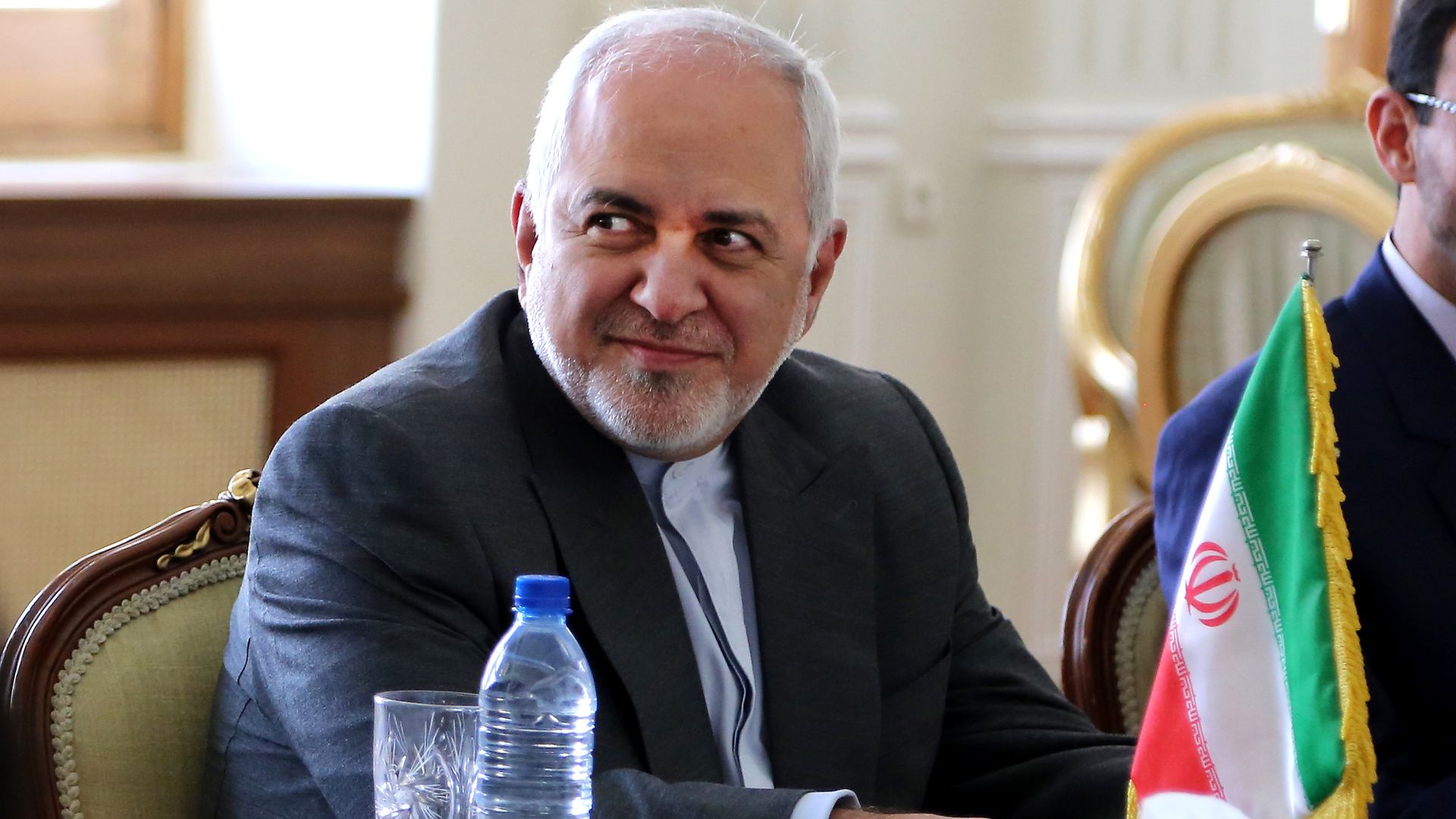
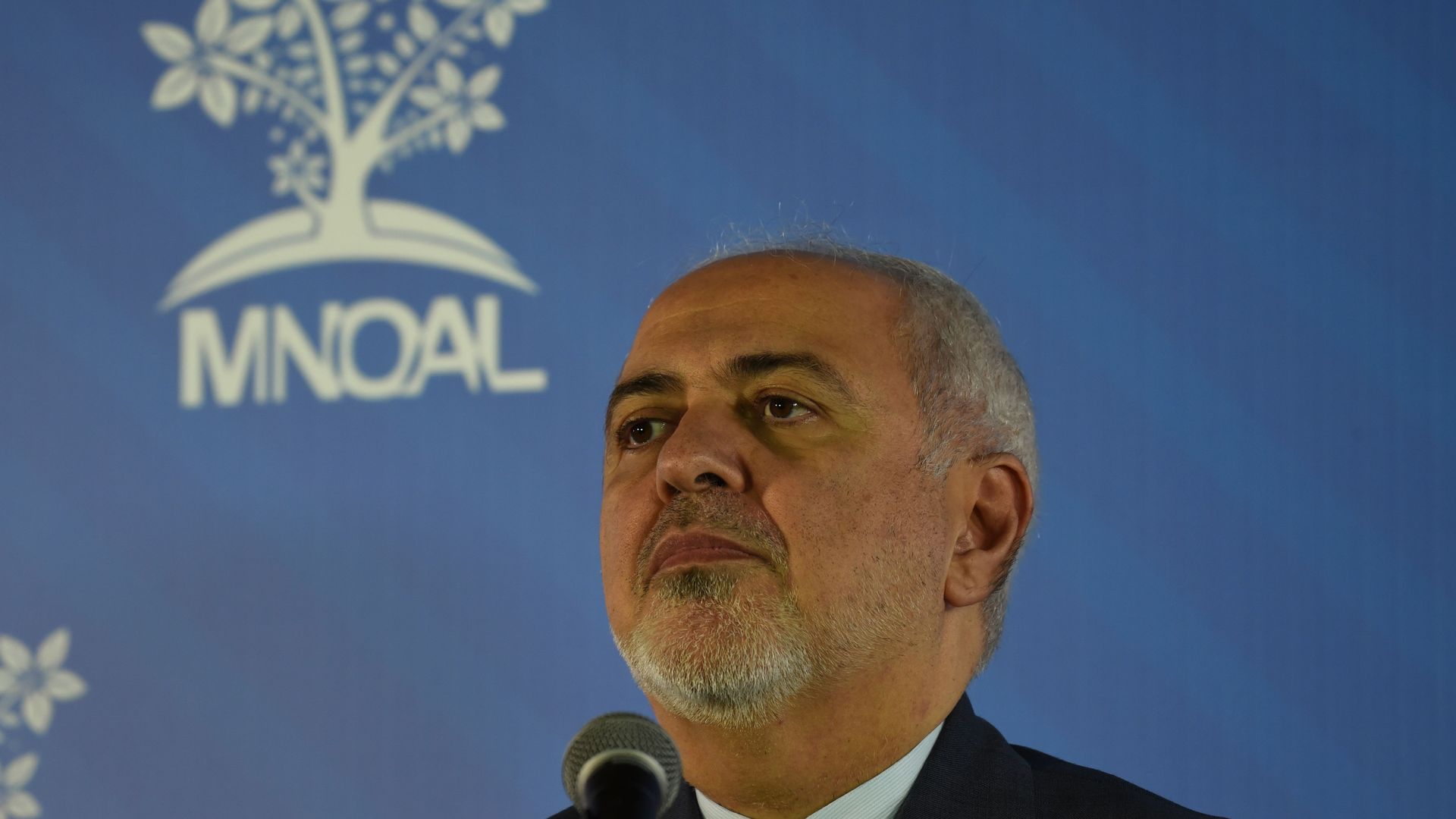
The Trump administration's decision to put Mohammad Javad Zarif, Iran’s mellifluous foreign minister, on the Treasury Department’s sanctions list makes clear that the means of pressure and sanctions have increasingly become the end goal of the U.S.' Iran policy.
The big picture: When President Trump withdrew from the Iran nuclear deal last May, he insisted he could negotiate a much better agreement. More than a year later, however, the U.S. is no closer to such talks, dangers across the Middle East have escalated and the man who would have led Iran's negotiations has been sidelined — at least from the Trump administration's point of view.
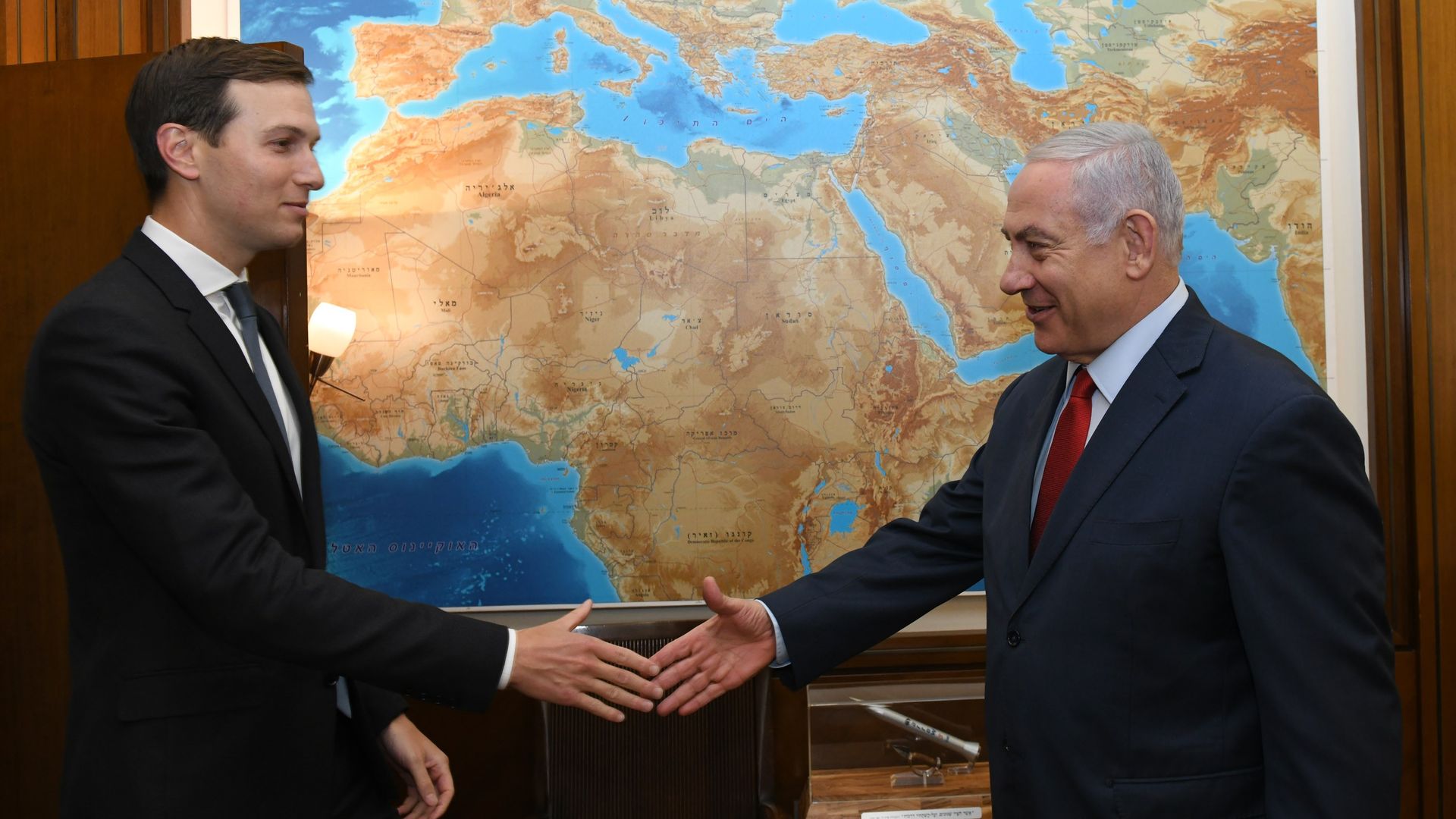
President Trump is expected to decide by the end of August whether to release the political part of his Middle East peace plan before Israel's elections on Sept. 17, sources briefed on the matter tell me.
Why it matters: There's a lot of skepticism in Washington and the Middle East about the plan's likelihood of success — but the release of its political elements could have significant influence on the Israeli elections and the formation of a governing coalition.
President Donald Trump spoke with Russian President Vladimir Putin by phone Wednesday to discuss wildfires in Siberia and trade between the U.S. and Russia, the White House said, according to Reuters.
The big picture: The statement by White House spokesperson Hogan Gidleycomes hours after the Kremlin said on its website that Putin expressed "sincere gratitude" to Trump for offering help with the wildfires, saying he may accept the offer if the situation demands it, per Radio Free Europe.
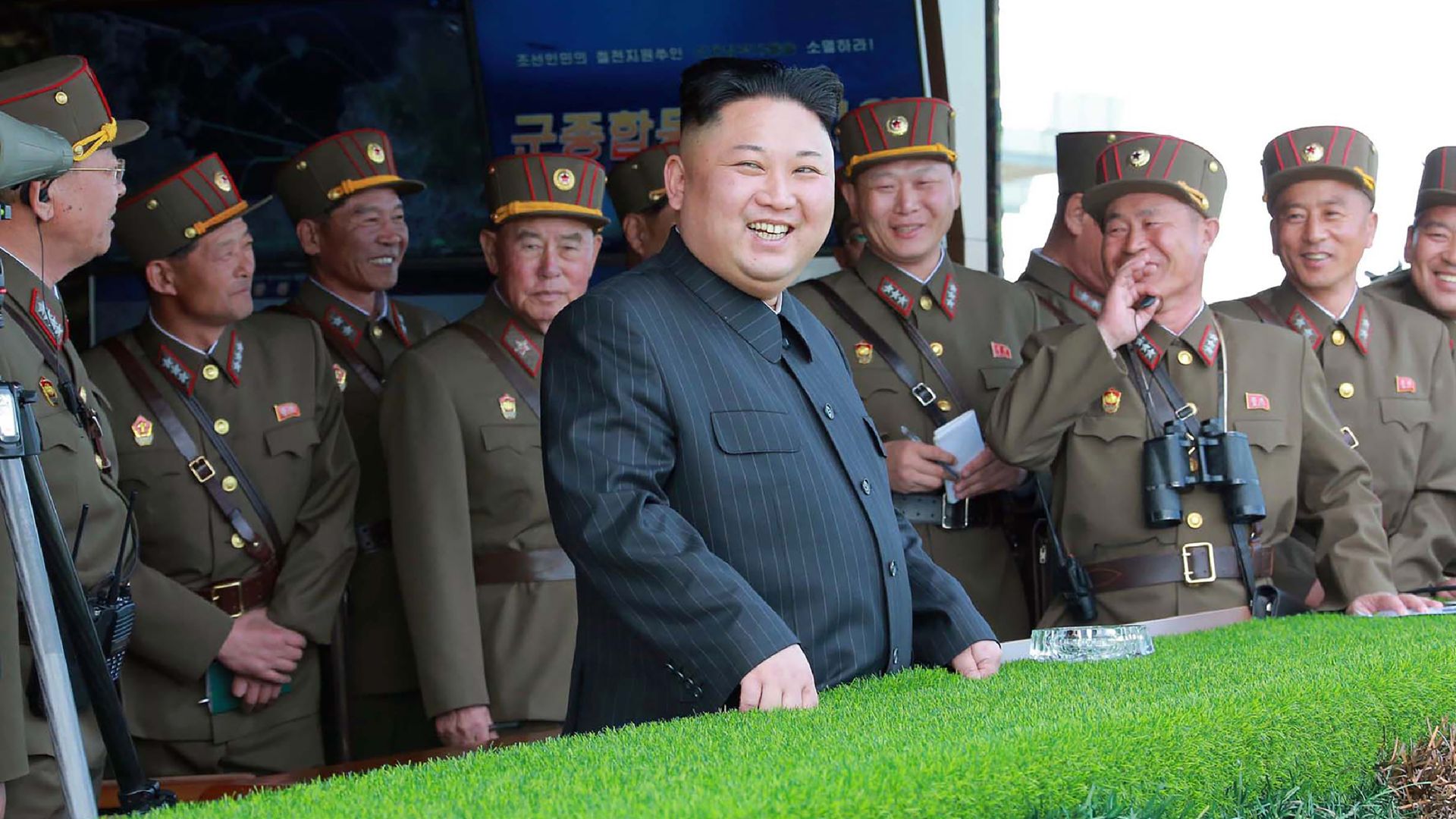
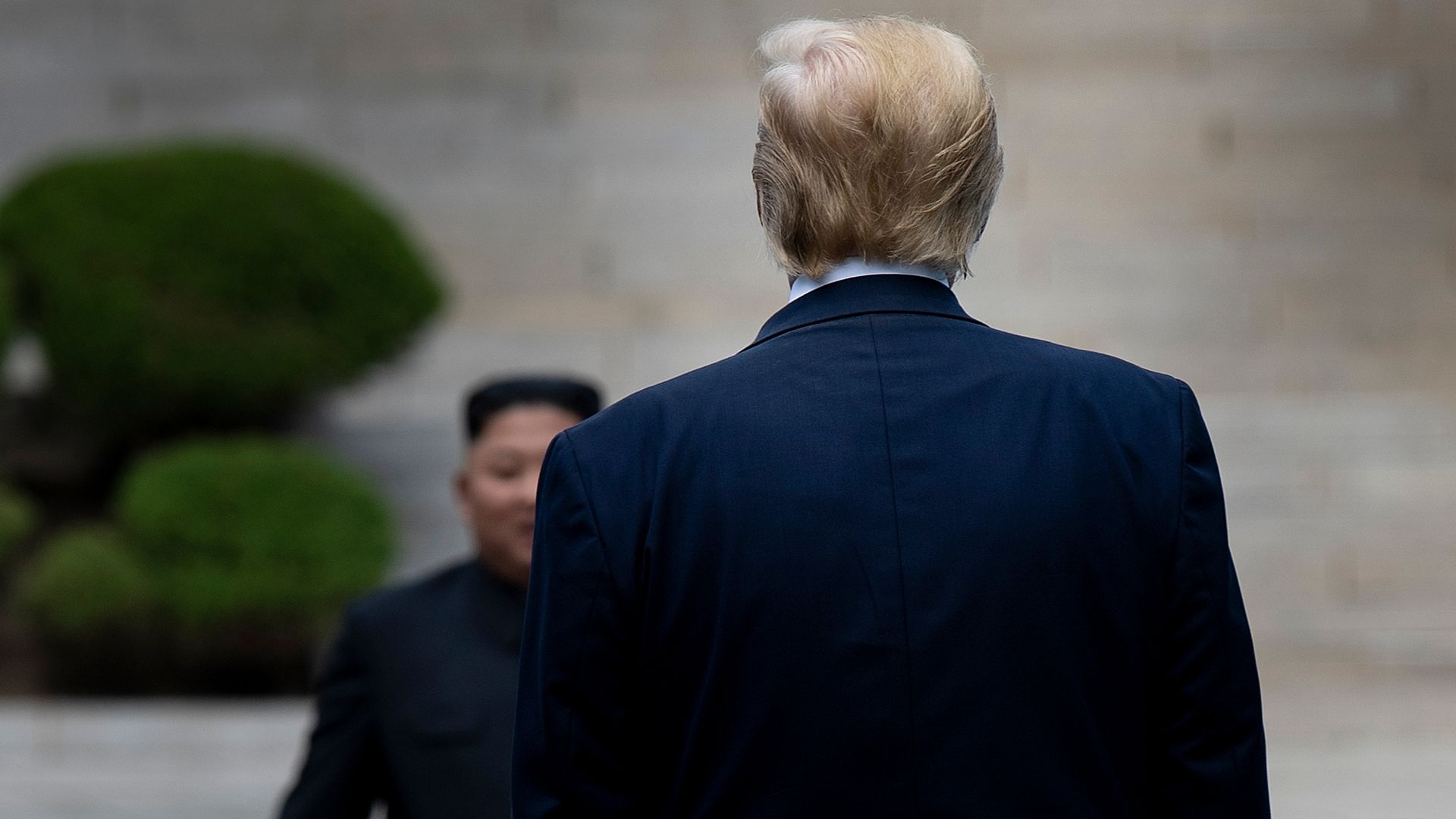
North Korean state news agency KCNA says leader Kim Jong-un "expressed satisfaction" after overseeing the test-fire of a newly developed large-caliber multiple rocket launcher system.
The big picture: KCNA's report on Thursday morning local time contradicts South Korea's Joint Chiefs of Staff's assessment that Pyongyang had fired 2 short-range ballistic missiles off its eastern coast in the incident early Wednesday.
The Trump administration on Wednesday imposed sanctions on Iranian Foreign Minister Mohammad Javad Zarif, with a senior administration official telling reporters Zarif should not be treated internationally as a "credible" interlocutor.
Why it matters: As a senior administration official noted on a call with reporters announcing the decision, Zarif is "the international face" of Iran's government and played a central role in negotiating the 2015 nuclear deal, which the U.S. withdrew from in May 2018. This seems to be another signal from the Trump administration that punishing Iran is a higher priority than coming to a new deal.
North Korea fired 2 short-range ballistic missiles off its eastern coast early on Wednesday, according to South Korea's Joint Chiefs of Staff.
Why it matters: The projectiles did not pose a threat to the United States or its allies, a U.S. official told CNN, but North Korea nonetheless has appeared to have conducted its second missile test in a week. President Trump has repeatedly downplayed North Korea's missile tests since meeting Kim Jong-un at the demilitarized zone (DMZ) last month.