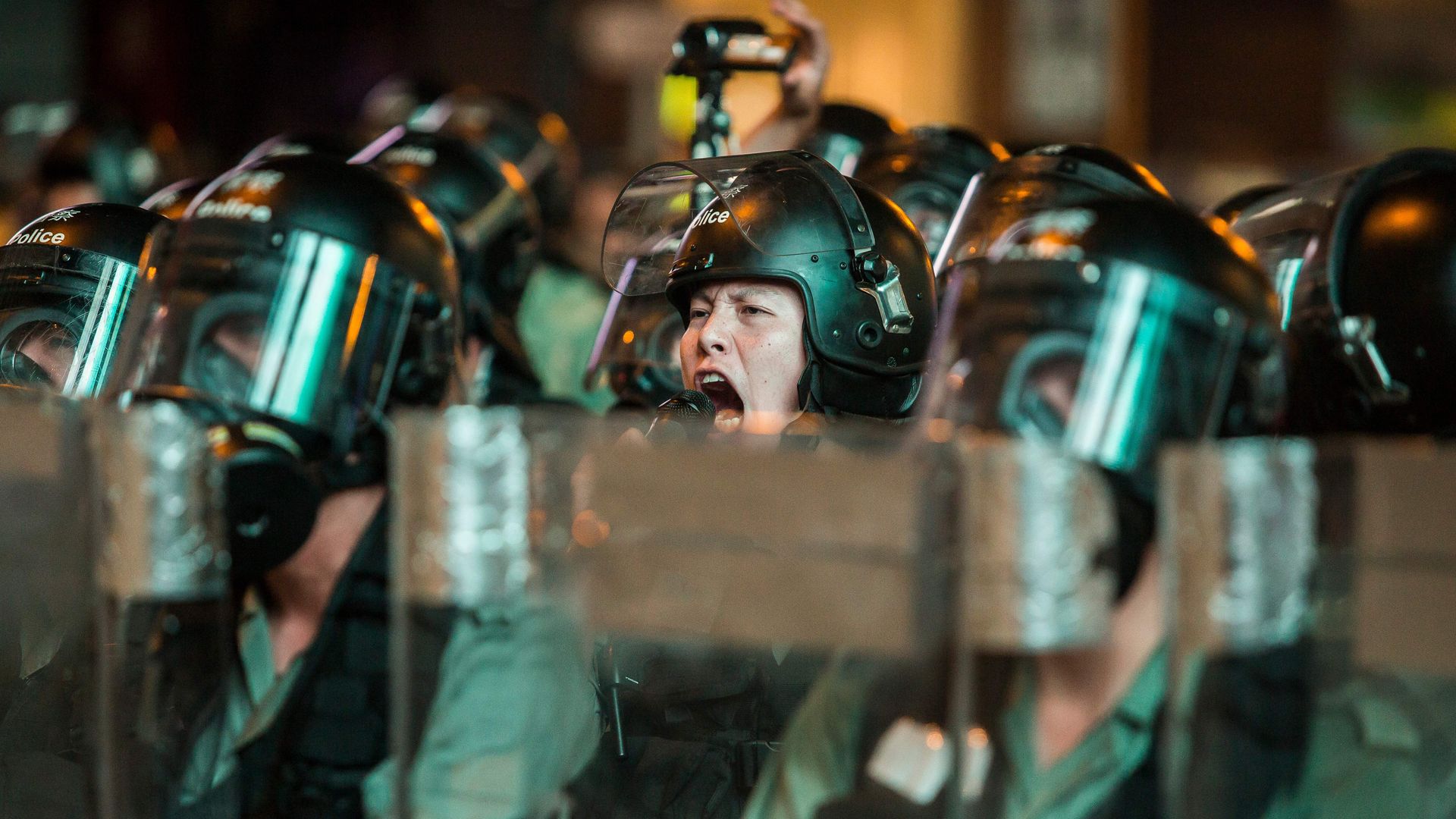
Tens of thousands of Hongkongers faced tear gas and police beatings on Saturday in the city's ninth consecutive weekend of pro-democracy protests.
What's changed: Thousands of Hong Kong civil servants joined more than 40,000 protestors — a number provided by organizers — to demonstrate against the government on Friday. They violated Hong Kong's Civil Service Code, which calls for "total loyalty" to the Chief Executive and the government, by demanding that Hong Kong leader Carrie Lam step down.
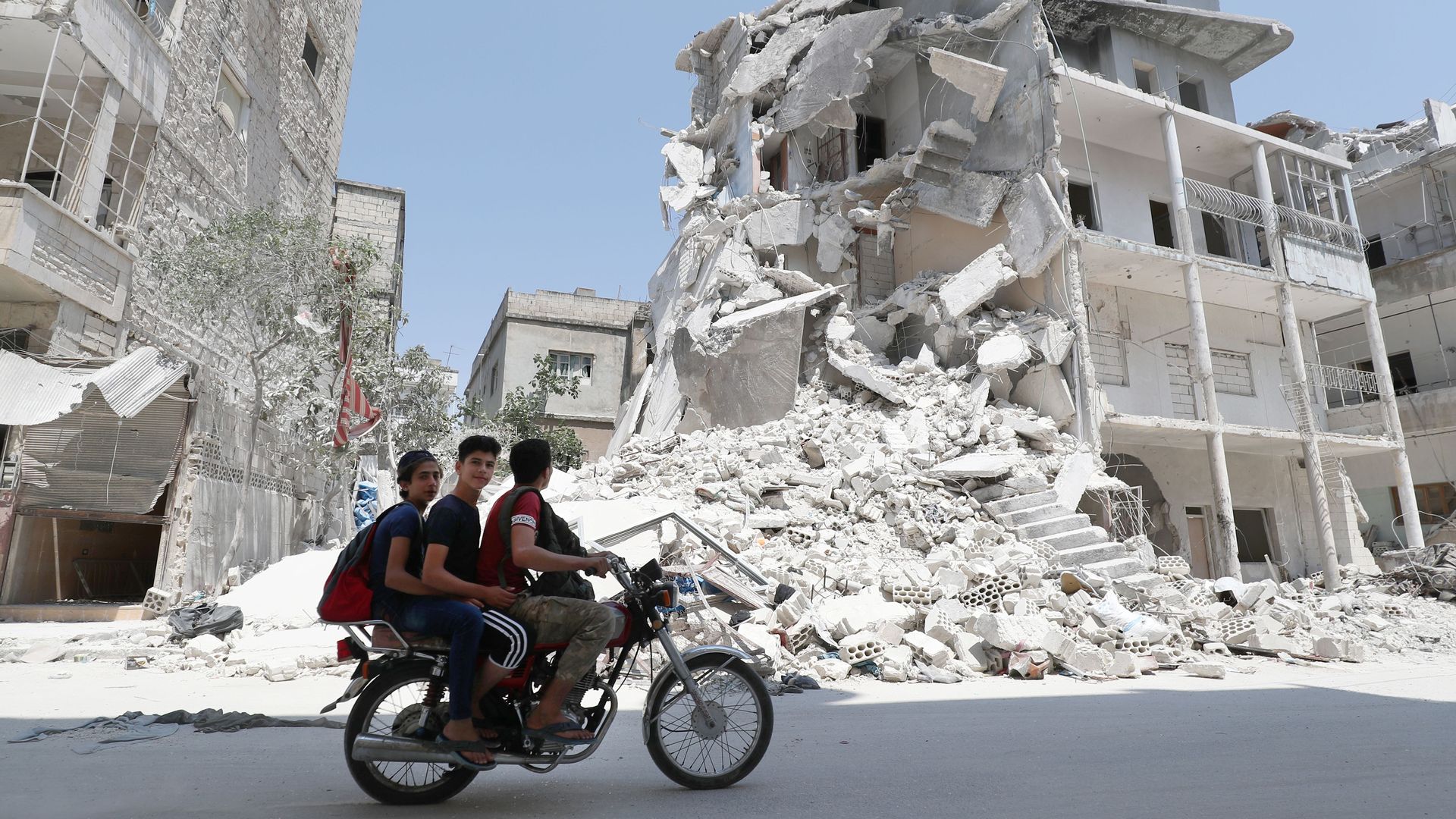
A newly agreed ceasefire in Idlib, Syria's last opposition stronghold, could offer a welcomed respite for the province’s desperate civilian population. But if the agreement doesn't hold, its collapse could usher in the worst humanitarian chapter of the 8-year conflict.
The big picture: The Syrian government announced the ceasefire shortly after UN Secretary-General António Guterres authorized an investigation — requested by a majority of the Security Council — into the Syrian and Russian bombing of hospitals and schools in Idlib. The terms pause the Assad regime's offensive in exchange for a 20-kilometer (12.4-mile) withdrawal by opposition fighters.
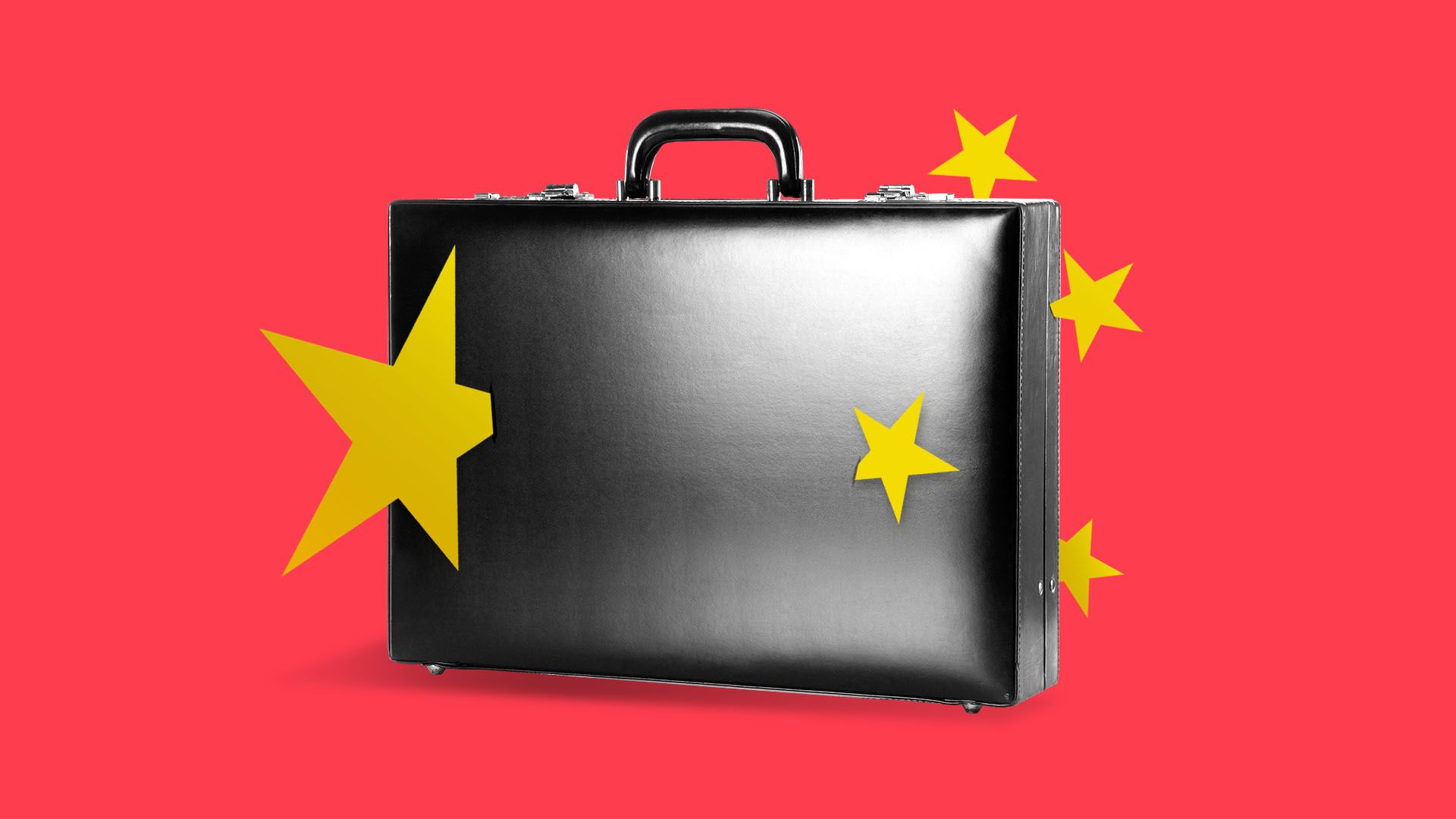
China's push to implement a national social credit system attracts rapt attention around the world, though it is in its earliest stages — not yet influencing the daily lives of most Chinese citizens and largely opaque to outsiders.
Why it matters: It's already affecting foreign businesses, which have been placed on blacklists or threatened with restrictions on market access.
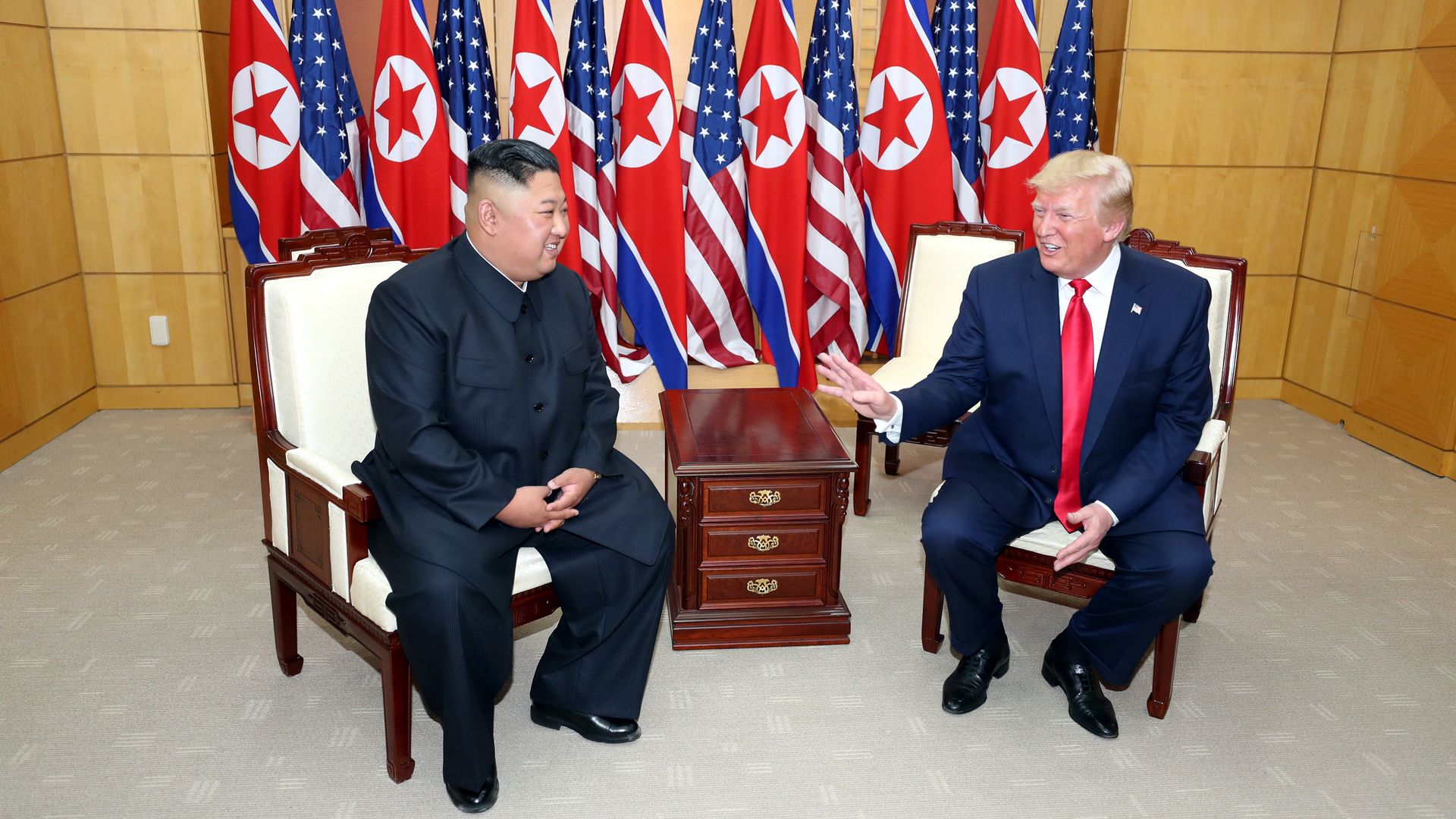
"I believe that Chairman Kim has a great and beautiful vision for his country, and only the United States, with me as President, can make that vision come true. He will do the right thing because he is far too smart not to, and he does not want to disappoint his friend, President Trump!"
Why it matters: The president has repeatedly downplayed North Korea's ongoing missile tests since his third meeting with Kim, which took place at the Korean DMZ in June. Trump claimed stalled nuclear talks between Pyongyang and Washington would resume after the DMZ meeting and trumpeted progress between the two countries.
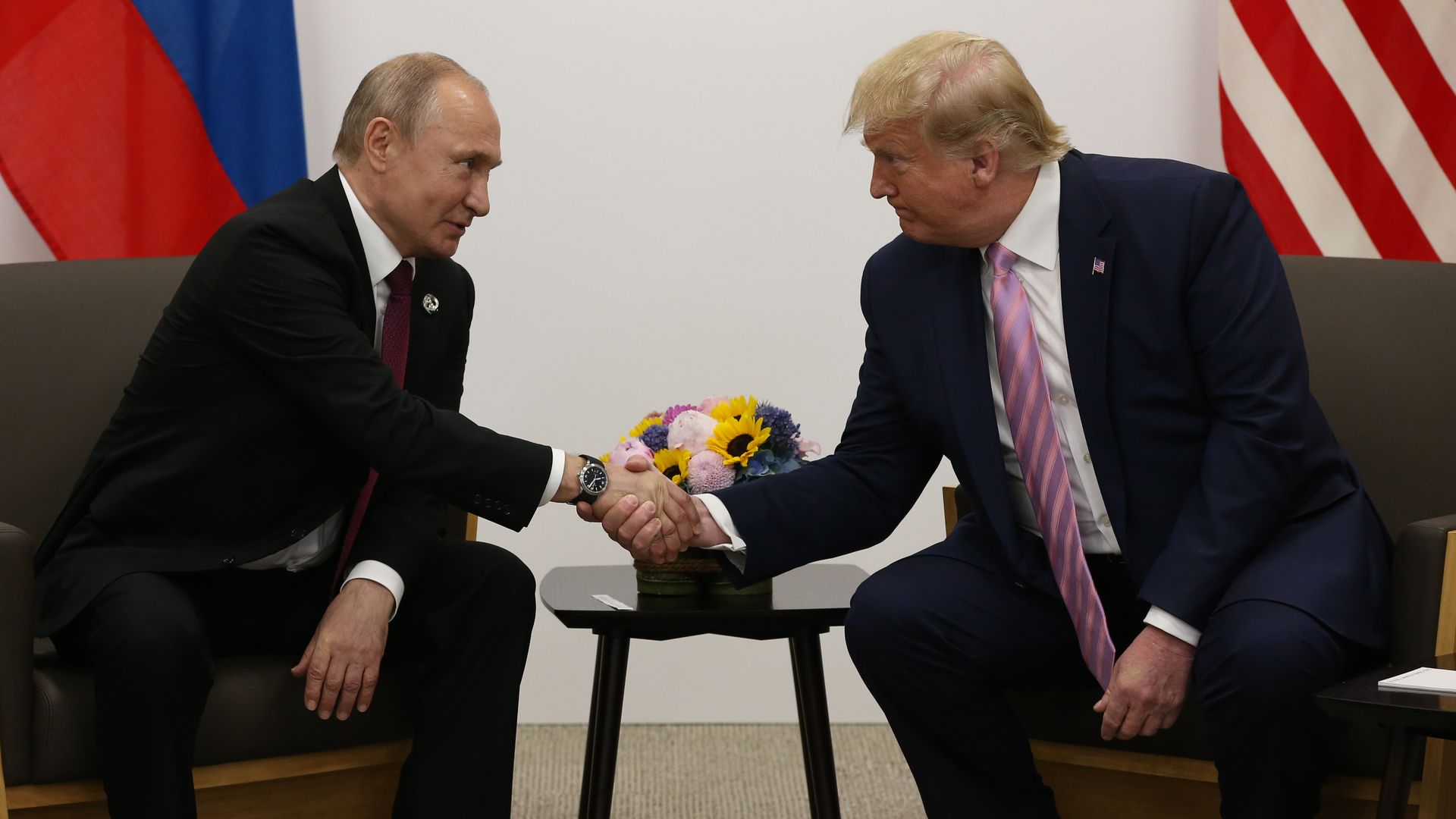
The U.S. officially pulled out of the Cold War-era Intermediate Nuclear Forces (INF) agreement with Russia on Friday, saying "Russia is solely responsible for the treaty's demise."
Why it matters: Some are worried the failure of the treaty could lead to a renewed arms race between the two countries. Both the Obama and Trump administrations have accused Russia of repeatedly violating the terms of the treaty, and neither country was able to ratchet down tensions during the six-month period after the U.S. announced its intention to withdraw.