U.S. District Judge John Koeltl has dismissed the Democratic National Committee's lawsuit against the Russian government, WikiLeaks and the Trump campaign.
The big picture: Tuesday's dismissal means the DNC can't bring another action on this same claim. Koeltl writes that "the primary wrongdoer in this alleged criminal enterprise is undoubtably the Russian Federation," which "cannot be sued in the courts of the United States for governmental actions ... just as the United States government generally cannot be sued in courts abroad for its actions."
Carbon emissions from China could peak as soon as 2021, which is nine years before the voluntary deadline in their Paris agreement pledge, a new peer-reviewed study finds.
Why it matters: China is by far the world's largest carbon emitter. The trajectory of its emissions affect whether the world has any chance of meeting the Paris temperature goals — or, more likely, how much they're overshot.
Currency traders are aggressively pricing in a no-deal Brexit scenario after remarks over the weekend from the U.K.'s new government, headed by Prime Minister Boris Johnson, and are selling the pound as a result.
What's happening: Michael Gove, who is in charge of planning for a possible no-deal exit from the EU, has said the British government is "working on the assumption" that it will leave without a deal.
Majority Leader Mitch McConnell (R-Ky.) took to the Senate floor Monday to angrily defend himself against allegations that he is doing the bidding of Russian President Vladimir Putin by blocking a series of election security bills proposed by Democrats.
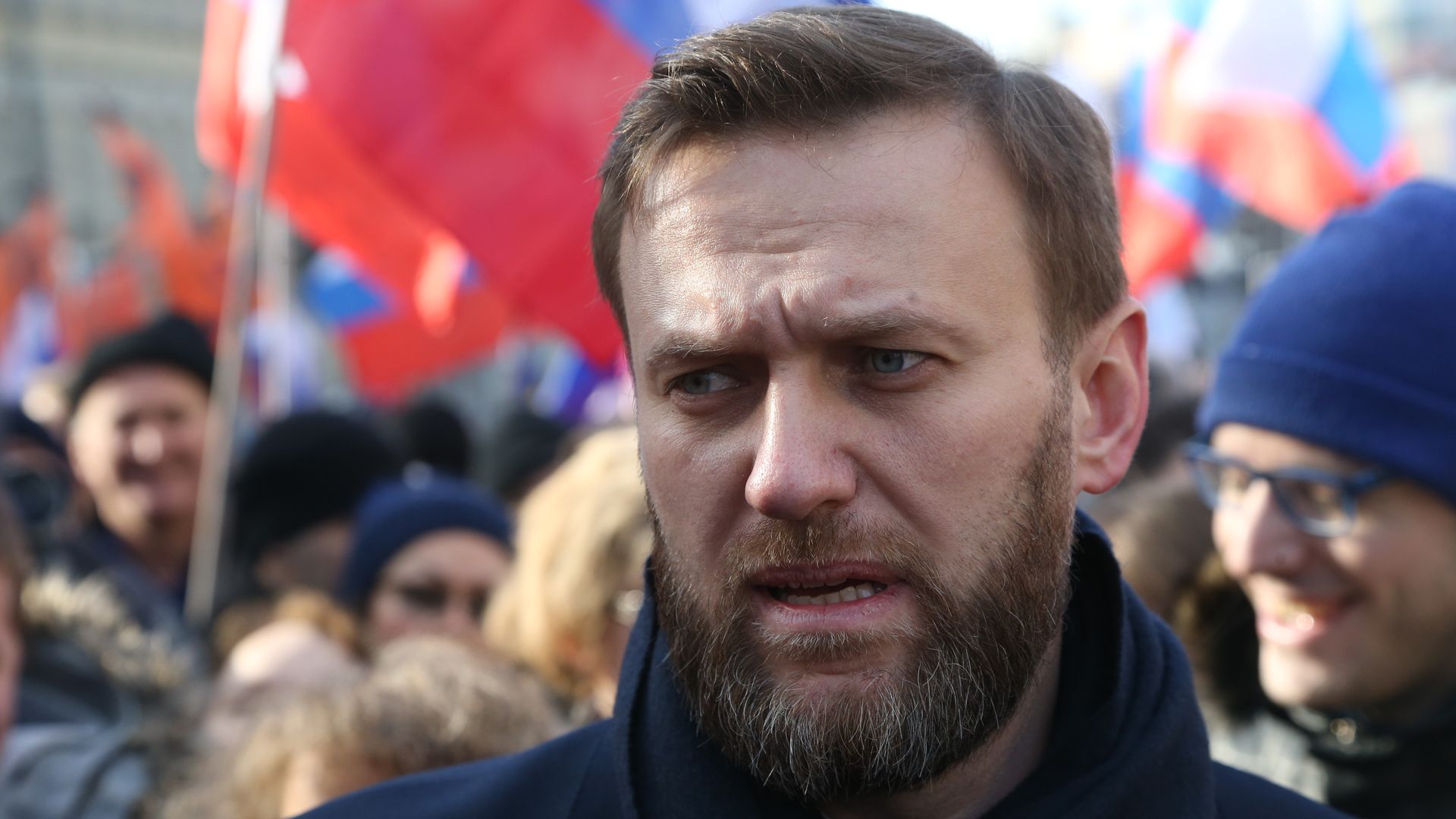
Russian opposition activist Alexei Navalny was discharged from the hospital and sent back to jail Monday, despite suspicions raised by his personal doctor that he was poisoned with "undefined chemical substances" — not suffering from an allergic reaction, as had previously been reported.
Why it matters: Navalny is an anti-corruption lawyer whose fierce opposition to Vladimir Putin has caused him to be arrested and jailed by Russian authorities a number of times. Navalny's spokesperson says he has never had an allergic reaction in his life, raising questions about whether his illness could in fact be the product of political retaliation. Putin has been accused of poisoning or having political opponents assassinated in the past.
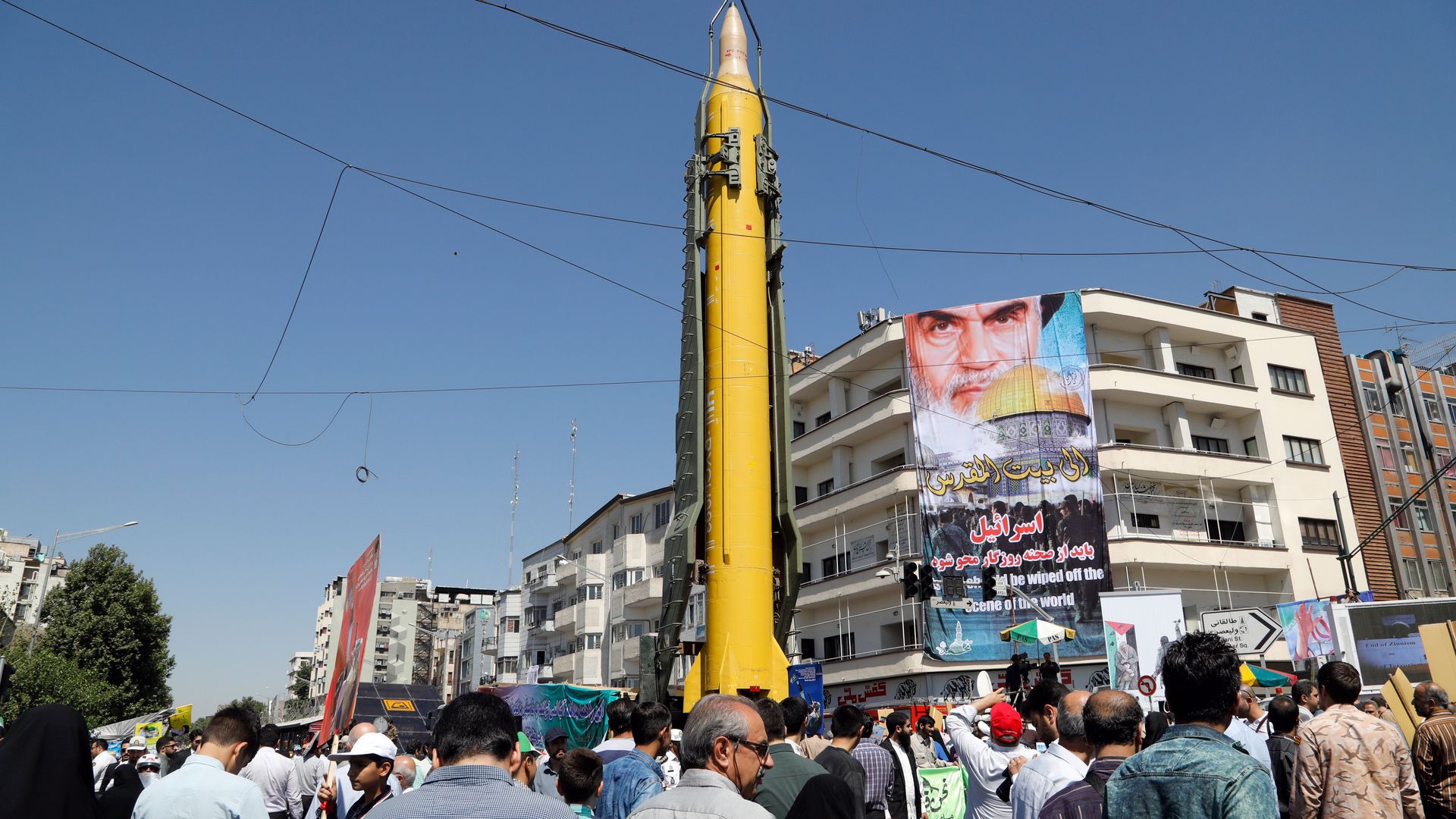
As regional tensions ratchet up, Iran has continued flight-testing its missile arsenal, most recently in last week's launch of a Shahab-3 ballistic missile.
Why it matters: Iran’s missile tests have both symbolic and practical value, helping advance military capabilities while also signaling prowess to domestic audiences and defiance to foreign powers. The Shahab-3 raises particular concerns, as it meets the range and payload thresholds to qualify as a nuclear-capable system.
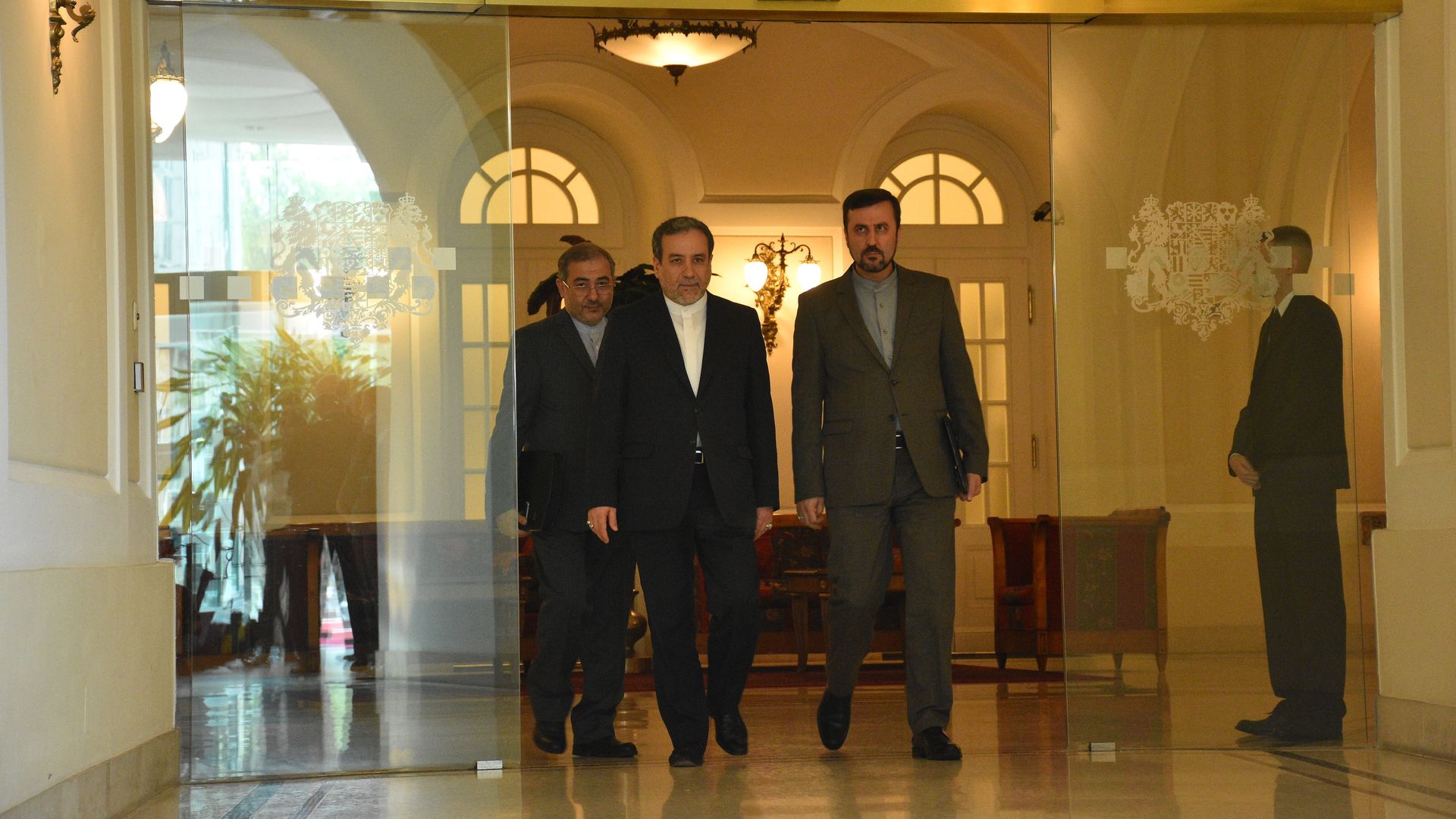
Diplomats from Iran, Germany, France, Britain, China, Russia and the European Union recommitted Sunday to saving Tehran's 2015 nuclear deal after "constructive" talks in Vienna, a senior Iranian official said, according to AP.
Why it matters: The talks come at a time of heightened tension between the West and Iran, after the U.S. withdrew from the deal and hit Tehran with sanctions. Hours before the talks, the U.S. and Israel said they tested a missile defense system in Alaska. The goal is to intercept long-range missiles from Iran, Barak Ravid writes for Axios.
What they're saying: Iranian Deputy Foreign Minister Seyed Abbas Araghchi told reporters after that while not every issue was resolved, those present were "determined to save this deal," per AP.
The big picture: The United Nations' nuclear watchdog confirmed this month that Iran has followed through on its threat to enrich uranium beyond the purity limit set under the 2015 nuclear deal.
What's next: There was a general agreement at Sunday's talks to organize a higher-level meeting of foreign ministers soon, though no date had been set, according to AP.