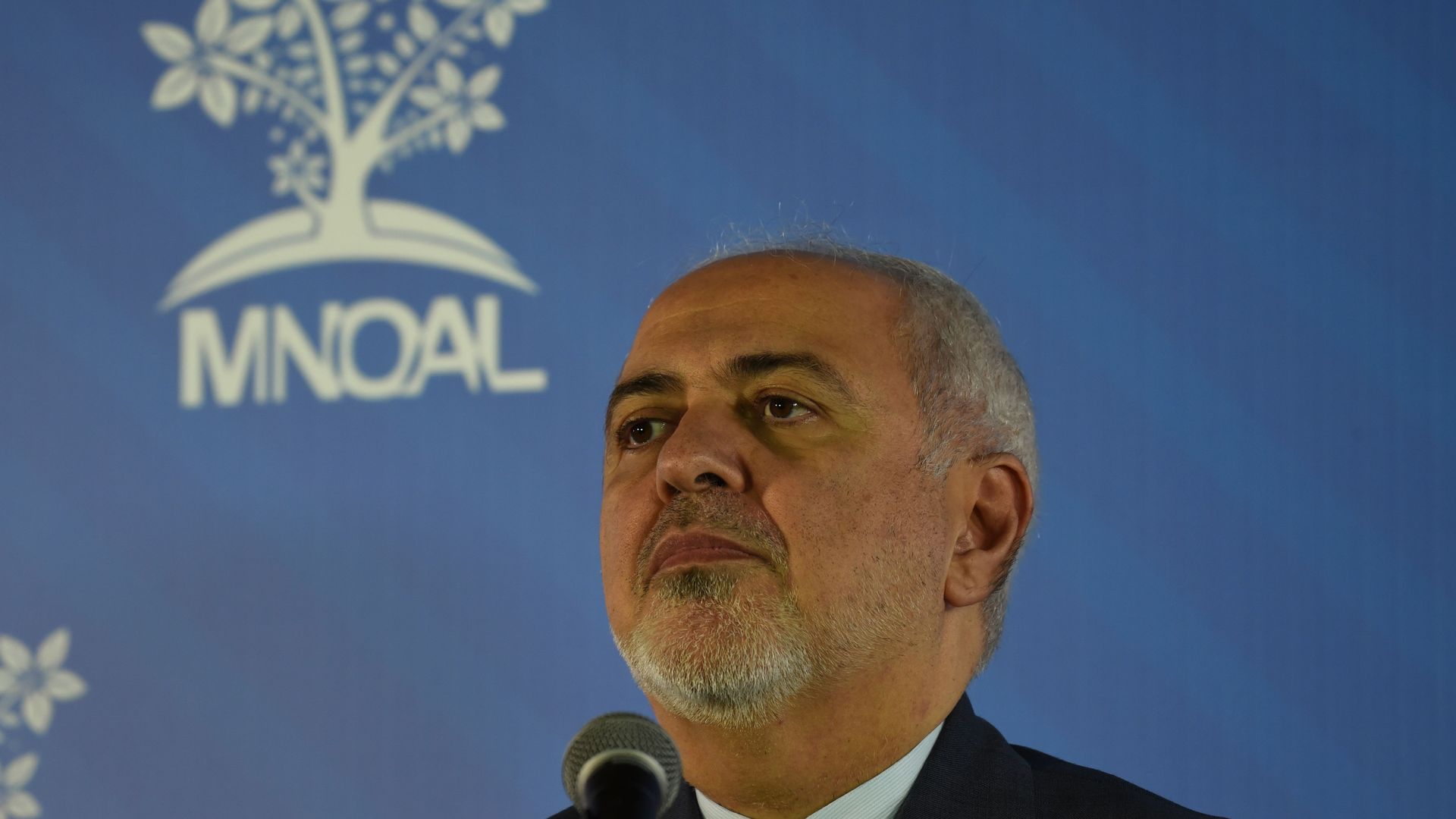
The Trump administration on Wednesday imposed sanctions on Iranian Foreign Minister Mohammad Javad Zarif, with a senior administration official telling reporters Zarif should not be treated internationally as a "credible" interlocutor.
Why it matters: As a senior administration official noted on a call with reporters announcing the decision, Zarif is "the international face" of Iran's government and played a central role in negotiating the 2015 nuclear deal, which the U.S. withdrew from in May 2018. This seems to be another signal from the Trump administration that punishing Iran is a higher priority than coming to a new deal.
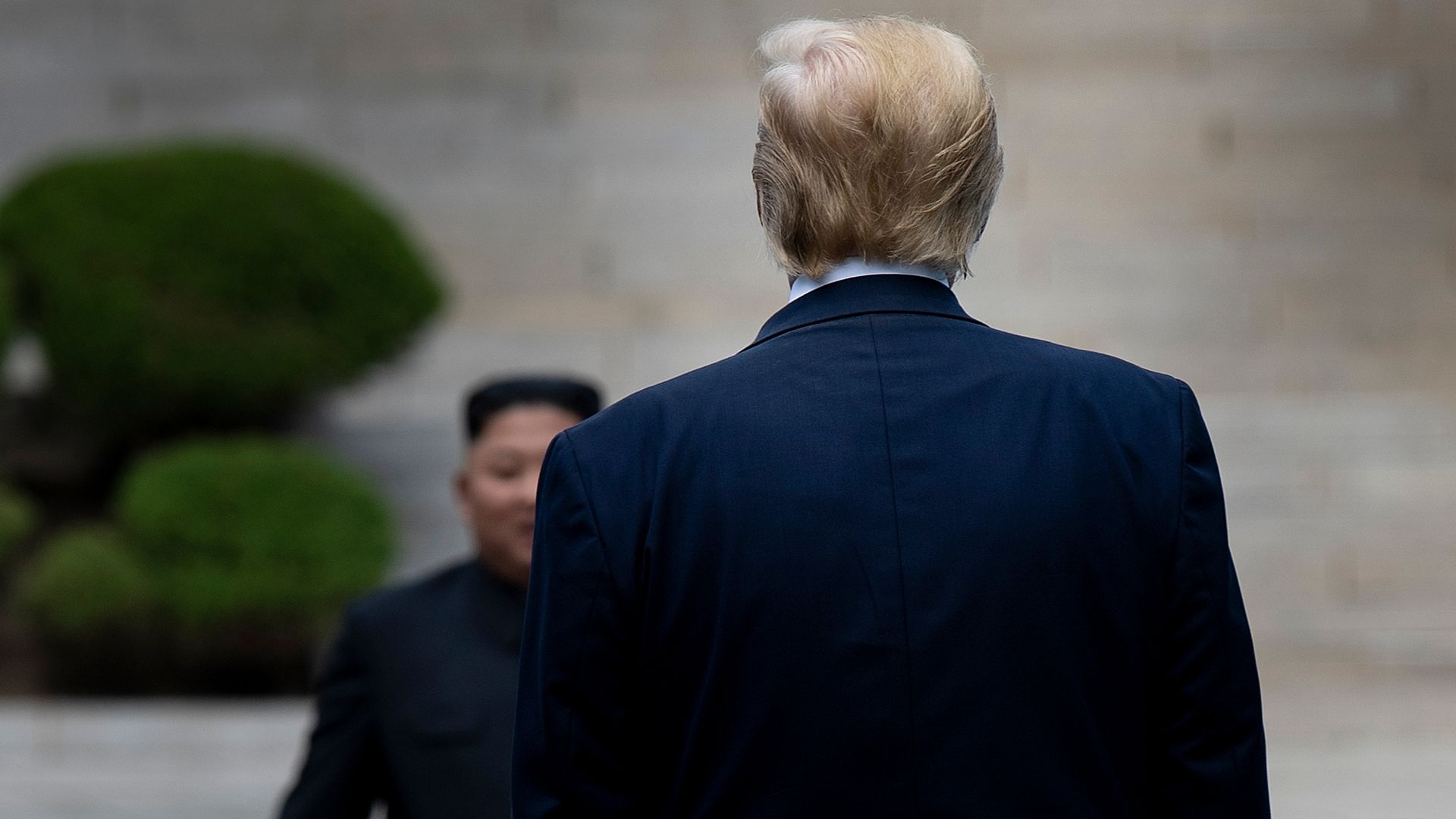
North Korea fired 2 short-range ballistic missiles off its eastern coast early on Wednesday, according to South Korea's Joint Chiefs of Staff.
Why it matters: The projectiles did not pose a threat to the United States or its allies, a U.S. official told CNN, but North Korea nonetheless has appeared to have conducted its second missile test in a week. President Trump has repeatedly downplayed North Korea's missile tests since meeting Kim Jong-un at the demilitarized zone (DMZ) last month.
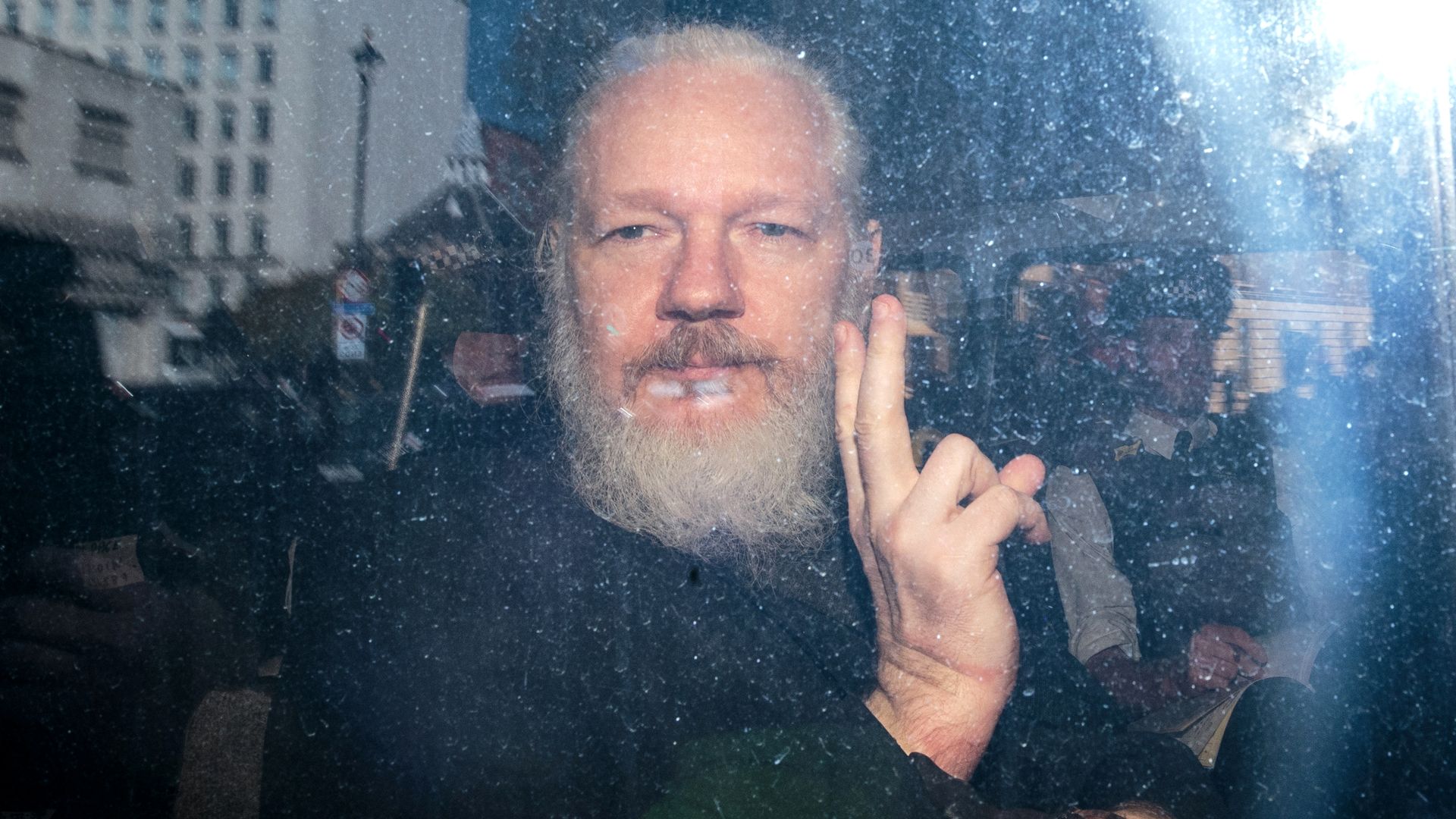
U.S. District Judge John Koeltl has dismissed the Democratic National Committee's lawsuit against the Russian government, WikiLeaks and the Trump campaign.
The big picture: Tuesday's dismissal means the DNC can't bring another action on this same claim. Koeltl writes that "the primary wrongdoer in this alleged criminal enterprise is undoubtably the Russian Federation," which "cannot be sued in the courts of the United States for governmental actions ... just as the United States government generally cannot be sued in courts abroad for its actions."
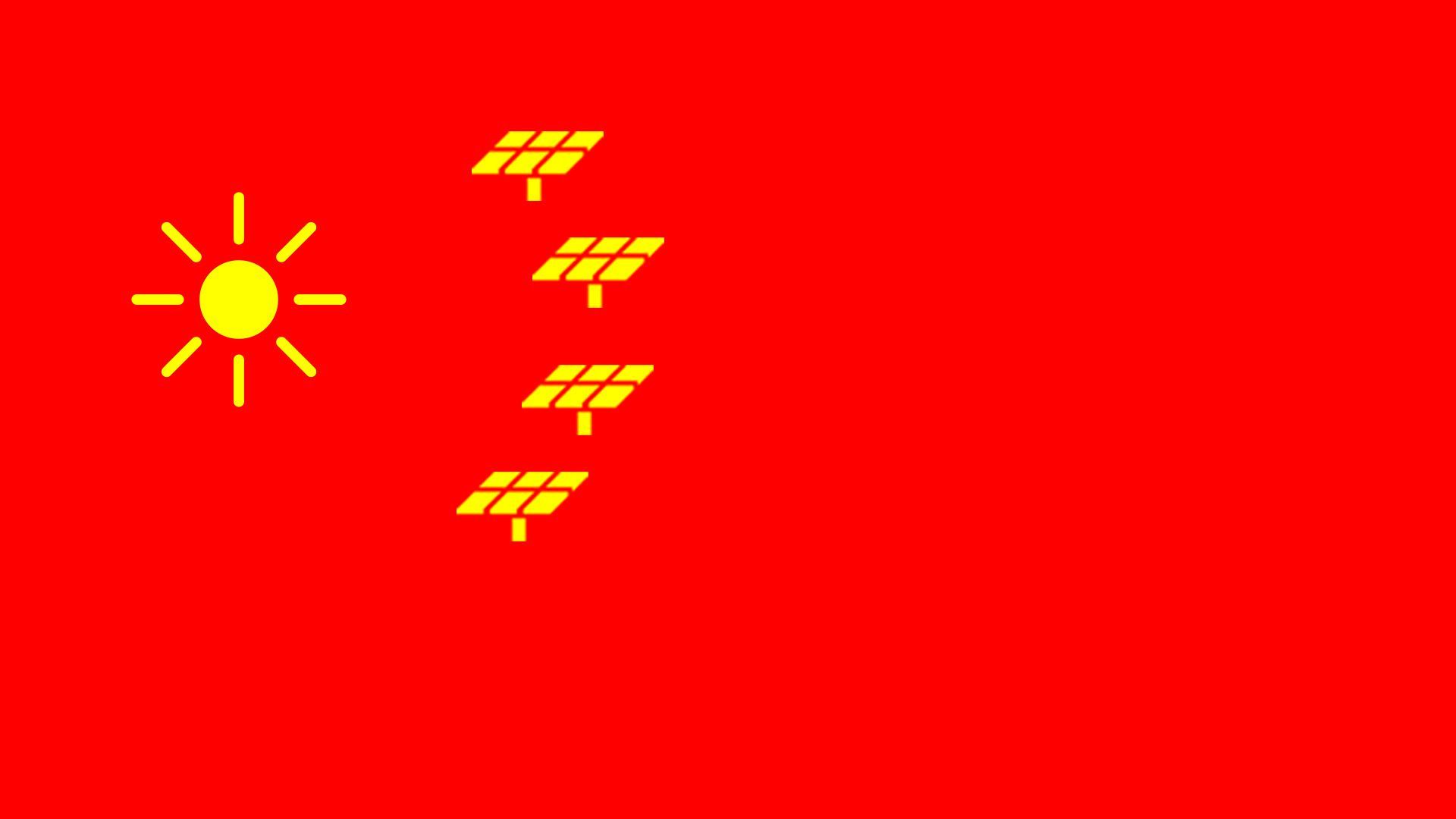
Carbon emissions from China could peak as soon as 2021, which is nine years before the voluntary deadline in their Paris agreement pledge, a new peer-reviewed study finds.
Why it matters: China is by far the world's largest carbon emitter. The trajectory of its emissions affect whether the world has any chance of meeting the Paris temperature goals — or, more likely, how much they're overshot.
Currency traders are aggressively pricing in a no-deal Brexit scenario after remarks over the weekend from the U.K.'s new government, headed by Prime Minister Boris Johnson, and are selling the pound as a result.
What's happening: Michael Gove, who is in charge of planning for a possible no-deal exit from the EU, has said the British government is "working on the assumption" that it will leave without a deal.