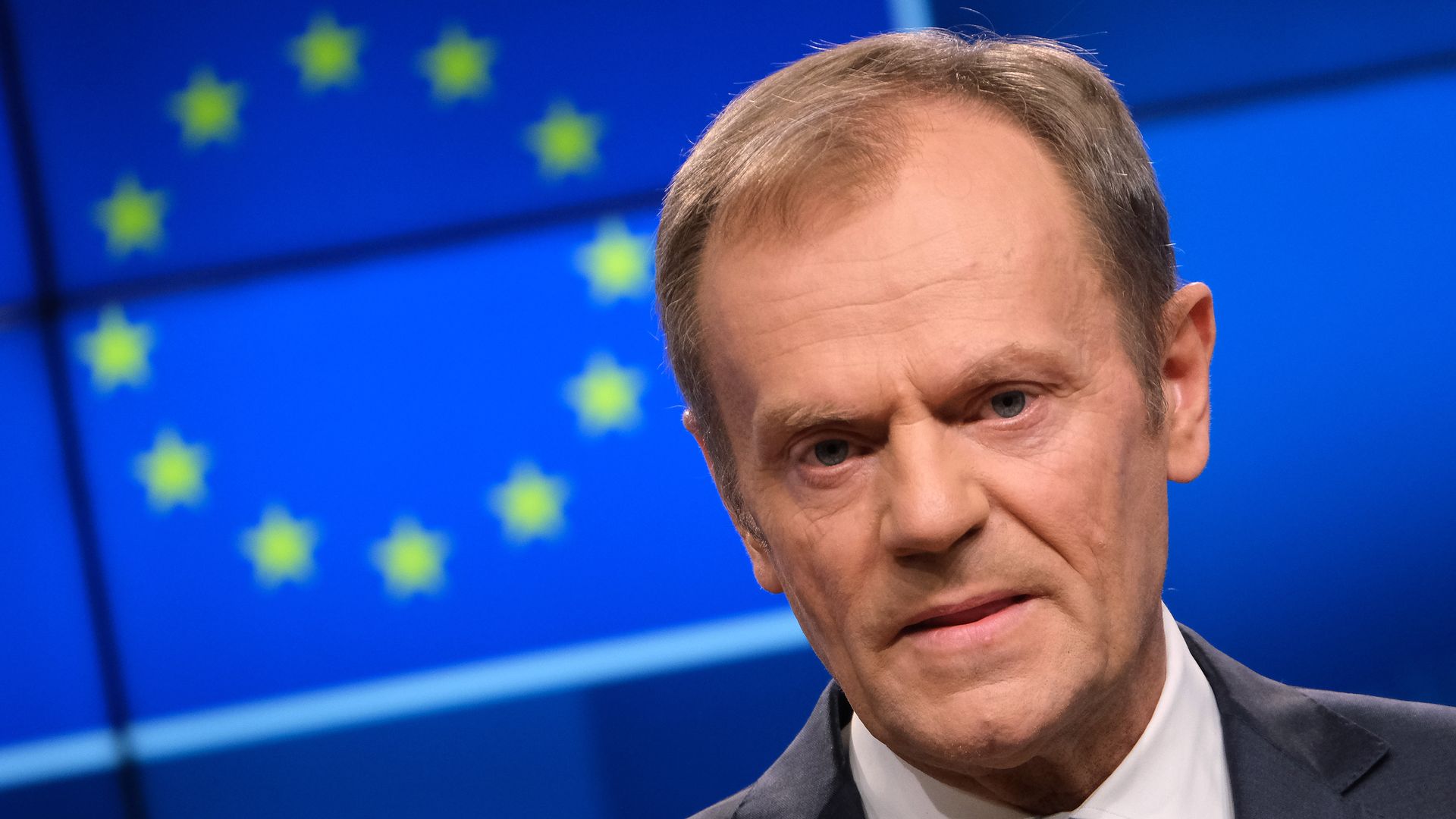
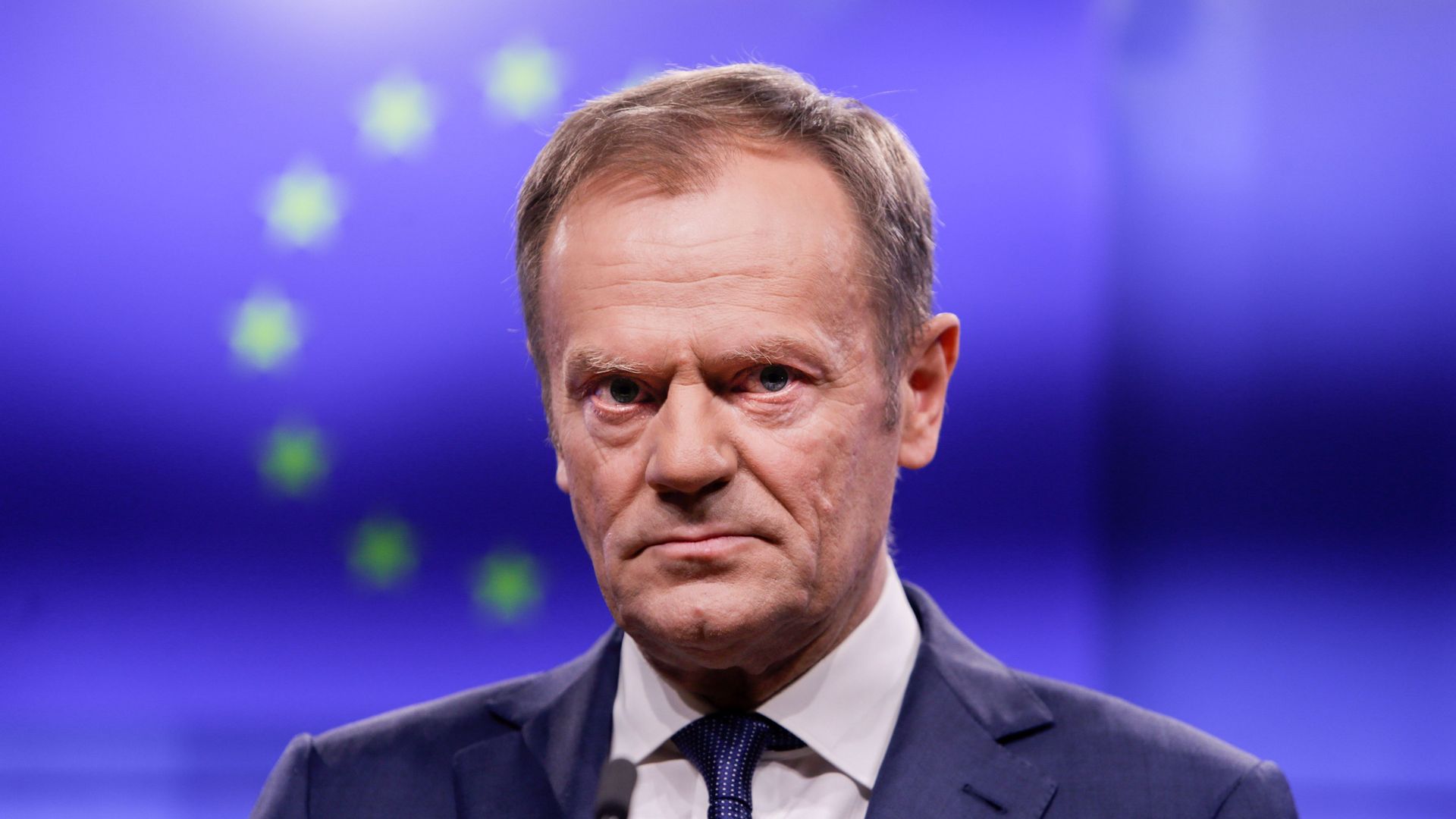
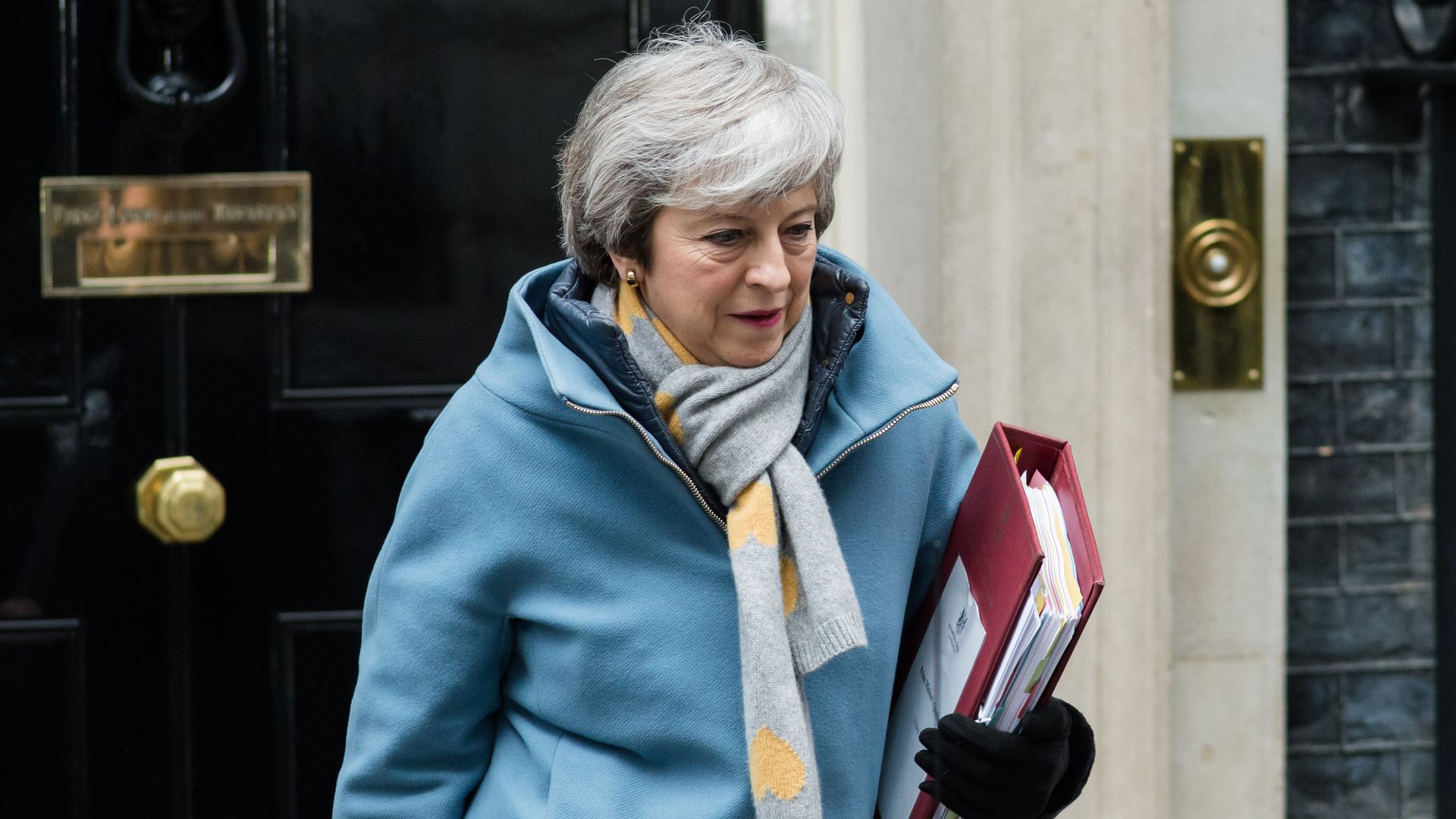
The United Kingdom won't crash out of the EU on Brexit day, March 29.The European Council has given the U.K. a short Brexit extension to April 12, at which point they expect to see Prime Minister Theresa May's Brexit deal approved by the U.K. Parliament.
What's next: In the unlikely event that May can secure parliamentary approval for her deal by April 12, the U.K. will exit the EU on or before May 22. If May cannot get that approval, she will need to return to the EU "to indicate a way forward". Any attempt to remain in the EU past May 22 is likely to require the U.K. holding EU elections on May 23.
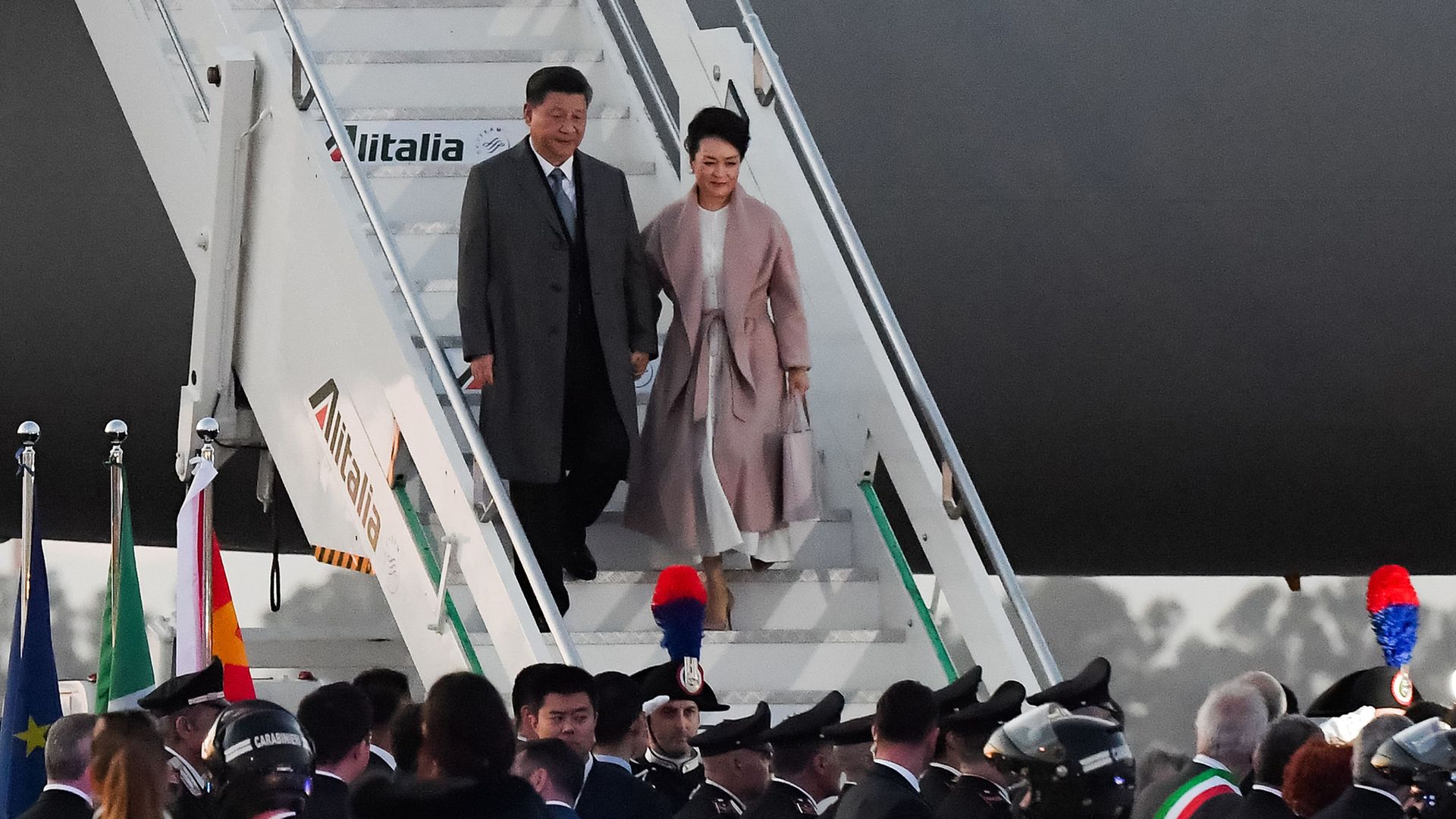
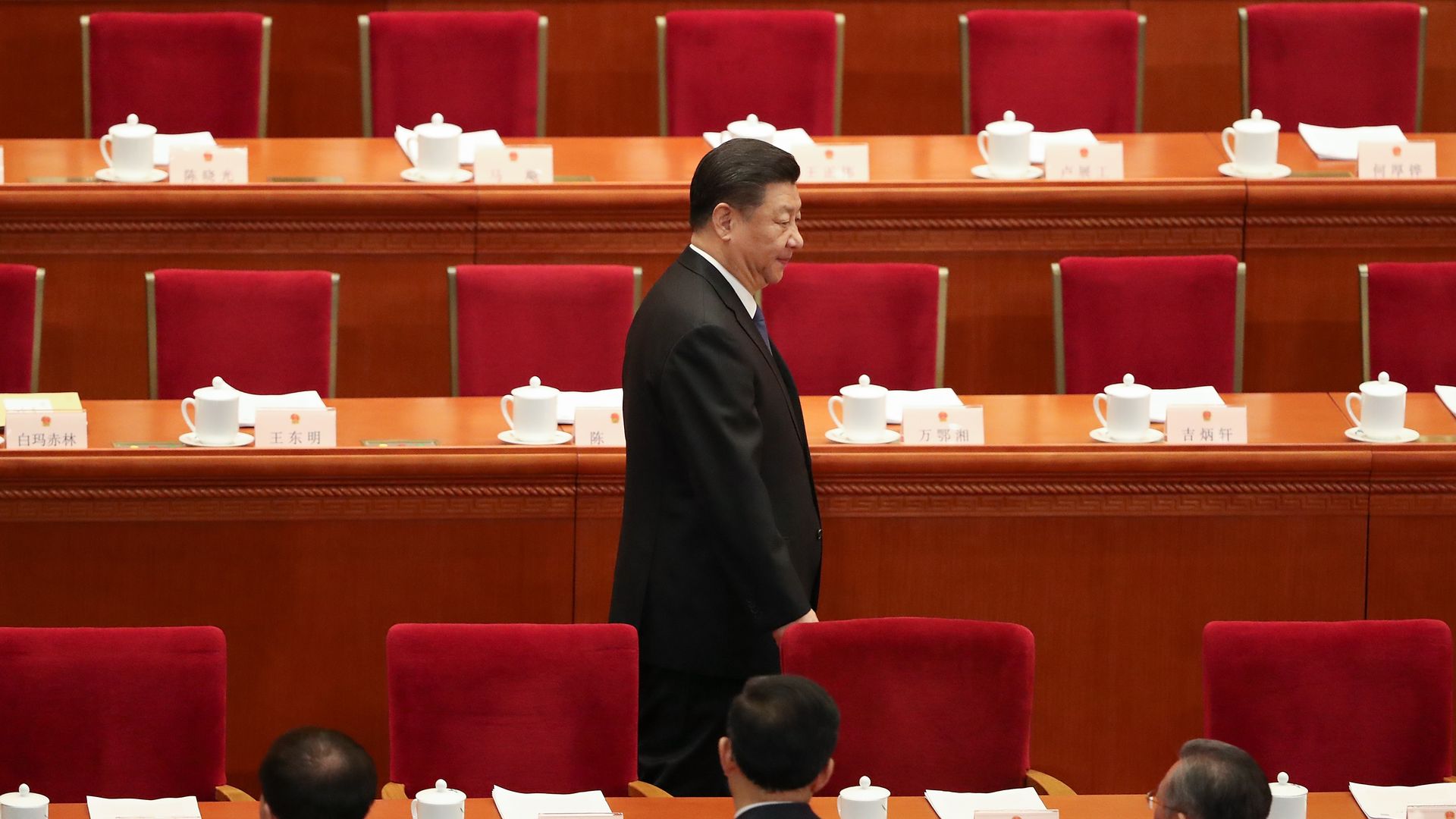
Xi Jinping arrived in Italy today to sign a memorandum of understanding for the Belt and Road Initiative (BRI), a development that has already drawn criticism from the U.S.
The big picture: Washington’s frustration is understandable, but it plays right into Beijing’s hand. Publicly criticizing Italy’s decision gives unwarranted weight to vague documents that, like the BRI itself, overpromise and underdeliver.
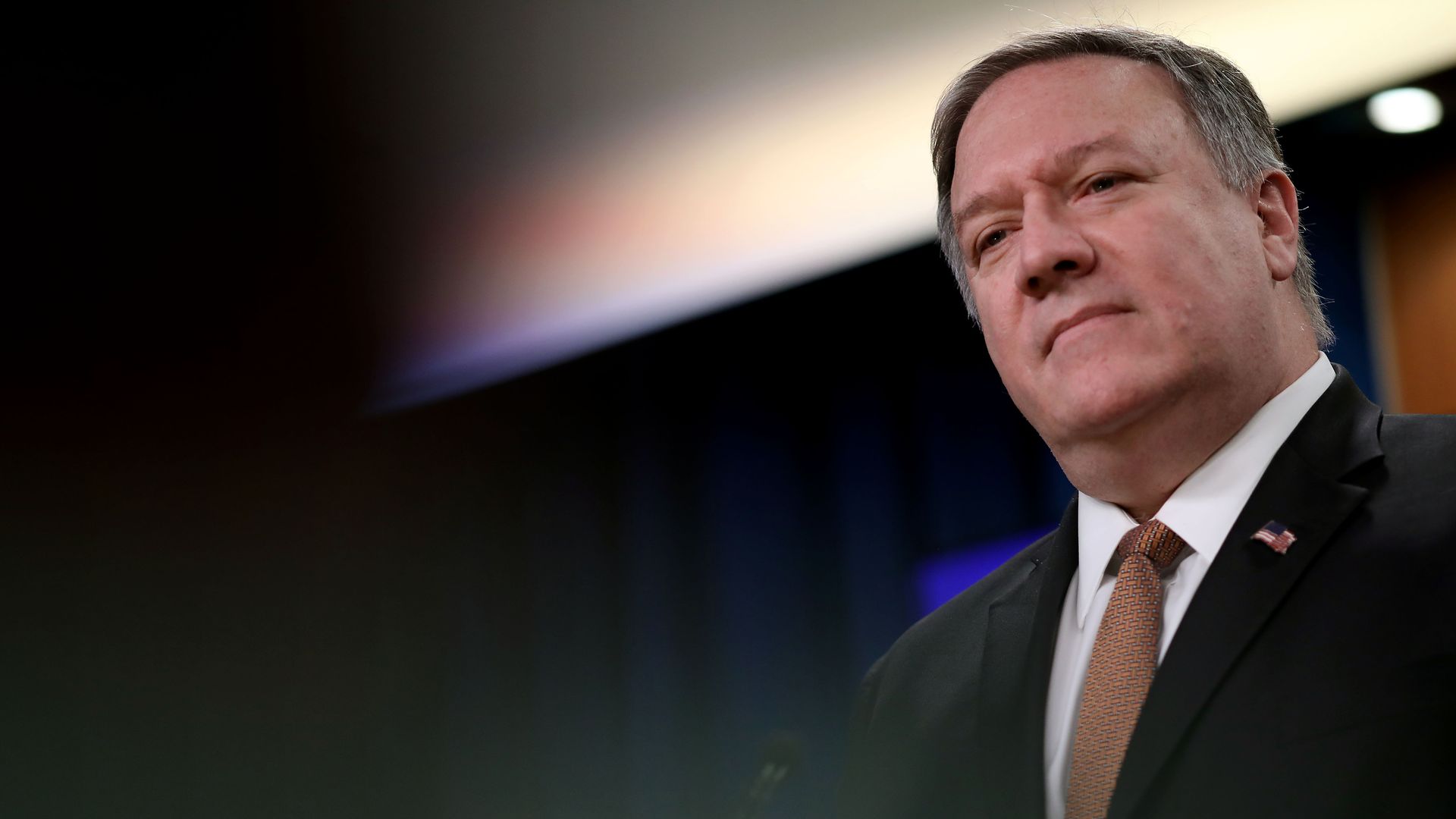
Secretary of State Mike Pompeo told me today in an interview in Jerusalem that the Trump administration's Middle East peace plan will be good for the Palestinians and that they should give it serious consideration.
Why it matters: The Trump administration's peace team, led by Jared Kushner and Jason Greenblatt, has been working on the peace plan for two years. U.S officials told me there is no set date yet for the release of the plan, but that it would be sometime between the Israeli elections on April 9 and mid-June.
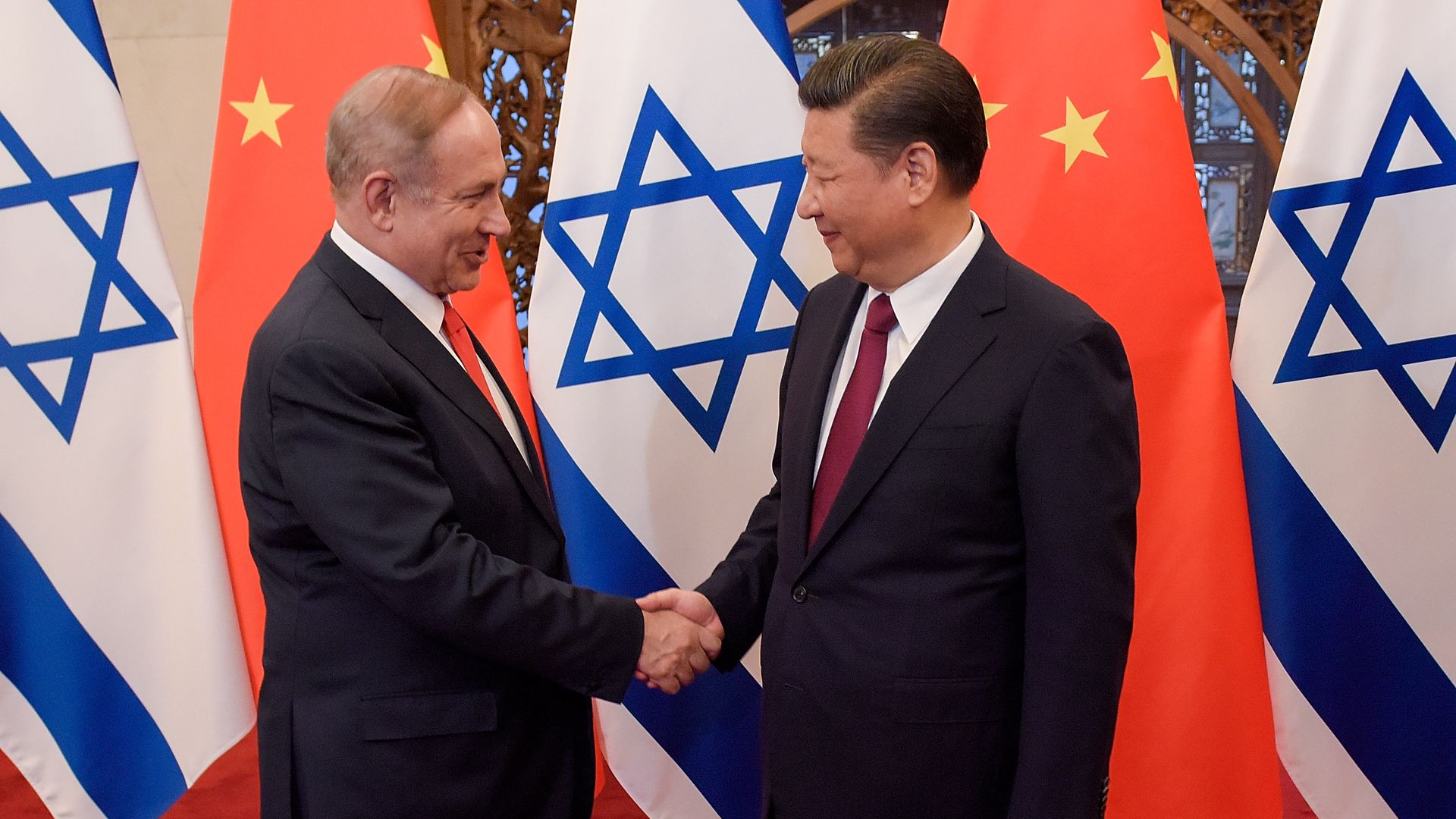
Secretary of State Mike Pompeo told me today that if Israel does not limit its ties with China, the U.S. could reduce intelligence sharing and security cooperation.
Why it matters: The U.S. has raised the topic of Chinese influence with Israel several times in the last months, but this is the most public stance that the Trump administration has taken on the issue. In the last few years, Prime Minister Netanyahu has led a diplomatic initiative to dramatically enhance trade with China. China has won several big infrastructure contracts in Israel, including one for a new sea port in Haifa — where the U.S. Navy currently operates.
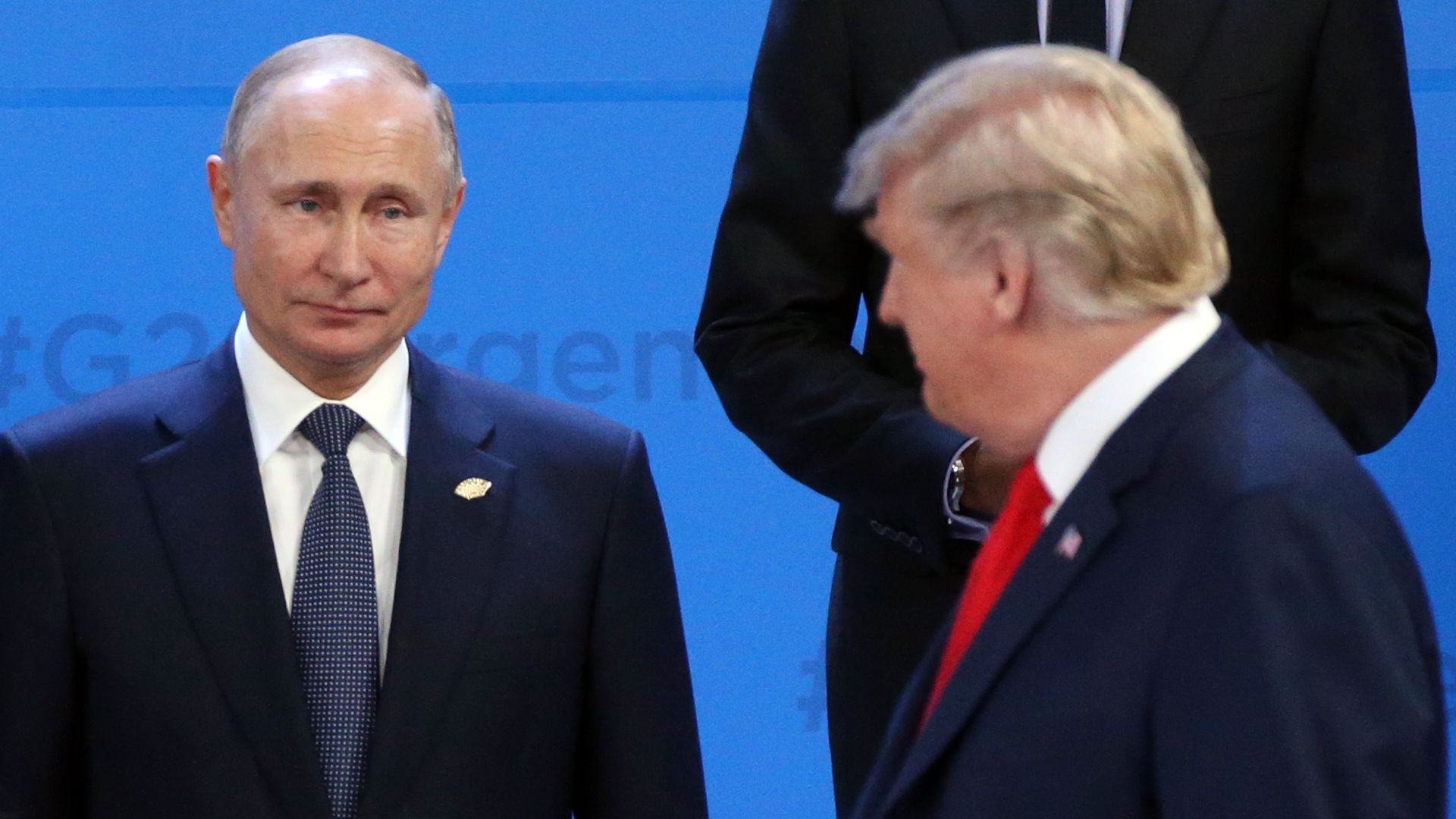
White House counsel Pat Cipollone sent a letter to top House Democrats on Thursday rejecting their request for documents related to President Trump's conversations with Russian President Vladimir Putin, Politico reports.
Details: Addressing the chairs of the House Intelligence, Oversight and Foreign Affairs committees, Cipollone argued: “The committees’ letters cite no legal authority for the proposition that another branch of the government can force the president to disclose diplomatic communications with foreign leaders or that supports forcing disclosure of the confidential internal deliberations of the president’s national security advisors."
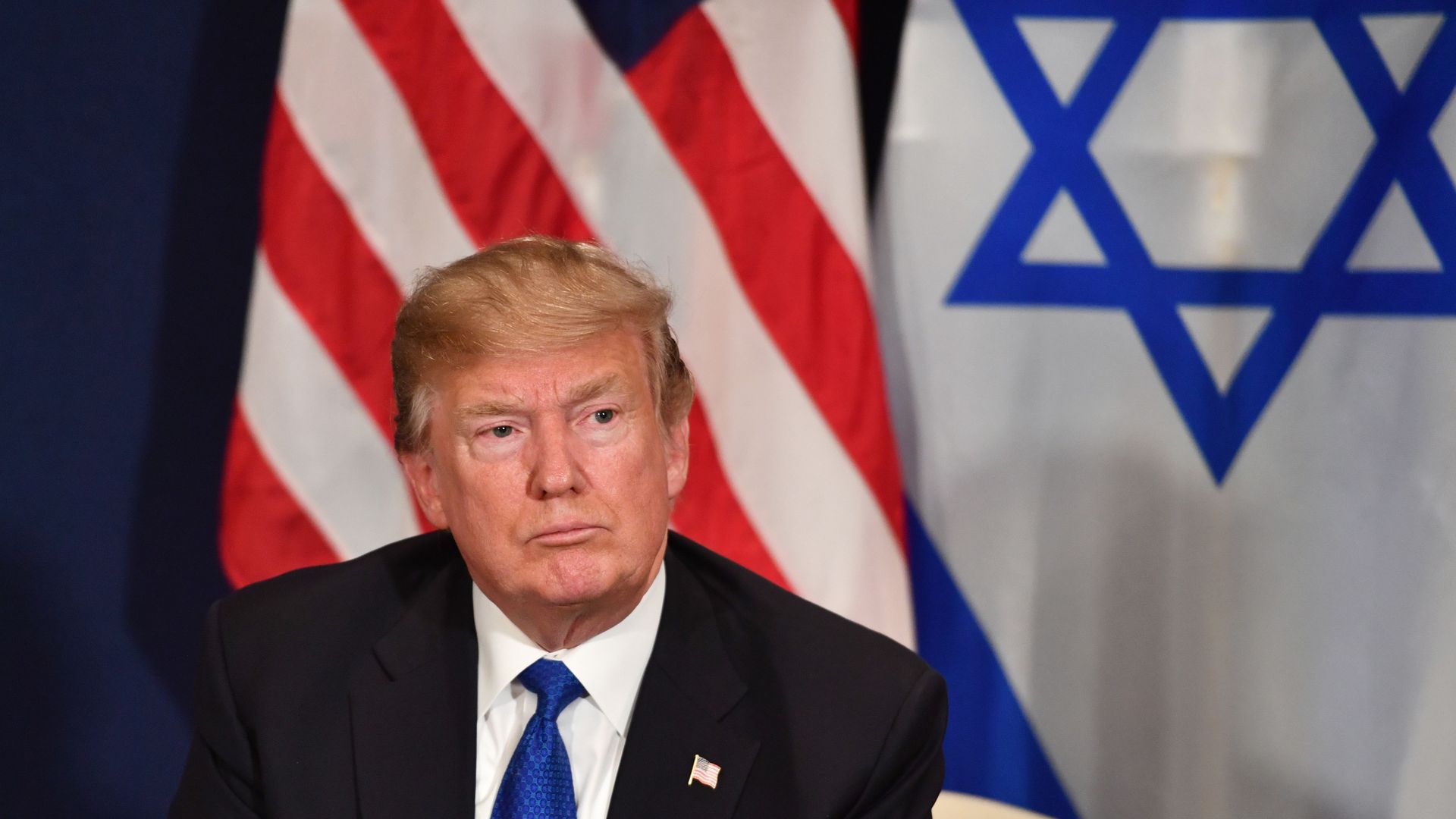
President Trump announced in a Thursday tweet that the U.S. will recognize Israeli sovereignty over the Golan Heights, which Israel first captured from Syria and occupied in 1967 and effectively annexed in 1981.
Why it matters: This is a huge policy shift from the U.S. that could have repercussions for American policy towards other occupied areas in the world, like Crimea. It's also likely to infuriate Russia, an ally of the Assad regime in Syria. Trump's move is also a major boost for Israeli Prime Minister Benjamin Netanyahu in his election campaign ahead of Israel's April 9 elections.
Chinese President Xi Jinping will arrive in Rome tomorrow ready to plant a flag in the heart of Europe.
What to watch: Italy is expected to break with most other advanced economies by formally signing onto Beijing's $1.3 trillion global Belt and Road (BRI) infrastructure initiative.
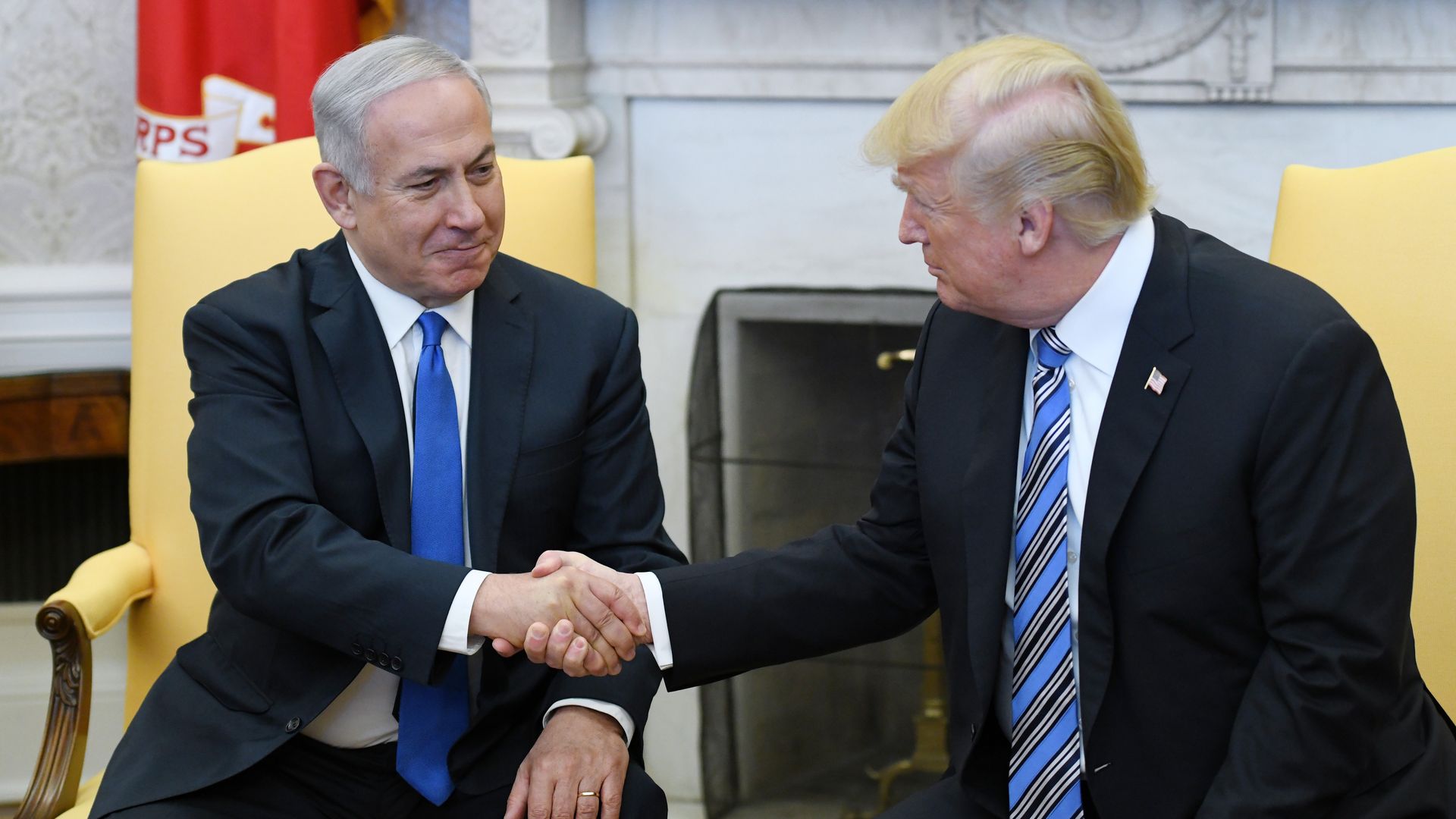
President Trump will meet with Israeli Prime Minister Benjamin Netanyahu at the White House on Monday and host him for dinner the following night, the White House has announced.
Why it matters: Netanyahu will arrive at the White House two weeks before Israel's April 9 elections. Netanyahu wants to use the meeting with Trump in his election campaign in order to stress their close ties and the fact that his chief opponent, Benny Gantz, lacks foreign policy experience.
European Council President Donald Tusk said at a hastily arranged press statement on Wednesday that a Brexit extension until the end of June, requested by U.K. Prime Minister Theresa May earlier in the day, would only be possible if Parliament backs May's proposed deal.
Why it matters: Tusk's position — at least right now — effectively forces the U.K. to choose between May's deal and no deal as Brexit Day looms in 9 days. The House of Commons has twice rejected May's deal by significant margins, and Speaker John Bercow ruled this week that the chamber cannot vote on "the same proposition or substantially the same proposition" a third time.
British Prime Minister Theresa May asked the EU on Wednesday to delay Brexit until June 30, per the Associated Press.
The big picture: The EU is not required to honor May's request. A Brexit delay would need approval from all 27 participating member states, who are set to meet on Thursday and will vote in EU parliamentary elections in May. Whether the U.K. will participate in those elections will be core to the bloc's decision of whether to grant an extension. As of now, Britain is due to leave the EU in nine days, although Parliament has rejected May's latest proposals on the specifics of their exit.