For six years, the U.S. and Europe have been fixated on Russia as their gravest geopolitical threat — all while China has been building up its massive global infrastructure project known as One Belt, One Road. Now, Beijing and its commercial aims seem much more of a menace.
Driving the news: China today obtained the commercial equivalent of a beachhead in the heart of Europe, when Chinese President Xi Jinping and Italian Prime Minister Giuseppe Conte signed a Belt and Road accord in Rome.
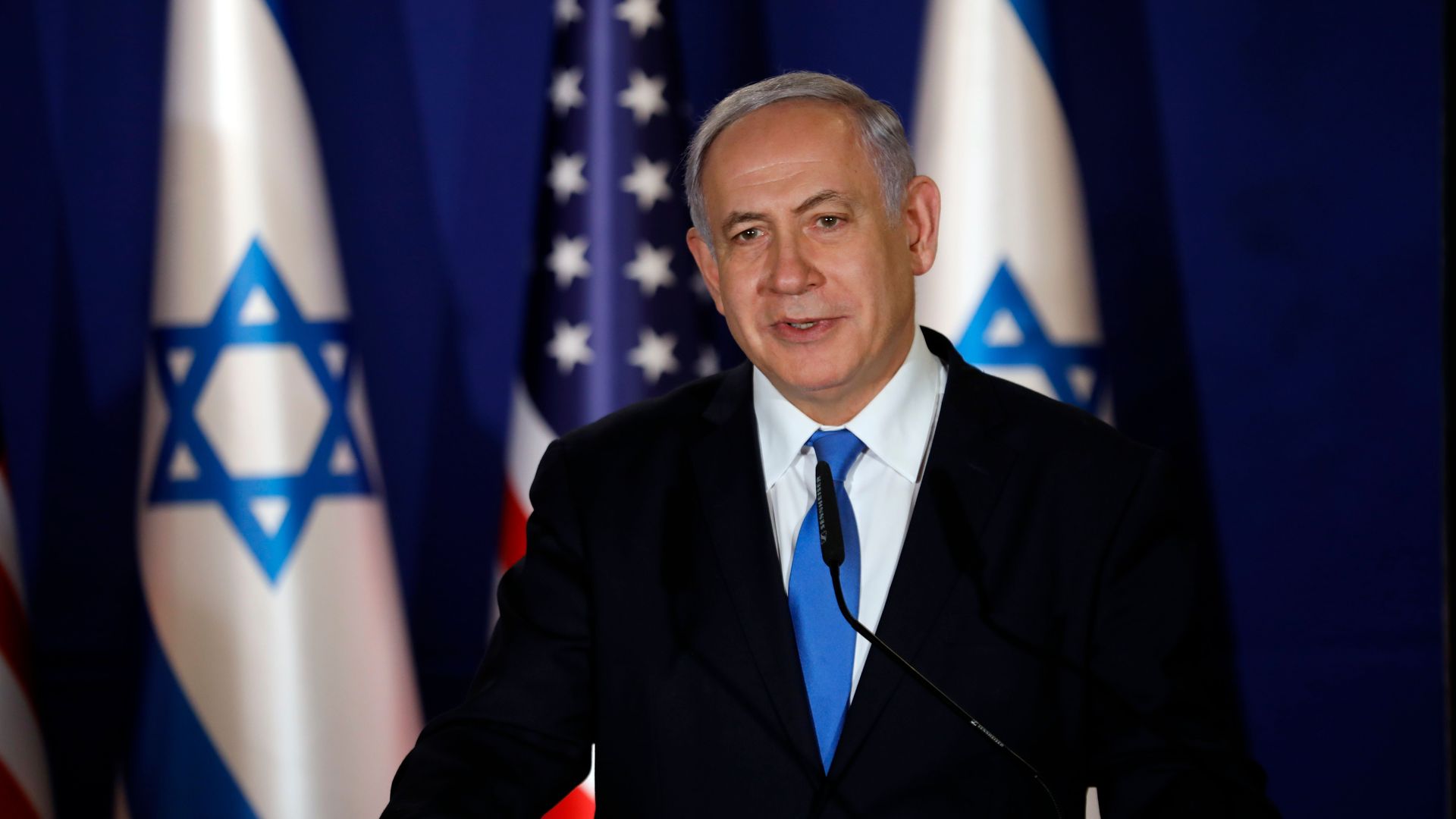
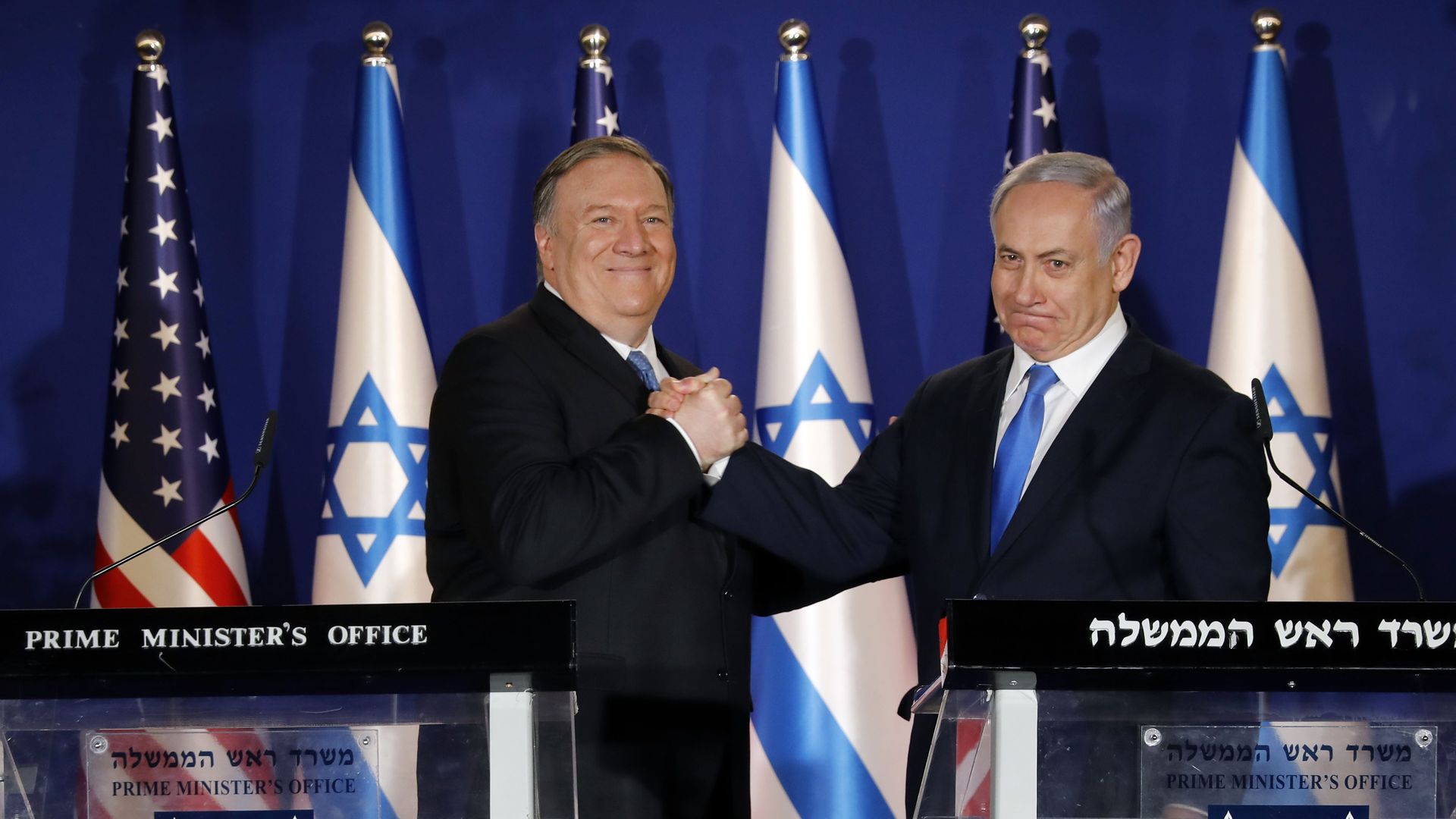
Israeli Prime Minister Benjamin Netanyahu is coming to Washington next week to meet with President Trump and speak at the annual policy conference of AIPAC, the pro-Israel lobbying group.
Why it matters: Beyond the official reasons for Netanyahu's trip, the embrace of Trump and other American supporters could be valuable to his political prospects. With an election only two weeks away, Netanyahu faces serious legal challenges and is behind in the polls — perhaps his most precarious electoral position in decades.
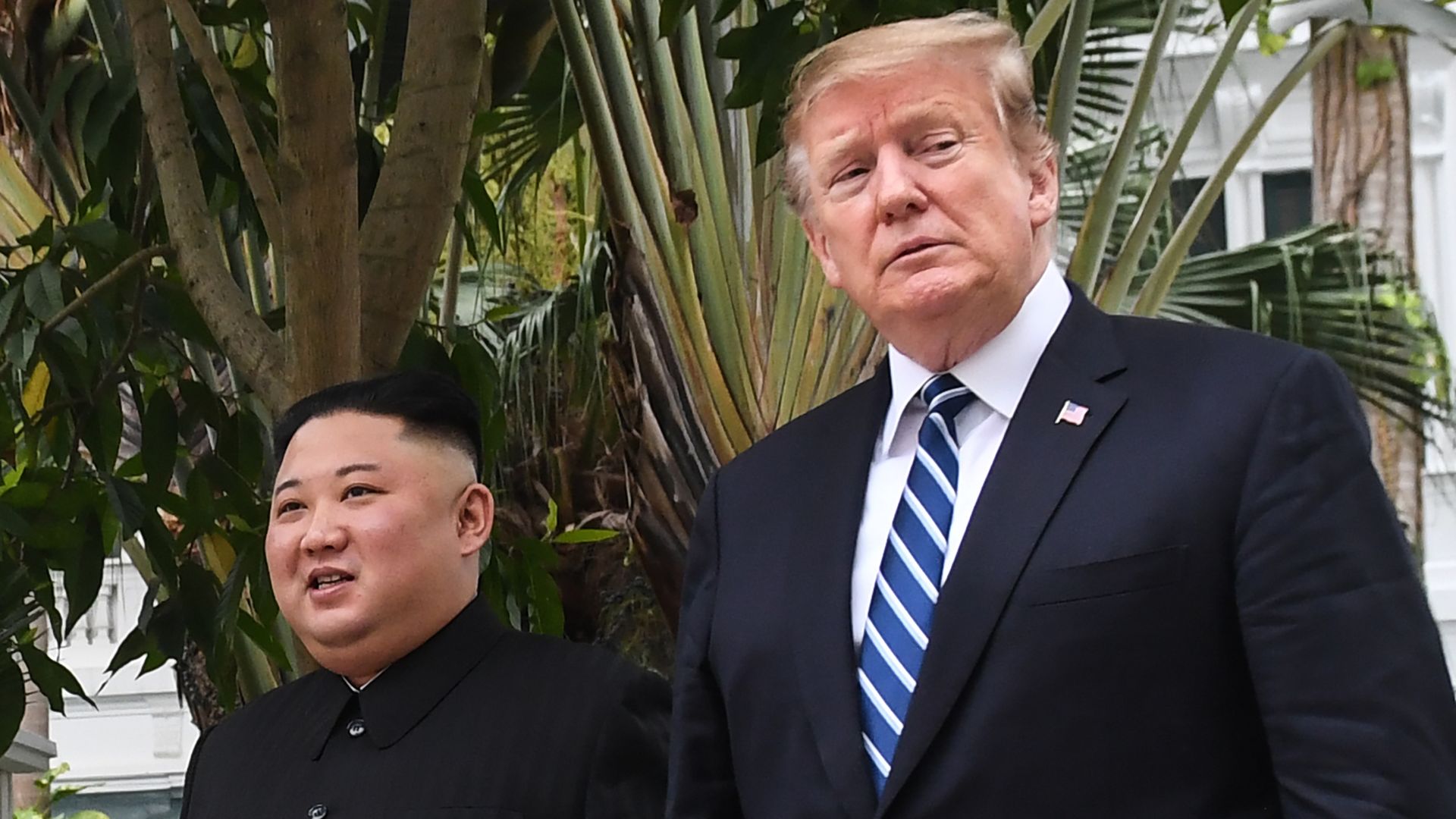
President Trump raised eyebrows on Friday with a tweet declaring that he would be withdrawing "additional large scale Sanctions" on North Korea, which he said had been announced earlier in the day by the Treasury Department.
Between the lines: It's unclear what exactly Trump is talking about, though Treasury did announce sanctions yesterday on 2 shipping companies it said had attempted to evade North Korea sanctions. Per Fox News' John Roberts, the sanctions Trump said he is withdrawing are not in reference to the 2 shipping companies, but instead are referencing "new large-scale sanctions that were about to be announced by Treasury." White House Press Secretary Sarah Sanders told reporters the decision was made because "President Trump likes Chairman Kim and he doesn’t think these sanctions will be necessary."
Editor's note: This post has been updated with a Fox News report.
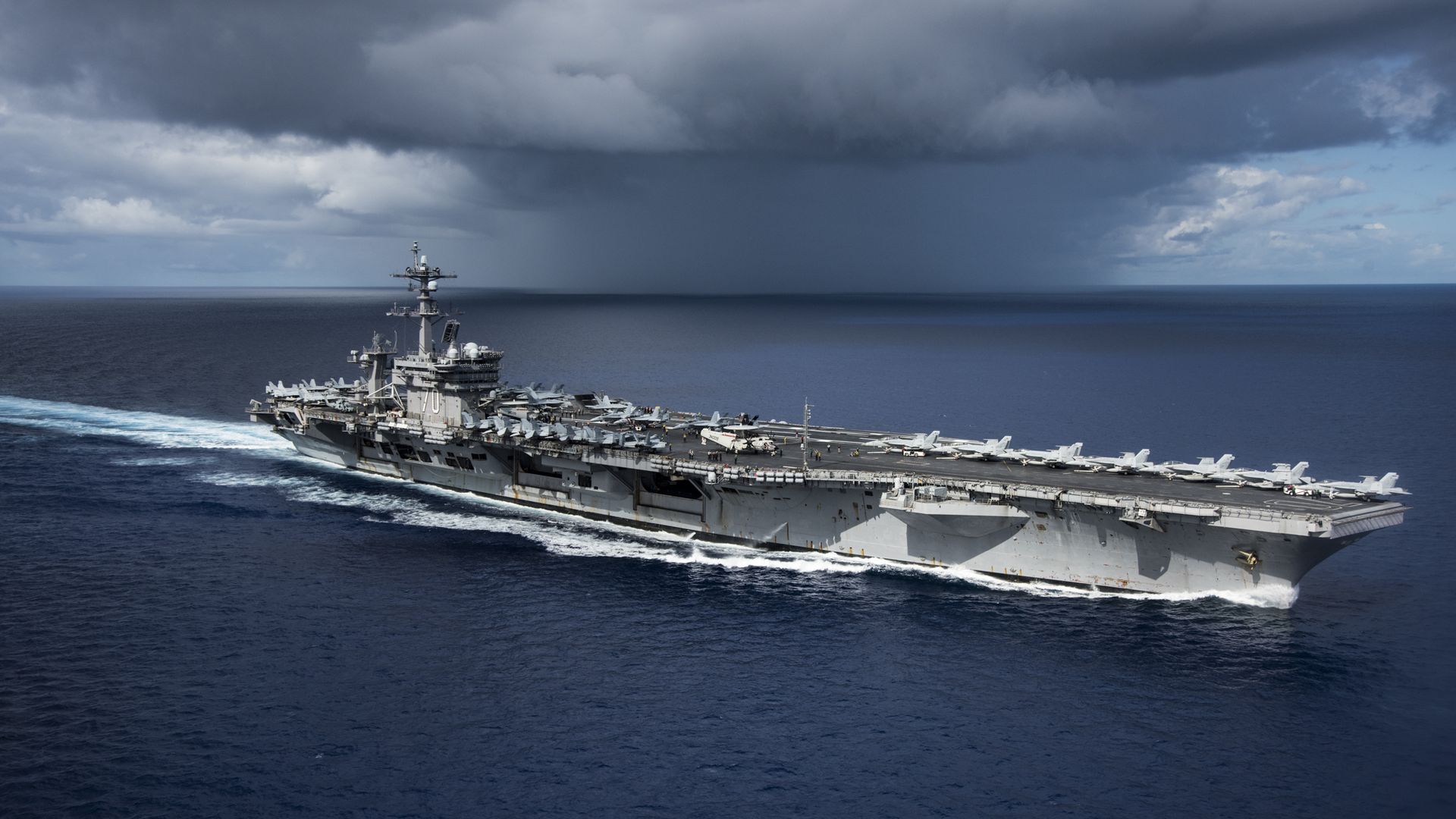
The U.S. Navy believes the service and its partners have been under a prolonged attack by Chinese hackers dedicated to improving China's military capacity, according to a recent internal review.
Why it matters: China presents a unique threat to the U.S. and its interests, as a foreign power that requires economic and political engagement despite state-sponsored acts of espionage. Bilateral relations remain on unstable ground and this offensive cyber campaign is likely to further exacerbate tensions.
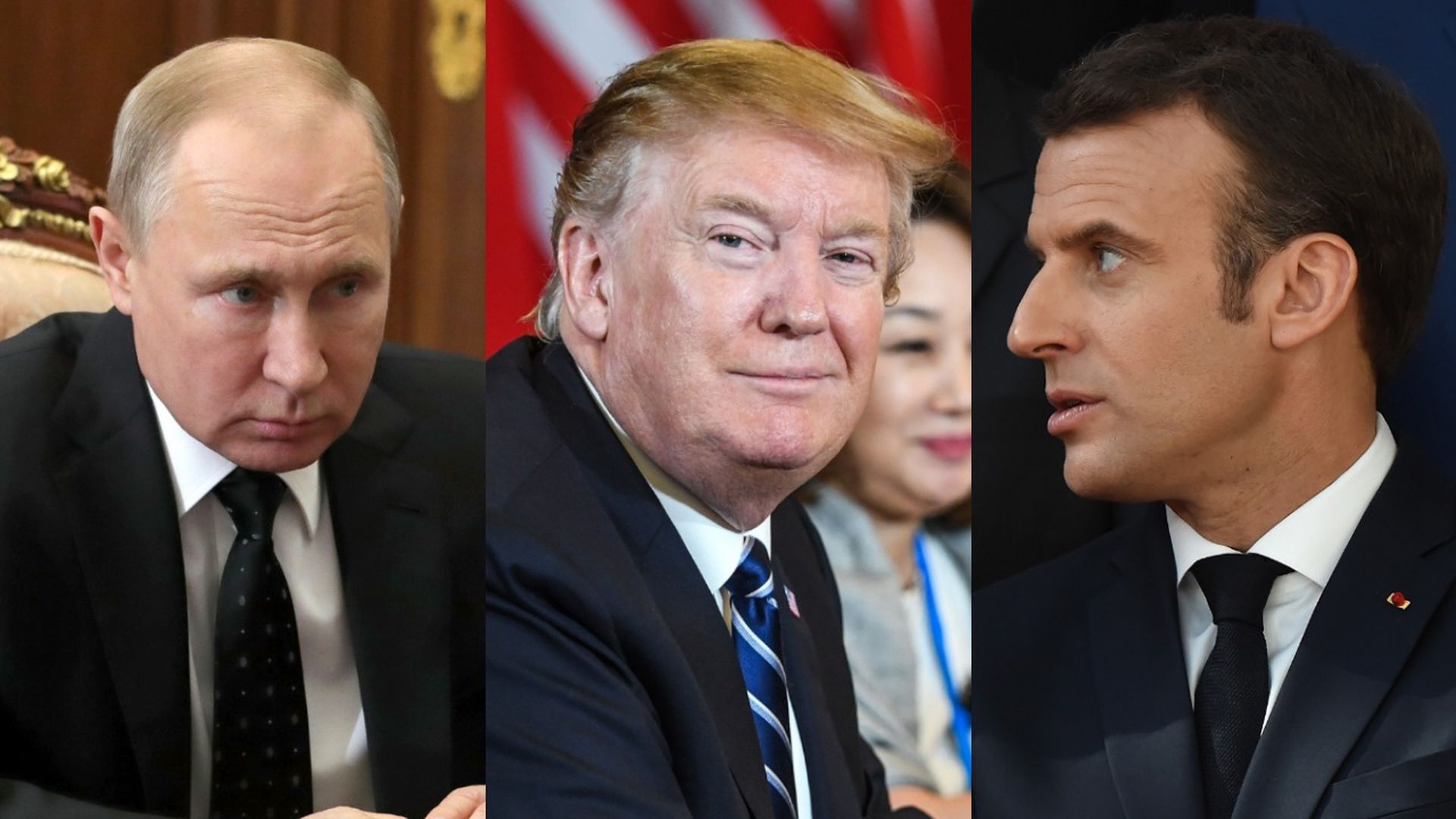
Countries around the world, including Russia and U.S. allies such as France, Germany and Egypt, criticized President Trump's announcement this week that the U.S. would recognize Israeli sovereignty in the Golan Heights.
Why it matters: At the moment, no country — other than Israel — has backed Trump's announcement. And most countries who came out against Trump's move stressed that it was a violation of international law and multiple UN resolutions.
It was another day of diplomacy in the age of Twitter, with @realDonaldTrump tweeting: "After 52 years it is time for the United States to fully recognize Israel’s Sovereignty over the Golan Heights, which is of critical strategic and security importance to the State of Israel and Regional Stability!"
Why it matters: The president’s tweet calls for a change in U.S. policy toward the Golan Heights but does not actually declare it. There are many reasons for the president not to turn his tweet into policy. It would all but eliminate what little chance exists for peace between Israel and either the Palestinians or Arab states, such as Saudi Arabia.