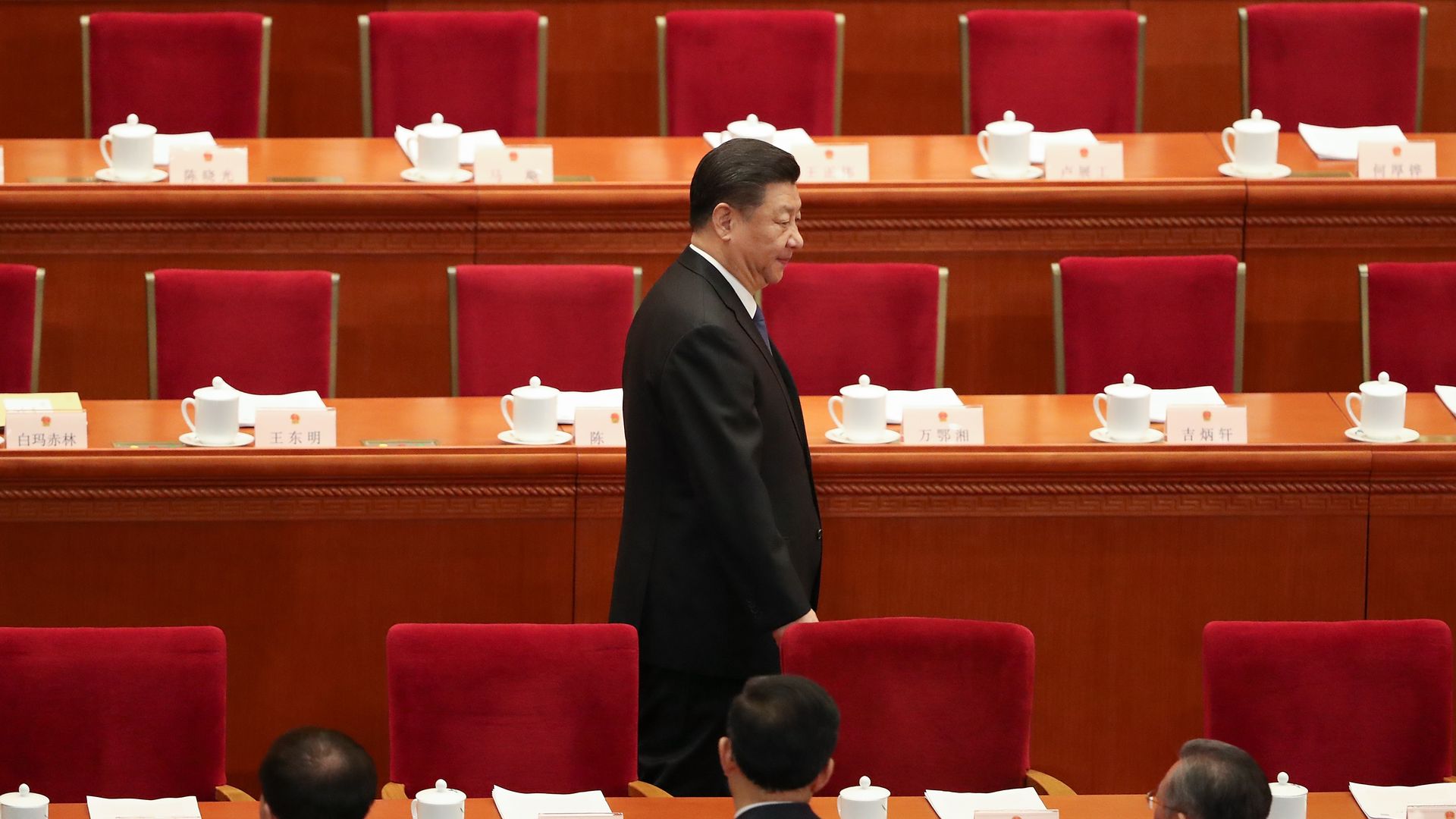
Chinese President Xi Jinping will arrive in Rome tomorrow ready to plant a flag in the heart of Europe.
What to watch: Italy is expected to break with most other advanced economies by formally signing onto Beijing's $1.3 trillion global Belt and Road (BRI) infrastructure initiative.
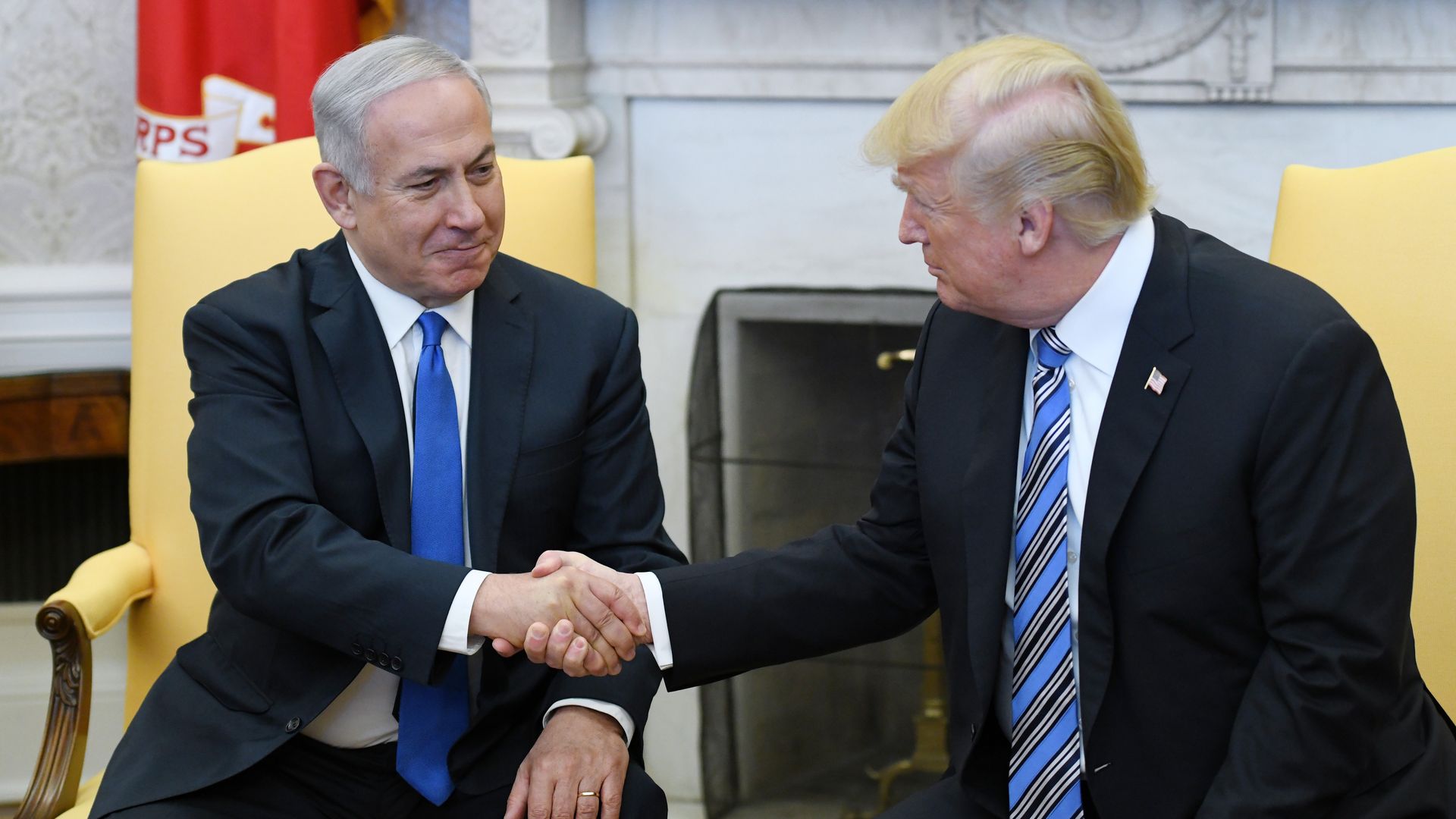
President Trump will meet with Israeli Prime Minister Benjamin Netanyahu at the White House on Monday and host him for dinner the following night, the White House has announced.
Why it matters: Netanyahu will arrive at the White House two weeks before Israel's April 9 elections. Netanyahu wants to use the meeting with Trump in his election campaign in order to stress their close ties and the fact that his chief opponent, Benny Gantz, lacks foreign policy experience.
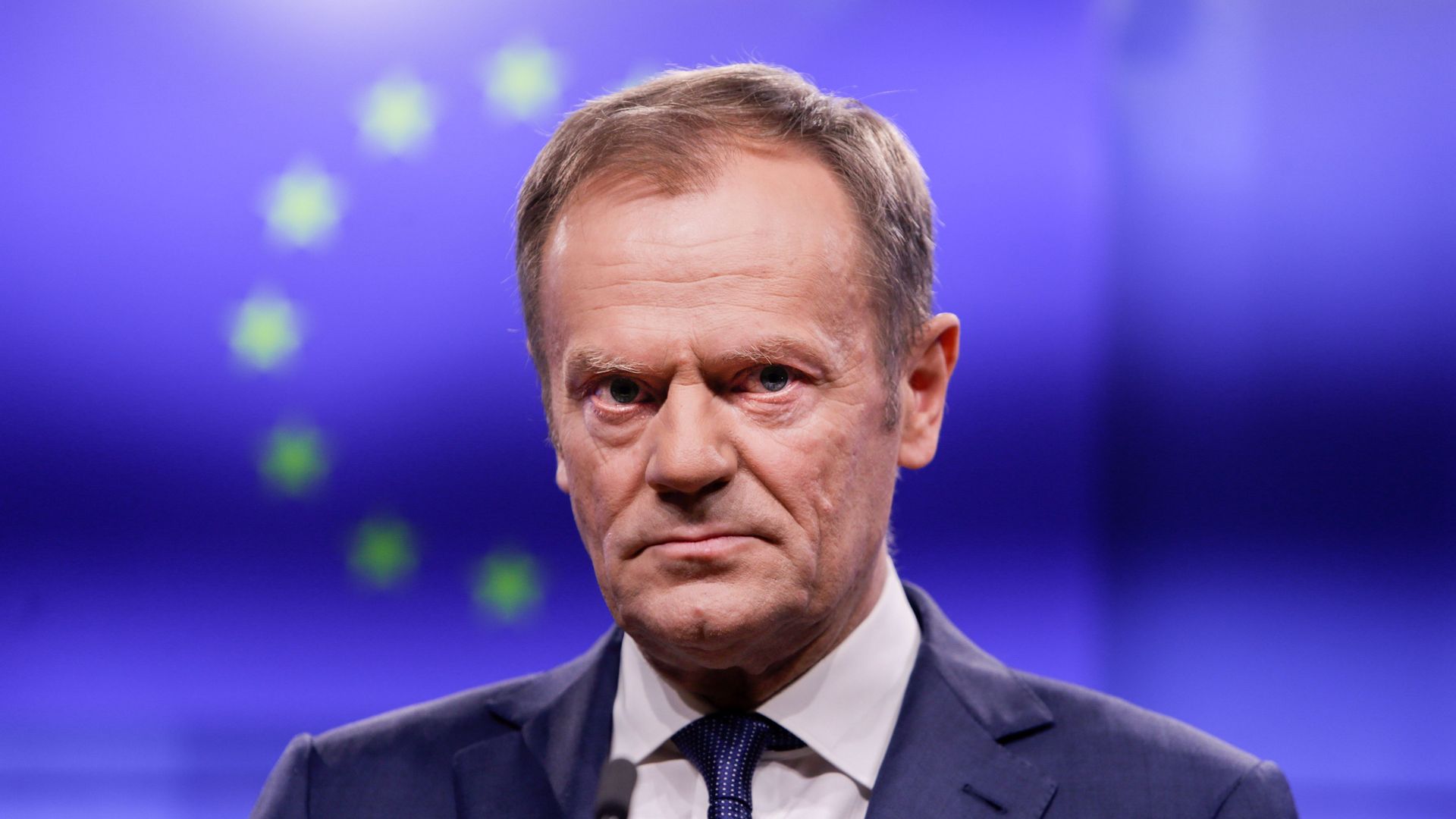
European Council President Donald Tusk said at a hastily arranged press statement on Wednesday that a Brexit extension until the end of June, requested by U.K. Prime Minister Theresa May earlier in the day, would only be possible if Parliament backs May's proposed deal.
Why it matters: Tusk's position — at least right now — effectively forces the U.K. to choose between May's deal and no deal as Brexit Day looms in 9 days. The House of Commons has twice rejected May's deal by significant margins, and Speaker John Bercow ruled this week that the chamber cannot vote on "the same proposition or substantially the same proposition" a third time.
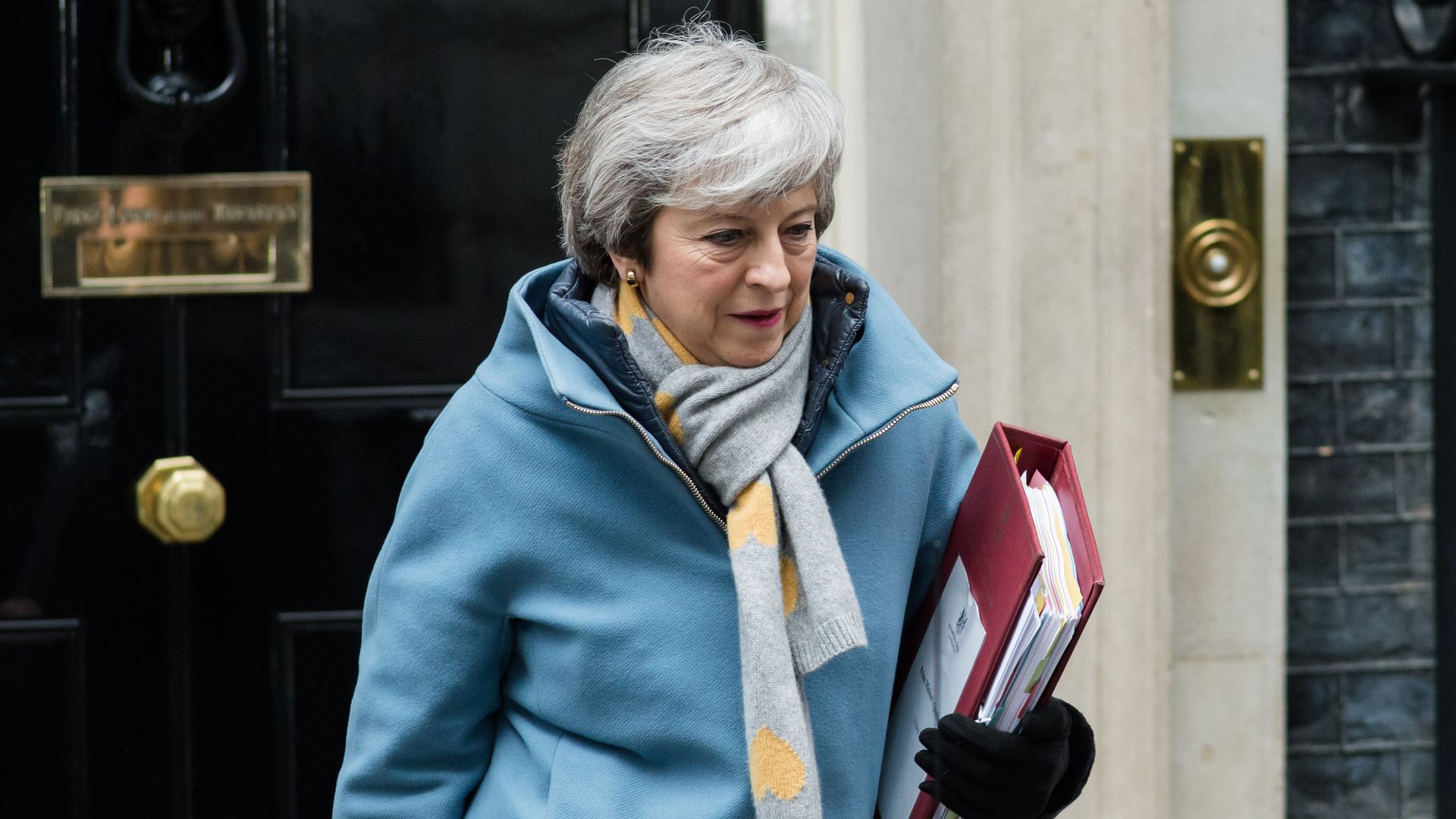
British Prime Minister Theresa May asked the EU on Wednesday to delay Brexit until June 30, per the Associated Press.
The big picture: The EU is not required to honor May's request. A Brexit delay would need approval from all 27 participating member states, who are set to meet on Thursday and will vote in EU parliamentary elections in May. Whether the U.K. will participate in those elections will be core to the bloc's decision of whether to grant an extension. As of now, Britain is due to leave the EU in nine days, although Parliament has rejected May's latest proposals on the specifics of their exit.
Top global scientists declined to declare the moratorium on gene editing heritable genes in humans called for by some experts, but warned it would be "irresponsible" to allow this in clinical practice and recommended initial steps for a global regulatory framework under the World Health Organization.
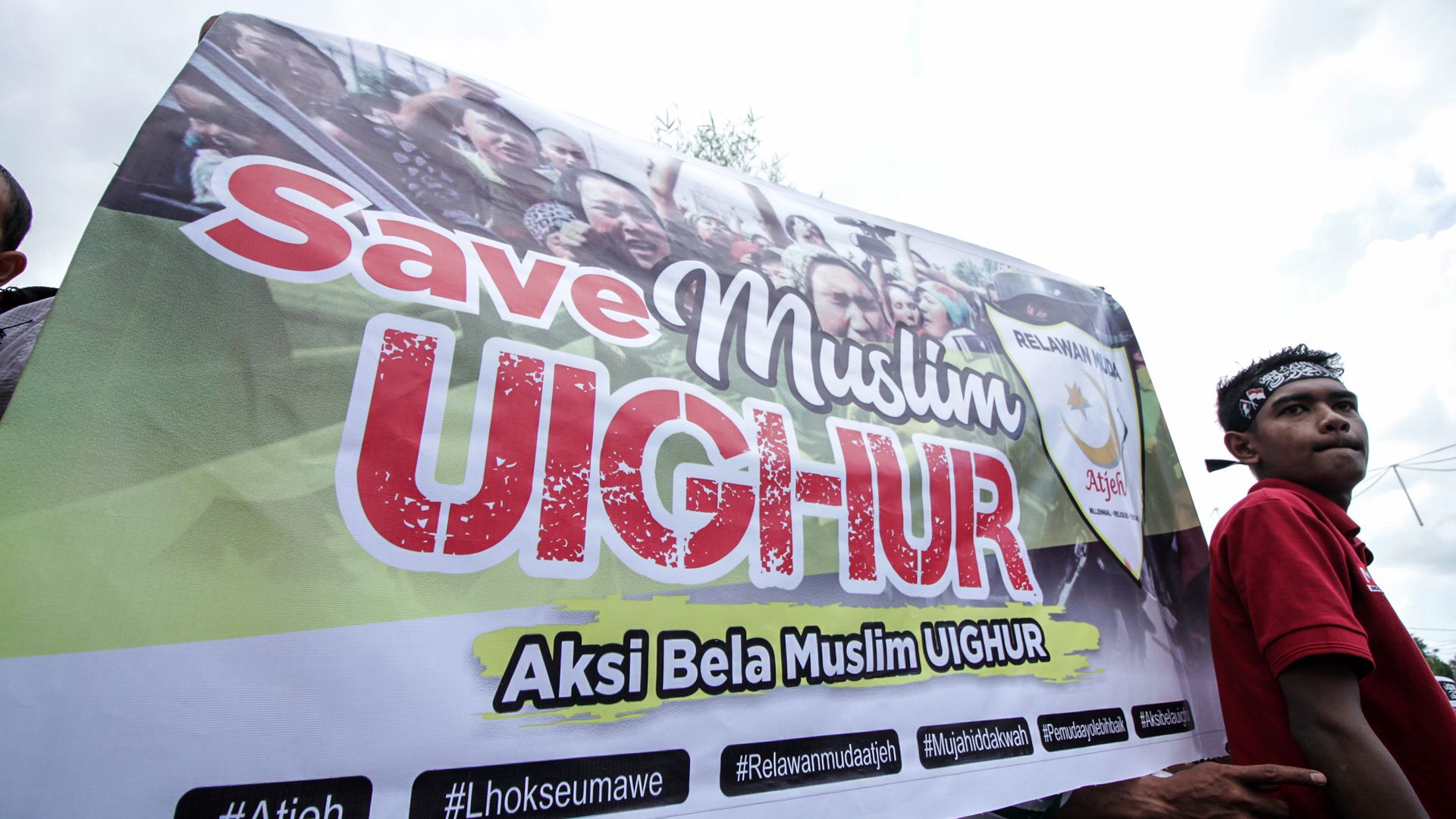
Indonesian President Joko Widodo is seeking re-election next month in the world’s largest Muslim-majority country and, as the FT points out, “presenting himself as defender of the faith is central to his campaign strategy.” But when the newspaper asked him about the imprisonment of up to 1 million Muslims in China’s Xinjiang territory, he repeatedly declined to comment.
Why it matters: “His reticence signals how influential Beijing has become in Asia and how the Chinese Communist party is increasingly able to control global narratives and silence critics far beyond China’s borders."