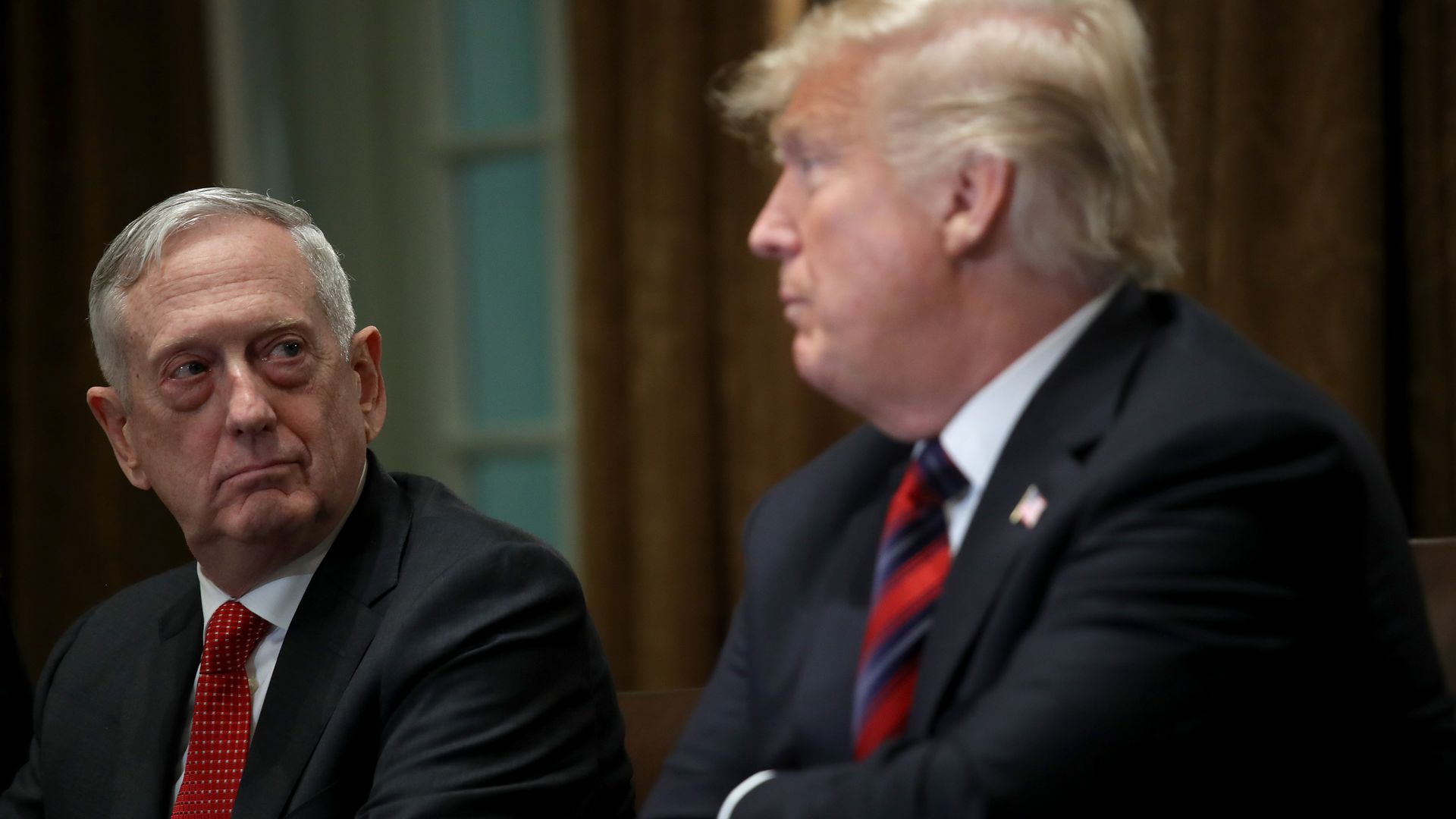
Former Defense Secretary James Mattis had "deep concerns" about a request late last year from national security adviser John Bolton for options to attack inside Iran, according to a source close to Mattis.
The big picture: "There were deep concerns about any efforts to escalate a conflict with Iran," the source told me. As the Wall Street Journal first reported, Bolton's request came "after militants fired three mortars into Baghdad's sprawling diplomatic quarter, home to the U.S. Embassy, on a warm night in early September. The shells — launched by a group aligned with Iran — landed in an open lot and harmed no one."
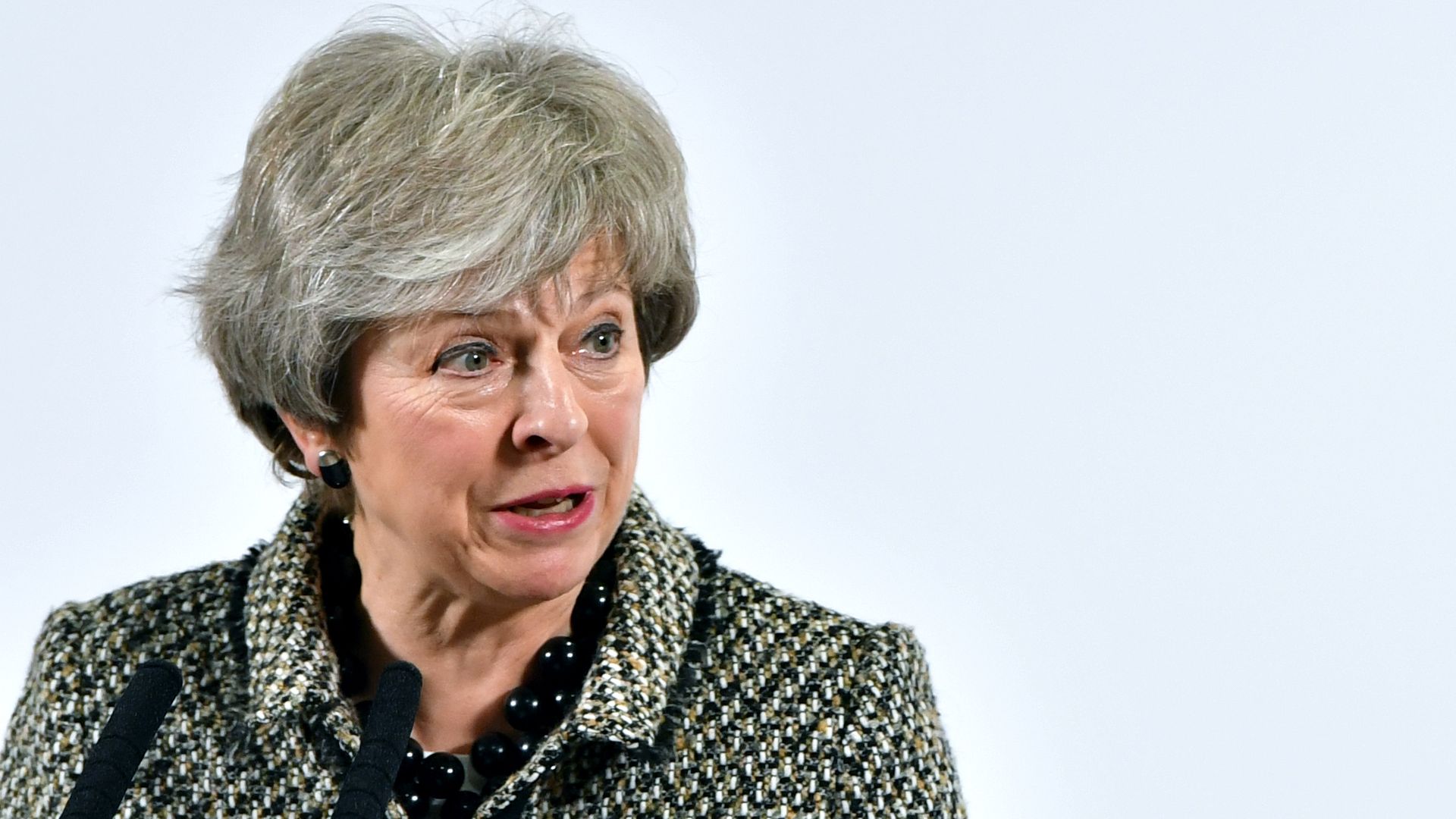
British Prime Minister Theresa May warned members of Parliament that voting down her Brexit deal this week would be "a catastrophic and unforgivable breach of trust in our democracy" in an op-ed for the Sunday Express.
The big picture: May's deal, which faces a lack of support from both the opposition Labour Party as well as pro-Brexit members of her own Conservative Party, is largely expected to fail in a vote on Tuesday — more than one month after she delayed a vote under similar circumstances. The European Union is expecting her deal to fail and the current planned Brexit date of March 29 to be delayed until at least July, The Guardian reports. And Labour leader Jeremy Corbyn has promised to table a motion of no confidence in May's government should that occur, which could oust her as prime minister and force a snap election.
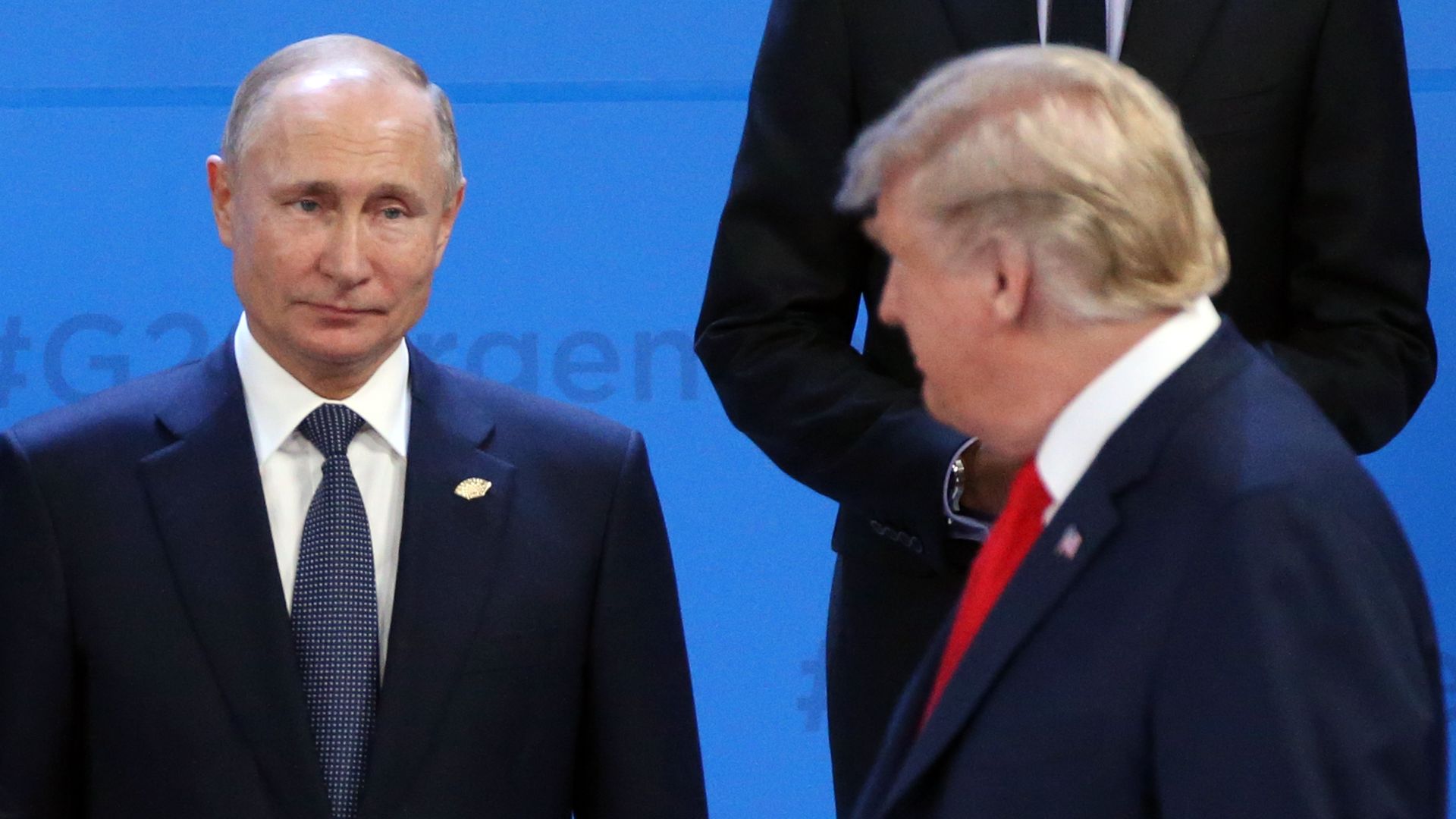
President Trump has repeatedly sought to conceal the details of his face-to-face conversations with Russian President Vladimir Putin from senior officials in his own administration, the Washington Post's Greg Miller reports.
Details: After meeting with Putin in Germany in 2017, Trump reportedly took notes from his own interpreter and instructed them not to discuss the contents of the conversation with other administration officials. This is just one example of what Miller reports is "a broader pattern" of Trump shielding his communications with Putin from the public as well as senior government officials — a pattern that has resulted in there being "no detailed record" of his face-to-face meetings with the Russian leader at "five locations over the past two years."
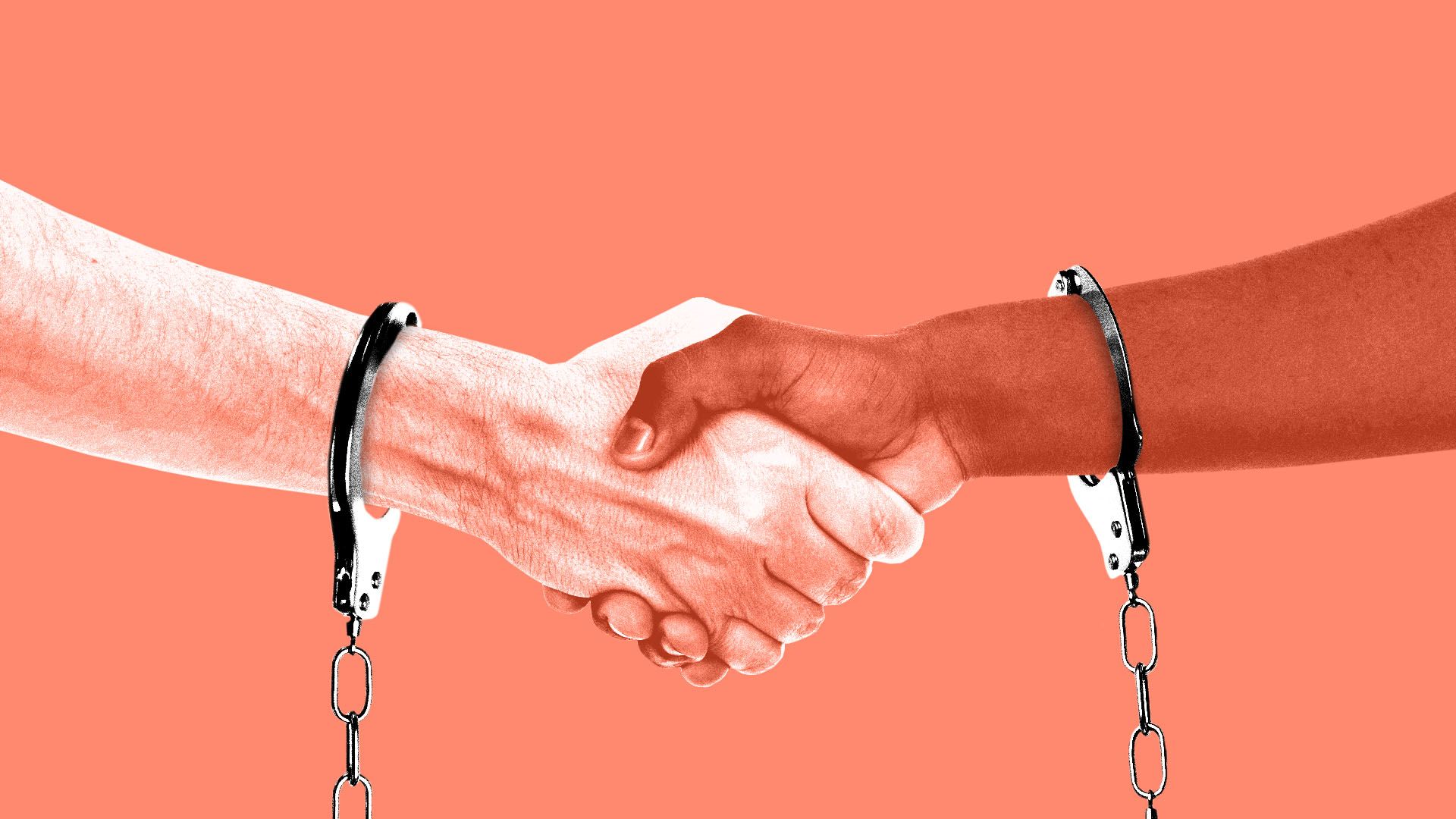
Poland's arrest of a Huawei executive on charges of spying for China escalates an already-fraught dimension of the turbulent new era of geopolitics.
The big picture: A spate of arrests has broken out, with detentions of Americans and Canadians in China, Iran and Russia, and Chinese people jailed in Canada and now Poland. It appears to be unprecedented — political hostage-taking amid a modern trade war.