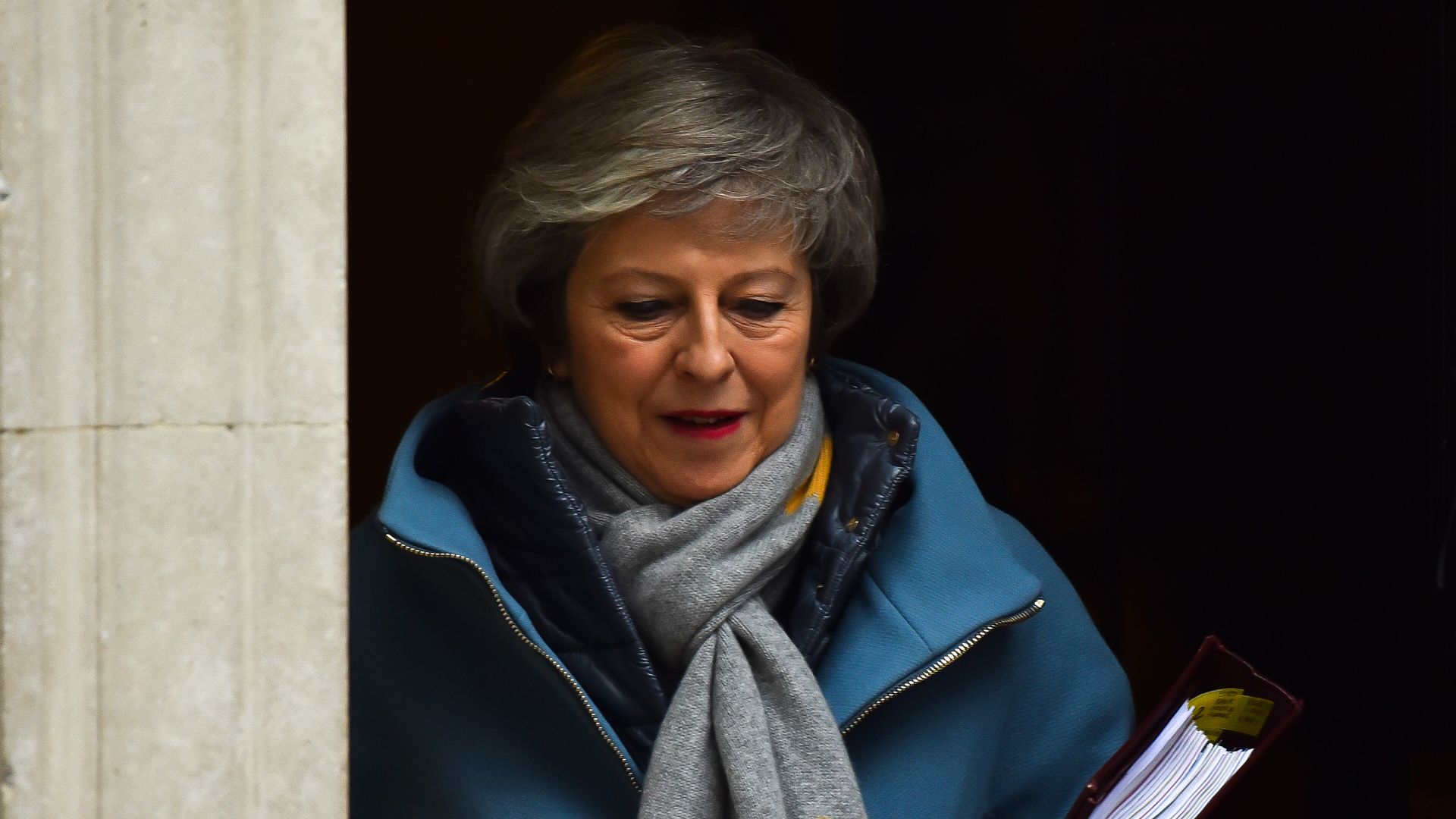
The House of Commons will vote on Jan. 15 on Prime Minister Theresa May’s Brexit withdrawal agreement with the EU. If the agreement fails to gain support — a likely outcome — the specter of a no-deal Brexit will loom as the March 29 deadline approaches.
Why it matters: The prospect of a no-deal Brexit is alarming for both economic and geopolitical reasons. It would propel the U.K. out of the EU’s single market, roiling the U.K.’s economy and causing trade chaos with the EU. The Bank of England predicts an immediate 8% drop in British GDP under this scenario.
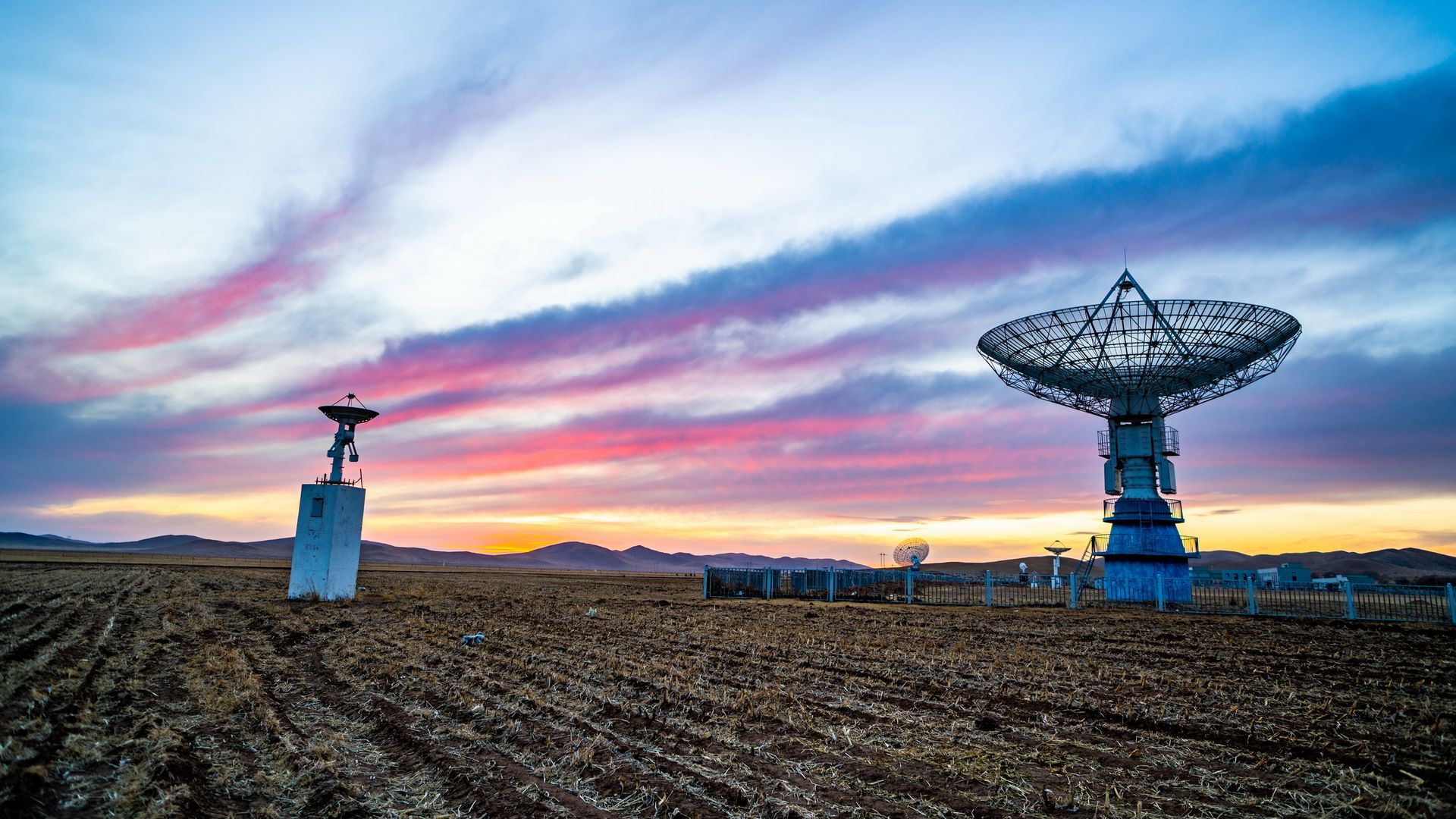
Last week, China became the first country to land a spacecraft on the far side of the Moon — the clear sign of their scientific ambition, The Economist reports.
Why it matters: Under President Xi Jinping's direction, China is surging ahead with the recruitment of top scientists to work on new frontiers, while the U.S., without a similarly coherent strategy, risks falling behind the nation that has emerged as its most consequential adversary for the next century.
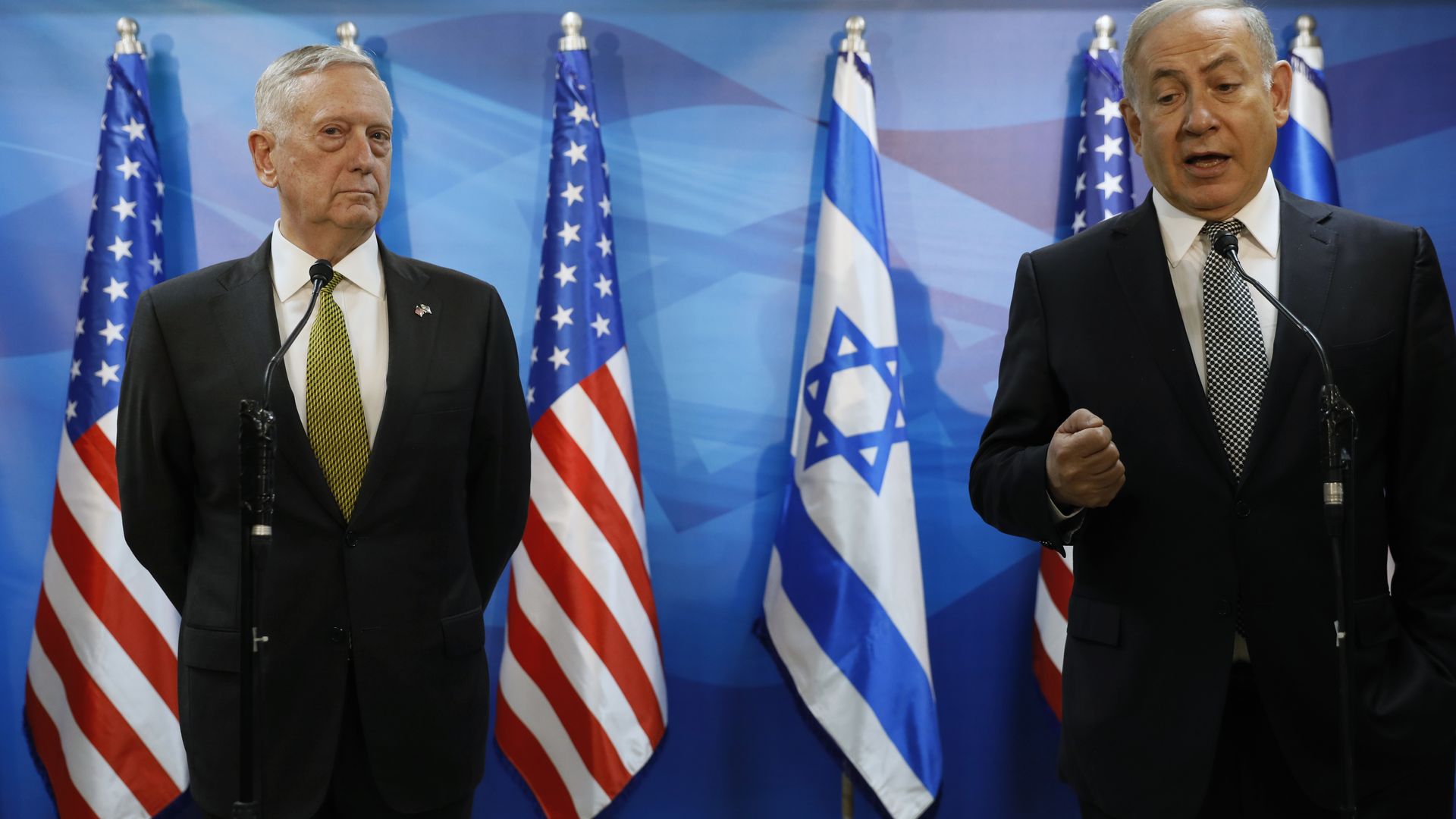
The Croatian government announced today it is abandoning a plan to buy U.S.-made F-16 fighter jets from Israel after the Trump administration objected to the $500 million deal.
Why it matters: This is one of the most serious rifts between Israel and the U.S. since Trump took office. Pentagon and State Department officials had contended Israel was taking advantage of the U.S. by selling the 12 jets, upgraded with Israeli technology, which were originally supplied to Israel 30 years ago as U.S. military aid.
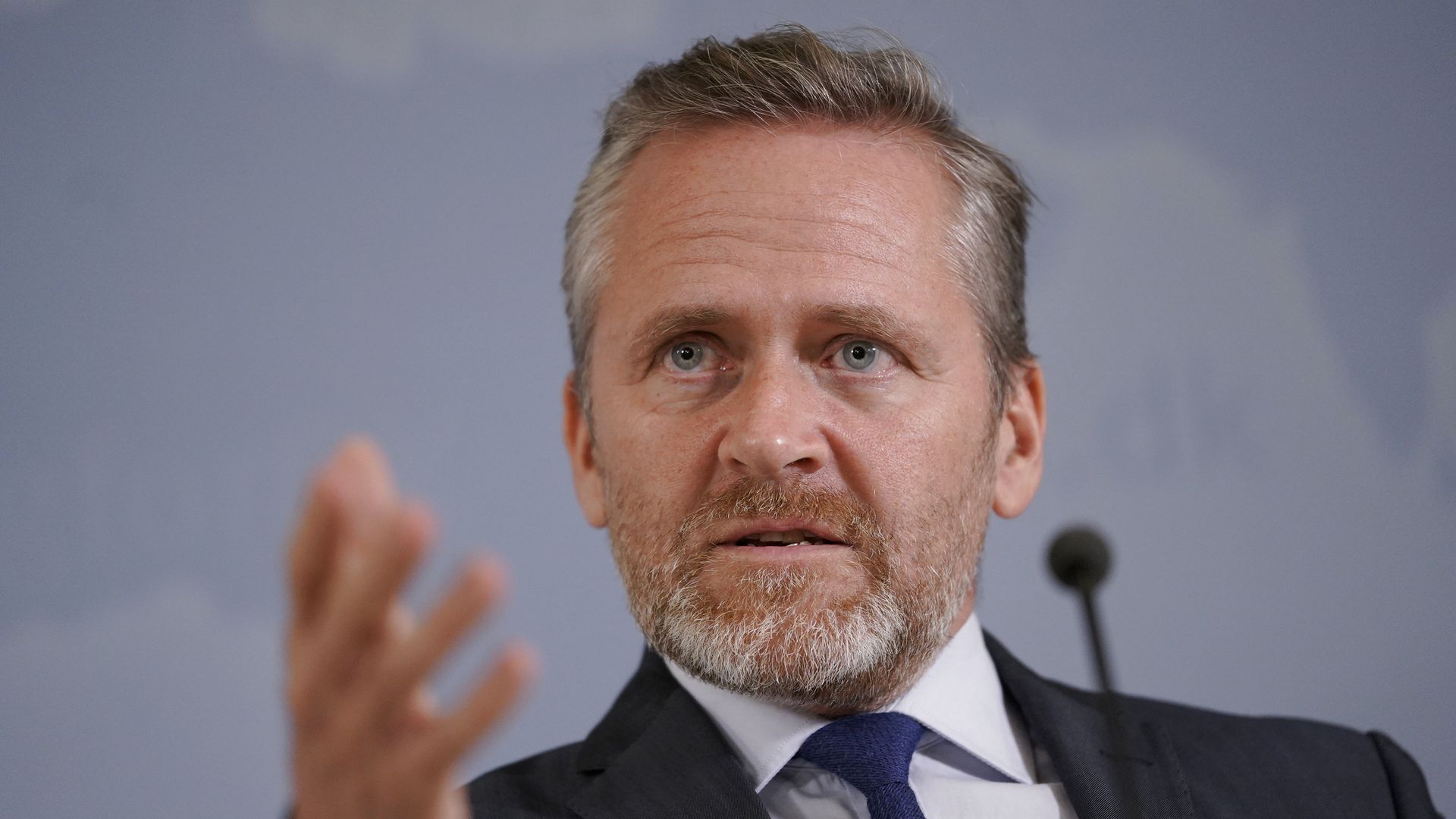
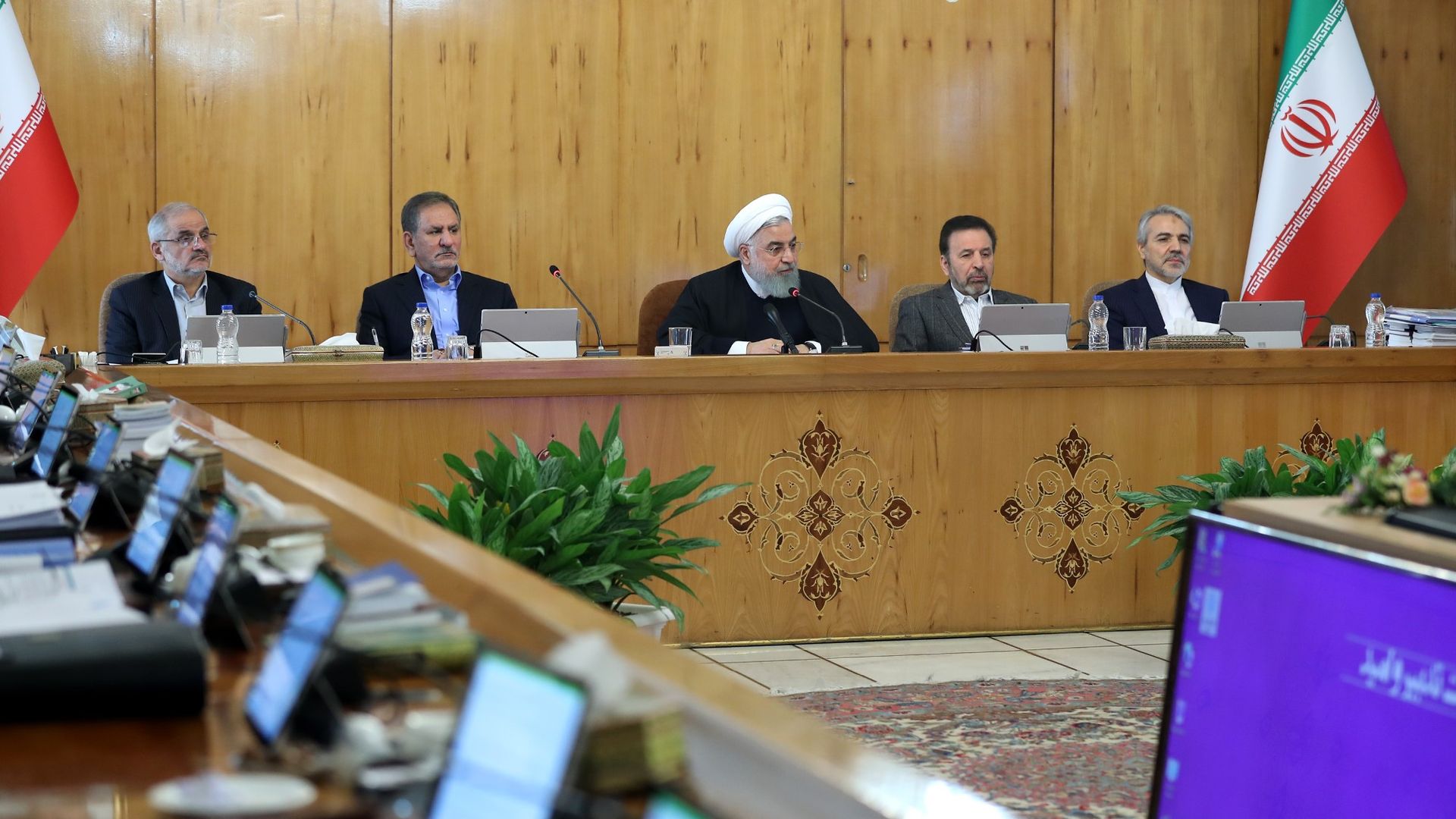
The EU added two Iranian nationals and one branch of Iran’s Ministry of Intelligence on Tuesday to its terror sanctions list in response to foiled terror plots, stigmatizing the targets as well as freezing their assets. EU officials recently met their Iranian counterparts to convey that their obligations under the nuclear deal do not inhibit them “from addressing other hostile and destabilizing activities.”
The big picture: The new penalties are the first sanctions not related to human rights the EU has collectively levied against Iran since agreeing to the nuclear deal in 2015. For this reason alone, no matter how marginal their economic impact, the asset freezes are a symbolic victory for the Trump administration, which has been trying to get Europe to join its pressure campaign.
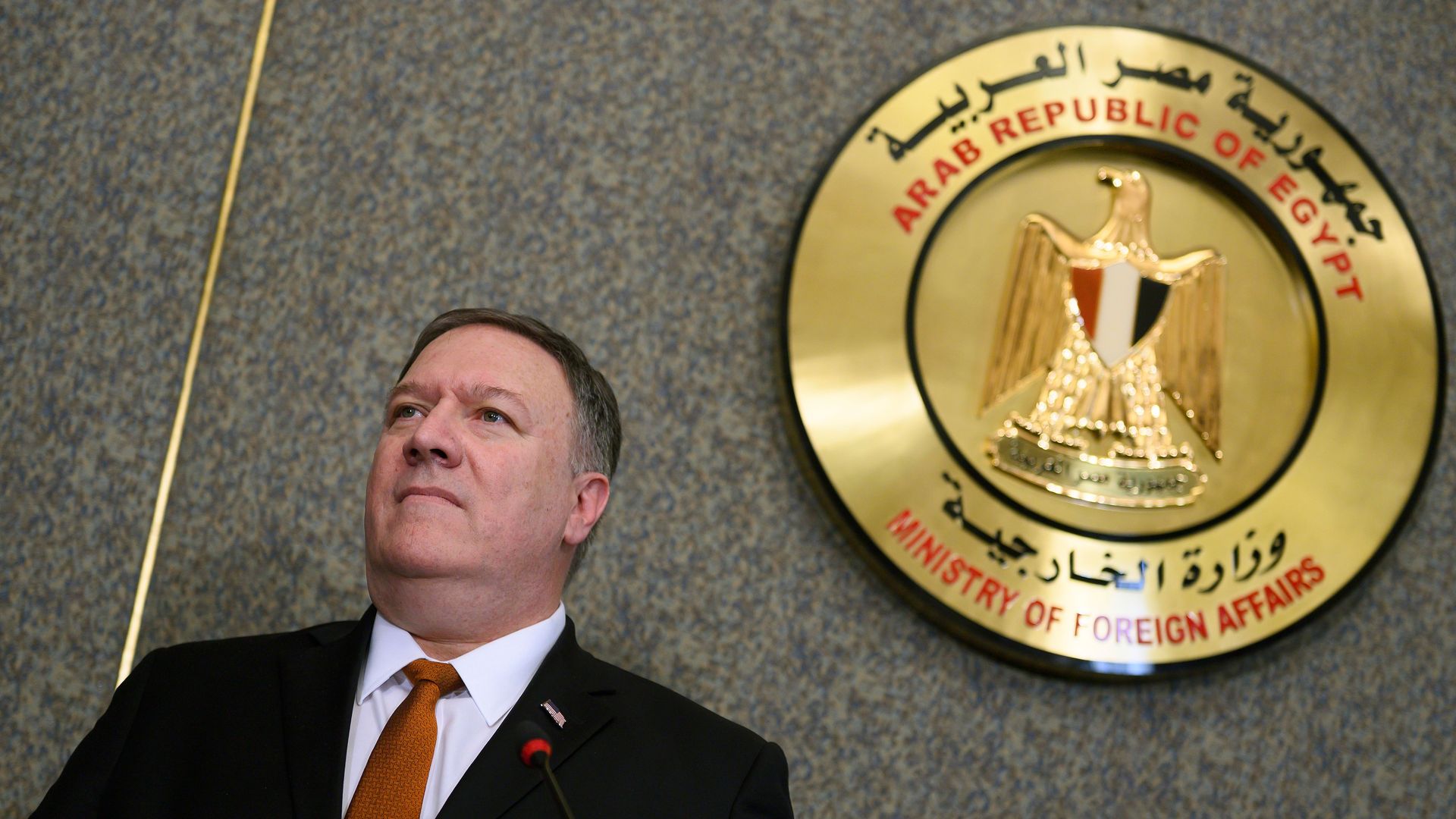
Secretary of State Mike Pompeo did his best on Thursday to paper over the contradictions in the Trump administration’s Middle East policy, in a speech that was heavy on Iran bashing and light on criticism of U.S. allies.
The big picture: Pompeo performed his greatest verbal gymnastics when seeking to project an image of U.S. resolve against both Iran and the Islamic State, or ISIS, despite President Trump’s decision to withdraw troops from Syria — the main purpose of the secretary’s current Mideast tour. But given varying White House statements, Pompeo’s claims that withdrawing the 2,000 U.S. troops from Syria doesn't constitute “a change in mission” deserve skepticism.