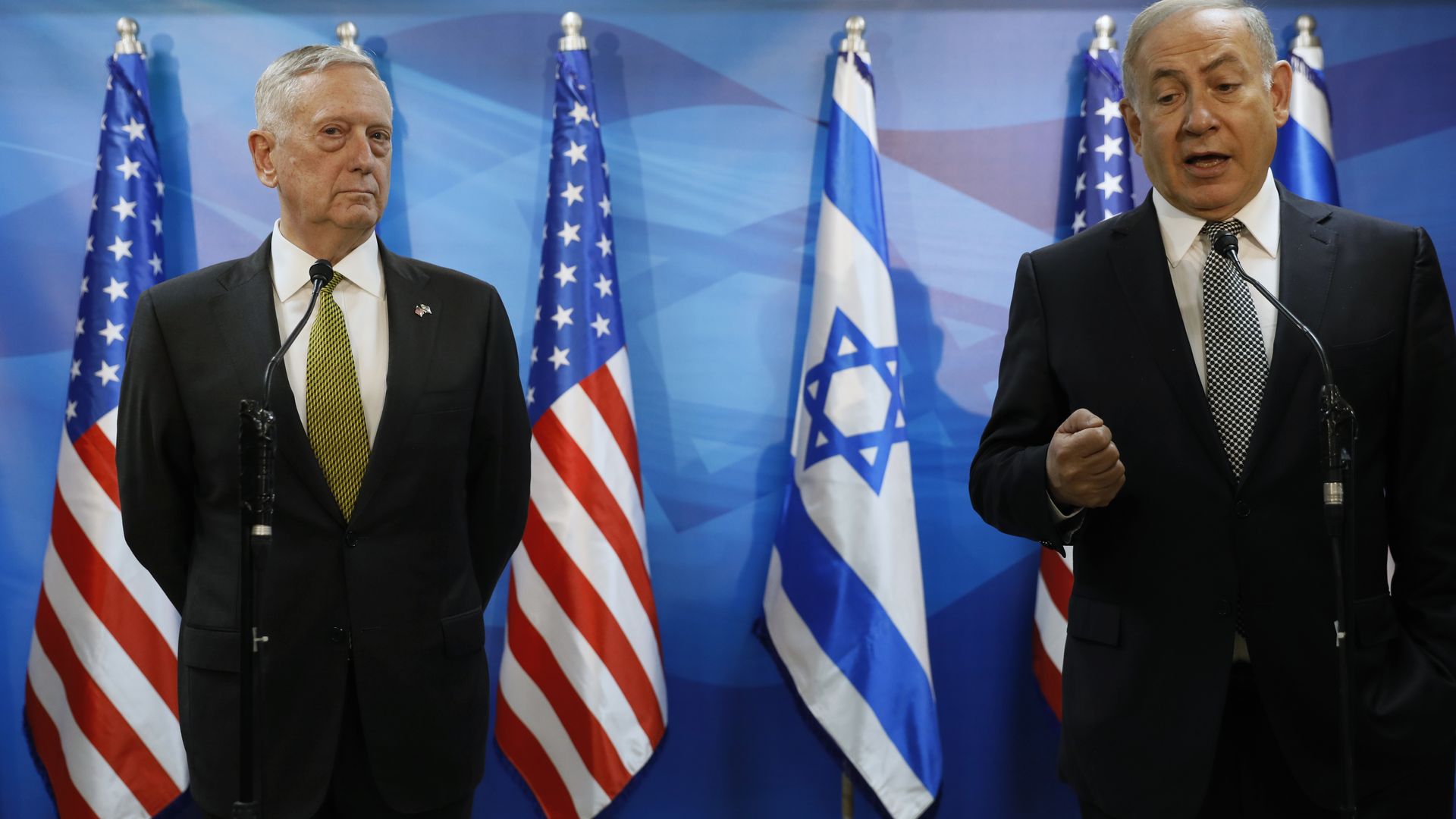
The Croatian government announced today it is abandoning a plan to buy U.S.-made F-16 fighter jets from Israel after the Trump administration objected to the $500 million deal.
Why it matters: This is one of the most serious rifts between Israel and the U.S. since Trump took office. Pentagon and State Department officials had contended Israel was taking advantage of the U.S. by selling the 12 jets, upgraded with Israeli technology, which were originally supplied to Israel 30 years ago as U.S. military aid.
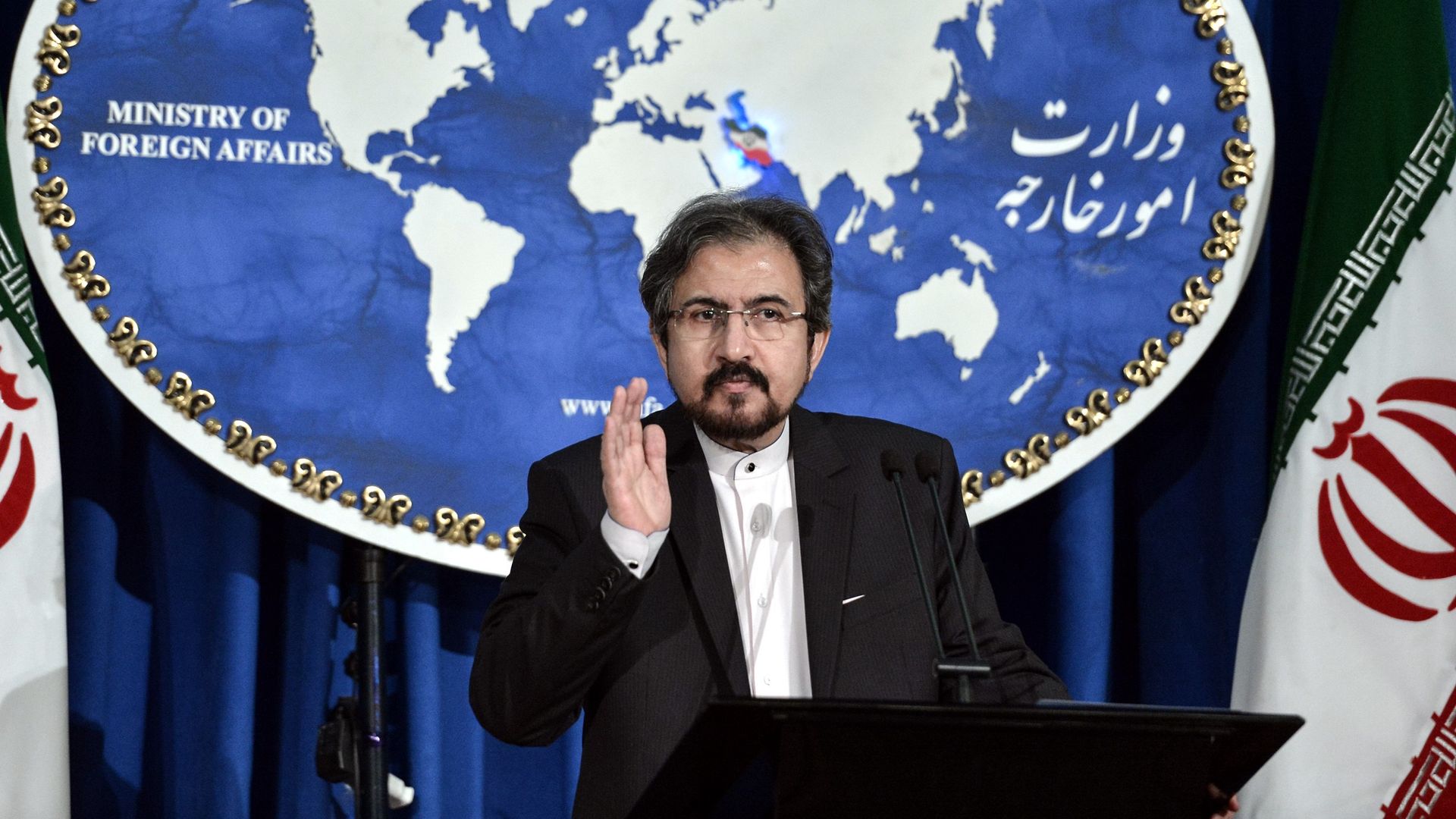
The EU added two Iranian nationals and one branch of Iran’s Ministry of Intelligence on Tuesday to its terror sanctions list in response to foiled terror plots, stigmatizing the targets as well as freezing their assets. EU officials recently met their Iranian counterparts to convey that their obligations under the nuclear deal do not inhibit them “from addressing other hostile and destabilizing activities.”
The big picture: The new penalties are the first sanctions not related to human rights the EU has collectively levied against Iran since agreeing to the nuclear deal in 2015. For this reason alone, no matter how marginal their economic impact, the asset freezes are a symbolic victory for the Trump administration, which has been trying to get Europe to join its pressure campaign.
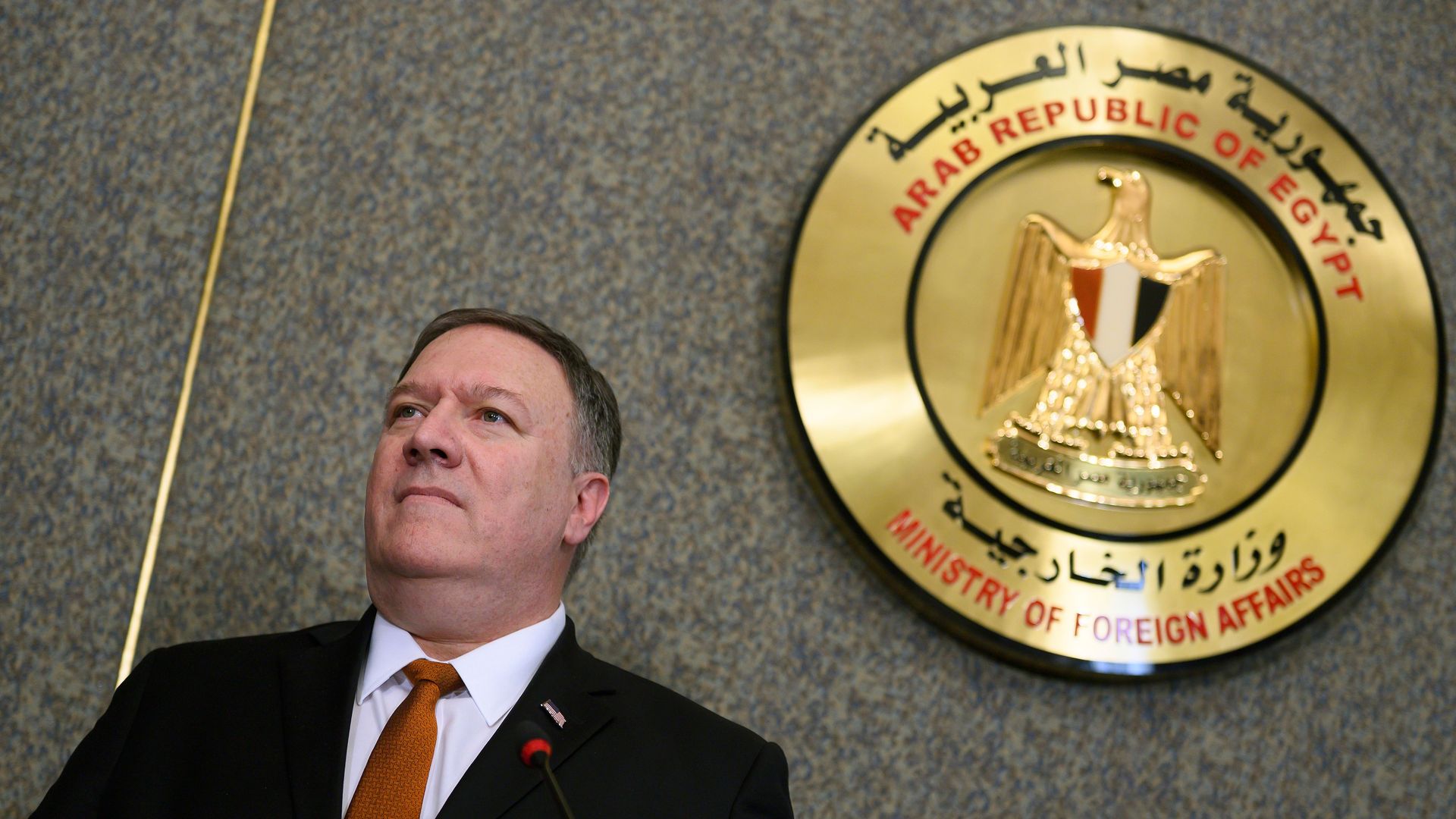
Secretary of State Mike Pompeo did his best on Thursday to paper over the contradictions in the Trump administration’s Middle East policy, in a speech that was heavy on Iran bashing and light on criticism of U.S. allies.
The big picture: Pompeo performed his greatest verbal gymnastics when seeking to project an image of U.S. resolve against both Iran and the Islamic State, or ISIS, despite President Trump’s decision to withdraw troops from Syria — the main purpose of the secretary’s current Mideast tour. But given varying White House statements, Pompeo’s claims that withdrawing the 2,000 U.S. troops from Syria doesn't constitute “a change in mission” deserve skepticism.
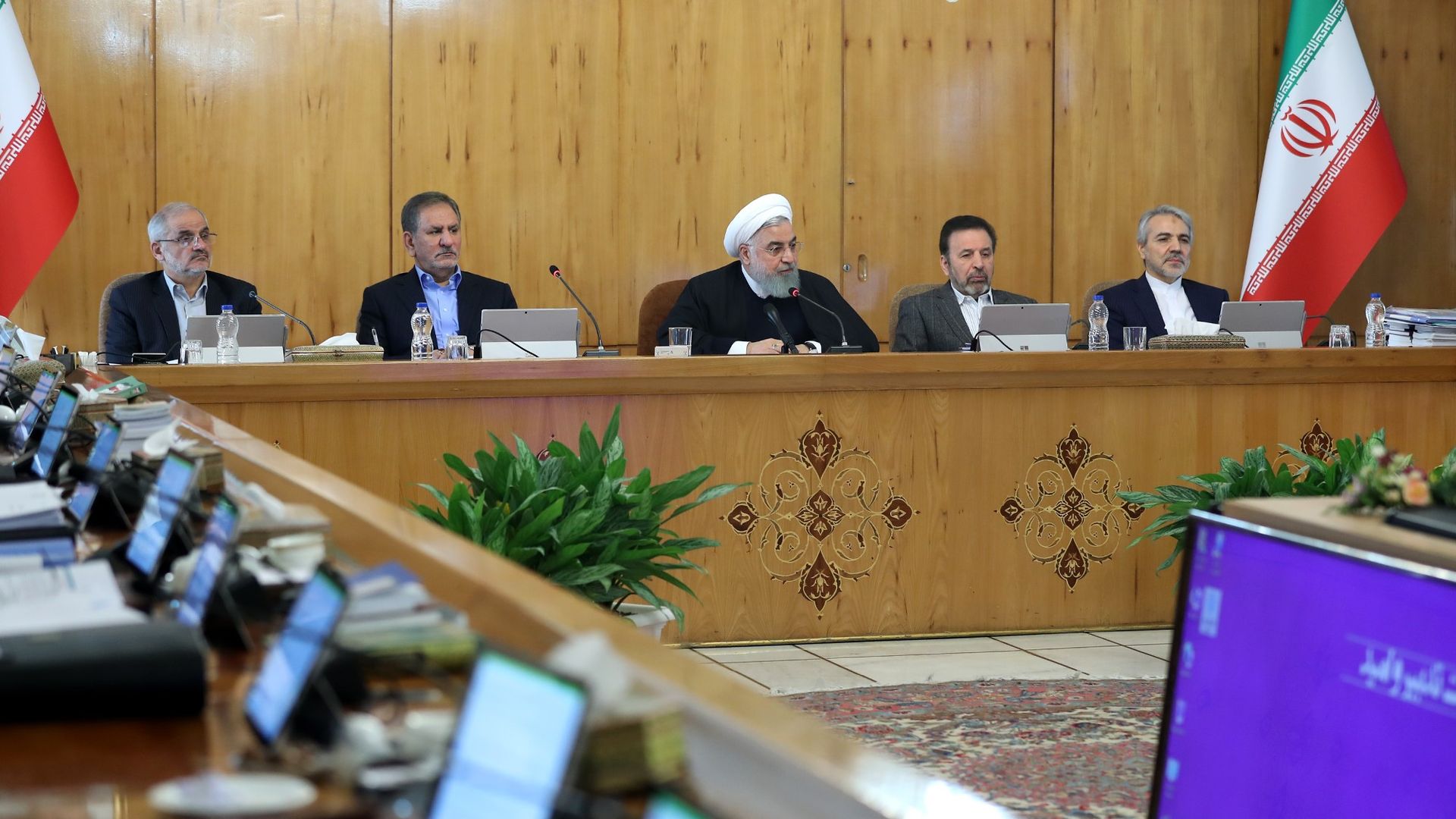
Iran has confirmed it is holding U.S. Navy veteran Michael White, AP reports. White has been held since July on unknown charges. He had been to the country several times to visit his Iranian girlfriend, his family told the New York Times.
Why it matters: White is the first American known to have been detained by Iran since President Trump took office, according to AP. Trump has taken a hardline stance against Iran and sharply criticized former President Obama for a "weak" response to the detention of U.S. sailors in 2016. As AP notes, "Iran in the past has used its detention of Westerners and dual nationals as leverage in negotiations."
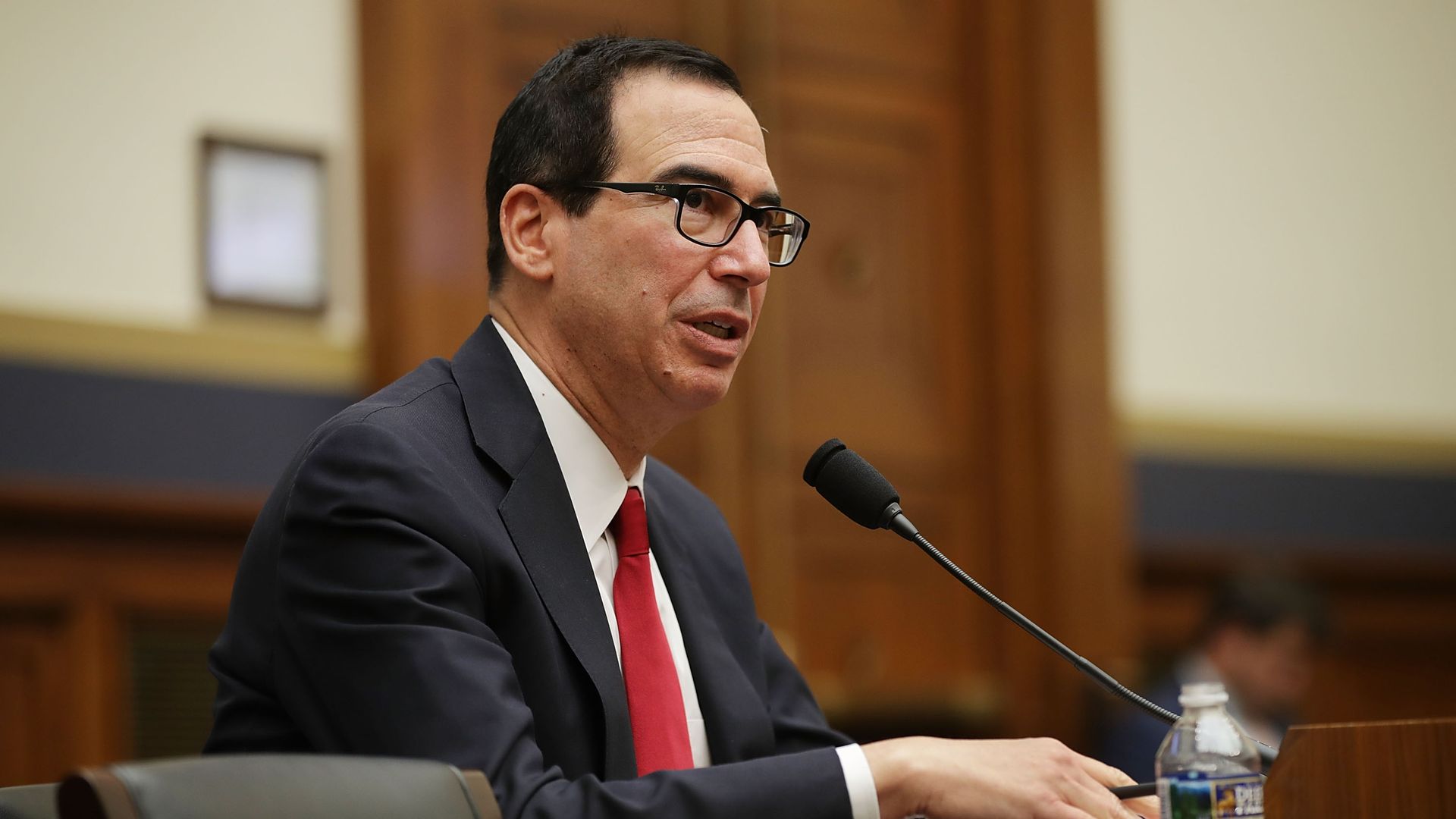
Responding to demands from seven House committee chairs, Treasury Secretary Steve Mnuchin will brief House lawmakers in a classified setting Thursday about why the administration has elected to lift sanctions on companies linked to Russian oligarch Oleg Deripaska, Politico reports.
Why it matters: Deripaska, an aluminum magnate with close ties to the Kremlin, previously employed President Trump's former campaign manager Paul Manafort. The Washington Post has reported that Manafort — who was at one point $10 million in debt to the Russian oligarch — offered Deripaska “private briefings” at the height of the 2016 presidential campaign.
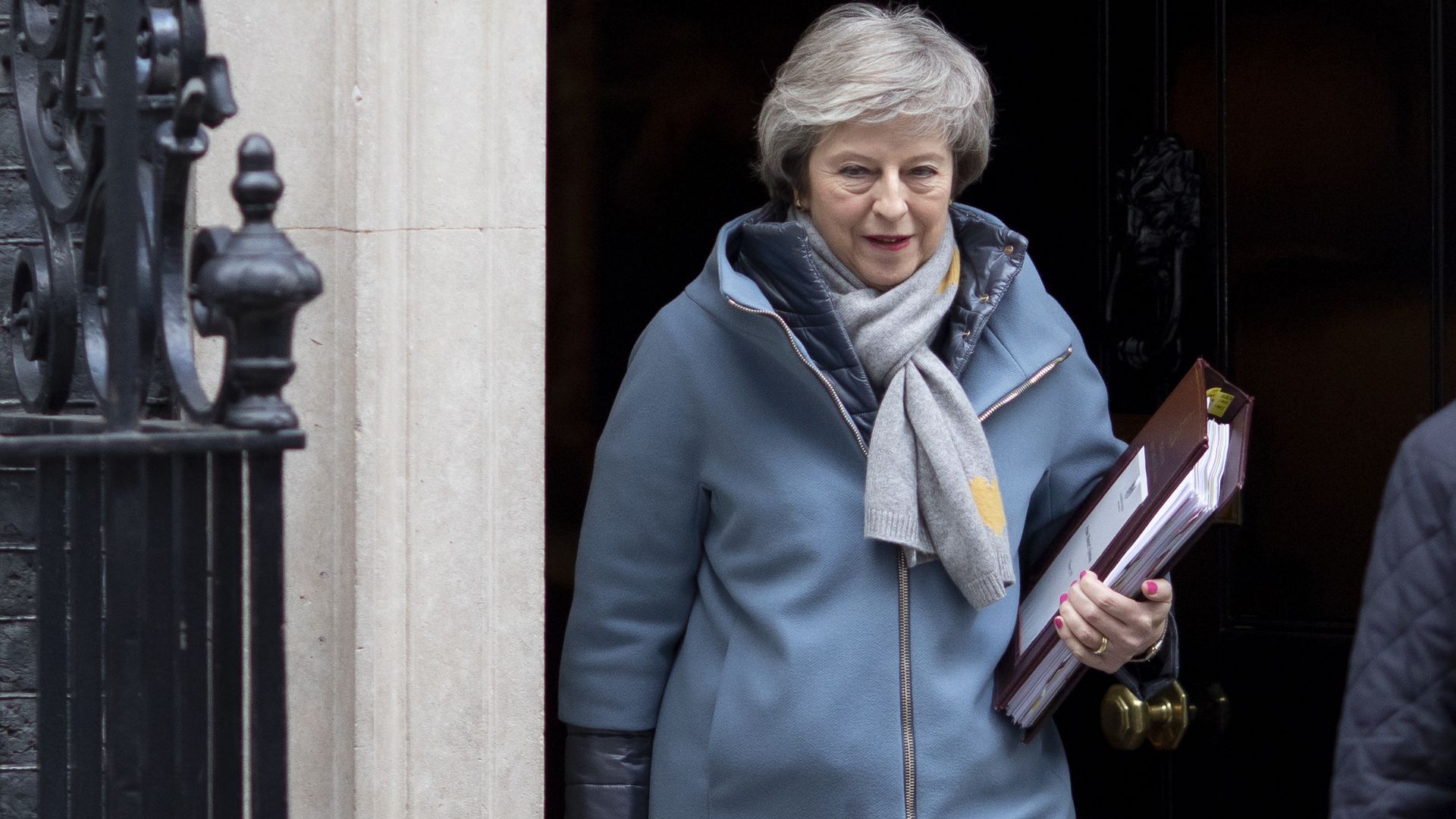
British Prime Minister Theresa May lost a key vote in Parliament on Wednesday, forcing her to offer a Brexit "plan B" within three days should the deal she secured with the EU fail in Parliament next week, per the BBC.
Background: May's deal looked set to be voted down last month, but she postponed the vote, hoping that fears of a potentially catastrophic "no deal" Brexit would rally support for her unpopular plan. Both the opposition Labour Party and a portion of her Conservative Party are demanding that she rule out the possibility of "no deal," and they teamed up to defeat her today. Labour says it will table a motion of no confidence in May's government if she loses next week's vote.
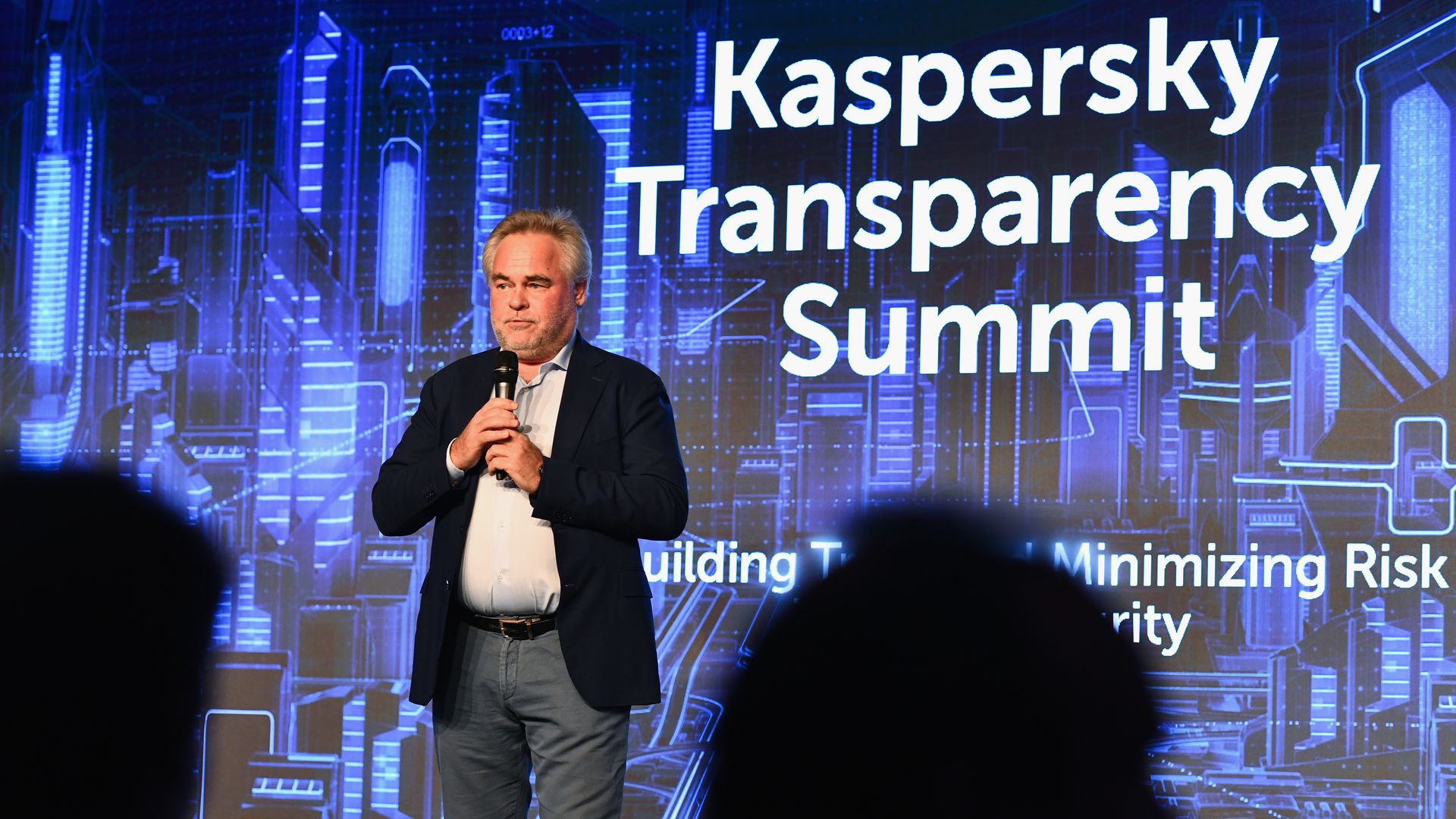
Russian cybersecurity firm Kaspersky Lab was instrumental in helping capture Hal Martin, a former intelligence subcontractor currently on trial for hoarding classified data at his home, reports Kim Zetter at Politico.
Why it matters: It's a sympathetic twist for beleaguered Kaspersky Lab. U.S. lawmakers regularly accuse the antivirus firm of assisting Russian spies stealing classified intelligence data, and the Department of Homeland Security and Congress separately banned Kaspersky products from federal systems for security concerns.
Yale Environment 360 has a cautionary look at the emissions stakes of China's Belt & Road initiative (BRI), the massive collection of infrastructure projects that spans several continents.
Why it matters: The multi-decade project formally launched in 2013 aims to project China's economic interests through a network of infrastructure projects that include shipping ports, railways and highways, Isabel Hilton, writing for Yale Environment 360, argues: "BRI has the potential to transform economies in China’s partner countries. Yet it could also tip the world into catastrophic climate change."