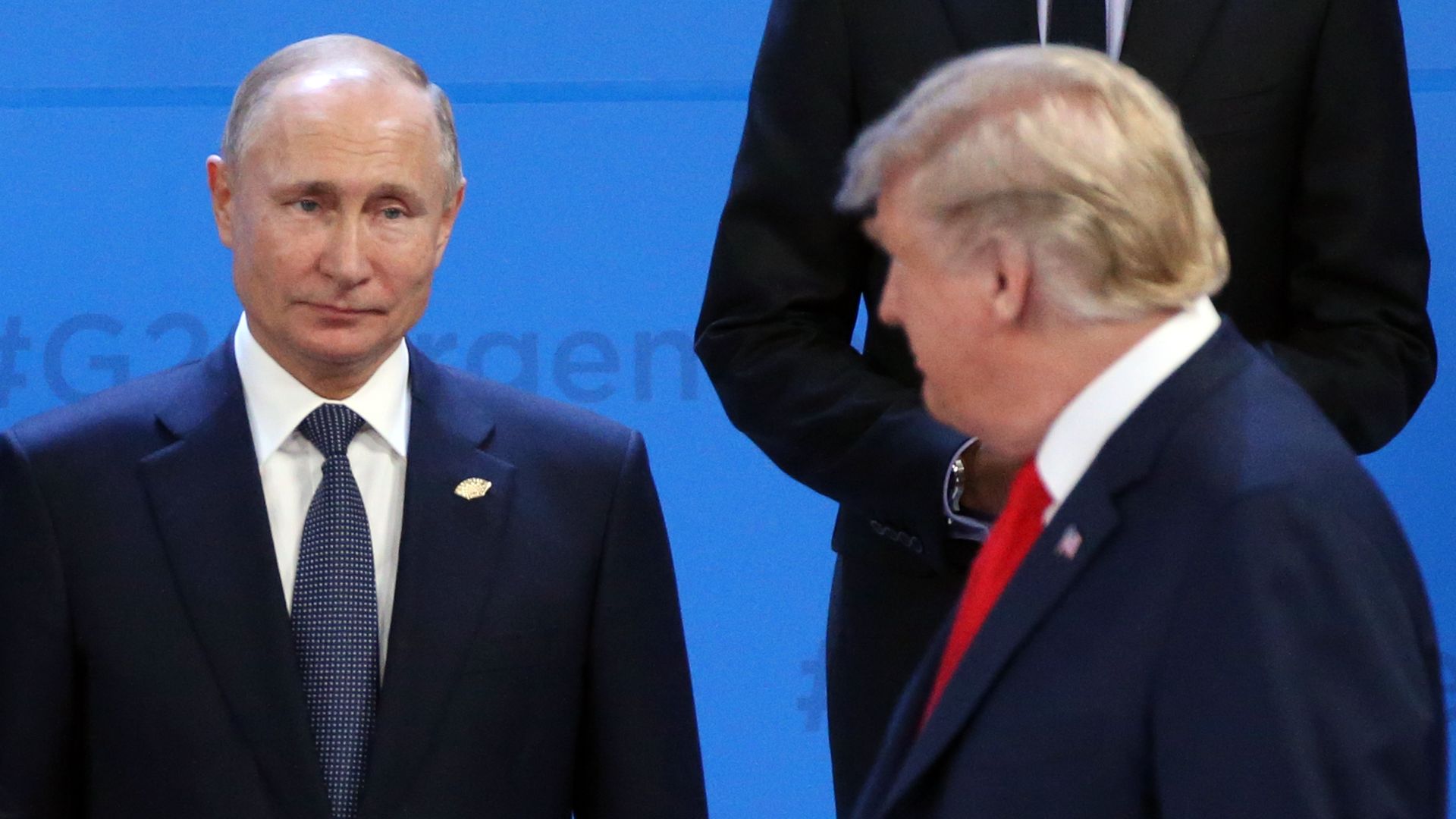
President Trump has repeatedly sought to conceal the details of his face-to-face conversations with Russian President Vladimir Putin from senior officials in his own administration, the Washington Post's Greg Miller reports.
Details: After meeting with Putin in Germany in 2017, Trump reportedly took notes from his own interpreter and instructed them not to discuss the contents of the conversation with other administration officials. This is just one example of what Miller reports is "a broader pattern" of Trump shielding his communications with Putin from the public as well as senior government officials — a pattern that has resulted in there being "no detailed record" of his face-to-face meetings with the Russian leader at "five locations over the past two years."
Poland's arrest of a Huawei executive on charges of spying for China escalates an already-fraught dimension of the turbulent new era of geopolitics.
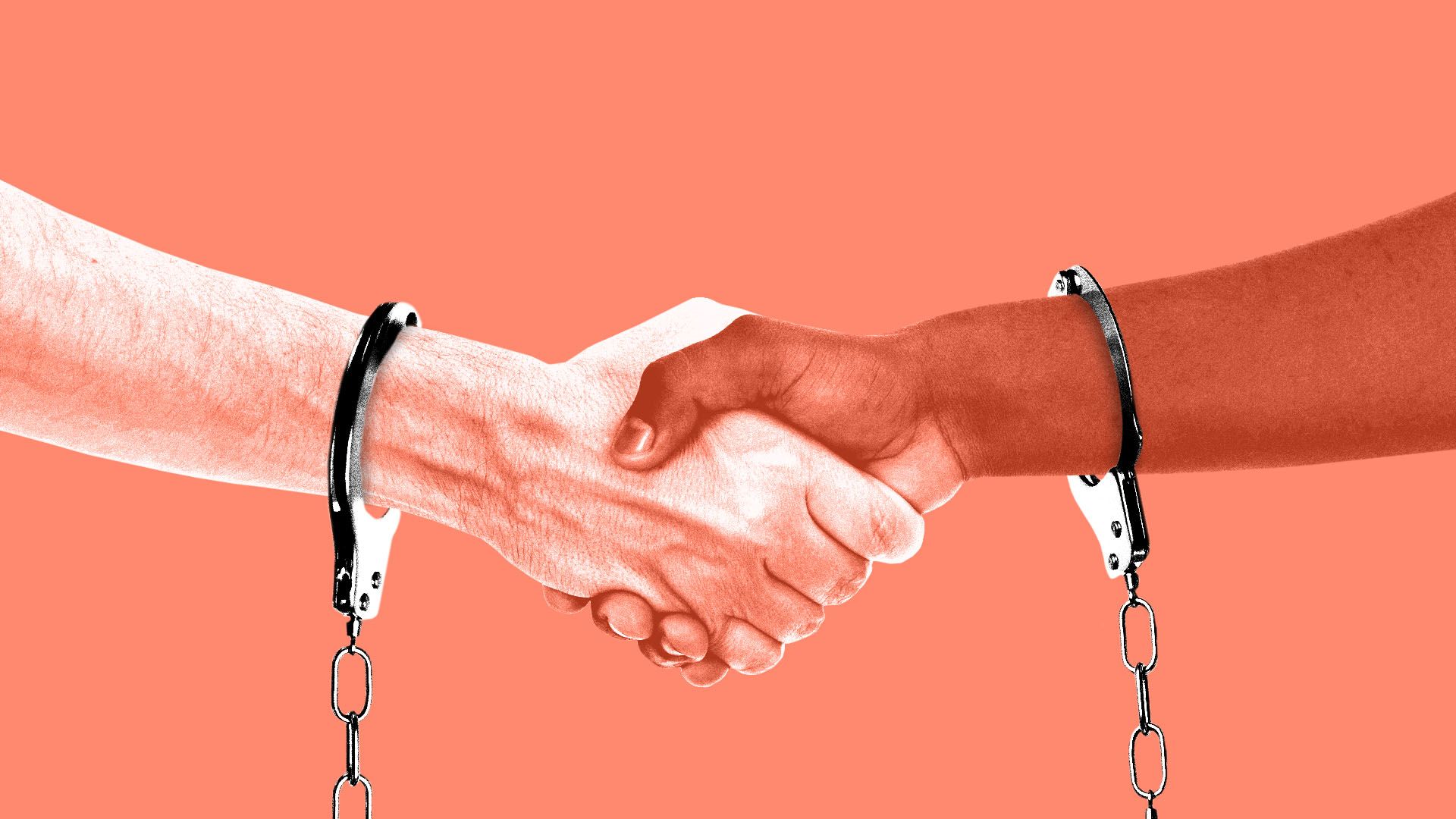
The big picture: A spate of arrests has broken out, with detentions of Americans and Canadians in China, Iran and Russia, and Chinese people jailed in Canada and now Poland. It appears to be unprecedented — political hostage-taking amid a modern trade war.
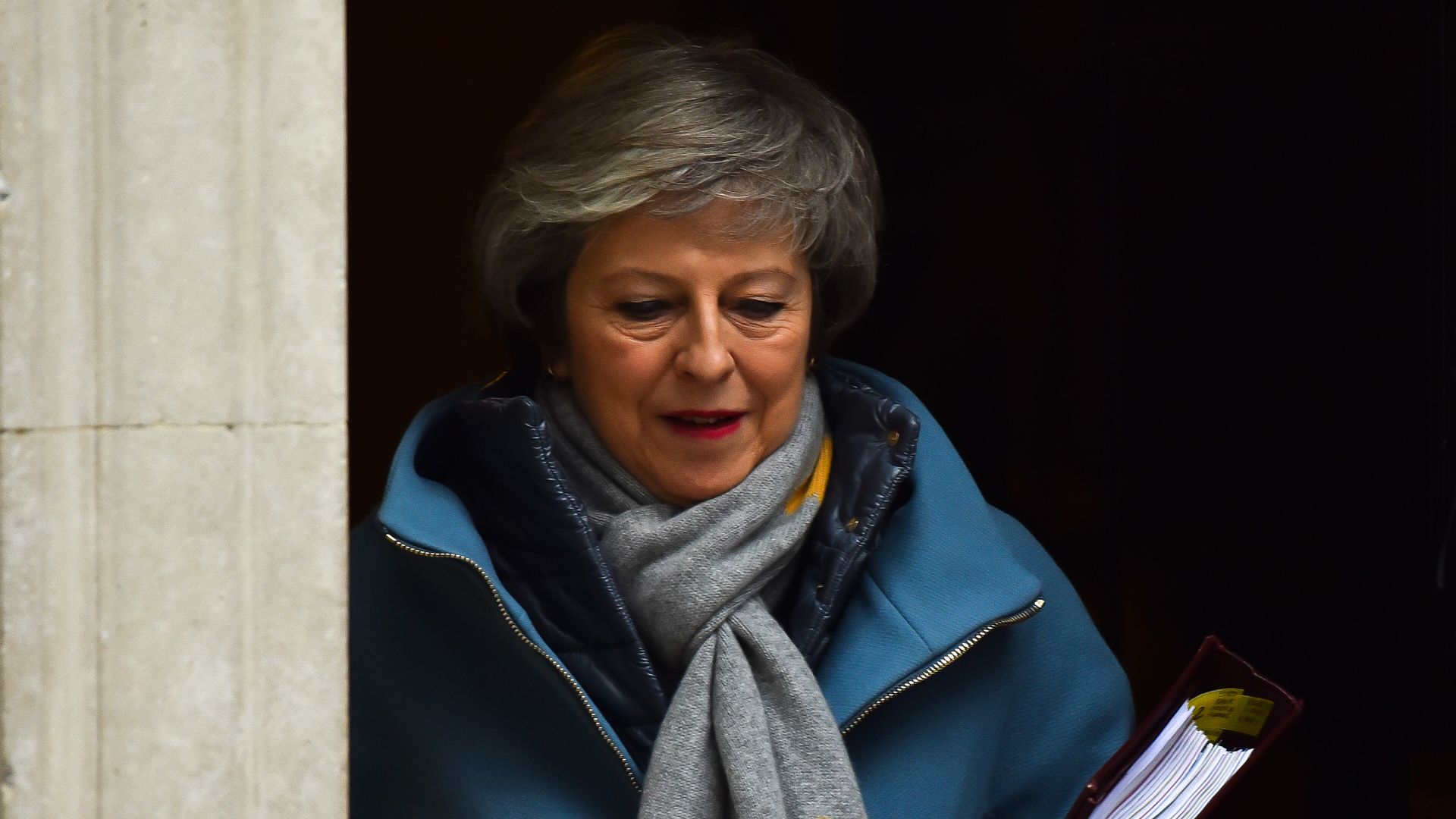
The House of Commons will vote on Jan. 15 on Prime Minister Theresa May’s Brexit withdrawal agreement with the EU. If the agreement fails to gain support — a likely outcome — the specter of a no-deal Brexit will loom as the March 29 deadline approaches.
Why it matters: The prospect of a no-deal Brexit is alarming for both economic and geopolitical reasons. It would propel the U.K. out of the EU’s single market, roiling the U.K.’s economy and causing trade chaos with the EU. The Bank of England predicts an immediate 8% drop in British GDP under this scenario.
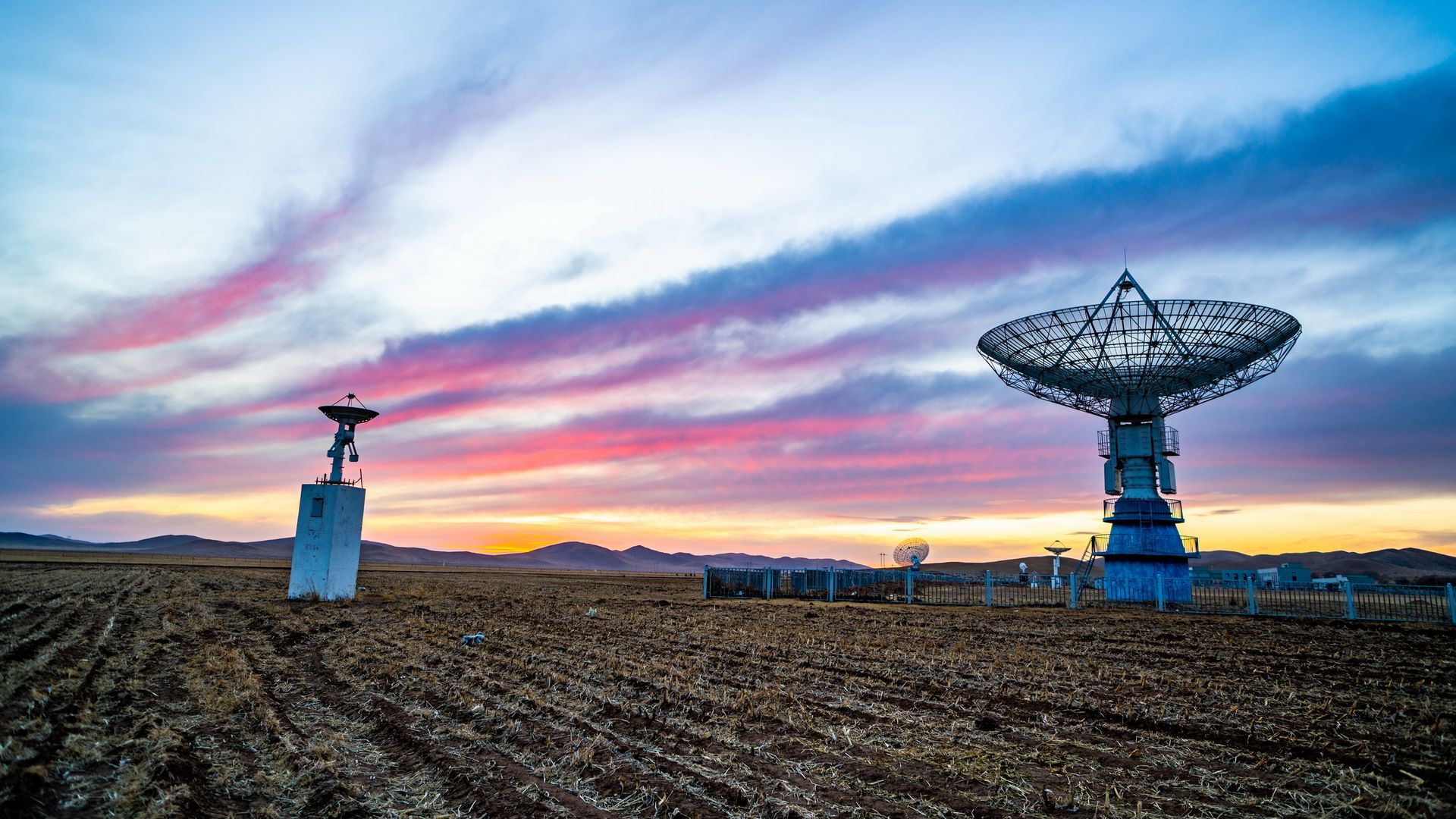
Last week, China became the first country to land a spacecraft on the far side of the Moon — the clear sign of their scientific ambition, The Economist reports.
Why it matters: Under President Xi Jinping's direction, China is surging ahead with the recruitment of top scientists to work on new frontiers, while the U.S., without a similarly coherent strategy, risks falling behind the nation that has emerged as its most consequential adversary for the next century.