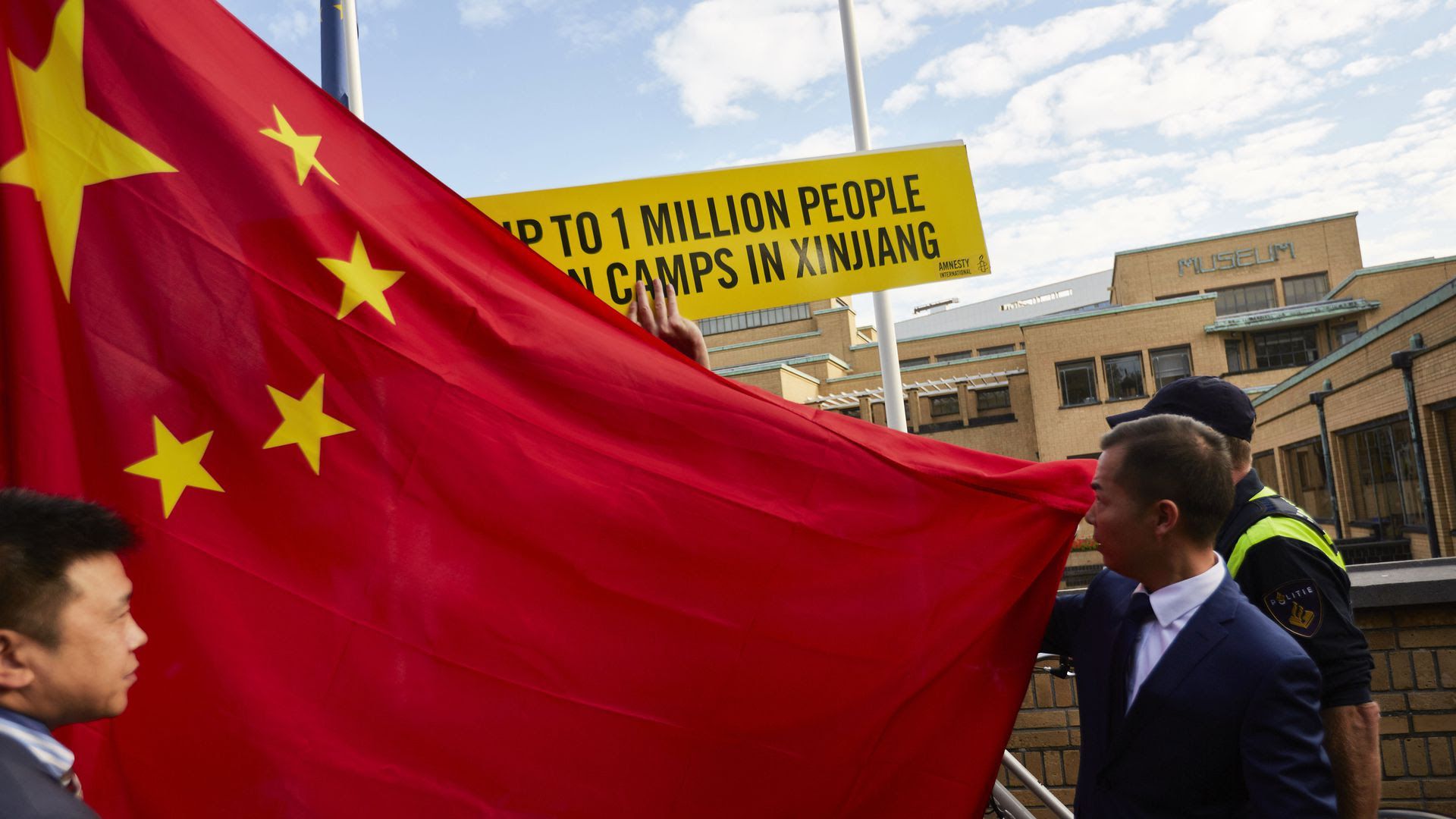
China’s government is cracking down on dissent at an alarming pace and detaining up to 1 million Muslims in “re-education camps,” but at a UN Human Rights Council review this week, many countries saw fit to applaud China’s human rights record, rather than criticize it.
Why it matters: China’s economic power and investments around the world aren’t just increasing its global influence — they’re making countries far more reticent to speak out about Beijing's abuses at home. Sophie Richardson, China director at Human Rights Watch, tells me, "We might be moving onto the next bad phase where we not only see how few countries are critical of China, but how many are willing to be cheerleaders.”
Three weeks ahead of a meeting between President Trump and China's Xi Jinping, Beijing is notching record exports and figuring out how to manage without American goods.
Why it matters: Despite tariffs on $250 billion in Chinese goods, Trump has appeared to fail to budge Xi on his determination to do whatever it takes to dominate the technologies of the future.
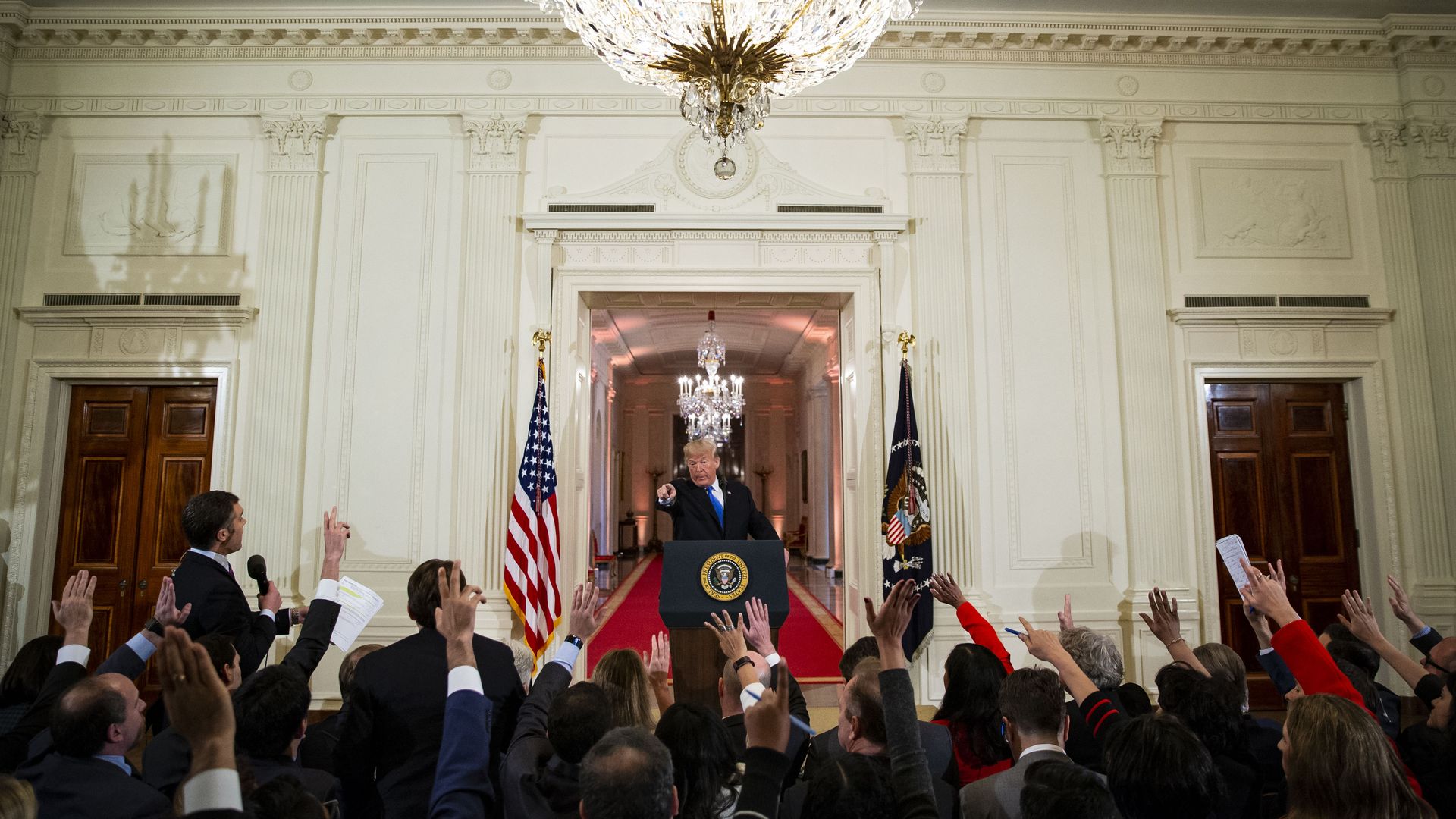
Journalists who have worked abroad in countries with oppressive governments expressed outrage and concern after the White House revoked the press pass of CNN's Jim Acosta.
The big picture: The incident at Wednesday's press briefing has brought the White House's confrontation with the press to a head. Journalists who have worked alongside repressive regimes are noticing concerning parallels to the administration's hostilities with the media that covers it.
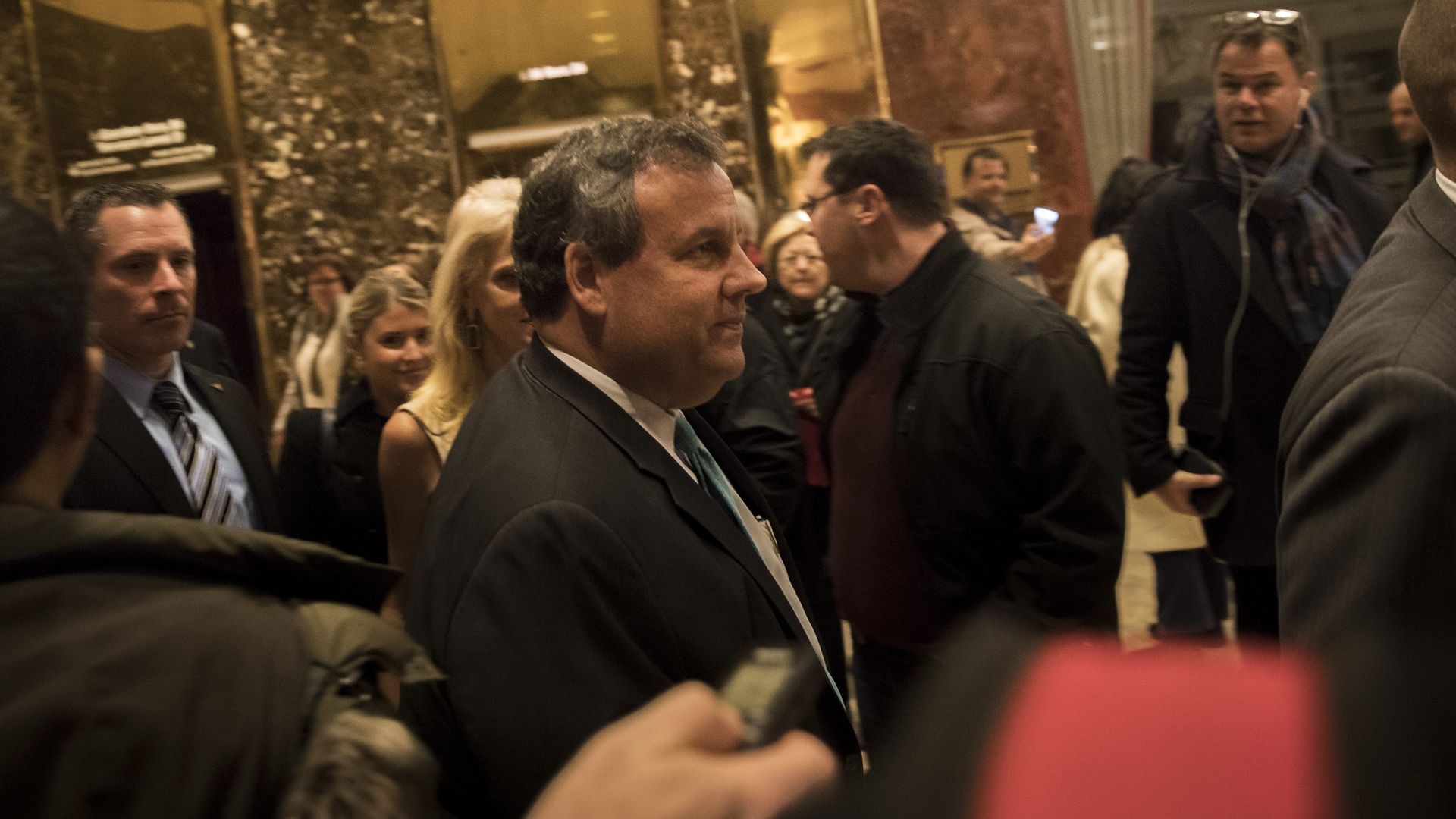
Former New Jersey governor Chris Christie is being considered to replace Jeff Sessions as attorney general, according to CNN and CBS News.
Why it matters: Barring a recusal, the next attorney general will oversee the Russia investigation. Christie remains a Trump loyalist on most issues, but has been outspoken in his defense of special counsel Robert Mueller and his belief that Trump should let the investigation proceed uninterrupted.
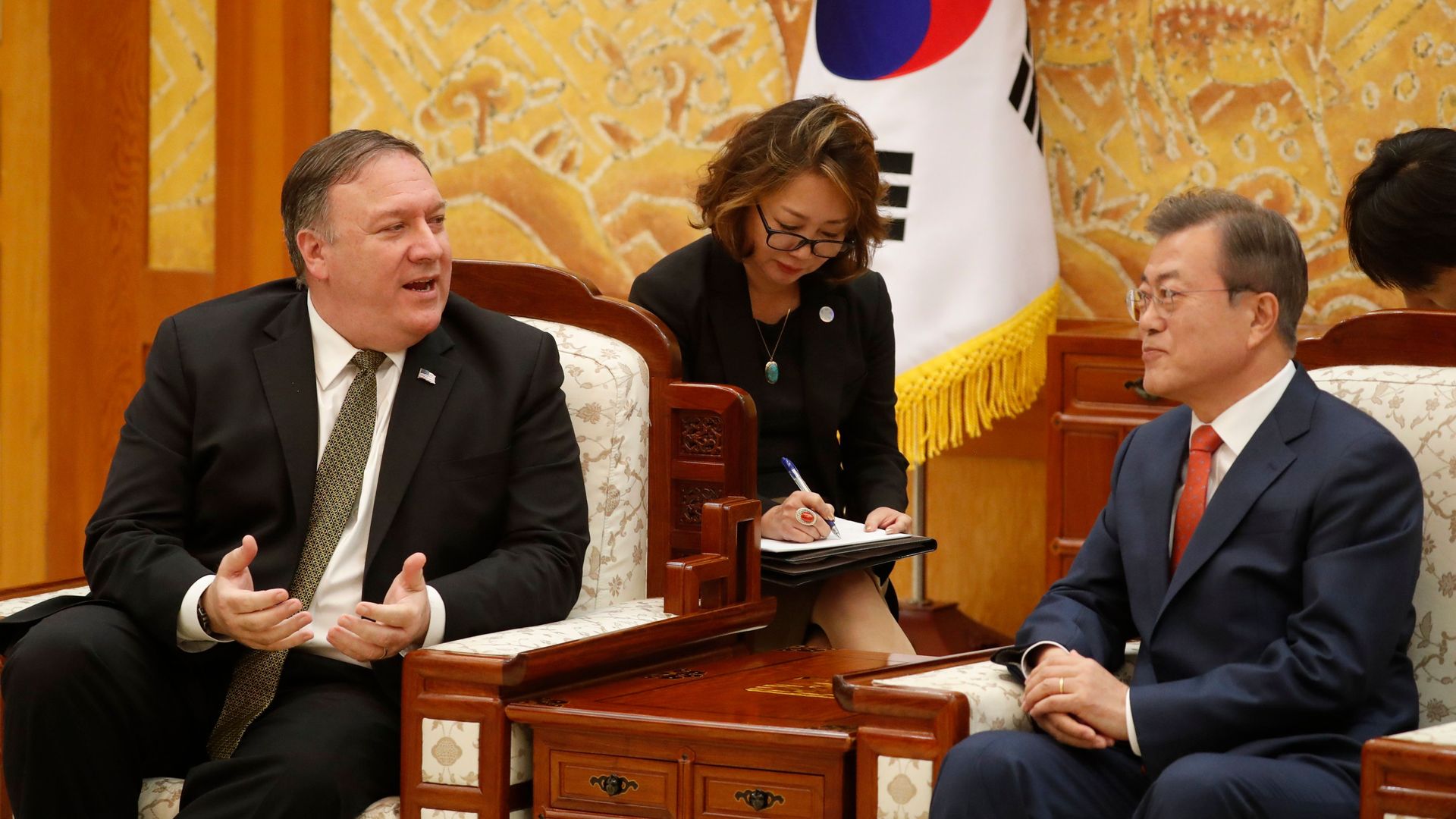
In the past week, North Korea made two moves that undermined nuclear negotiations with the United States. On Friday, the regime vowed it could resume “building up nuclear forces.” And this week, Korean negotiators reportedly didn’t get on their plane to meet with Secretary of State Mike Pompeo in New York, furthering a trend of ignoring U.S. diplomats just under the president.
Why it matters: If talks fail now, Pyongyang will have weathered some economic pressure, but also enjoyed a year of producing missiles and nuclear warheads, collecting praise from the U.S. president, and building new diplomatic ties with Moscow and Beijing. Missiles that have been flown only once would likely be tested fully, while South Korea’s successful arms-control process would stagger on without an allied partner.
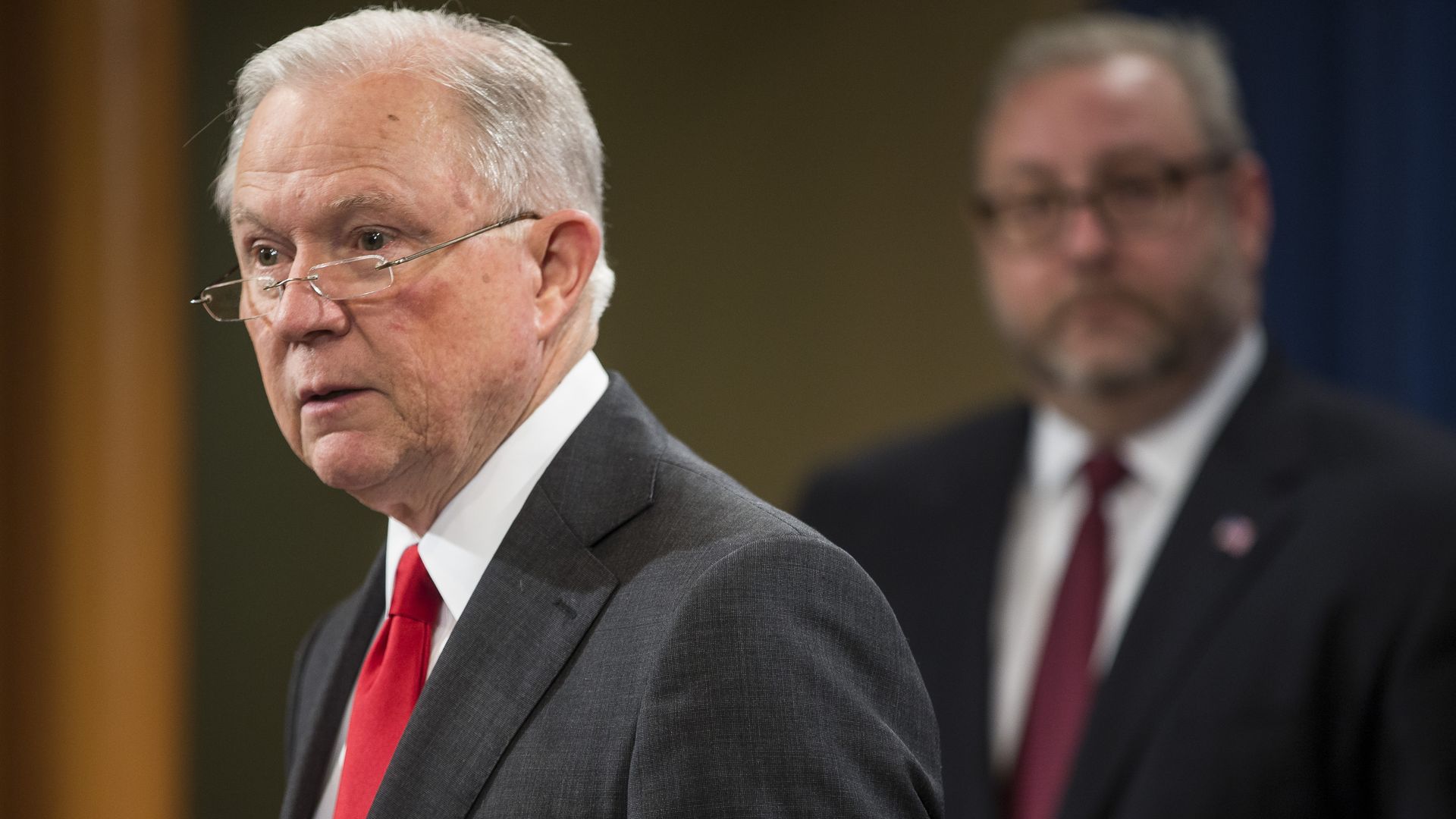
Under departing Attorney General Jeff Sessions, the Department of Justice took a harder line against cyberespionage, particularly by China, than it ever had before. But experts say the offensive against China's theft of billions of dollars in intellectual property is likely to continue under the new acting attorney general, Matt Whitaker.
The big picture: Press coverage is spotlighting the impact Session's' departure may have on the Mueller investigation. But the DOJ is a big machine with many moving parts, and a change at the top could affect any or all of them.