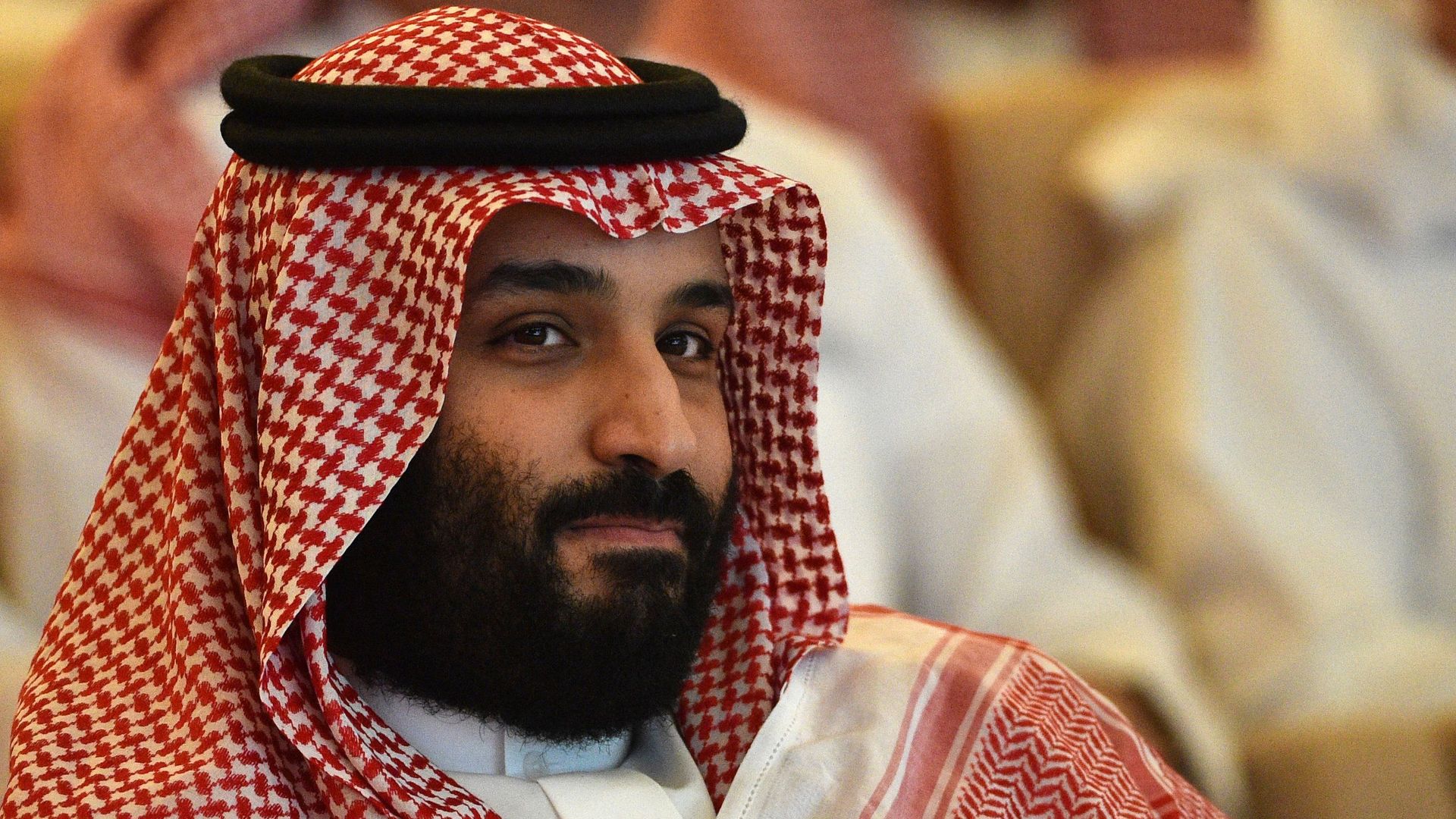
Saudi Crown Prince Mohammed Bin Salman (MBS) told a group of American evangelical leaders last Thursday that he is going to punish those responsible for the murder of Jamal Khashoggi but stressed that the crisis must not shift the focus away from the Iranian threat in the region and the world, Joel Rosenberg, who organized the delegation and attended the meeting, told me.
Inside the room: Rosenberg said MBS attacked Turkish President Recep Tayyip Erdogan, the Iranians and even the Russians. "He said his enemies are using everything they can to exploit this situation and make it worse," Rosenberg said. "He said, 'Listen, I am arresting people, firing people. Iran? When they kill people are they arresting people? No. You get promoted. What about the Russians? What about the Turks?'"
Why it matters: China's aspiration to dominate the AV field is heavily dependent on R&D centers in Silicon Valley, where Chinese companies employ hundreds of software engineers and partner with critical U.S. tech suppliers.
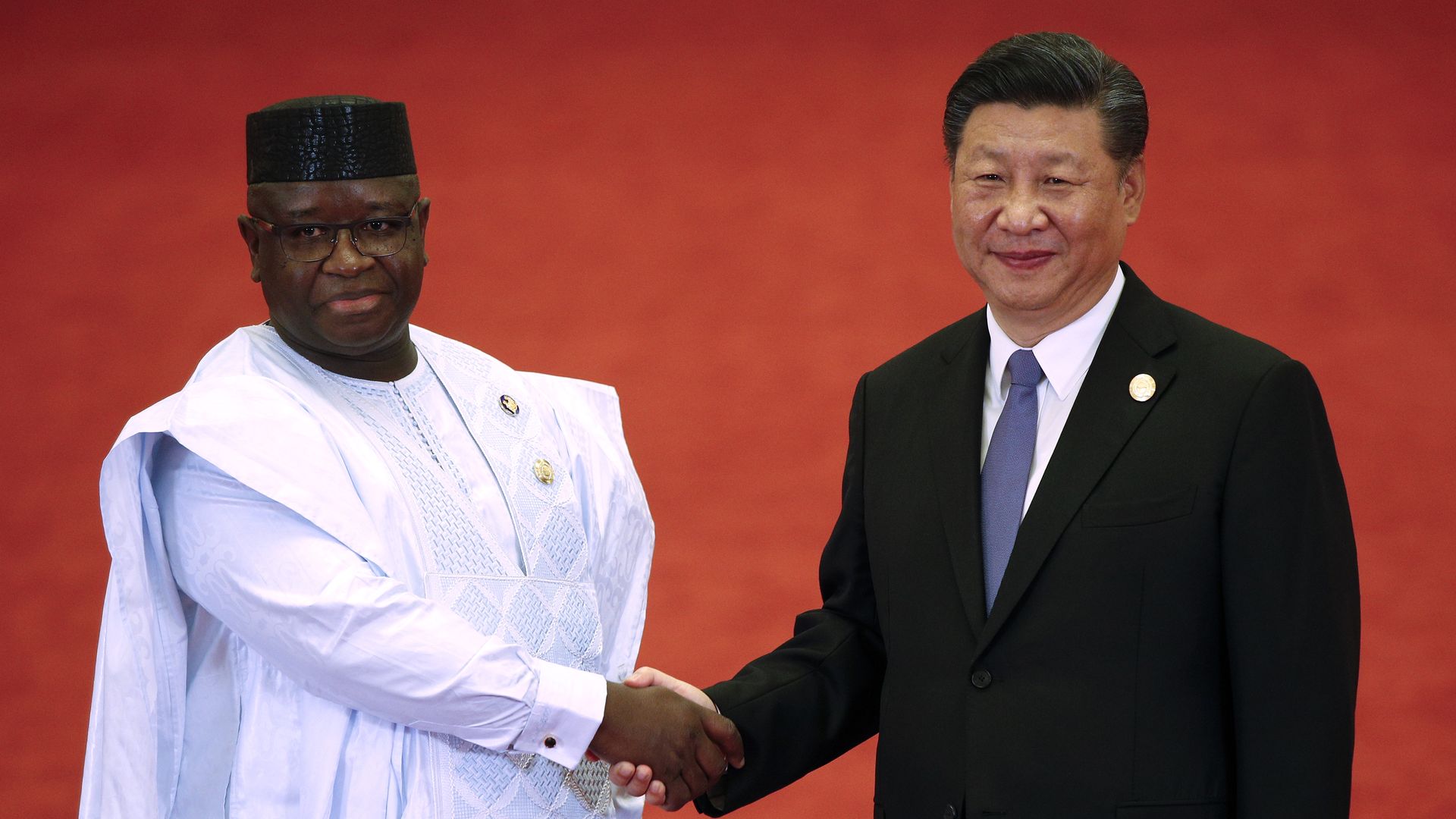
Last month, Sierra Leone canceled a Chinese loan to build the $318 million Mamamah International Airport in Freetown, a legacy project of the country's previous government. The World Bank and IMF raised concerns about Sierra Leone's debt, and the new government concluded the project was "uneconomical."
Why it matters: U.S. politicians regularly accuse China of debt-trap diplomacy, portraying African countries as victims of bad Chinese deals. But this cancellation is the latest example of African governments' wielding agency in their relations with China: African countries do have a say, and they have room to avoid the pitfalls of unsound projects both before and after they’ve signed.
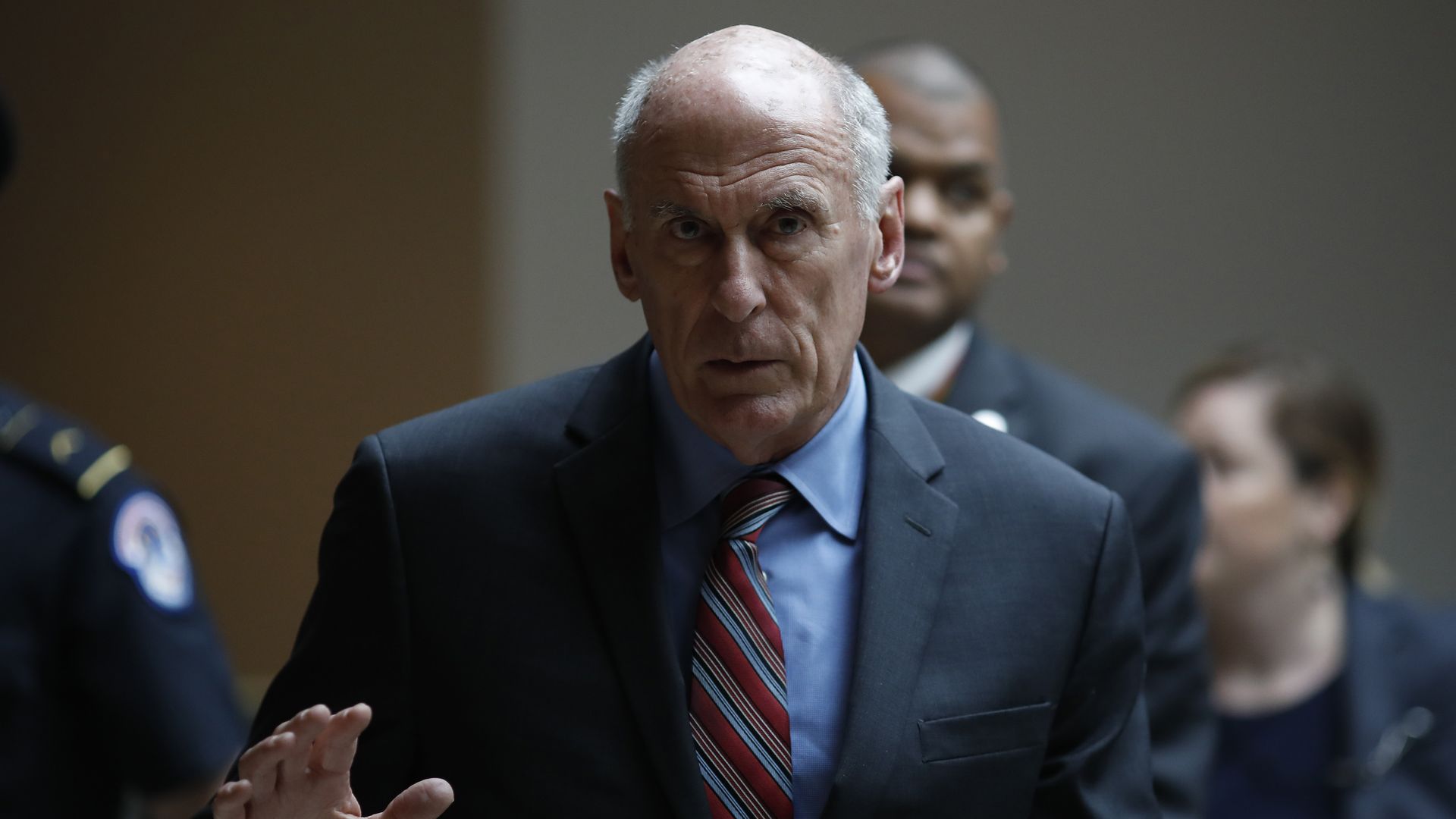
On the eve of the midterm elections, the Department of Homeland Security, the Department of Justice, the Office of the Director of National Intelligence (DNI) and the FBI released a joint statement on election security, confirming that there is currently "no indication of compromise of our nation’s election infrastructure."
Yes, but: The agencies still warned that "Americans should be aware that foreign actors — and Russia in particular — continue to try to influence public sentiment and voter perceptions through actions intended to sow discord," which include "spreading false information about political processes and candidates, lying about their own interference activities, [and] disseminating propaganda on social media."