Tuesday's world stories

Sierra Leone only the latest African country to rethink a Chinese loan
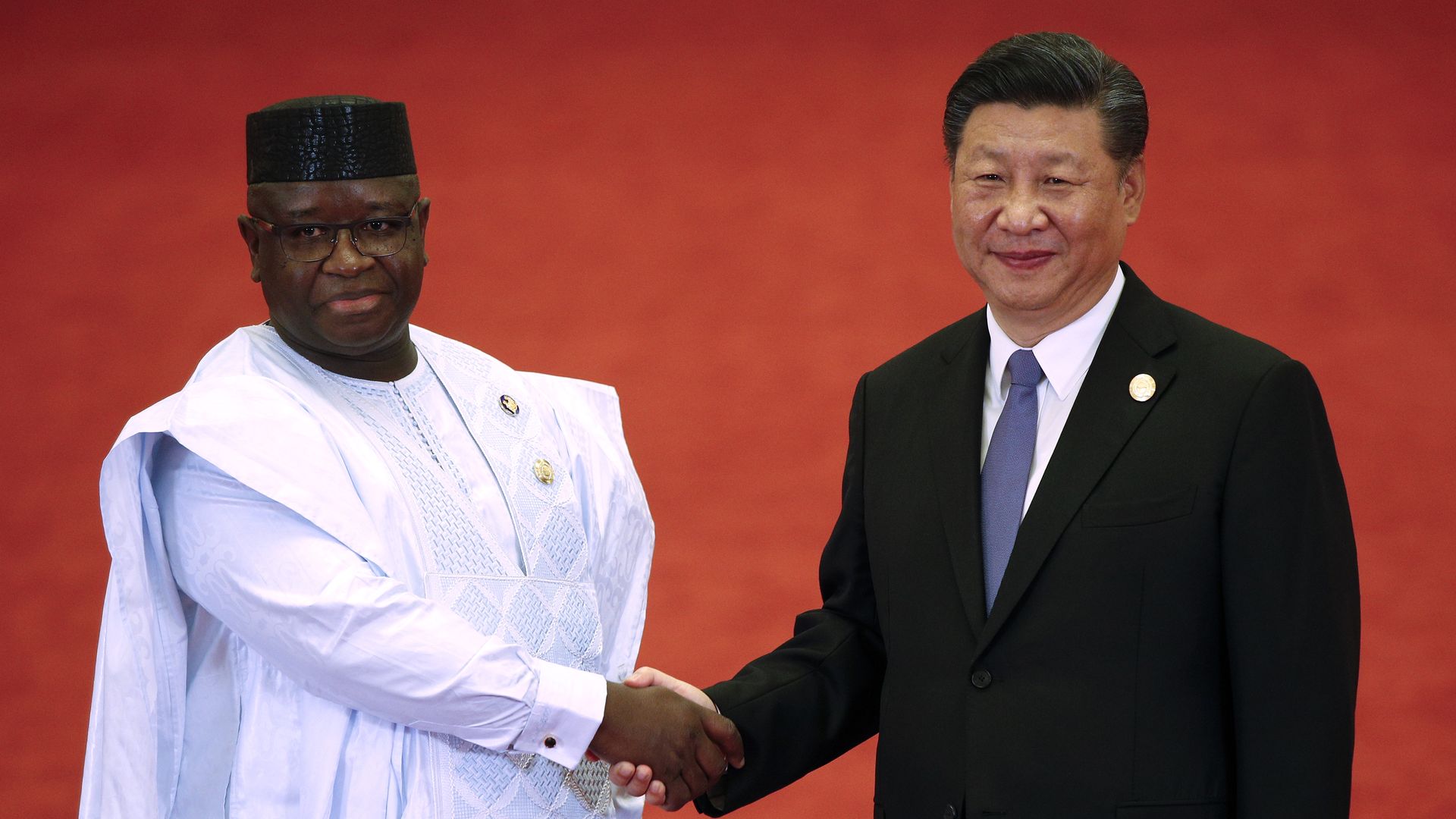
Last month, Sierra Leone canceled a Chinese loan to build the $318 million Mamamah International Airport in Freetown, a legacy project of the country's previous government. The World Bank and IMF raised concerns about Sierra Leone's debt, and the new government concluded the project was "uneconomical."
Why it matters: U.S. politicians regularly accuse China of debt-trap diplomacy, portraying African countries as victims of bad Chinese deals. But this cancellation is the latest example of African governments' wielding agency in their relations with China: African countries do have a say, and they have room to avoid the pitfalls of unsound projects both before and after they’ve signed.

Federal agencies: "No indication" of compromised election infrastructure
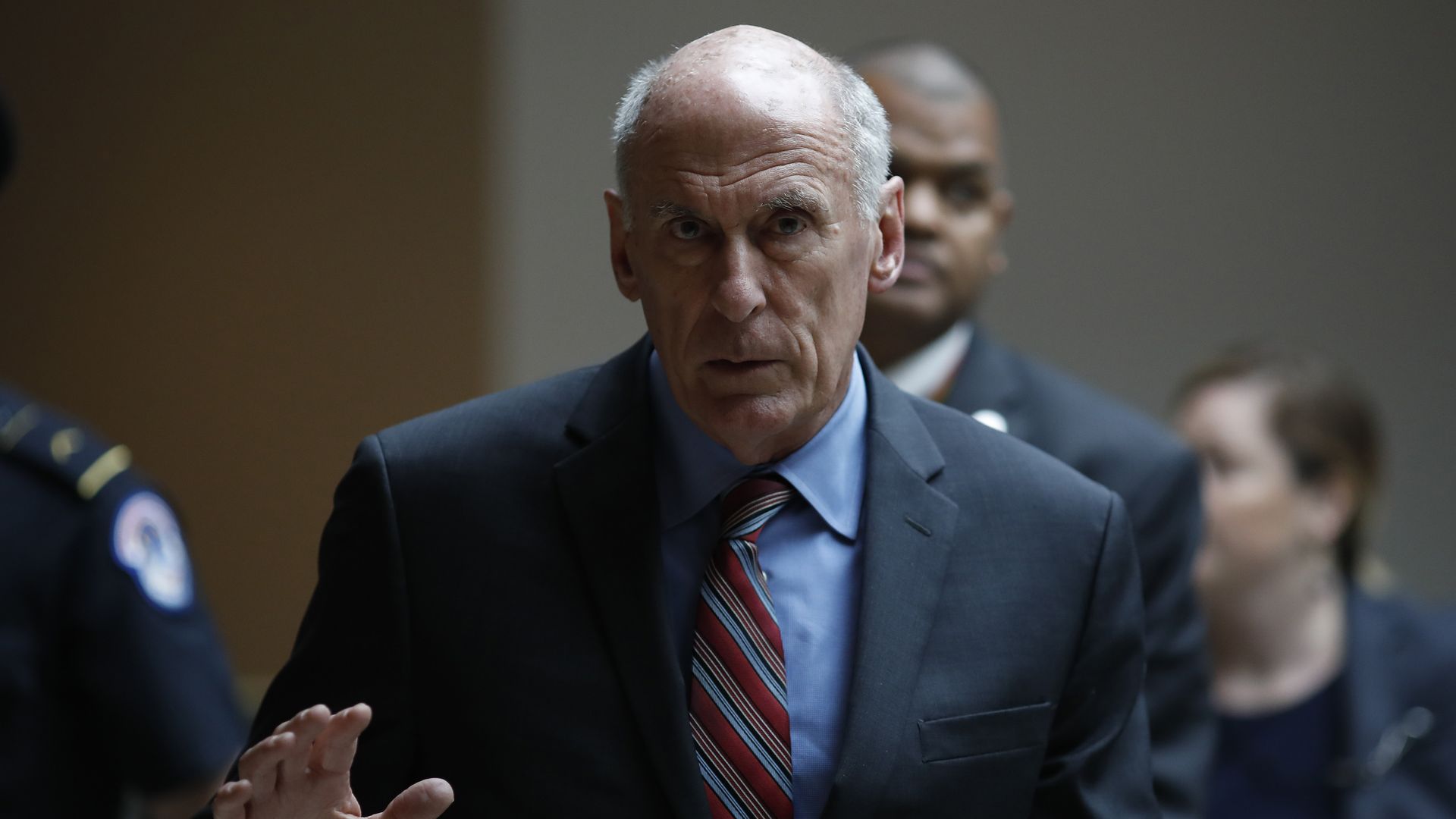
On the eve of the midterm elections, the Department of Homeland Security, the Department of Justice, the Office of the Director of National Intelligence (DNI) and the FBI released a joint statement on election security, confirming that there is currently "no indication of compromise of our nation’s election infrastructure."
Yes, but: The agencies still warned that "Americans should be aware that foreign actors — and Russia in particular — continue to try to influence public sentiment and voter perceptions through actions intended to sow discord," which include "spreading false information about political processes and candidates, lying about their own interference activities, [and] disseminating propaganda on social media."

Trump's Iran bet might be a long shot
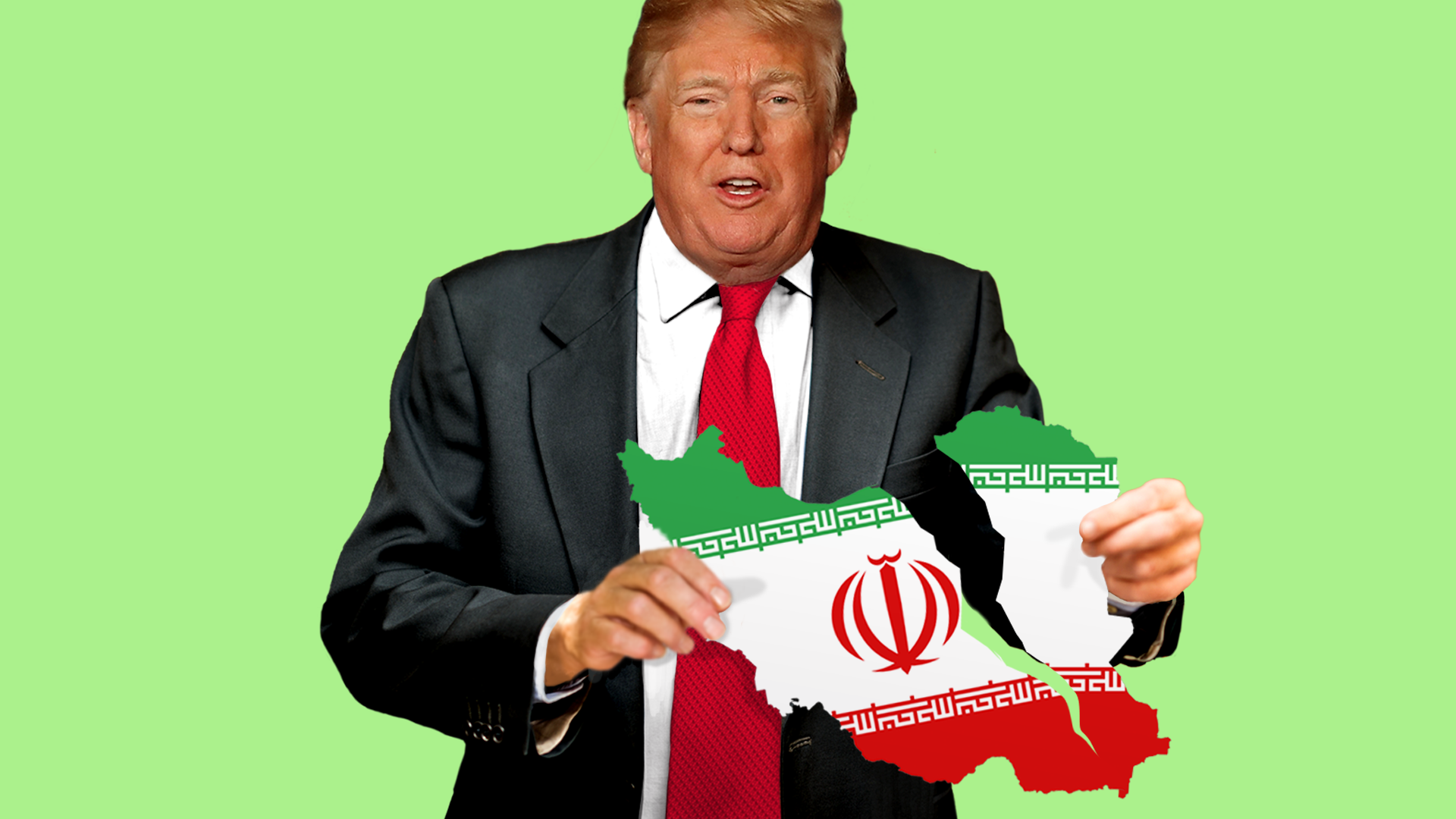
President Trump has risked a split with America's closest allies and a possible ramp up in Iran's aggression, or even its nuclear program, in pursuing the hardline policies that culminated today in the restoration of sanctions on the country's oil, shipping and financial sectors.
Why it matters: The administration is betting the sanctions will hit the Iranian economy hard and force the regime to change course (or, perhaps, to change). The sanctions will indeed be painful, particularly as the SWIFT global payments system has now announced it’s cutting off several Iranian banks. But experts are far from convinced the pain will cause the regime to move in the direction Trump would like to push it.

With sanctions renewal, Trump administration bets on pressuring Iran
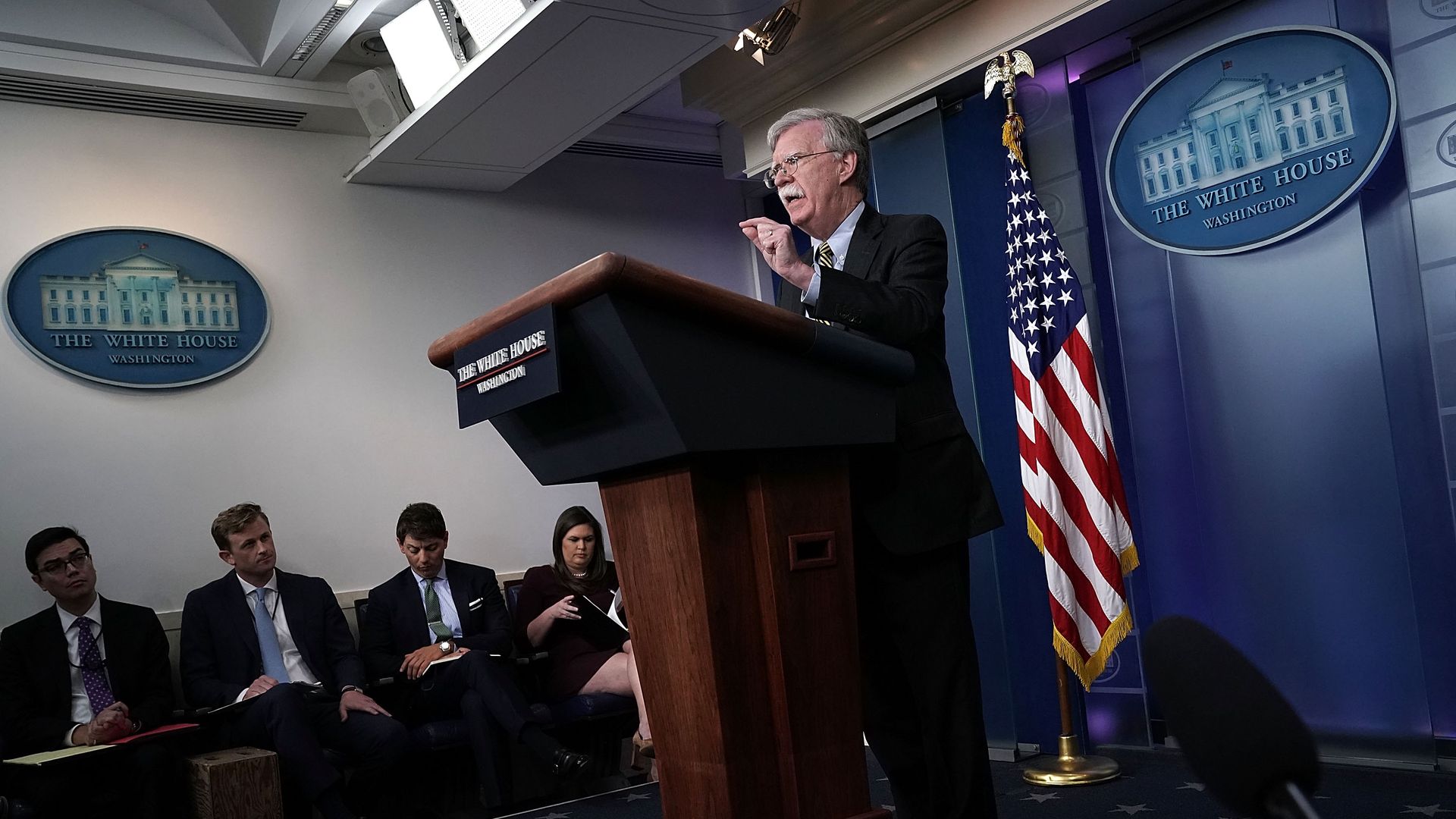
The Trump administration reimposed sanctions on Iran on Monday morning, marking another step in its maximum pressure campaign. Foreign companies have already decamped from Iran, with oil sales plunging even before this tranche of sanctions came into effect.
The big picture: The administration's ostensible end goal is not only to harm Iran’s economy, but also to bring about a change in the country's policies — namely its ballistic missile program and regional expansionism — or to its regime. While this latest round of sanctions will doubtless inflict considerable economic pain, the administration's bigger gamble is more uncertain.

With U.S. sanctions back in effect, Iran likely to bide its time
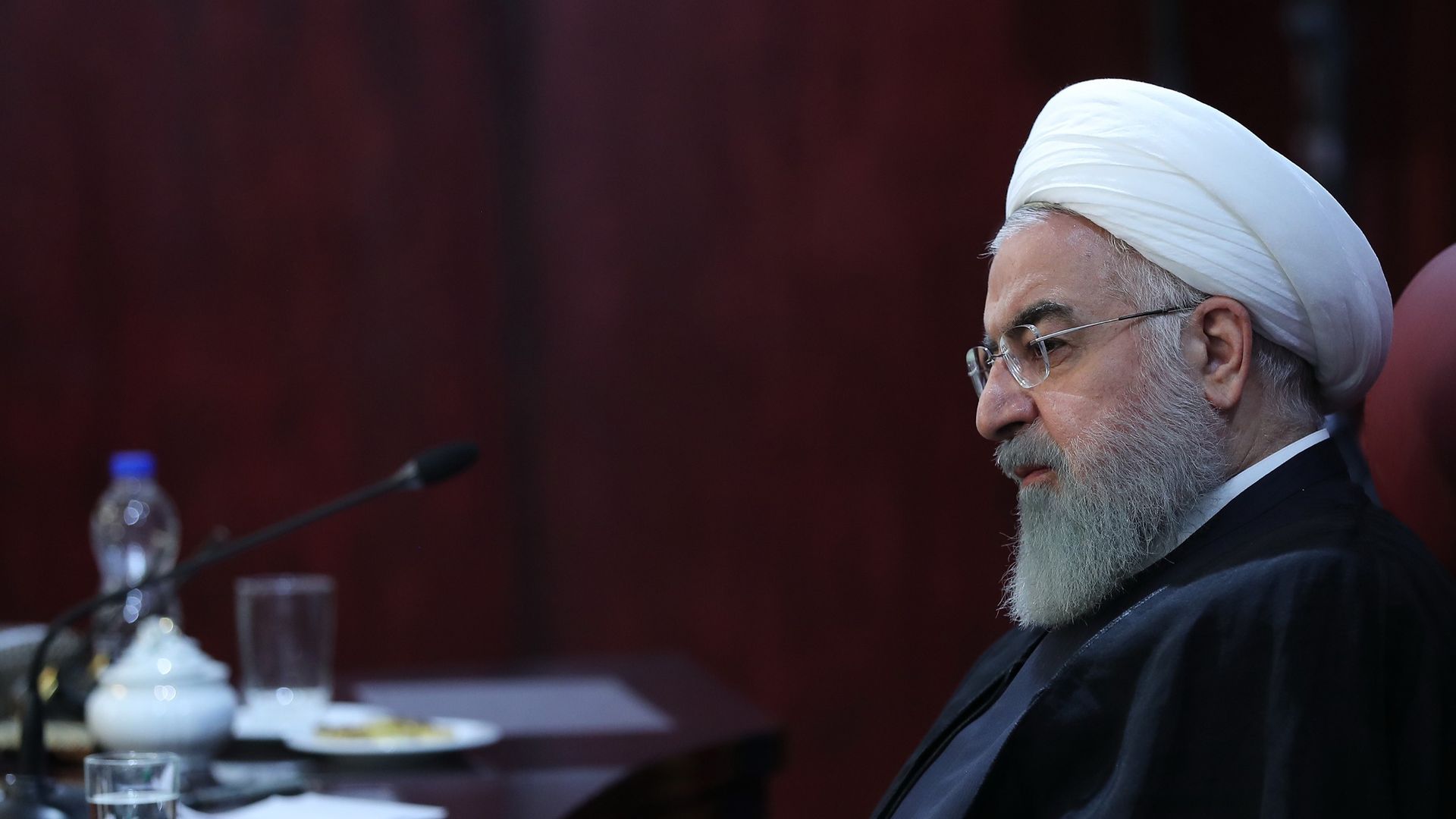
In a Sunday interview heralding the sanctions that have now been restored against Iran, Secretary of State Mike Pompeo issued a warning to “watch the Iranians.” How Iran responds to the U.S.’ imposition of sanctions — which include penalties against Tehran’s energy, shipping, insurance and banking sectors — matters just as much as the U.S.' will to enforce them.
The big picture: There is a growing consensus among analysts that Tehran will likely attempt to wait out the Trump administration and refrain from breaching the nuclear deal. Should Tehran hunker down and play for time, the Trump administration will need to find creative ways to tighten the sanctions belt such that time will cost the regime money, and lots of it.
SWIFT payments system suspends Iranian banks as U.S. sanctions return
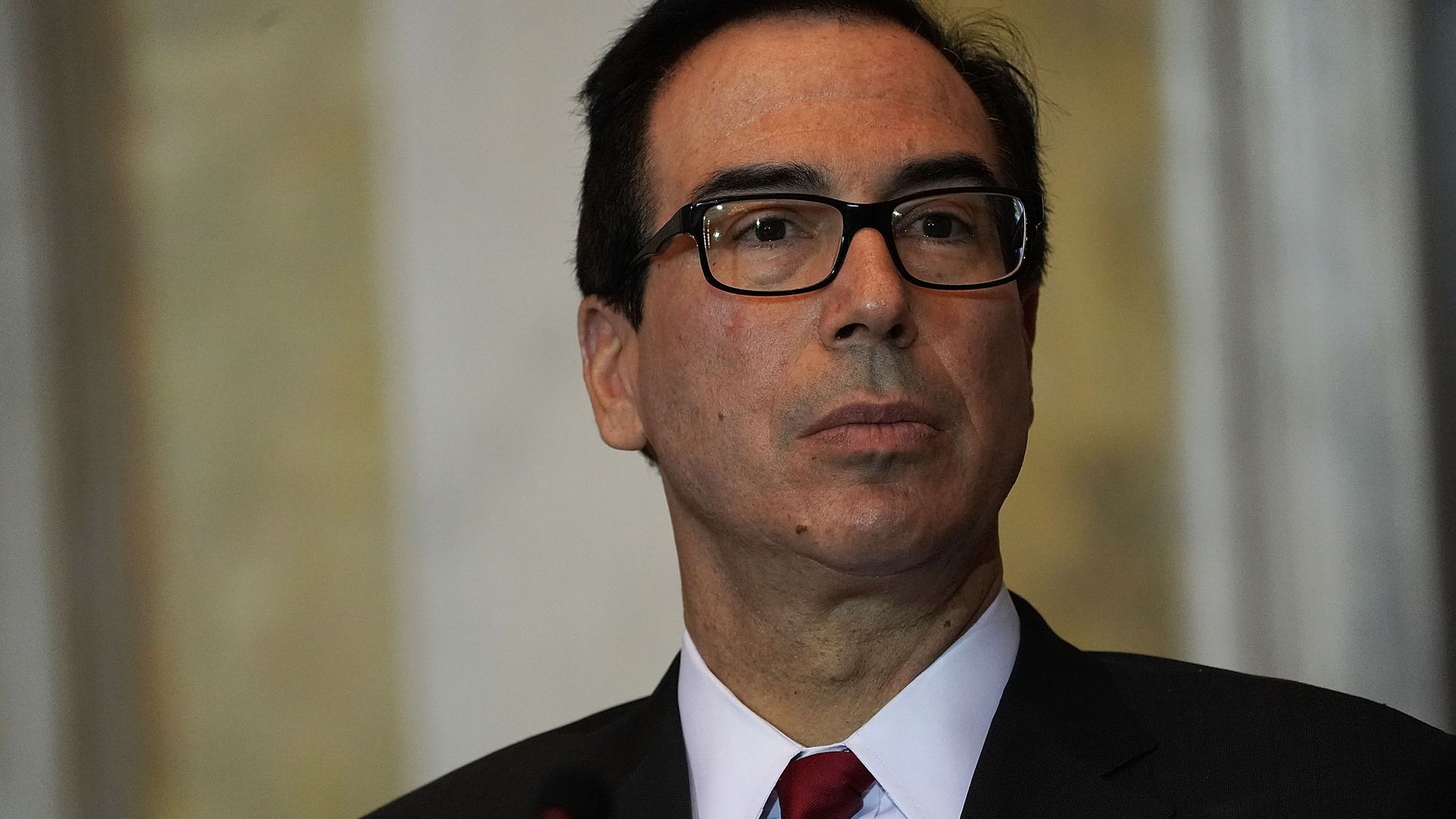
Belgium-based payments system SWIFT — a linchpin of the global financial system that allows Iran to get paid for its oil, pay for its imports and finance its activities abroad — announced Monday it is "suspending certain Iranian banks’ access to the messaging system," reports the Financial Times.
Why it matters: Ensuring that Iranian banks remain plugged into the SWIFT network was a key part of Europe's strategy to keep the Iran deal alive, Axios' Jonathan Swan reported in August. Now that SWIFT has announced it will comply with new U.S. sanctions, Europe could seek to activate a special payments system to maintain trade ties with Iran. Treasury Secretary Mnuchin warned Monday that such a move could trigger sanctions against any financial institution that engages in "certain significant transactions" with Iran.