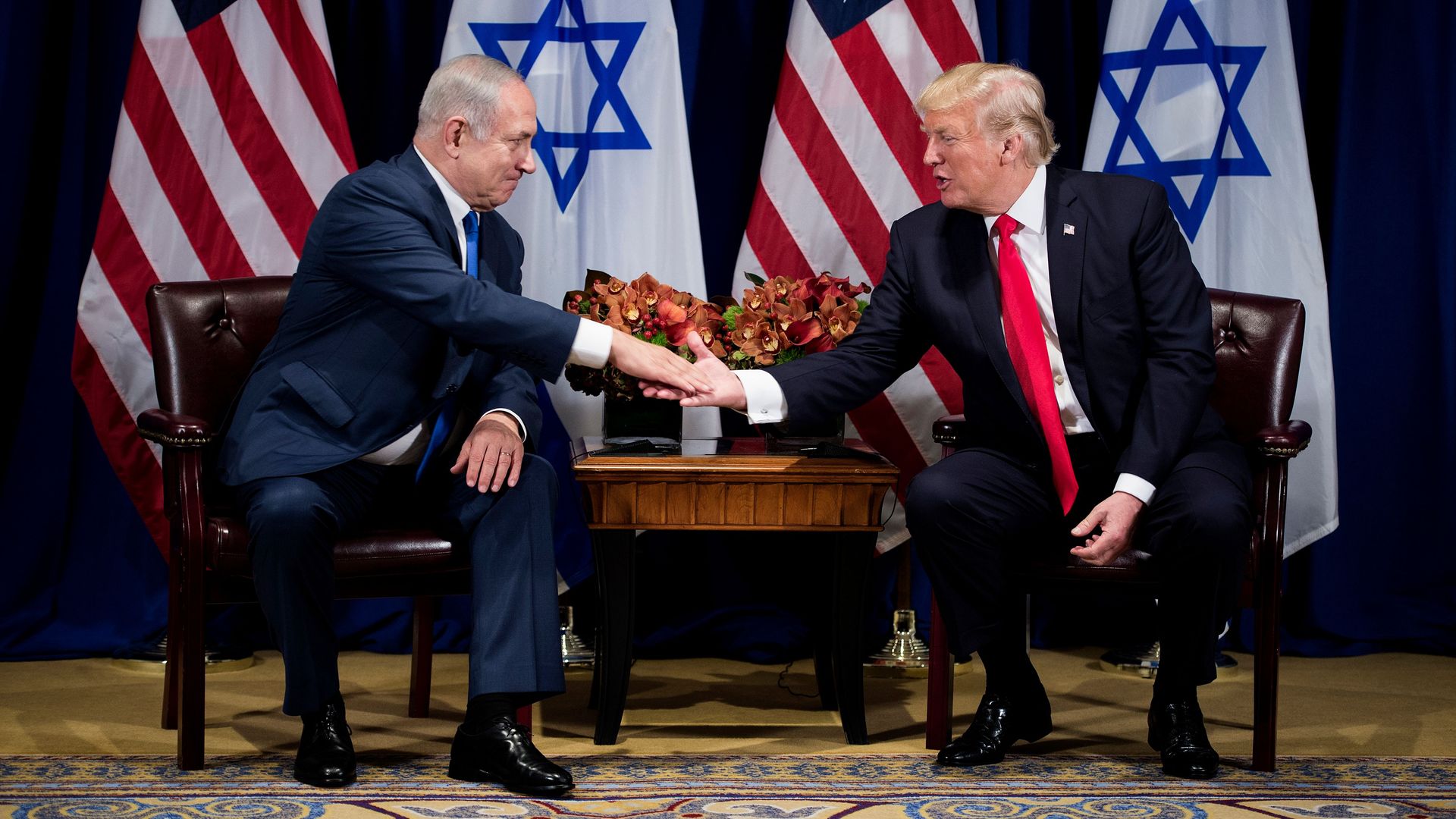
White House Middle East peace envoy Jason Greenblatt said in a speech at a closed event in London earlier this week that the U.S. "will soon be ready to publish" President Trump's long awaited plan for peace between Israel and the Palestinians, people who attended the event told me.
Timing: On September 26th, Trump met Israeli Prime Minister Benjamin Netanyahu in New York and said he will release his peace plan within two to four months. This means the plan could be release as soon as the beginning of December. White House officials declined to say what Greenblatt meant when he said "soon." However, the main challenge for Trump's "peace team" is the fact the Palestinians have cut ties with the White House over the moving of the U.S. embassy to Jerusalem.
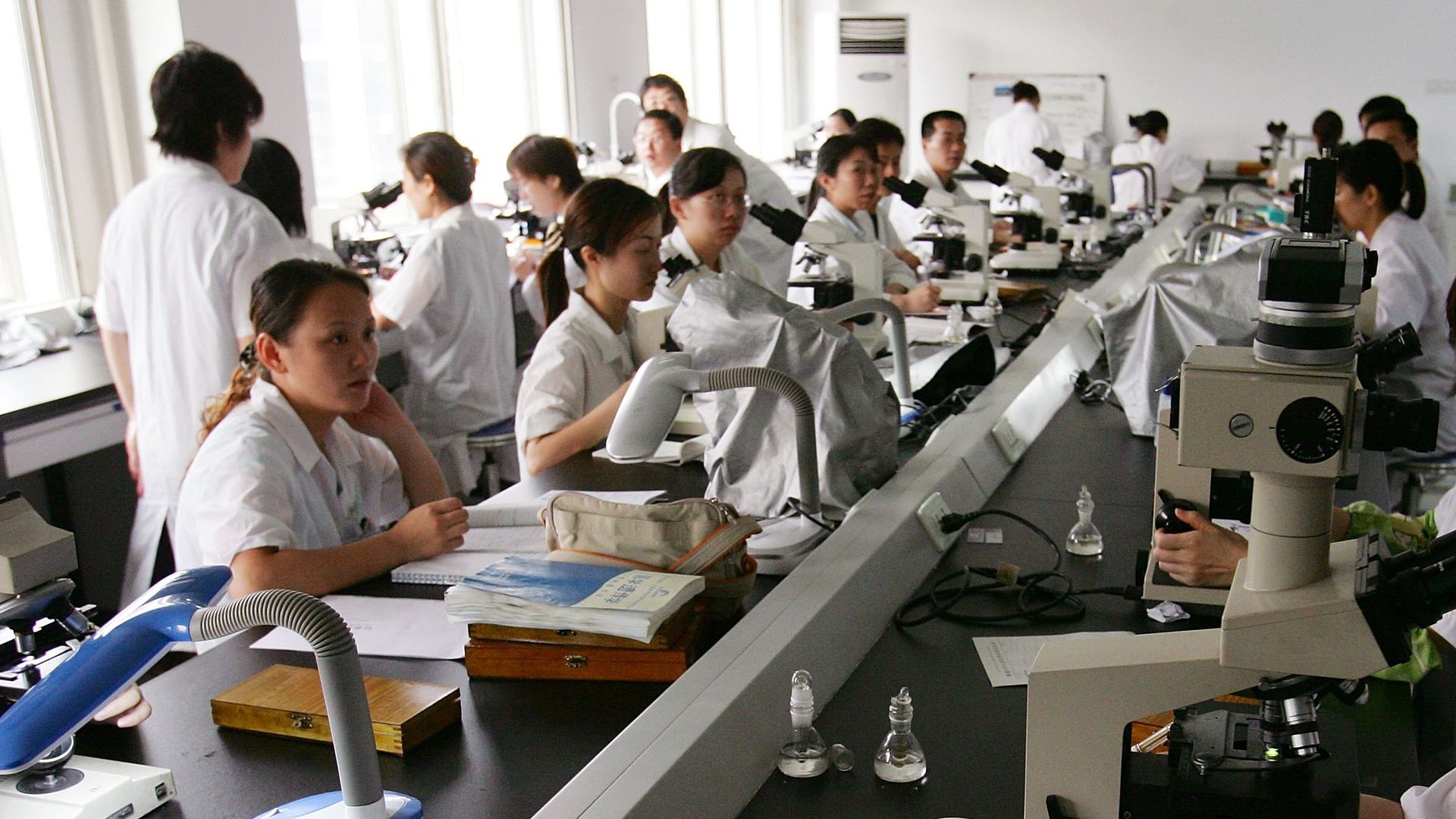
The escalating U.S. fear of Beijing's spies chipping away at the American tech edge has a new focus: Chinese scientists who are recruited to return to their homeland.
Driving the news: China is making its Thousand Talents Plan — a widely publicized government program that has lured an estimated 7,000 Chinese scientists back home to date — disappear, reports Nature. The program has been wiped from government sites, and interviewers have reportedly been instructed no longer to mention the initiative by name when speaking with prospective recruits.
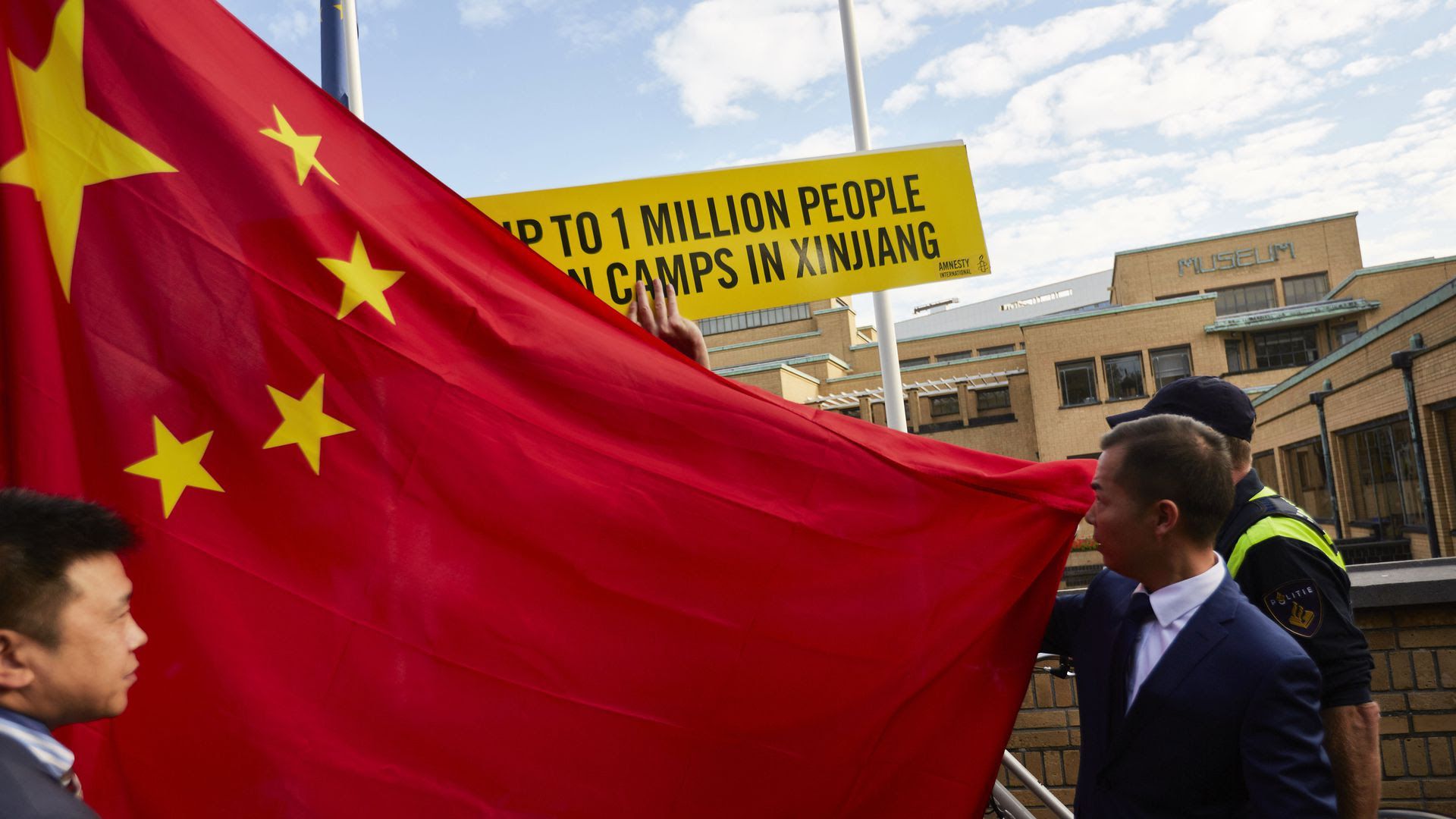
China’s government is cracking down on dissent at an alarming pace and detaining up to 1 million Muslims in “re-education camps,” but at a UN Human Rights Council review this week, many countries saw fit to applaud China’s human rights record, rather than criticize it.
Why it matters: China’s economic power and investments around the world aren’t just increasing its global influence — they’re making countries far more reticent to speak out about Beijing's abuses at home. Sophie Richardson, China director at Human Rights Watch, tells me, "We might be moving onto the next bad phase where we not only see how few countries are critical of China, but how many are willing to be cheerleaders.”