The big picture: The economy overall is on track to still meet its growth target of 6.5%, WSJ reports, though the drop in numbers could hurt China's ability to negotiate with the U.S. amid the brewing trade war.
Wednesday’s summit of European leaders, which followed another meeting last month, failed to produce a breakthrough in the Brexit talks. If the negotiations fall apart, it could precipitate a major crisis for Britain’s government and Parliament.
The big picture: If the March 29, 2019, withdrawal date comes without an agreement on the day-to-day U.K.–EU relationship, MPs would urgently seek a way to resolve the crisis. All potential solutions are likely to involve a U.K. request to delay withdrawal, with a new referendum being the most likely outcome.
The Department of Justice filed charges Friday against a Russian national named Elena Alekseevna Khusyaynova for crimes related to interference in the 2016 presidential election through the 2018 midterms.
Why it matters: This is the Justice Department's first criminal case relating to alleged Russian interference in the 2018 midterm elections.
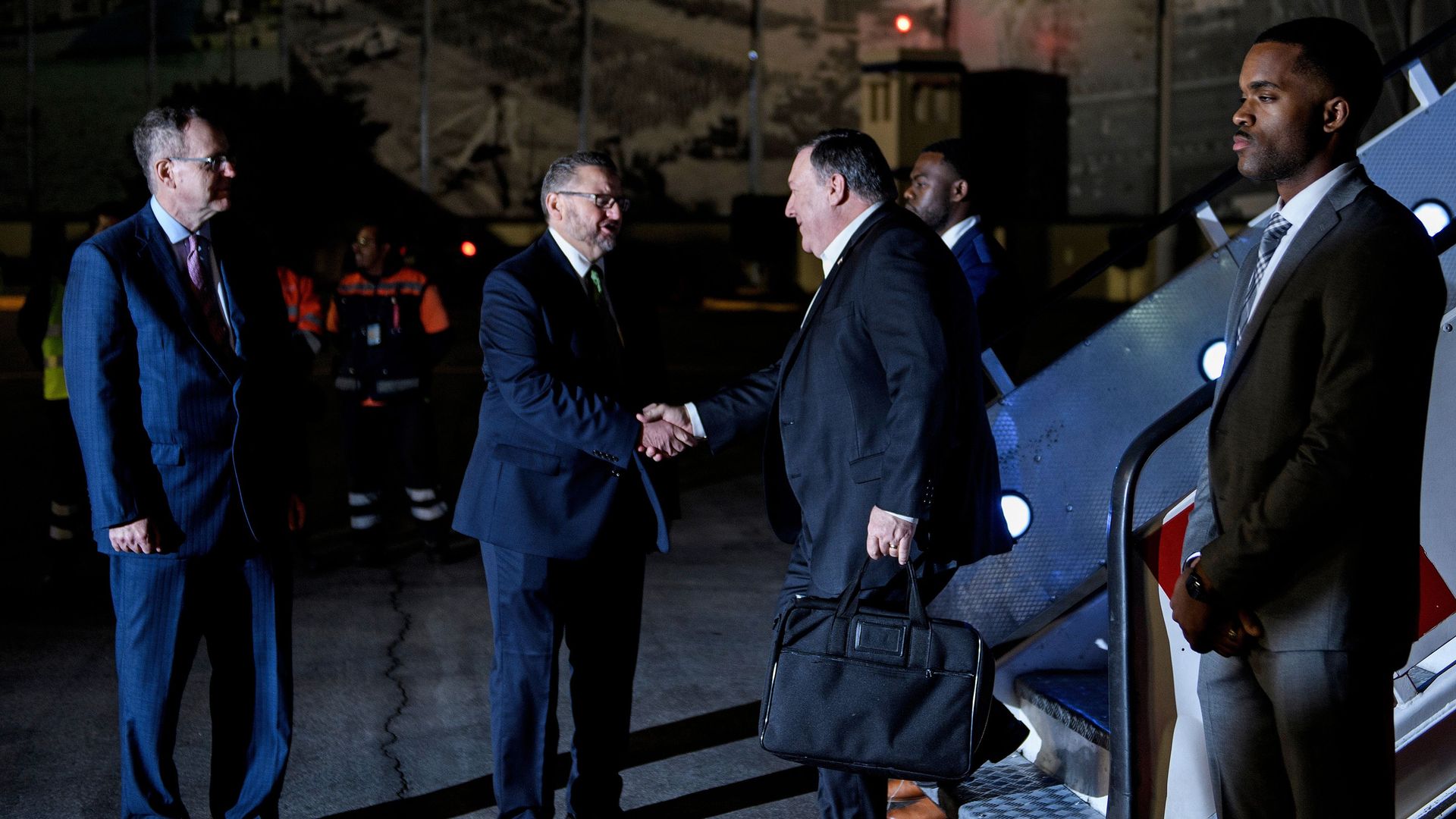
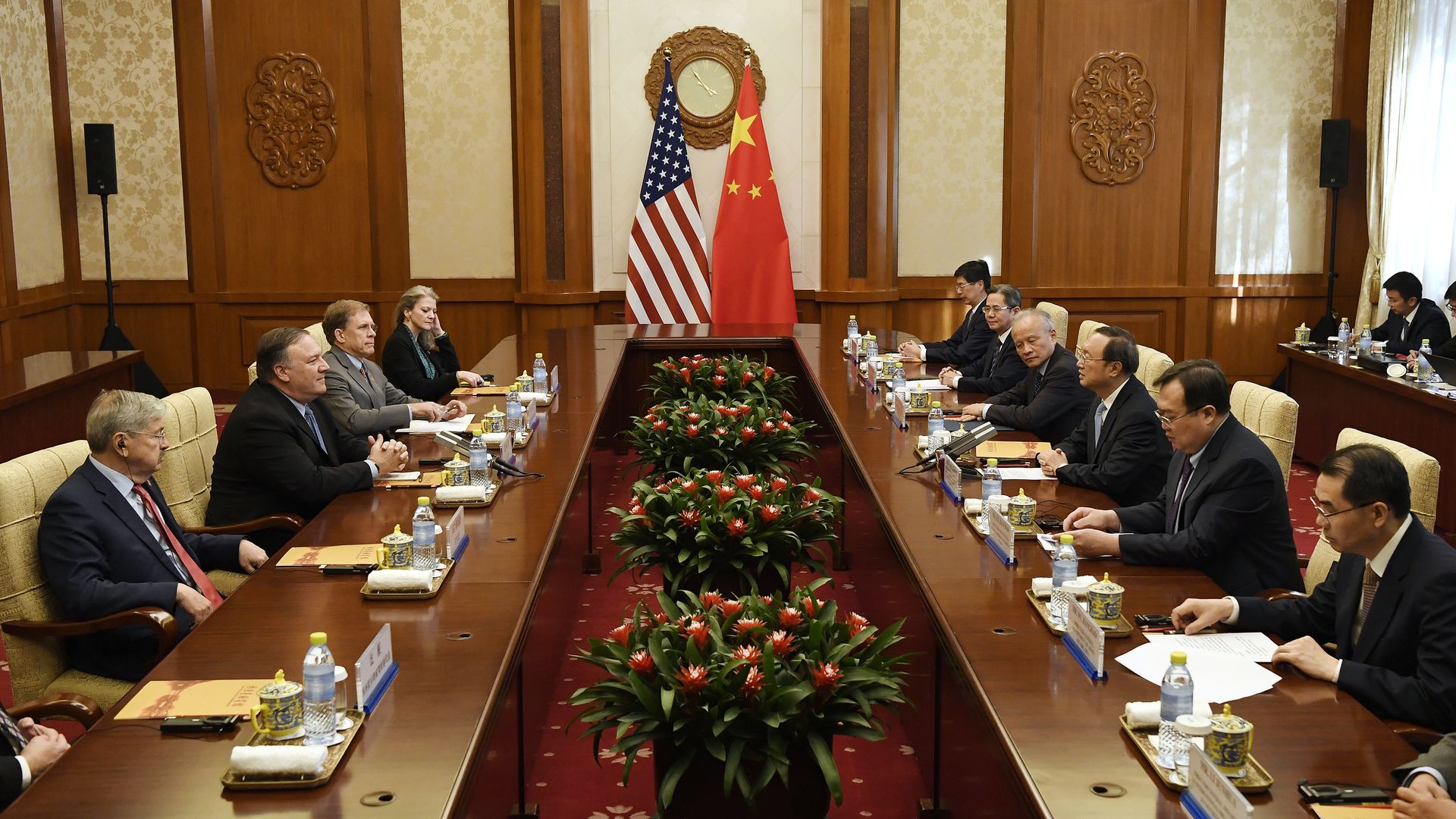
Secretary of State Mike Pompeo has said that Latin American countries should "keep their eyes open when it comes to China's investments" in an interview with TVN Noticias. The interview was taped yesterday during Pompeo's visit to Panama. He's in Mexico today.
China's economic growth dropped to 6.5% in the third quarter, the Wall Street Journal reports — the weakest it's been since the financial crisis.
The big picture: The economy overall is on track to still meet its growth target of 6.5%, the Journal reports, though the drop in numbers could hurt China's ability to negotiate with the U.S. amid the brewing trade war.
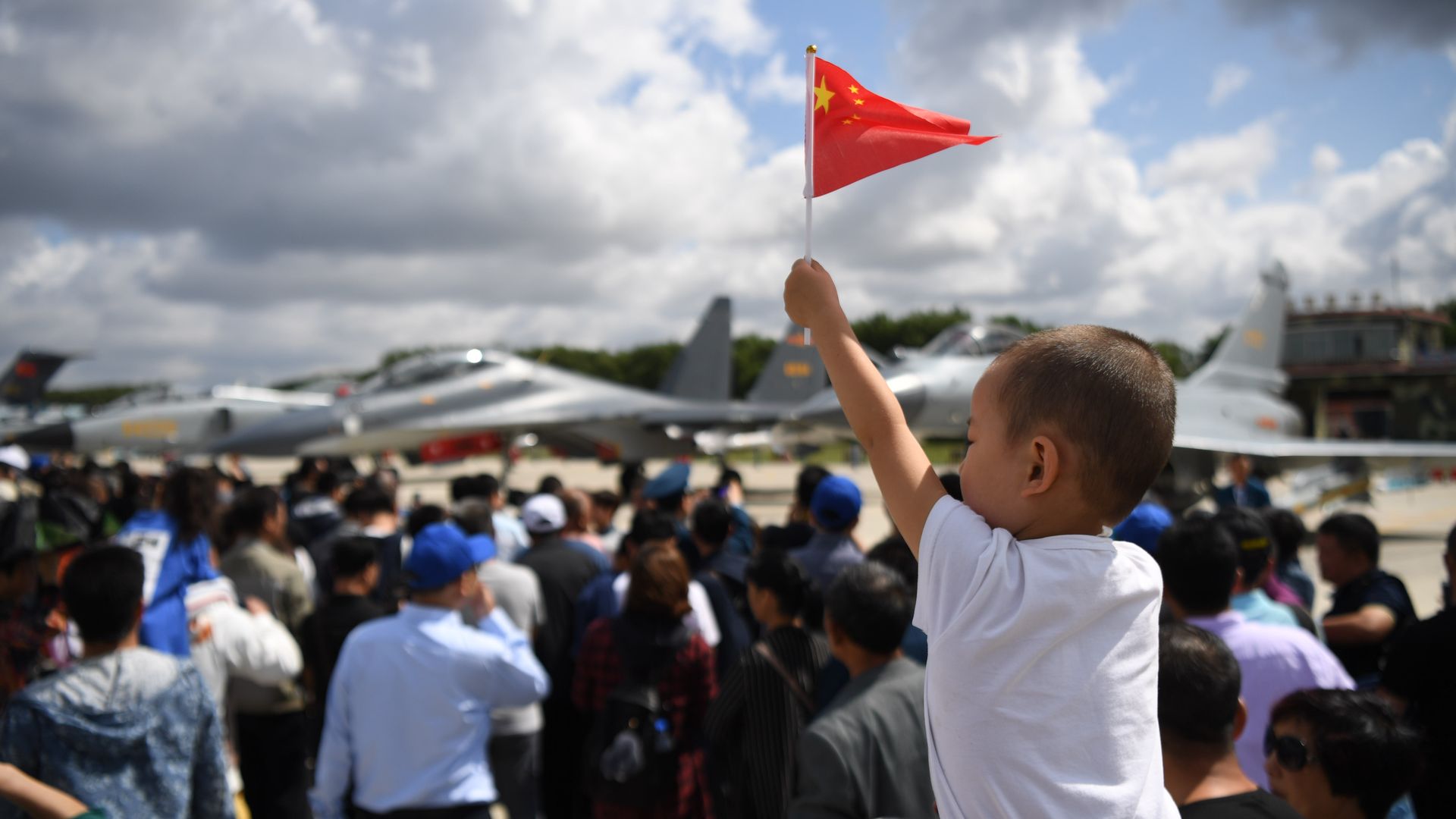
The big picture: The Chinese economy is "growing more than twice as fast as America's," and it's investing in technologies like biotech and artificial intelligence. Meanwhile, the U.S. and China are increasingly at odds, and the norms dictating that behavior will be difficult to change in the future once they are established.
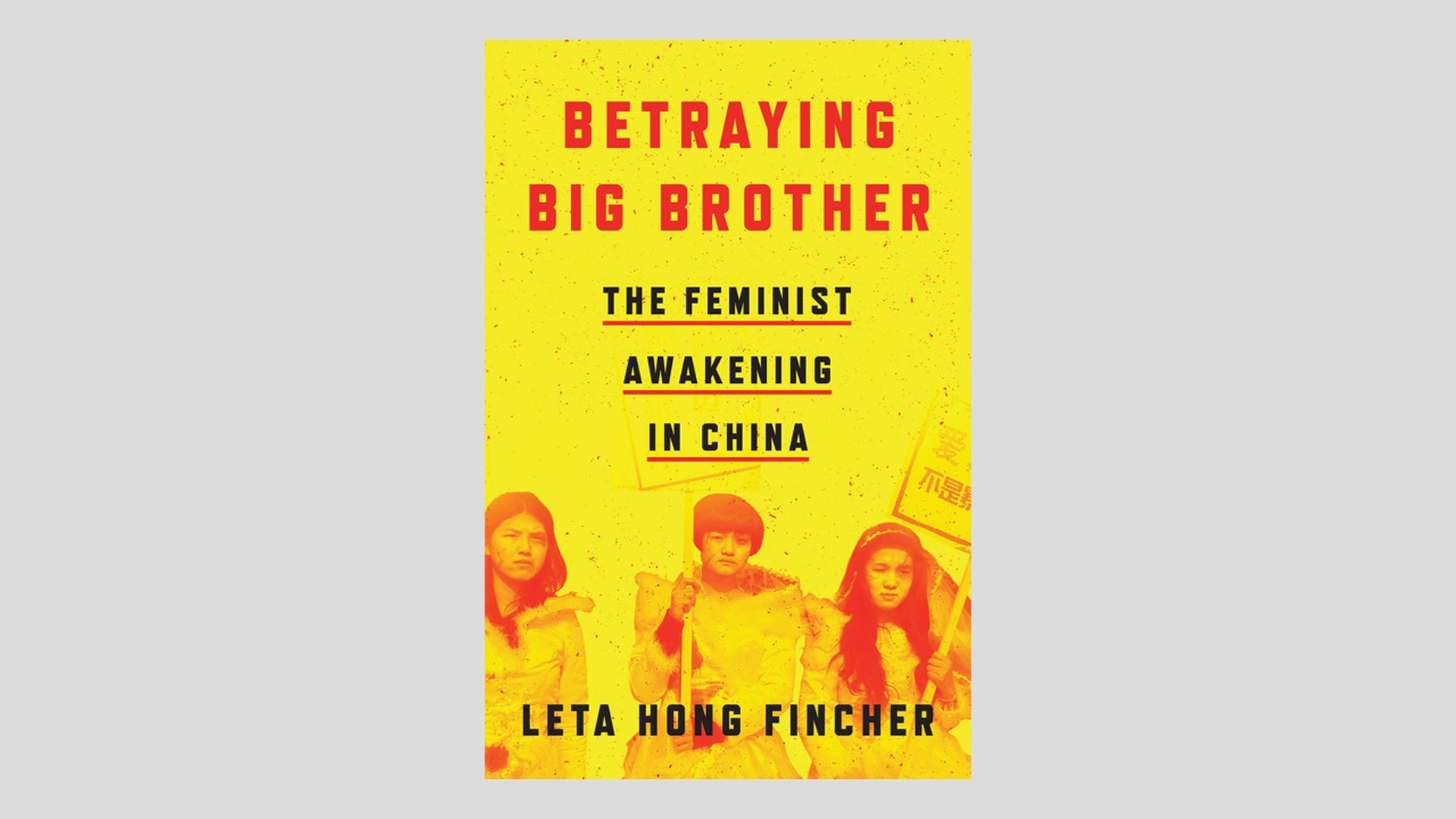
China's #MeToo movement may be fledgling, but it's starting to rise, according to American author Leta Hong Fincher, who recently authored "Betraying Big Brother: The Feminist Awakening in China."
Why it matters: The U.S. recently had its 1-year-anniversary of the start of #MeToo, but the global momentum of the movement has had mixed results. China — considered one of the most authoritarian regimes resistant to feminist ideologies — is facing a growing number of women coming forward with stories of abuse or injustice, Hong Fincher tells me.
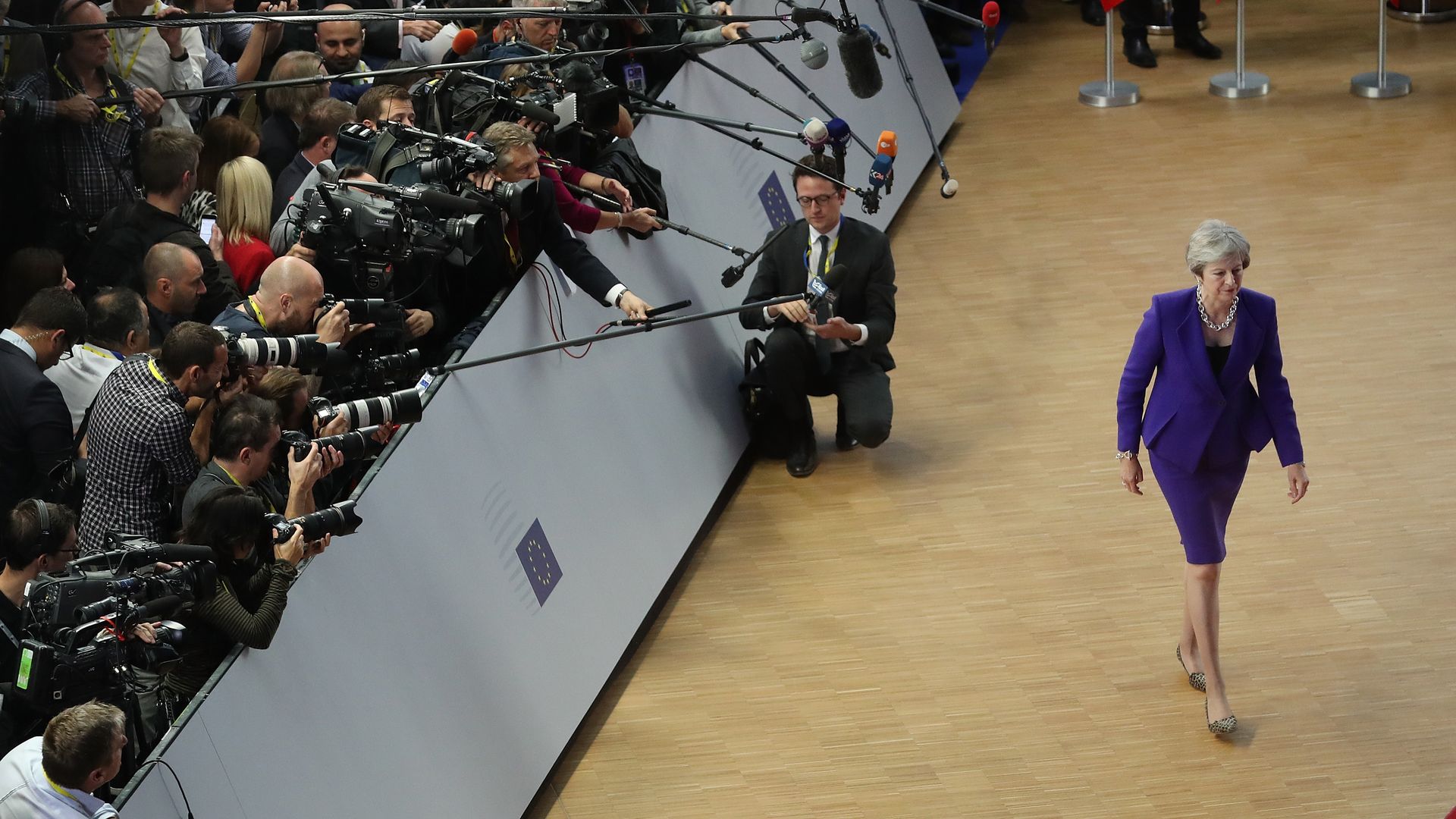
With Brexit talks still deadlocked, U.K. Prime Minister Theresa May has been forced to admit she may need more time to finalize a divorce agreement with the EU.
The bottom line: "May is under increasing pressure from her colleagues to take a tougher line, but in reality she is going to have to accept more compromises to broker any deal with Brussels," the FT's Sebastian Payne emails. "The outlines of a withdrawal agreement are clear. Now it is all about the tricky politics of selling it to a cabinet, party and country that are running out of patience."
Amid all the conversation around Bob Woodward’s "Fear," there was a small detail that largely escaped public notice: U.S. cyberattack capabilities against adversary missile programs are weaker than publicly claimed. Woodward reports President Obama had initiated an ongoing program that “pinpointed cyberattacks on the command, control, telemetry and guidance systems before and during a North Korean missile test launch," but "their success rate was mixed.”
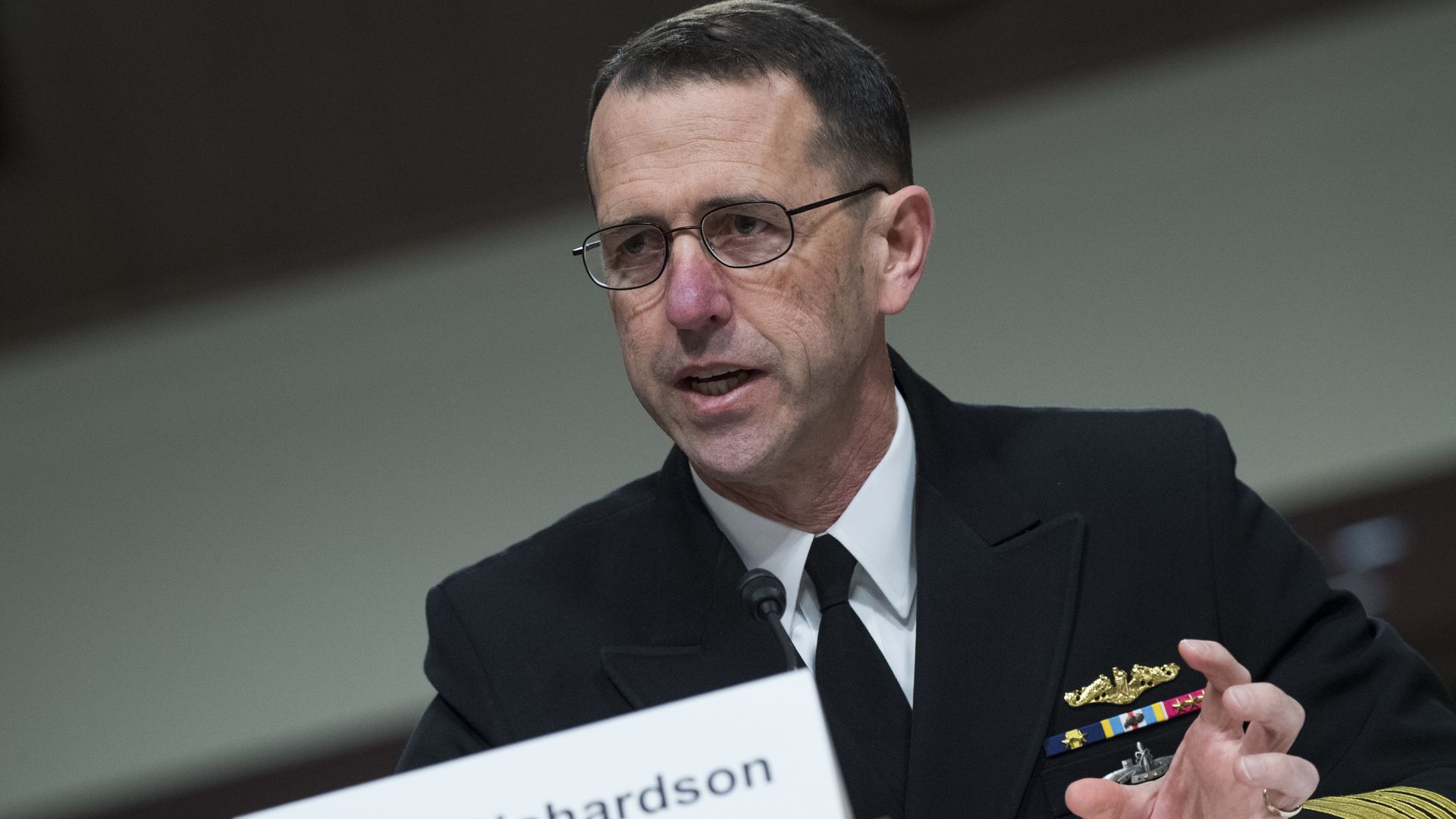
Why it matters: Pre-emptive U.S. cyberattacks on conventional and nuclear missiles, and their supportive command-and-control and targeting systems, are at the heart of the U.S. defense strategy against China. But if the Pentagon is still obtaining only “mixed results” from the same kind of disabling cyber operations with North Korean missiles, which are less sophisticated than China’s, U.S. defense capabilities in this area might be less effective than advertised.
The Trump administration announced Thursday that it is downgrading its diplomatic mission to the Palestinian Authority after Secretary of State Mike Pompeo said in a statement that the U.S. Consulate in Jerusalem, which was in charge of relations with the Palestinians, will cease to exist and become the "Palestinian Affairs Unit" in the U.S. Embassy in Jerusalem.
Why it matters: This is a dramatic decision. Pompeo described the move as technical and said it was prompted by operational efficiency, but it has big political consequences and symbolism. The decision wipes out another symbol of Palestinian sovereignty that was recognized by both Republican and Democratic administrations over the last 25 years. The consulate is also considered a symbolic U.S. recognition of the Israeli occupation in the West Bank.
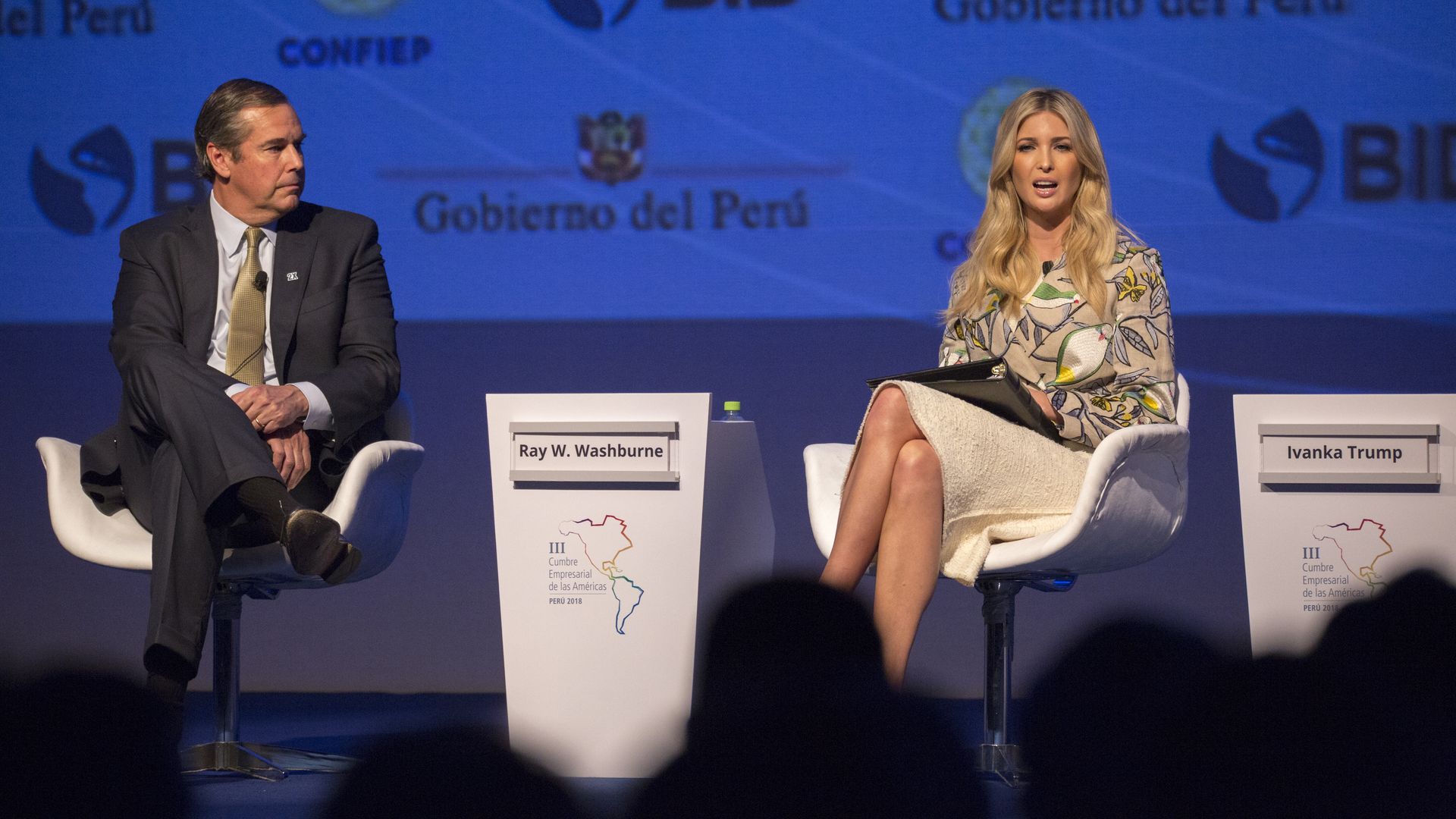
On Oct. 5, President Trump signed the Better Utilization of Investments Leading to Development (BUILD) Act, establishing a new $60 billion development finance agency to invest in less developed countries. The United States International Development Finance Corporation (USIDFC) will replace the Overseas Private Investment Corporation (OPIC), and in doing so will double its funding and enhance its capabilities.
Why it matters: Growing economic competition from China in emerging markets has finally shaken the U.S. out of its complacency toward development finance. With new and more efficient investment capabilities, the USIDFC has the potential to re-establish the U.S. as a global leader in commercial diplomacy.
President Trump has said it would be "foolish" to cancel billions of dollars in weapons deals with Saudi Arabia over the kingdom's involvement in the disappearance of journalist Jamal Khashoggi — a remarkably blunt admission of the role the international arms trade plays in U.S. foreign policy.
The big picture: The U.S. is the world's top arms exporter, competing directly with Russia and increasingly China in a global market that's worth upwards of $89 billion annually. Saudi Arabia is currently the No. 1 buyer of U.S. weapons, purchasing nearly three times as much as any other country over the past two years. Arms deals tie ethics to economics, and theycan exacerbate geopolitical tensions in high-risk areas like Yemen and North Korea.