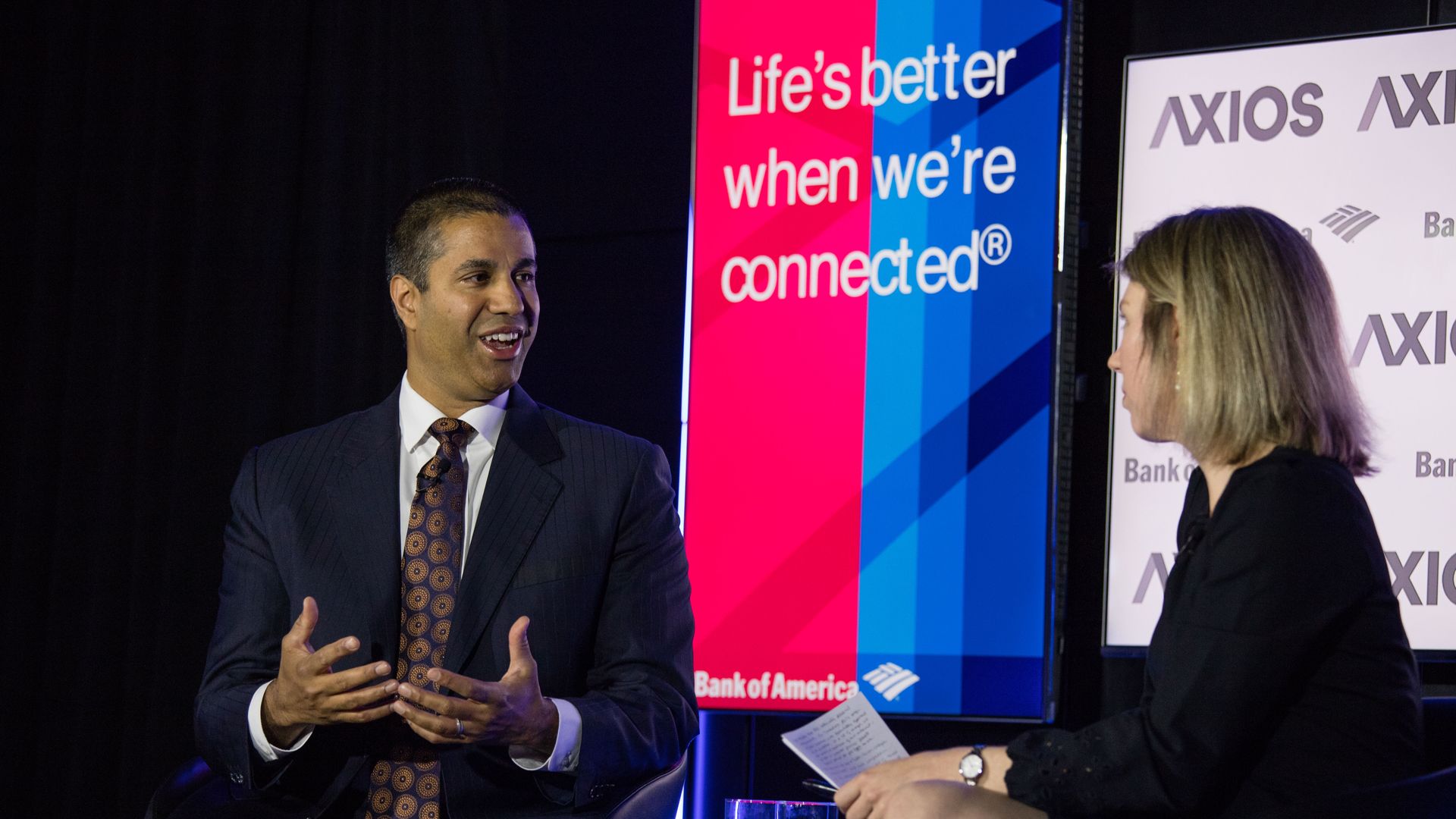
For Axios' first News Shapers of the summer, Mike Allen and Kim Hart hosted conversations on two of today's biggest stories: Trump's summit with North Korea and the end of net neutrality.
Why it mattered: As the ranking member of the House Intelligence committee, Rep. Schiff provided his insight into how the North Korea summit will impact the global order. Meanwhile Chairman Pai, who oversaw the controversial decision to end net neutrality, explained his reasoning for doing so.
iSpace announced it has received $90.6 million, or 600 million yuan, in financing from Matrix Partners China — the Chinese affiliate of the American venture capitalist company, Caixin reports.
Why it matters: Now that the Chinese government is allowing companies to explore space, more private Chinese companies are looking to jump into the space business and are growing quickly.
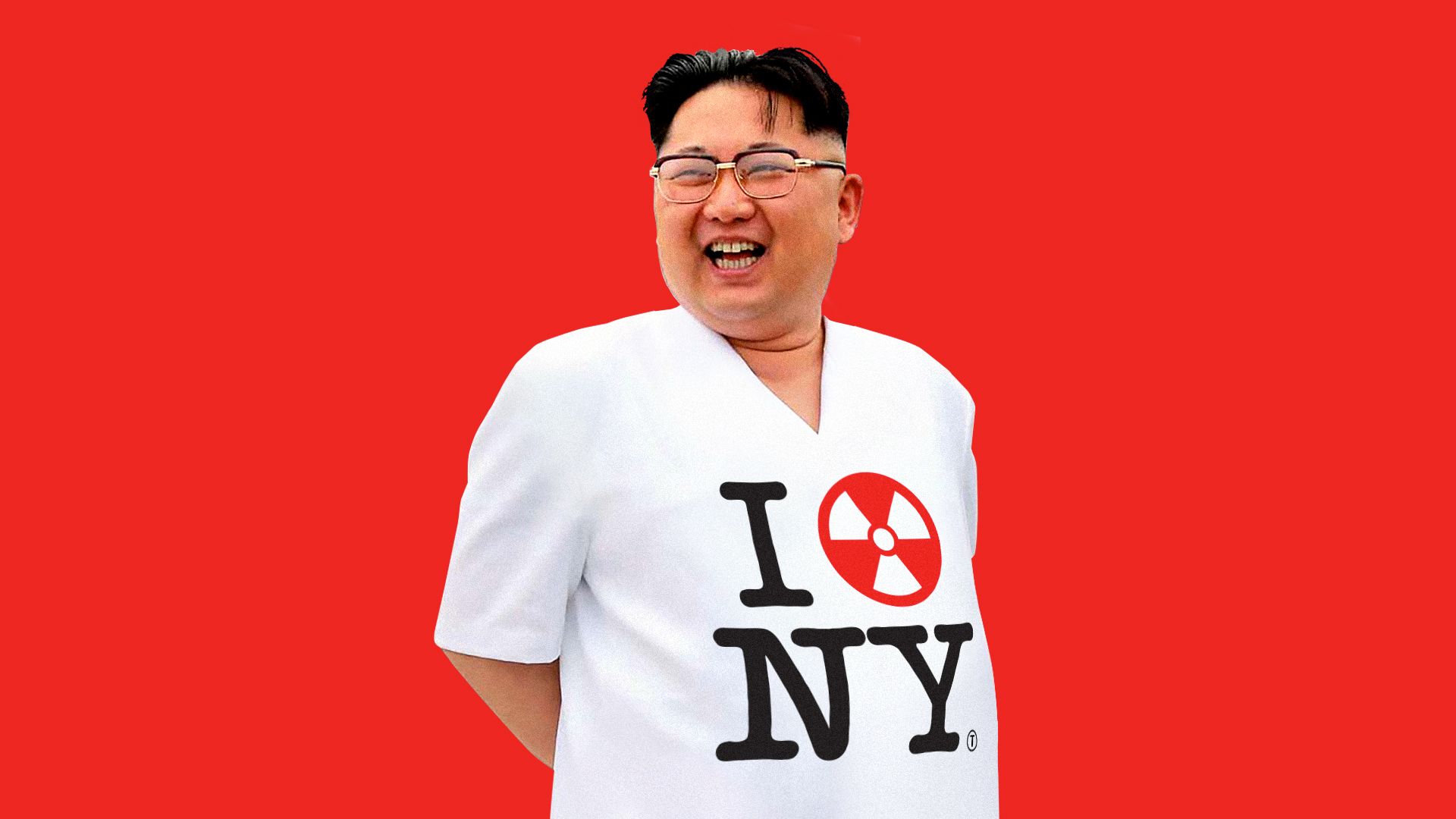
Some administration officials are so optimistic about making progress with North Korea's Kim Jong-un that they hope a Round 2 with President Trump can be held in New York in September, when world leaders pour into Trump's hometown for the U.N. General Assembly.
The big picture: Officials tell us that Kim would have to show progress for the meeting to occur. One possibility would be for Trump to hold out a Round 2 meeting as a carrot to encourage real movement by North Korea over the summer.
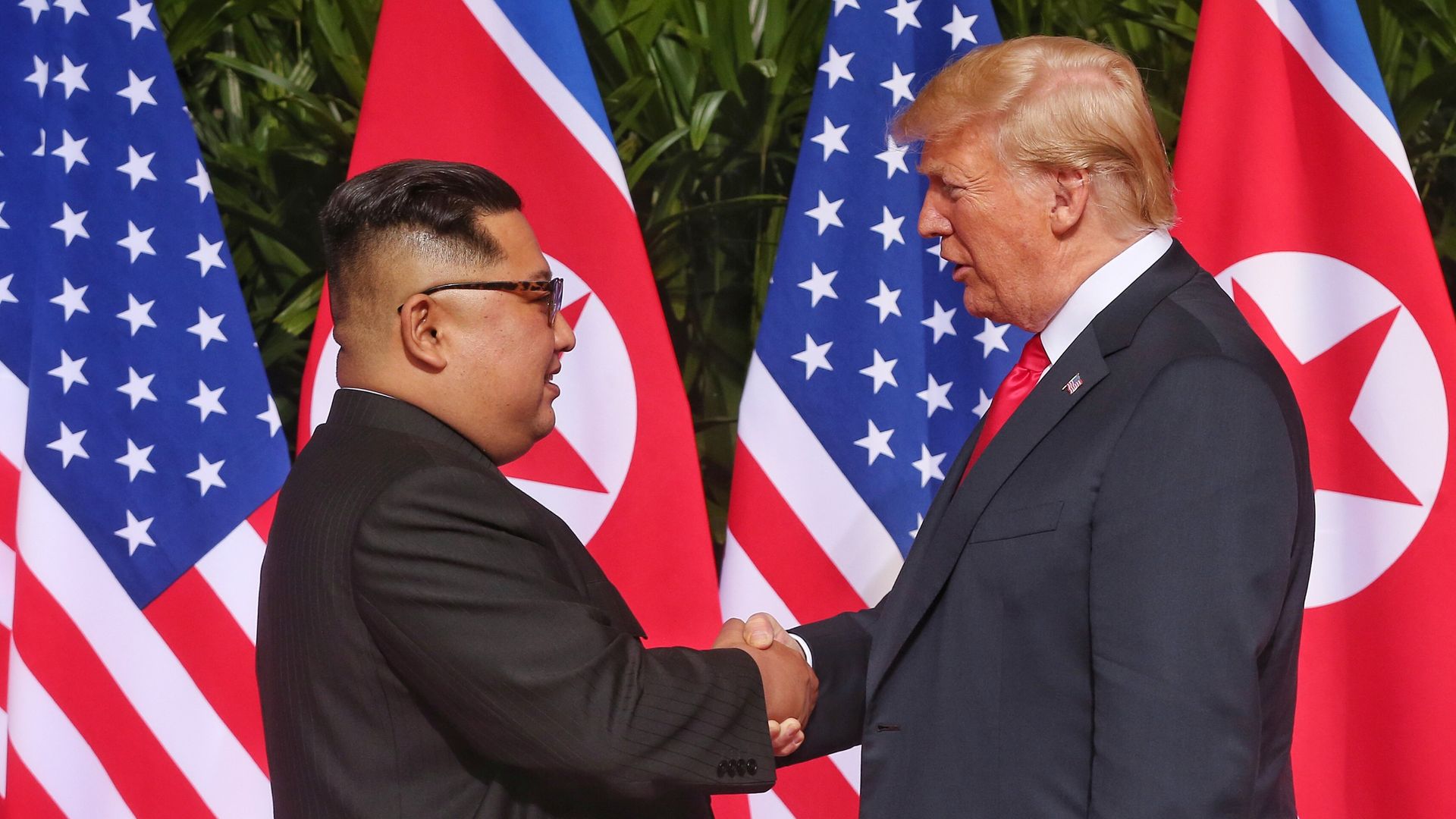
Senior officials at the State Department told CNN that U.S. and North Korean representatives met on Sunday for the first time since last month's summit between President Trump and North Korean leader Kim Jong-un to discuss implementing the agreement signed by both leaders.
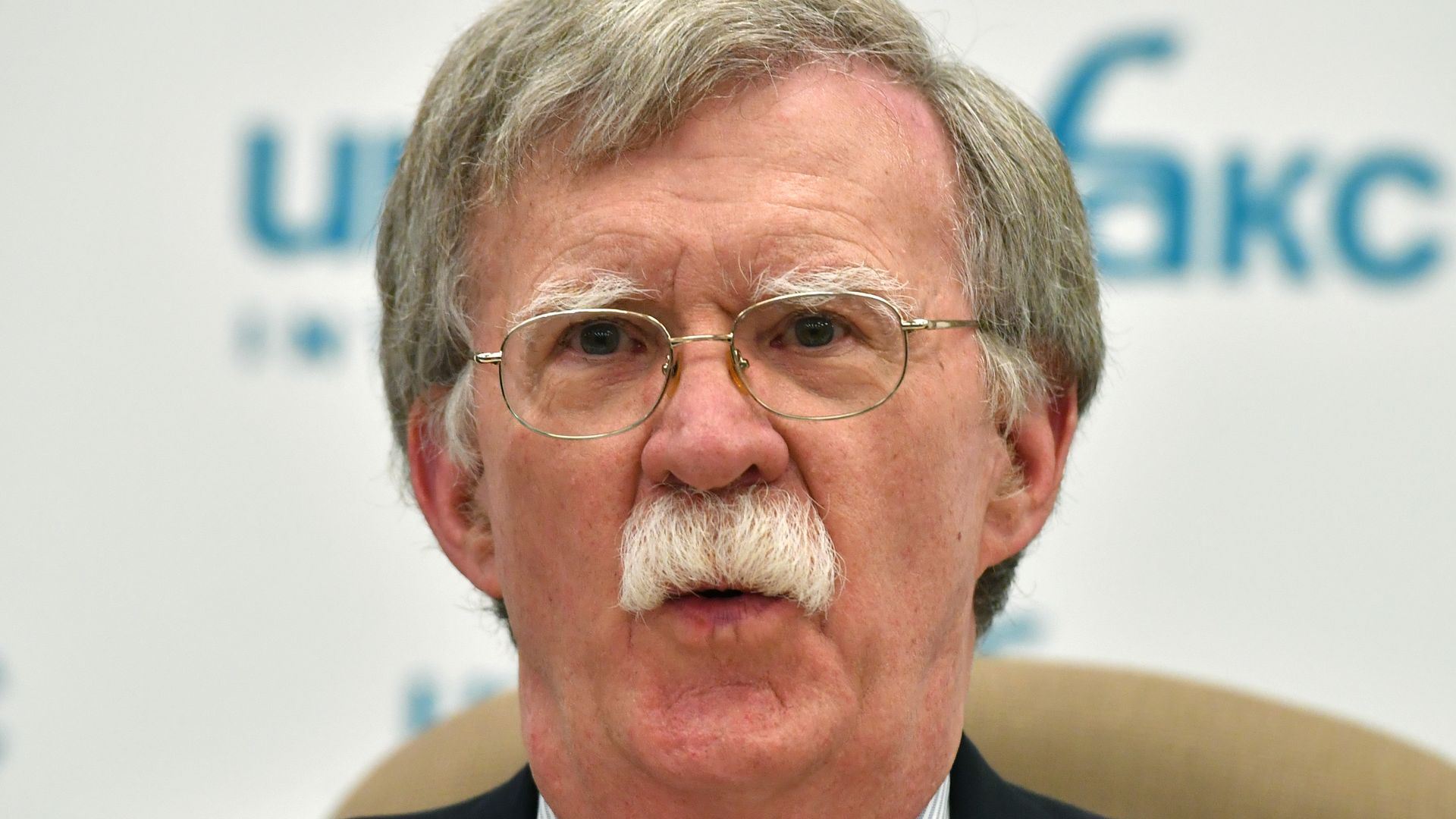
The backdrop: President Trump's national security adviser John Bolton said on CBS' "Face the Nation" earlier Sunday that "the overwhelming bulk" of North Korea's nuclear weapons program could be dismantled "within a year" if Kim's regime chooses to cooperate. However, The Washington Post reported on Saturday said U.S. intelligence officials believe that North Korea has no intentions of giving up the entirety of its nuclear weapons cache.
China had a short, whirlwind relationship with Bitcoin before unceremoniously dumping it last September. Now, President Xi Jinping calls the underlying blockchain technology a "breakthrough."
What's going on: Xi is differentiating between cryptocurrencies and blockchain. In his view, Bitcoin and other cryptocurrencies could fuel financial risk and even jeopardize Communist Party authority. But in blockchain, he sees something he cherishes — even greater government control.
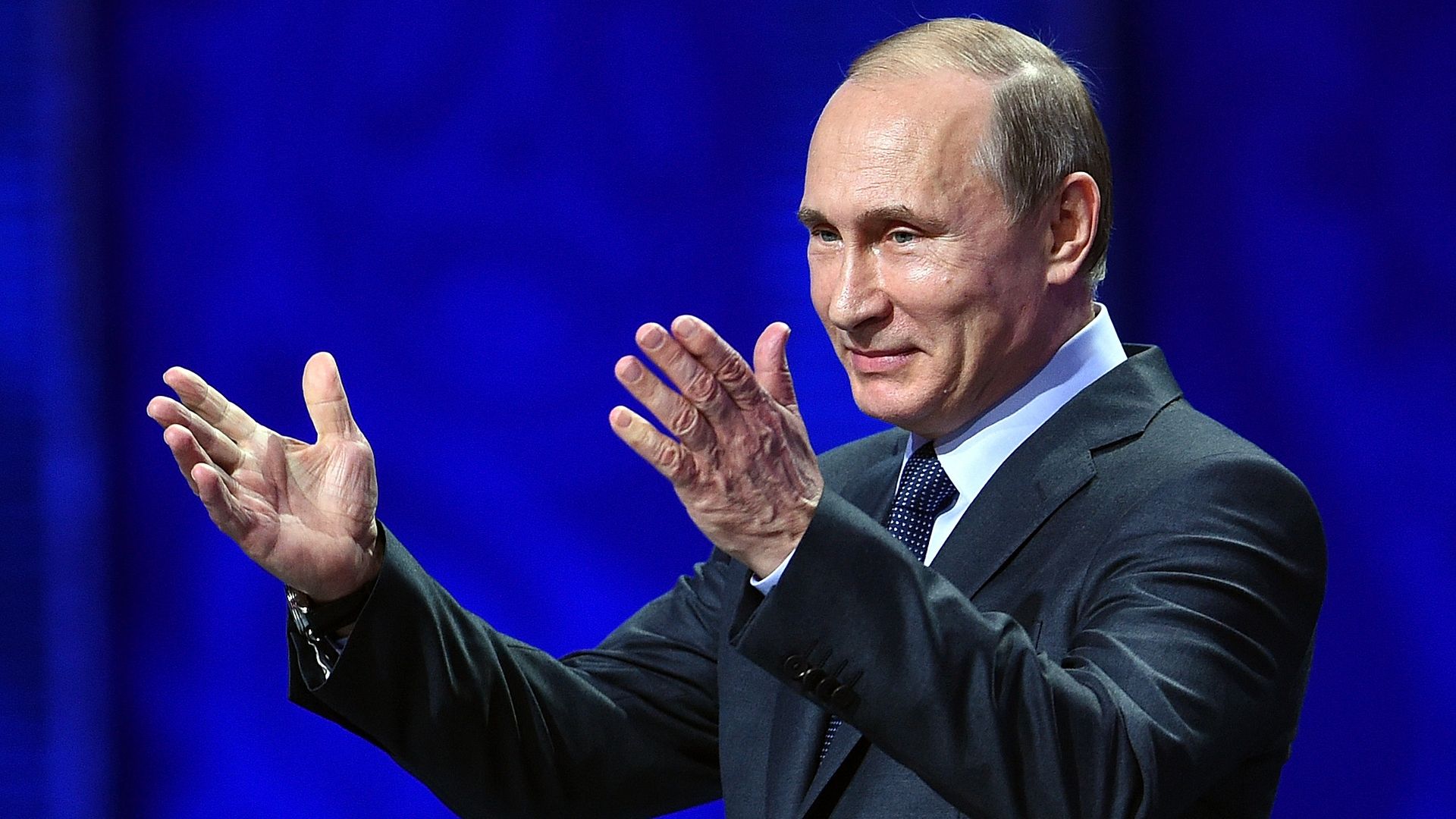
As President Trump prepares to meet Russian President Vladimir Putin, U.S. intelligence agencies are failing to help tech companies inoculate themselves against meddling in the November midterm elections, experts and reports say.
Why it matters: Facebook and other tech companies have said that, while they are working intensely to eliminate their vulnerability to fake and manipulated news, much of it from Russia, they can't guarantee 100% success. This is why any outside advice from intelligence agencies, with their own sources of information, could prove crucial.
President Trump's national security adviser John Bolton said that "the overwhelming bulk" of North Korea's nuclear weapons program could be dismantled "within a year" if the regime chooses to cooperate during an interview on CBS' "Face the Nation" Sunday morning.
"If they have the strategic decision already made to do that and they’re cooperative, we can move very quickly. Physically we would be able to dismantle the overwhelming bulk of their programs within a year."
Yes, but: The Washington Post reported last night that U.S. intelligence officials believe that "North Korea does not intend to fully surrender its nuclear stockpile, and instead is considering ways to conceal the number of weapons it has."