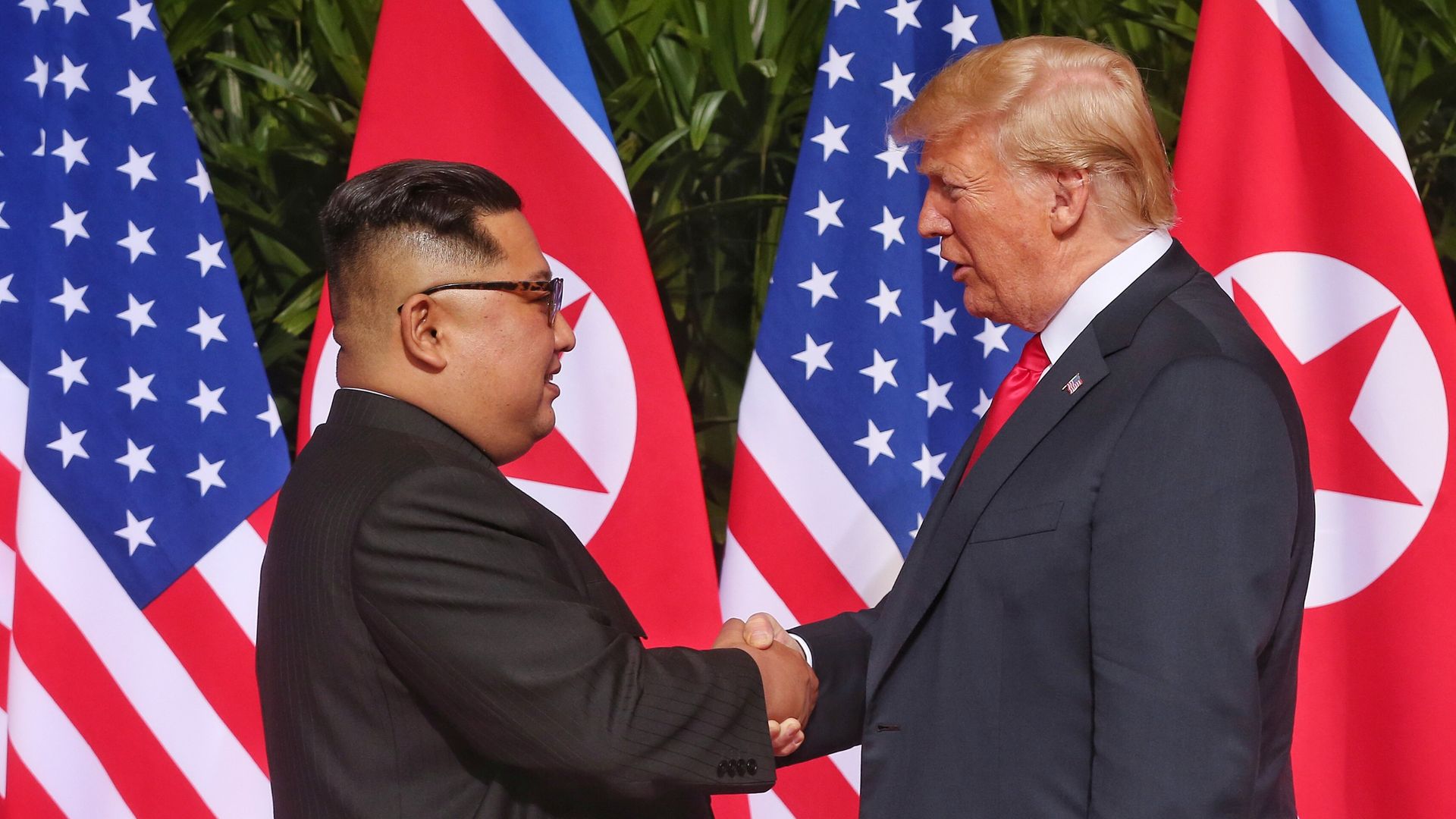
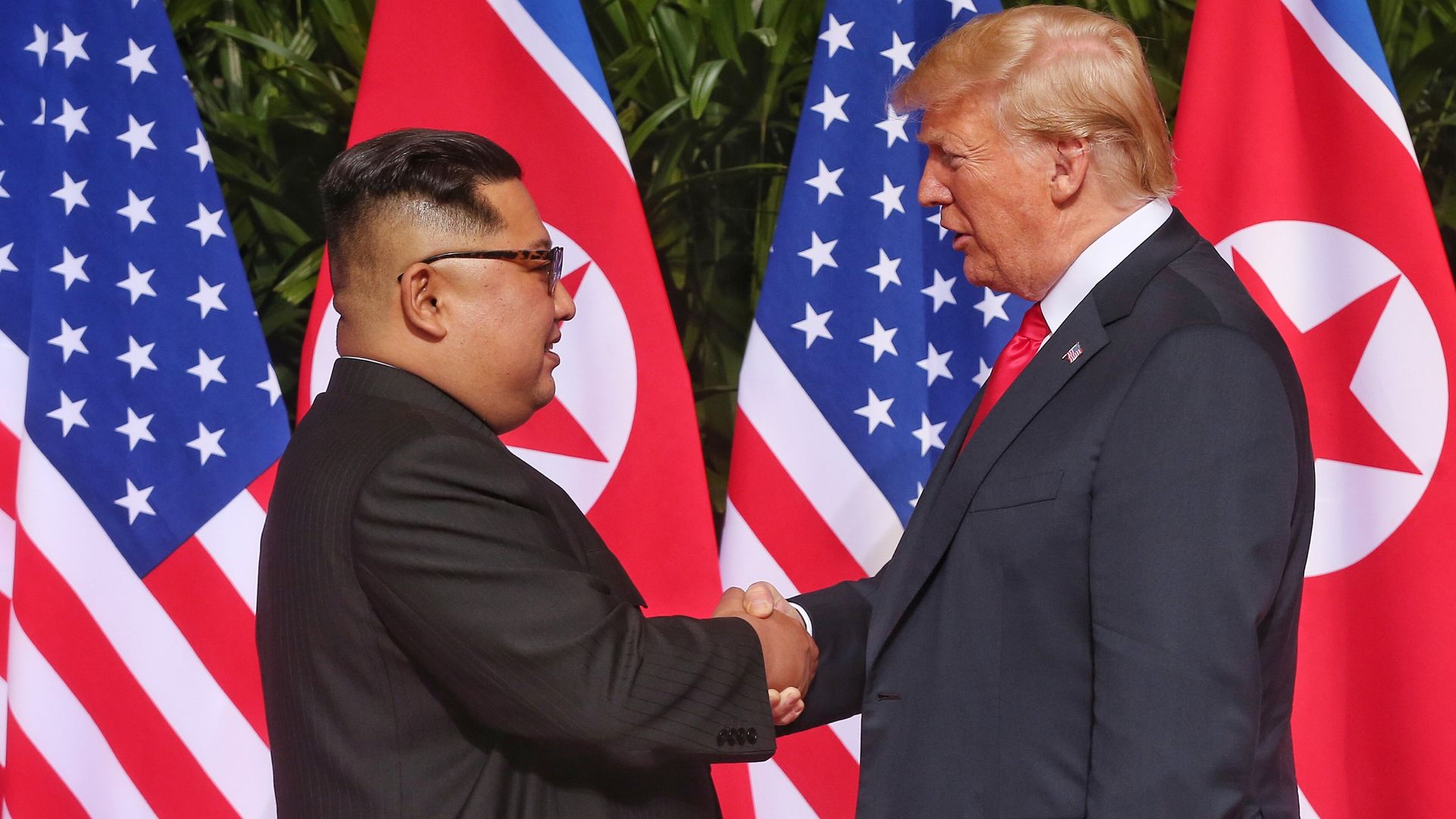
Senior officials at the State Department told CNN that U.S. and North Korean representatives met on Sunday for the first time since last month's summit between President Trump and North Korean leader Kim Jong-un to discuss implementing the agreement signed by both leaders.
The backdrop: President Trump's national security adviser John Bolton said on CBS' "Face the Nation" earlier Sunday that "the overwhelming bulk" of North Korea's nuclear weapons program could be dismantled "within a year" if Kim's regime chooses to cooperate. However, The Washington Post reported on Saturday said U.S. intelligence officials believe that North Korea has no intentions of giving up the entirety of its nuclear weapons cache.
China had a short, whirlwind relationship with Bitcoin before unceremoniously dumping it last September. Now, President Xi Jinping calls the underlying blockchain technology a "breakthrough."
What's going on: Xi is differentiating between cryptocurrencies and blockchain. In his view, Bitcoin and other cryptocurrencies could fuel financial risk and even jeopardize Communist Party authority. But in blockchain, he sees something he cherishes — even greater government control.
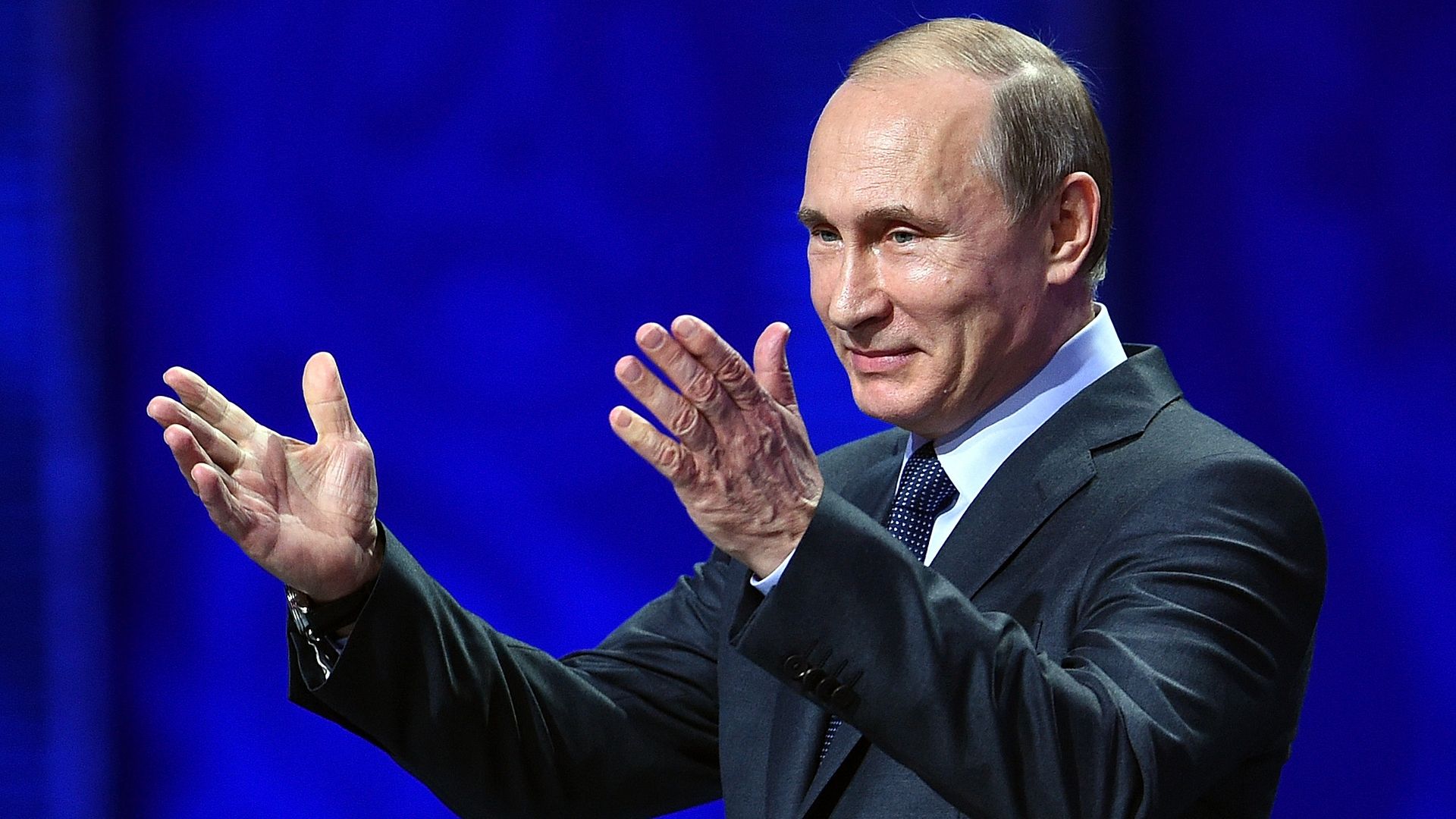
As President Trump prepares to meet Russian President Vladimir Putin, U.S. intelligence agencies are failing to help tech companies inoculate themselves against meddling in the November midterm elections, experts and reports say.
Why it matters: Facebook and other tech companies have said that, while they are working intensely to eliminate their vulnerability to fake and manipulated news, much of it from Russia, they can't guarantee 100% success. This is why any outside advice from intelligence agencies, with their own sources of information, could prove crucial.
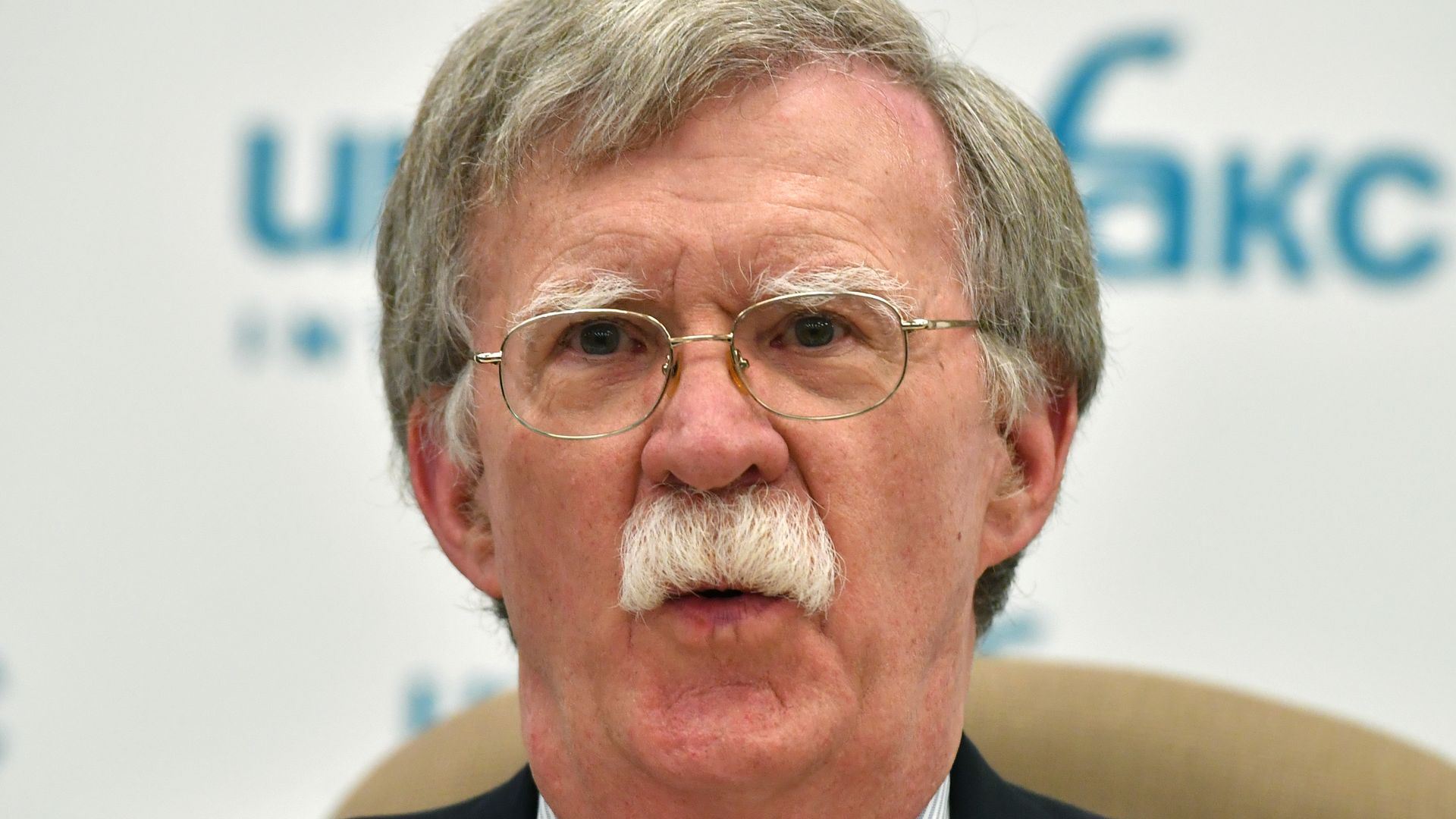
President Trump's national security adviser John Bolton said that "the overwhelming bulk" of North Korea's nuclear weapons program could be dismantled "within a year" if the regime chooses to cooperate during an interview on CBS' "Face the Nation" Sunday morning.
"If they have the strategic decision already made to do that and they’re cooperative, we can move very quickly. Physically we would be able to dismantle the overwhelming bulk of their programs within a year."
Yes, but: The Washington Post reported last night that U.S. intelligence officials believe that "North Korea does not intend to fully surrender its nuclear stockpile, and instead is considering ways to conceal the number of weapons it has."
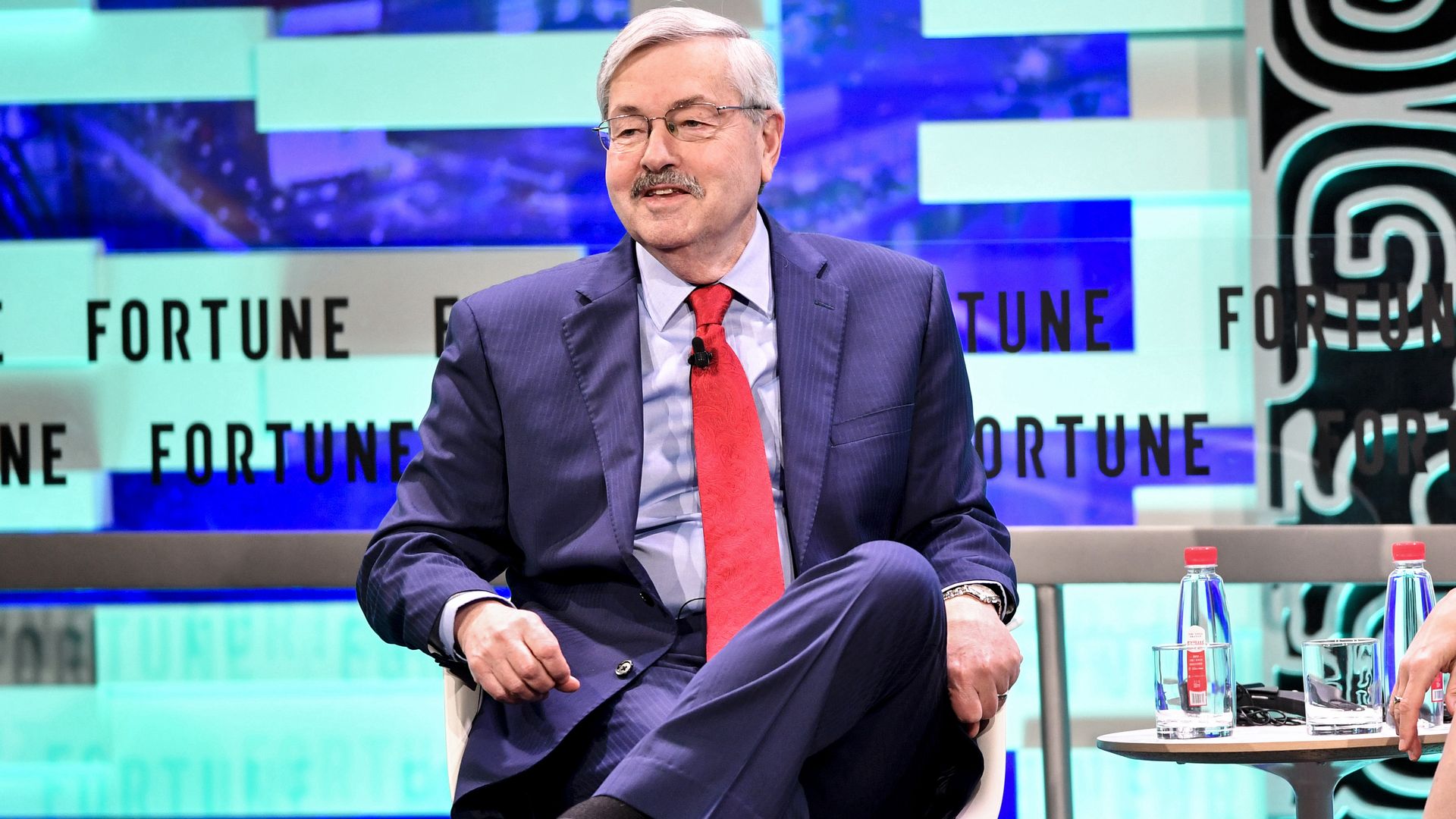
Eric Branstad, son of U.S. Ambassador to China, Terry Branstad, has used his connections to President Trump to improve his business ties in the country, the Wall Street Journal reports.
The big picture: The younger Branstad is a former Trump official, having worked as the U.S. Commerce Department's White House liaison until the beginning of this year. According to the Journal, this isn't technically outlawed by ethics rules, as former U.S. officials have done this before, but it does "raise the appearance of ethical conflicts."
The United States took the top spot in the TOP500, a biannual ranking of the world's fastest computing systems, for the first time since 2012 with the new Summit supercomputer, but it continues to lose ground to China overall.
Why it matters: In an ever-advancing industry, the world's most powerful computers are continually growing stronger and faster — and, in the burgeoning tech war between the U.S. and China, they're a mark of a nation's technical prowess.
North Korea is believed to have increased development of fuel for nuclear weapons at "multiple secret sites in recent months," NBC reports, citing over a dozen U.S. officials familiar with the issue.
Why it matters: This is a contradiction of what President Trump said he and Kim Jong-un agreed on during their summit. Officials tell NBC that North Korea is "positioning itself to extract every concession it can from the Trump administration," while continuing its march toward nuclear weapons.