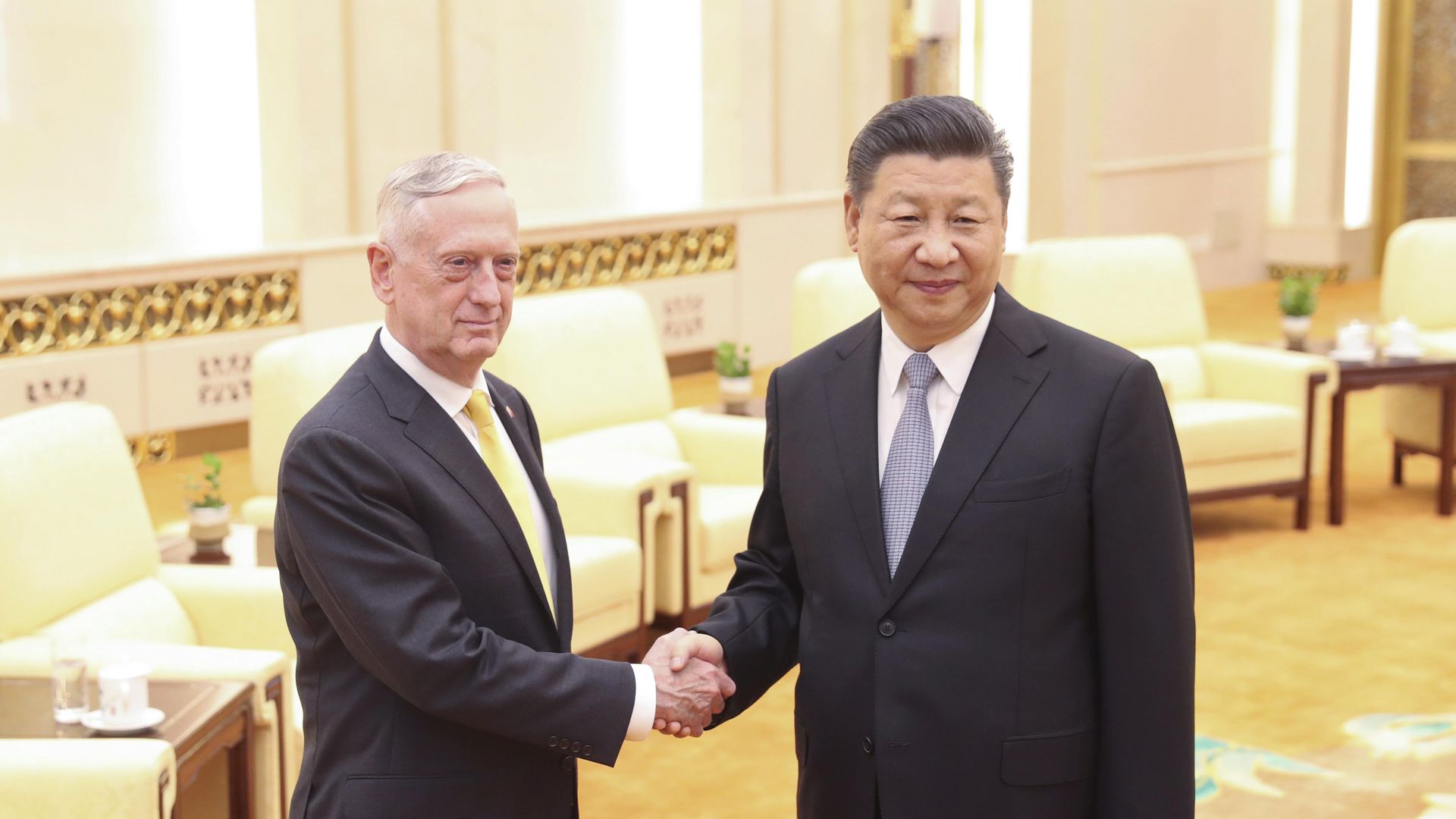
China's militarization of the South China Sea was at the top of Defense Secretary James Mattis' agenda on his trip to Beijing this week, and Chinese state media reports President Xi Jinping told him China will not give up "any inch of territory passed down from ancestors."
Why it matters: The sea is a critical component of China's plan to build a military proportional to its economic power. Beijing has no intention of giving up its claim, while the U.S. has no intention of accepting it.
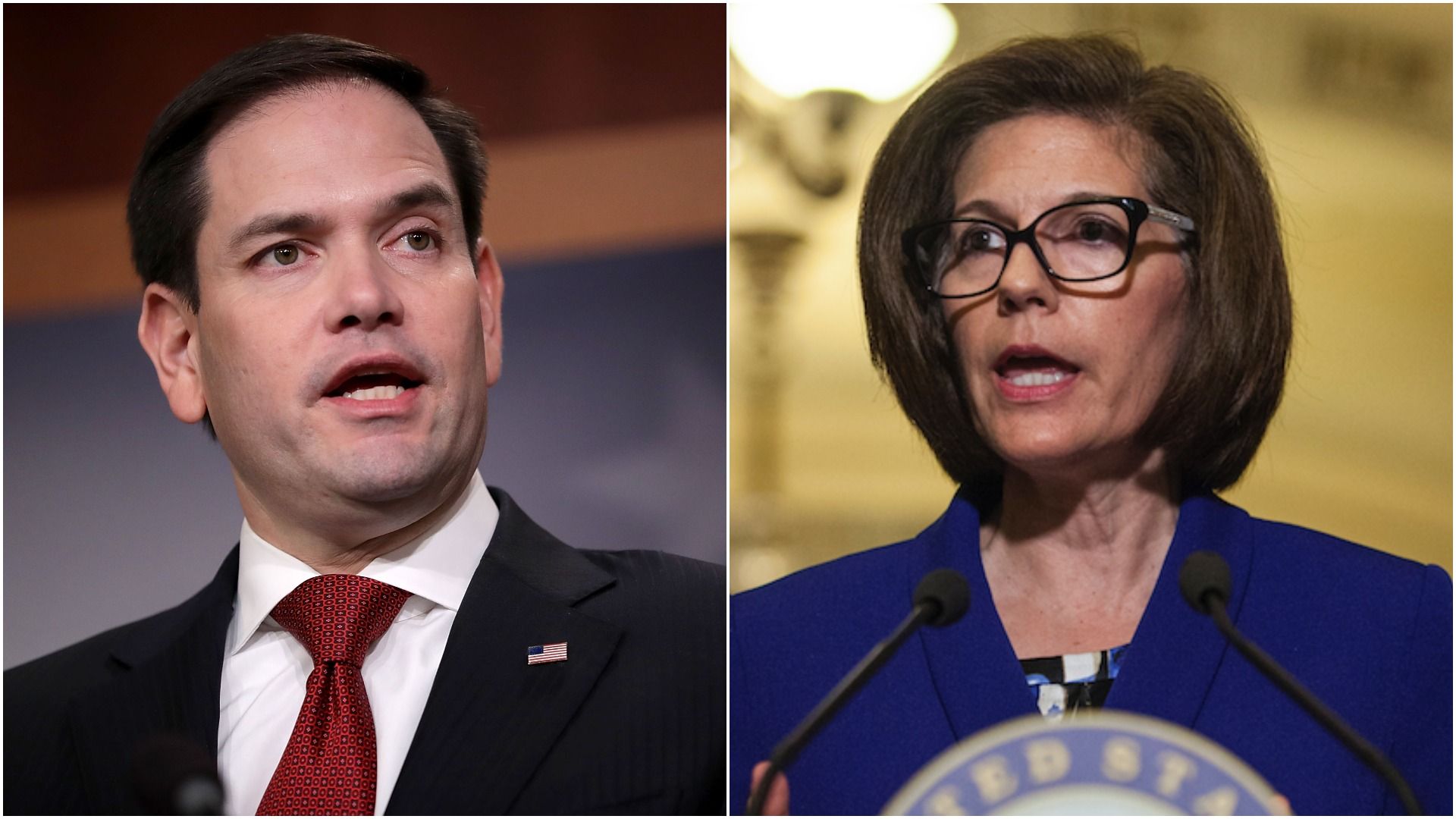
Republican Senator Marco Rubio of Florida and Democratic Senator Catherine Cortez-Masto of Nevada have introduced bipartisan legislation to uncover Chinese political influence campaigns in the U.S. This is the second China-related bill Rubio has introduced in two days.
The big picture: As Chinese President Xi Jinping lays out his vision to take China to superpower status, Congress is accelerating its campaign against Beijing. Just this month, lawmakers have passed legislation punishing Chinese phone maker ZTE, and they're pursuing increased review of foreign investment in U.S. tech.
Israeli defense forces chief of staff, Major General Gadi Eizenkot, arrived in Washington today for an urgent meeting with the chairman of the Joint Chiefs of Staff, General Joseph Dunford, to discuss the situation in Syria and the efforts to push Iranian forces out of the country.
Why it matters: As the Syrian army, backed by Russian forces and pro-Iranian militias, is moving forward with its operation to take over rebel strongholds in southern Syria, Israel is also expanding its military and diplomatic efforts to remove Iranian forces from Syria. The Iranian presence in Syria, and the future settlement in the country, will be one of the main issues in the planned summit between President Trump and Russian President Putin in Helsinki on July 16th.
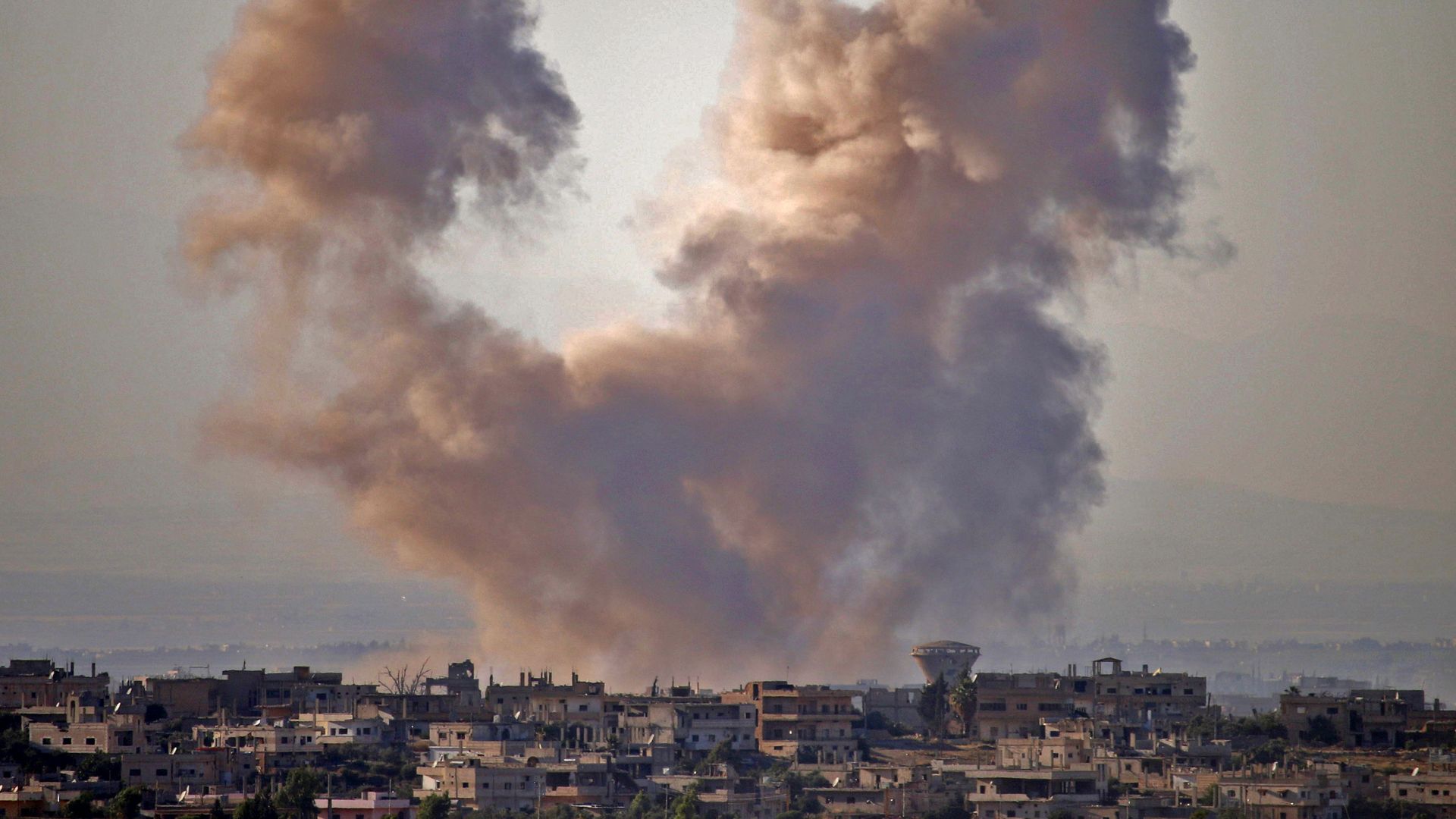
The Assad regime last weekend launched an offensive into southwest Syria aimed at dividing opposition forces in Daraa province and reasserting government control over the region.
Why it matters: The regime campaign, backed by Russian airpower, has already displaced at least 45,000 civilians — many seeking shelter along Jordan's closed border — and that number could soon reach 200,000. The UN has warned that a full-scale offensive could put as many as 750,000 lives at risk and prove as bloody as the sieges of “eastern Aleppo and eastern Ghouta combined" (which included the use of chemical weapons).
Chinese President Xi Jinping told Defense Secretary James Mattis in Beijing that China will not give up "any inch of territory passed down from ancestors," reports Xinhua, China's state-run news agency.
Why it matters: The core issue on the table during Mattis' visit is China's expansion into disputed territory in the South China Sea, where it has accelerated efforts to militarize despite the West's objections. As the trade fight between Washington and Beijing escalates, China's military expansion raises the stakes of conflict with the U.S.
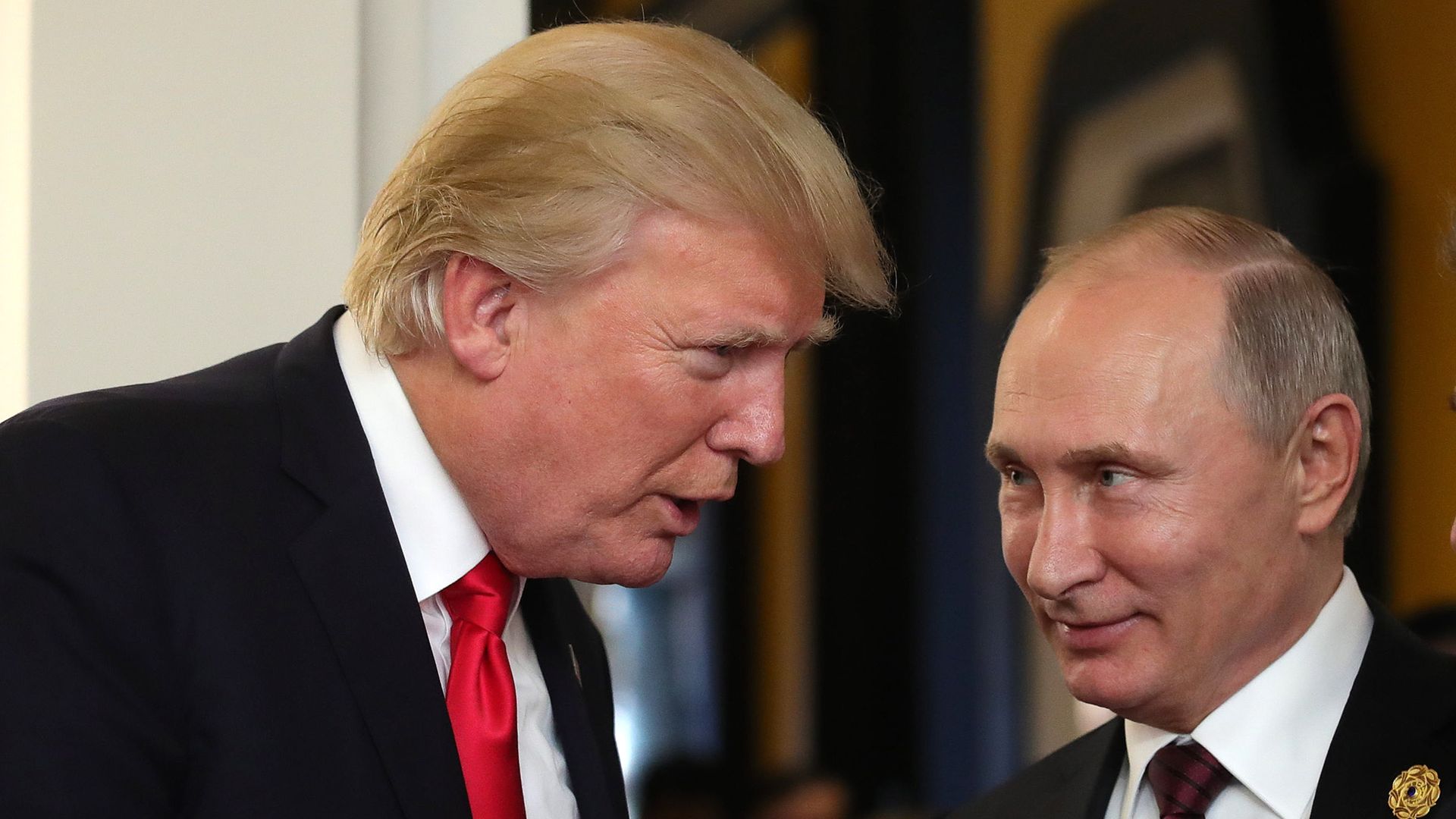
The White House announced has announced details of the Trump-Putin summit:
President Donald J. Trump and President Vladimir Putin of the Russian Federation will meet on July 16, 2018, in Helsinki, Finland. The two leaders will discuss relations between the United States and Russia and a range of national security issues.
The backdrop: The meeting will take place shortly after the NATO summit in Brussels on July 11 and 12th. Senior officials from four NATO member nations told Axios' Jonathan Swan their worst fear is that Trump clashes with America's allies at the NATO summit and then lavishes praise on Putin.
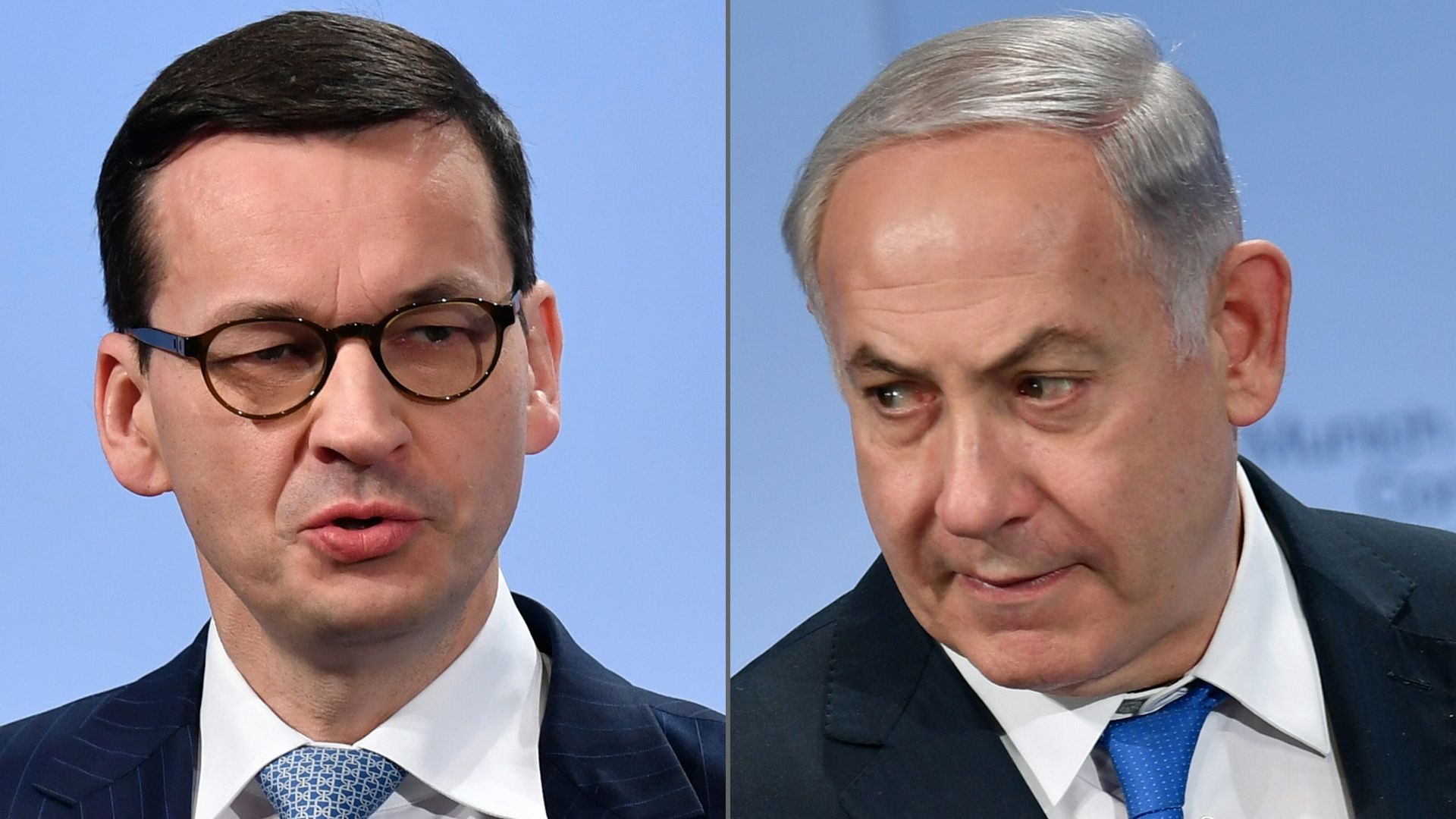
Secret backchannel talks between Israel and Poland, which began several months ago, led to the Polish parliament's decision today to amend a controversial "Holocaust law".
Why it matters: The law, passed in January, carried penalties of up to three years in prison for people who attribute crimes committed during the Holocaust to Poland. The bill was denounced worldwide, most vocally in Israel, Germany and the U.S., and created a deep crisis between Israel and Poland — staunch allies until then. As I reported in April, the Trump administration pressured Poland to amend the bill and pressured Israel to mend relations with the government in Warsaw.
Silicon Valley is still king when it comes to startups, but Chinese cities like Beijing and Shanghai are quickly catching up — with Beijing reaching more than half of Silicon Valley's funding in 2018, according to new data from CB Insights.
Why it matters: China is a huge market, so it's not surprise its local startups are fast growing and raising buckets of capital. But the country's increasing ambitions to become a tech superpower is sure to boost this trend.
President Trump's decision to pull the U.S. out of the Trans-Pacific Partnership, on his third day in office, set the stage for many of the country's current trade disputes.
The big picture: Trump's TPP withdrawal enabled spats with allies and created a vacuum that China was positioned to fill.