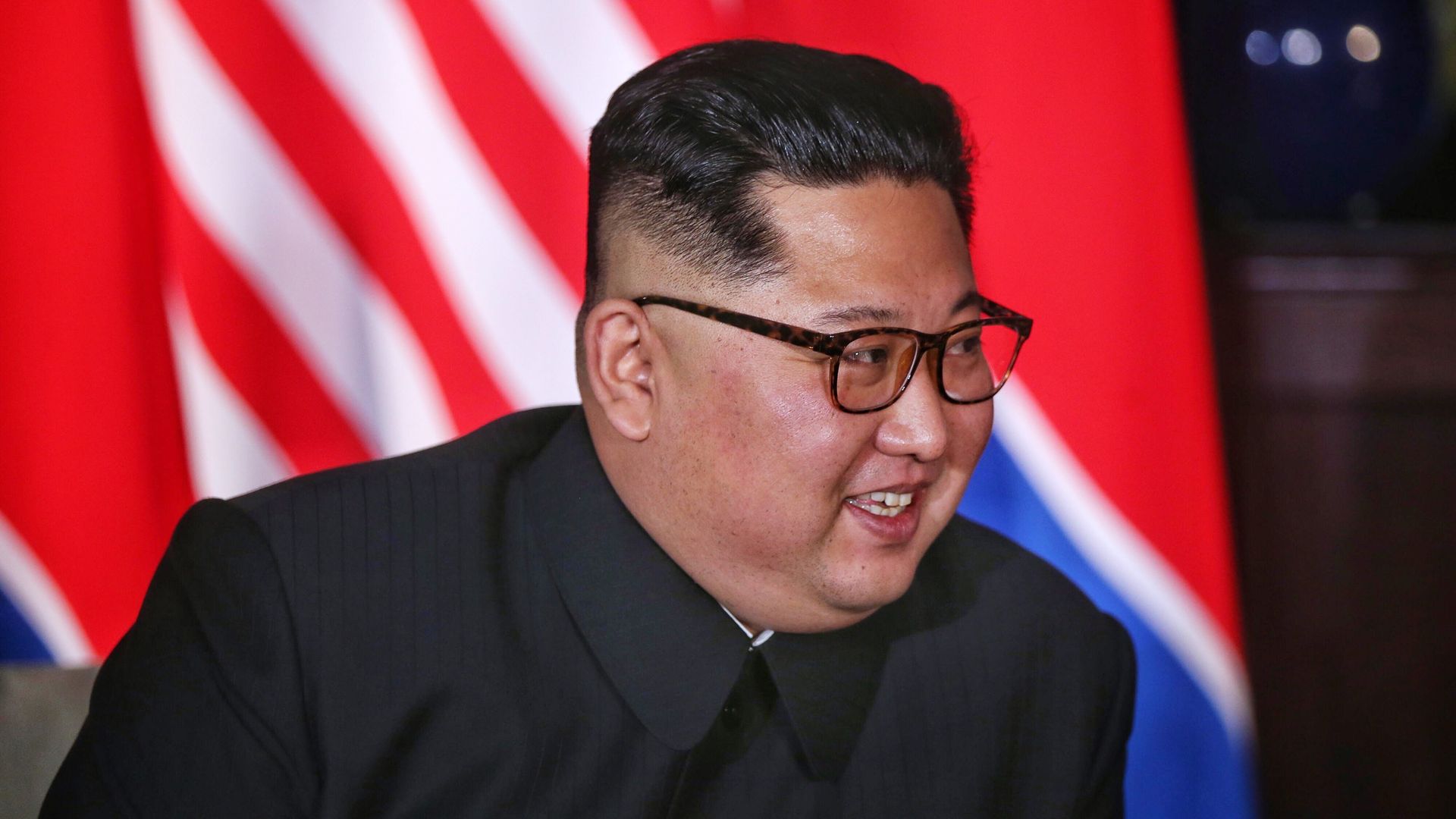
19% of Republicans view Kim Jong-un favorably, while just 17% have a favorable view of House Minority Leader Nancy Pelosi, according to a new poll from Ipsos and The Daily Beast.
Why it matters: While it's just one poll, it stands as an example of the current hyper-partisan state of American politics — where an extended career and continued partisan attacks can severely damage a major figure's public perception. In addition, it highlights the effect that President Trump's non-traditional diplomacy can have on public opinion.
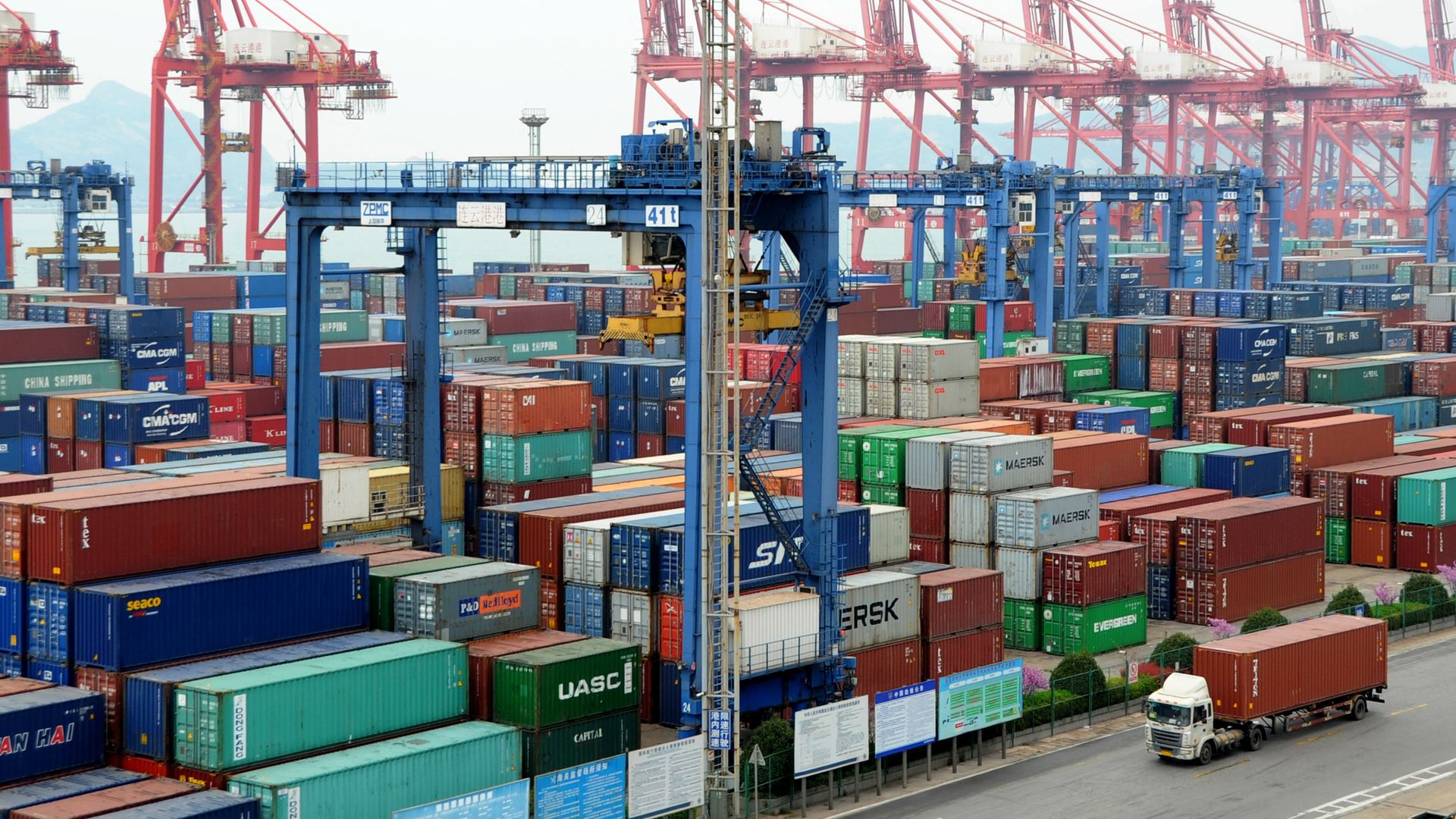
The big picture: The goods affected are mainly agriculture and energy commodities that employ rural parts of the U.S., with crude oil, coal producers, and farmers being hit the hardest.
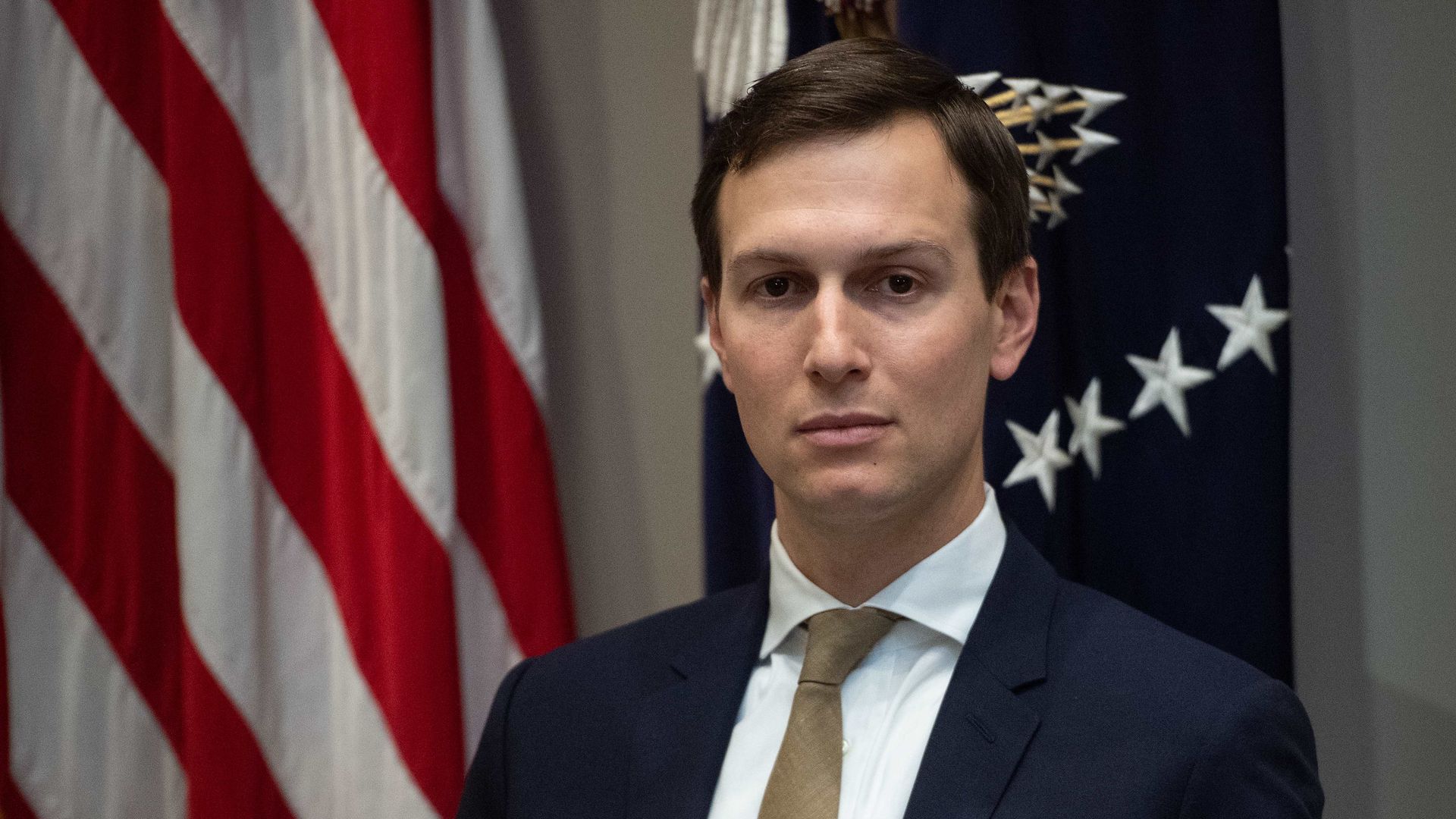
A Singapore-based American businessman with connections to the North Korean government attempted to use President Trump’s son-in-law and senior advisor, Jared Kushner, to create a back channel between the White House and North Korean leader Kim Jong-un, which played a part in the leaders' historic meeting in Singapore, The New York Times reports.
The details: Sources told The Times that Kushner didn’t play a direct role in back-channel negotiations with North Korean officials. Instead, he referred the financier, Gabriel Schulze, to then-CIA Director Mike Pompeo and requested that the agency take the lead. The Times notes that Kushner and then-Secretary of State Rex Tillerson had a tense relationship.
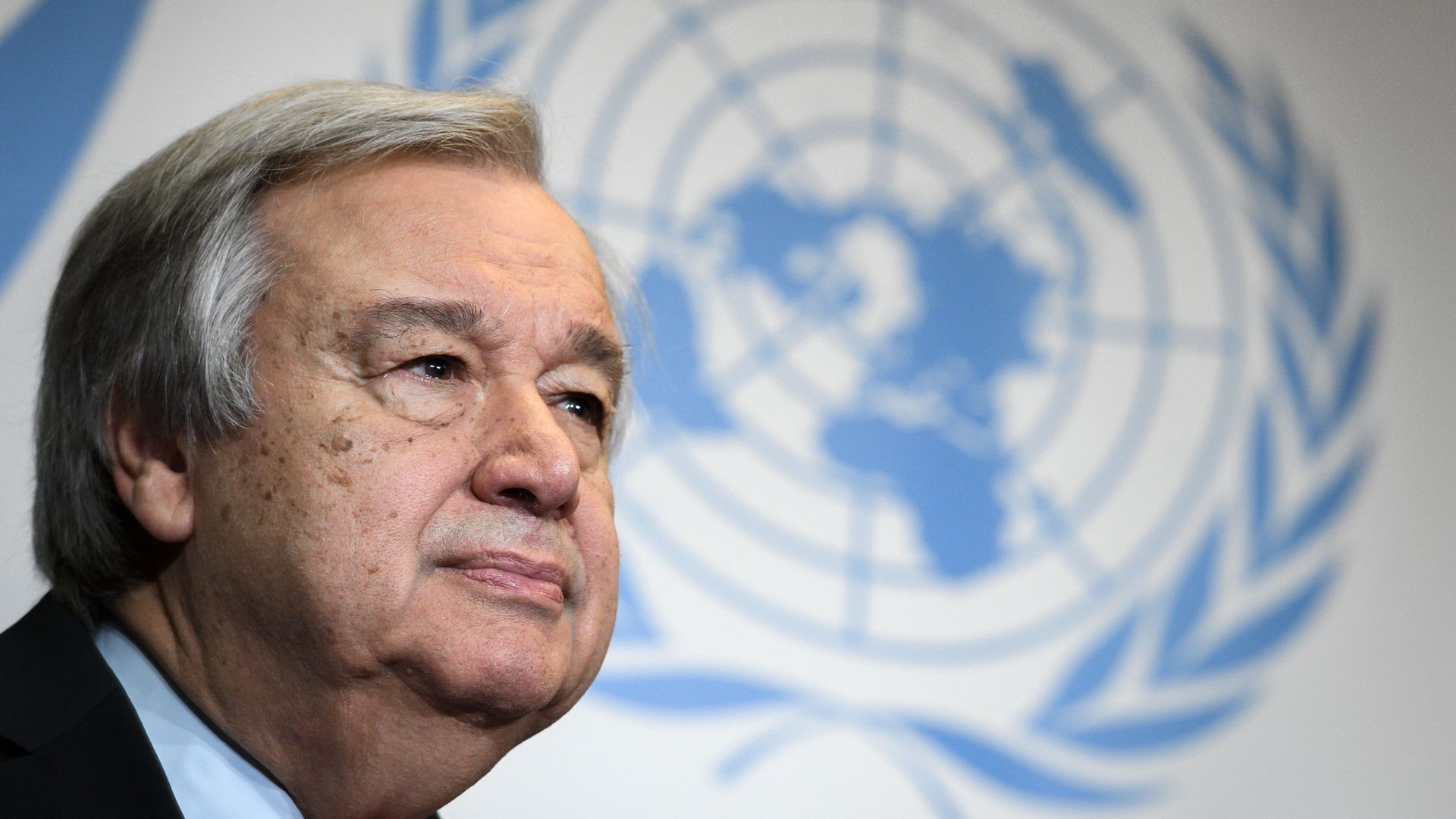
A new report by UN Secretary-General Antonio Guterres set to be published later this week sounds the alarm about the harsh humanitarian crisis in Gaza and warns of a new war between Israel and Hamas.
The big picture: The report was a byproduct of UN Security Council Resolution 2334 on the Israeli settlements which passed on December 2016 after the Obama administration decided not to veto it. Together with the Israeli government, the Trump transition team and the then-president-elect tried to prevent the resolution from passing.
When Chinese investment in U.S. companies plunged by 83% last year, it was the result of Beijing's crackdown on capital. But it also reflected a reckoning for four Chinese titans who Beijing cut down to size, according to new research.
What's going on: Since 2008, Chinese investors have poured $122 billion into U.S. companies. Half of that — $55.8 billion — was in 2016. But last year, investment plunged to just $9.1 billion.
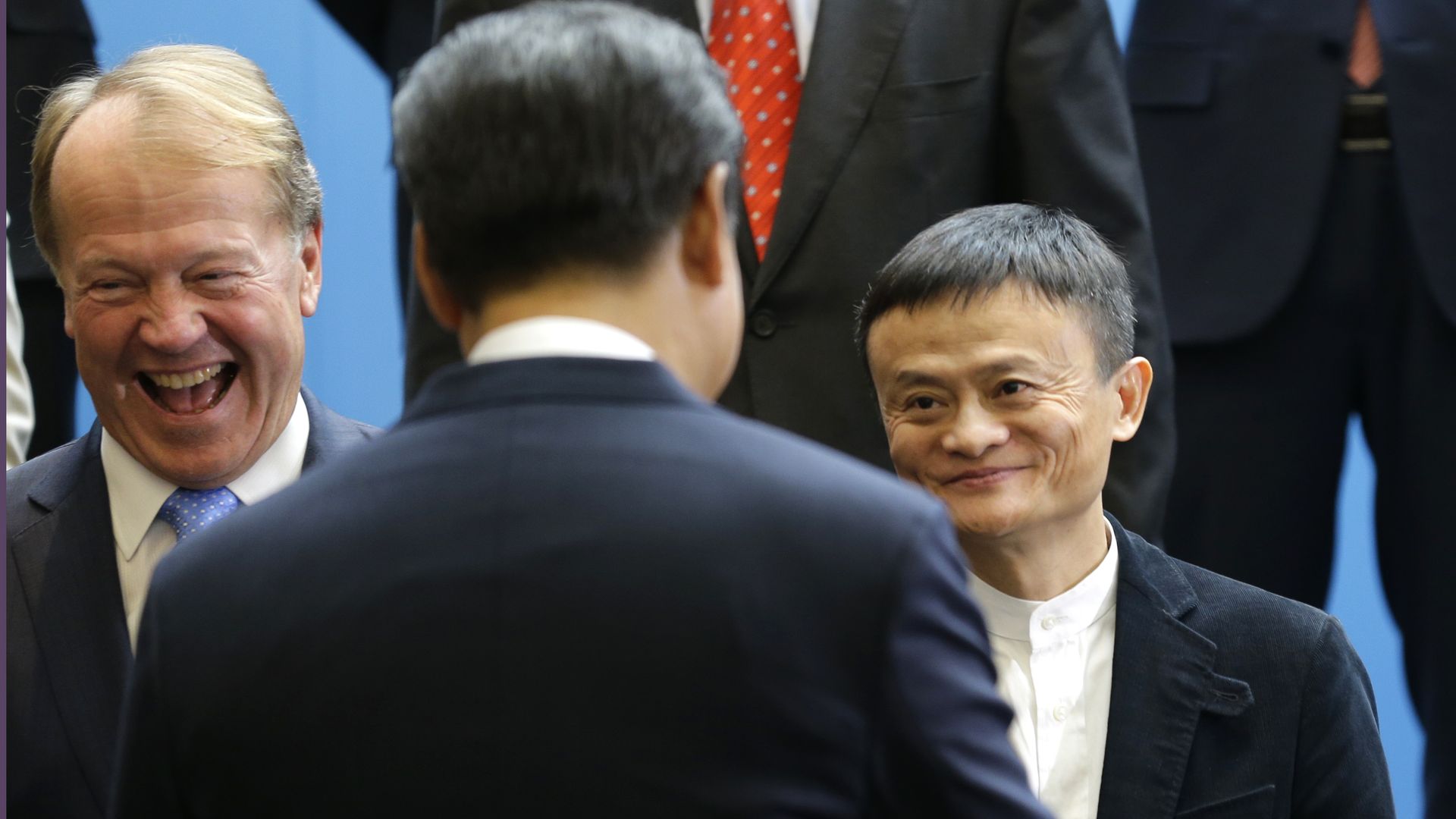
The culture of consumerism tracks back to 18th century Europe. Back then, it was all about fun and acquiring novelties from faraway places. Now, it's China's turn, but in its case, Beijing has woven consumerism into state policy — it's how President Xi Jinping has plotted to take the country to the next stage economically and geopolitically.
What's going on: Big Chinese tech companies are expected to play a larger role in society than the U.S. champions — Apple, Amazon, Google, Facebook and Microsoft, which carry American technology globally but are purely private. If they want to keep operating, especially at their scale, Alibaba, Baidu and Tencent — known as BAT — must conform to effective political regulation.
A central feature of the future seems likely to be intolerance for the ticking second. That's according to JD.com, the Chinese e-commerce giant, which promises astonishing package delivery time.
By the numbers: The company says it makes 90% of Chinese deliveries within 24 hours, though 57% arrive within 12 hours — and you can also schedule delivery within 30 minutes. Even 85% of goods shipped from abroad are delivered in a day.
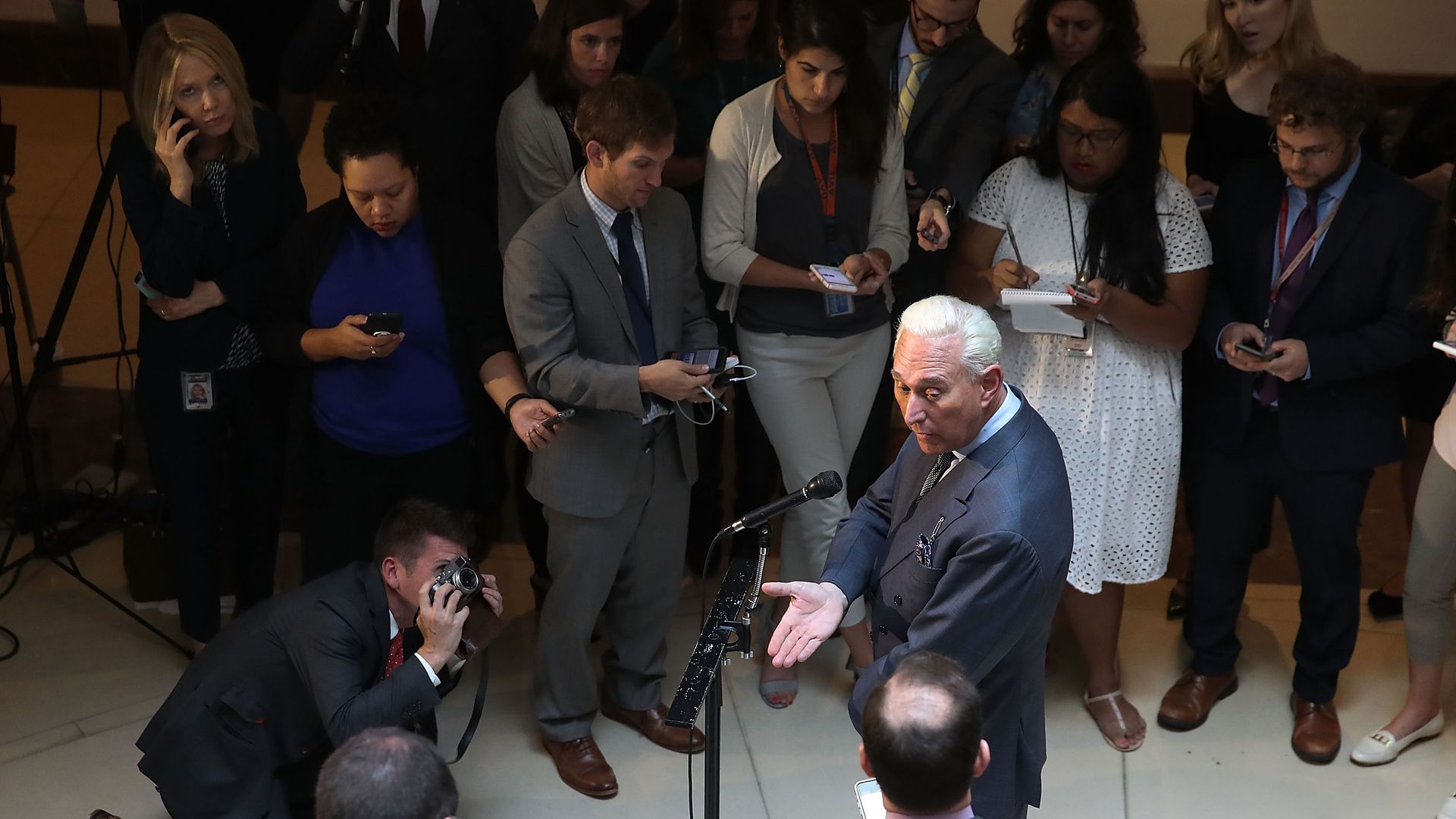
Political operative Roger Stone met with a Russian national, who called himself Henry Greenberg and claimed to have damaging information about Hillary Clinton, in May 2016 in Florida, reports the Washington Post.
Why it matters: It's a meeting Stone did not disclose to congressional investigators when they met with him last year, and the interaction is now on Special Counsel Robert Mueller's radar.
President Trump tweeted a defense of his summit with North Korean leader Kim Jong-un on Sunday morning, claiming that he received "so much for peace in the world" and teasing that "more is being added in finals."
The big picture: Experts believe that U.S. made a significant concession by agreeing to cancel its joint military exercises with South Korea at the summit, while North Korea didn't give up much of anything.