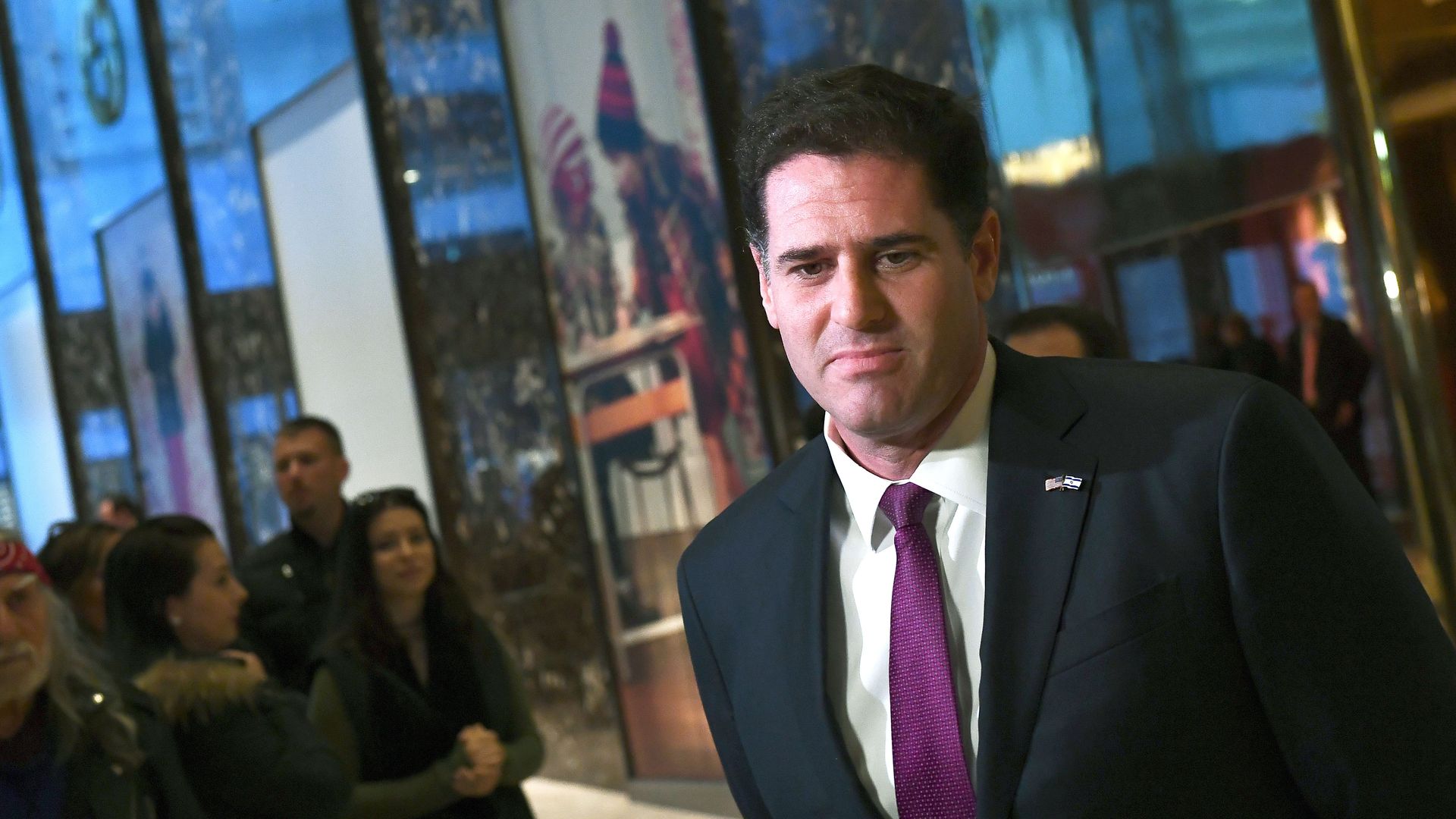
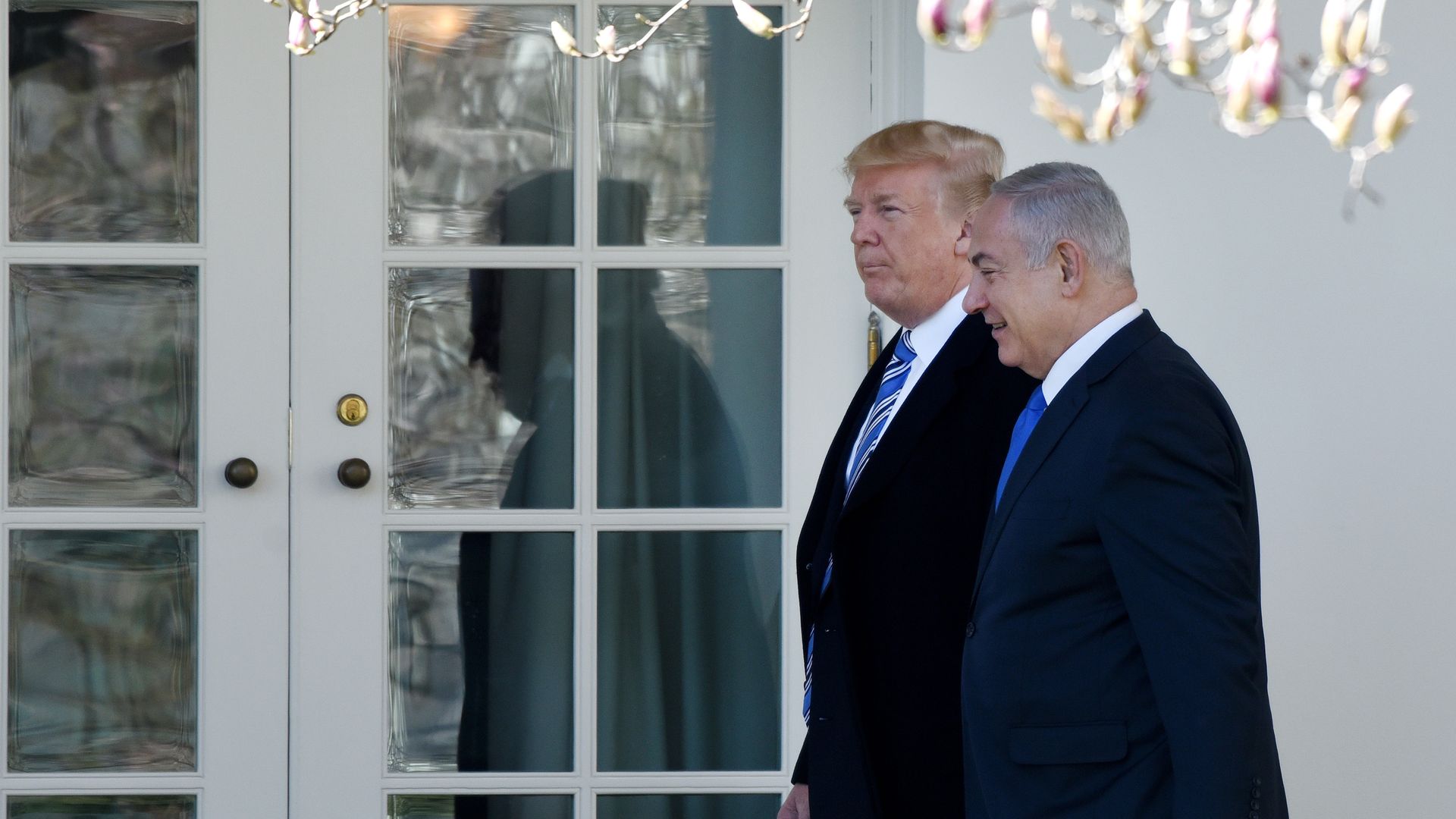
Israeli Prime Minister Benjamin Netanyahu has decided, in a unorthodox move, to extend the term of Israel's ambassador to Washington Ron Dermer by another year.
Why it matters: Dermer is the most politically oriented ambassador Israel has ever had in Washington and is perceived as being totally affiliated with the GOP. He is the closest adviser Netanyahu has, other than his wife and his son, and among the most influential foreign diplomats in Washington.
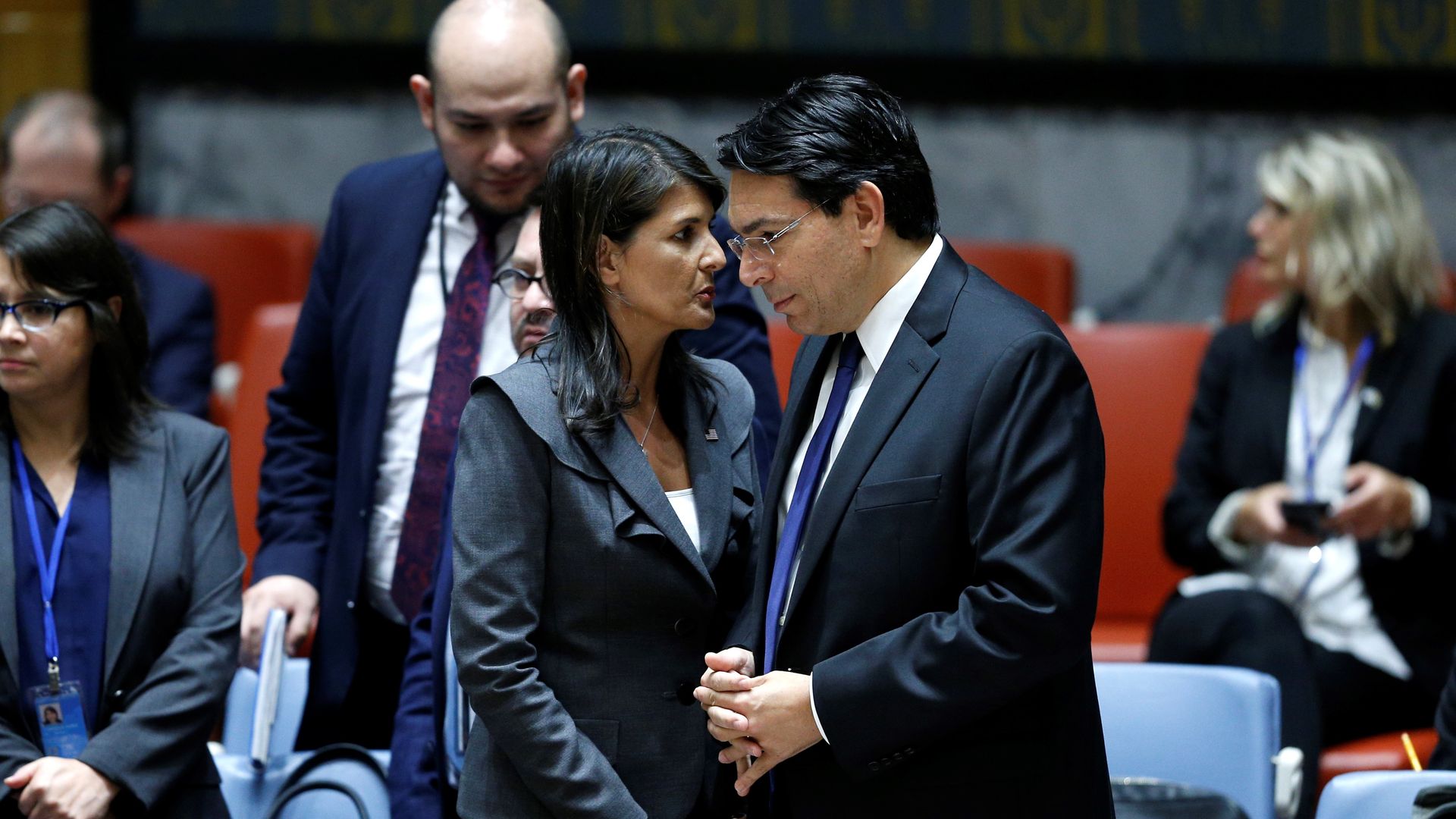
Israeli foreign ministry officials tell me they are concerned that U.S. withdrawal from the UN human rights council will make it harder to block anti-Israeli initiatives on the council. The officials say that even though they feel the council is extremely biased against Israel, U.S. membership helped to soften or fend off some anti-Israeli steps.
Why it matters: Secretary of State Mike Pompeo and UN Ambassador Nikki Haley said in their announcement yesterday that one of the reasons for the U.S. withdrawal was the council's bias against Israel. Yesterday, Prime Minister Netanyahu welcomed the U.S. announcement and called the decision "a courageous decision against the hypocrisy and the lies of the so-called UN Human Rights Council."
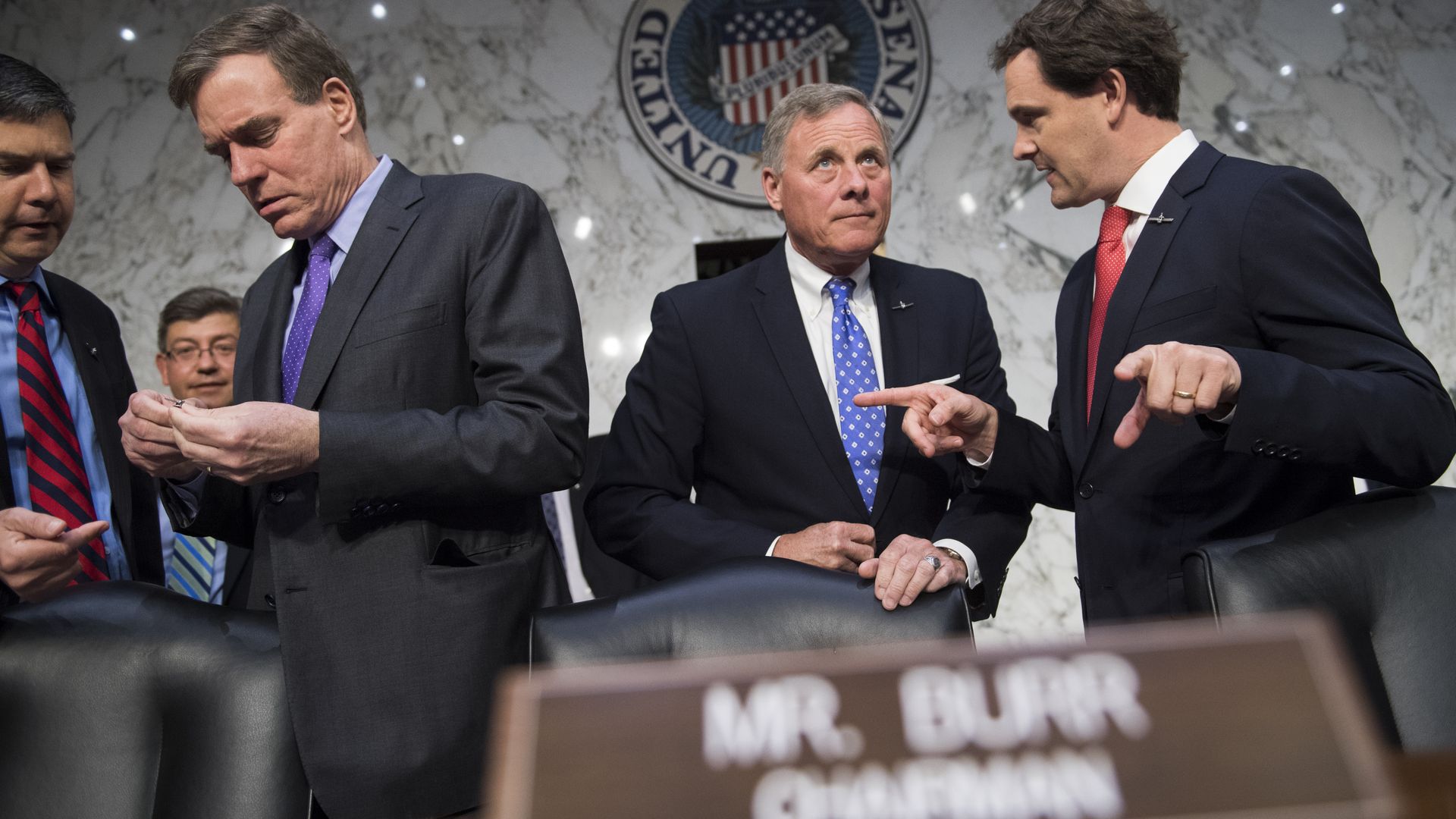
Senate Intelligence Committee Chair Richard Burr (R-N.C.) called the committee's Wednesday hearing on policy responses to Russian interference in the 2016 presidential election the first of several "capstone" events to finalize a committee report on the Obama administration's actions at the time.
What they're saying: "The committee is ready to finalize our assessment of the Obama administration's response to Russian interference, and today's hearing will be the first of several capstone events." He told reporters the assessment was "pretty close" on Tuesday, per Politico.
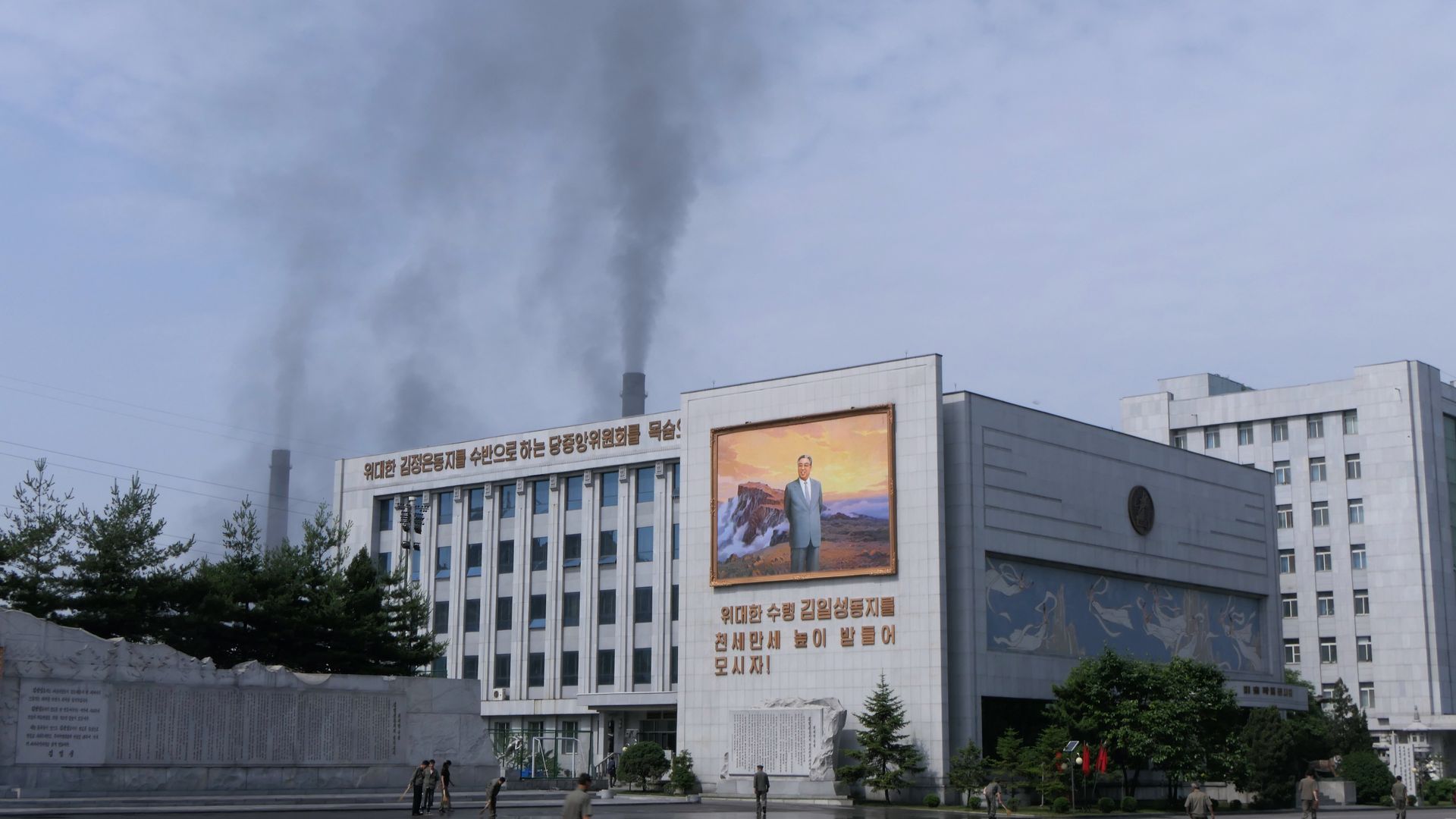
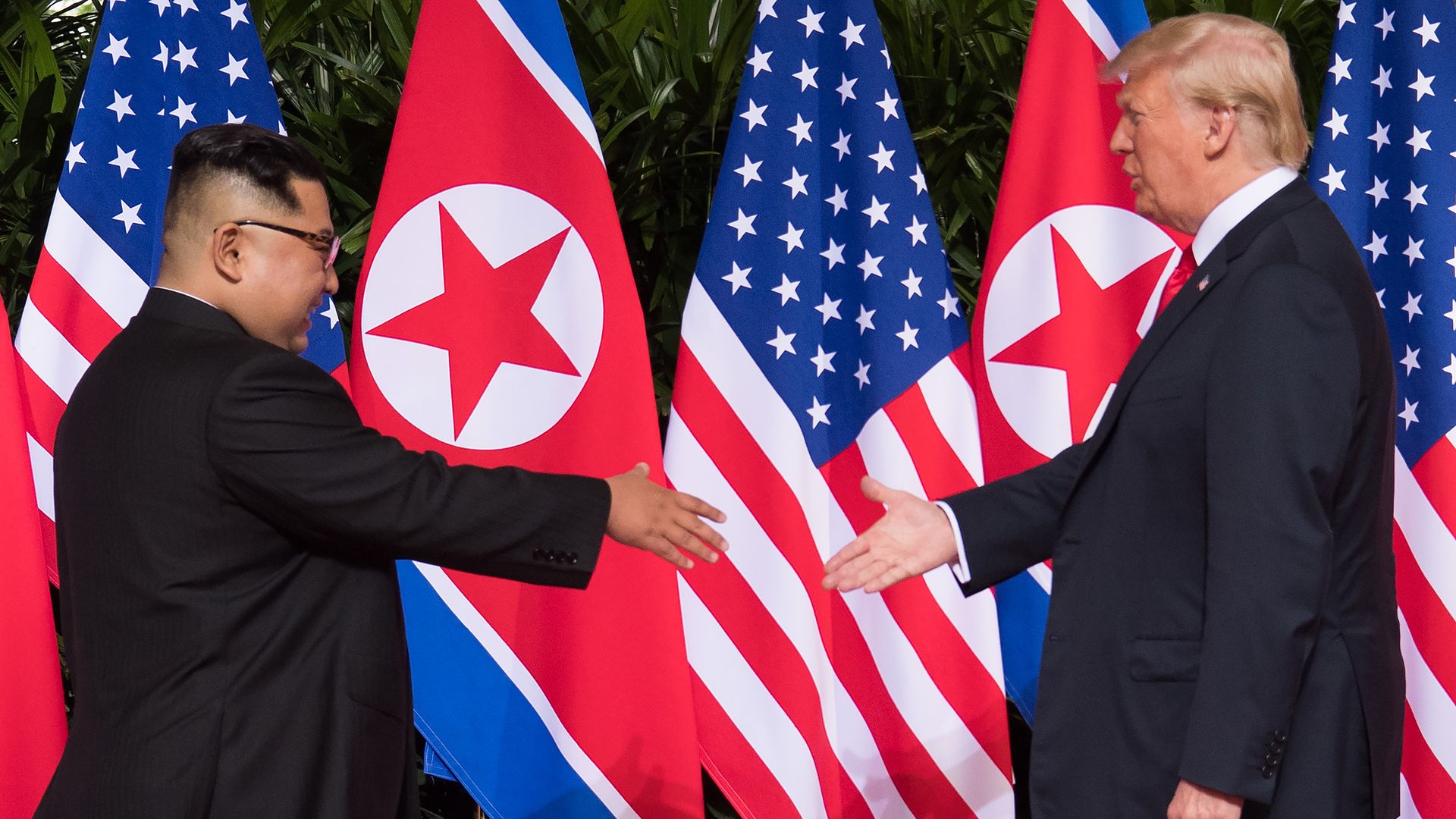
The June 12 summit between President Trump and North Korean Leader Kim Jong-un offered little visibility on the path ahead for U.S.–North Korea relations. But behind the scenes, particularly in South Korea, there is great interest in using energy as a key incentive to nudge Pyongyang toward further concessions.
The big picture: The U.S. already has an active energy dialogue with South Korea, with imports of U.S. liquefied natural gas and crude growing dramatically. For North Korea, which has only minimal refining capacity and lacks domestic fossil fuel production, U.S. gasoline, diesel and propane would be an attractive asset.
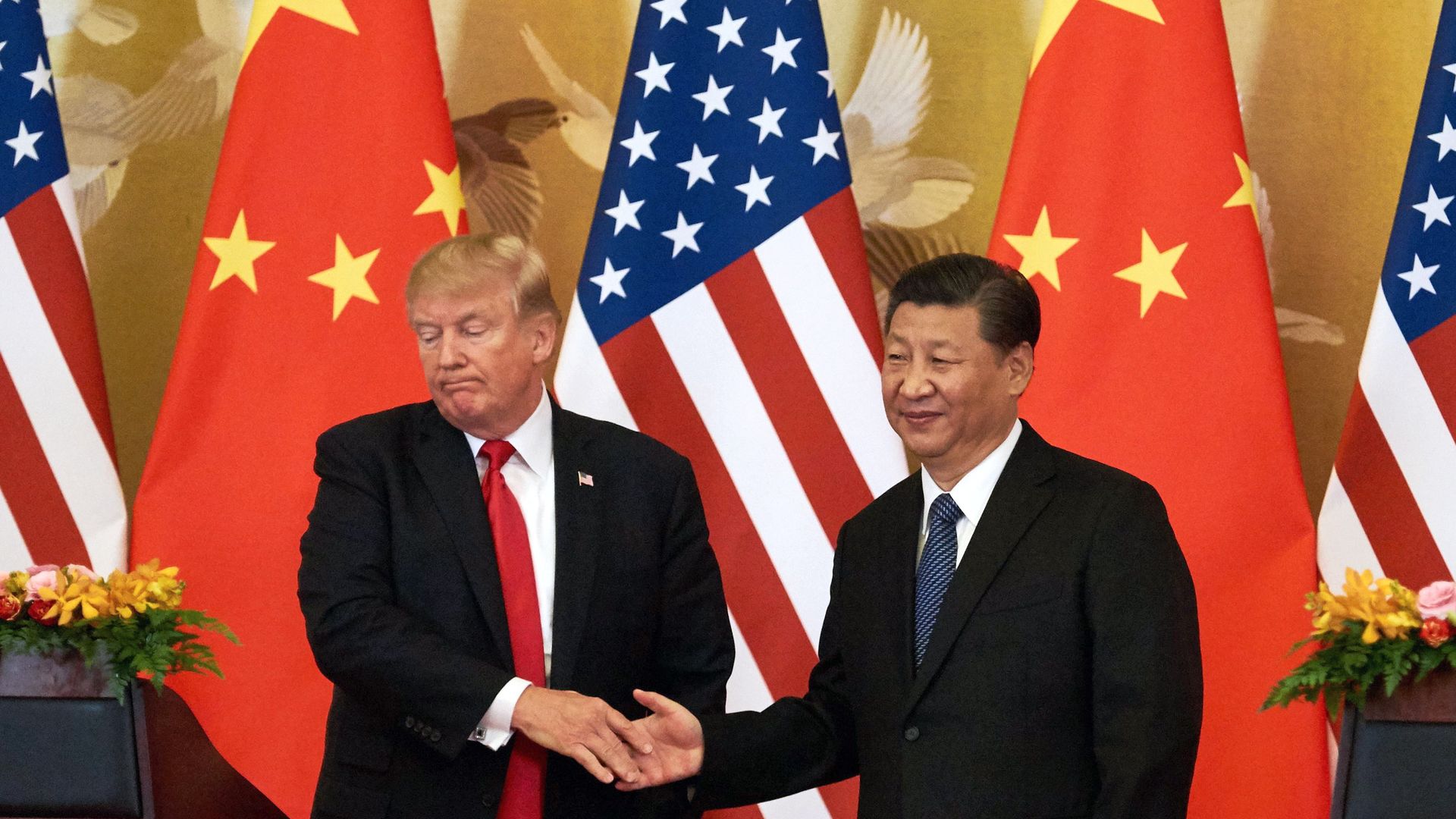
What to expect: China has said it will hit back with its own tariffs, as it has done before. If that happens, Trump said in last night's announcement that he wants to identify another $200 billion of Chinese exports to tax. That would total $450 billion in Chinese exports. China exported $505 billion to the U.S. in 2017, so the U.S. would nearly run out of exports to tax. The U.S. exported about $130 billion to China last year.
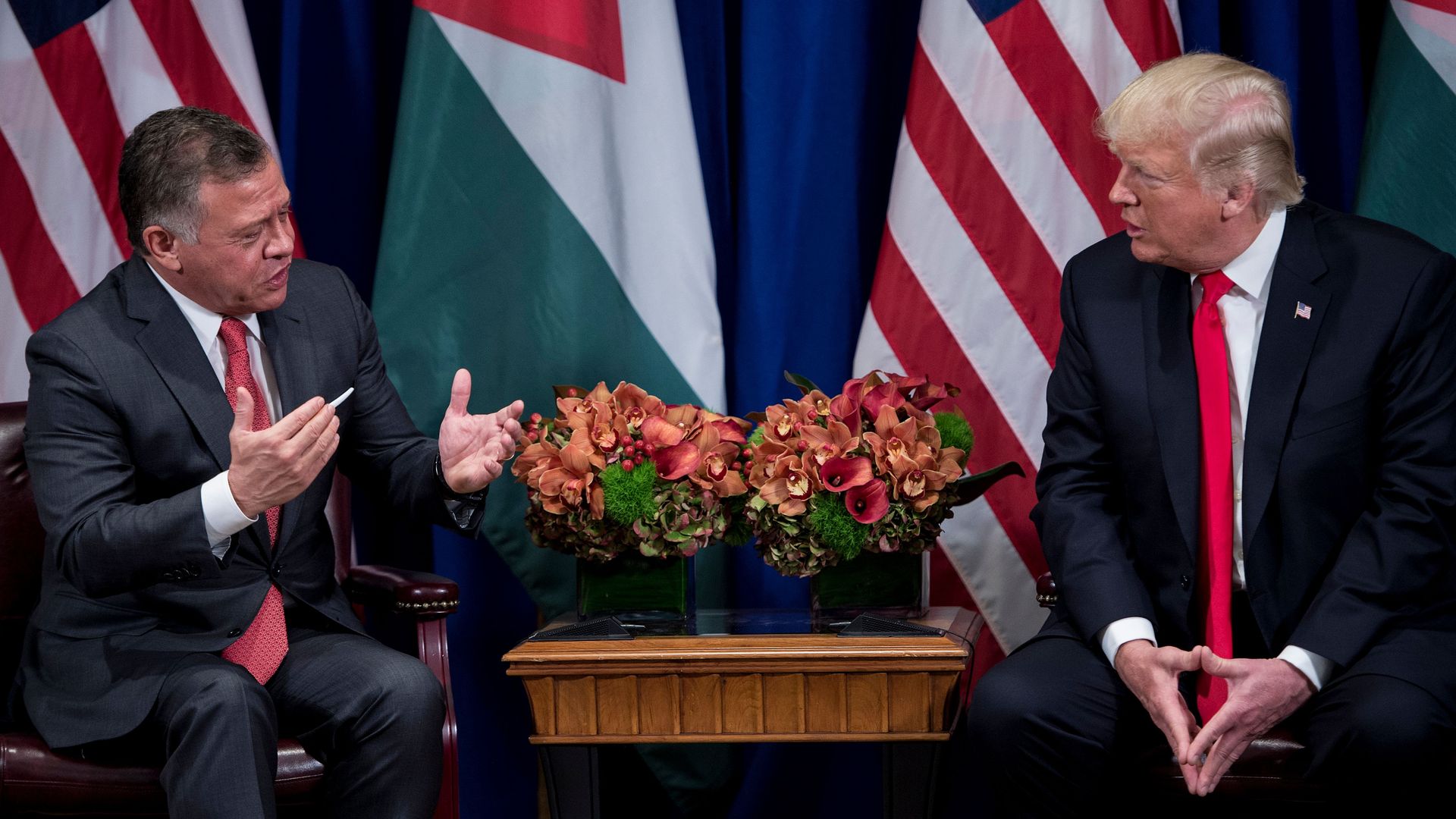
The White House "Peace team" — senior advisor Jared Kushner and special envoy Jason Greenblatt — met with King Abdullah of Jordan today in Amman and discussed the Trump administration's Middle East peace plan.
What to watch: After Amman, Kushner and Greenblatt are expected to visit Cairo, Riyadh, Doha and Jerusalem. Senior U.S. officials said one of their aims is to listen to ideas from regional players regarding the contents and the timing of the peace plan. Kushner and Greenblatt will not go to Ramallah because Palestinian leadership refuses to engage with them.
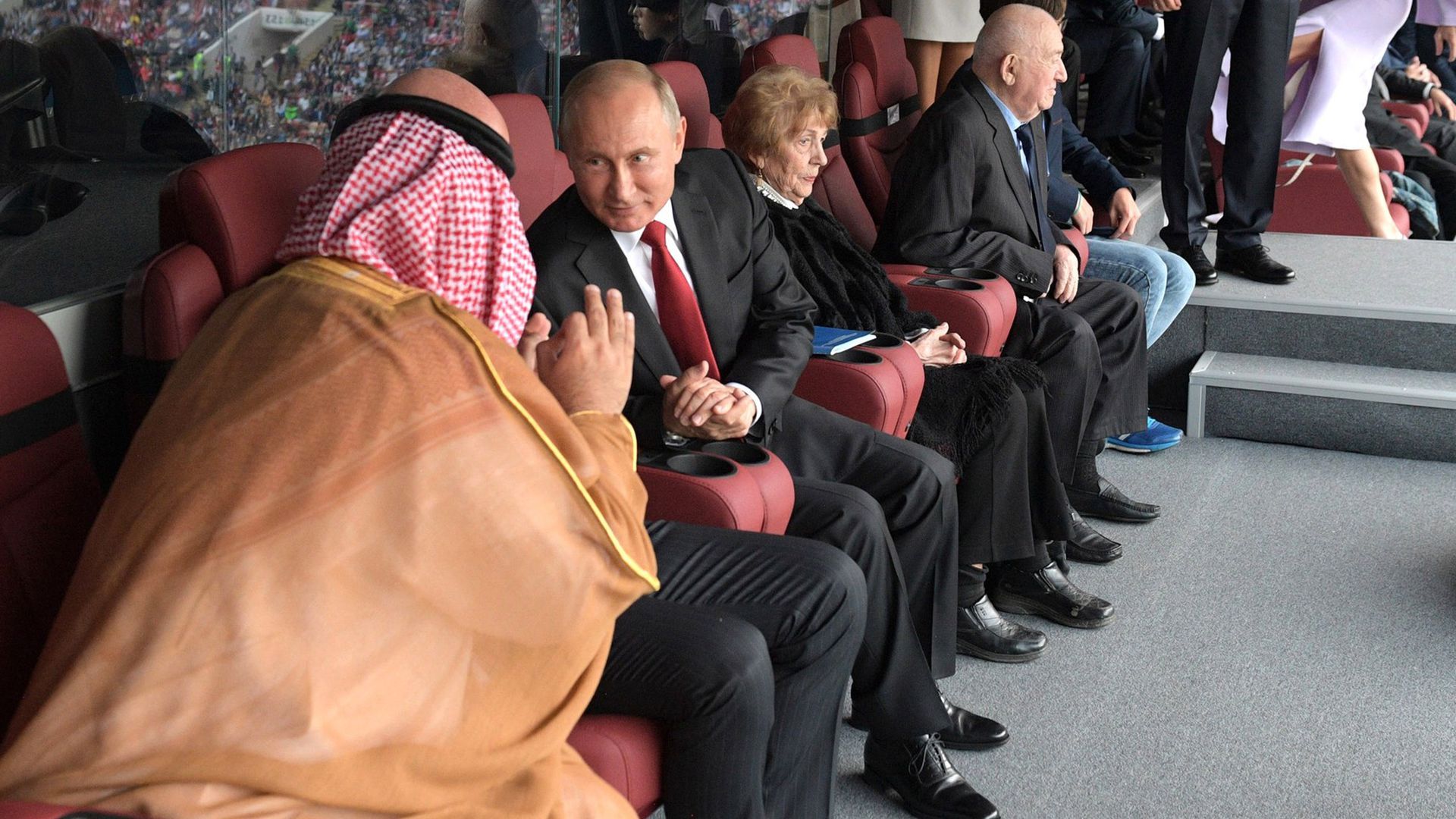
The outcome of this week's OPEC meeting in Vienna is "pivotal" for the future of the Saudi-Russian alliance — and by extension the broader OPEC/non-OPEC group — says smart cartel-watcher Ellen Wald, the president of Transversal Consulting.
Crystal ball: Wald predicts the meeting will yield plans for a production boost in the 300,000 to 600,000 barrel per day range. But it's not clear whether that will come from a firm agreement or relaxed compliance among producers — notably the Saudis, Russia, UAE and some others — with spare capacity.
"How Trump and Three Other U.S. Presidents Protected Israel’s Worst-Kept Secret: Its Nuclear Arsenal," by The New Yorker's Adam Entous is worthy of your time.
The big picture: Presidents Clinton, Bush, Obama and Trump continued the policy started in 1969 by President Richard Nixon by signing versions of a secret letter "concerning a subject the Israelis had promised the Americans never to discuss publicly — Israel’s undeclared nuclear arsenal."
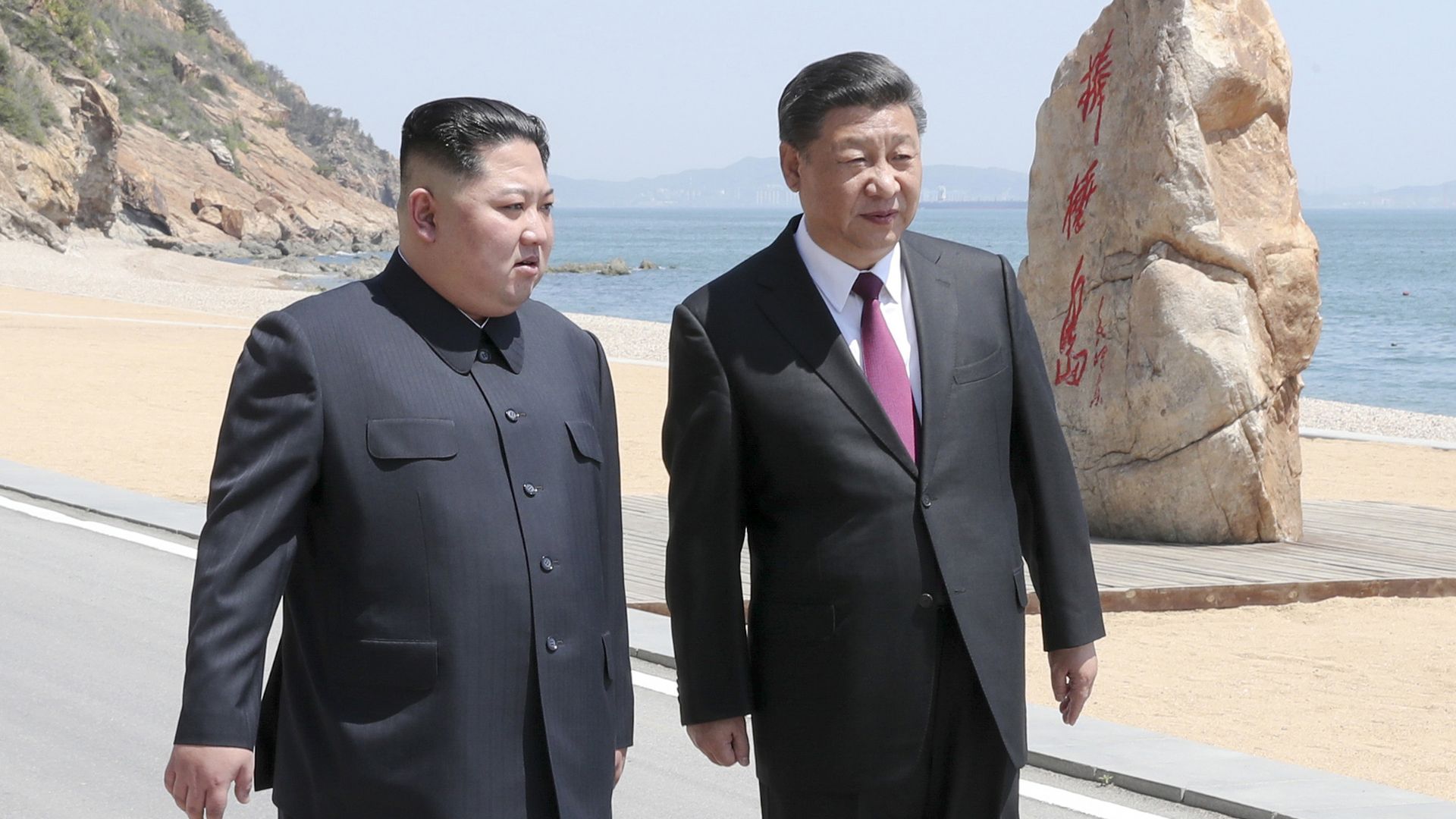
North Korean leader Kim Jong-un will begin a two-day visit to China on Tuesday, Chinese state media reported, his third visit to the country since March.
Why it matters: The trip comes just one week after Kim's historic summit with President Trump in Singapore, which resulted in the U.S. halting military exercises with South Korea, and a promise from North Korea to commit to denuclearization. Kim's prior trips to China were not announced until after they were over.
China's Commerce Ministry said Tuesday that the country will take strong countermeasures if the U.S. moves forward with its threat and issues fresh tariffs on $200 billion worth of Chinese goods.
Why it matters: The statement, posted on its website, comes after President Trump issued a second threat to China, warning the country not to retaliate to the administration's tariffs. China, again, is pushing back with their own threat. The Ministry's statement also cautioned that a trade war will hurt businesses and workers in both countries.
The Pentagon said Monday that it has officially “suspended all planning" for a “war game” (joint military exercise) with South Korea that was initially scheduled for August.
The backdrop: The expected move comes a week after President Trump vowed to North Korean leader Kim Jong-un that he would do so. Trump also characterized the exercises as "provocative,” language that undermines the Pentagon's longtime claim that they are purely "defensive" and not a threat to North Korea.