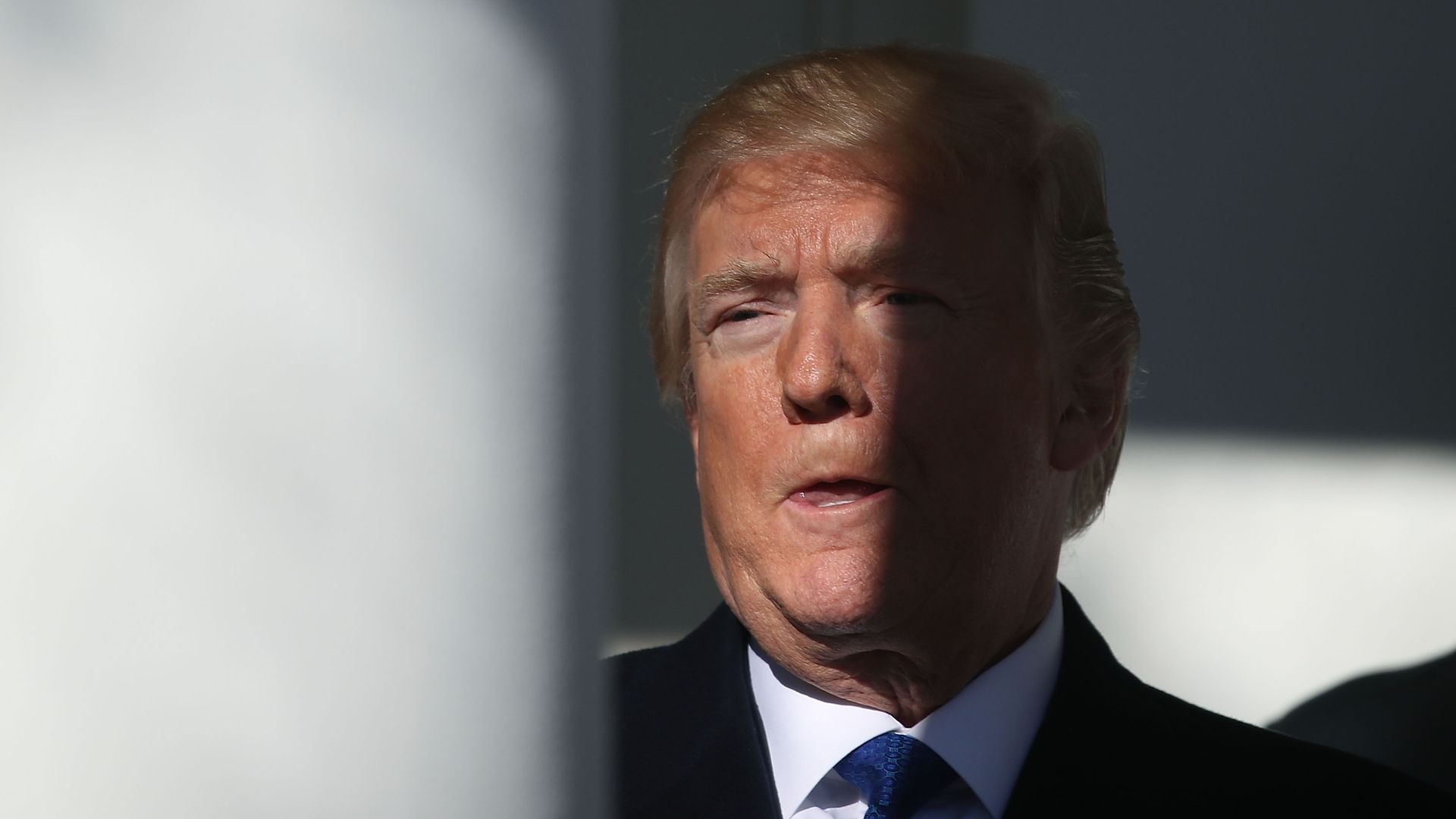
President Trump told reporters Wednesday that he'd "love to" speak to Special Counsel Robert Mueller under oath, and that he's "looking forward" to it. Trump added that the interview could come in "two or three weeks." The comments were part of an impromptu news conference outside John Kelly's office before Trump heads to Davos for the World Economic Forum.
Why it matters: This is the first time President Trump signaled that he will be interviewed by Mueller's team, which is investigating whether members of the Trump campaign colluded with Russia, as well as if President Trump obstructed their probe.
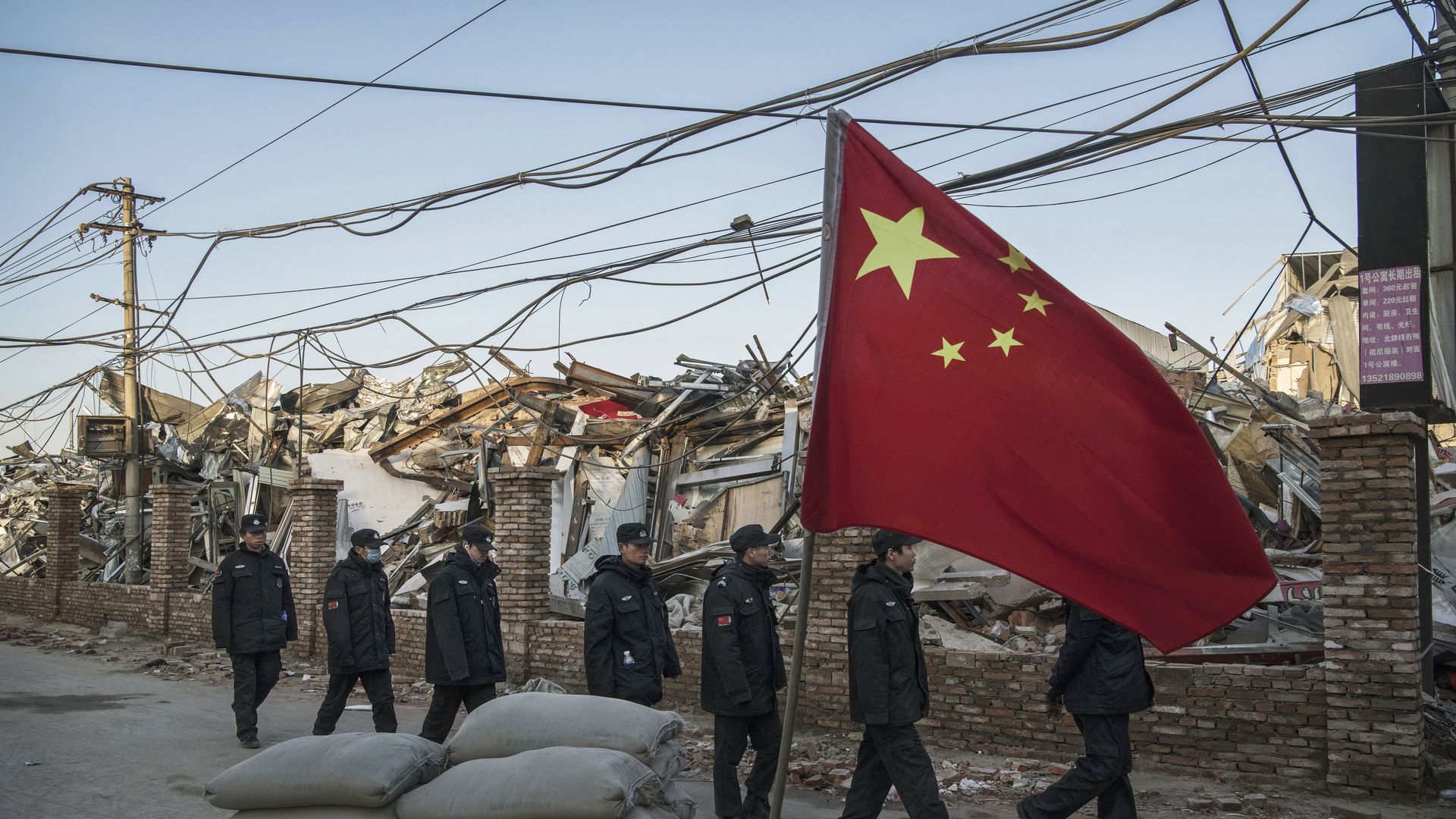
Beijing authorities announced plans to demolish 15 square miles of "illegal structures" on Wednesday, continuing a push that began after a deadly November fire and has seen swathes of the city inhabited primarily by migrant workers leveled, reports Reuters.
Why it matters: Tens of thousands of migrant workers were evicted when authorities tore down buildings that violated in safety codes in November, with similar numbers expected to be displaced this time around. Beijing is marketing the move as a way to ease pressures on infrastructure and beautify the city, but critics say it unfairly targets a vulnerable class.
The U.S. Treasury is finalizing a list of oligarchs close to Vladimir Putin to be penalized under the sanctions passed last year in response to the Kremlin’s election meddling. It’s “expected to amount to a blacklist of Russia’s elite,” per Bloomberg.
The big picture: Two Russian billionaires have been caught up in the Russia probe, while suspicion around other wealthy men with close ties to Putin has deepened in Washington. Here’s a look at the oligarchs already under U.S. sanctions, and the ones who have caught Robert Mueller's eye.
Card deck: Axios Visuals. Net worth estimates via Forbes
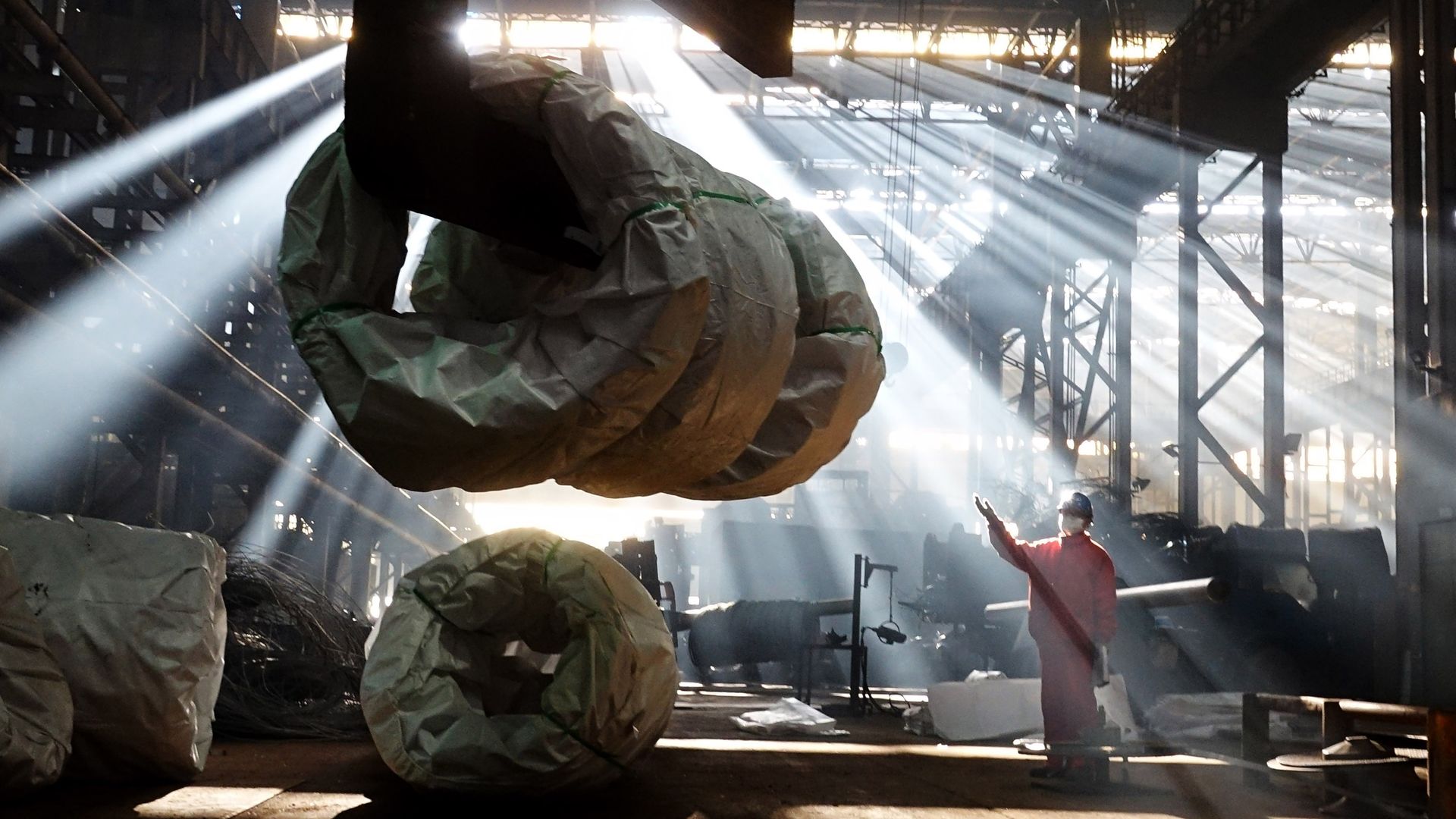
For the past several decades, China has been governed by a dual system: political authoritarianism combined with economic entrepreneurship. Private-owned and foreign firms have helped drive economic growth, while accommodating, and even resisting, political influence. Formerly limited by the central government, they later flourished with the support of local bureaucrats.
Amid the current economic slowdown, the central government has used tax incentives and other benefits to co-opt private entrepreneurs into the Communist party. They have also aimed to attract foreign investment to development zones and free trade zones, especially in high-value sectors like information technology, clean energy and machinery.
Instead of relying on local initiatives, these measures are mostly top-down. Local bureaucrats now exercise more caution in promoting economic activities, in part to avoid becoming targets of anti-corruption campaigns.
What's next: Centralization would upset the fragile balance and sustainability of China's economic model. Compared to local bureaucrats, Beijing is less likely to make policies that suit the millions of varied non-public firms across the country and risks undermining valuable entrepreneurship.
Ling Chen is an assistant professor at John Hopkins School of Advanced International Studies and the author of "Manipulating Globalization: The Influence of Bureaucrats on Business in China."
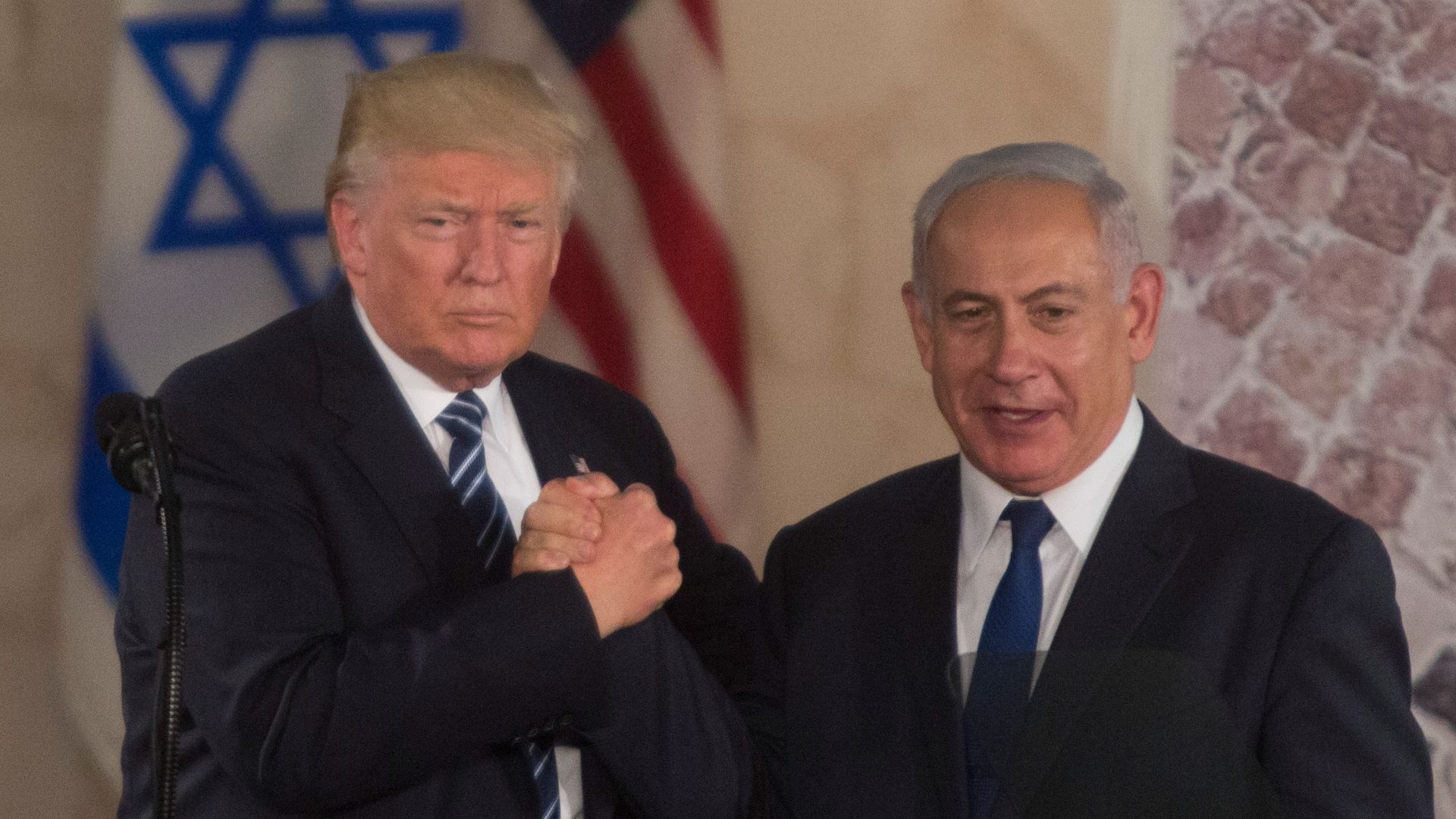
President Trump will meet Israeli Prime Minister Benjamin Netanyahu on Thursday at the World Economic Forum in Davos. National security adviser H.R. McMaster said at the White House press briefing that Trump and Netanyahu will discuss the Iranian threat and the effort to promote the peace process between Israel and the Palestinians.
Why it matters: The meeting will come at a time when on both issues — Iran and the Middle East peace process — there is a current or looming crisis. Trump and Netanayhu are in agreement about the need to fundamentally "fix" the Iranian nuclear deal or even to "nix" it. Trump and Netanyahu are the only Western leaders holding this position.
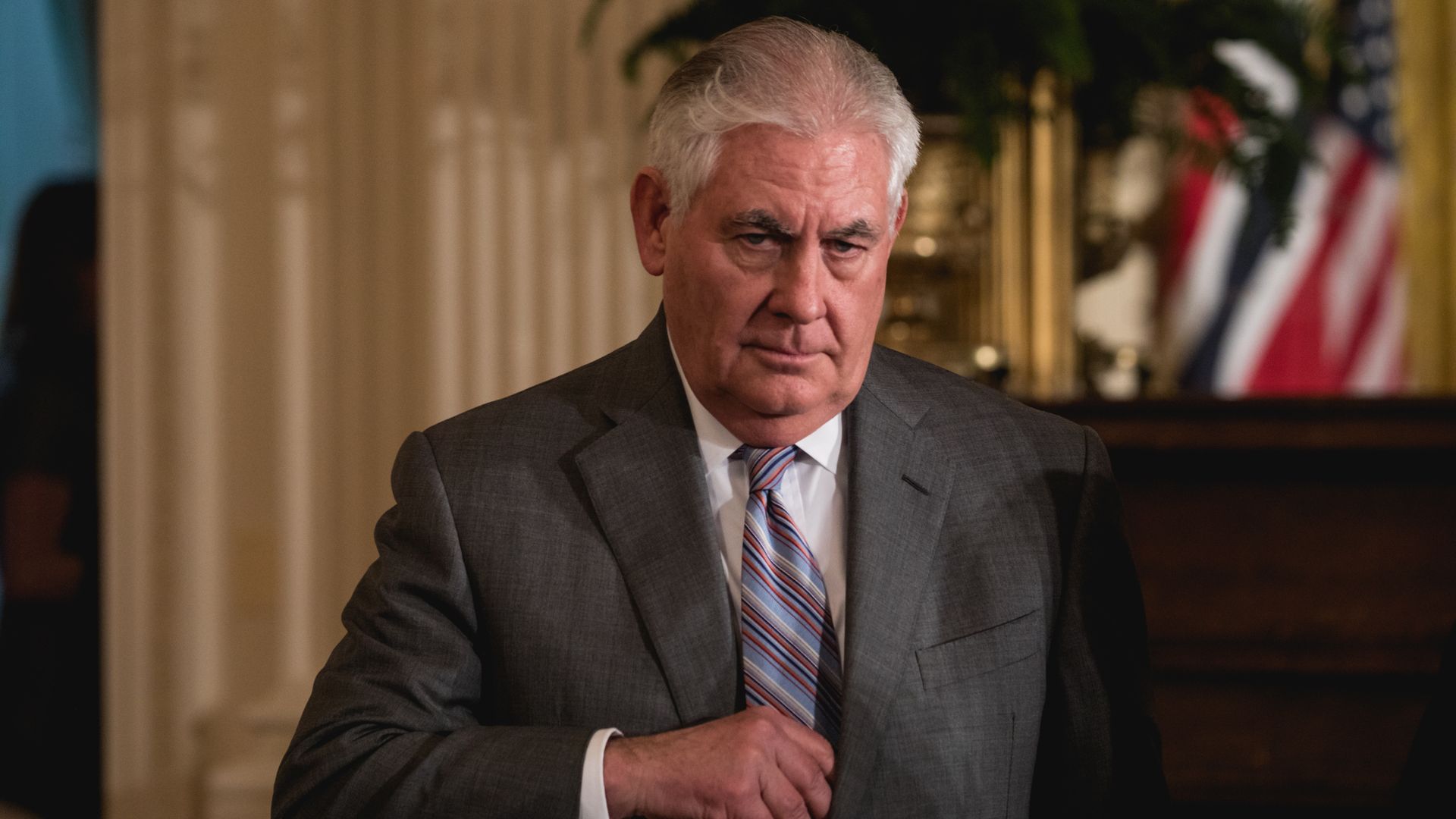
Secretary of State Rex Tillerson said on Tuesday that Russia is ultimately to blame for Monday's suspected chemical attack by the Assad regime in Syria, Politico reports.
"Whoever conducted the attacks, Russia ultimately bears responsibility for the victims in East Ghouta and countless other Syrians targeted with chemical weapons since Russia became involved in Syria."
— Rex Tillerson
Why it matters: This follows President Trump's rebuke of Russia in a Reuters interview last week, for "not helping us at all with North Korea." That's a change of tune — Trump repeatedly said during the campaign that he thought having a positive relationship with Russia would be beneficial.
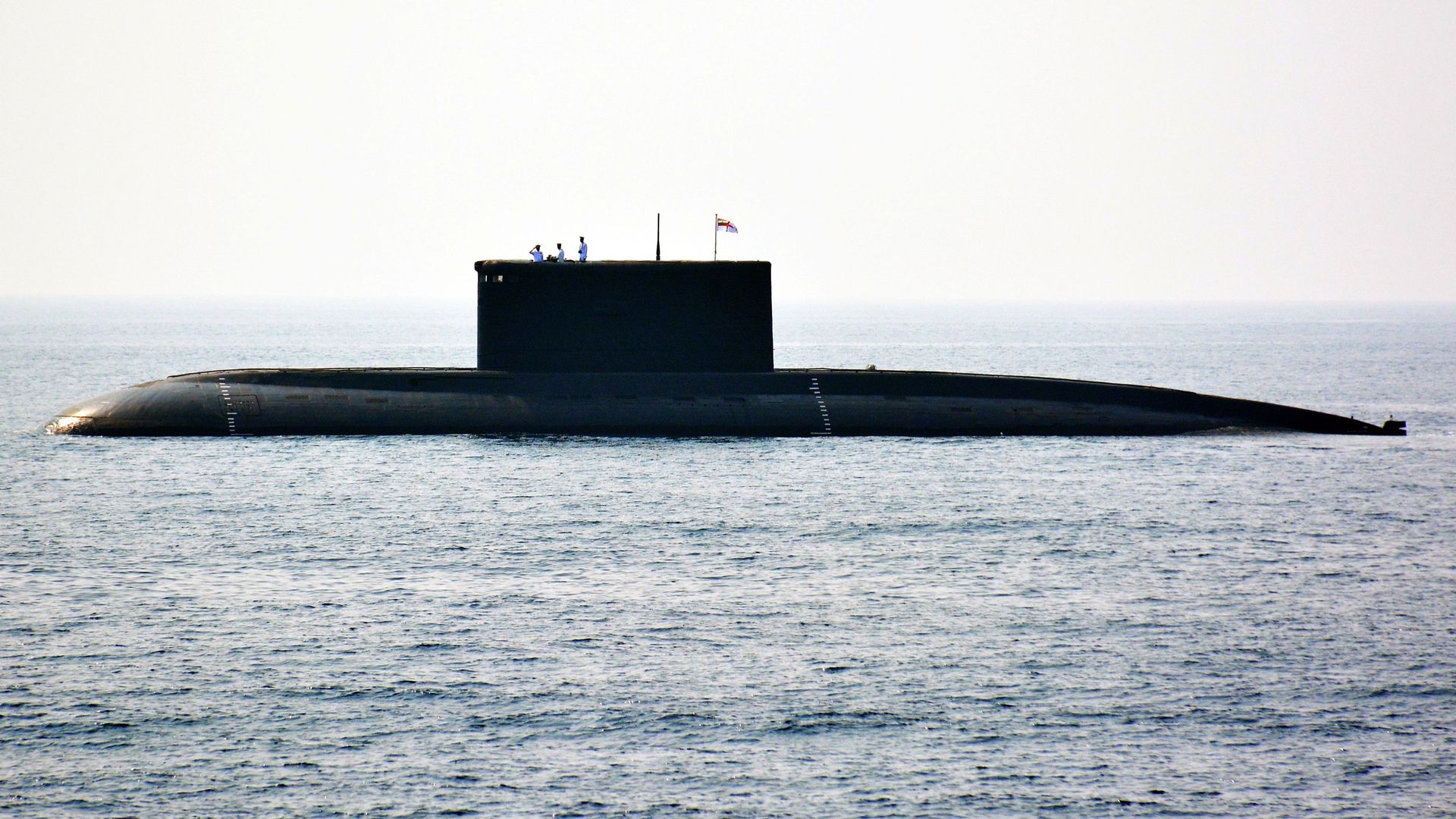
China and India have a long history of border disputes, most of them reasonably managed until last year’s standoff over Chinese road construction in the disputed territory of Doklam, which prompted an Indian military response.
Bothstates surprisingly asserted readiness for open conflict, and Beijing told Western ambassadors that its patience "was not indefinite” in refraining from the use of force. While this episode was mutually de-escalated, it has triggered more aggressive stances in subsequent interactions.
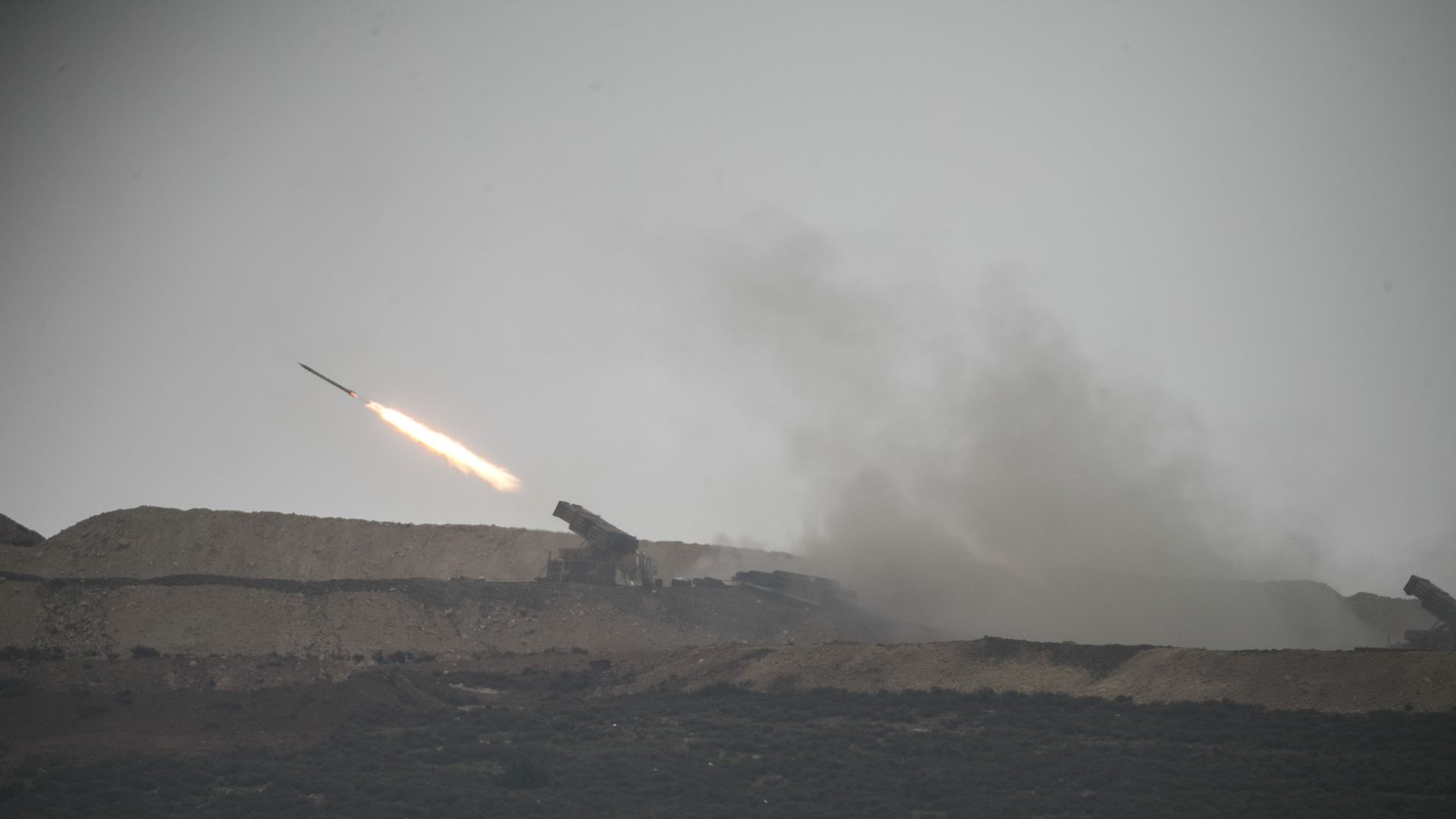
Turkey’s incursion into Afrin, in northwestern Syria, marks a significant move in its campaign against the Kurdish People’s Protection Units (YPG). It was authorized by Russia, with the likely aim of returning local control to the Assad regime, and signals displeasure with the U.S.’s recent announcement of a 30,000-strong border protection force. Rex Tillerson called news of such a force “misportrayed,” but amid conspiracy theories and anti-American sentiment, his clarification came too late.
At this point, there’s little the U.S. and EU can do apart from pressing Turkey to seek moderation and avoid civilian casualties. The EU might also offer cross-border humanitarian assistance on Syrian soil.
The stakes will be raised if and when President Erdogan launches a promised ground operation against the town of Manbij, located at the Western edge of a vast region controlled by the Syrian Democratic Forces (SDF), themselves under the command of the YPG. Because the SDF are backed by U.S. Special Forces, the risk of a U.S.–Turkish confrontation is real.
What's next: Given restrictions on free speech within Turkey, the media is expected to produce a unanimously positive image of the operation. By playing up this limited operation as a major success, Erdogan is attempting to burnish his image as the providential leader best able to steer the country through difficult times.
Marc Pierini is a visiting scholar at Carnegie Europe and a former EU ambassador and head of delegation to Turkey.
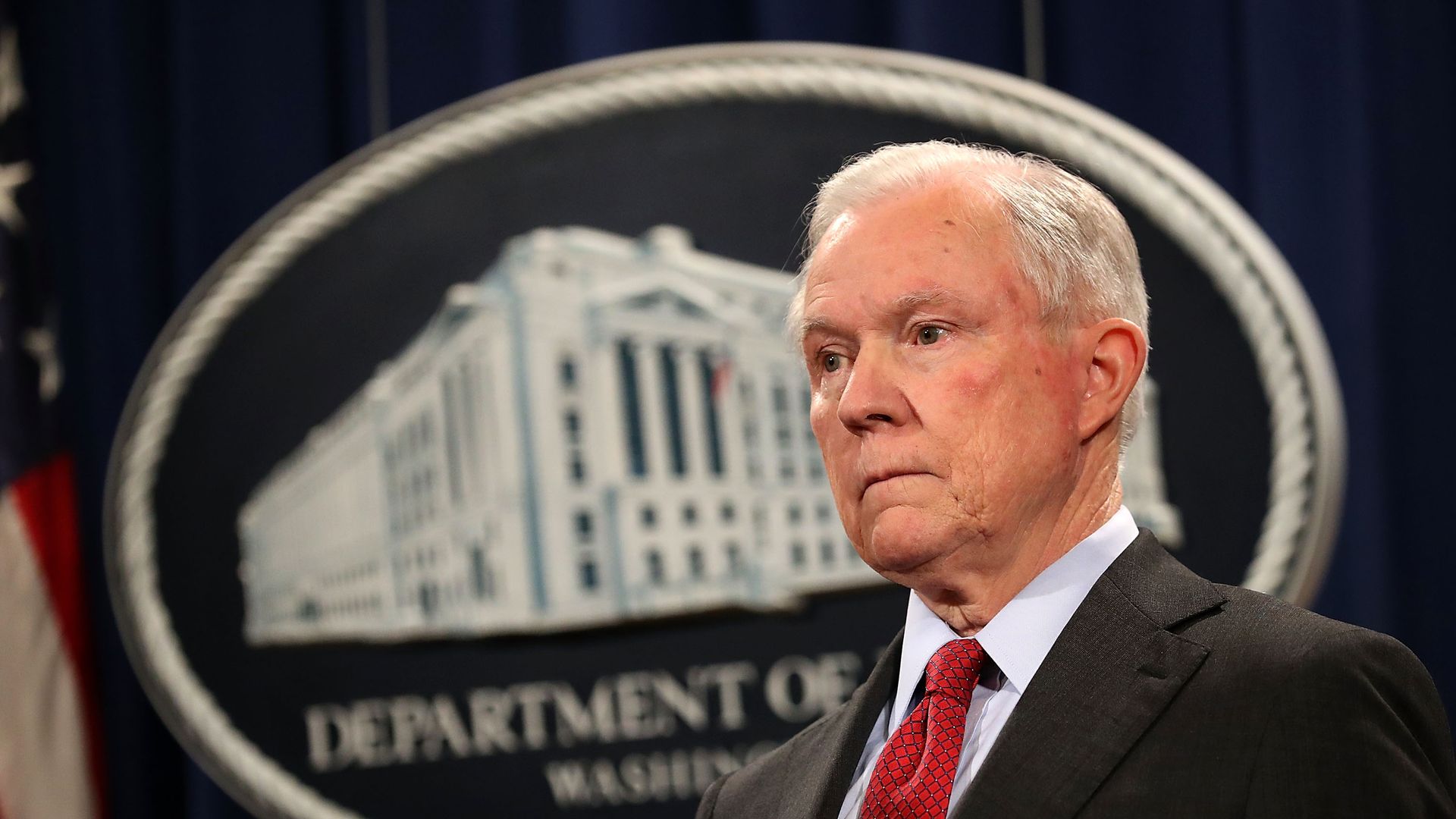
The Special Counsel’s team interviewed Attorney General Jeff Sessions last week for several hours, the NYT’s Michael Schmidt reports. A DOJ spokeswoman confirmed the interview to the Times.
Why it matters: The interest in Sessions relates to whether Trump obstructed justice while in office. It’s the first known time Bob Mueller and his team has interviewed a member of Trump’s cabinet.