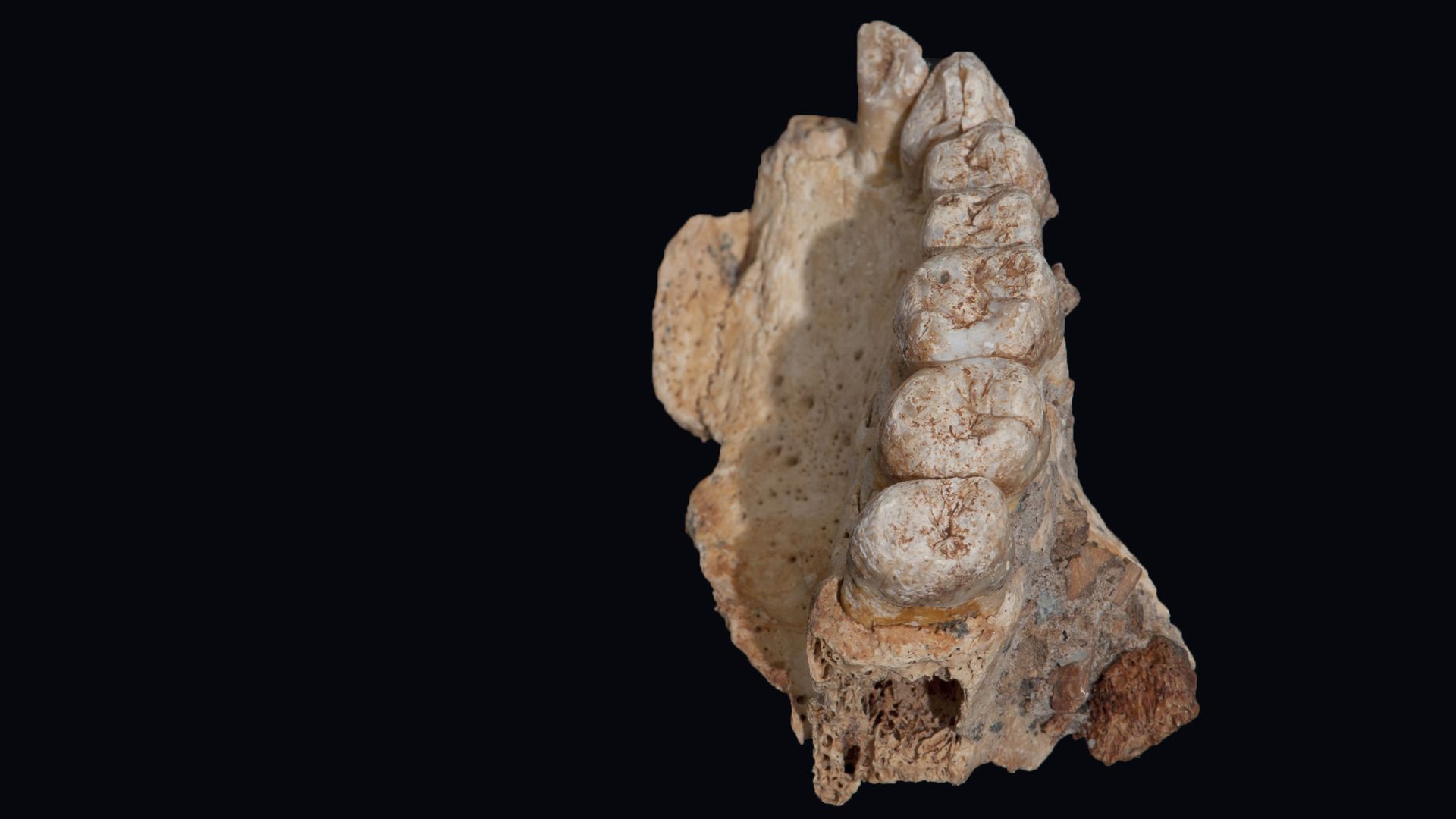
A ridge of teeth discovered in a cave in Israel are between 177,000-194,000 years old, according to a paper published today in Science. The teeth appear to be human, and if they are, would be the oldest anatomically modern human fossil found outside of Africa and the oldest fossil with modern human traits found to date.
What it means: Fossils like these, and new gene sequencing tools, are starting to answer questions about when modern humans left Africa, and when, exactly, they became human. The find in Israel suggests modern humans may have left Africa earlier than previously thought. And, they didn’t just find a jaw — they unearthed sophisticated stone tools, too.
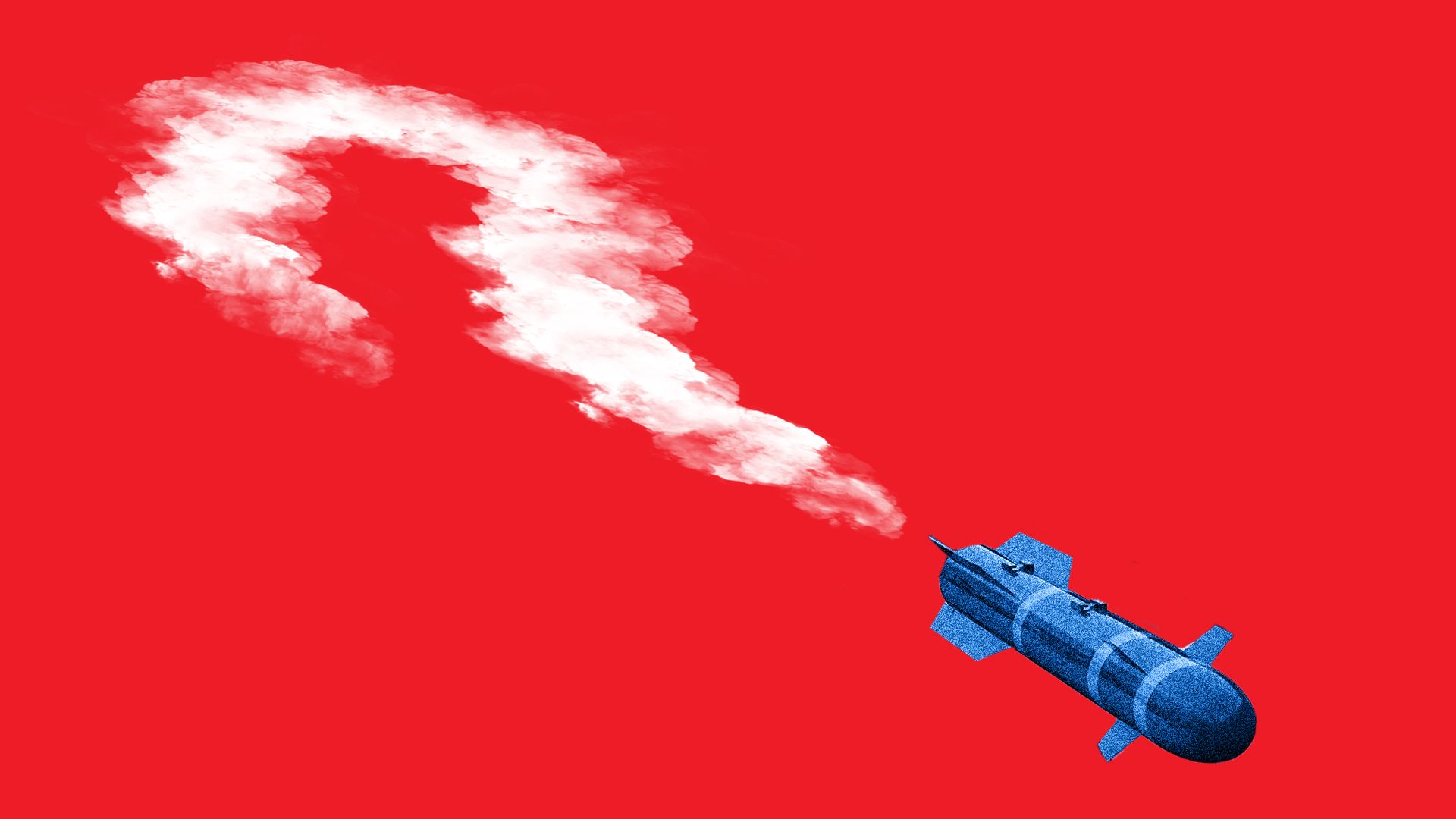
The North Korean nuclear threat last year hit milestones at a faster pace in several months — last July Pyongyang tested two suspected intercontinental ballistic missiles (ICBMs) and its timeline for fielding a reliable ICBM was pushed up by two years for starters. The North has said it wouldn't resort to diplomacy until it could hit the U.S. East Coast. But where exactly does the North Korean nuclear program stand right now amidst all these developments?
Why it matters:
North Korea's not quite at the point of fielding a reliable ICBM to hit the U.S. mainland — yet (and that's the key word here). Experts suggested Pyongyang could have been there by the end of 2017, but U.S. Defense Secretary Jim Mattis this past December said he didn't think they could hit the U.S. mainland yet. The Pentagon wouldn't comment on intelligence on the matter.
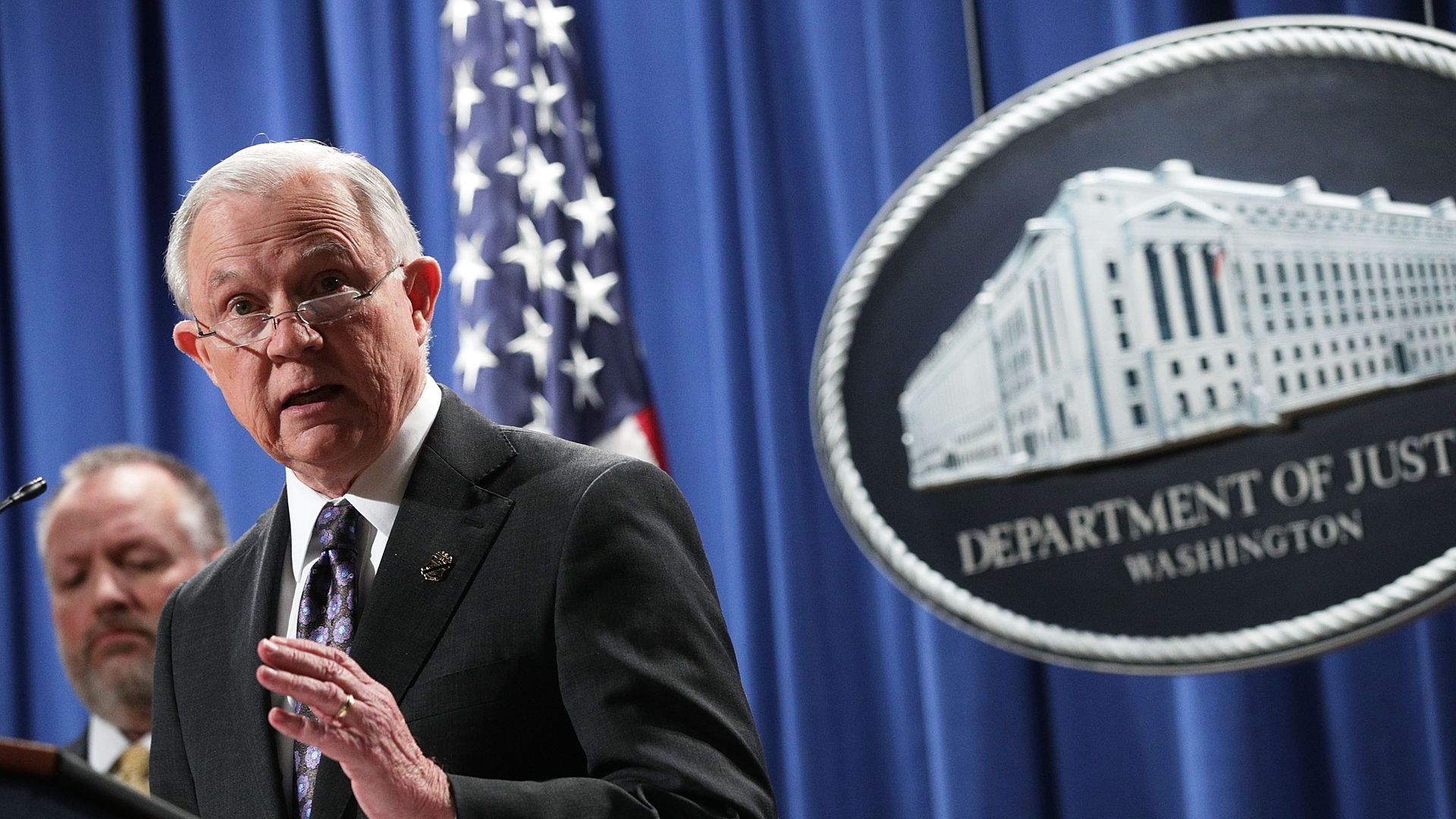
The Department of Justice has informed lawmakers that the missing texts between FBI officials Peter Strzok and Lisa Page have been recovered, according to CNN's David Wright.
Why it matters: The lost texts from the five-month span of December 2016 and May 2017 have fueled speculation and conspiracy theories among conservatives about the objectivity of the Russia investigation. (Go deeper: FBI agent texts & #ReleaseTheMemo)
Technology giants SAP, Symantec and McAfee allowed a Russian defense agency to probe the source code of some of their products — the same ones used by at least a dozen federal agencies — in order to sell in the Russian market, Reuters reports.
Why it matters: Experts say this could jeopardize the security of government computers and networks by allowing Russian hackers to discover unknown vulnerabilities. The agencies that use these software products include the Pentagon, NASA, the State Department, the FBI and other intelligence units.
While North Korea's call for unification with the South could be interpreted as a step toward reducing tensions, Pyongyang hit several troubling nuclear milestones with unexpected speed in the past year. Tensions between Kim Jong-un and President Donald Trump also ramped up over tweets and statements in an almost dizzying back and forth.
Bottom line: The potential for miscalculation is high. But where exactly does North Korea's nuclear program stand amidst these risks, and where does it fall short? And what about the U.S. capability to defend itself?
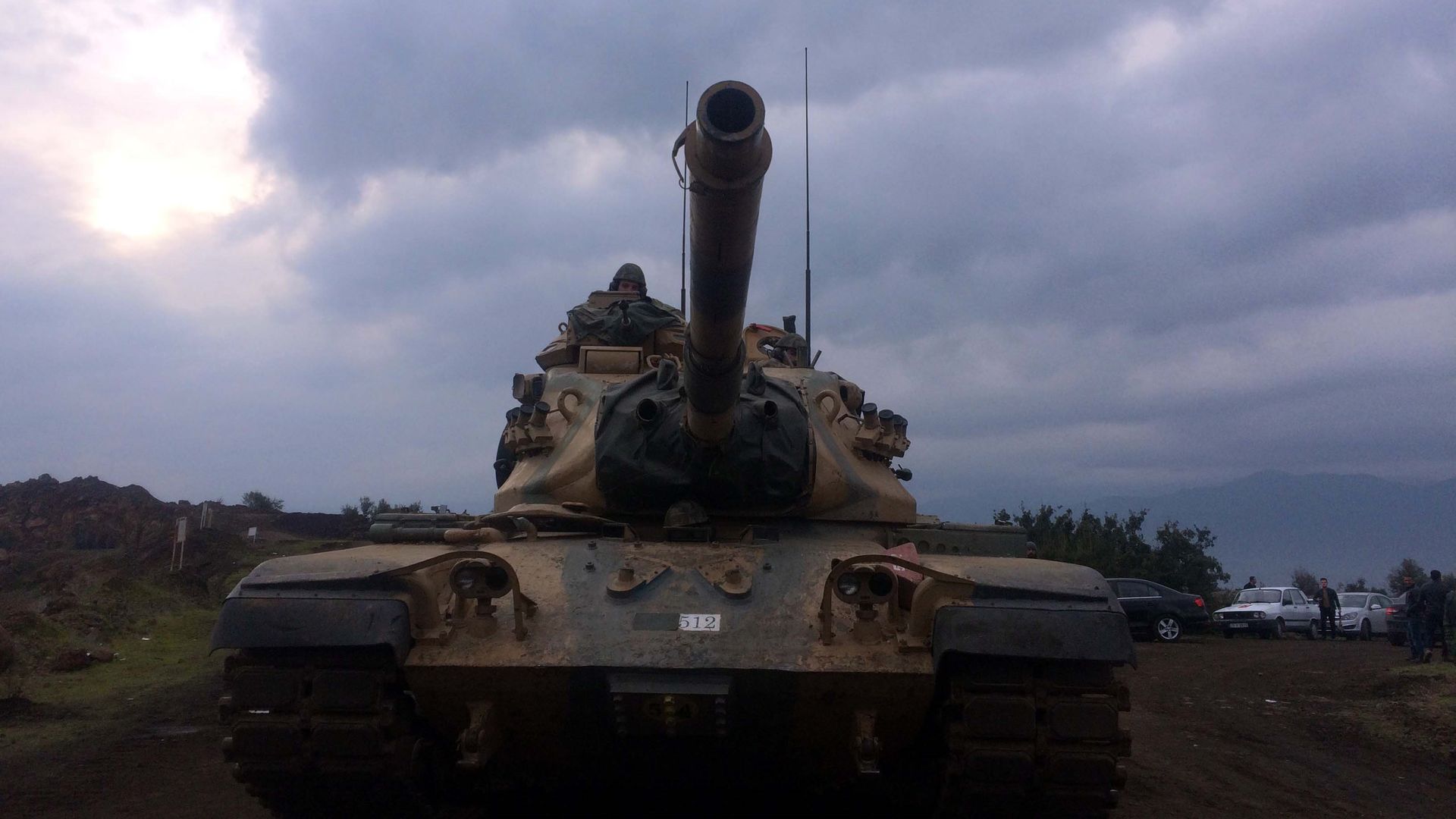
Trump's homeland security advisor Tom Bossert said the U.S. would prefer Turkey exit from Afrin, Syria, where it's been launching an assault on U.S.-backed Kurdish forces. That's a shift from just earlier this week when U.S. Secretary of State Rex Tillerson said he hoped Turkey would exercise "restraint" in the offensive.
What's happening: Turkey's entrance for the first time as an overt combatant in the war is dramatically shifting the political calculus of the war, and exposing a new challenge for the Trump administration: delineating the boundaries, physical and otherwise, of U.S. involvement in Syria post-ISIS.
The U.S. Treasury Department added new sanctions Wednesday over North Korea's related nuclear weapons program, per The Hill. The sanctions also target officials “complicit in North Korean sanctions evasion,” Treasury Secretary Steve Mnuchin said in a statement.
The global factor: It’s not just North Korean entities targeted — Chinese and Russian “illicit actors” are implicated in these sanctions for their aid to North Korean oil, financial, and trading networks.
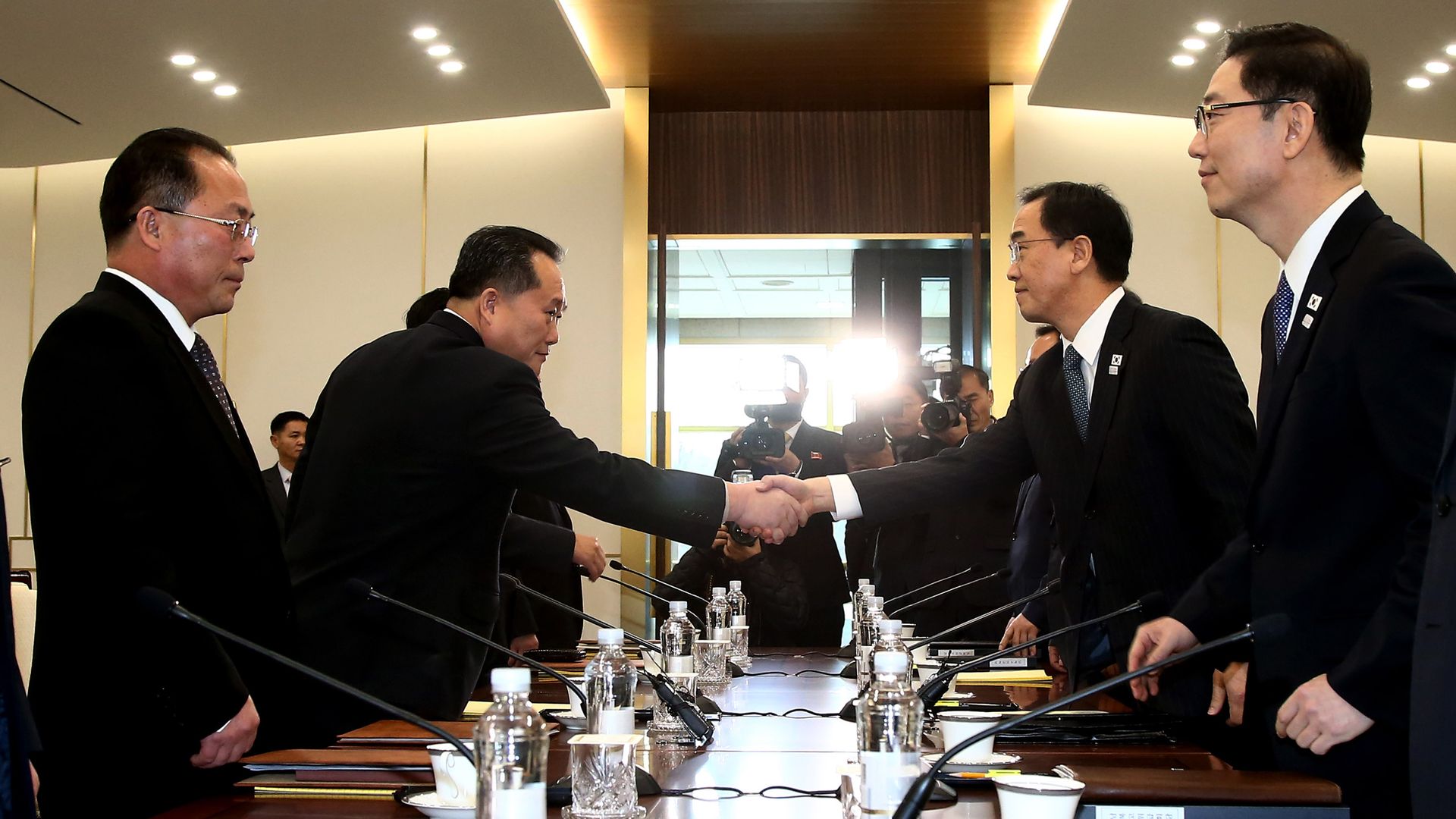
North Korea said all Koreans should “promote contact, travel, cooperation between North and South Korea” after a joint meeting of government and political parties, Reuters reports. It also called for a reduction in military tensions between the two countries.
Context: South Korean president Moon Jae-in campaigned on reducing tensions with North Korea, and has been a supporter of talks. This comes just after the North reopened its phone line with the South and held high level talks for the first time in about two years.
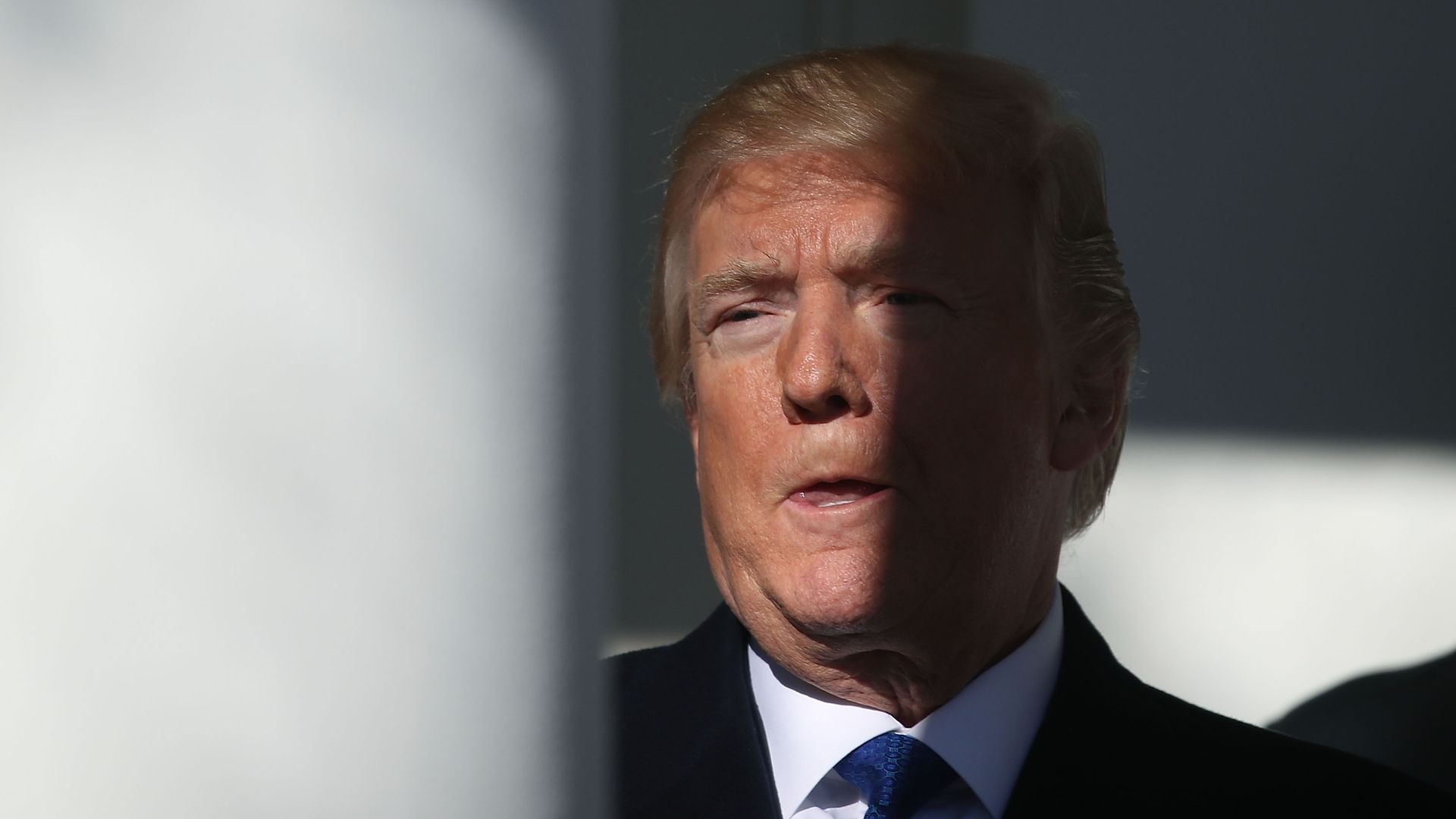
President Trump told reporters Wednesday that he'd "love to" speak to Special Counsel Robert Mueller under oath, and that he's "looking forward" to it. Trump added that the interview could come in "two or three weeks." The comments were part of an impromptu news conference outside John Kelly's office before Trump heads to Davos for the World Economic Forum.
Why it matters: This is the first time President Trump signaled that he will be interviewed by Mueller's team, which is investigating whether members of the Trump campaign colluded with Russia, as well as if President Trump obstructed their probe.
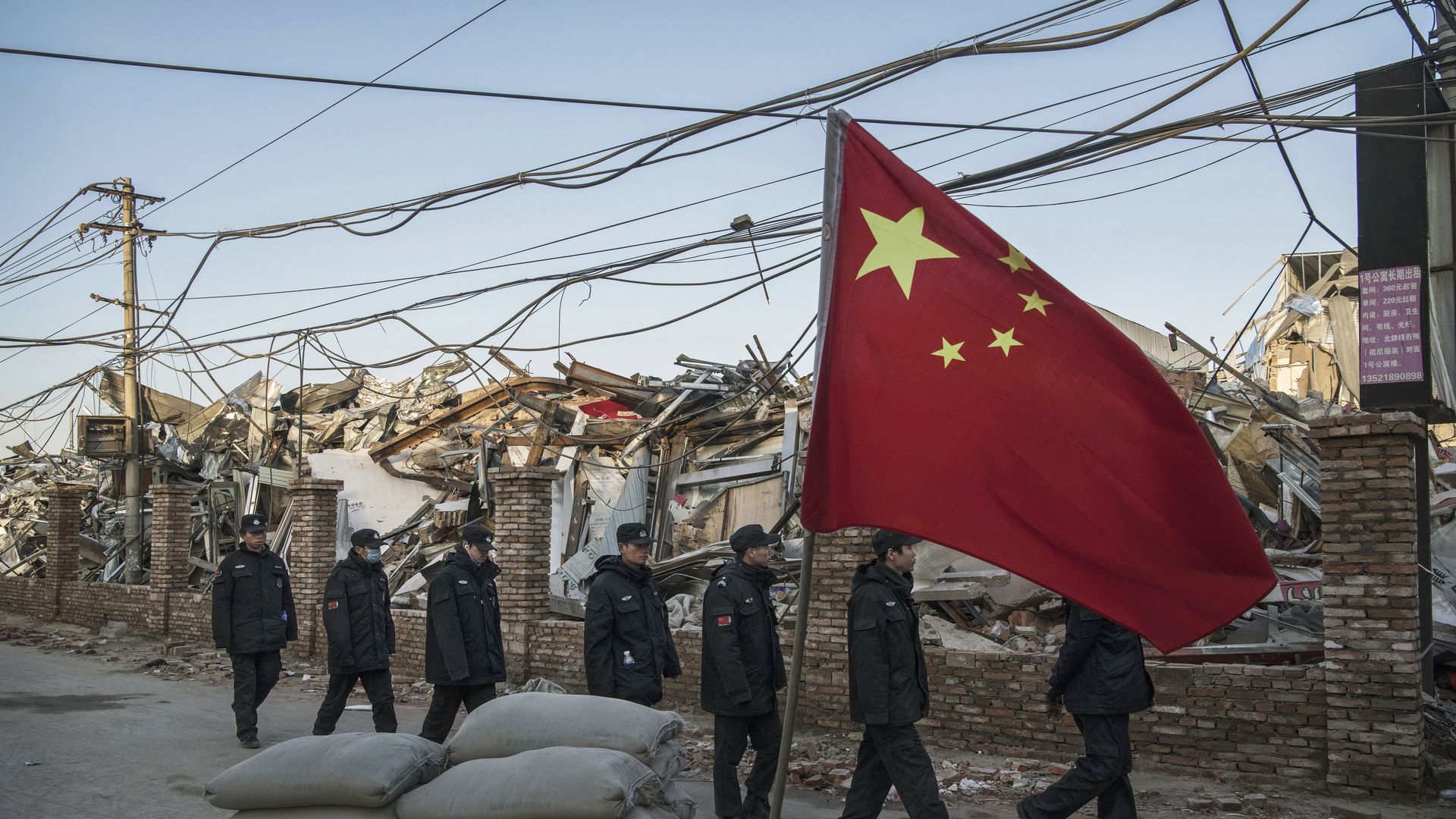
Beijing authorities announced plans to demolish 15 square miles of "illegal structures" on Wednesday, continuing a push that began after a deadly November fire and has seen swathes of the city inhabited primarily by migrant workers leveled, reports Reuters.
Why it matters: Tens of thousands of migrant workers were evicted when authorities tore down buildings that violated in safety codes in November, with similar numbers expected to be displaced this time around. Beijing is marketing the move as a way to ease pressures on infrastructure and beautify the city, but critics say it unfairly targets a vulnerable class.
The U.S. Treasury is finalizing a list of oligarchs close to Vladimir Putin to be penalized under the sanctions passed last year in response to the Kremlin’s election meddling. It’s “expected to amount to a blacklist of Russia’s elite,” per Bloomberg.
The big picture: Two Russian billionaires have been caught up in the Russia probe, while suspicion around other wealthy men with close ties to Putin has deepened in Washington. Here’s a look at the oligarchs already under U.S. sanctions, and the ones who have caught Robert Mueller's eye.
Card deck: Axios Visuals. Net worth estimates via Forbes