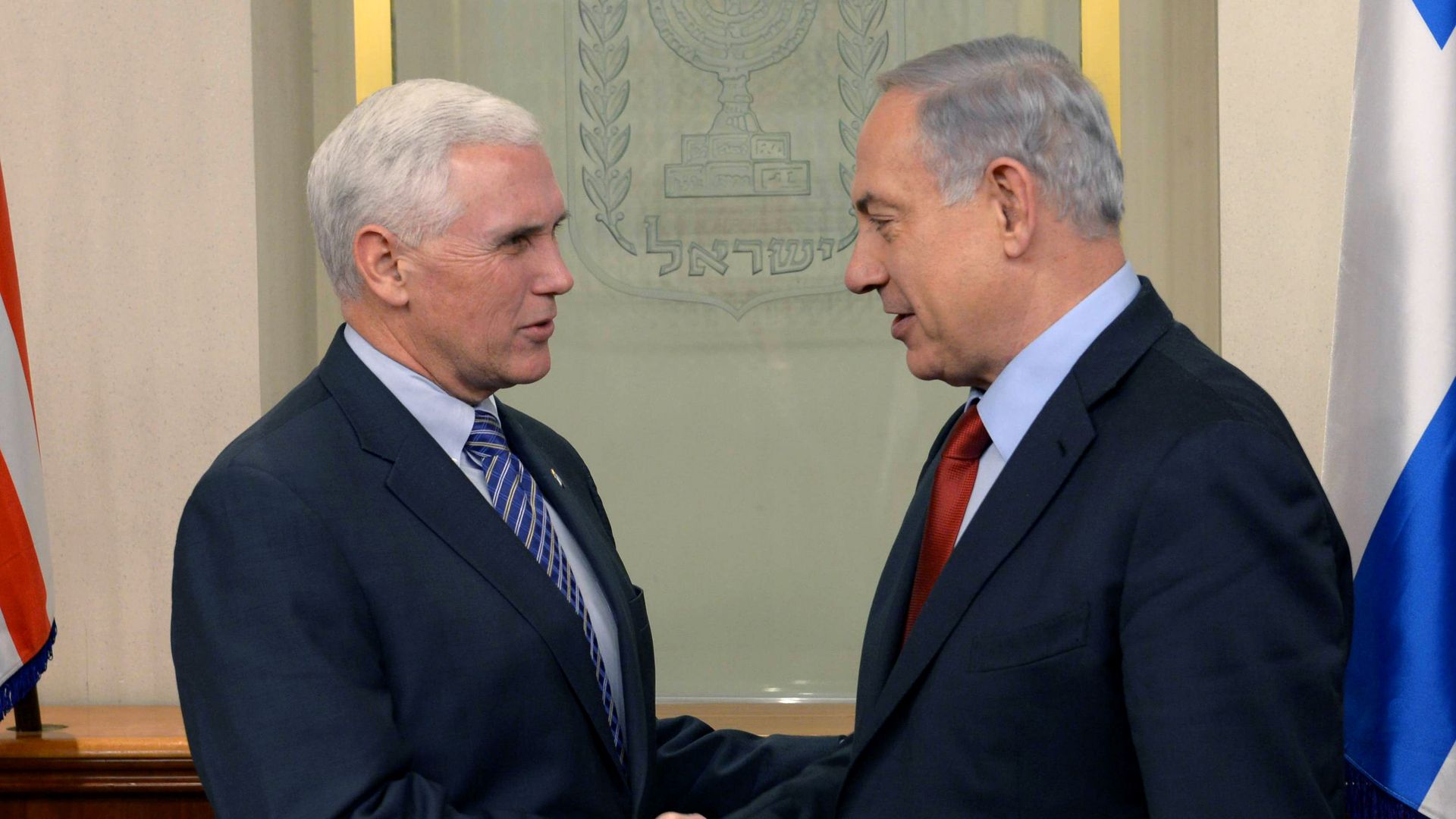
A senior White House official told reporters today that the Trump administration believes the Western Wall in East Jerusalem will remain part of Israel in any future peace agreement with the Palestinians. The issue came up during a briefing to reporters on Vice President Mike Pence's upcoming visit to Israel.
Why it matters: The statement risks further infuriating the Palestinians at a time when the administration is trying to cool down the crisis created by President Trump's Jerusalem speech. The Western wall was occupied by Israel during the Six-Day War in 1967 and was never recognized as part of Israel by any country around the world.
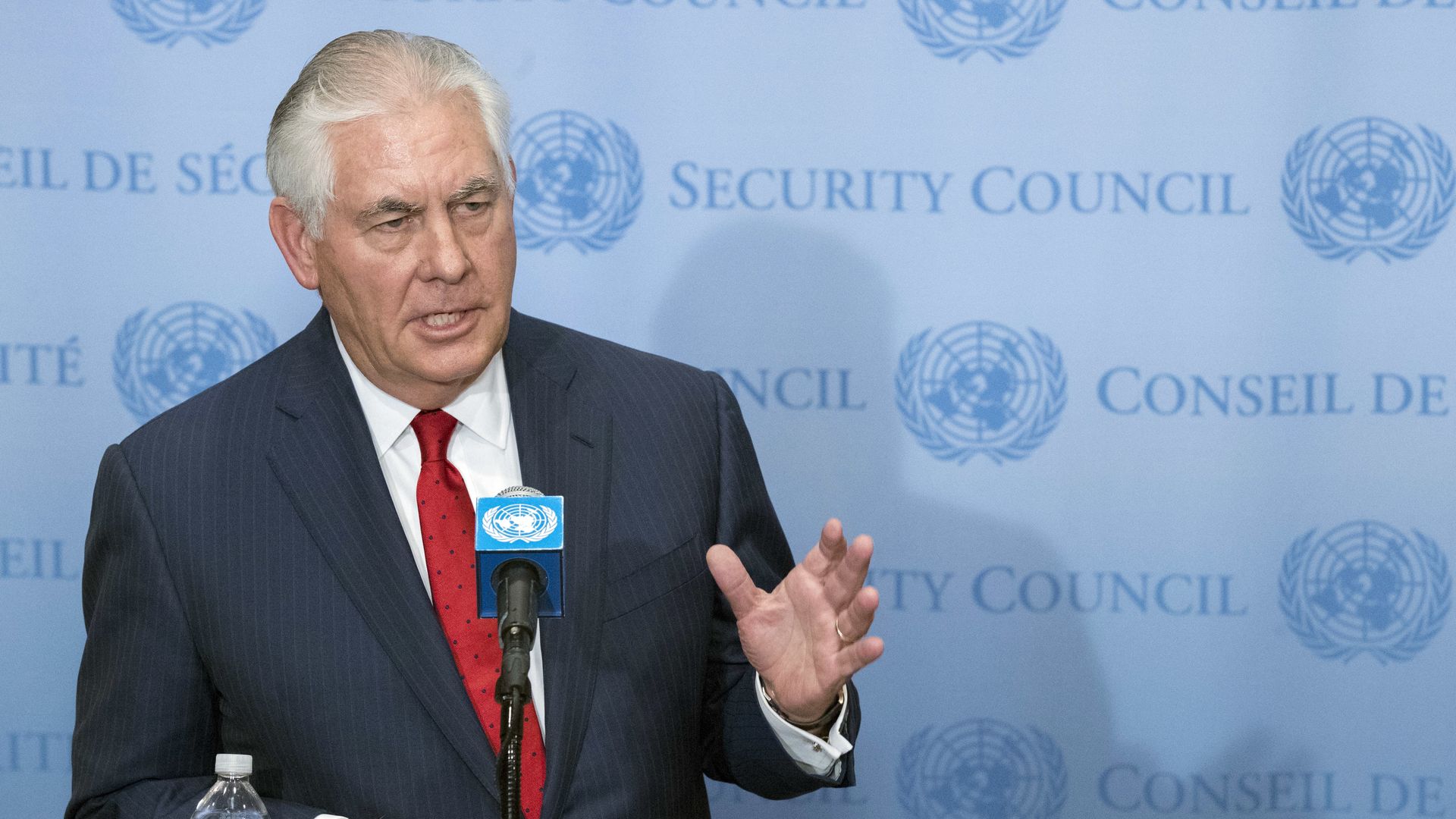
Secretary of State Rex Tillerson urged, for the second time this week, that North Korea abandon its nuclear weapons and enter into negotiations with the U.S. and others, leaving room for a diplomatic solution.
Why it matters: Tillerson's rhetoric doesn't line up with the official position of the White House. President Trump has made clear that he doesn't think negotiations are a viable option in dealing with Pyongyang, and has instead focused on drawing attention to the strength of the U.S. military.
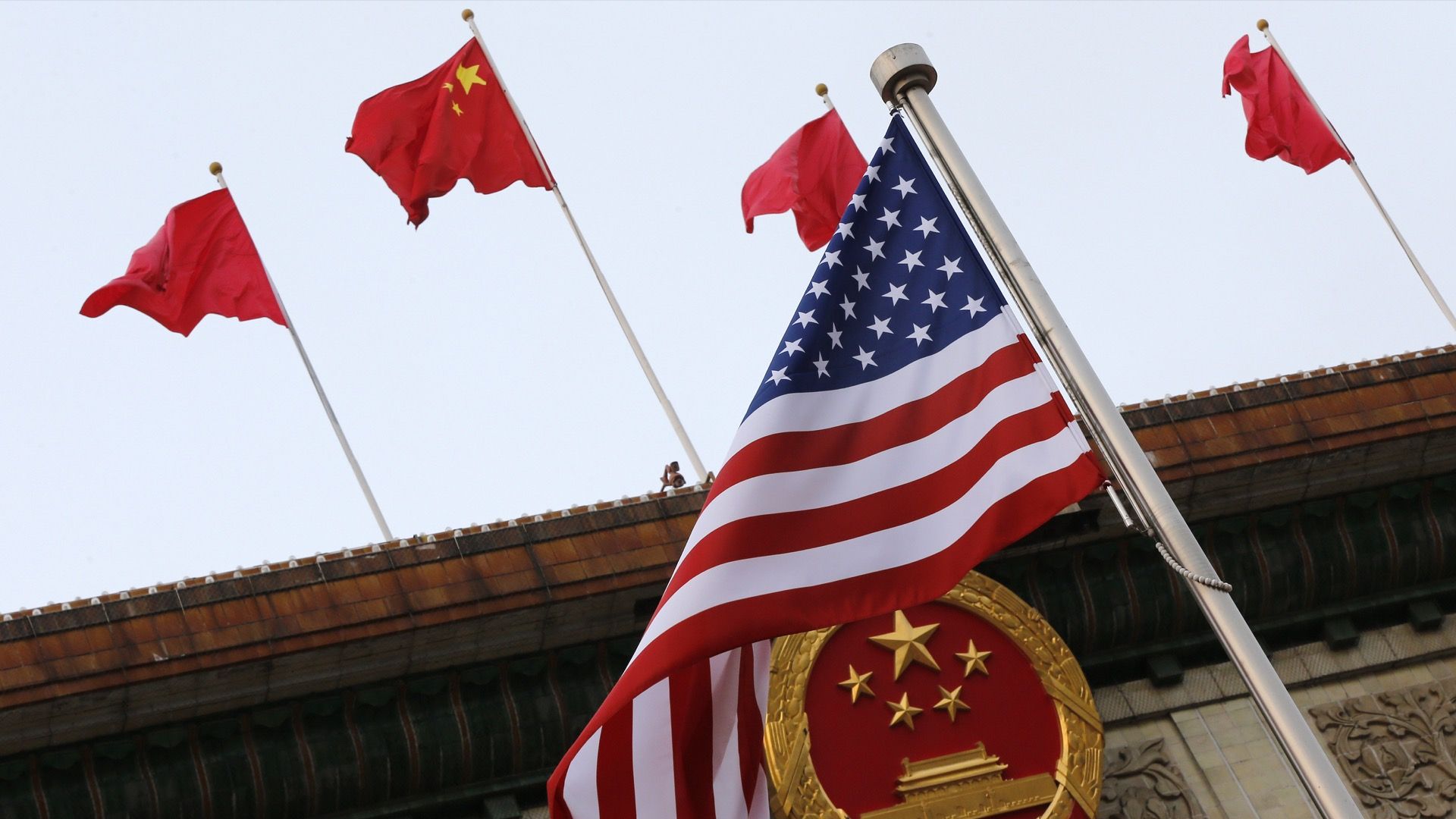
"China is manipulating decision-makers in Western democracies," The Economist writes in its cover editorial.
Why it matters: "When a rising power challenges an incumbent one, war often follows. That prospect, known as the Thucydides trap after the Greek historian who first described it, looms over relations between China and the West, particularly America."
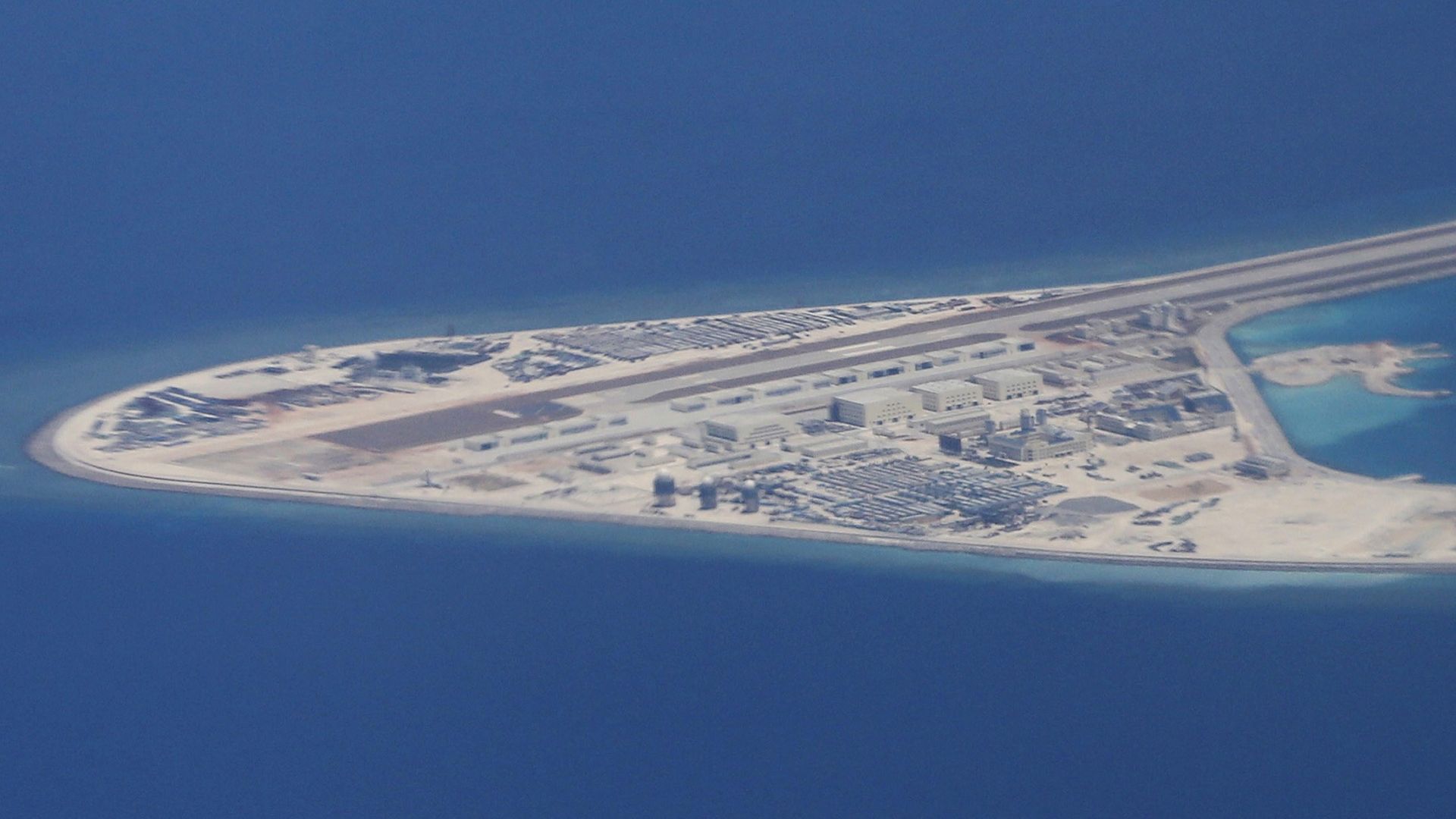
"While attention in Asia has been distracted by the North Korean nuclear crisis in the past year, China has continued to install high-frequency radar and other facilities that can be used for military purposes on its man-made islands in the South China Sea," Reuters reportsfrom D.C.
Why it matters: "The United States and its allies oppose China's building of artificial islands in the South China Sea and their militarization, given concerns Beijing plans to use them to deny access to strategic routes."
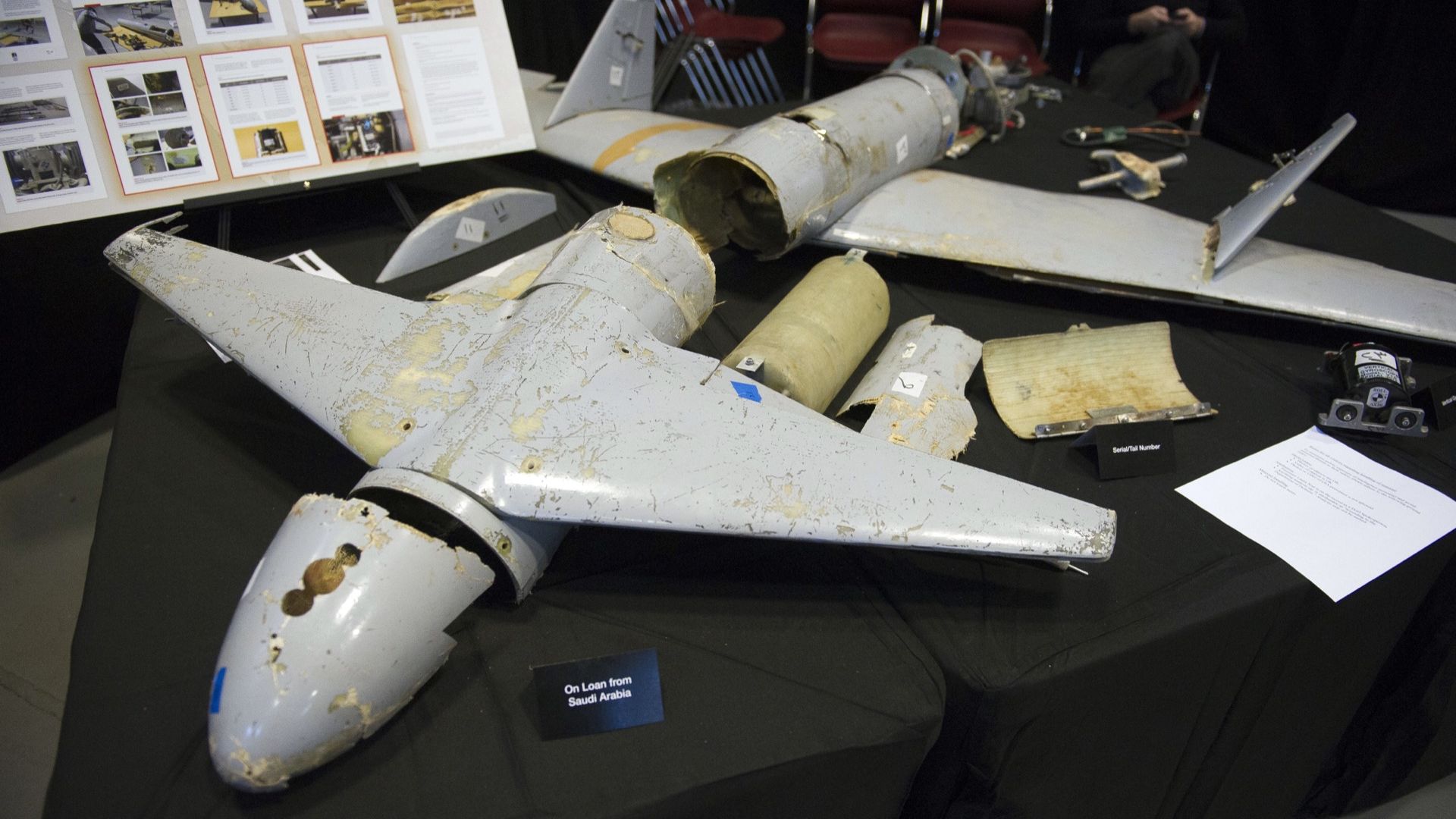
U.N. Ambassador Nikki Haley unveiled recently declassified evidence, including these remains of an Iranian Qasef-1 unmanned aerial vehicle, as "undeniable" evidence that Iran is violating international law by funneling missiles to Houthi rebels in Yemen.
This UAV, fired by Yemen into Saudi Arabia, carries explosives in its nose cone to ram into targets.
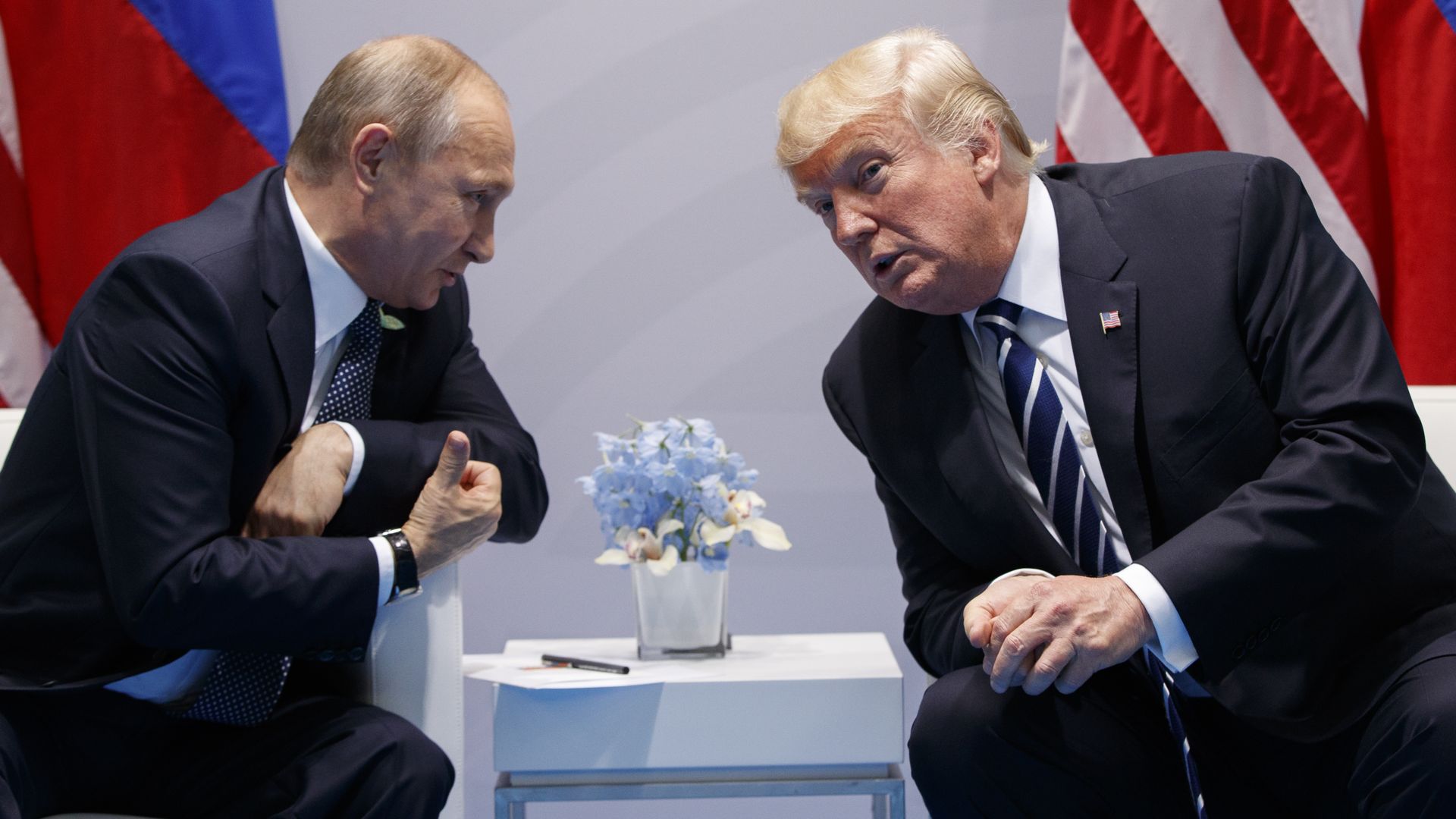
President Trump and Russian President Vladimir Putin spoke over the phone Thursday. Trump thanked Putin for praising the U.S. economy and the two of them discussed the North Korean nuclear threat, per the White House.
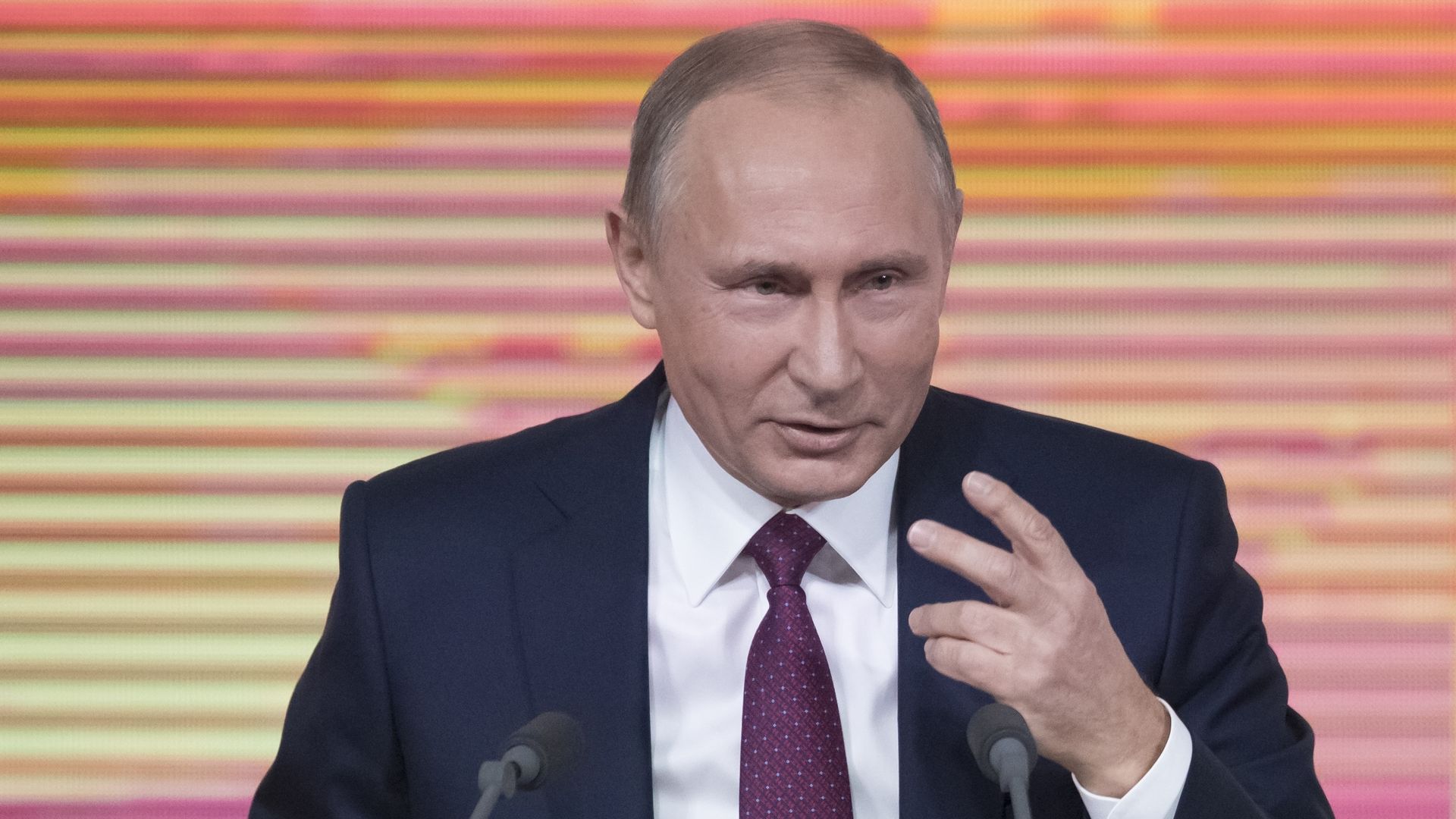
The backdrop: The call came hours after Putin said allegations of collusion between the Trump campaign and the Kremlin were "invented" by Trump's enemies at an annual press conference, AP reports. Putin said, “This is all made up by people who oppose Trump to make his work look illegitimate ... Look at the markets, how they went up; that speaks about investors' trust in what he does," echoing Trump.
Russian President Vladimir Putin said accusations of President Trump's collusion with the Russians have "inflicted damage to the domestic political situation" and shows a "lack of respect for voters" who went for Trump in 2016, the AP reports. Putin is speaking at his annual news conference in Moscow.
Why it matters: The U.S. intelligence community determined just months after the election that Russia meddled in the U.S. presidential election last year. Trump has conflicting beliefs — he has said he is with the intelligence community on the matter, but he has also said he believes Putin when Putin says Russia has not meddled.