A newly installed router is at the center of the investigation into the Federal Aviation Administration's nationwide ground stop last Friday, which disrupted thousands of flights nationwide.
Why it matters: The technical failure exposes vulnerabilities in the FAA's aging telecommunications network, raising questions about how a technical failure could trigger a nationwide ground stop and disrupt air travel.
Democrats in six early 2028 primary states expect their presidential nominee to prioritize AI regulations and reject industry money, new polling data shared first with Axios shows.
Why it matters: The midterms showed how concerns about AI and data centers were a top issue for voters, but top politicians and their staff are still figuring out what a winning AI platform will look like in 2028.
Uber is laying the groundwork for a dedicated robotaxi option in its app, starting in Las Vegas, where autonomous vehicles from two competing companies will soon be available on the ride-hailing platform.
Why it matters: Uber wants to become the go-to marketplace for robotaxis, regardless of who makes them. But first it needs enough driverless vehicles on its network to offer a reliable alternative to traditional rides.
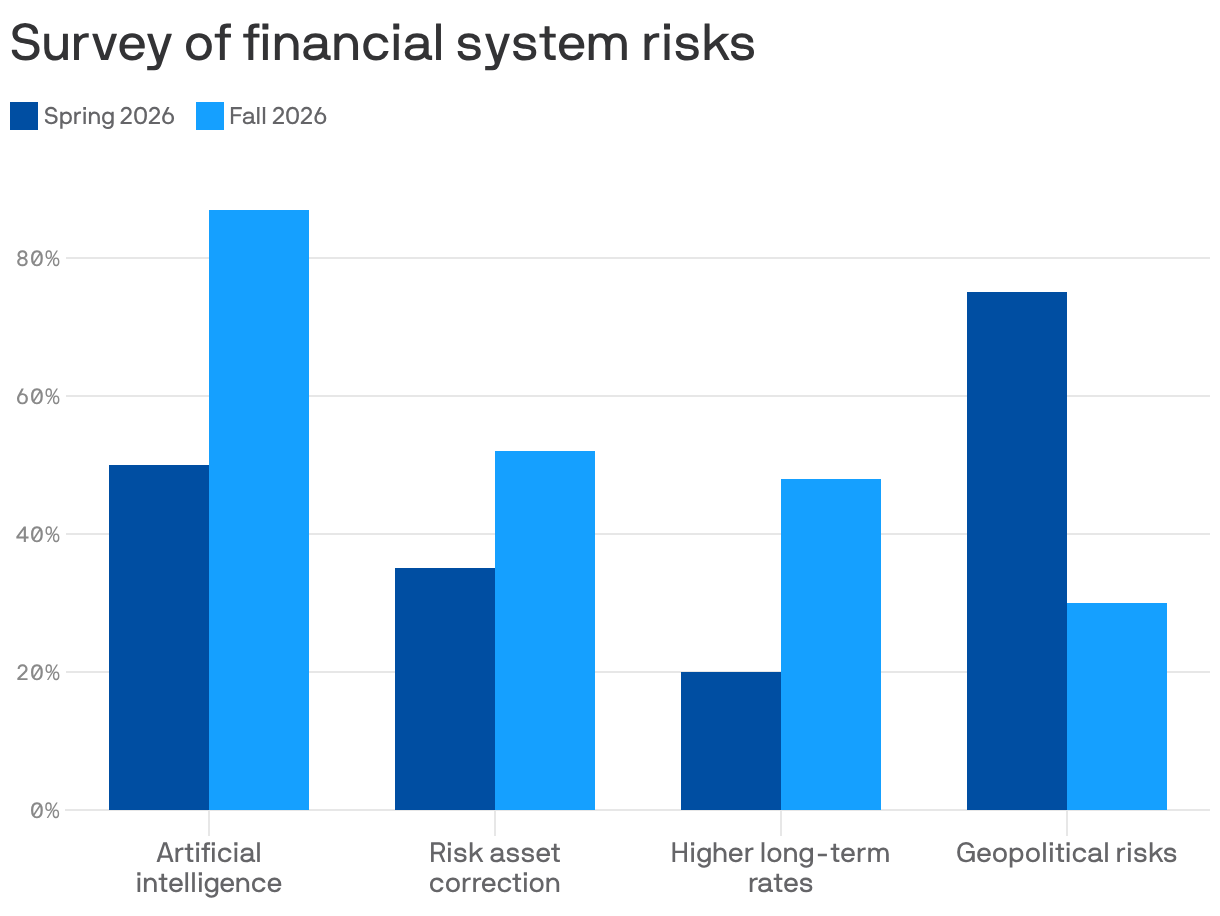
Why it matters: If AI investments fail to generate expected returns, the losses could spread beyond technology companies to the banks and investors financing them.
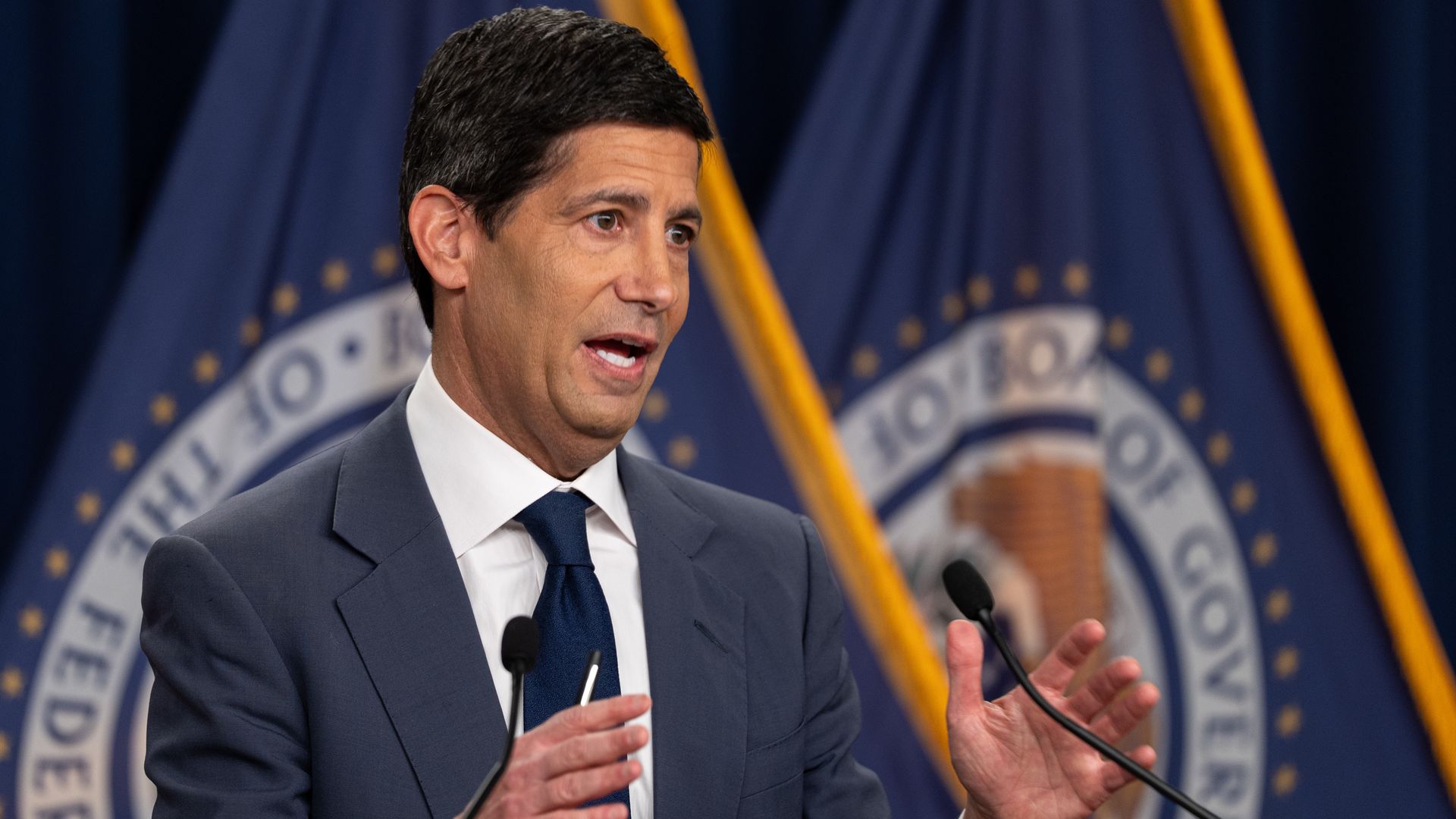
Federal Reserve chairman Kevin Warsh on Monday described a range of scenarios for how the AI boom may ripple through the economy in the coming years — including one in which financial loss causes stocks to drop and unemployment to rise.
Why it matters: The massive, multitrillion-dollar investment in AI technology and the data centers that power it has contributed to U.S. economic growth, but also created vulnerabilities that have come into greater focus in recent weeks.
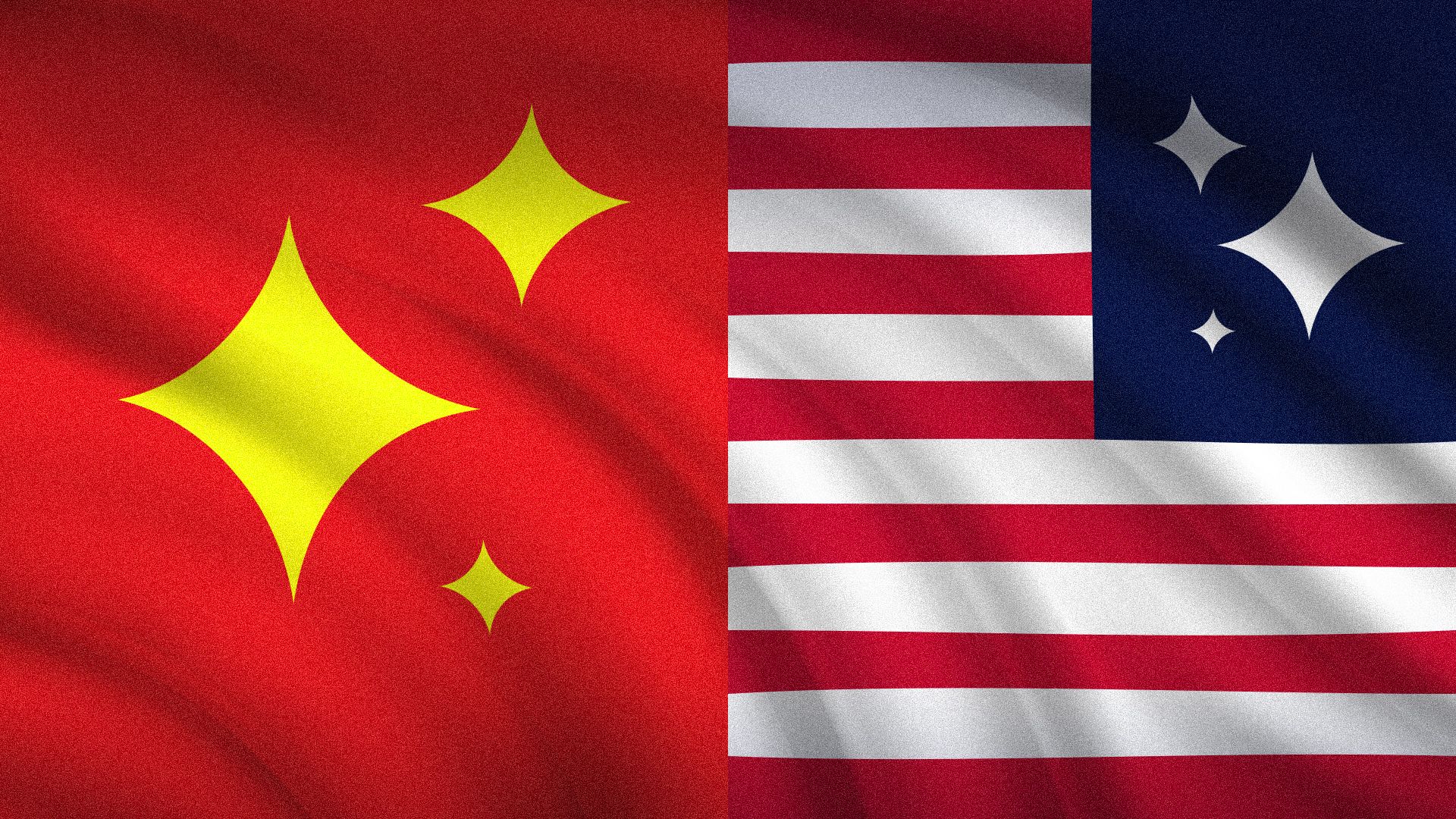
The Trump administration on Monday released a new rule to close a loophole that allows sensitive U.S. tech to reach China through data centers in the region.
Why it matters: The action comes after mounting pressure on the Commerce Department to block a top U.S. adversary from accessing semiconductors — technology that is central to the AI race.
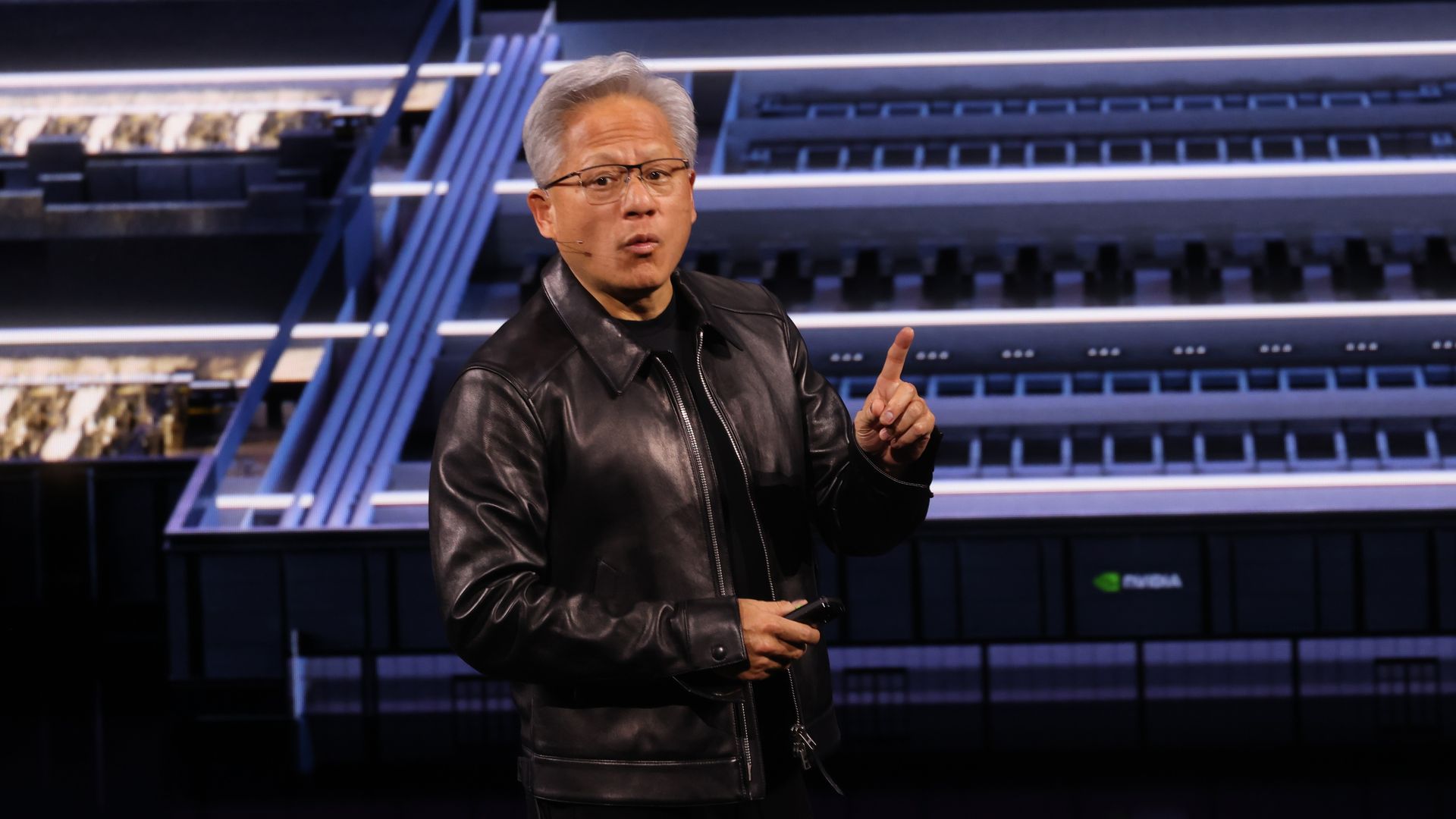
Former Nvidia CEO Jensen Huang's affair with a customer and alleged Chinese spy who works for Megaspeed — a data center company in Singapore — has intensified calls to tackle the diversion of chips to China.
A campaign to bring back Jensen Huang as CEO of Nvidia is gaining momentum — and has the support of President Trump — even as most analysts say it's out of the question.
Why it matters: Huang resigned under duress last week after he acknowledged an affair with a suspected Chinese spy and after the revelation of another alleged affair with a direct report.
Britain wants a bigger piece of the AI boom without becoming wholly dependent on American technology, the country's AI minister told Axios ahead of a visit to Silicon Valley this week.
Why it matters: The U.K. is trying to position itself as both an attractive destination for U.S. AI investment and an independent voice on how the powerful technology should be developed and regulated.
Jensen Huang appeared to have the same swagger, power and control over his company as his tech founder peers, but the former Nvidia CEO lacked one thing that may have sealed his fate: supervoting shares of stock.
Why it matters: Both Elon Musk at SpaceX and Mark Zuckerberg at Meta famously hold these special shares — they give founders more voting power even if they don't own a majority stake in the firm and make it much harder to fire or even to force CEO resignations.
It was random, but related, that we were hit with a tectonic election result, an epic AI-and-spy scandal, and the dramatic FAA shutdown in just over one week.
This is our new reality: constant shock and awe, igniting chain reactions across politics, media, AI, business and culture.
Why it matters: This month's three shocks hit separately. But their speed and spread are our new reality.
The downfall of Nvidia CEO Jensen Huang adds an explosive new risk to an already-strained AI boom, threatening to burst a financial bubble even if the technology ultimately succeeds.
Why it matters: History shows that world-changing technology and devastating financial bubbles often go hand in hand. A market reckoning won't stop the AI revolution. But as with the dot-com crash, it could vaporize trillions in investor wealth as expectations come crashing back to earth.
Prominent conservative thinkers and MAGA figures are seizing on former Nvidia CEO Jensen Huang's affair with an alleged Chinese spy to pull President Trump away from his alliance with the tech right.
Why it matters: The Nvidia scandal highlights some of the political weaknesses for Trump in allowing himself to be defined by his connections to an increasingly unpopular group of companies.
Right-wing players are hoping the bombshell revelations about Huang's affairs will chip away at the president's embrace of the tech industry and offer an opening for anti-tech voices in his administration.