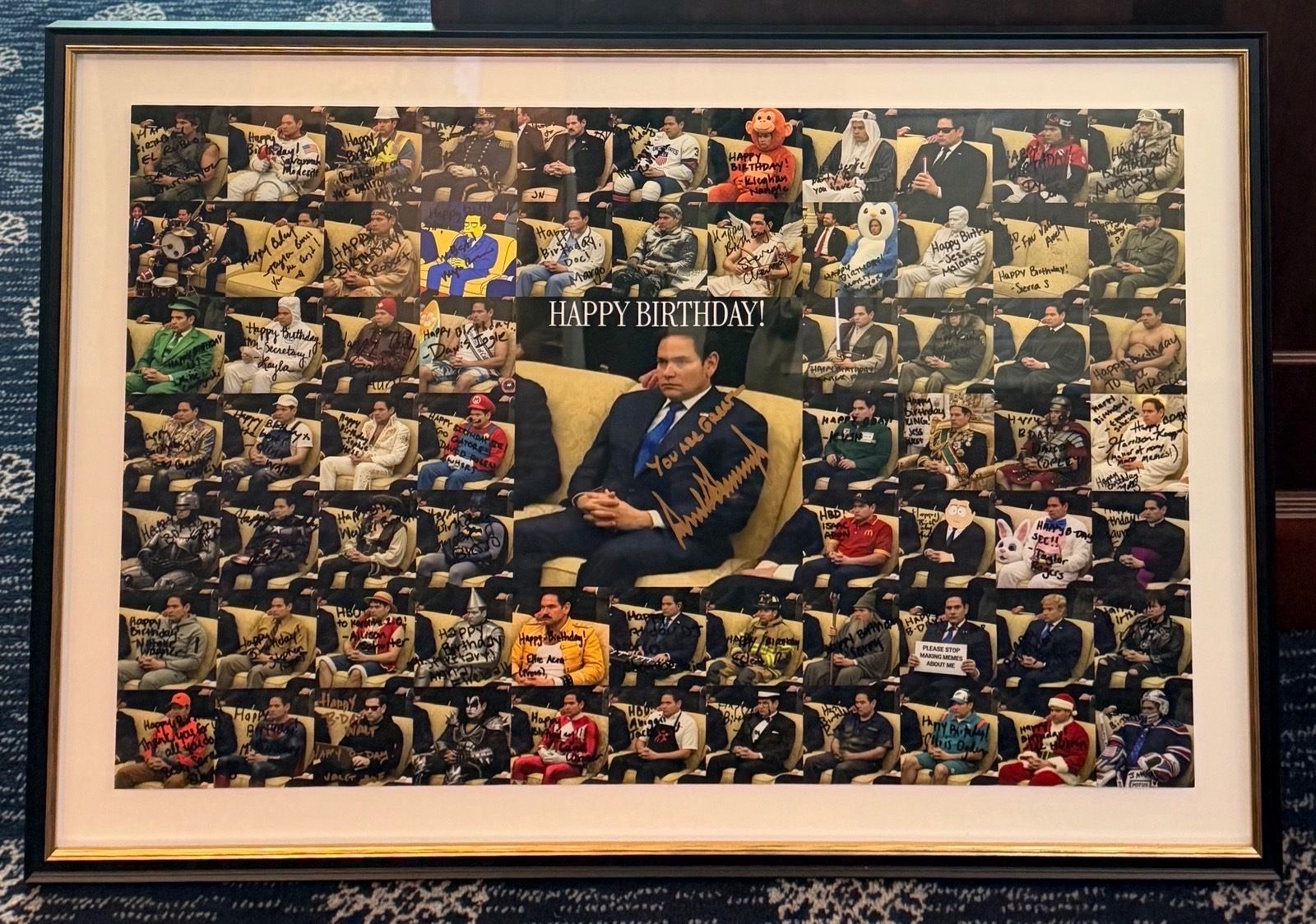
Marco Rubio has three official Trump administration jobs and a fourth unofficial title: Viral meme star.
He's been featured in countless "Rubio Realizing" images doctored to capture his grim reaction to being "assigned" more jobs, depending on the news of the day or the crisis du jour in the White House.
Why it matters: For his 55th birthday on May 28, White House staffers and President Trump gifted Rubio with a gold-framed collage of their 68 favorite "Rubio Realizing" memes.
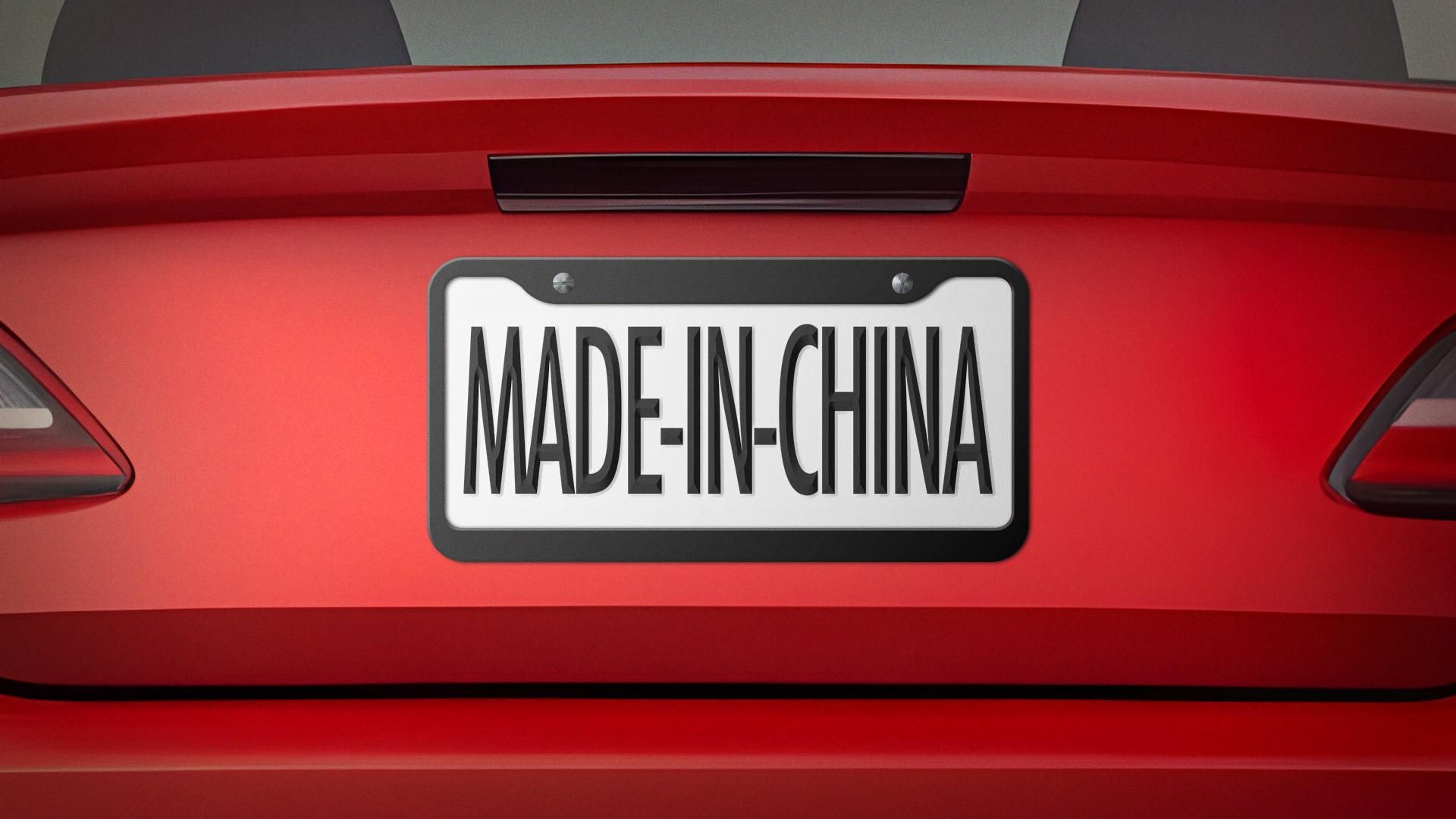
Why it matters: China once represented a lucrative growth opportunity and manufacturing base for American automakers, but those ties are unraveling as Chinese rivals like BYD and Geely expand their reach around the world.
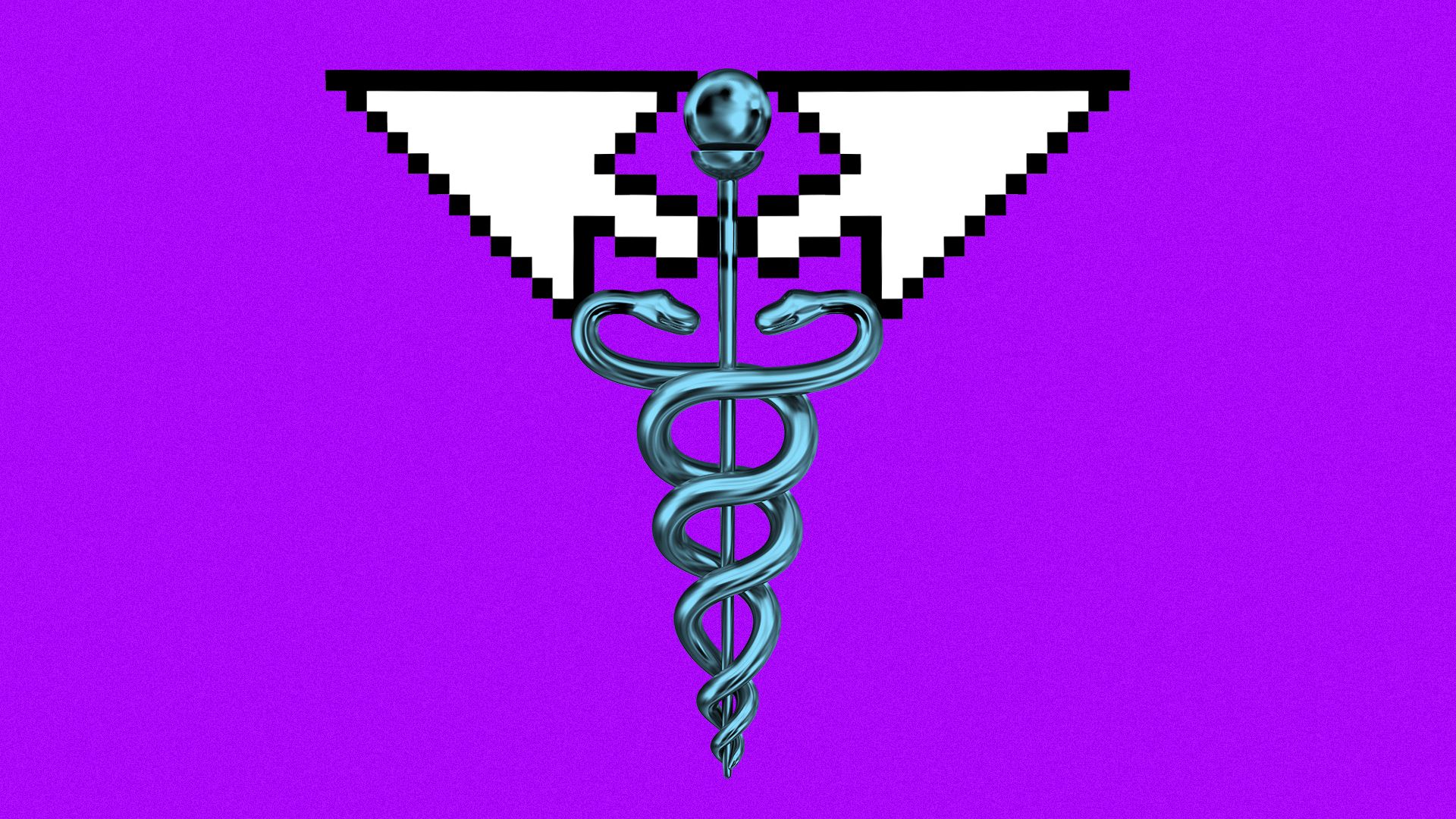
OpenAI's nonprofit arm is committing $100 million toward a public health effort built around using advanced artificial intelligence to help expand treatment rates for Hepatitis C, HIV, and other conditions.
Why it matters: Hepatitis C is curable in more than 95% of patients, but about two-thirds of Americans living with the liver disease remain untreated and about 40 die each day, officials behind the effort said.
Google on Thursday debuted Gemini 3.7 Flash just three weeks after its last update to the workhorse version of its AI model.
Yes, but: The company has yet to deliver Gemini 3.5 Pro, a promised update to its larger version of Gemini as the search giant continues to trail Anthropic and OpenAI at the frontier.
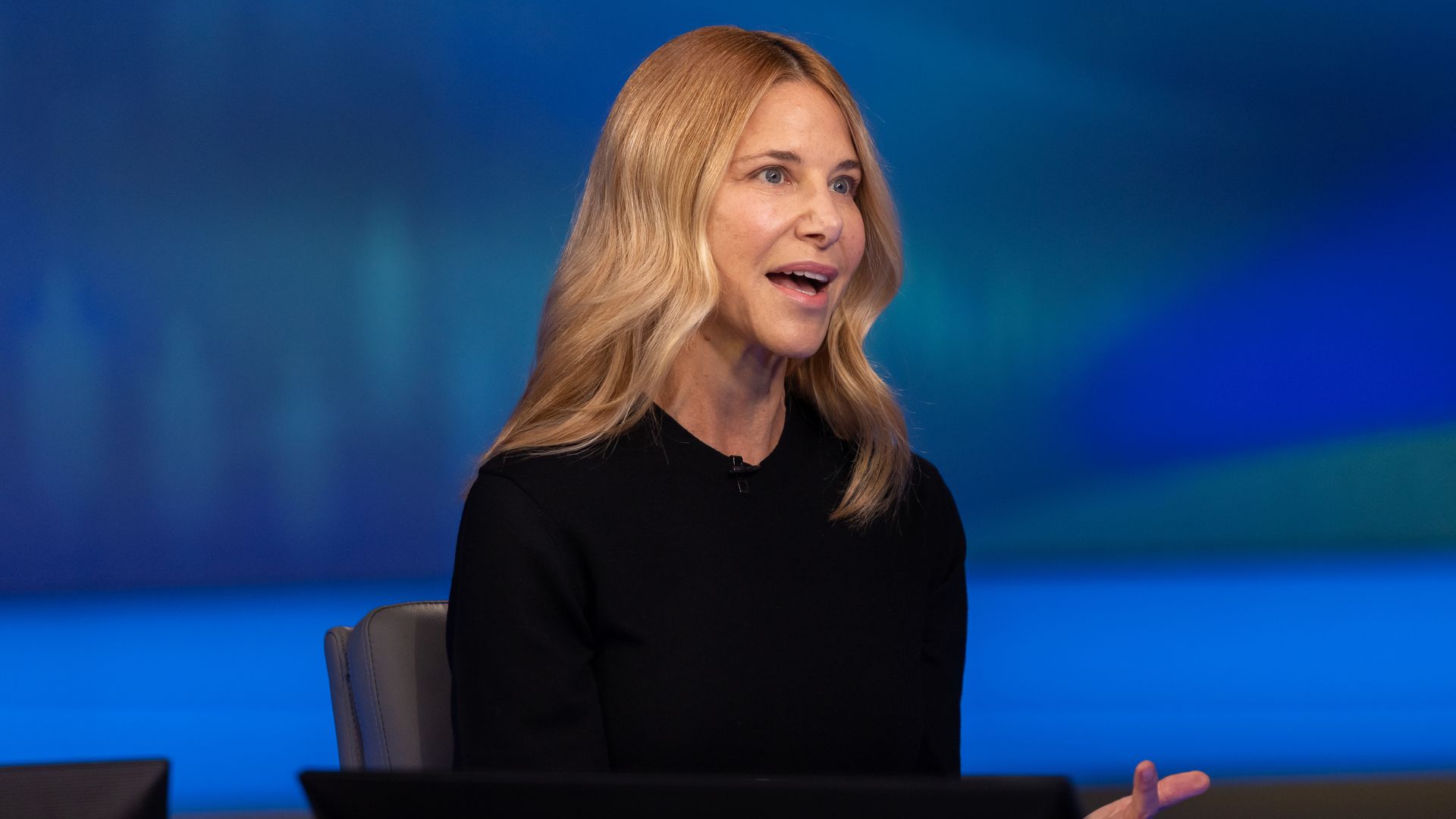
OpenAI chief revenue officer Denise Dresser is leaving the company less than a year into the role. OpenAI appointed Dali Rajic, most recently president and COO of Google-owned cybersecurity company Wiz, to replace her.
Why it matters: Dresser's departure comes as co-founder Greg Brockman consolidates more operating responsibility around himself while OpenAI grows its enterprise business to prepare to go public.
AI has become an everyday tool for communicators, but many of the audiences they're trying to reach remain deeply skeptical of how it's being used.
Why it matters: Communicators risk getting stuck in a pro-AI bubble, where the ubiquity of the technology among colleagues and executives makes it easy to overlook the skepticism — and sometimes outright hostility — it generates.
AGent Energy, a startup that integrates backup generators into the grid during emergencies, raised $11 million in seed funding co-led by Spero Ventures and MassMutual Ventures.
Why it matters: Power demand is rising quickly, straining grids and helping drive up electricity bills.
CoreWeave's losses doubled, its spending soared and it devoured almost $6 billion more in cash than it generated last quarter. Investors loved it.
Why it matters: Some see CoreWeave, a so-called neocloud that builds data centers and sells AI computing power, as the canary in the coal mine of the AI trade.
After the report, that canary was tweeting and flying high.
Elon Musk and Mark Zuckerberg have muscled their way back into AI's elite ranks, defying early obituaries to close the gap on a new generation of Silicon Valley startups.
Why it matters: Recent gains by tech giants SpaceX and Meta — long stuck in AI's second tier — are putting new pressure on a hierarchy dominated by OpenAI and Anthropic.
Forcing companies to pay upwhen powerful AI systems cause harm may be one of the strongest incentives for preventing that harm in the first place.
Why it matters: Liability creates a direct financial incentive to identify risks, test for them and build protections before powerful AI is released — not after someone is harmed.
A new "digital organism" could simulate how a potential drug or genetic change moves through molecules and cells and eventually people, according to a new Nature Medicine paper out Thursday.
Why it matters: Better AI simulations could streamline biology and help researchers screen ideas earlier and focus experiments on the most promising candidates to catch risks sooner.