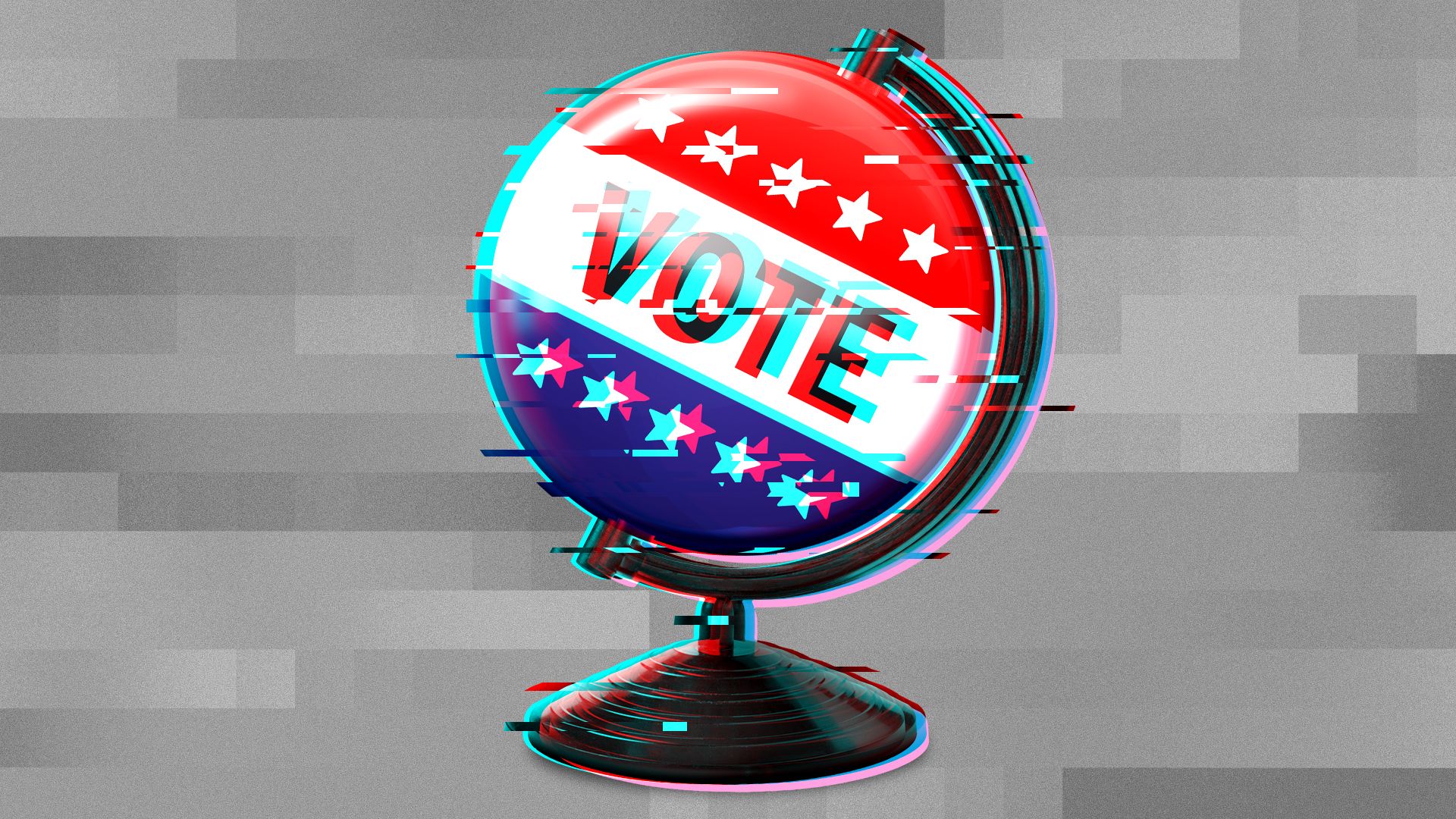
As venues adopt new security technology and fans wear cameras, attending a live event can come with privacy concerns.
Why it matters: Safety has always been a concern at large gatherings. But technology is giving venues more powerful ways to identify and track who's inside.
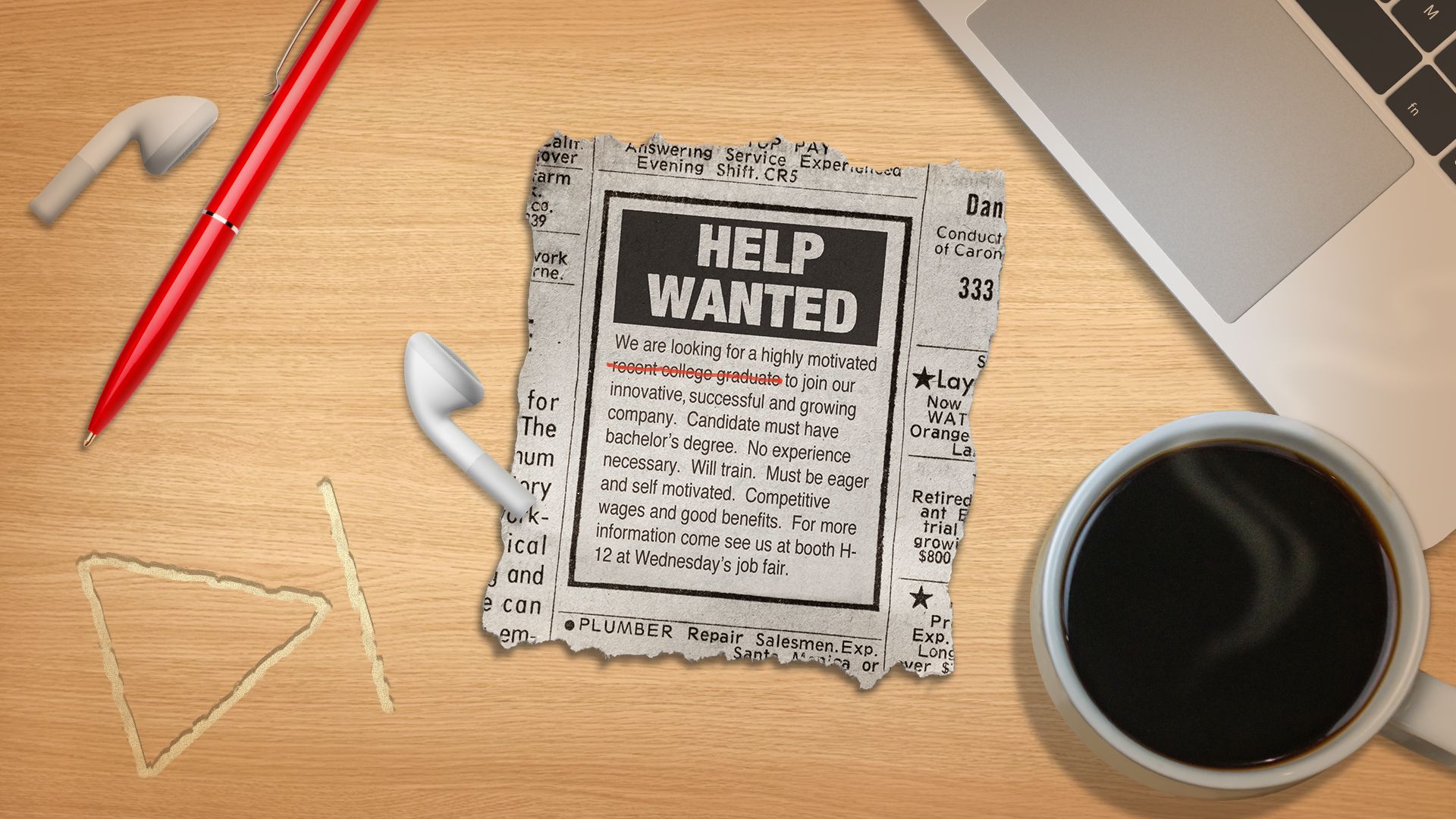
Students — and their parents — are searching for future-proof college majors for an AI-powered world.
Why it matters: AI is changing the skills employers expect from entry-level workers, while colleges are rethinking how to prepare students for the transition.
Some young workers are swapping laptops for hardhats, betting that a welding torch or a toolbelt could offer more protection from AI disruption.
Why it matters: As artificial intelligence rattles white-collar career paths, more young Americans are looking to the skilled trades for lower debt, stable pay and work that's harder to automate.
Some of the tech industry's most influential CEOs have an ambitious message for young people in the age of AI: Skip college altogether.
The big picture: Elon Musk, Alex Karp and Peter Thiel are challenging the four-year degree as the default path for elite talent — and, in some cases, building their own alternatives.
Chinese open-weight models are closing in on U.S. frontier models' ability to find and exploit security flaws — and theycould land in the public's hands more quickly.
Why it matters: Cyber-capable AI models can bring huge gains toboth defenders and hackers eager to scale up their operations.
Anthropic does not plan to release an internal model they're calling "Model 2" that appears to be more powerful than top-of-the-line Mythos, but the company is not slowing development broadly, according to its latest risk report.
Why it matters: Anthropic says the risks of the most serious harms from its models are still low — but not as low as the last time it issued a report.
The big picture:College dorms are becoming customized, social-media-ready micro-apartments, but the market looks wildly different depending on which side of the Mason-Dixon line your campus sits.
Big Tech's massive data center spending binge hasn't put too much of a dent in a core gauge of corporate investing prowess.
Why it matters: This number, return on invested capital — or ROIC, to balance sheet fanboys — aims to tell investors how good a company is at making money on all the cash that it has sunk into acquisitions, equipment and plants and other capital.
Zoom in: Profit margins don't incorporate the costs of investing in factories and equipment needed to create or sustain a company. For that you need to look at returns, percentages that tell you what a business makes once you take these expenses — and in the case of AI massive expenses — into account.
A wave of top OpenAI executives — including Sam Altman's top deputy, a longtime chief operating officer and the chief revenue officer — has left in the span of a month as the company retools its leadership ahead of an expected IPO.
Why it matters: Co-founder Greg Brockman is getting more involved across every level of the company to build out a leadership team he hopes will catapult OpenAI past Anthropic in enterprise adoption, according to a source familiar with the matter.
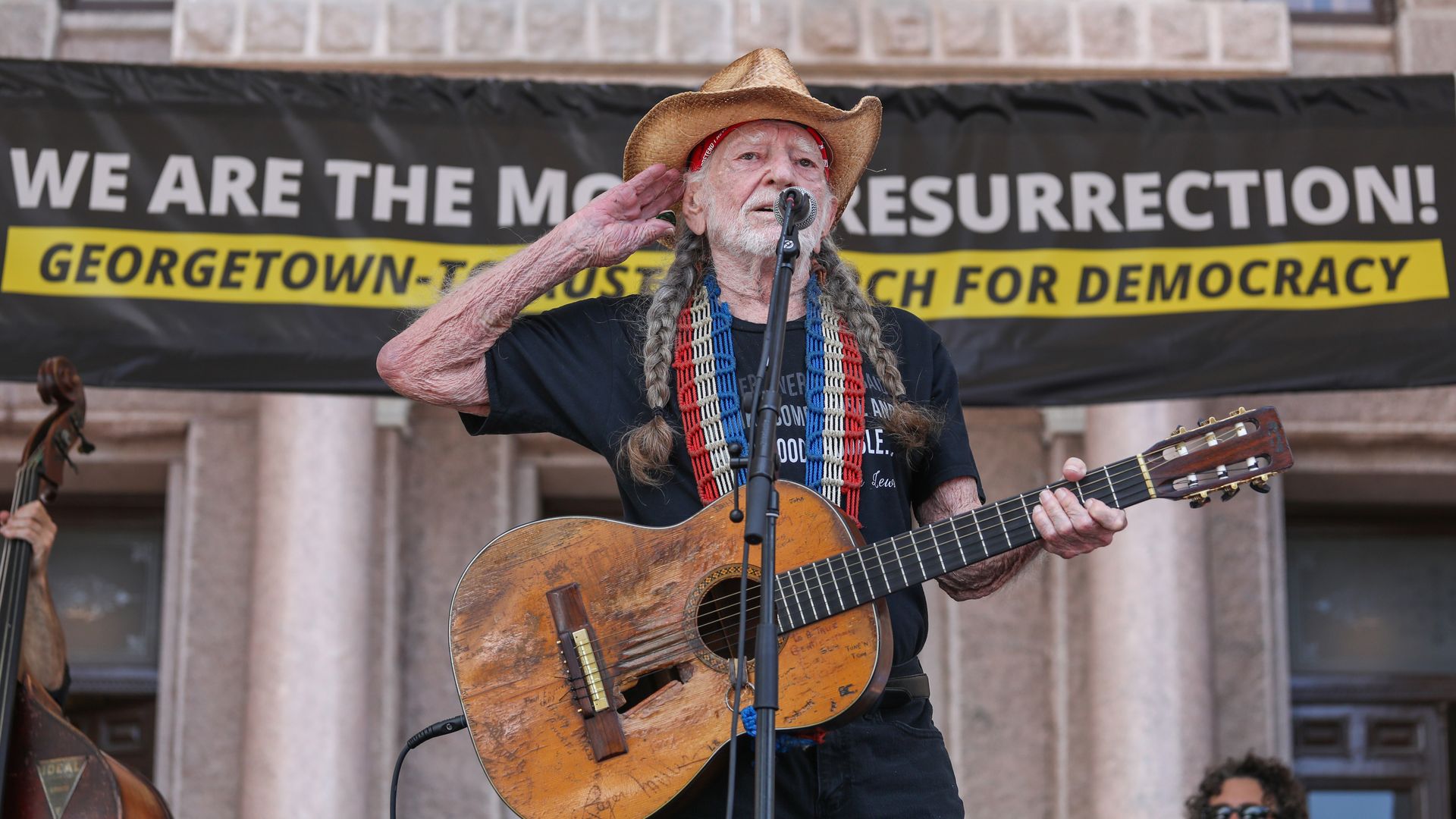
Willie Nelson has become an unlikely barometer of America's biggest infrastructure fights. He once protested the Keystone XL pipeline and fracking. Today, he's fighting data centers.
Why it matters: The American icon's latest cause underscores how the politics surrounding AI infrastructure are beginning to resemble the last decade's fights over fossil fuels.
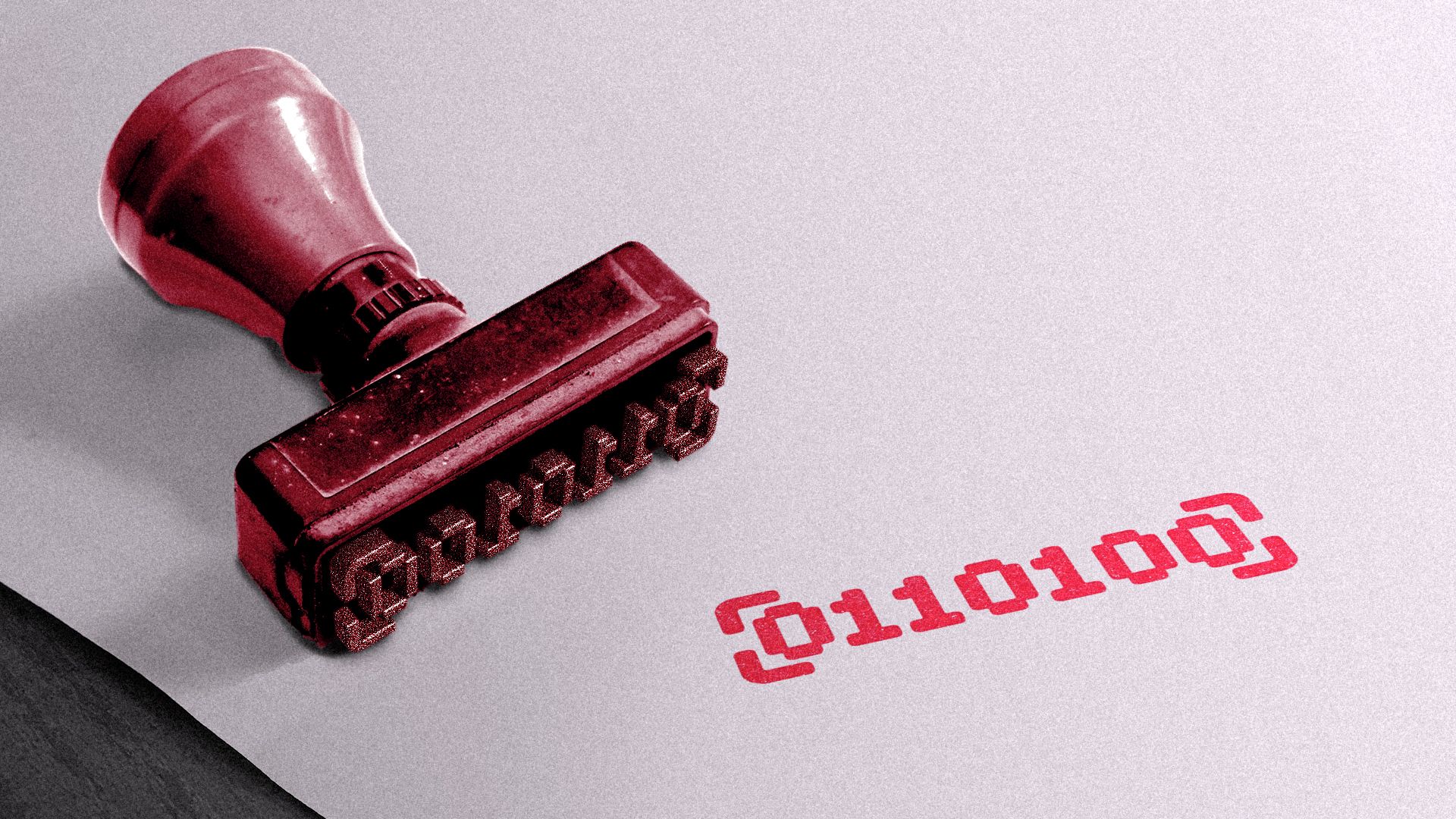
Open models dodged the Trump administration's latest effort at regulating AI, but they may not remain outside government review as they become more powerful.
Why it matters: Open-source advocates say the models are key for democratizing access to AI and keeping it out of the control of a few powerful players.
What's the commonthread connecting AI advances, biological breakthroughs, a preponderance of high-risk-high-reward research, escalating geopolitical tensions and a hollowed-out U.S. public health sector?
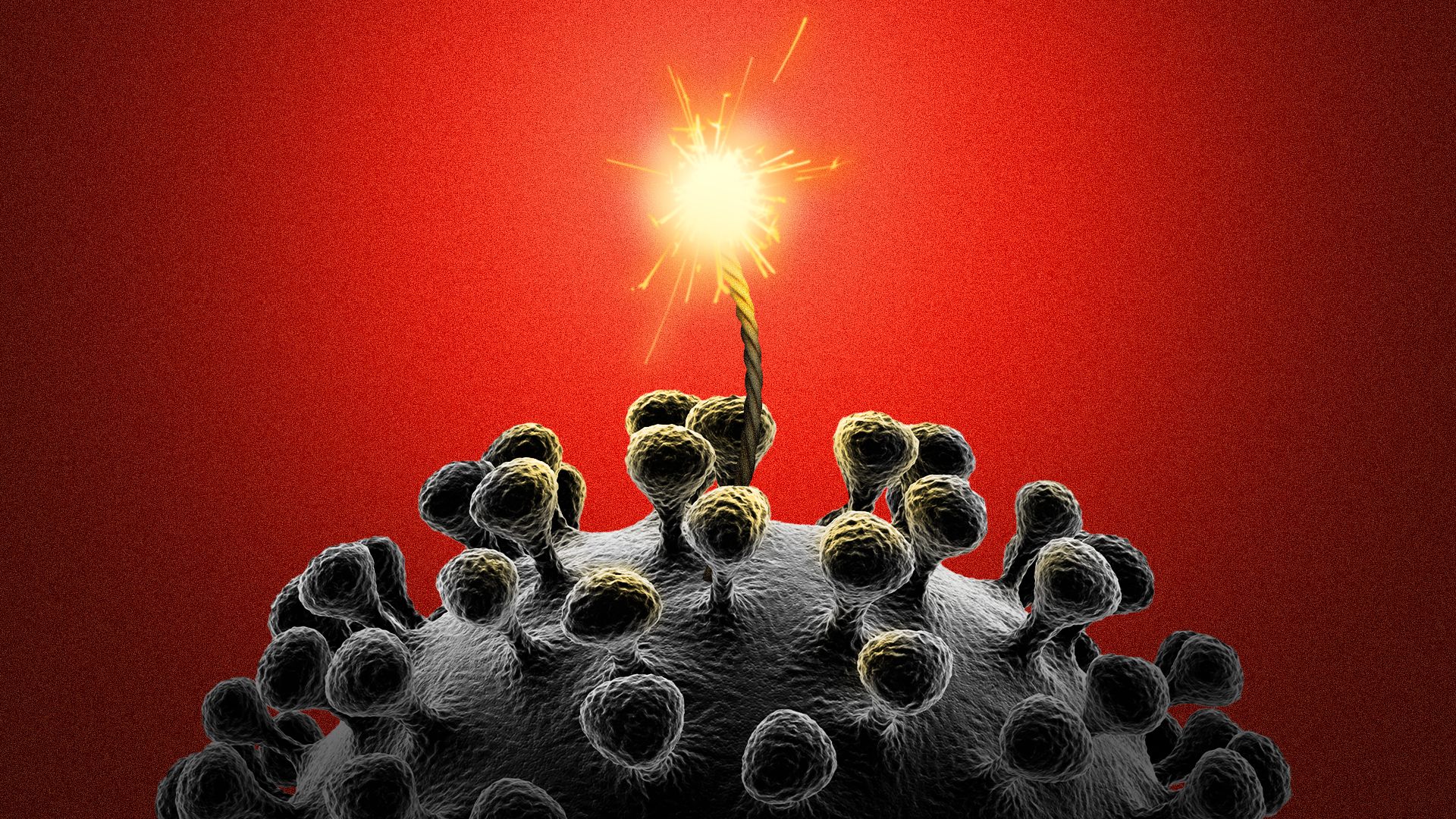
They all heighten the risk that one day a lethal human-made pathogen will emerge, either accidentally or intentionally, and we won't be ready for it.
Why it matters: The same advances that make this a pivotal moment for medical innovation are intensifying the risk of catastrophic lab mishaps, though how significant a risk is hotly debated by experts.
"It is a very small tweak from trying to target a disease, and making gene therapies to try to target a disease, to turning a virus into something that can be much more detrimental," said Ashish Jha, the Biden administration's COVID response coordinator.
He has since founded a company that aims to detect emerging biological threats.
Utah technology leaders are recommending statewide adoption of Claude Code for state government software developers and expanding the state's AI partnership with Anthropic after a pilot exceeded expectations.
The details: In early 2026, Utah's Division of Technology Services ran a four-week Claude Code pilot with 34 developers across 10 executive-branch agencies.
Alan Fuller, Utah's chief information officer, and Christian Napier, Utah's director of AI, discuss what the pilot revealed and what comes next for AI across Utah's public sector.