My wife, Autumn, has spent nearly a quarter of the past four years in ERs and hospitals, untangling and battling three chronic conditions — and a shamefully broken U.S. medical system.
We live in Washington, D.C., with top-rated hospitals in our backyard. Yet her experience has been eye-opening and often horrifying, especially for a nation that spends twice as much on medical care as our rivals.
What it's like: ERs so hauntingly jammed she's often stacked like cargo in hallways, on a stretcher, waiting double-digit hours for care.
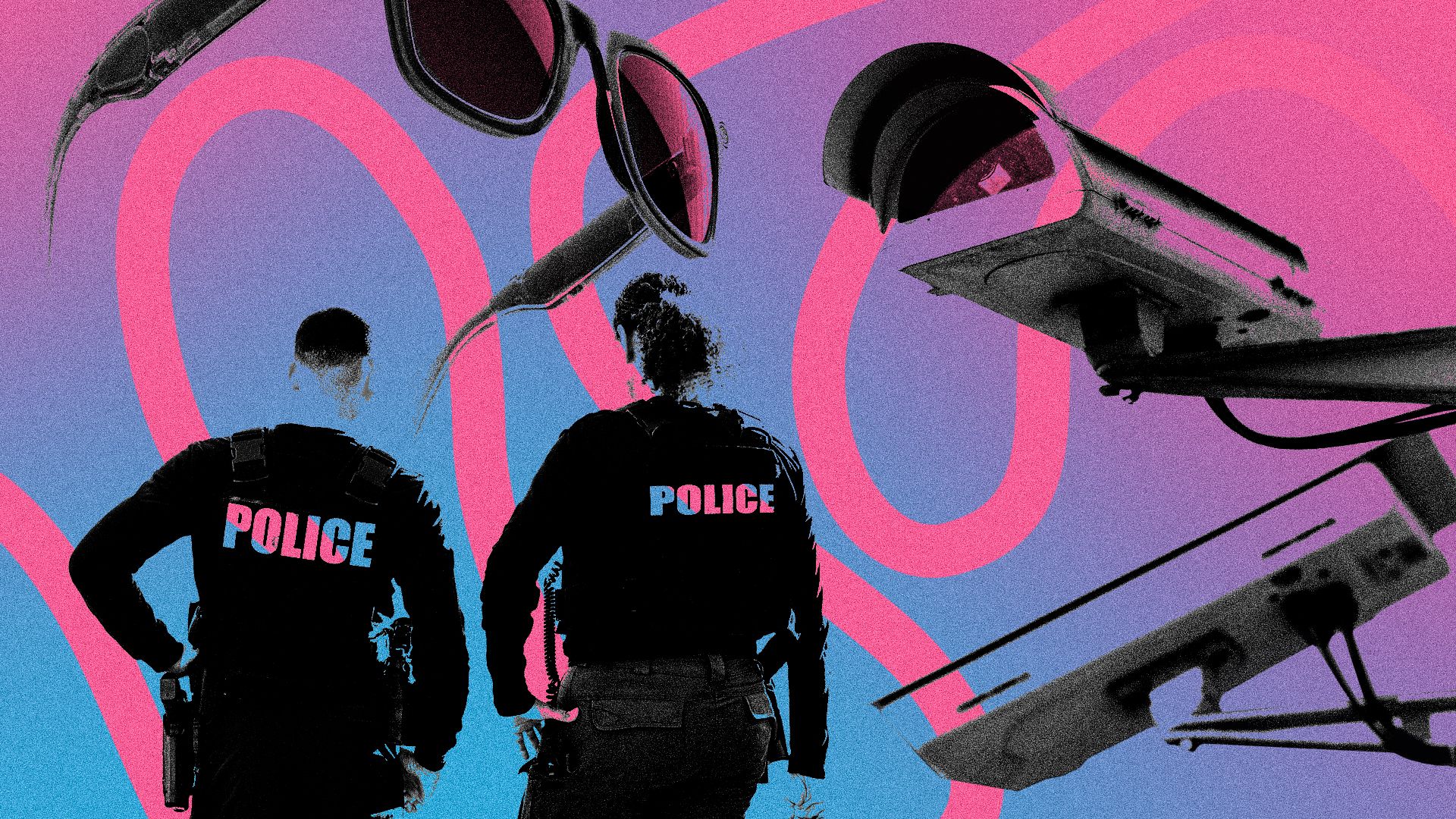
As venues adopt new security technology and fans wear cameras, attending a live event can come with privacy concerns.
Why it matters: Safety has always been a concern at large gatherings. But technology is giving venues more powerful ways to identify and track who's inside.
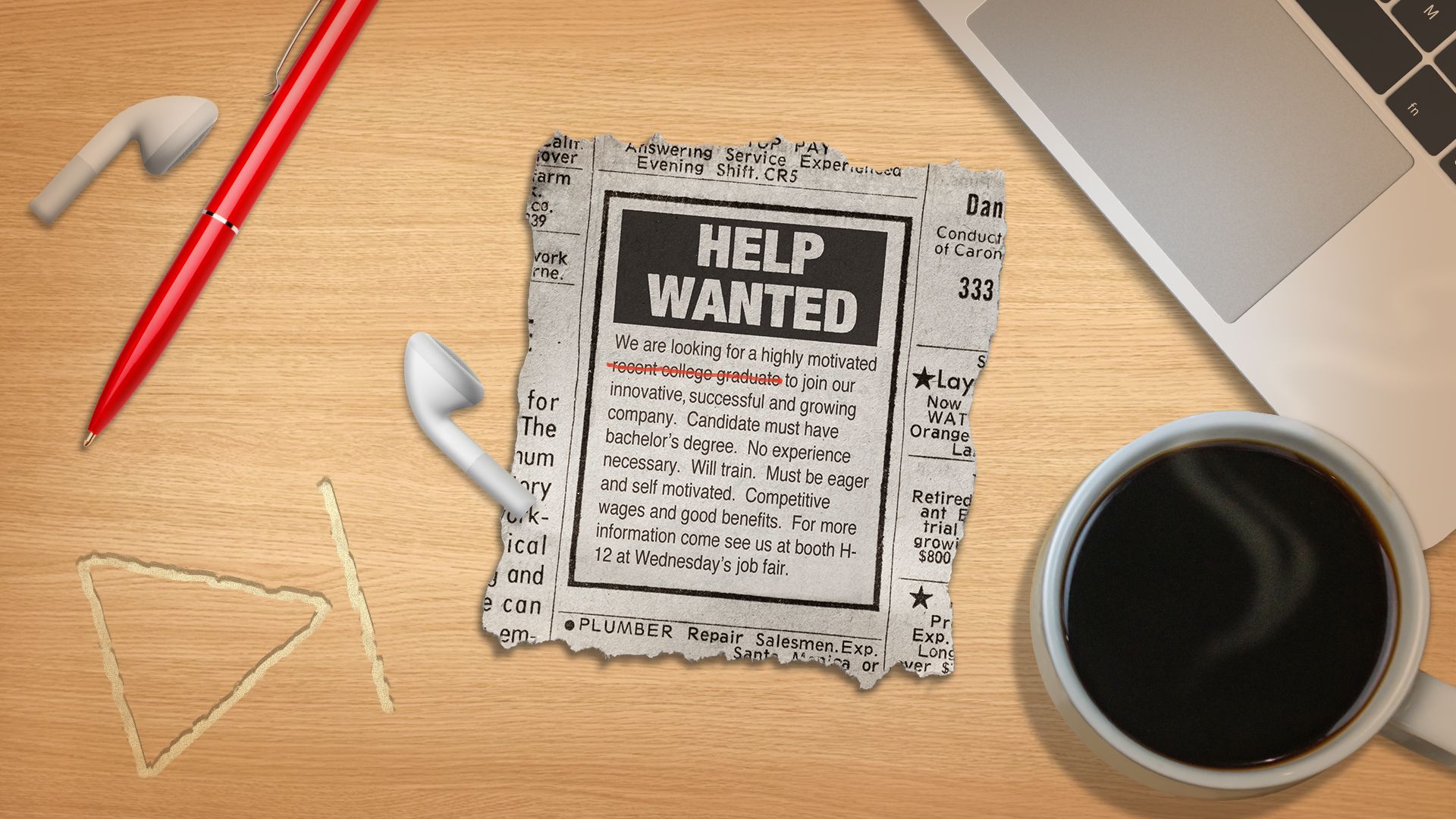
Students — and their parents — are searching for future-proof college majors for an AI-powered world.
Why it matters: AI is changing the skills employers expect from entry-level workers, while colleges are rethinking how to prepare students for the transition.
Some young workers are swapping laptops for hardhats, betting that a welding torch or a toolbelt could offer more protection from AI disruption.
Why it matters: As artificial intelligence rattles white-collar career paths, more young Americans are looking to the skilled trades for lower debt, stable pay and work that's harder to automate.
Some of the tech industry's most influential CEOs have an ambitious message for young people in the age of AI: Skip college altogether.
The big picture: Elon Musk, Alex Karp and Peter Thiel are challenging the four-year degree as the default path for elite talent — and, in some cases, building their own alternatives.