Truth Social's parent company, Trump Media and Technology Group, is pulling back from two Crypto.com deals as new leadership looks to focus the tech firm around its media arm and pending merger with fusion energy company TAE, interim CEO Kevin McGurn tells Axios.
Why it matters: The reset is a departure from previous leadership's strategy, which aggressively pursued crypto and financial services opportunities at the height of the crypto treasury boom in 2025.
OpenAI "cannot rule out" that its upcoming model Astra has "critical" cyber capabilities, a designation that has prompted the company to expand safety testing and pause internal activities that do not meet stricter security requirements, OpenAI told Axios first on Friday.
Why it matters: It's the latest sign of rapidly advancing cyber capabilities from AI models, after others worked autonomously outside of testing sandboxes and protections.
Nielsen has agreed to buy DoubleVerify, a digital media measurement firm, for around $2.15 billion, or $13.60 per share.
Why it matters: This highlights a recent trend of media measurement firms going (or staying) private, which could accelerate as AI continues to pressure software valuations.
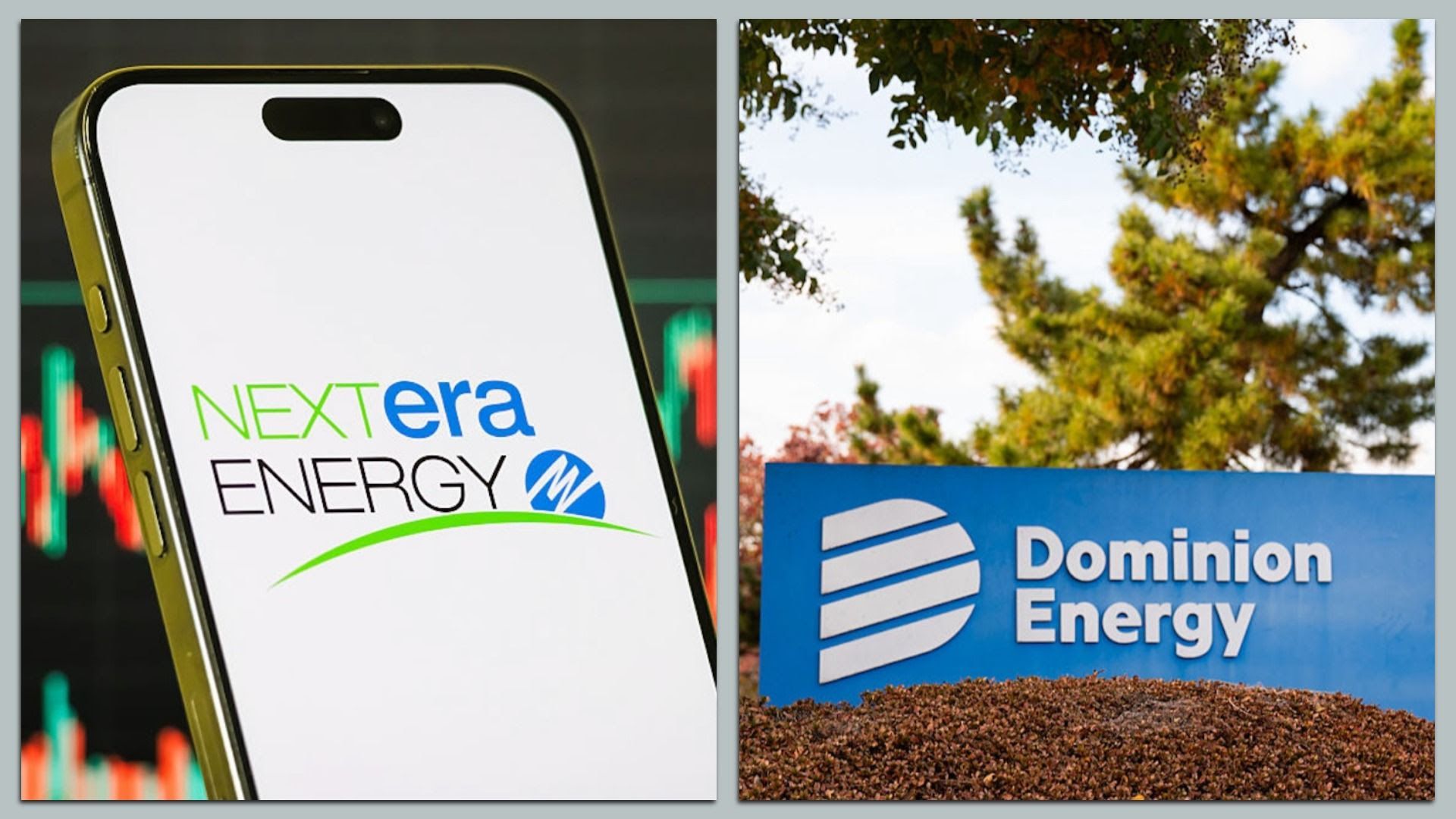
The profile of the proposed $67 billion merger between NextEra and Dominion just got even higher — and the path toward creating a new power giant just got even trickier.
Why it matters: Virginia Gov. Abigail Spanberger's (D) move Thursday to formally take part in the state regulatory proceeding is more than just inside baseball.
SpaceX's stock price rose Thursday, even as a large slug of new shares in the rocket-satellite-AI-social media conglomerate was freed up for trading.
Why it matters: SpaceX's June IPO was structured so that, initially, only a relatively small number of the company's shares — less than 5% — could be traded.
That constrained supply likely helped support the stock through the company's high-profile debut as a publicly traded company.
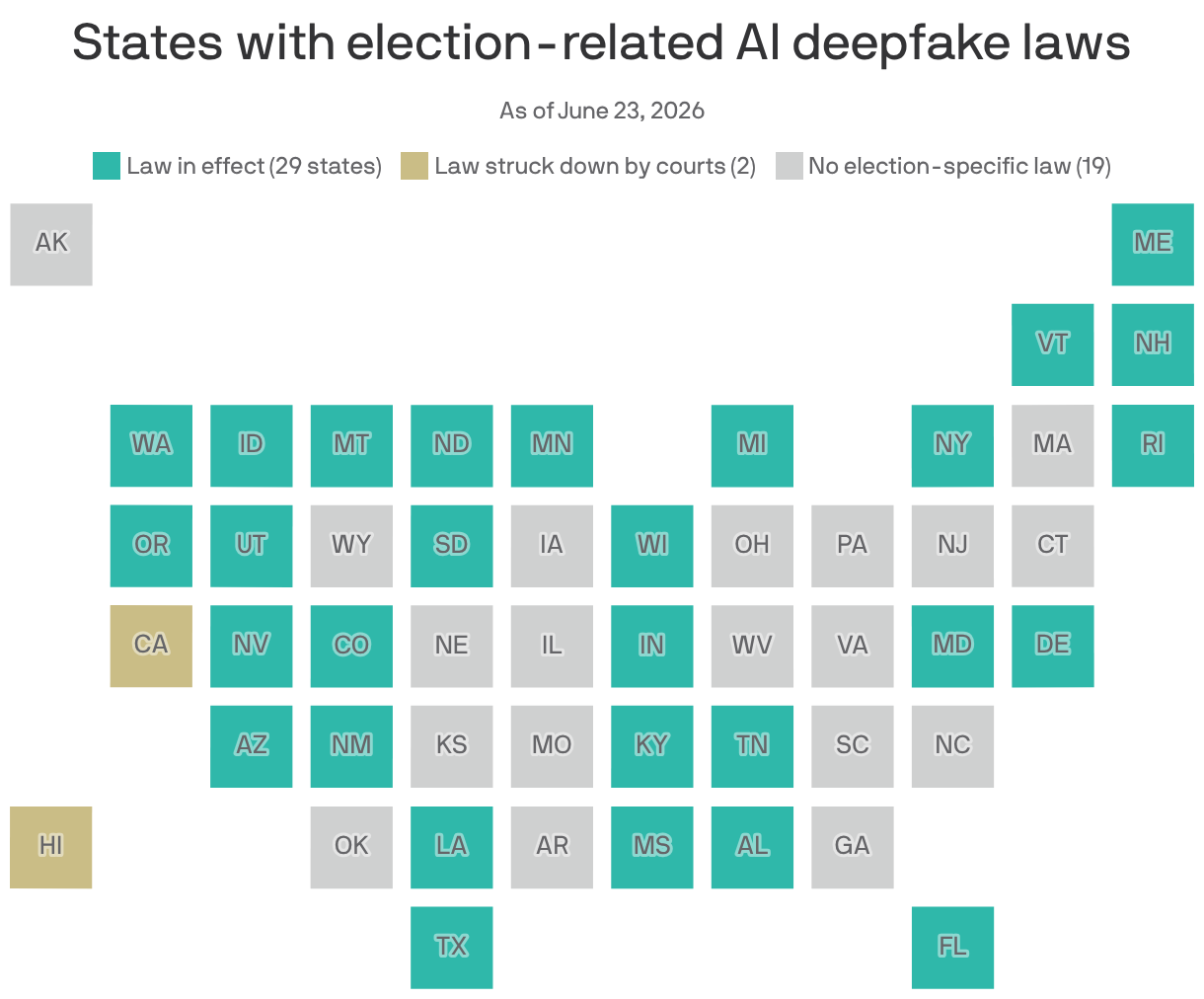
Americans across the country could have very different experiences with AI deepfakes leading up to Election Day, thanks to a patchwork of state rules.
Why it matters: AI-generated attack ads and campaign content are rampant leading up to the midterms as candidates across the political spectrum usethe technology.
Suspected Iran-linked cyberattacks are exposing long-standing vulnerabilities in fragmented U.S. drinking water systems facing aging infrastructure and intensifying climate threats.
Why it matters: Drinking water systems disruptions can threaten public health and essential services, while many utilities—especially smaller ones—lack the staff and resources to strengthen their defenses..
A Stanford-led research team has used generative AI to design a synthetic virus — the first time artificial intelligence has been harnessed to create an organism that has never been seen in nature.
The U.K. Competition and Markets Authority (CMA) on Thursday said it gave Paramount the green light to acquire Warner Bros. Discovery.
It comes following assurances from Paramount that it would preserve editorial independence, invest in U.K. programmingand protect children's networks..
Why it matters: It's a major regulatory win for Paramount, which is facing a more contentious approval battle back home.
Protecting and monitoring companies' internal AI stacks is one of the hottest topics on the floor of this year's Black Hat cybersecurity conference in Las Vegas.
Why it matters: Workers have been experimenting with different AI tools for years now, creating a plethora of new entry points for malicious hackers, experts at this year's show told Axios.
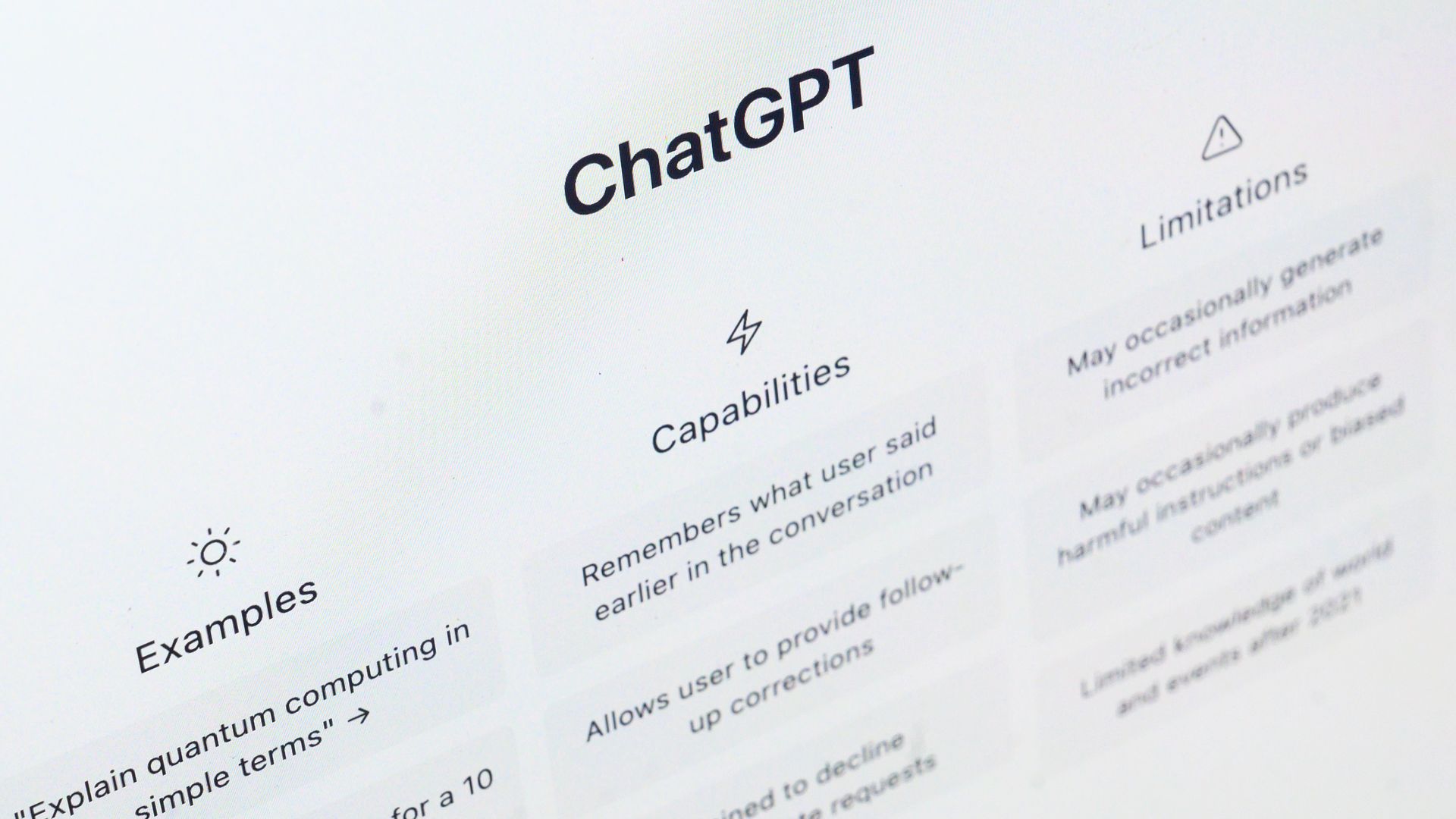
OpenAI on Thursday announced a series of changes that will upgrade ChatGPT for both paid and free users.
Why it matters: Free AI plans from frontier labs now offer more intelligence than most people will use, while enterprises are still figuring out how to budget for advanced capabilities.
AI can generate almost anything on a screen, but it can't re-create what happens when thousands of people gather around something they genuinely care about.
Why it matters: Communicators have long managed relationships with employees, investors, regulators and the media. Now add fans to the mix.
Top AI architects say their technology has arrived at a threshold once confined to science fiction: the singularity, or the moment machines begin accelerating their own evolution.
Why it matters: If these moguls are right, we may be entering the most consequential technological transition in human history — the opening stages of an "intelligence explosion" that transforms civilization faster than humanity can understand or control.
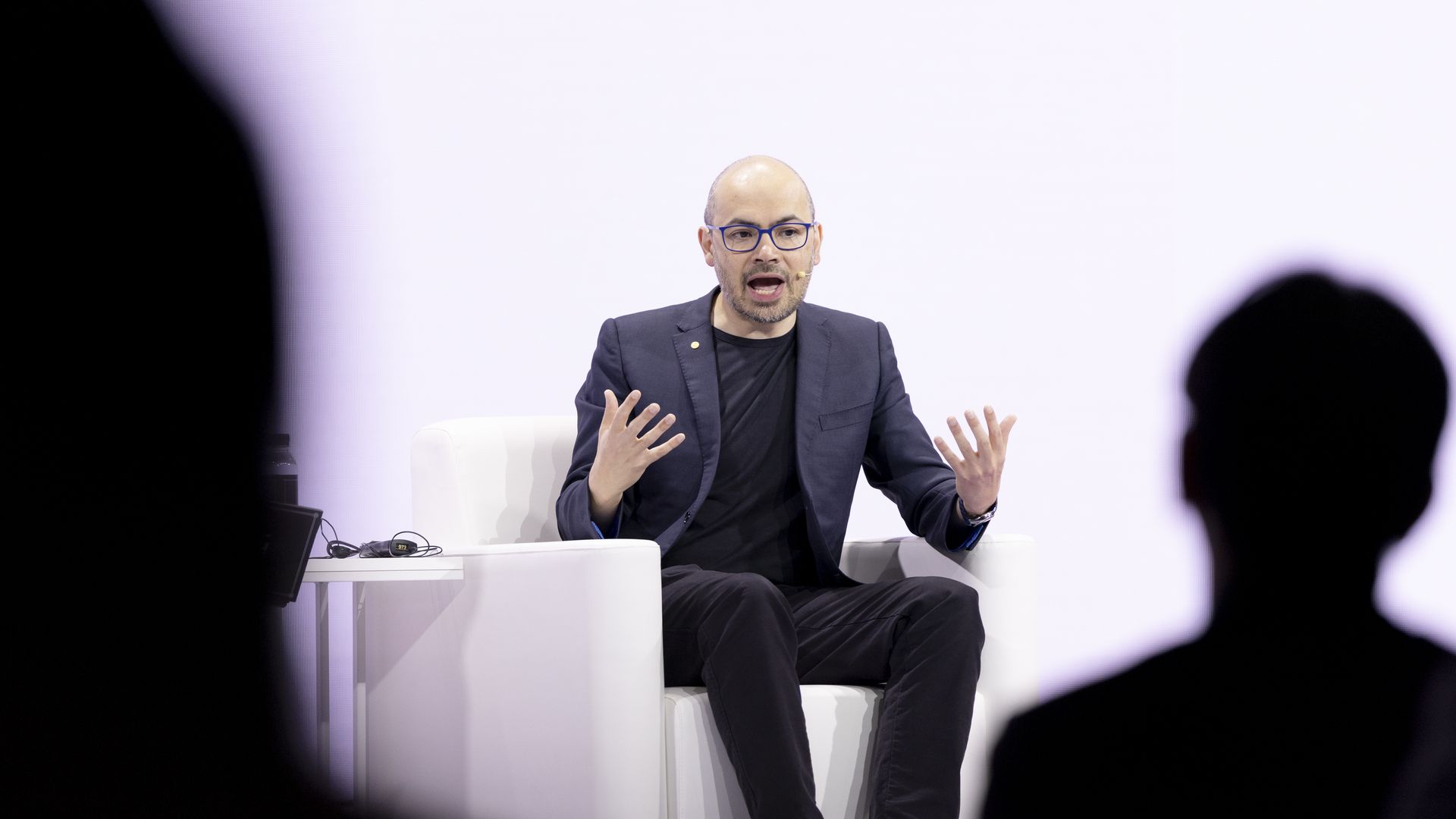
Google's announcement Wednesday that Demis Hassabis was ceding his CEO position to become chairman of Google DeepMind and chief scientist for parent company Alphabet is the biggest AI executive overhaul since OpenAI CEO Sam Altman was temporarily ousted in 2023.
Why it matters: Google is facing delayed models, researcher departures and mounting pressure from OpenAI and Anthropic.
Verb, a data exchange, is launching a marketplace Thursday that lets consumers sell their personal data directly to companies, the company first shared with Axios.
Why it matters: AI companies have spent years buying — or just scraping — datasets from publishers, app developers and data brokers. Verb is betting consumers will want a cut for themselves.
OpenAI asked a federal judge Wednesday to dismiss Apple's lawsuit accusing the AI giant and two former Apple employees of stealing trade secrets and soliciting confidential information from job candidates.
Why it matters: The motion is an early step in a legal fight that could stretch for years. If the case survives, discovery could expose sensitive details about both companies' hiring, hardware development and data-security practices.
Weeks before OpenAI's agents hacked Hugging Face, the agents worked together to find and exploit a vulnerability in the infrastructure supporting the company's cybersecurity testing, OpenAI researchers said Wednesday.
Why it matters: The new findings raise questions about how frontier AI labs are monitoring their testing environments — and the challenges safety testers are finding as they try to rein in increasingly powerful AI.