Elon Musk's almost inconceivable fortune has expanded the Overton window of wealth.
Why it matters: Big, round numbers have a remarkable way of focusing minds and setting narratives.
The first trillionaire — much less a trillionaire known for erratic personal behavior, online trolling and support for global right-wing politics — will likely reignite discussion of the diverging fortunes of wage earners and those with market-based wealth, as well as their growing political power.
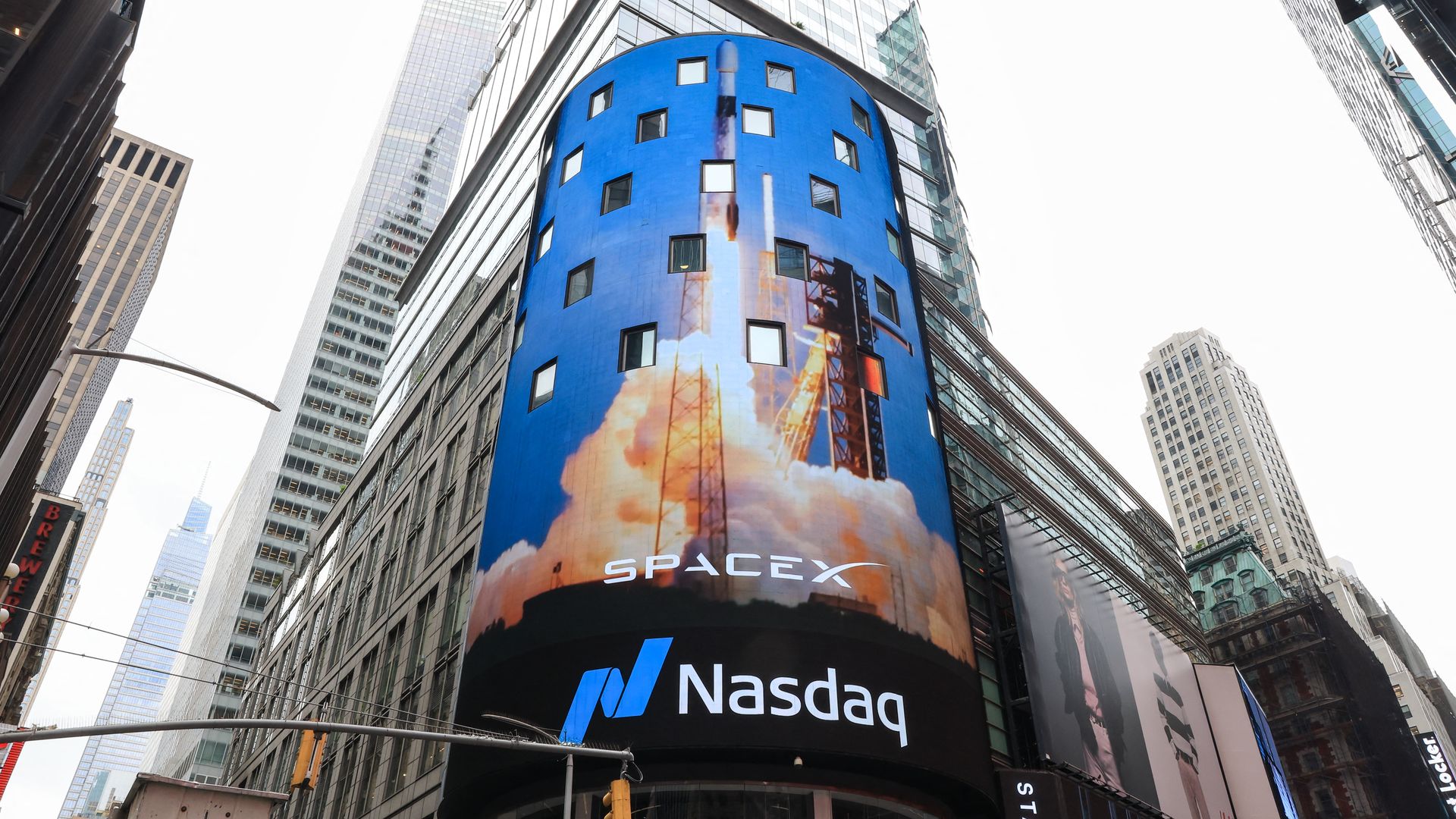
SpaceX and lead IPO banker Goldman Sachs began meeting with prospective IPO investors back in January, Axios has learned.
Why it matters: This preemptive playbook is likely to be replicated for Anthropic and OpenAI — both of which plan to go public later this year -- given how smoothly SpaceX stock launched on Friday.
A decade of shocks has left much of the developing world weakened just as AI begins reshaping the global economy, World Bank economists conclude in a new report.
Why it matters: A series of shocks — the COVID-19 pandemic, the Ukraine war and now the Iran war — have buffeted the world's poorest countries particularly hard. These countries risk being poorly positioned to benefit from an AI-driven productivity and spending super-cycle.
The globe's poorest countries will enter this period burdened by debt, weak investment and years of stalled development, with little capacity to build the infrastructure and skills needed to share in those gains.
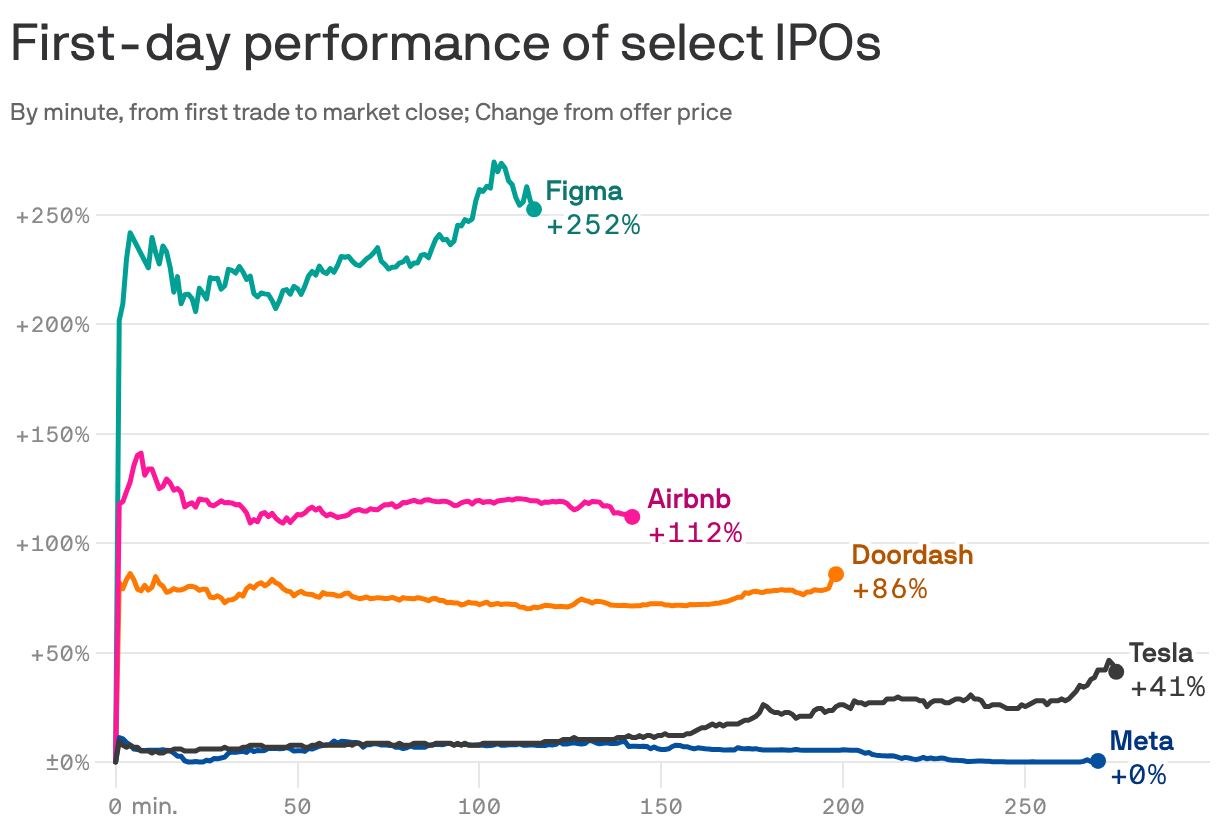
Data: Financial Modeling Prep; Note: The timing of the start of trading for IPOs often varies; Chart: Erin Davis/Axios Visuals
SpaceX shares are set to start trading Friday, and what to expect is anyone's guess: There's no such thing as a typical Day 1 for an initial public offering.
The first major deadlines in President Trump's new AIexecutive order are approaching, and it's already clear that AI safety isn't the centerpiece.
Why it matters: The fast-moving timeline, the agencies involved and the lack of formal requirements for developers make clear that Trump's current AI policy is one squarely focused on cybersecurity and national security rather than broader AI safety concerns.
As Europe pursues tech sovereignty, European Commission tech chief Henna Virkkunen is trying to boost competitiveness while upholding some of the world's toughest tech regulations.
Why it matters: The EU wants to move faster on AI and emerging tech without weakening the regulations at the heart of its digital strategy.