Monday's technology stories


Scoop: White House and Hill relaunch effort to block state AI laws
The White House is negotiating a federal preemption of some state AI laws in exchange for its support of key tech policy priorities from the Hill, Axios has learned.
Why it matters: States are increasingly passing stronger AI laws, and the Trump administration is feeling the heat to get something done.

Nvidia CEO Jensen Huang: "No one" better with robots than Hyundai

Nvidia CEO Jensen Huang heaped praise on Hyundai's robotics and said the two companies will broaden their partnership — a significant endorsement from the AI kingmaker in a rapidly emerging space.
Why it matters: Hyundai's Boston Dynamics division is racing with the world's leading robotics companies — including Tesla — to deliver groundbreaking humanoids.

OpenAI files paperwork for an IPO
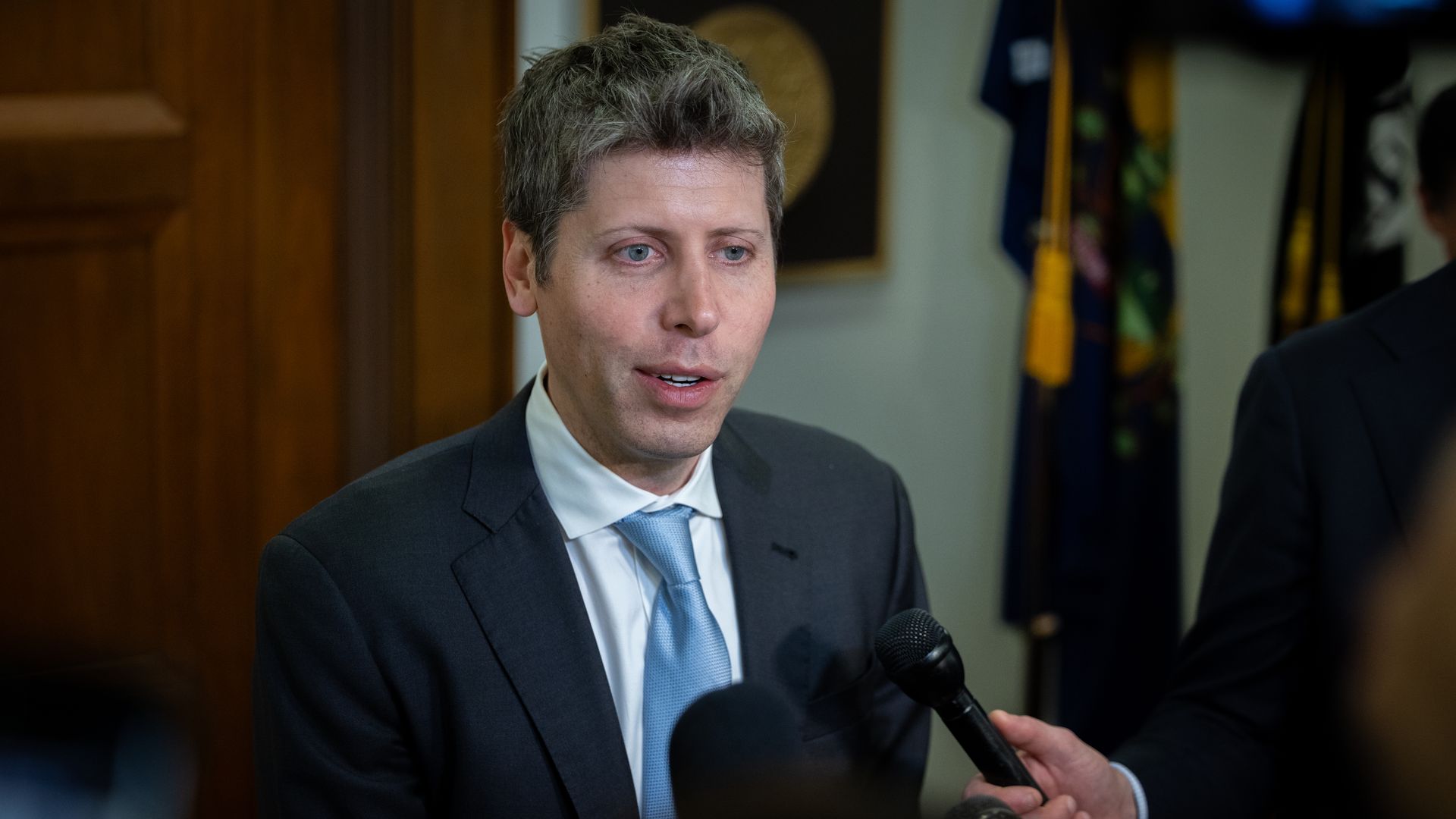
OpenAI said Monday it has confidentially filed draft IPO paperwork, giving itself the option to tap public markets — even as the company says its focus remains on building new AI products rather than preparing for a listing.
Why it matters: The race is on between Anthropic and OpenAI to go public and tap investors for tens of billions of dollars.
Meta launches $115 million data center job guarantee
Meta is investing $115 million in a no-cost training program for workers in skilled trades, with a big promise for graduates: a guaranteed job.
The big picture: The AI boom is driving a data center buildout that McKinsey estimates could hit $7 trillion globally by 2030. Tech companies need more than chips and power — they need workers to build the physical infrastructure.

Axios AI+NY Summit: Startups fear new AI rules will entrench big tech and crush small competitors

NEW YORK — Flawed regulations could hand the industry's future to dominant giants before startup creators can push back, roundtable guests warned at an Axios AI+NY summit Expert Voices roundtable.
Why it matters: Confusing laws and slow access to new artificial intelligence tools will prevent startups from competing, while job losses go ignored.
Axios' Maria Curi and Ashley Gold led the June 3 roundtable, which was sponsored by American Innovators Network, during New York Tech Week.
The top takeaways from the discussion include:
1. Without a national AI standard, the 50-state compliance labyrinth could prove fatal to small teams before they reach scale.
- "It becomes nearly impossible for an organization to actually be compliant with every possible privacy law that they're under the jurisdiction of," said Josh Schwartz, Phaselaw's CEO.
- Center for American Entrepreneurship president John Dearie said a patchwork "quilt of 50 states' standards is inherently confusing … and dangerous."
2. If regulators give big tech first access to frontier models, startups will fall further behind.
- "Before the public [gets] access, we should be able to get access," Veris AI co-founder and CEO Mehdi Jamei said.
- "You see a lot of trying to use regulation to create a wider barrier of entry," said Dmitri Mirakyan, co-founder of Creed.
3. AI has already restructured how startups hire and operate.
- Maya Gonimah, co-founder and CTO of Thread AI, said startups have turned engineers into "product owners," focusing on functional requirements and not "artisanal code."
- Mirakyan noted he hired "somebody out of a local boot camp" over AI master's graduates from NYU and Columbia because they "wound up performing significantly better."
4. Venture capital's shortened timelines are pushing unprepared AI companies toward IPOs, and the fallout could sour the market.
- "They're going to go public, and then they're going to fade tremendously. ... It's going to shorten the enthusiasm around the investor interest," Mogul co-founder Alex Blackwood said.
5. The real AI crisis is jobs.
- "The single most valuable piece of legislation around AI should be around helping people navigate career transition," Mirakyan said, adding that too many policymakers are focused on other issues.
Content from the sponsor's opening remarks:
Startups believe they have been cut out of AI policymaking and that the deck is structurally stacked against them, American Innovators Network senior advisor Cameron Onumah said.
- "It's been our goal … [in] making sure that 'little tech,' as we like to say, has a voice at the table," Onumah said.
Axios AI+NY Summit: Brands get the message — AI is rewriting all the rules

NEW YORK — The generational shift in how people learn about a business due to AI requires planning, training and reassessing, communications leaders said at an Axios AI+NY summit Expert Voices roundtable.
Why it matters: A brand's reputation is now in the hands of AI bots that can grade, alter and distribute information about it without any input from the company.
- This makes what communicators produce that much more important, panelists warned.
Axios' Kerry Flynn and Eleanor Hawkins moderated the June 3 roundtable, which was sponsored by Allison Worldwide, part of New York Tech Week.
Five big takeaways from the conversation:
1. Brands must now write for artificial intelligence, not just people
- "We have to write two versions of things," said Marijke Shugrue, senior director of communications for PSEG. Her team writes one story for people, and a separate "bot-oriented piece" for AI sent on PR Newswire.
- Michael Marinello, JPMorgan Payment's global head of communications, explained that AI is the next phase of media disruption, calling it "the biggest shift" since the "advent of the 24/7 news cycle."
2. New data shows Axios tops list as AI reshapes how stories are discovered
- Marinello highlighted a Muck Rack study of more than 25 million AI links that found Axios was the most-cited news source across major platforms.
- He added that internal tracking showed "11% of the coverage that we were generating was AI-driven."
3. Switching to an AI-driven internet creates friction as companies try to protect their data while training teams
- Making complex technical work accessible means building entry points "where people want to be," said Sarah Meron, chief communications and brand officer for IBM.
- Building AI capabilities internally can also be slow, forcing companies to rethink how employees spend their time. Lance Frank, Beehiiv's vice president and head of communications, said its AI strategy is to help "humans be more human, and creators be more creative."
4. Smart brands are hunting for new ways to be seen as bots outnumber clicks
- Edie Kissko, head of products and services communications at HP, noted that because AI bots love scraping tech reviews, outlets like PC Mag are now more important for her team's product coverage.
- On apps like TikTok, short video clips showing women how to use basic AI tools to save time and make money are exploding in popularity, said Hot Smart Rich founder Maggie Sellers Reum.
5. Leaders are investing in human contacts, cutting through AI noise
- "Making connections, relations and networking, it's very important right now," said Monica Del Vecchio, chief marketing officer at TrueLogic.
Content from the sponsor's remarks:
Allison Worldwide managing director Jaime Tero said trust is the most valuable asset in an AI-driven information ecosystem.
- "It is the one currency that we still have that is truly human," Tero said.
Editor's note: This piece was updated to clarify that Michael Marinello works for JPMorgan Payments.

WhatsApp accuses spyware firm NSO of targeting users despite court order

WhatsApp is asking a federal court to hold controversial spyware maker NSO Group in contempt, alleging the company violated a court order barring it from targeting WhatsApp and its users.
Why it matters: The filing alleges NSO targeted WhatsApp users through a phishing campaign even after last year's legal ban.
Axios AI+NY Summit: AI hesitancy keeps cybersecurity leaders up at night

NEW YORK — Digital resiliency and technology leaders at a June 3 Expert Voices roundtable urged each other to "lean in" to AI tools.
Why it matters: Bad actors are weaponizing artificial intelligence to disrupt operations and violate users' privacy, forcing tech safety experts to adapt to protect their organizations.
Axios' Colin Demarest and Megan Morrone moderated the conversation, which was sponsored by DXC Technology.
What they're saying: "The adversary is loud and wild" and the threat of a hack is blaring "red," Mastercard deputy chief cybersecurity officer Alissa Abdullah said.
- "Trust at scale" must be a priority, Abdullah added, and leaders must "lean into controls and governance so that users and consumers feel very comfortable using AI."
- RunPod co-founder and CEO Zhen Lu said he provides his staff "with the right situation where they can just go ham with AI, because I know that that's what's going to give them the opportunity to innovate."
Threat level: Getting it right can be a matter of national security, said Cape co-founder and CEO John Doyle.
- "It's very much a race that's framed as a race … against our primary adversaries, mainly China," he said.
- "Serving defense customers … is about as high-stakes a game as you can be in."
By the numbers: Sophos' median response time to cybersecurity disruptions has dropped to about 89 seconds due to automation, SVP of engineering and AI Nash Borges said.
Yes, but: Catching up is still possible, with responsible adoption paramount.
- Of 662 disruptions Sophos tracked this year, "only one of them had evidence of gen AI," Borges said.
- "Things are moving so fast," Lu said, and agents are "dragging us along for the ride."
The bottom line: "Just because we don't hear the adversary talking about their Mythos equivalent, that doesn't mean they don't have it and aren't using it," Abdullah said.
Content from the sponsor's remarks:
Workers are being inundated with tools, data and information, DXC Technology platforms vice president Lisa Beaudoin said.
- "Things are not getting simpler," she said, and DXC's job is to "have the governance and the resiliency and the trust and the security … at scale."

Apple debuts software updates amid Siri overhaul
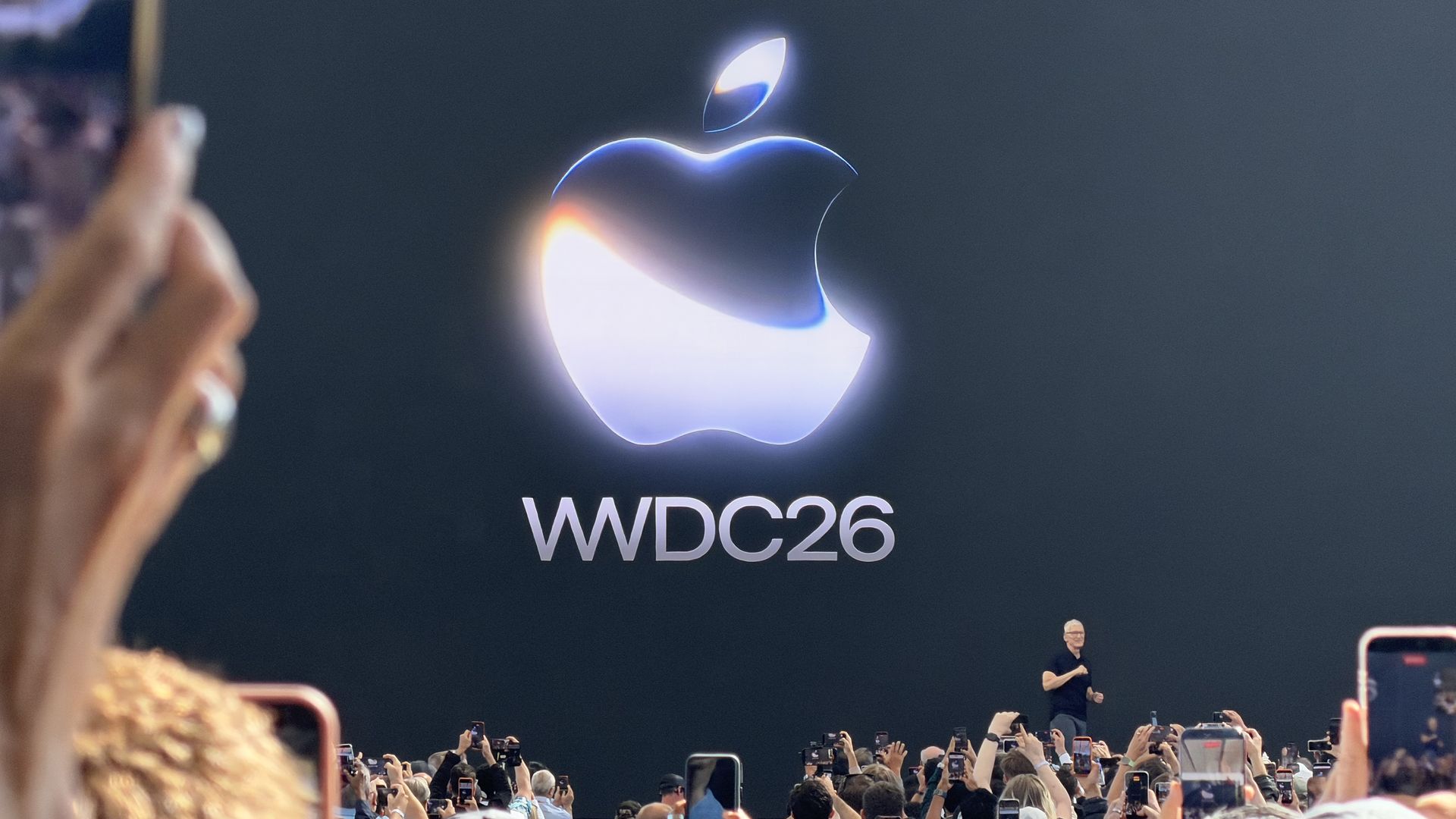
Apple on Monday previewed the next versions of its software for phones and computers, including a revamped Siri voice assistant and other new AI features.
Why it matters: Apple has fallen behind in AI after several delays in its effort to give Siri a generative AI makeover.
Exclusive: Anthropic's Mythos can exploit new flaws in hours

Anthropic's Mythos Preview can now turn newly disclosed software vulnerabilities into working exploits in hours instead of weeks, according to new Anthropic research shared first with Axios.
Why it matters: AI's ability to find new bugs has been getting most of the attention. But Anthropic's findings suggest advanced models may be just as effective at rapidly weaponizing flaws that defenders already know about.

Why the International Space Station keeps leaking

NASA's decision to order International Space Station astronauts to prep for a hasty departure Friday was the latest — and most dramatic — episode in a years-long saga tied to mysterious leaks in a Russian module.
Why it matters: The ISS is nearing the end of its expected lifespan, but it's still invaluable for America's crewed spaceflight and scientific ambitions.

Exclusive: Environmental group plans to mobilize "energy bill voters"
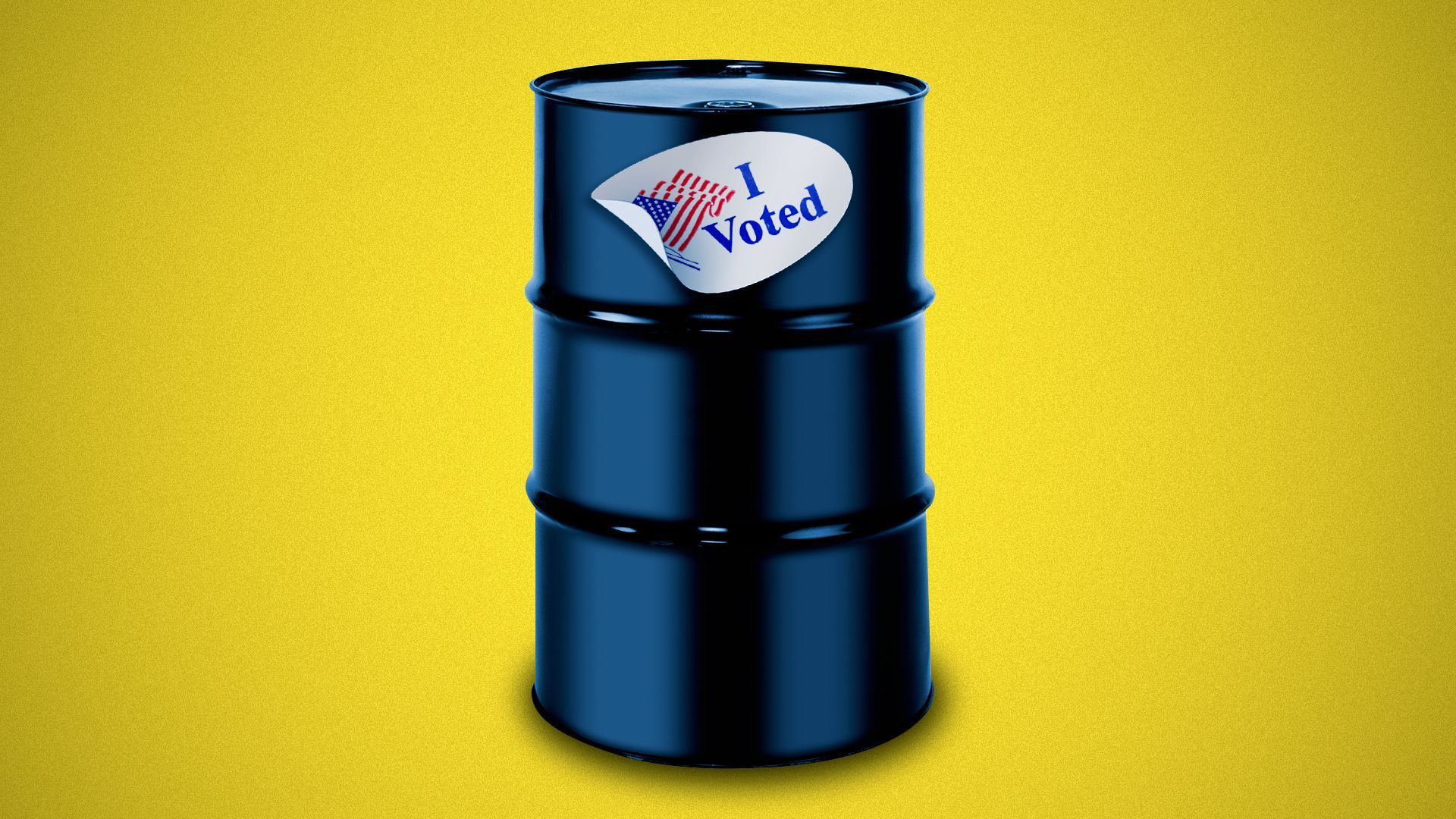
Rising energy costs are "likely to be a decisive factor in the 2026 elections," per a new League of Conservation Voters Victory Fund memo shared first with Axios.
Why it matters: LCV has the environmental movement's most expansive electoral operation.

Bending Spoons, owner of AOL and Eventbrite, files for IPO

Bending Spoons, an Italian holding company that buys and seeks to revitalize legacy tech brands, on Monday filed for a U.S. IPO that could fetch around a $20 billion valuation.
Why it matters: This would be a return to the public markets for AOL, Eventbrite, and Vimeo, all now owned by Bending Spoons.
Schwab: Investors remain bullish, yet cautious
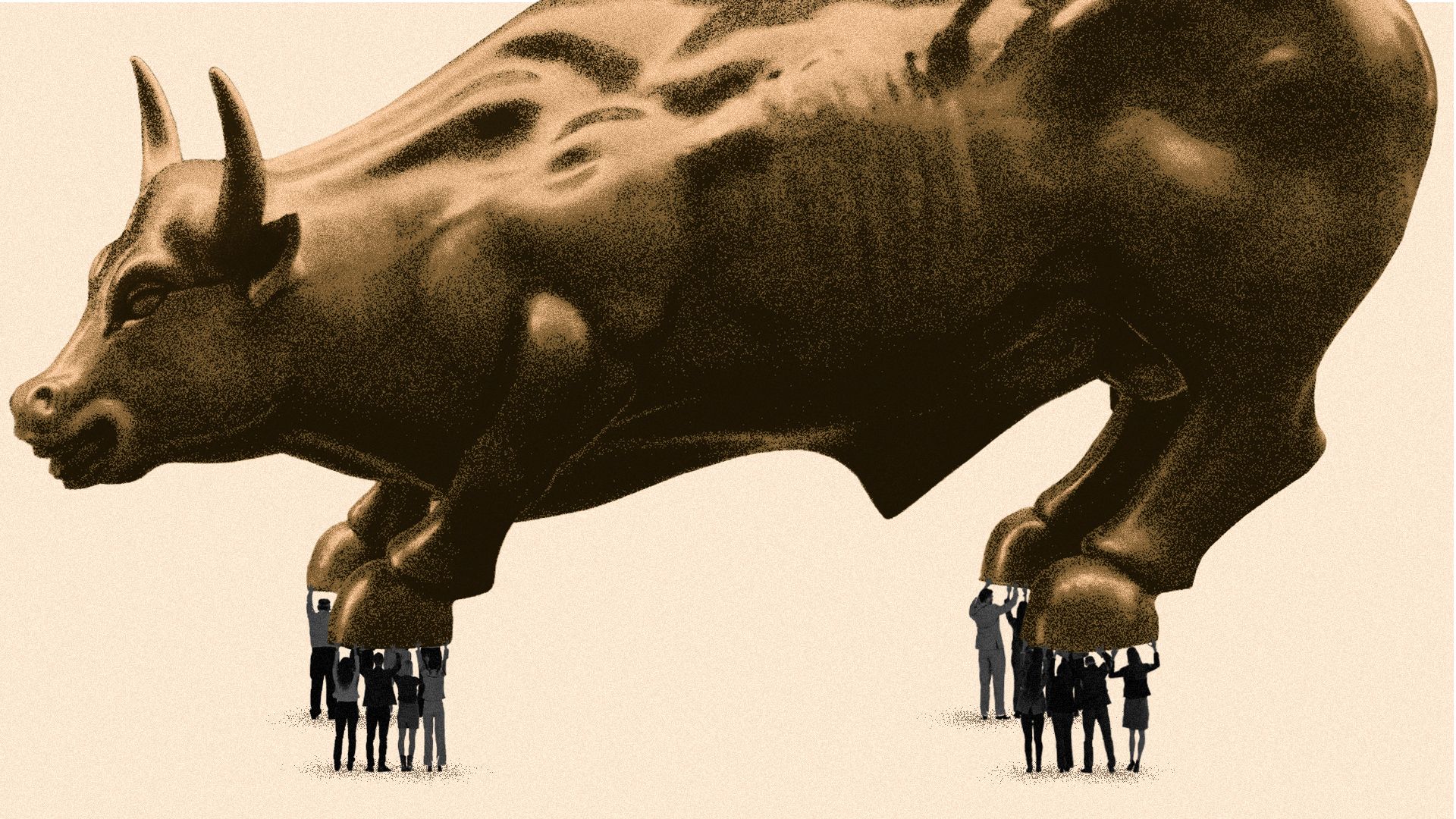
Stocks rallied like gangbusters in May, so it's perhaps not surprising that retail investors were net buyers of stocks for the month, new data from Charles Schwab shared exclusively with Axios shows. Yet investors also showed some caginess.
Why it matters: Investors remain bullish amid an AI-fueled rally that has lifted the S&P 500 and Nasdaq indexes to new highs, even as they may be seeking to limit their risk.

Elon Musk's market magic

We'll find out this week if Elon Musk still has the magic touch to abracadabra the biggest IPO ever.
Why it matters: A successful trading debut for Musk's SpaceX would confirm his knack for using sci-fi-worthy pronouncements, outlandish personal behavior — and actual innovations — to grab investor attention and turn it into cash for his companies.

AI is masking America's "post-literate" workforce

Millions of working Americans struggle to read at a functional level — and artificial intelligence may be helping hide it.
Why it matters: Low literacy is quietly becoming a major economic drag, even as AI tools allow workers to complete tasks they may not fully understand.
Trump the dealmaker wants a slice of the AI boom
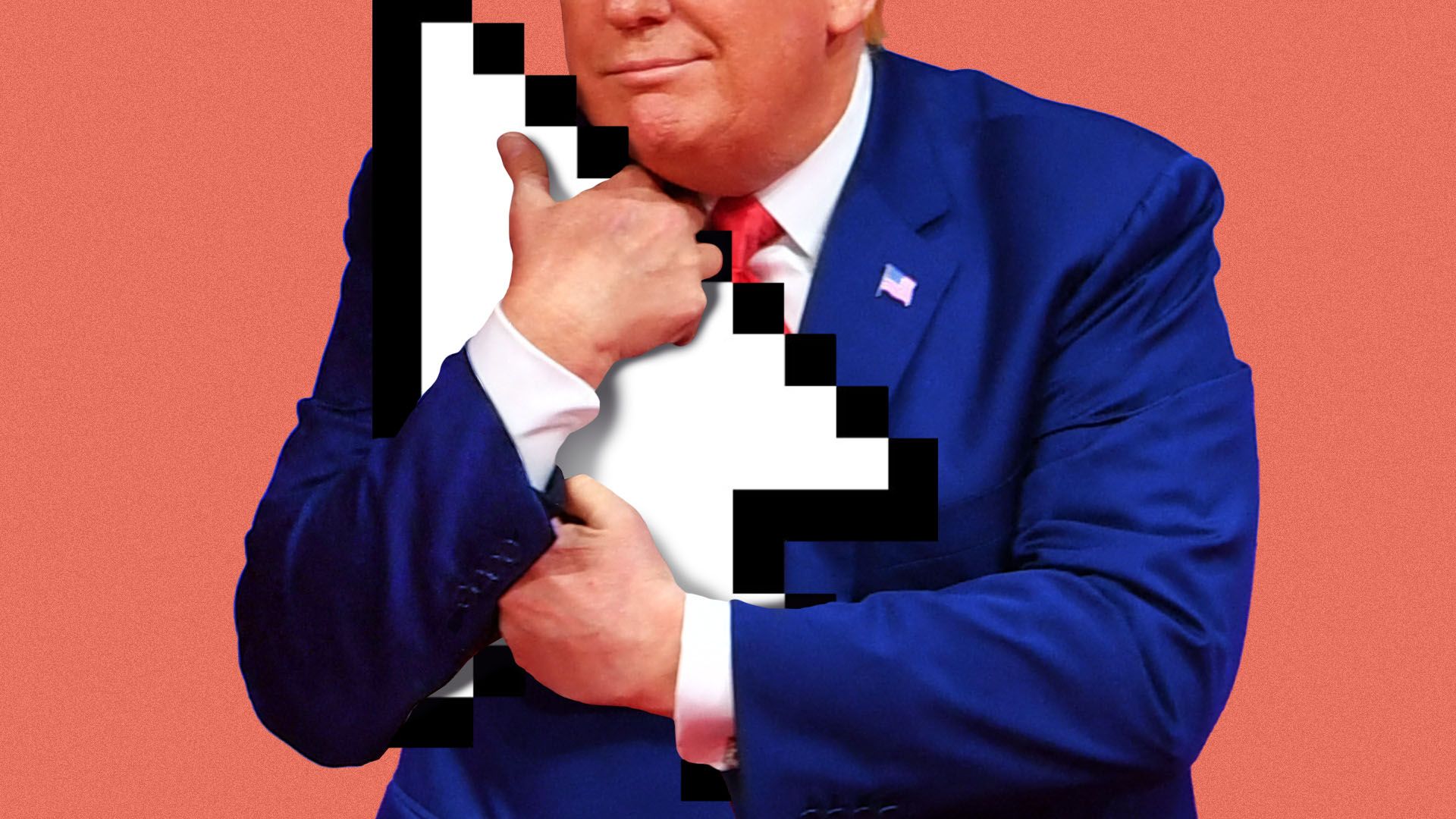
President Trump is pursuing a Bernie-like interest in having the U.S. government take stakes in AI giants — not out of populism, but with a dealmaker's eye for profit.
Why it matters: Having the government take equity in private companies — anathema to free-market capitalism and Republican dogma about "picking winners and losers" — has become a defining feature of Trump's second term.