Sunday's technology stories

The business of AI's 4 harsh realities
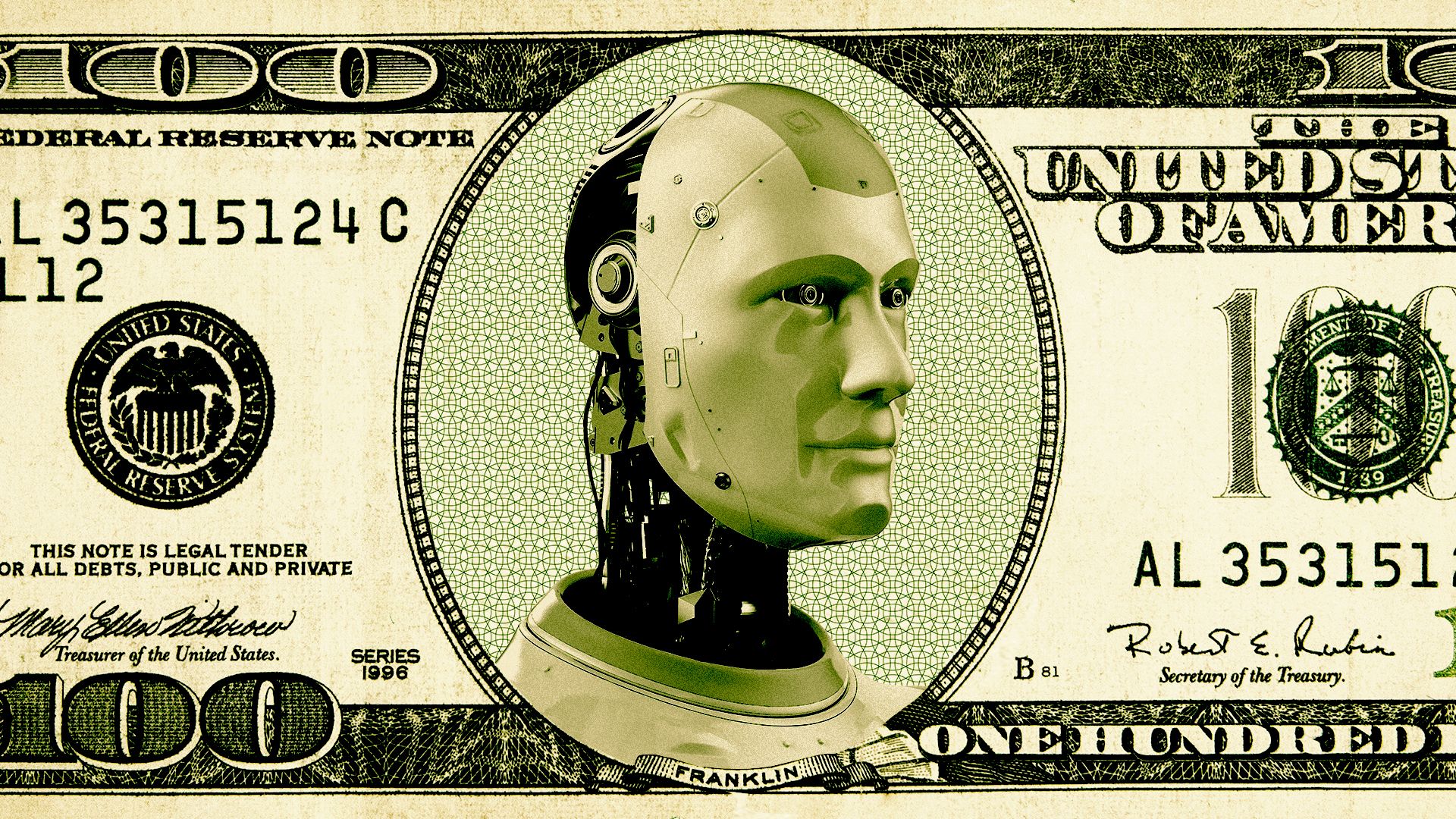
Investors were confronted this past week with four difficult realities that may fundamentally change the way they think about AI the business vs. AI the technology:
- 💰 AI is too expensive, say CEOs and even Microsoft itself.
- 🗑️ It's not paying off nearly as much as companies expected, per a new Bain study.
- ⛅️ Infrastructure demand is strong — but not as strong as the most optimistic wanted, as Broadcom showed with its "weak" forecast.
- 🏦 Financing that infrastructure is going to be more expensive for longer, with signs pointing to the Fed raising, not lowering, interest rates.
Why it matters: Those realities challenge assumptions that powered markets to historic heights over the past few years. It's hard to justify chip or memory stocks rising 1,000%+ in a year if the boom isn't what everyone assumed.

Trump: U.S. stake in AI giants "could be a beautiful thing"
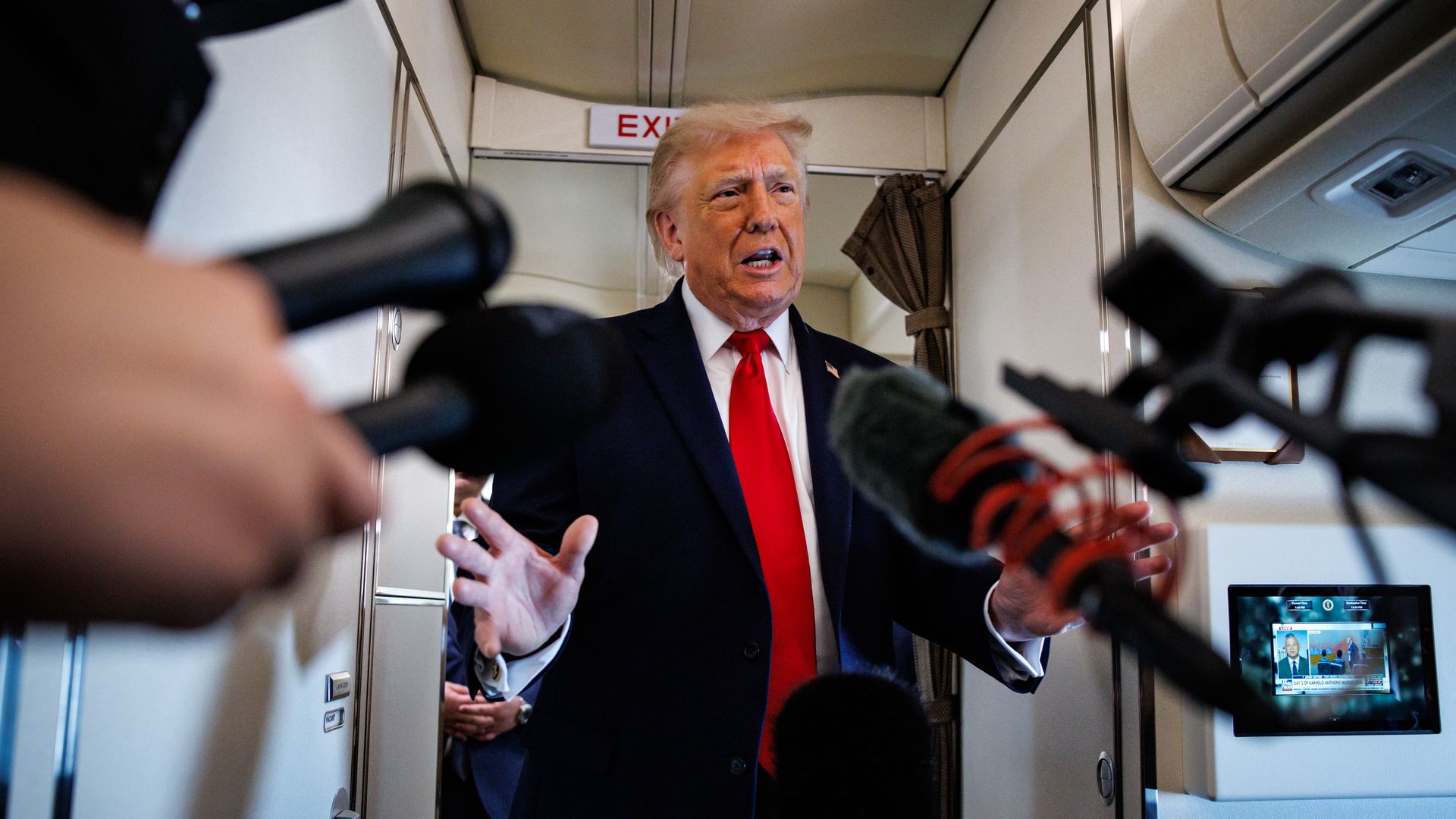
President Trump surprised tech CEOs by suddenly pushing the idea of the U.S. taking a small ownership stake in AI giants, so the American people share in the upside of what will be trillion-dollar companies.
- "There's something very interesting about it, where it almost becomes a partnership with the American public," Trump told reporters aboard Air Force One yesterday. "It's like you make them [partners] in this revolution. It would be a beautiful thing. ... It would make 'em rich."
Why it matters: OpenAI CEO Sam Altman has pushed this idea with the Trump administration over the past year. Sen. Bernie Sanders (I-Vt.) reignited the conversation this week when he proposed giving the public a "direct ownership stake" in top AI companies via a one-time 50% tax, paid in stock.

Revenge of the AI bubble

The AI bubble debate has lurched through at least three frenzied phases in the span of three years:
- Suspicion: Historic sums of capital poured into AI before anyone proved it could reliably automate work. A violent market correction felt inevitable.
- Mania: Claude Code and autonomous agents made the early skepticism look outdated, fueling a corporate scramble to embed AI everywhere and maximize usage.
- Reckoning: Companies discovered that AI can be extraordinary when aimed precisely — and ruinously expensive when treated as a universal productivity machine.