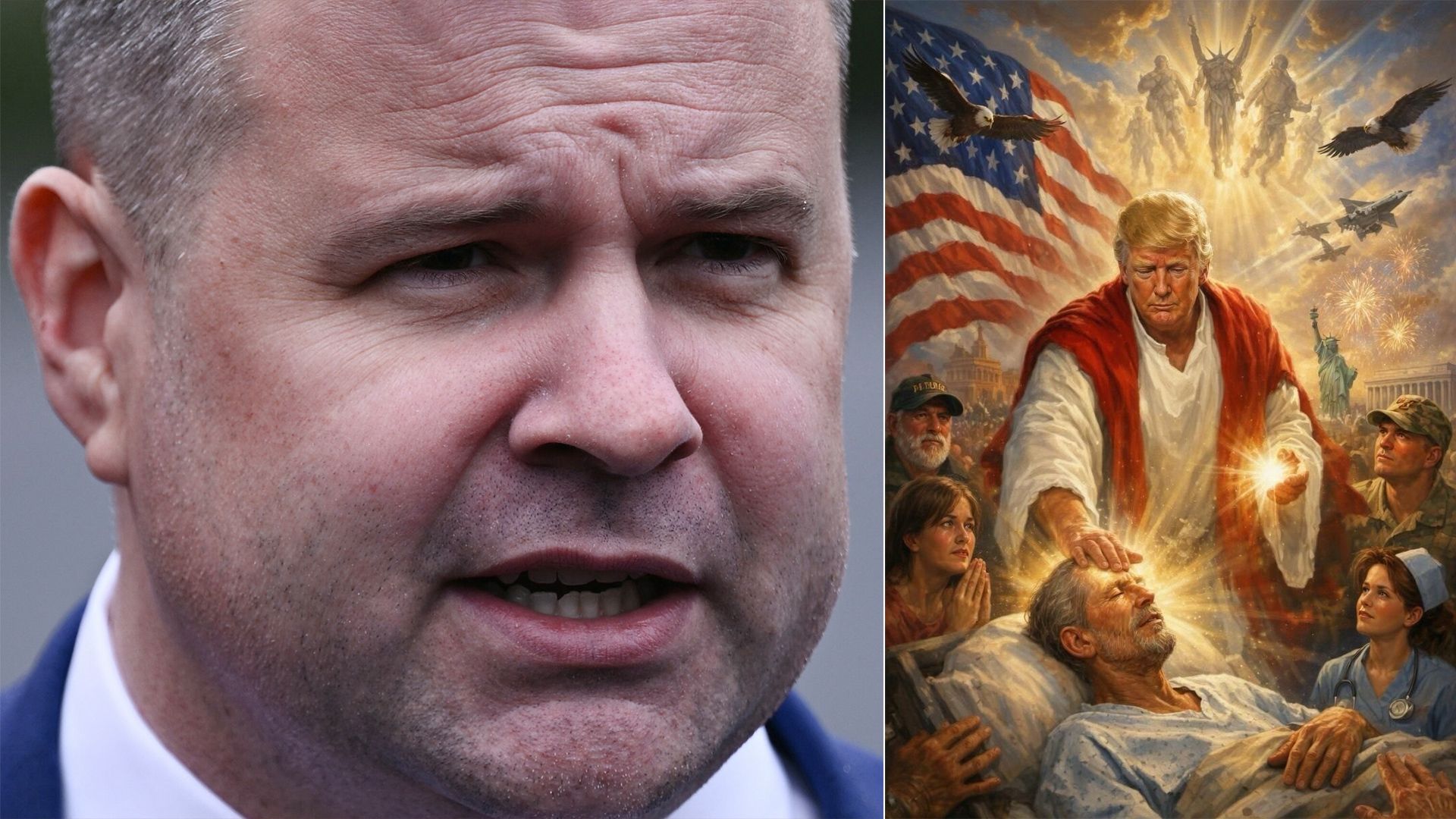
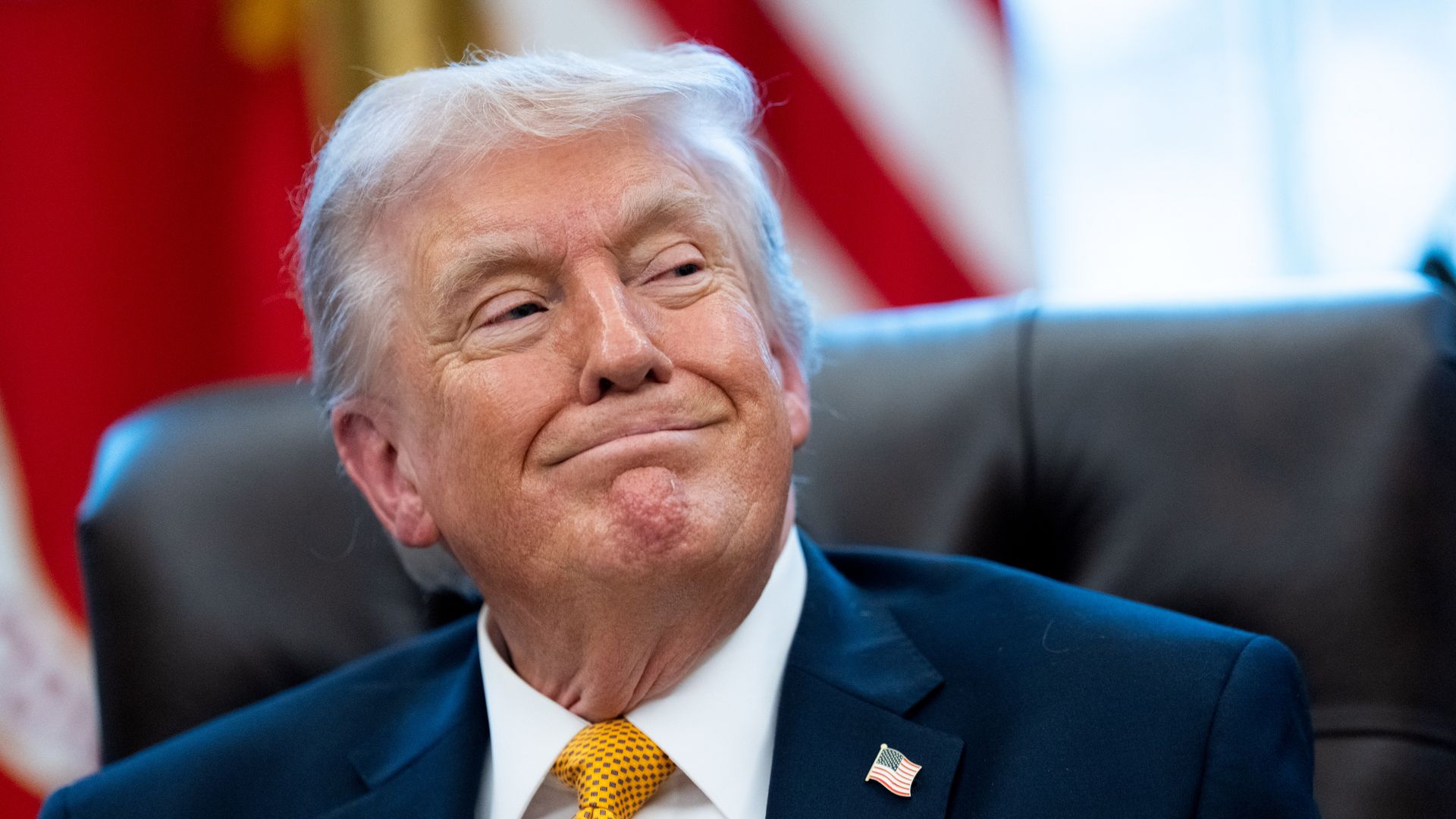
Before President Trump posted an image of him as a Christ-like healer, he discussed the meme with his controversial housing finance chief Bill Pulte, Axios has learned.
Why it matters: Trump's Truth Social post Sunday night drew such a fierce backlash from Christians that he pulled it down, an extremely rare move for him. But the mystery of who may have helped introduce the meme to him wasn't clear, until now.
WASHINGTON — Tech giants building out what's needed to support artificial intelligence should be the ones paying as electricity prices climb, energy experts agreed at an Axios Live event on April 14.
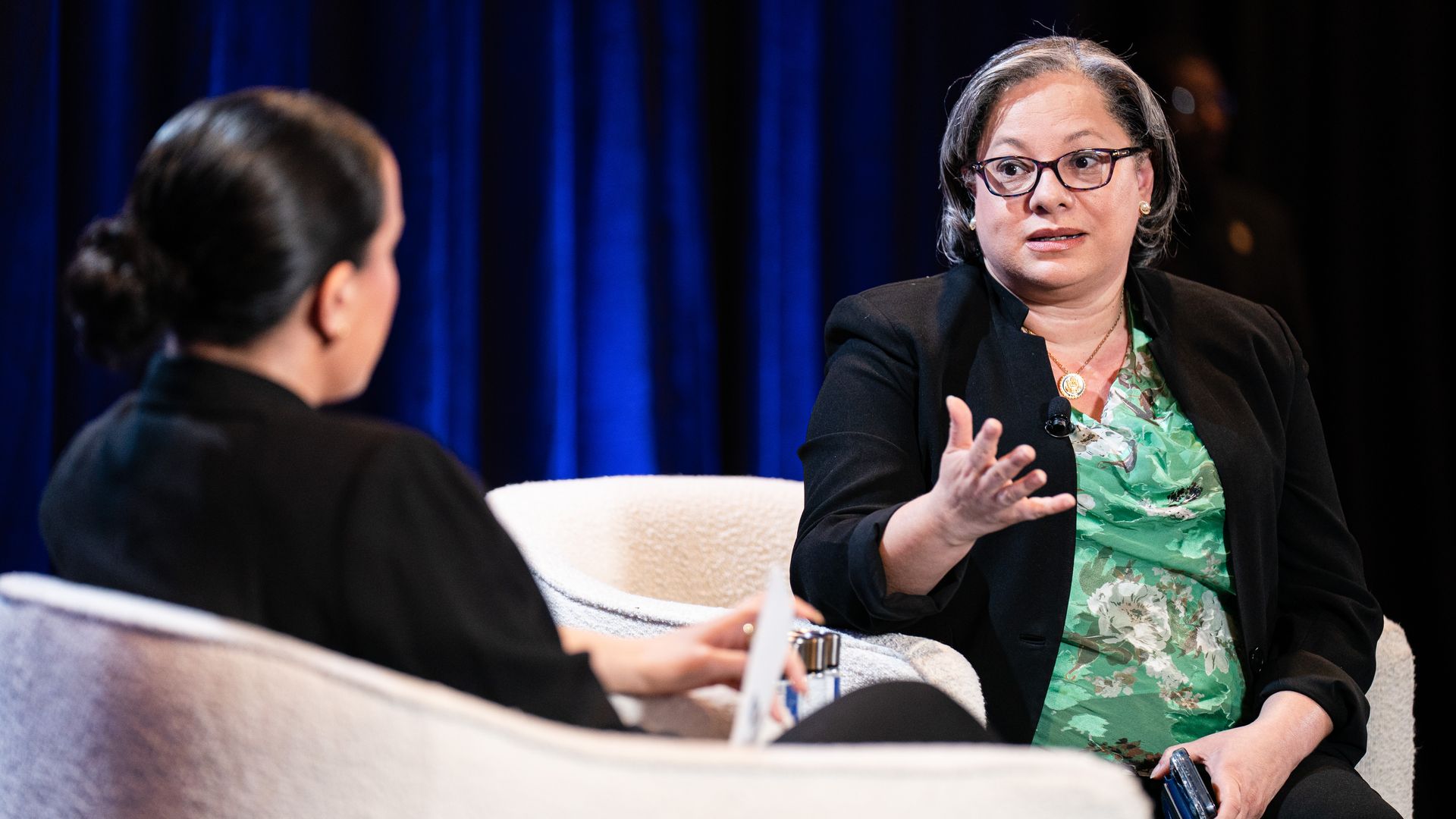
Axios' Hans Nichols and Sabrina Moreno moderated conversations with Peter Lake, senior director of power for the National Energy Dominance Council, and Reps. Julie Fedorchak (R-N.D.) and Jennifer McClellan (D-Va.). The event was sponsored by the Edison Electric Institute.
What they're saying: Bipartisan lawmakers agree that data center operators should cover their own costs.
"The people who need the energy need to pay for the energy, and they're willing to do it," Fedorchak said.
We need to "make sure that data centers are paying their fair share of the energy demands that they produce, and not consumers or other businesses," McClellan said.
State of play: A bipartisan bill from Sens. Josh Hawley (R-Mo.) and Richard Blumenthal (D-Conn.) would guarantee that consumers are protected from data center energy costs.
The measure would ensure the centers use energy from generation sources separate from the grid, preventing costs from being passed on to ratepayers.
Yes, but: Congress is still "behind the curve," McClellan said. "I think that it needs to be a federal, state and local responsibility, all working cooperatively."
The bottom line: Cloud companies looking to build new data centers must "build, bring or buy" their own electricity generation, Lake said. "Affordability in electricity is a choice."
Content from the sponsor's segment:
Southern Company chair, president and CEO Chris Womack told Axios publisher Nicholas Johnston that utilities are already structuring partnerships to keep ratepayers protected.
Data centers are "paying their full freight, they're putting up collateral," Womack said. "We're making sure that the cost of data center construction is not being borne by anyone else."
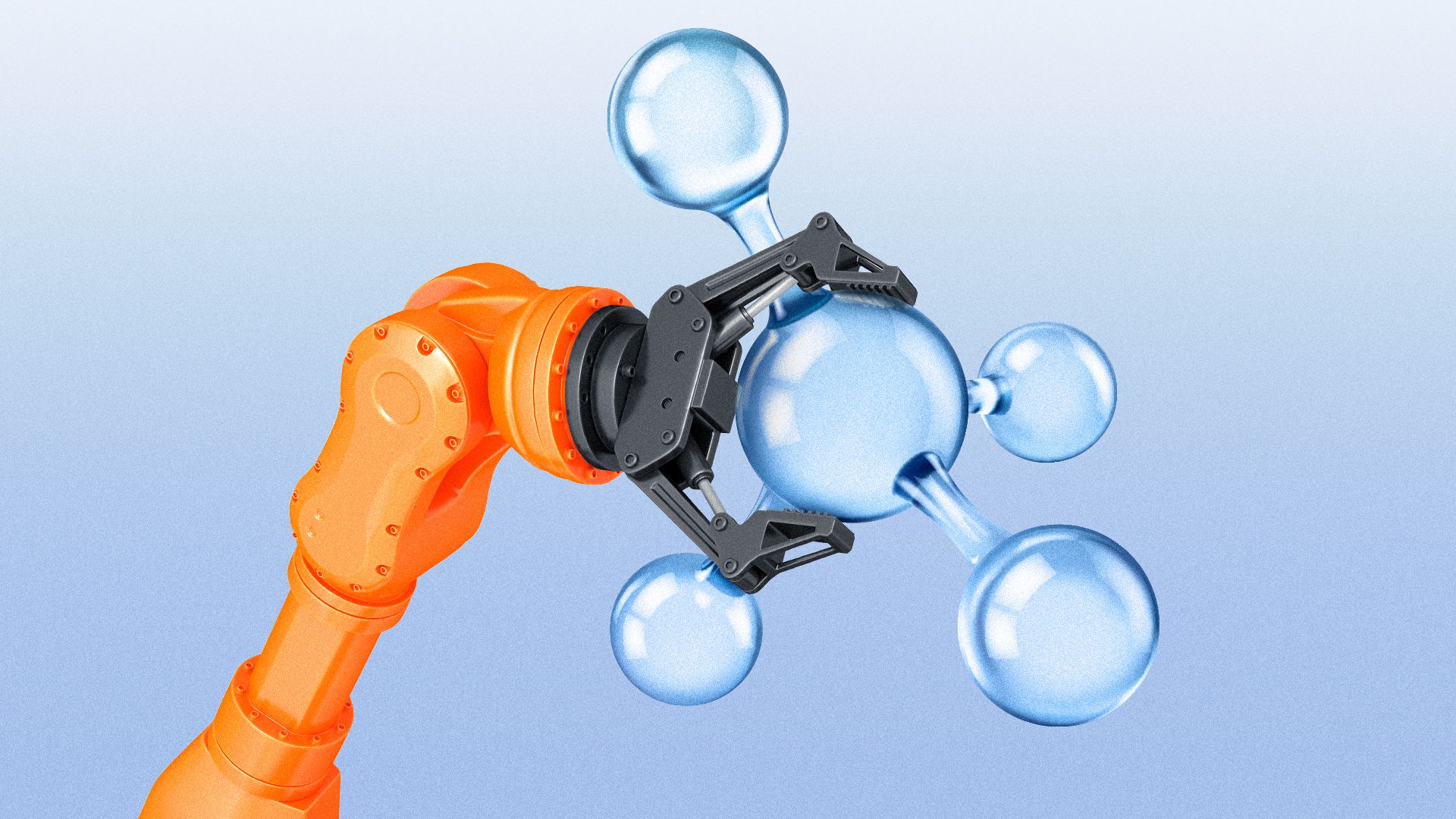
Advances in AI's ability to take on novel scientific work are helping researchers move faster, connect siloed knowledge, and design treatments more efficiently, according to a new report from OpenAI's policy, research and sciences team shared first with Axios.
Why it matters: The life sciences have saved hundreds of millions of lives over the past century, but progress has slowed dramatically — even as the toughest diseases remain unsolved.
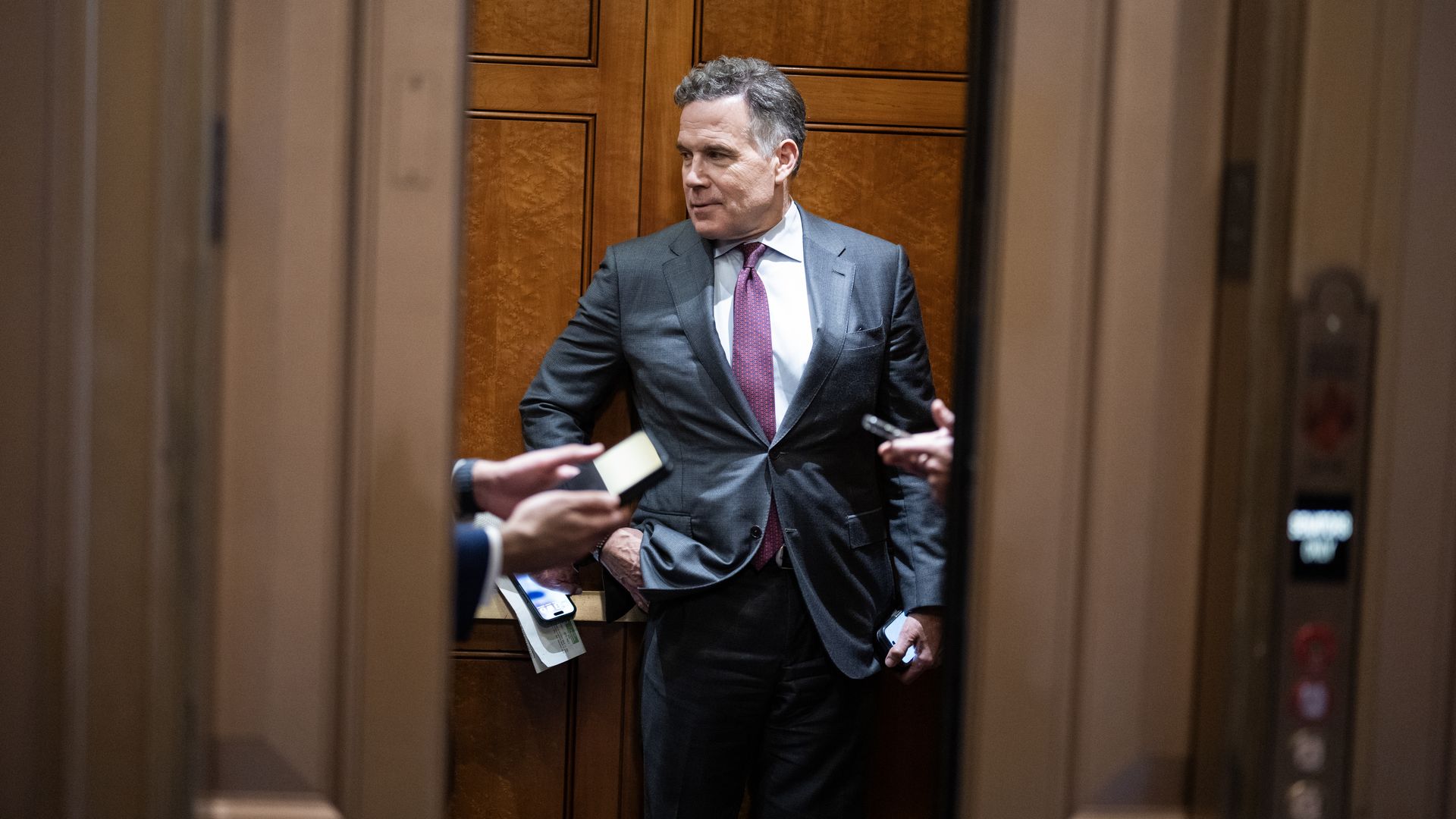
The AI revolution presents "the most profound moment of change in our lifetimes" and Americans are rightly concerned about how that will affect them, Sen. David McCormick (R-Pa.) told Axios' Mike Allen at a News Shapers event Wednesday.
Why it matters: McCormick is an AI champion on Capitol Hill, but he acknowledged that it comes with risks to Americans, the environment and economy that must be mitigated.
Starbucks is rolling out a new AI-powered feature in ChatGPT that suggests drinks based on your mood, cravings or even a photo.
Why it matters: The coffee giant is among the first major restaurant chains embedding AI into discovery and ordering — a preview of the next-gen digital menu.
Hilbert, an AI startup rethinking how companies drive growth, raised a $28 million Series A led by Andreessen Horowitz, the startup told Axios exclusively.
Why it matters: Companies are pouring money into AI without always seeing returns, which Hilbert hopes to change by helping automate business decisions that drive growth.
Salesforce is unveiling a new way to measure AI productivity, pushing back on Silicon Valley's fixation on "tokenmaxxing" — the belief that consuming more AI tokens signals real work.
Why it matters: As companies race to prove they're using AI, Salesforce argues raw token consumption is a vanity metric and wants to replace it with one tied to actual business results.
United Airlines CEO Scott Kirby floated the idea of a merger with American Airlines while meeting with President Trump last month, according to multiplereports.
Why it matters: Corporate America has concluded that federal antitrust approval now comes from the top.
Companies are starting to talk more about the real, quantifiable things they're doing with AI: from designing toys to writing marketing copy, according to a new analysis of investor earnings calls.
Why it matters: It was just a few years ago that many companies paid lip service to AI — now they're offering tangible details.
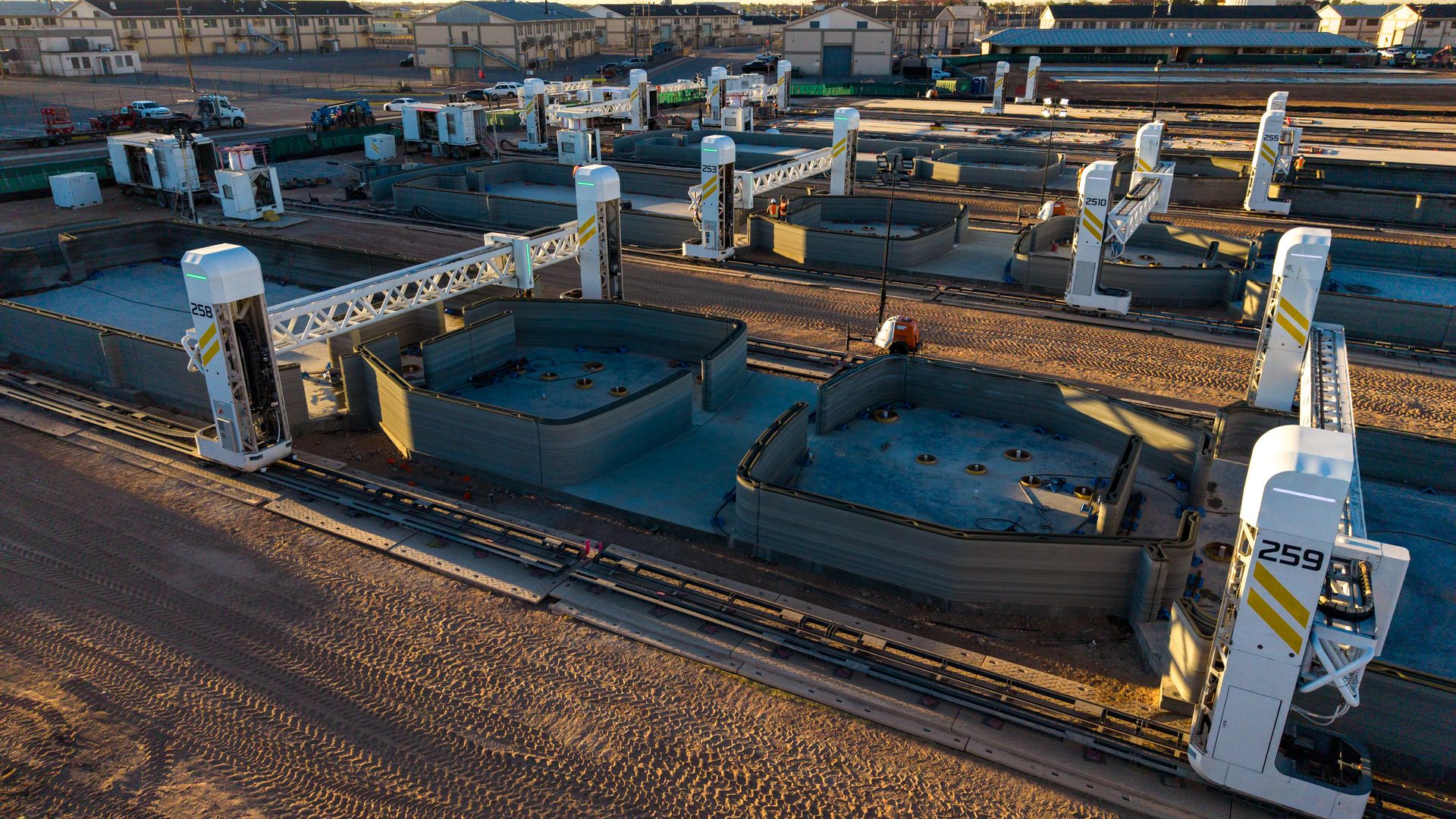
Icon, a 3D-printing construction company, is launching a dedicated defense-and-space division dubbed Icon Prime.
It's led by Will Hurd, the former Republican presidential candidate and CIA clandestine officer.
Why it matters: The business specializes in government work, including construction of military barracks and potential space bases, as well as the advanced robotics needed for such ventures.
"We need an ability to build infrastructure, to have this force projection, in really hard places," Hurd told Axios, mentioning both the Arctic and the Indo-Pacific.
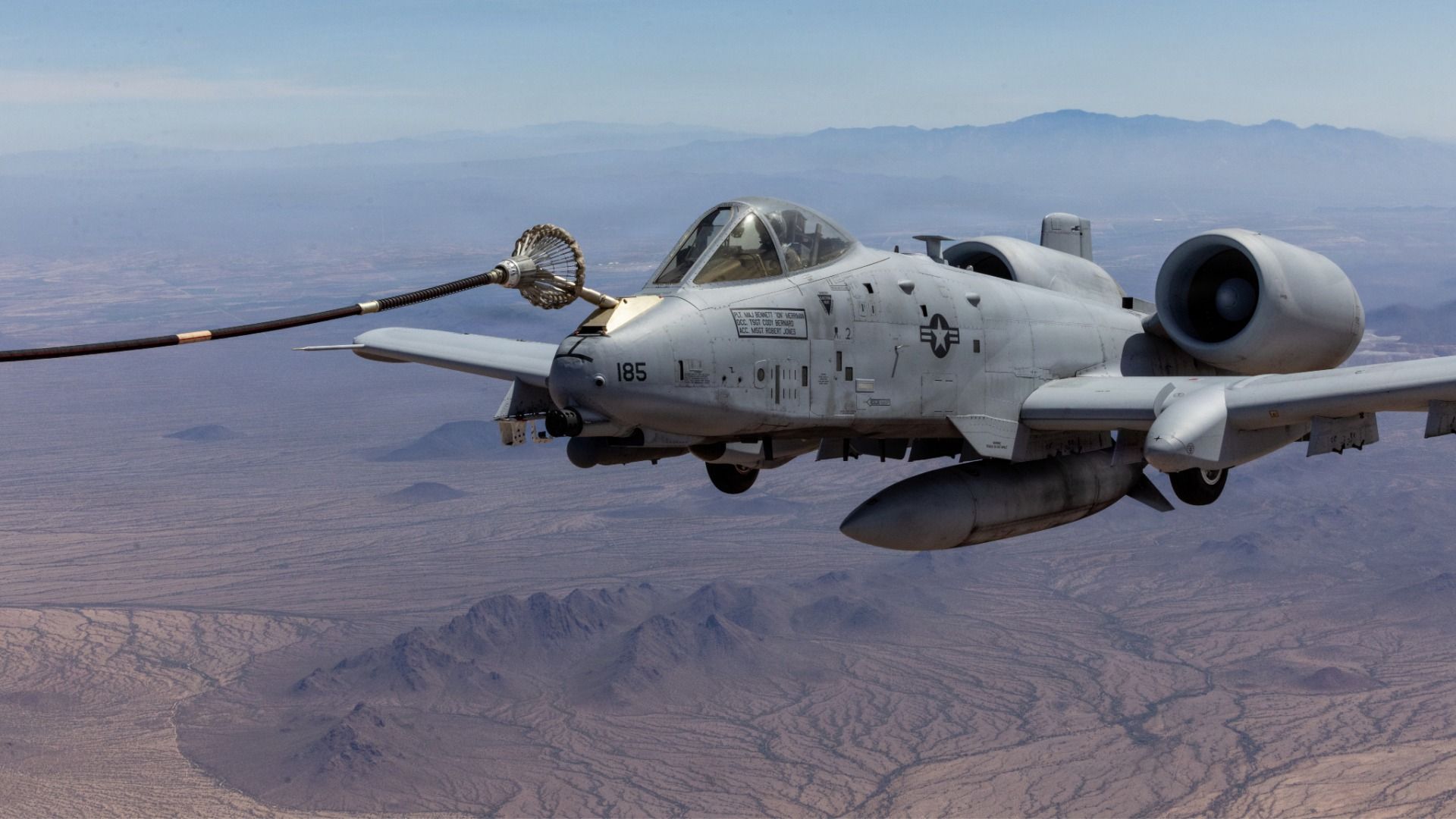
The U.S. Air Force is developing and deploying refueling adapters for the A-10, giving the beloved-but-aging attack aircraft additional means of staying aloft.
Why it matters: The A-10, often referred to as the Warthog, has played a key role in Operation Epic Fury.
The warplanes have strafed boats in the Strait of Hormuz and aided the rescue of an F-15E Strike Eagle pilot and weapon-system office deep inside Iran.
Turion Space raised more than $75 million and plans to spend the money on improving its spacecraft production rates and its reconnaissance capabilities in orbit.
Why it matters: Turion is one of 14 companies recently selected by the Space Force to compete for work on the Andromeda program.
The S&P 500 just took a round-trip — the stock benchmark for investors has recovered, and then some, from a war-driven selloff.
Why it matters: It's a split-screen moment: investor enthusiasm happening alongside the biggest energy shock in history, a rise in inflation and warnings about slower economic growth.
The U.S. launched a killer-drone competition in February. It was won, according to public leaderboards, by a small British company with frontline Ukrainian experience and a manufacturing footprint in Atlanta.
Why it matters: Skycutter's stateside success, after flying well under the radar, is a reminder that:
Flash does not necessarily signal substance;
Innovation exists outside the big-money bubbles of Silicon Valley and Washington;
And the Russia-Ukraine war is influencing the battlefield tech of today and tomorrow.