The White House and Anthropic are in active discussions about deploying the AI firm's powerful new model, Mythos Preview, within the federal government despite ongoing efforts to blacklist the company as a supply chain risk, sources familiar with the discussions tell Axios.
Why it matters: Anthropic is in a bitter feud with the Pentagon, but even U.S. officials who dislike the company concede that it's building tools that could aid U.S. national security — or harm it, if they fall into the wrong hands.
Netflix co-founder Reed Hastings, 65, will not stand for re-election to the board when his current term expires in June, the company announced Thursday.
Why it matters: Under Hastings' tenure, Netflix grew to become one of the most powerful media companies in the world.
OpenAI announced a new series of AI models built to help life sciences researchers work faster.
Why it matters:Biology research is increasingly computational, but scientists are drowning in data across fields like genomics, protein analysis and biochemistry.
Anthropic on Thursday released Claude Opus 4.7, a meaningful upgrade to its flagship AI model with better coding, sharper vision and a new ability to double-check its own work.
Why it matters: Anthropic publicly conceded that the new Opus model does not match the performance of Mythos, a highly advanced system that the company hasn't released to the public due to safety concerns.
Workers whose jobsare most vulnerable to automation — data-entry keyers, bookkeepers and more — are already using AI for three times as many of their relevant tasks as workers in less-exposed jobs, according to a new study by OpenAI.
Why it matters:The research, first seen by Axios, shows that those workers are using AI for only a fraction of what it could theoretically do.
The researchers posit a less doom-and-gloom outcome: Workers might not automatically be on the frontlines of a jobs bust, even as AI use expands.
Paradoxically, it could ultimately expand demand for certain types of work.
By the numbers: OpenAI sorts the 900+ occupations that cover nearly all of U.S. employment into four buckets.
18% face the highest near-term automation risk, relative to other groups (think data-entry, bookkeeping, customer service)
24% of roles could see employment shrink, even as those jobs are still human-led (HR specialists)
12% of jobs could see employment expand because of AI (software developers, for one)
46% face the least threat of immediate change (teachers, home-health aides)
The intrigue: Signs of disruption aren't evident in unemployment data yet.
Workers in the highest-automation-risk jobs have seen a smaller rise in unemployment than have workers in the "less immediate change" category, OpenAI finds.
The paper cautions: "These categories are not job loss forecasts. They are a map for understanding where near-term labor market pressure may emerge first."
Zoom in: Workers in the most vulnerable categories are using AI more than those in any other bucket for the tasks most central to their work. Yet they've barely closed the gap between current usage and what AI could hypothetically do in their jobs.
AI could theoretically handle 90% of tasks in the highest-risk occupations. But those workers are currently using it for less than a quarter of that, according to OpenAI usage data.
Yes, but: Whether AI ultimately destroys or creates jobs hinges on a critical tension — when AI makes a task easier to perform, people may simply consume more of it.
"When coding tools first came out, people assumed maybe we would always write a fixed amount of code," OpenAI chief economist Ronnie Chatterji tells Axios.
"Now I'm writing code, you're writing code — you produce more of something, and more people might demand it and pay for it."
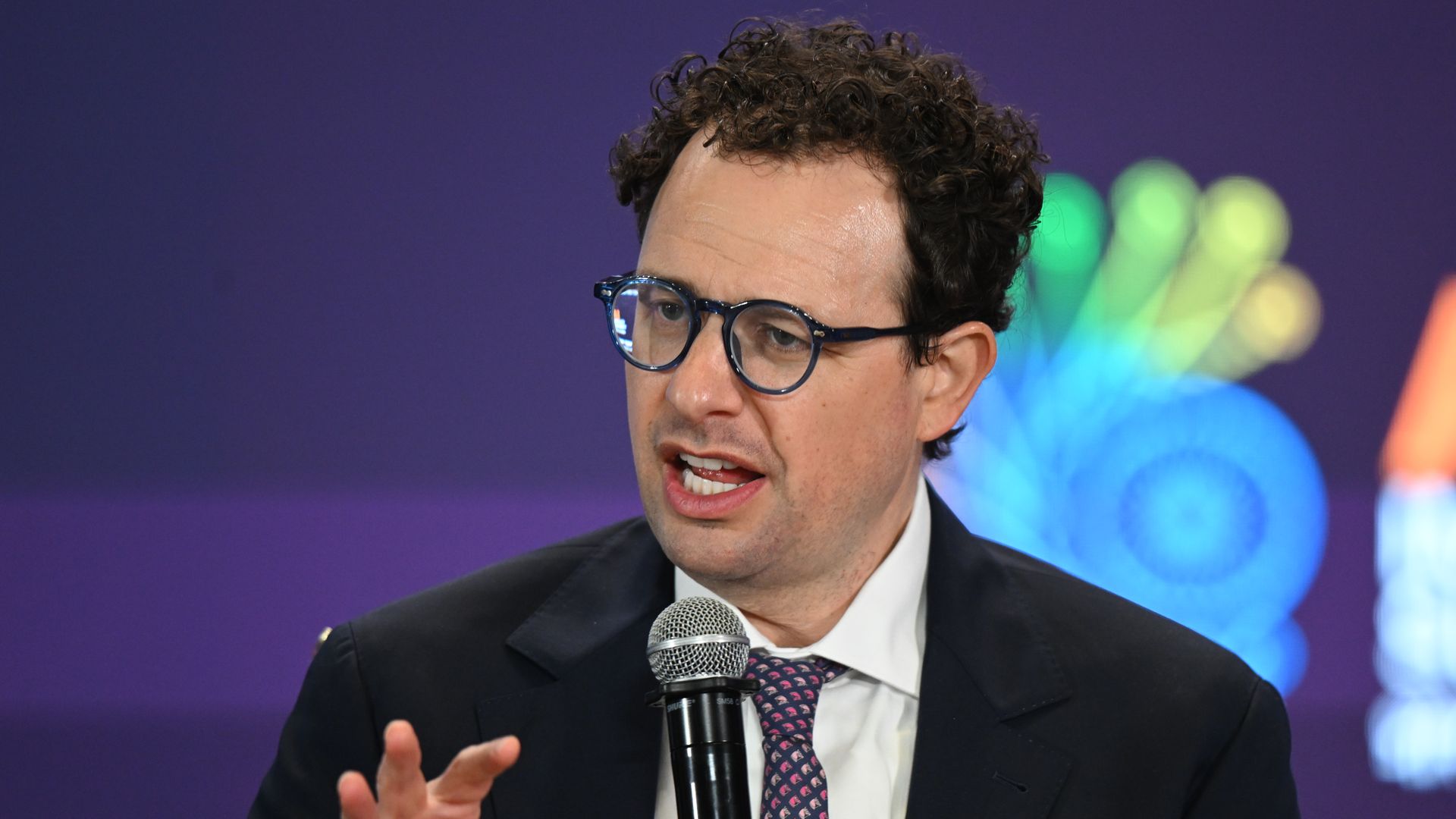
"Now I am awake in the middle of the night and pissed, and thinking that I have underestimated the power of words and narratives," OpenAI CEO Sam Altman wrote in a blog post over the weekend, following an arson attack on his home.
Why it matters: The narrative around artificial intelligence — and those who are viewed as controlling it — has reached a crescendo.
AI super PACs are stockpiling cash ahead of the midterms and laying the groundwork for competitive races, according to new Federal Election Commission filings.
Why it matters:AI players flush with cash are now a significant force in campaign finance, building a deep network to raise and deploy money as the technology becomes a key election issue.
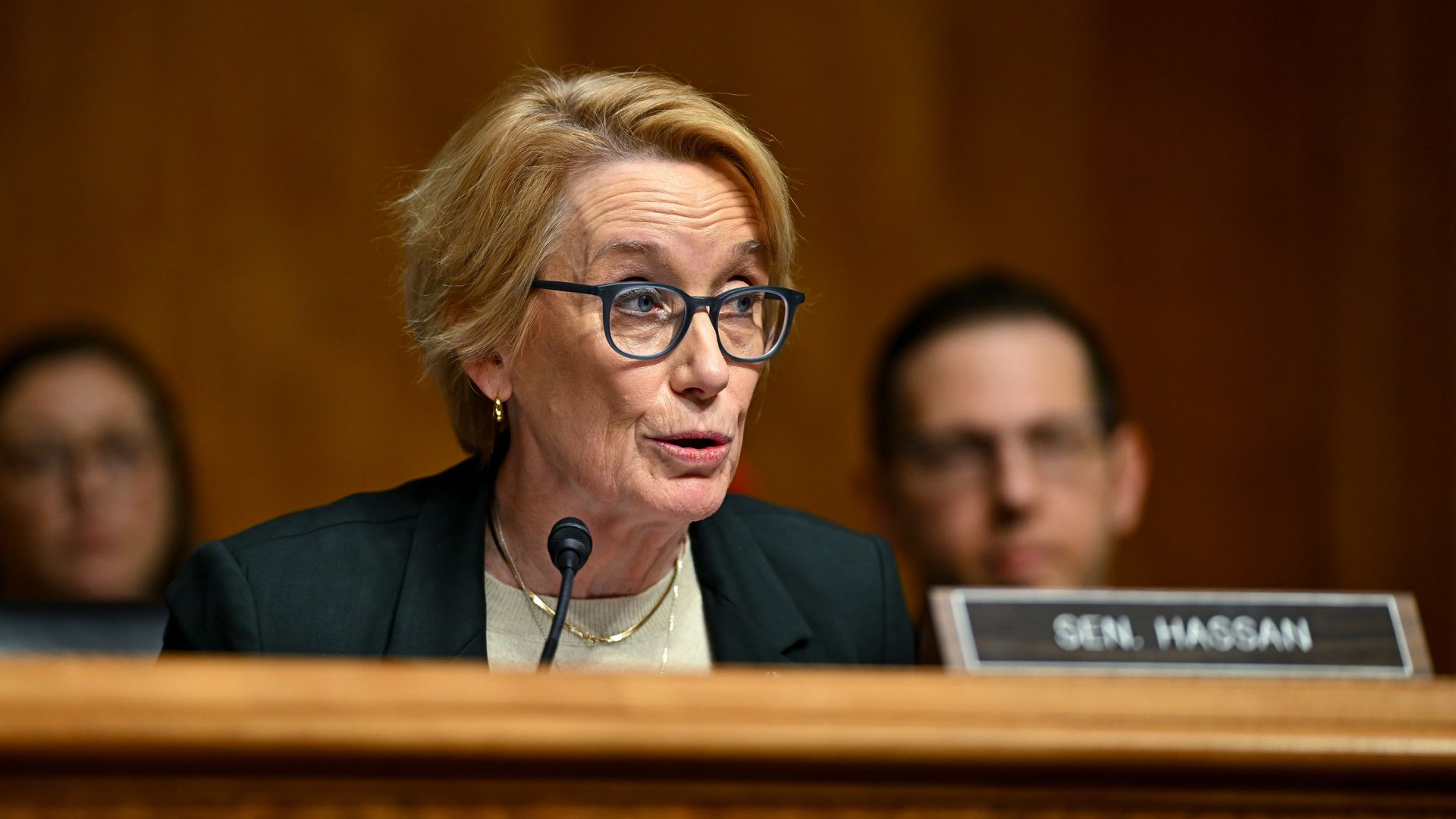
Sen. Maggie Hassan (D-N.H.) is pressing four leading AI voice cloning companies for details about how they're preventing scammers from abusing their tools in their schemes, according to letters first shared with Axios.
Why it matters: Congress is considering new laws to rein in the growing number of scams targeting Americans, and letters like these can signal where lawmakers may take action.
BNY, America's oldest bank, has early access to OpenAI's and Anthropic's advanced cyber capability models, according to CEO Robin Vince, making the bank one of few vetted enterprises with early access.
Why it matters: Wall Street is working overtime to win the AI security race.
America, we have a problem: Young adults are scared and unprepared for the AI revolution upending their early career choices and prospects.
They tell pollsters they're frightened, even angry, about AI's fast arrival. They're rightly unnerved by a tough job market for college grads. And most aren't remotely equipped by schools to be AI-savvy.
Why it matters: This is a growing problem for just about everyone — kids, educators, employers and politicians.
Anthropic users across online forums are raising the same complaint: Claude suddenly feels ... bad.
Why it matters: The backlash lands just as Anthropic is testing a more powerful model, Mythos — raising questions about whether cutting-edge AI is becoming less accessible even as it gets more capable.