The AI boom is accelerating across workplaces, but corporate oversight isn't keeping up, according to a new survey by the audit and advisory firm Grant Thornton.
Why it matters: A mismatch between adoption and accountability raises risk of regulatory scrutiny, legal exposure and costly mistakes as AI plays a bigger role in high-stakes decisions at work.
DALLAS — Texas has the investment, companies and political will to lead on emerging tech, and now must build the workforce, security, energy and trust to sustain it, according to executives and lawmakers in the state.
Why it matters: How Texas navigates these challenges could be a template for other states nationwide.
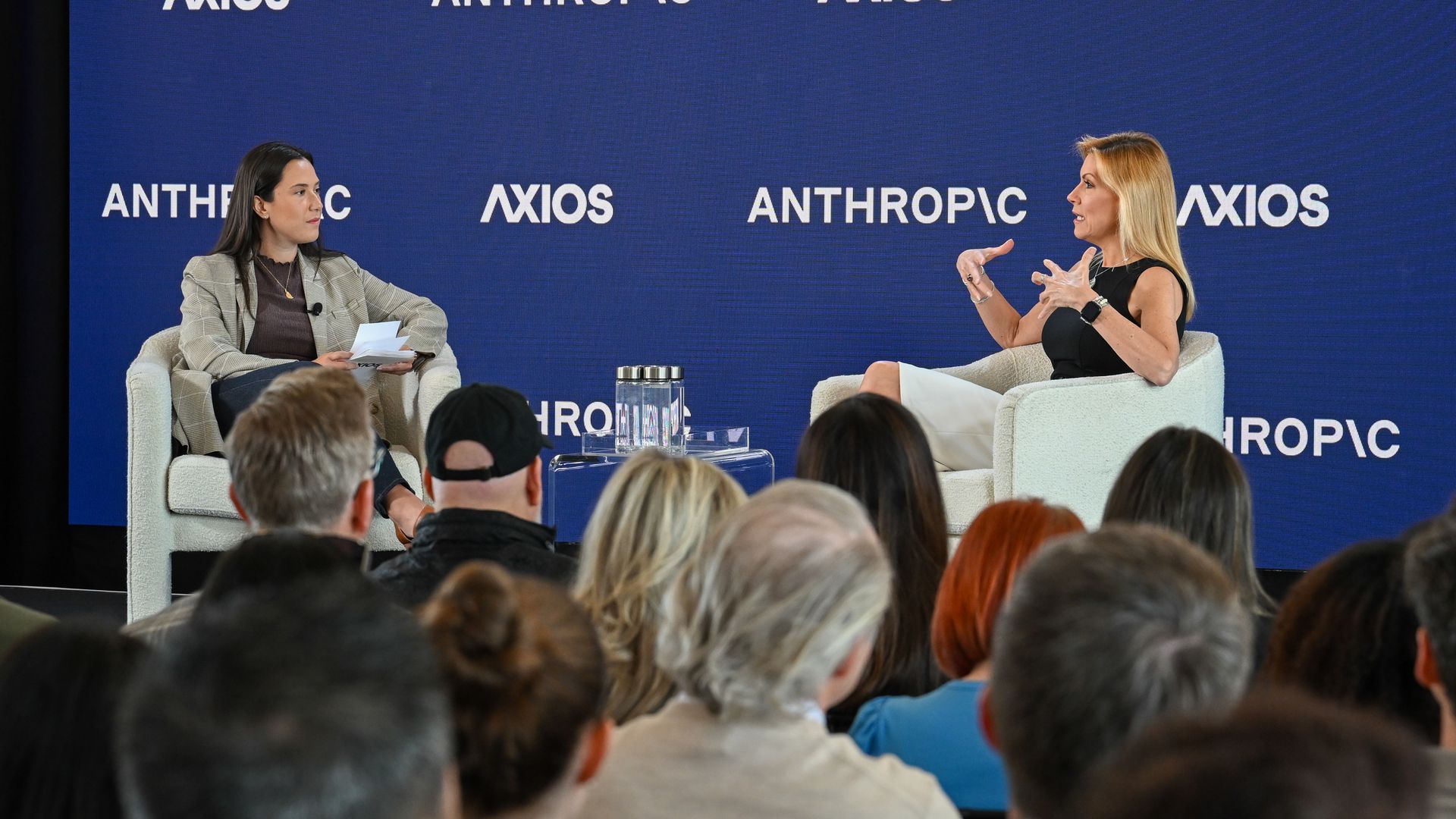
Axios' Maria Curi and Naheed Rajwani-Dharsi spoke with Dallas AI founding president and chief AI officer Aamer Charania, Eden Data founder and chief executive officer Taylor Hersom, North Texas Innovation Alliance executive director Jennifer Sanders and Rep. Beth Van Duyne (R-Texas). The event was sponsored by Anthropic.
The area is also home to 21 Fortune 500 company headquarters, Sanders said.
A single data center project in North Texas is expected to bring "over 1,200 jobs," Van Duyne estimated.
What they're saying: AI is rapidly scaling across industries — and reshaping competition and opportunity.
"Whether you are in financial services, airlines, health care, telecom … everybody is using AI, and everybody's in a race to make the best use of it," Charania said.
"What's exciting is the progress in … problems that normally take 20 to 30 years" to solve, Sanders said.
Yes, but: "I'm not going to sugarcoat it: there is a real risk there" when it comes to job disruption, Charania warned, especially because of the current pace of change.
"Water is a massive concern," Van Duyne said, because of how much data centers require for cooling servers, the state's population growth and drought issues. "We need to make sure that we have enough of it."
What's next: Lawmakers are discussing solutions such as requiring data centers to generate their own power and expanding workforce training pipelines through education.
Content from the sponsor's segment:
Cesar Fernandez, Anthropic's head of U.S. state and local government relations, told Axios publisher Nicholas Johnston that Anthropic has "announced a $50 billion investment in American AI infrastructure with sites here in Texas," aimed at supporting institutions that power communities.
"We've been very consistent that there should be a federal AI regulatory framework that does the balancing act of mitigating some of the downside … of the technology so that we can realize the promise of AI."
I do know this: I went hunting for any company — in any industry, in any era — that has scaled organic revenue this quickly at this level as Anthropic.
Technology that captures carbon emissions from power plants may finally get a breakthrough as deep-pocketed tech companies try to meet climate goals while powering the AI race.
Why it matters: It could help make natural gas electricity cleaner, but it's long been too expensive. The AI boom could change that.
President Trump lashed out against Pope Leo XIV on Sunday night, calling him "WEAK on Crime, and terrible for Foreign Policy" and accusing him of "catering to the Radical Left."
The big picture: Trump's comments escalate already high tensions between the president and the first U.S.-born pope, who has increasingly spoken out on Trump administration immigration policies and the Iran war.
Half of Americans now use artificial intelligence at work, a new benchmark in Gallup's surveys, but there's a gap between company leaders and workers.
The big picture: While executives can be divided on aggressively pushing AI in the office versus letting workers experiment on an individual level, the latest poll shows that bosses are the ones using it most frequently.