Nvidia CEO Jensen Huang said the company is in the process of restarting manufacturing of its H200 chips for shipments to China.
Why it matters: Nvidia is eager to re-enter the crucial Chinese market, but its efforts have been hampered by U.S. export restrictions and Beijing's push to build a domestic chip industry.
Smaller web publishers, with 1,000–10,000 daily page views, are experiencing the most precipitous traffic declines in the AI era, according to new Chartbeat data provided exclusively to Axios.
Why it matters: The data suggests larger publishers with better brand recognition and stronger direct-to-consumer products are more insulated from declines in traditional search traffic.
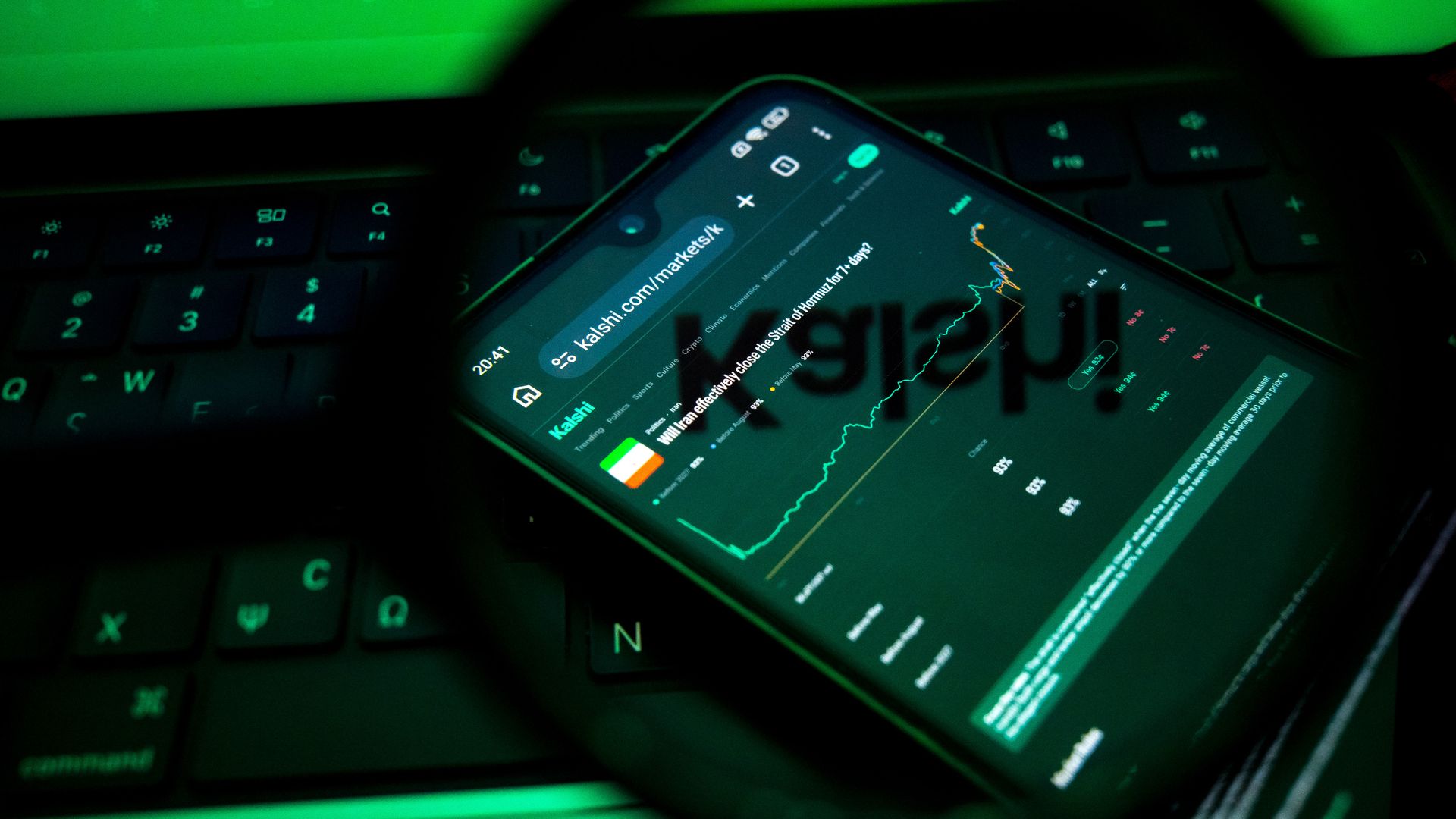
Arizona's attorney general filed criminal charges against Kalshi on Tuesday in a dramatic escalation of the legal battle over prediction markets.
Why it matters: Kalshi allows users in all 50 states to risk money on event contracts — including what it calls "100% legal sports trading" — but detractors say it usurps state gambling regulations.
Cyber activity tied to the escalating war between the U.S., Israel and Iran is already underway, and American companies are starting to feel the effects.
Why it matters: Iran is a formidable, often difficult-to-predict cyber adversary that likely won't be afraid to go after U.S. utilities and government agency systems as the war escalates, experts warn.
That's the emerging consensus among private equity firms, which are building consortiums to work alongside the AI giants that are threatening to gut their portfolios.
Driving the news: OpenAI and Anthropic each are in talks with different PE groups to create something akin to enterprise AI consulting arms.
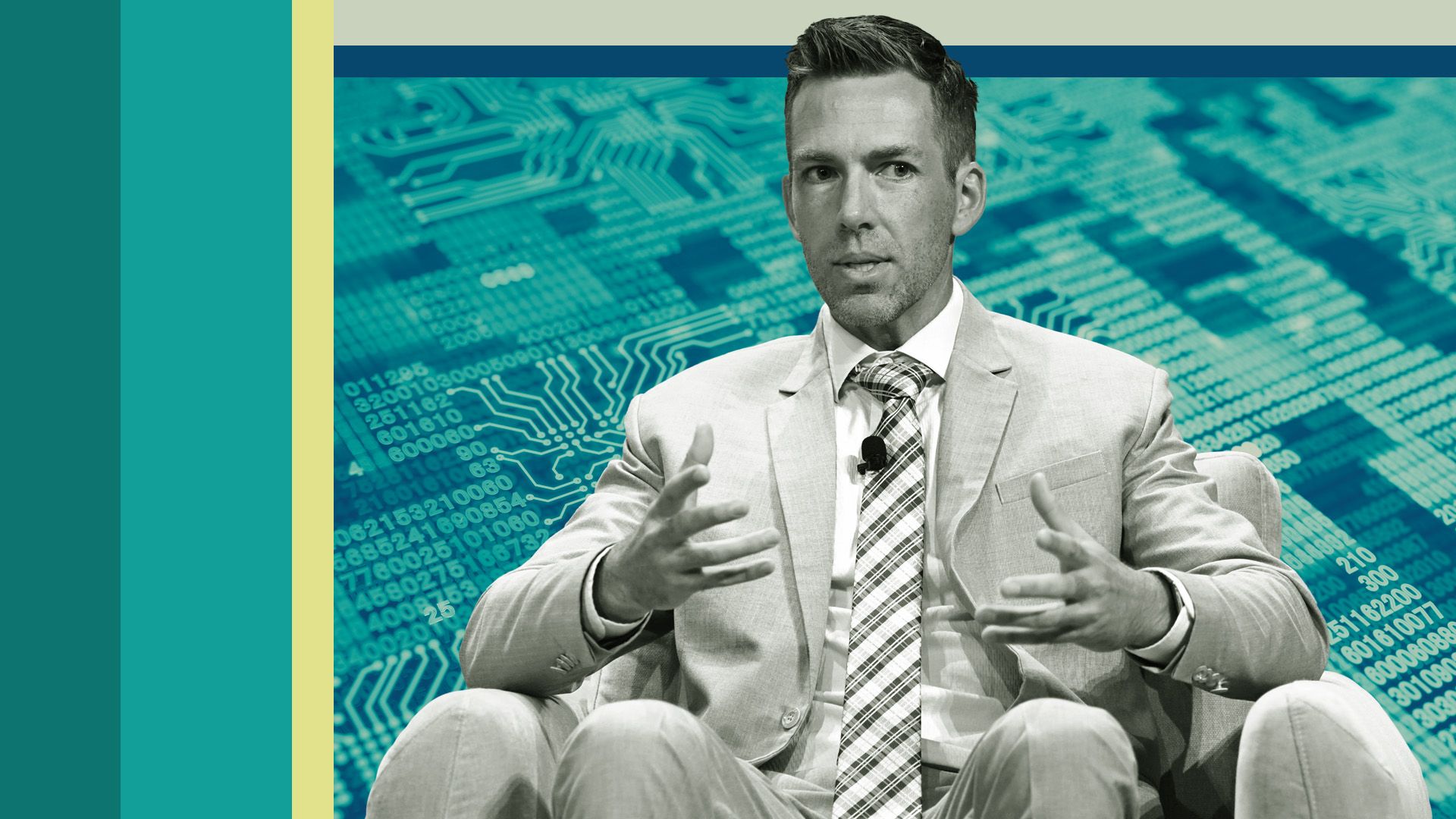
Josh Parker didn't intend to work at Nvidia or even in sustainability — and yet finds himself at this precise intersection at a pivotal moment.
Why he matters: As head of Nvidia's sustainability efforts, Parker oversees the behemoth's efforts to contain its environmental footprint despite explosive growth.
Computer programmers, customer service reps and data entry workers top the list of jobs most likely to be replaced by AI, according to a new analysis.
The big picture: Early research suggests that AI's impact on the workforce will be uneven, hitting desk-based digital roles harder than physical, in-person jobs — though some evidence suggests the blue-collar jobs will be at risk, too.
Nvidia's chips are improving at such a staggering pace that it defies any historical comparison.
Why it matters: Without these gains — which are drawing increased attention as AI transforms society — physics would slam the brakes on the data center boom.
Even gambling sites are turning AI anxiety into a product.
Why it matters: There's been endless debate about how AI will impact the labor market. Now, you can see the odds it'll impact your job — and even bet on it.
All the major chatbots were able to fill out an NCAA bracket this year, a sharp contrast from a year ago when AI struggled to decipher who would match up in later rounds.
Why it matters: It's an object lesson for a broader AI reality: What is impossible for AI at one point is often a trivial task just months later.
Tech companies aren't pulling back from Anthropic even after the Pentagon labeled the AI lab a supply chain risk, with major partners and enterprise customers telling Axios they aren't changing their contracts.
Why it matters: The Trump administration tried to kneecap one of the world's most powerful AI companies. So far, it's just giving it a leg up.
Americans view prediction market trading as more like gambling than investing, according to a new poll by Ipsos and the American Institute for Boys and Men.
Why it matters: Prediction markets have emerged as an increasingly popular — and controversial — way to bet on everything from sports and politics to business, news and entertainment.
Welcome back to our mini-series on how to clean up your social media diet.
Instagram, the highly visual platform that once revolved around your friends' espresso drinks and vacation photos, now feels packed with influencers you've never met and recommendations you didn't ask for.
Why it matters: Cleaning up your Instagram account redirects you to content from people and posts you actually care about. It's not about missing out; it's about reclaiming your attention.