Robotaxis, like any new driver, often make mistakes — as more and more of them get deployed in U.S. cities, the tech companies behind them are learning important lessons from things they could have done better.
Why it matters: Every incident — every dumb or potentially dangerous error — is being scrutinized as they work to earn public trust.
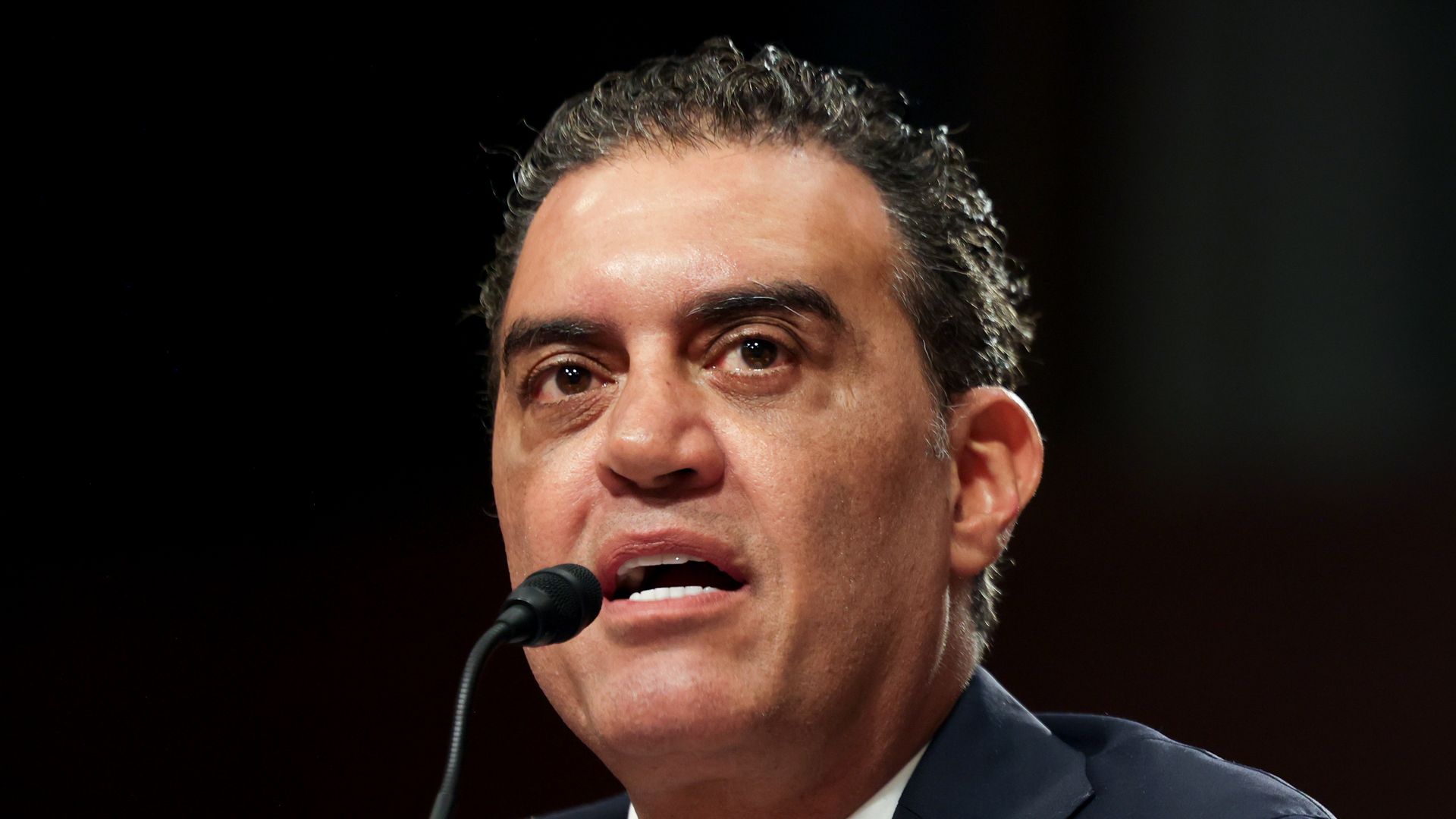
A bipartisan House Homeland Security Committee briefing with Anthropic's Jack Clark was held behind closed doors on Wednesday, per sources familiar with the meeting, and only briefly touched on the company's fight with the Pentagon.
Why it matters: Anthropic — which is suing the federal government over its designation as a supply chain risk — is engaging with lawmakers on national security and AI, even as much of that discussion is happening out of the public eye.
The White House is expected to send Congress its ideas for regulatingAI on Friday, sources familiar with the matter told Axios, but policy disagreements on the Hill are far from resolved.
Why it matters: Republicans are looking to the White House for direction on AI, but its plan is likely to run into the same sticking points that have stalled action for years.
The Pentagon is highlighting newnational security concerns about Anthropic's use of foreign workers, including from China, according to a court filing.
Why it matters: The Defense Department is raising red flags about a key element of the AI industry — its reliance on global talent — as it moves to dismiss Anthropic's lawsuit.
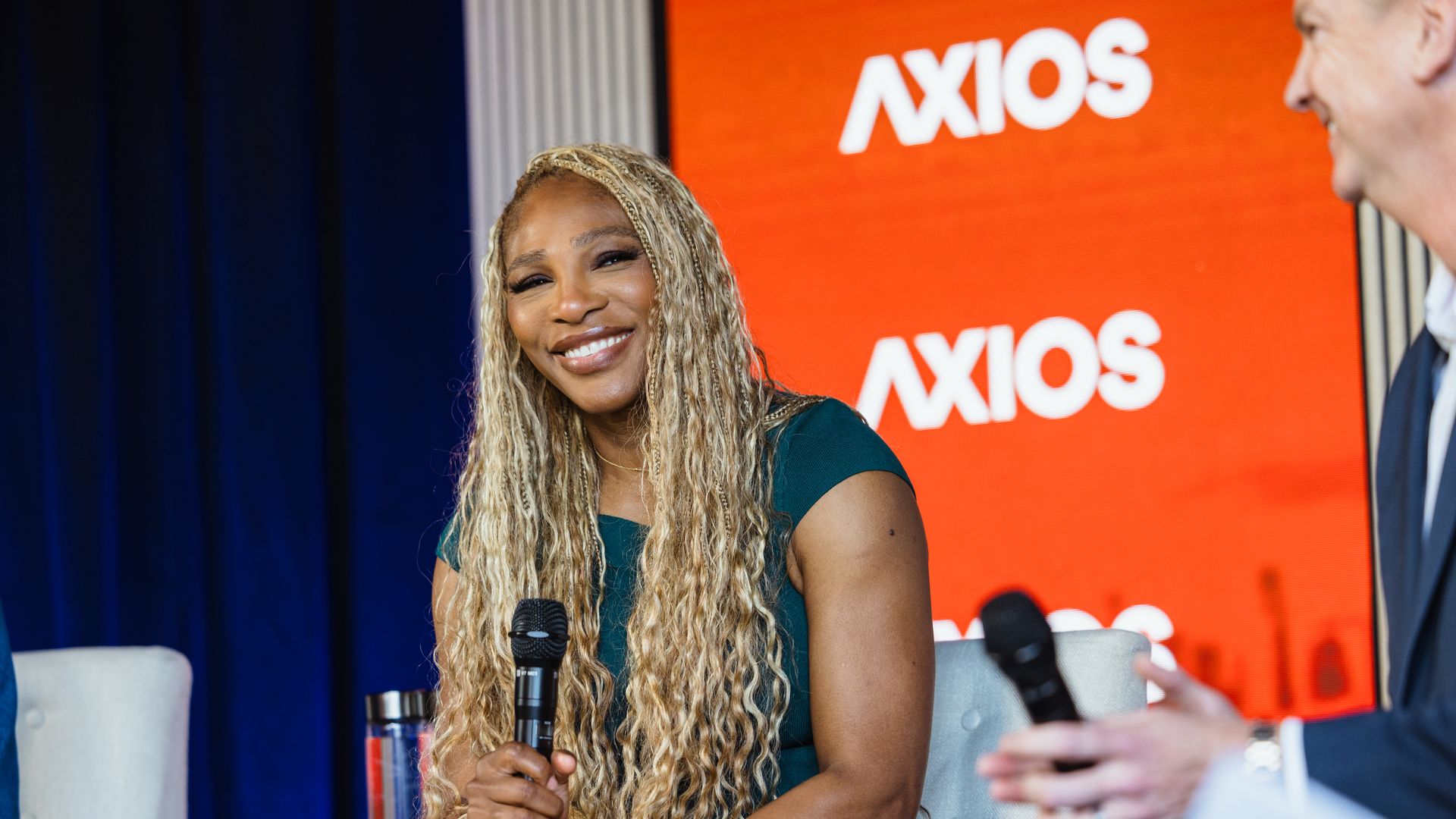
Reckitt Catalyst entrepreneur-in-residence Serena Williams told founders at Axios House during SXSW that one of the toughest hurdles for early-stage entrepreneurs is learning how to sell themselves.
Why it matters: You could have the best idea, product and strategy, but if you can't communicate it effectively, you're unlikely to attract the talent and funding needed to be successful.
Why it matters: The deal, which would require lifting the limit on television station ownership, is a litmus test for the Federal Communications Commission's deregulation drive.
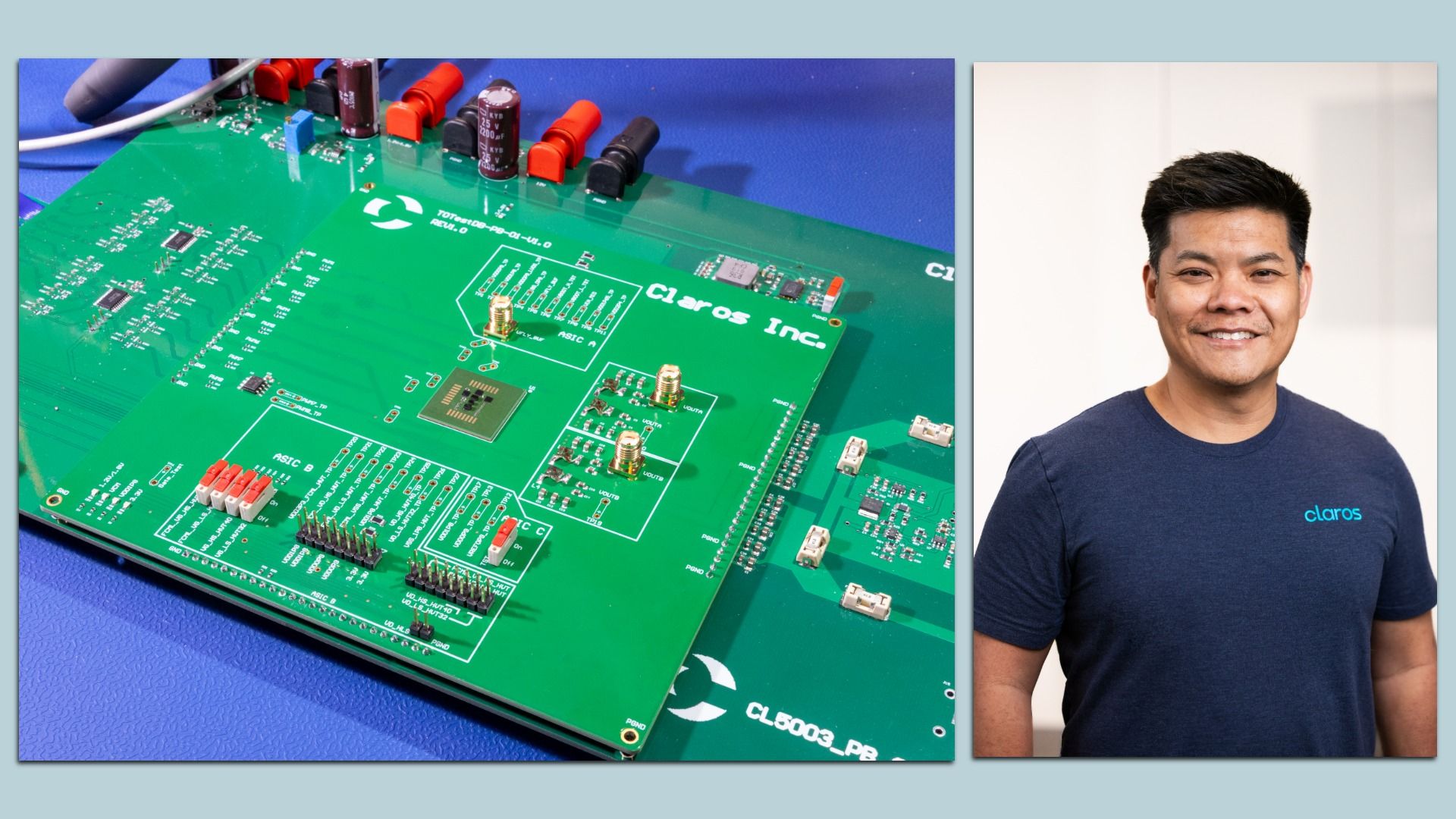
Claros, a startup with tech that minimizes energy waste at data centers, closed a $30 million seed round co-led by General Catalyst and Red Cell Partners.
New and existing investors including Systemiq Capital, Aero X Ventures, and Trenches Capital took part.
The U.S. Postal Service is staring down a cash crunch within a year — just as its biggest customer, Amazon, prepares to sharply scale back deliveries.
Why it matters: Even as major retailers build their own logistics networks, millions of Americans — especially in rural areas — still rely on USPS for essentials like prescription medications and last-mile delivery.
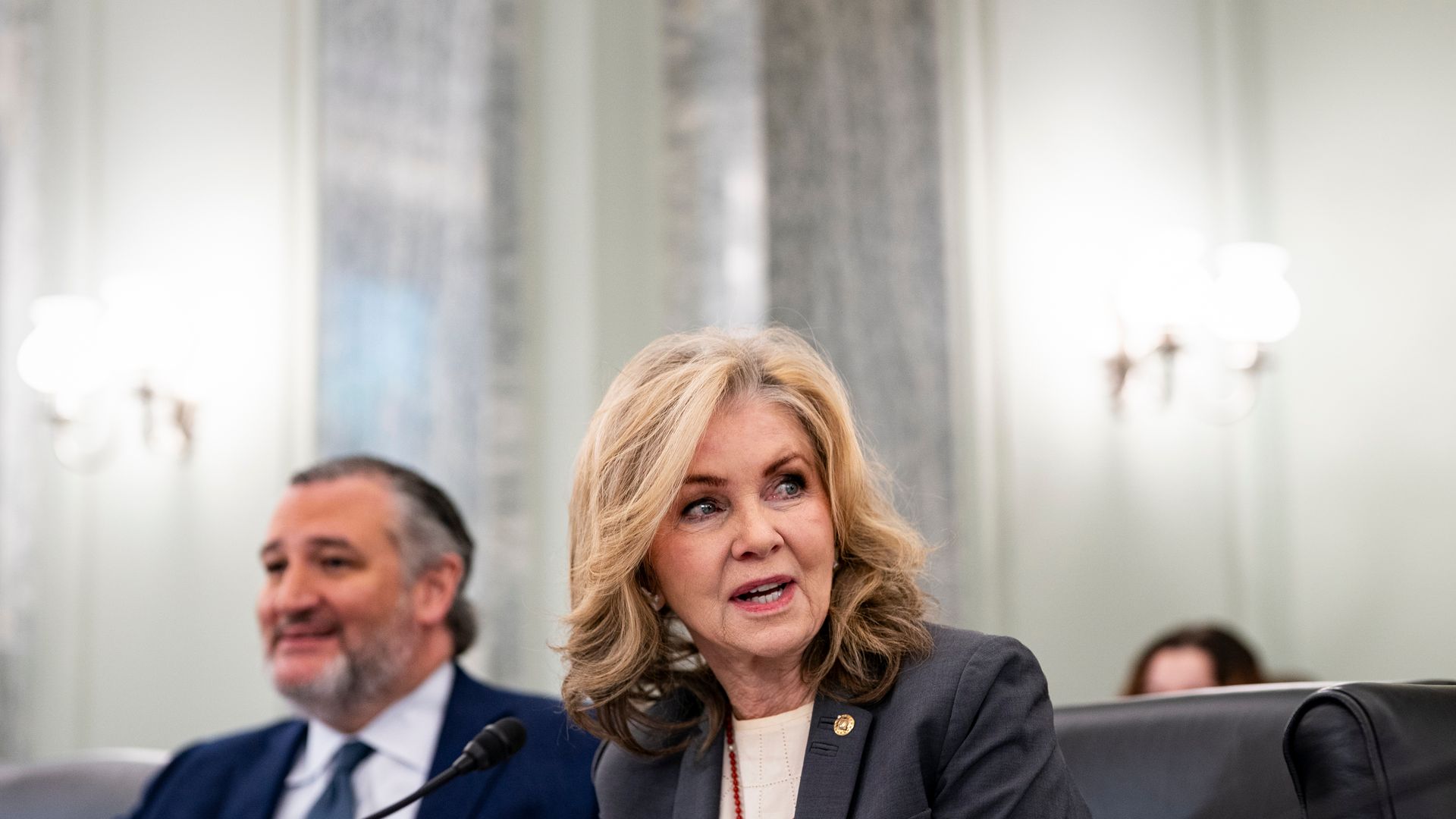
Sen. Marsha Blackburn (R-Tenn.) on Wednesday released an updated federal AI policy draft as the White House prepares to unveil its own plan.
Why it matters: Lawmakers on the Hill are vying to shape the Trump administration's AI agenda, and Blackburn is making her case to lead the effort in the Senate.
Sen. Mark Warner (D-Va.) has questions about a $10 billion fee that TikTok's buyers reportedly are paying the U.S. Treasury Department, on top of what they spent to buy the actual business from China's ByteDance.
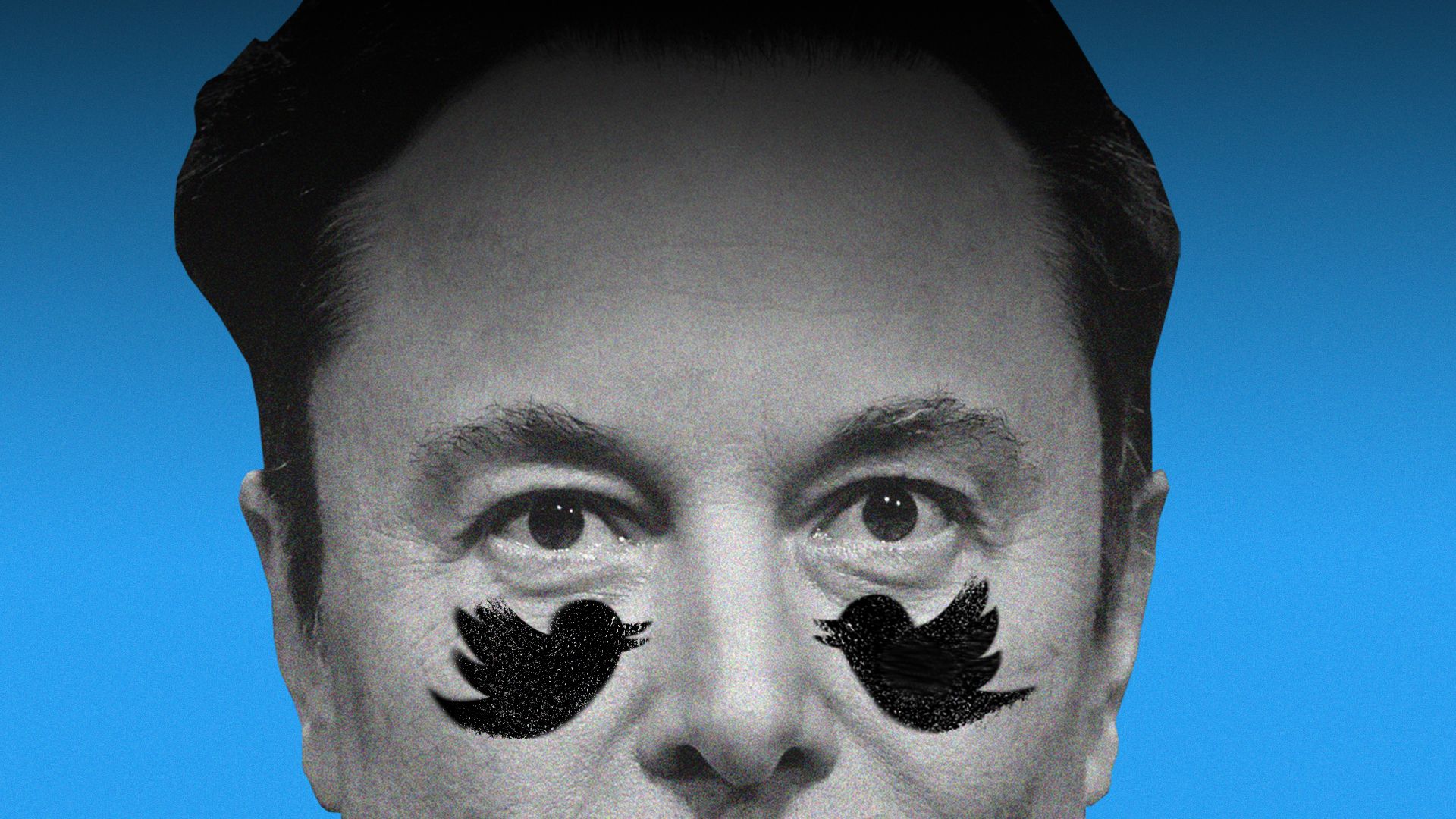
Elon Musk and the SEC are working on a settlement over Musk's failure to disclose purchases of Twitter stock prior to making his April 2022 takeover offer, per an SEC court filing.
Why it matters: SpaceX bankers would like this matter put to bed before launching what may be the largest IPO of all time.
The federal government is trying to clear a regulatory path for new types of vehicles that drive themselves and don't have a steering wheel or pedals.
Why it matters: Fully automated robotaxis don't need driver controls, but the law still requires them. Updating federal standards could determine who leads the global race in autonomous vehicle technology.
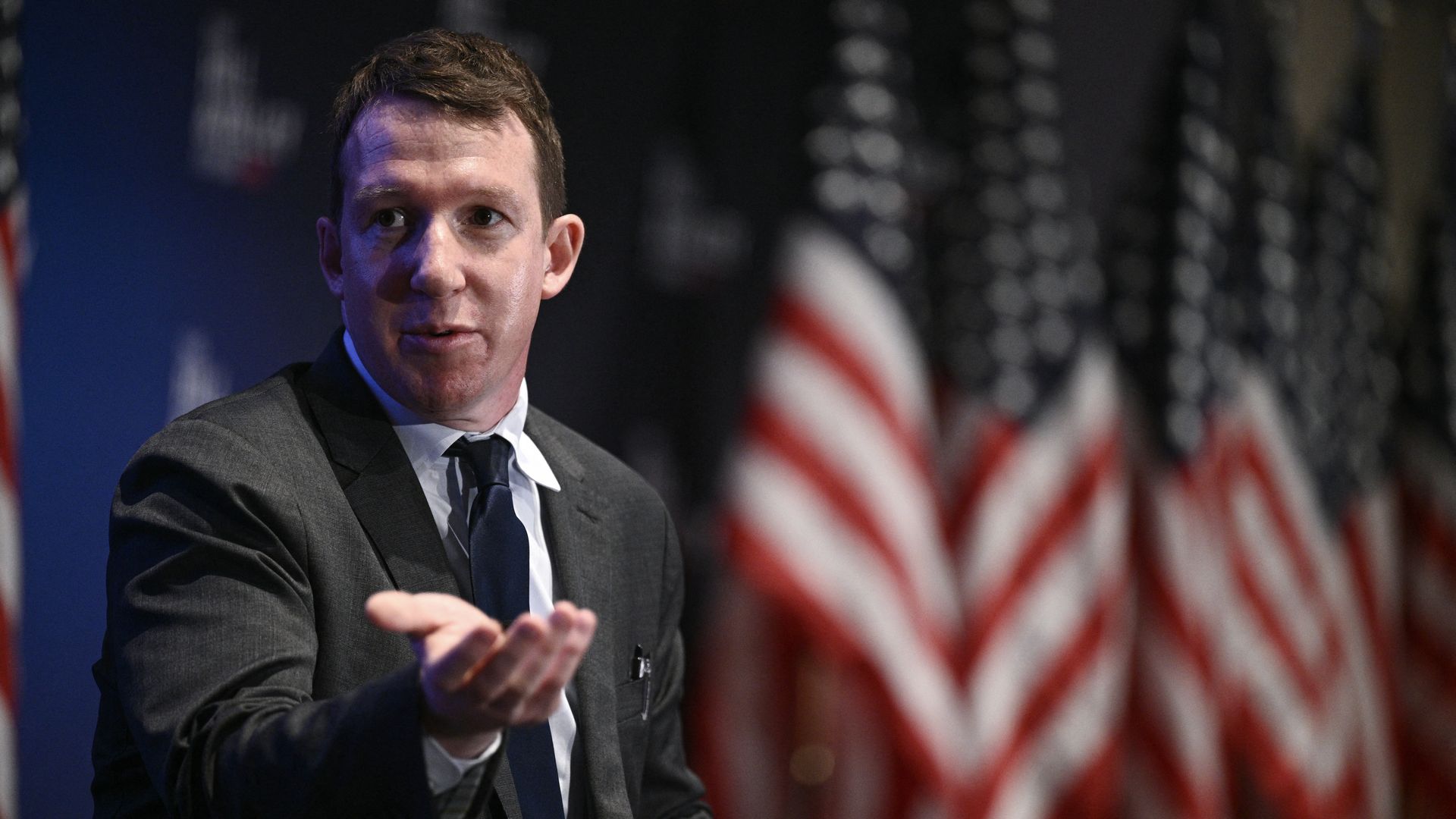
Uproxx is pitching music programming on YouTube as premium inventory to advertisers, CEO Jarret Myer exclusively tells Axios ahead of the IAB NewFronts.
Why it matters: As connected TV audiences grow, creator media companies are positioning themselves as entertainment networks — not just social video brands — and part of a new category called creator TV.
Snowflake, the cloud-based data platform, is rolling out a new autonomous AI platform on Wednesday that will enable users to quickly access enterprise data and execute business functions.
Why it matters: The product launch shows how enterprise software companies are aggressively responding to a workplace reshaped by AI.
The first production lines at Arsenal-1, the weapons mega-factory Anduril Industries is erecting in Ohio, will go hot "in a matter of weeks," founder Palmer Luckey told Axios.
"We're ahead of schedule," he said. The company previously teased July.
The big picture: The decade-long project is make or break for Anduril, which is now reportedly valued at $60 billion. It's also a major bet on American reindustrialization, a trend with its fair share of factory floor photoshoots.
Executives are billing Arsenal as the future of defense manufacturing. Getting there requires a chunk of the money it's raised thus far.
Anthropic is now capturing over 73% of all spending among companies buying AI tools for the first time, according to customer data from Ramp.
Why it matters: The AI race is shifting from who has the best model to who can monetize the fastest — and Anthropic is pulling ahead with the customers that matter most: enterprises.
Nearly anyone can have more meaningful conversations by becoming an "opener," a term psychology researchers have for someone who easily gets others to open up.