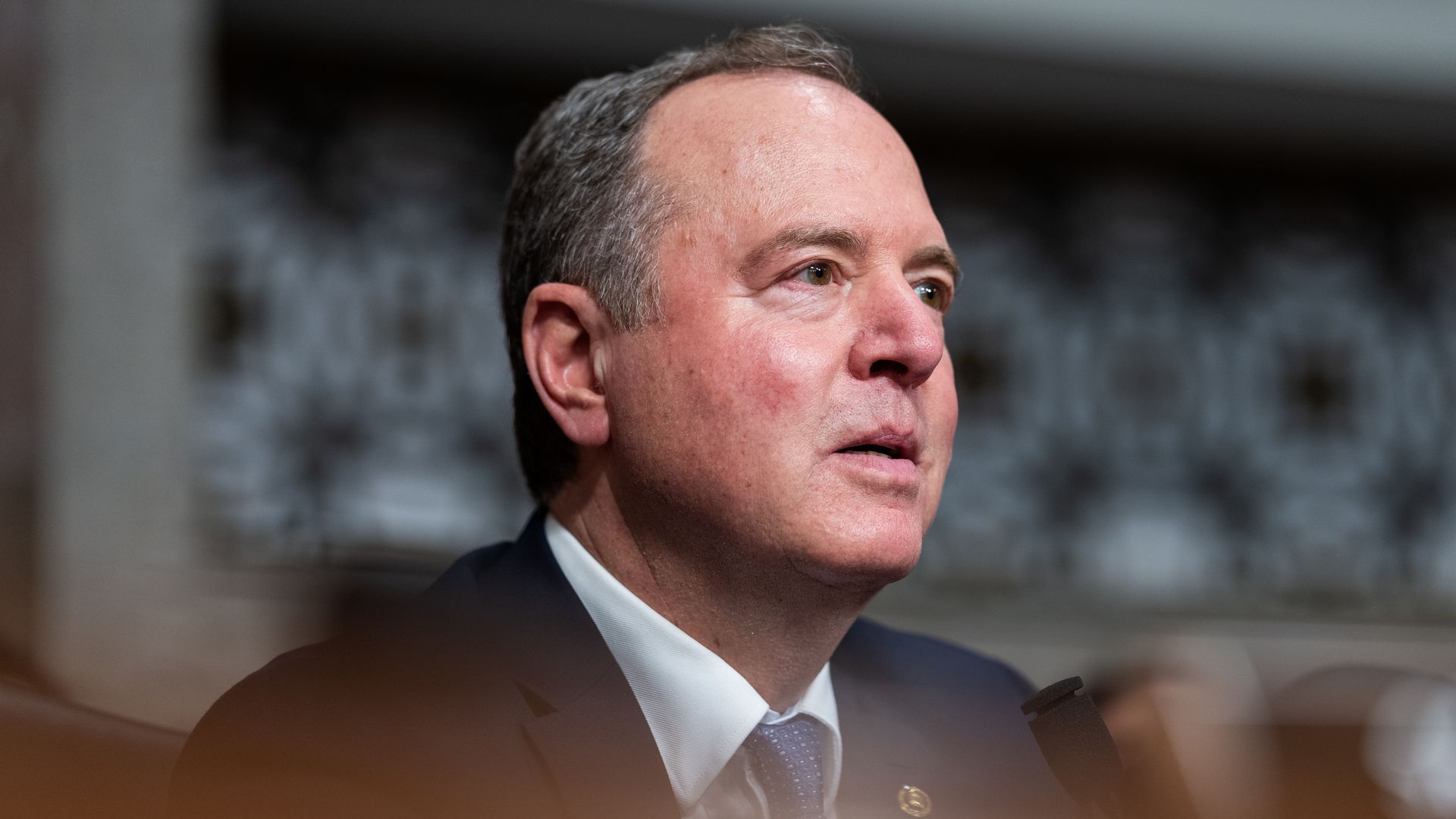
Senate Democrats are drafting legislation to codify federal guardrails around the use of AI in fully autonomous weapons and domestic mass surveillance, Axios has learned.
Why it matters: The issue is at the heart of the Trump administration's standoff with Anthropic over the government's access to the company's AI models.
U.S. and Israeli military strikes on Iran are playing out in the air and at sea, while a parallel fight is unfolding online.
Why it matters: Iranian actors — both state-linked and loosely affiliated — have a history of cyberattacks against the U.S., but the U.S. and Israeli governments are now using similar tactics.
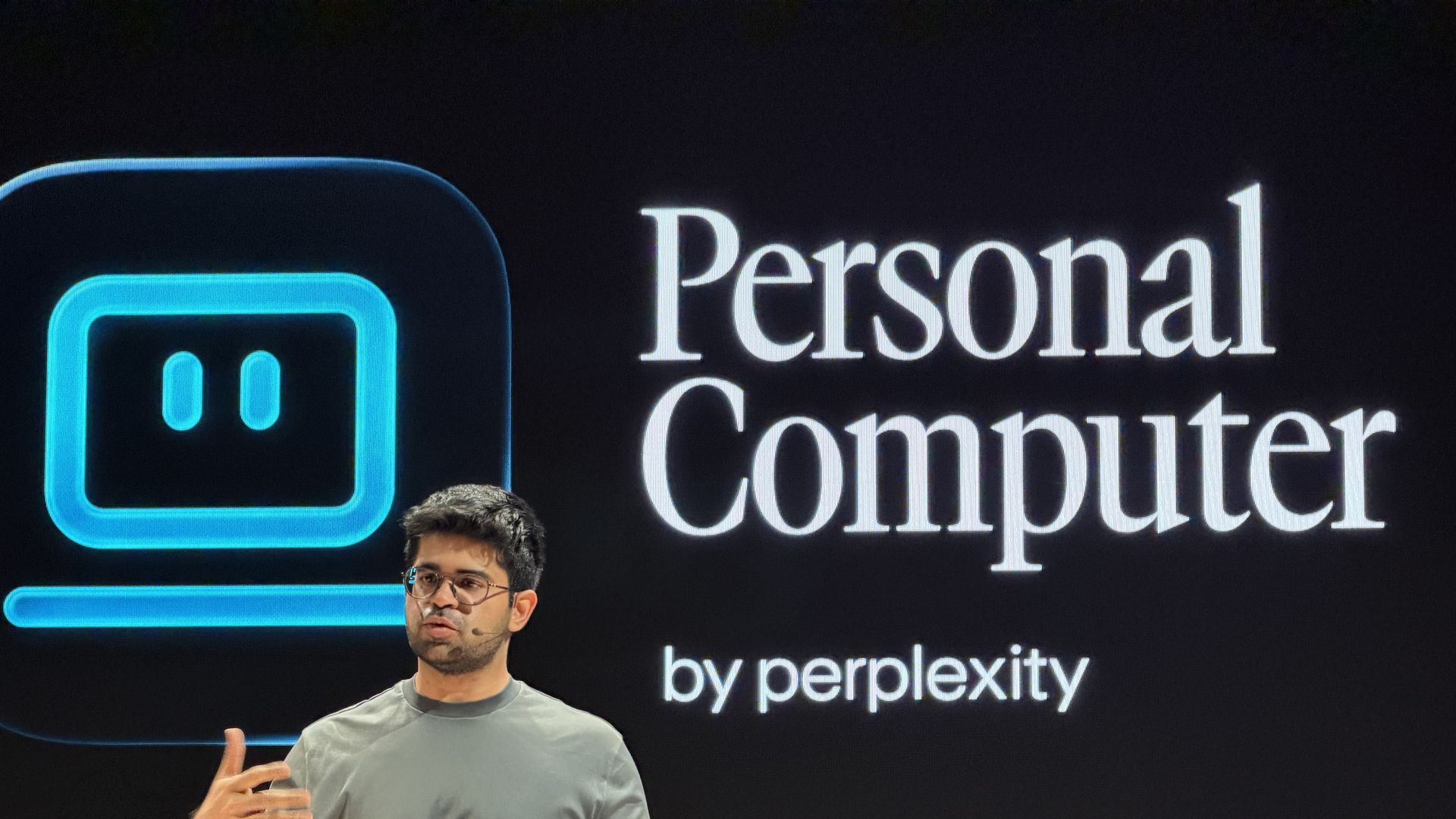
Perplexity used its first developer conference on Wednesday to announce new AI agent tools and software that can turn a spare computer into a locally controlled AI system similar to OpenClaw.
Why it matters: Perplexity — a company without its own frontier models — needs to justify why customers should pay it a monthly fee rather than go directly to OpenAI, Anthropic or Google.
The B-52 flew in the Vietnam War. It still flies, most recently blasting Iranian ballistic missile and command-and-control sites.
Why it matters: Few war machines have the staying power of the Stratofortress. Boeing built hundreds of them, some of which are being maintained and upgraded today.
Swarm Aero raised $35 millionand plans to more than double its headcount by the end of the year.
The big picture: The California startup is developing what CEO Danny Goodman described to Axios as large, swarming drones capable of carrying missiles, electronic warfare payloads and cargo alike.
"We are not expendable, like a Switchblade or a one-way thing, and we're also not exquisite, like a B-2 or F-35," he said.
The American Dynamism Summit in Washington was open to the press for the first time this year.
It's a reflection of the defense-tech and reindustrialization moment.
The big picture: Founders are emerging as pop-culture characters. Weapons work is, overall, more digestible than it was years ago. Trump 2.0 officials want it known they pull no punches. And there's a sense — at least on social media — that factories are sexy again.
Watch TV, scroll social media or listen to politicians, and the verdict seems clear: Americans are hopelessly divided and increasingly hateful.
It's a ubiquitous, emphatic, verifiable ... lie.
Why it matters: Most Americans are too busy for social media, too normal for politics, too rational to tweet. They work, raise kids, coach Little League, go to a house of worship, mow their neighbor's lawn — and never post a word about any of it.
Google is quietly expanding its Pentagon work — and growing users faster than its rivals — while Anthropic and OpenAI publicly spar over conditions for Defense Department work.
Why it matters: Winning the AI race may depend on knowing when to stay out of scuffles.
Sens. Mark Warner (D-Va.) and Mike Rounds (R-S.D.) on Wednesday are introducing new legislation focused on AI and the workforce, per an announcement shared exclusively with Axios.
Why it matters: Concerns on Capitol Hill are mounting over AI's impact on jobs as the midterms approach, and a bipartisan bill to help American workers adapt reflects that momentum.