Dems drafting AI guardrails for autonomous weapons, domestic spying

Add Axios as your preferred source to
see more of our stories on Google.
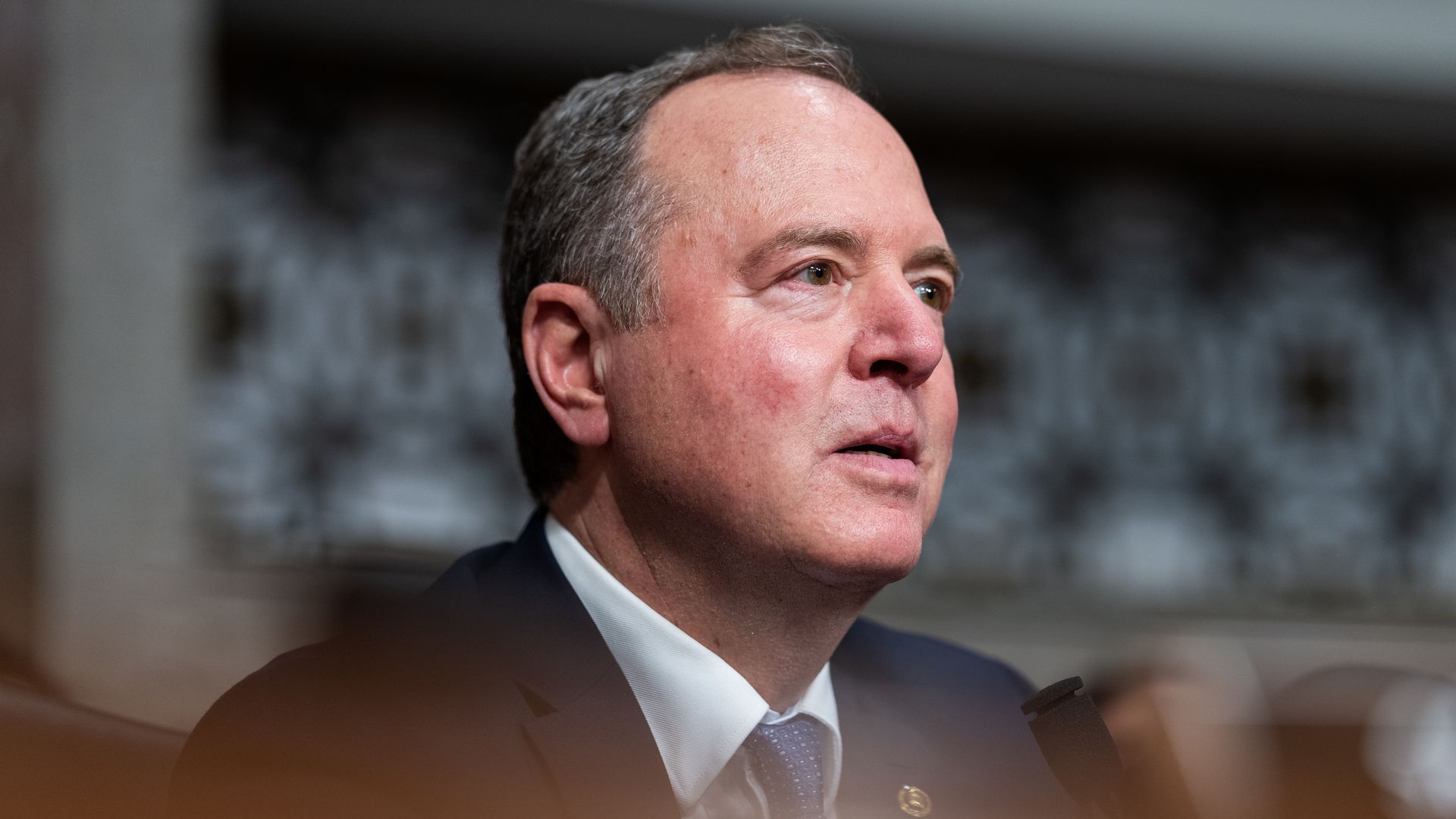
Sen. Adam Schiff speaks during a Capitol Hill hearing on Nov. 19, 2025. Photo: Eric Lee/Bloomberg via Getty Images
Senate Democrats are drafting legislation to codify federal guardrails around the use of AI in fully autonomous weapons and domestic mass surveillance, Axios has learned.
Why it matters: The issue is at the heart of the Trump administration's standoff with Anthropic over the government's access to the company's AI models.
- Sen. Adam Schiff (D-Calif.) is writing legislation that he said would place "commonsense safeguards" around the use of AI in warfare and surveillance, adding that there's an "urgent need for guardrails on how AI is used by the Defense Department."
- Schiff is eyeing an upcoming must-pass defense authorization package as one potential vehicle, a source familiar with the matter said.
Driving the news: The Trump administration this month designated Anthropic a supply chain risk after a high-profile dispute over how the military can use the company's technology.
- Defense Secretary Pete Hegseth has made clear that he wants to quickly integrate AI into everything the military does and is demanding that AI companies give the government unrestricted access to their technologies.
- Anthropic refused to give the Pentagon unfettered access to its AI model, saying it would not allow its model to be used for the mass surveillance of Americans or the development of weapons that fire without human involvement.
Zoom in: The Trump administration received bipartisan blowback for its actions toward Anthropic, which retiring Republican Sen. Thom Tillis (N.C.) called "sophomoric."
- The military used, and may still be using, Anthropic's AI tools in its war on Iran.
Between the lines: Senate Democrats have made clear that they view this year's National Defense Authorization Act as the right place to try to impose AI guardrails.
- Sen. Mark Kelly (D-Az.) said during a conversation at the Brookings Institution on Wednesday that it is a "reasonable thing to expect from any contractor that there are things we should and shouldn't be doing within the U.S. military."
- The NDAA sets policy and authorizes spending for the Pentagon, and must be passed before the end of the year, although it is usually dealt with earlier in the year to avoid last-minute deadlines.
