Shield AI on Tuesday pulled back the curtain on X-BAT, an autonomous aircraft it has for weeks teased as the future of air power.
Why it matters: It's Shield's largest airframe to date as well as its entry into the lucrative robo-wingman space.
It's also the latest application for Hivemind, a digital brain that's flown on everything from a General Atomics MQ-20 to a Kratos BQM-177A to an Airbus H145.
OpenAI's new Atlas browser offers powerful new capabilities, though the combination of Web and chatbot data opens up a new world of risks related to privacy and security.
Why it matters: People are already sharing some of their most sensitive thoughts and information with ChatGPT.
Meta was the top lobbying spender in the third quarter of 2025, and AI and semiconductor companies increased their quarterly spend, per federal filings.
Why it matters: Big Tech companies are still outspending companies focusing purely on AI and hardware, but the gaps are getting narrower.
Google has killed Privacy Sandbox, its yearslong effort to create an industrywide standard to replace internet-tracking cookies, after struggling to wrangle uniform acceptance.
Why it matters: Ad industry leaders have long been wary of letting Google — one of the world's biggest ad companies — dictate the future of ad targeting. And now in the AI era, Google's privacy pivot pegged to cookies is essentially moot.
As companies scramble to respond to a major nation-state cyberattack, the top U.S. cybersecurity agency's threat-sharing apparatus has gone silent, industry sources told Axios.
Why it matters: This is the first major test of how prepared the recently shrunken Cybersecurity and Infrastructure Security Agency is to respond to a possible government breach.
Jan Gilg, chief revenue officer & president of SAP Americas and global business suite discusses how SAP's AI-first strategy weaves artificial intelligence throughout its Business Suite and turns productivity gains into measurable business growth.
Anthropic is making the case that it's firmly in step with the White House after AI czar David Sacks' criticism sparked questions over the company's relationship with the administration.
Why it matters: AI companies have a lot to lose if they're not in the good graces of the Trump administration, from lucrative government contracts to influence over the policies that could define their future.
Union Pacific and Norfolk Southern both have set Nov. 14 for shareholder votes on their $85 billion megamerger, which would create the first U.S. railroad that runs coast-to-coast.
Why it matters: This is a precursor to broader industry consolidation.
The New York Times on Tuesday said it will add a stand-alone destination within its main app that includes a curated mix of short-form, scrollable, vertical news videos, updated daily.
Why it matters: It's part of a broader effort by the Times to bring all of its journalism across mediums into a single, centralized destination, instead of differentiated apps.
A veteran team of advocates and wonks is launching a group to win policy changes that make clean energy "the most affordable, reliable, and fastest way to power America's economy," the group exclusively tells Axios.
Why it matters: The group is made up of former top policy and advocacy staff at the Bill Gates-founded group Breakthrough Energy.
Ransomware gangs are already starting to embed AI into their workflows, allowing them to fine-tune and amplify attacks that have already stolen billions from U.S. corporations.
Why it matters: Most cases of cyber criminals using AI are still outliers, security responders say, but AI tools promise to accelerate the data-stealing, file-encrypting cyberattacks that have wreaked havoc across industries.
Big Tech firms are taking on more off-balance-sheet debt — loans which do not appear in standard financial statements — to finance their AI ambitions, says venture capitalist and MIT research fellow Paul Kedrosky.
Why it matters: It remains unclear how that debt will be paid back: AI isn't making money (yet), and with each new chip cycle comes costly upgrades. This financing binge could pop the AI bubble, Kedrosky tells Axios.
A bipartisan group of House lawmakers is urging President Trump to work with Congress on fixing the high-skilled immigration system instead of imposing a fee on new applicants.
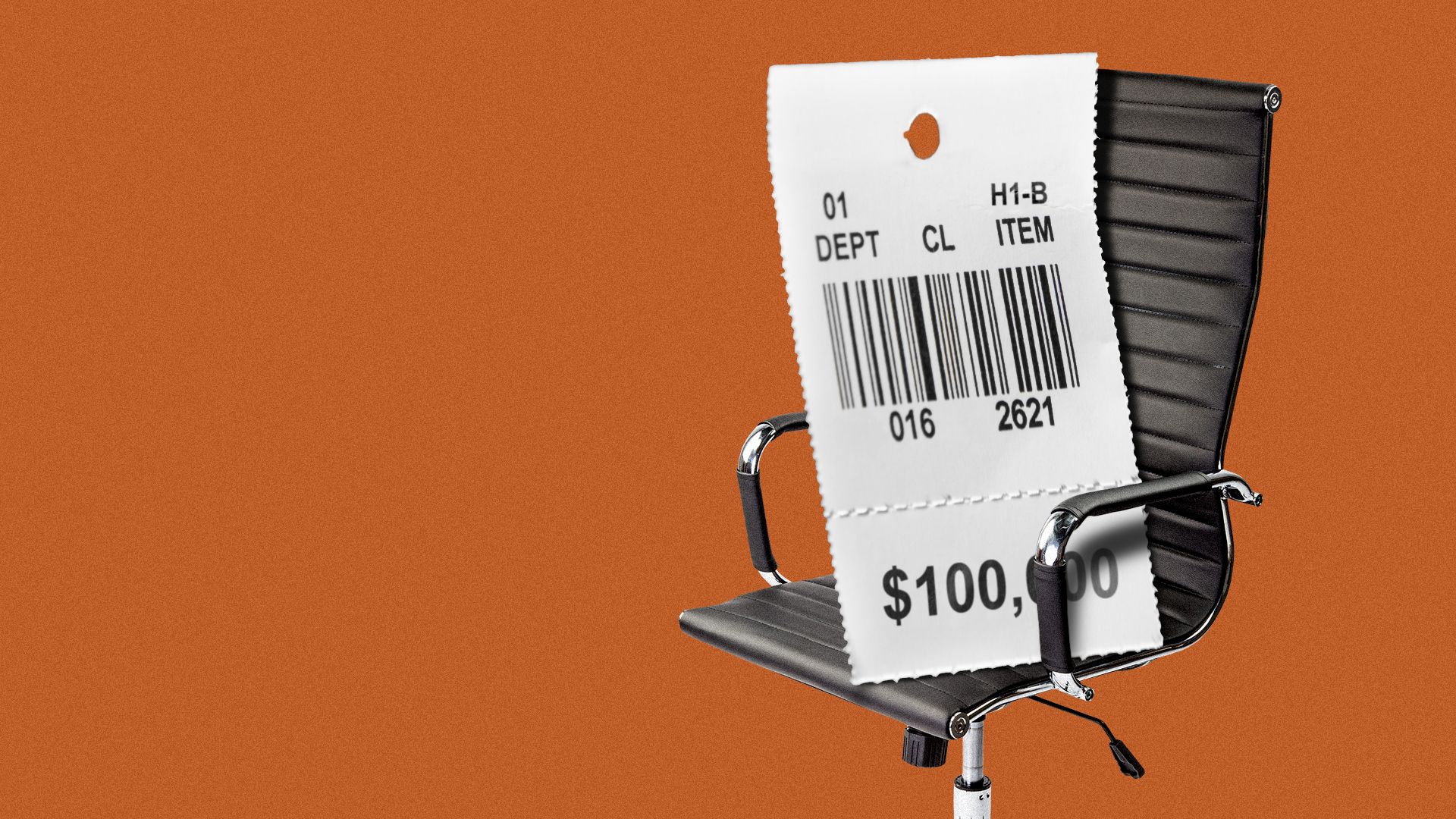
Why it matters: The Trump administration's $100,000 fee for every new H1-B visa applicant is poised to hit small tech companies and startups hard, stifling competition and innovation in the U.S.
Over half of Gen Z smartphone users say their group chat knows more about their daily lives than their families do, according to a survey commissioned by GIF search engine Giphy.
Why it matters: These mobile social circles are becoming the new dinner table, where connections are formed and life updates are discussed.
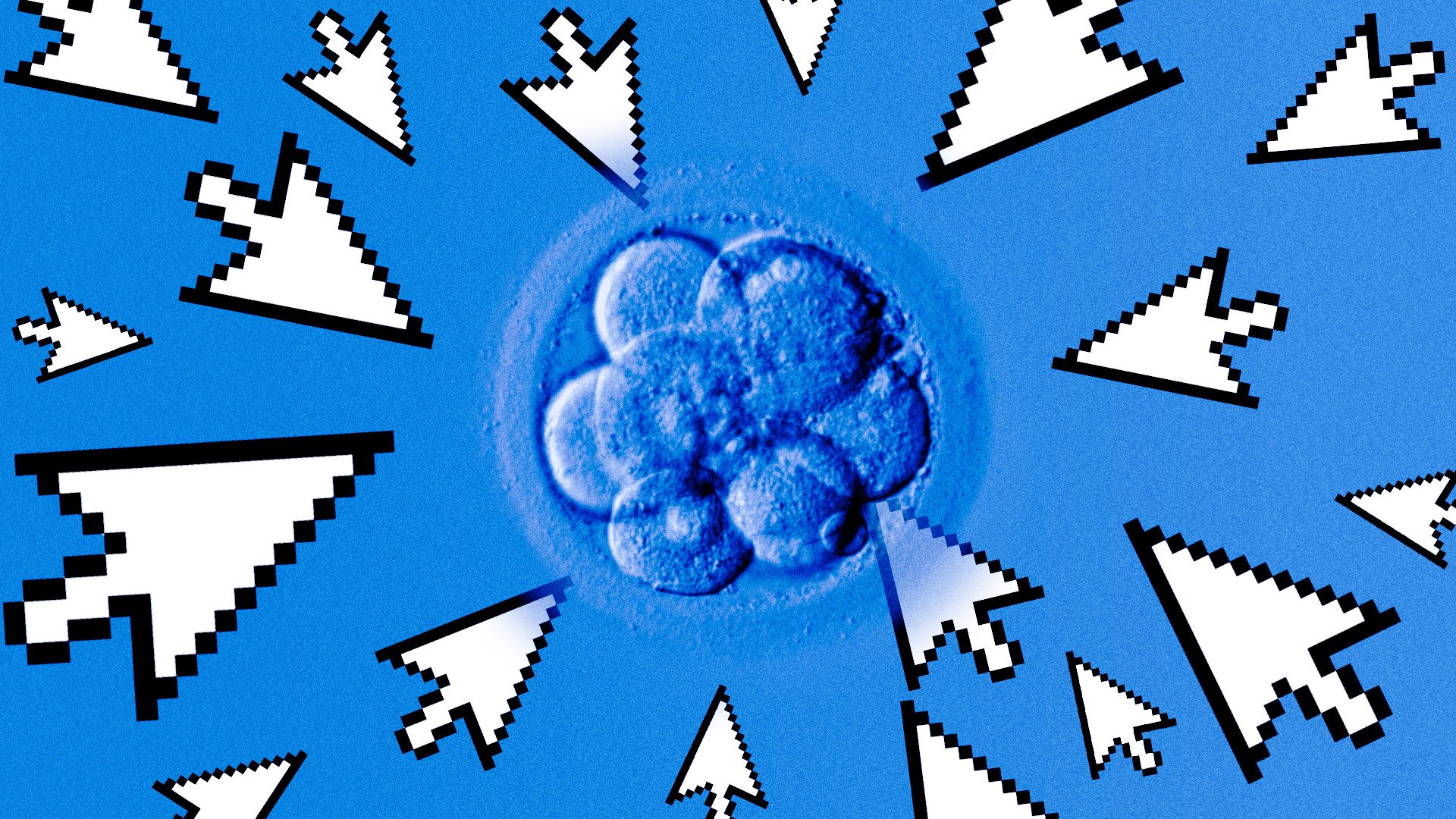
A genetic testing startup launched an AI genomics research arm Tuesday aimed at predicting the likelihood that IVF embryos will develop certain cancers, Alzheimer's and other chronic diseases.
Why it matters: Nucleus Genomics is taking preventative health to an entirely new level: before birth.
MAGA is on a cancellation spree, targeting marquee entertainment and tech companies with boycotts over comments or content the right deems inappropriate or offensive.
Why it matters: The movement is on a crusade to "take back the culture" in a country it views as jolting to the left. Its ability to impose societal penalties on companies it views as pushing that drift will show how much heft the right's campaign has.
Eli Lilly is poised to leapfrog Novo Nordisk and become the dominant player in an anti-obesity drug market that could reach $150 billion by the end of the decade.
Why it matters: The push to develop blockbuster weight loss drugs had been a two-horse race dominated by Novo Nordisk until the maker of Wegovy and Ozempic started backsliding on weaker sales growth.
Since then, it's laid off thousands and revised earnings guidance downward.
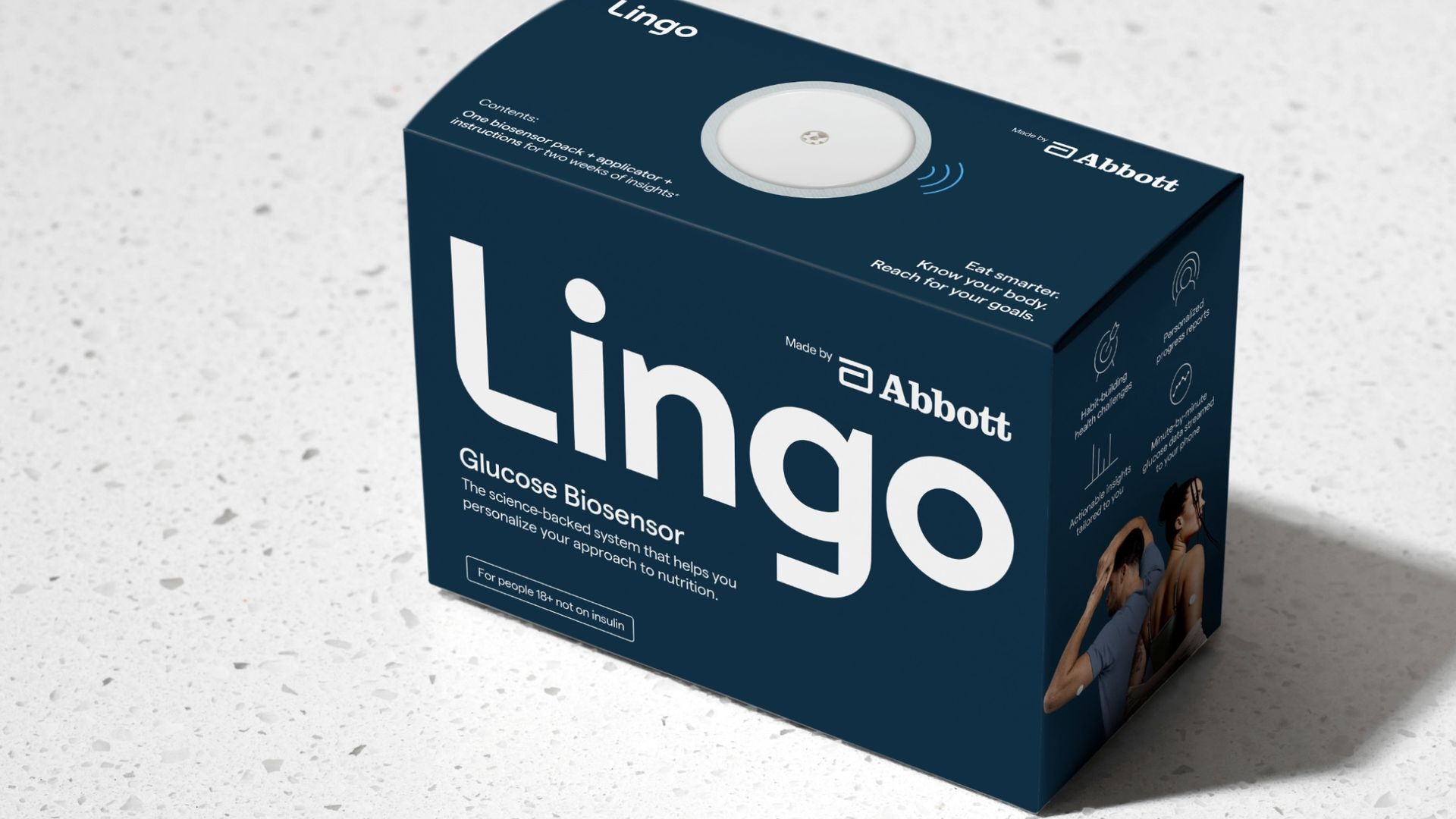
Walmart will become the first U.S. retailer to sell an over-the-counter continuous glucose monitor in physical stores, as Abbott's Lingo rolls out to more than 3,500 locations and online, the health care company told Axios exclusively Tuesday.
Why it matters: It's the latest sign that health tech is going mainstream — making tools that previously required a prescription more accessible to consumers.
Amazon Web Services, the biggest cloud computing provider, went down Monday morning — crippling thousands of services from some of the biggest companies on earth.
Why it matters: For all its complexity and size, the global economy is fragile — breaking just one weak link drives big disruptions, online and in the real world.
Amazon Web Services said Monday evening cloud services had returned to normal after a daylong online outage disrupted thousands of websites worldwide, though AWS noted some services continued to have a backlog of messages.
The big picture: It's the biggest internet outage since an error at CrowdStrike caused a global meltdown that grounded flights and halted banking, leaving major platforms including Snapchat, Reddit, Duolingo and Coinbase down.