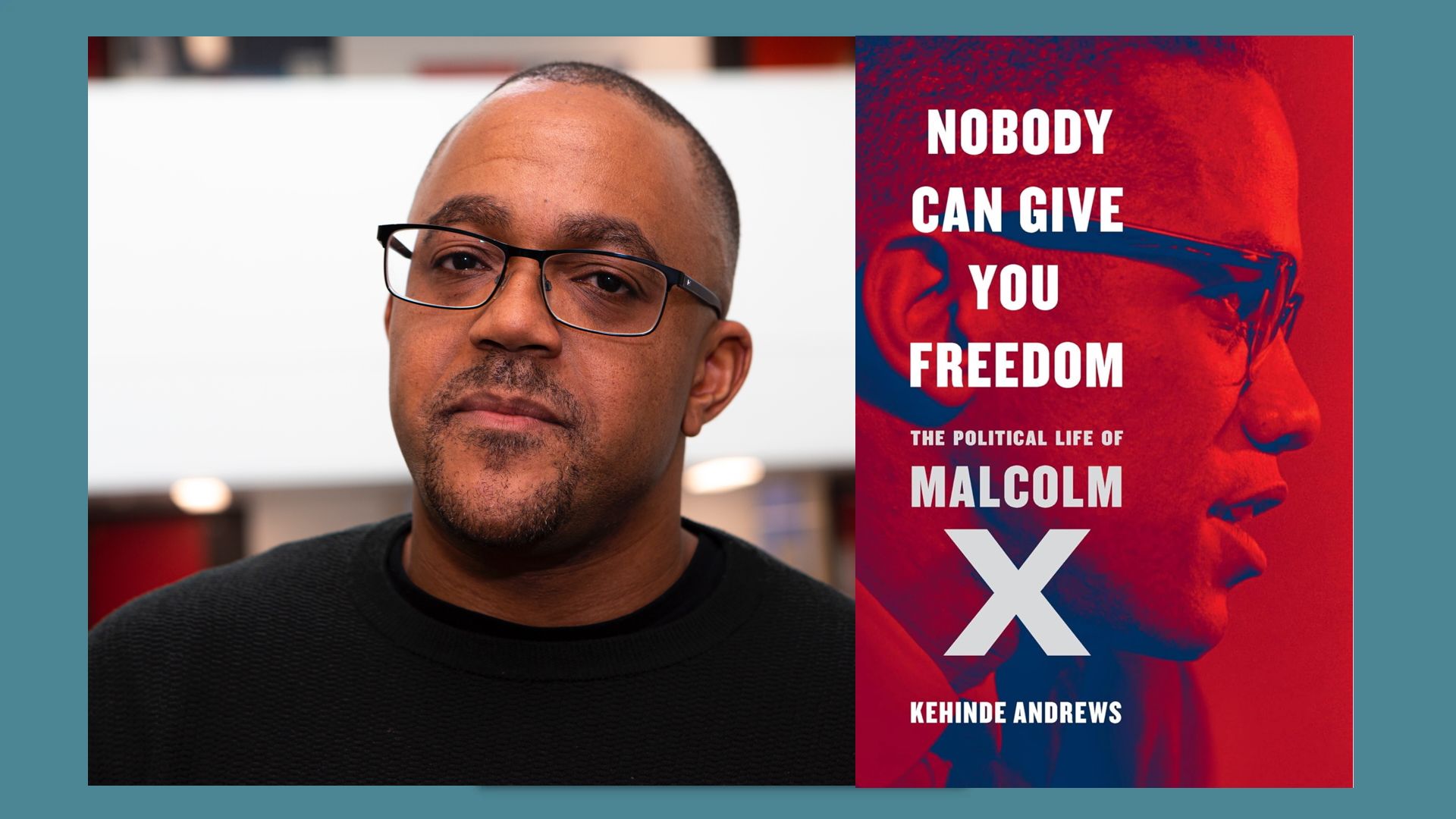
A new book dives into the often misunderstood political life and evolution of Malcolm X — an instrumental figure who helped shape the narrative about people of color in the U.S.
The big picture: Malcolm X has been the subject of many books in recent years amid new questions about his 1965 assassination and the 100th anniversary of his birth.
Tech companies are racing to strike their own deals to leverage their massive troves of proprietary data, the key differentiator in the AI era.
Why it matters: Much of this data is public and easily scrapeable, putting platforms in a similar predicament for copyright infringement as publishers.
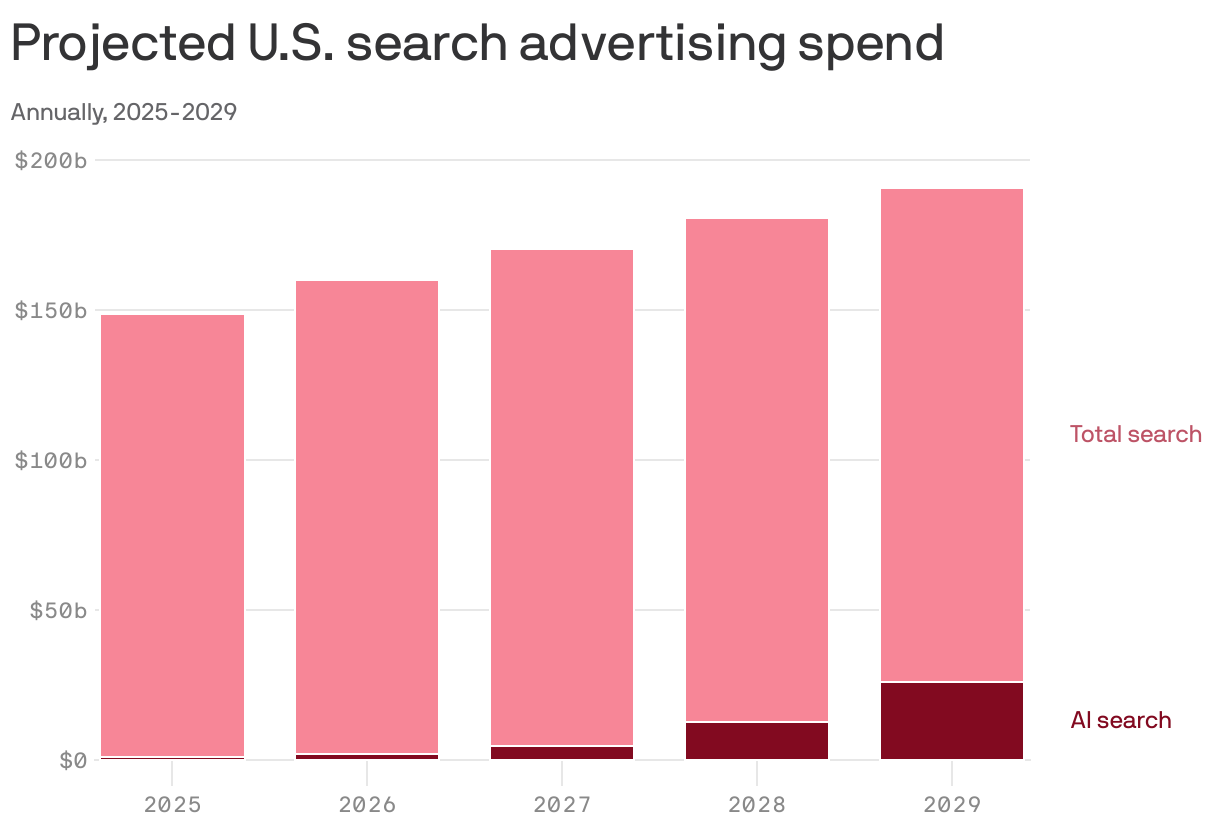
The $350 billion global search advertising industry will grow even faster in the AI era, thanks to new capabilities that make search queries more dimensional and multimodal.
Why it matters: The search ad business model of targeting based on keywords and evaluating success based on last-click attribution has barely evolved over the past three decades. It isn't going away, but it is about to get a lot more sophisticated.
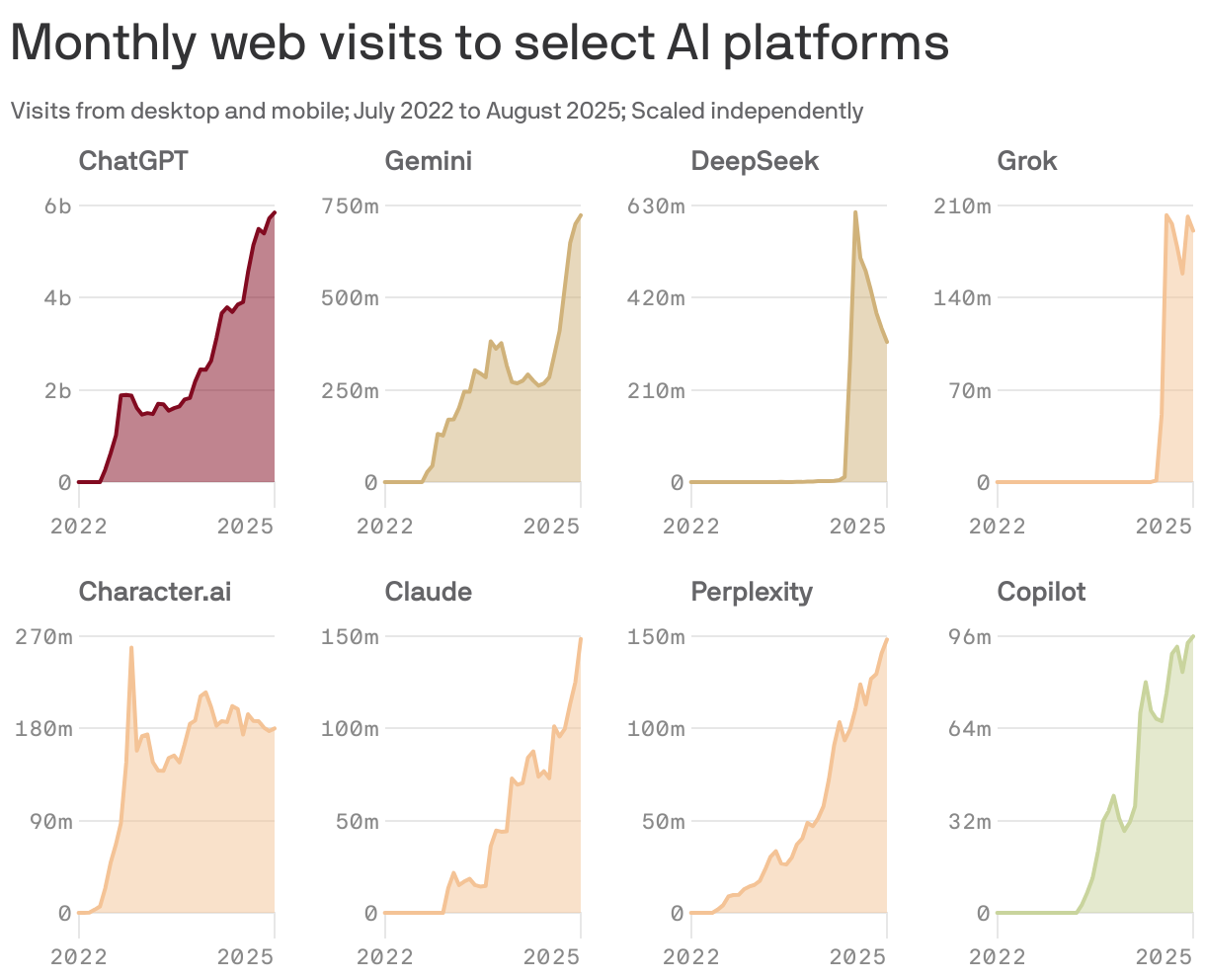
OpenAI's ChatGPT is by far the most popular AI chatbot in the world, according to data from Similarweb.
Zoom in: With nearly 6 billion monthly desktop and mobile visits, ChatGPT receives around 8 times more monthly visits than its next closest competitor, Google's Gemini, and around 9 times more than the open-source Chinese app DeepSeek.
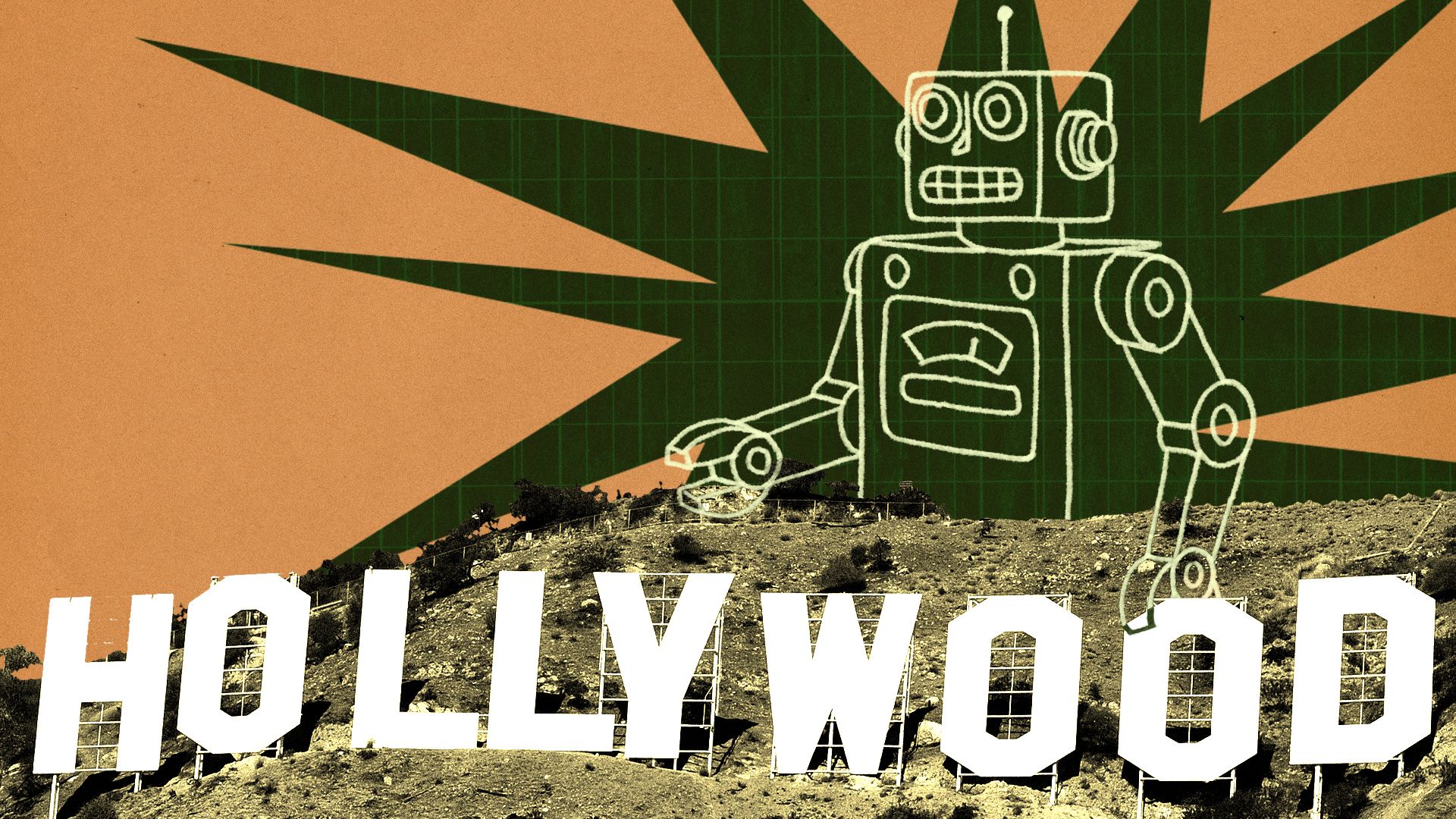
Hollywood is suing some AI startups and signing deals with others as the industry navigates both the threat AI poses to intellectual property and the efficiencies it brings to production.
Why it matters: The response to AI will redefine how content gets made and monetized now and in the future.
The U.S. Copyright Office, which is responsible for issuing hundreds of thousands of trademark and patent approvals each year, remains in a state of flux after the Trump administration abruptly fired its longtime director, Shira Perlmutter, earlier this year.
Why it matters: The firing has rattled the publishing and creative communities, which worry her ousting could yield preferential treatment for Big Tech in the AI era.
The incredible volume of both deals and lawsuits between publishers and AI companies over the past two years suggests a fundamental shift from the Web 2.0 era to the Agentic Web.
Why it matters: Intellectual property owners have a stronger copyright case against AI firms than they ever did against social media giants, which has empowered them to wage lawsuits or demand larger payouts from Big Tech than they ever could before.
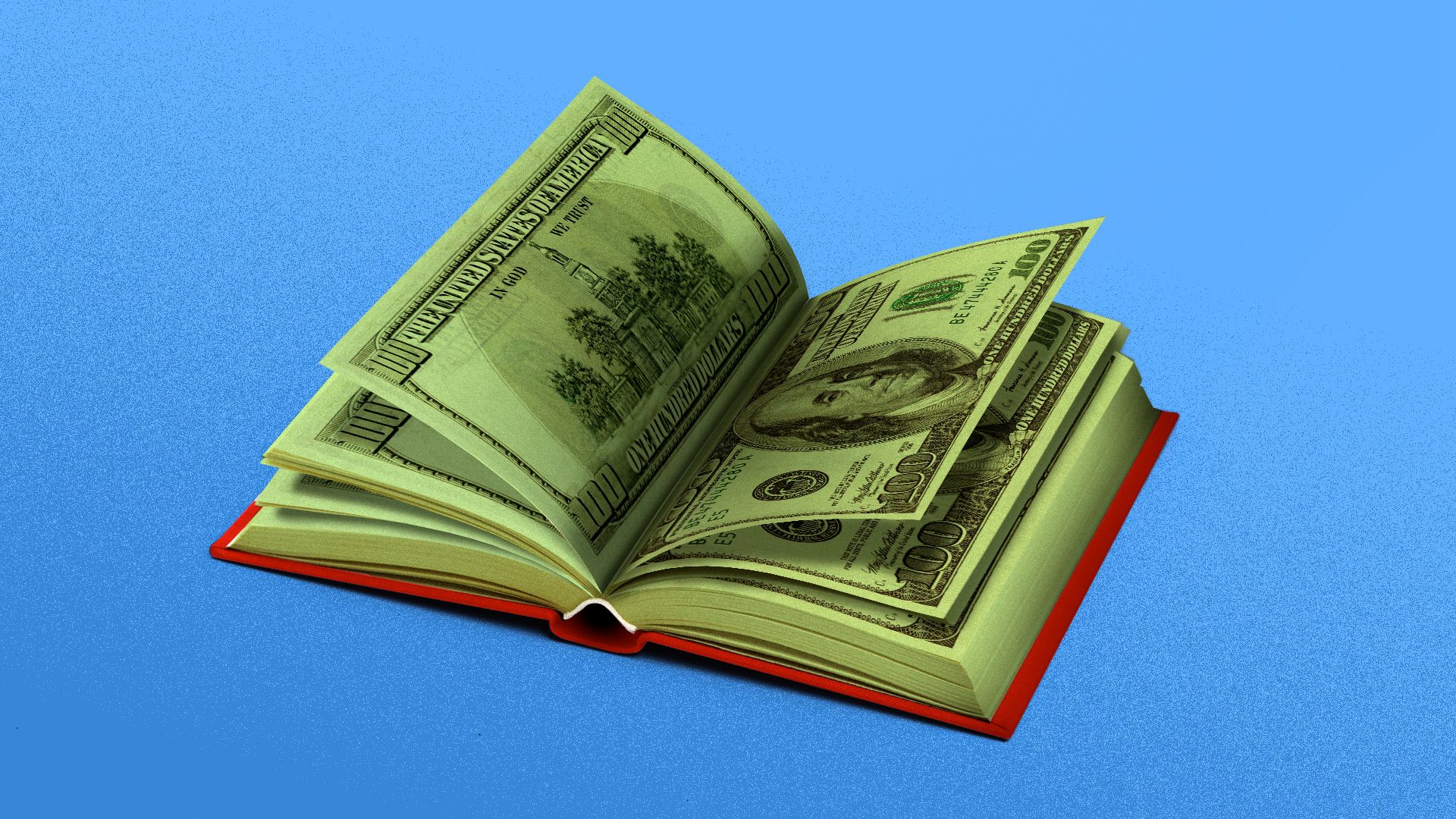
Anthropic has agreed to pay at least $1.5 billion to a group of authors and publishers in the largest copyright settlement in U.S. history.
Why it matters: The settlement marks a turning point in the clash between AI companies and content owners, which could alter how training data is sourced and inspire more licensing deals.
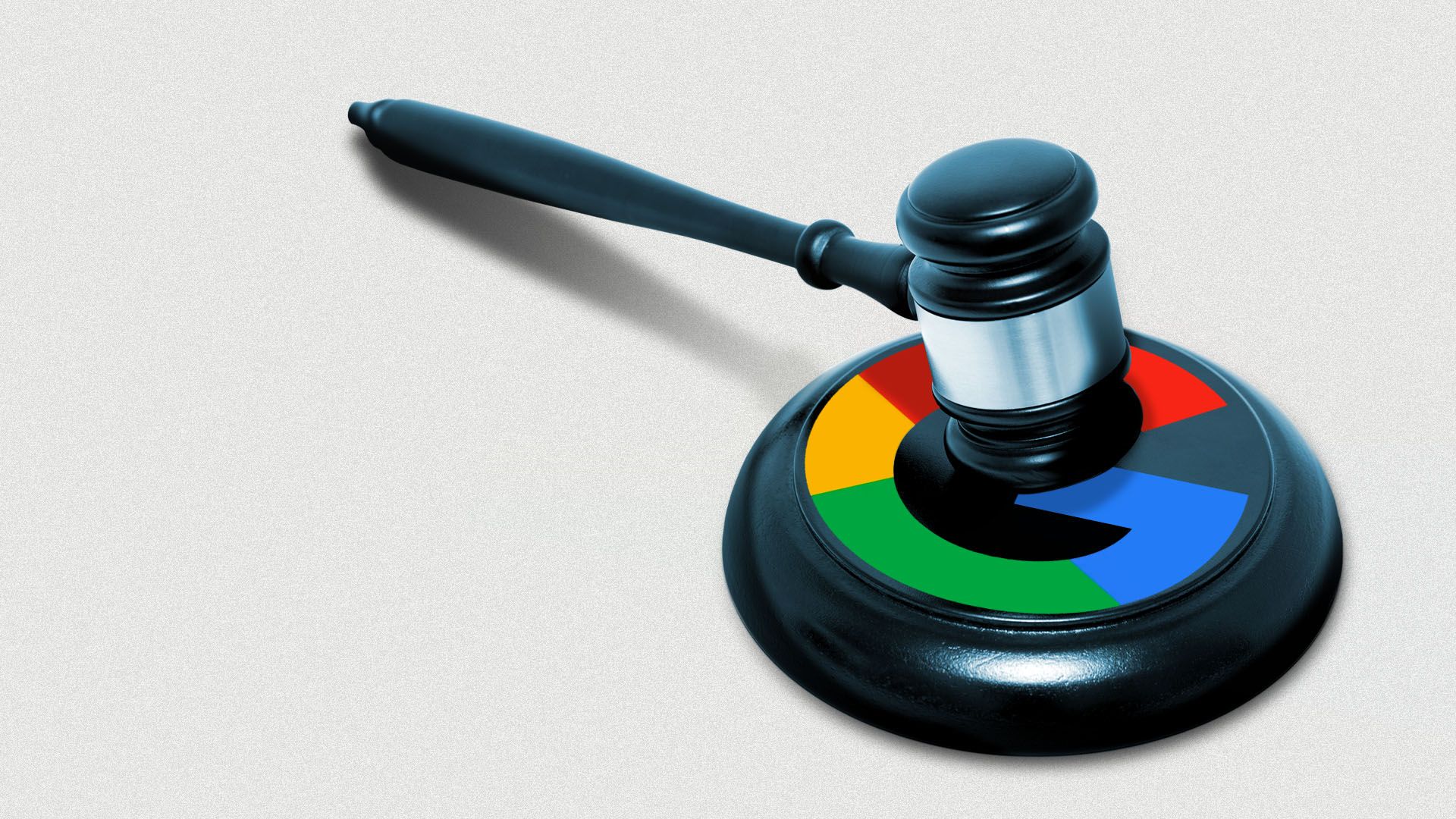
The European Union on Friday slapped Google with a whopping $3.5 billion (€2.95 billion) fine for illegally exploiting its dominance to undercut smaller competitors in the advertising technology industry.
Why it matters: The steep fine is the second major antitrust penalty to hit Google in the past week.
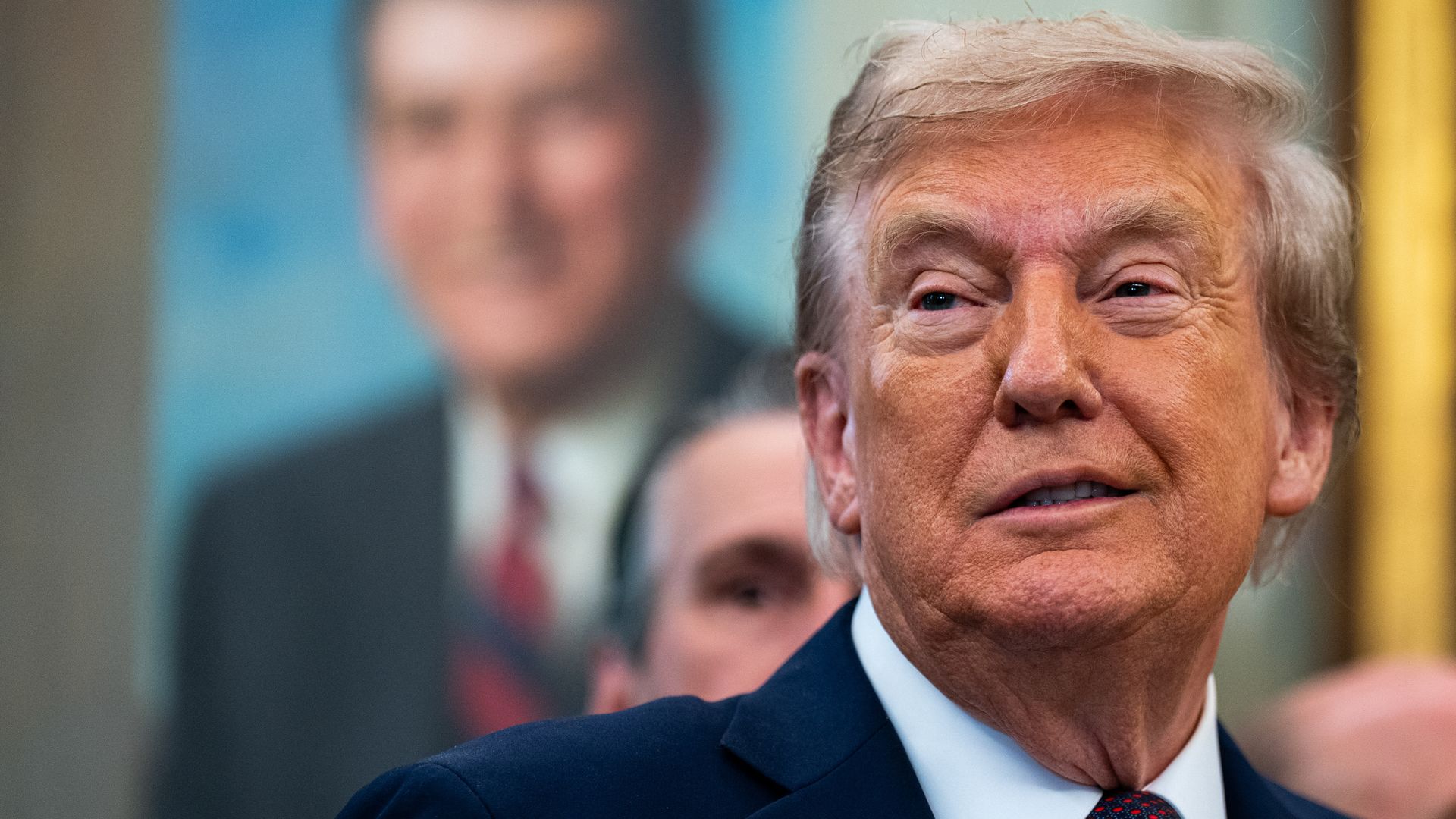
President Trump on Friday dismissed demands for additional Jeffrey Epstein files as a Democratic "hoax" despite members of his own party demanding more transparency from the administration.
Why it matters: The House Oversight Committee released 33,000 pages of Epstein documents this week, but Trump's handling of the scandal has driven a wedge between the president and his MAGA coalition.
A judge dismissed Newsmax's antitrust case against cable news rival Fox for a technical deficiency known as a "shotgun complaint," but said the lawsuit could be refiled.
Why it matters: The lawsuit alleged Fox News used its viewership dominance to coerce pay-TV providers to sign exclusionary contracts, limiting distribution of other conservative cable networks like Newsmax.
Generative AI startup ProRata.ai has raised $40 million in Series B funding as it prepares to launch a new product for publishers, CEO Bill Gross exclusively tells Axios.
Why it matters: The funding supports a new AI business model where publishers are compensated by AI companies using their work.
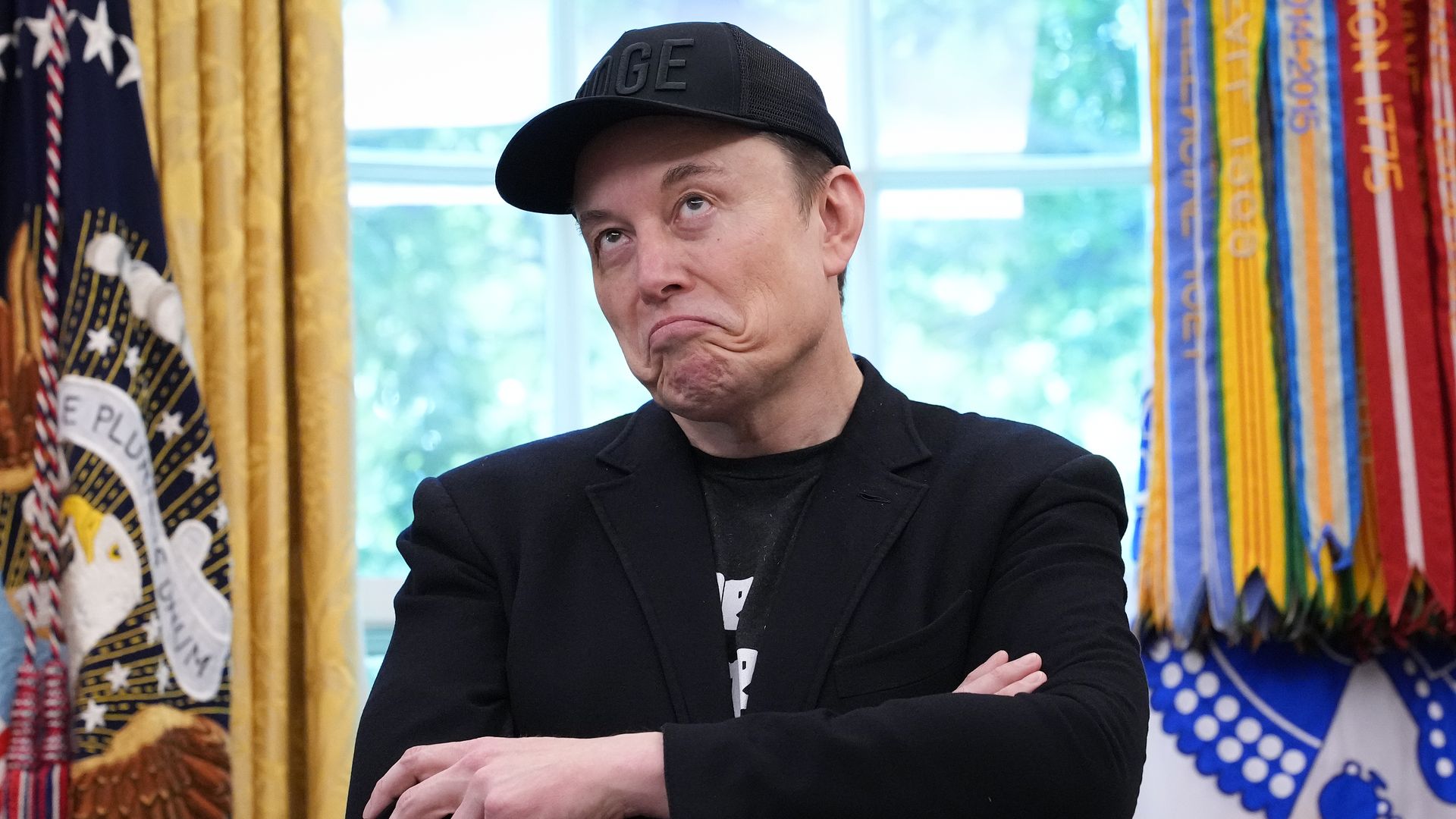
Elon Musk stands to become the world's first trillionaire if he fully earns a new pay package at Tesla — which comes with an astronomical series of goals for increasing the company's market value.
Why it matters: Achieving those goals would make Tesla the most valuable company in history, and Musk, already the world's richest person, massively wealthier still.
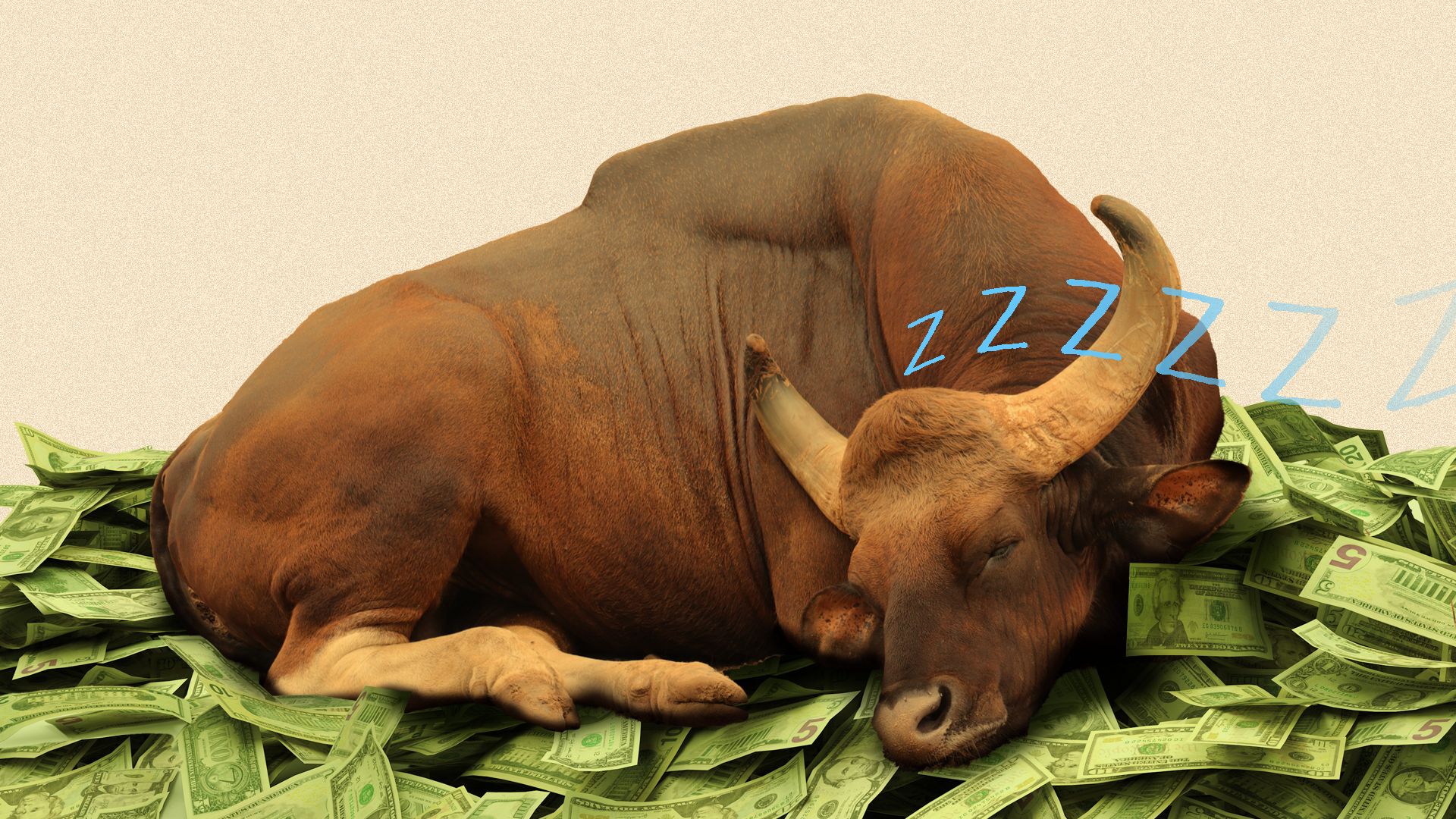
Why it matters: Without flashy earnings growth to power stocks forward, investors may now be forced to consider the market risks they brushed aside all summer.
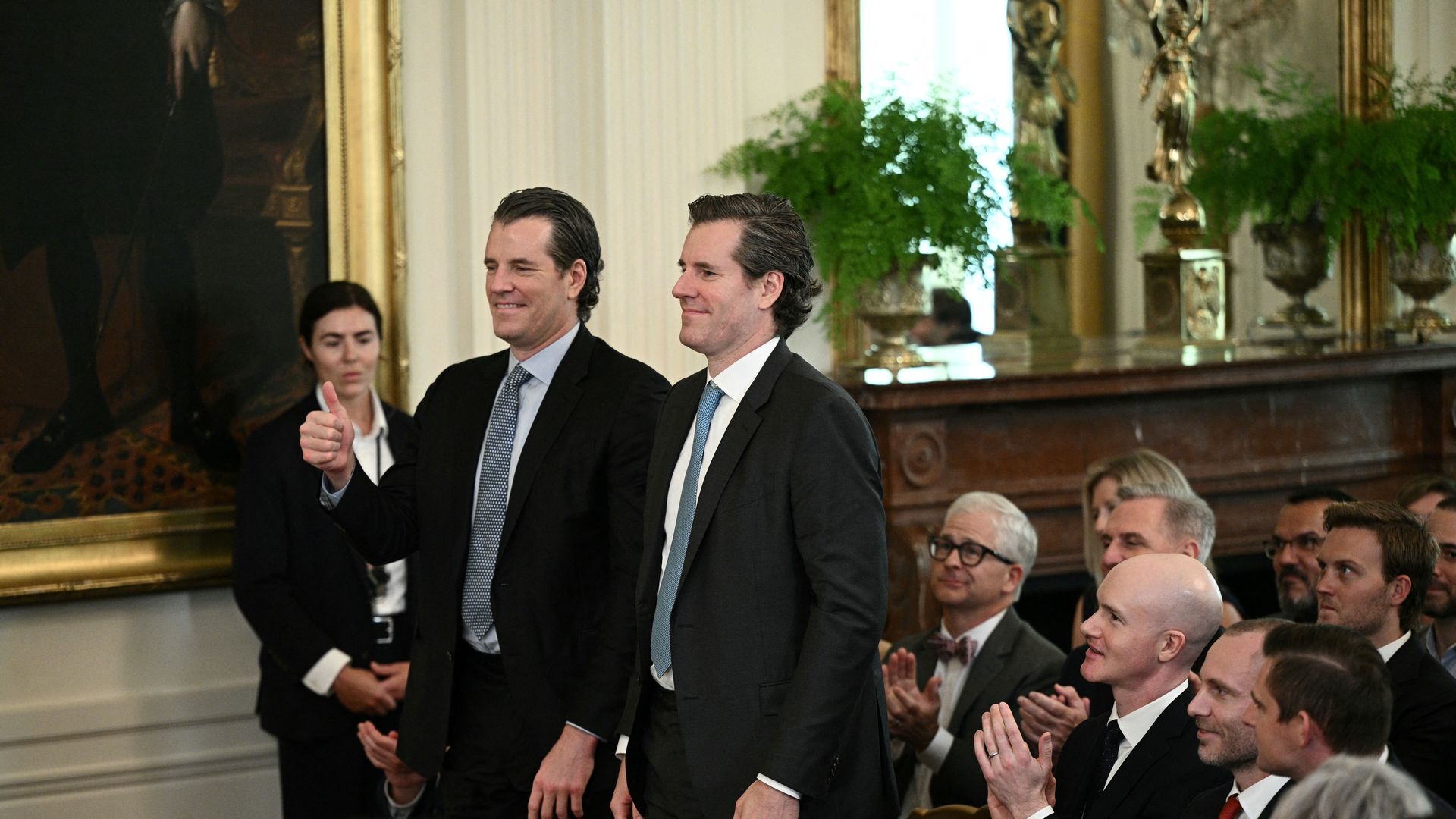
Why it matters: Cameron and Tyler Winklevoss, 44, are part of a rising group of millennial and Generation X crypto and tech billionaires who are bolstering President Trump — and could dominate the GOP donor world for decades to come.
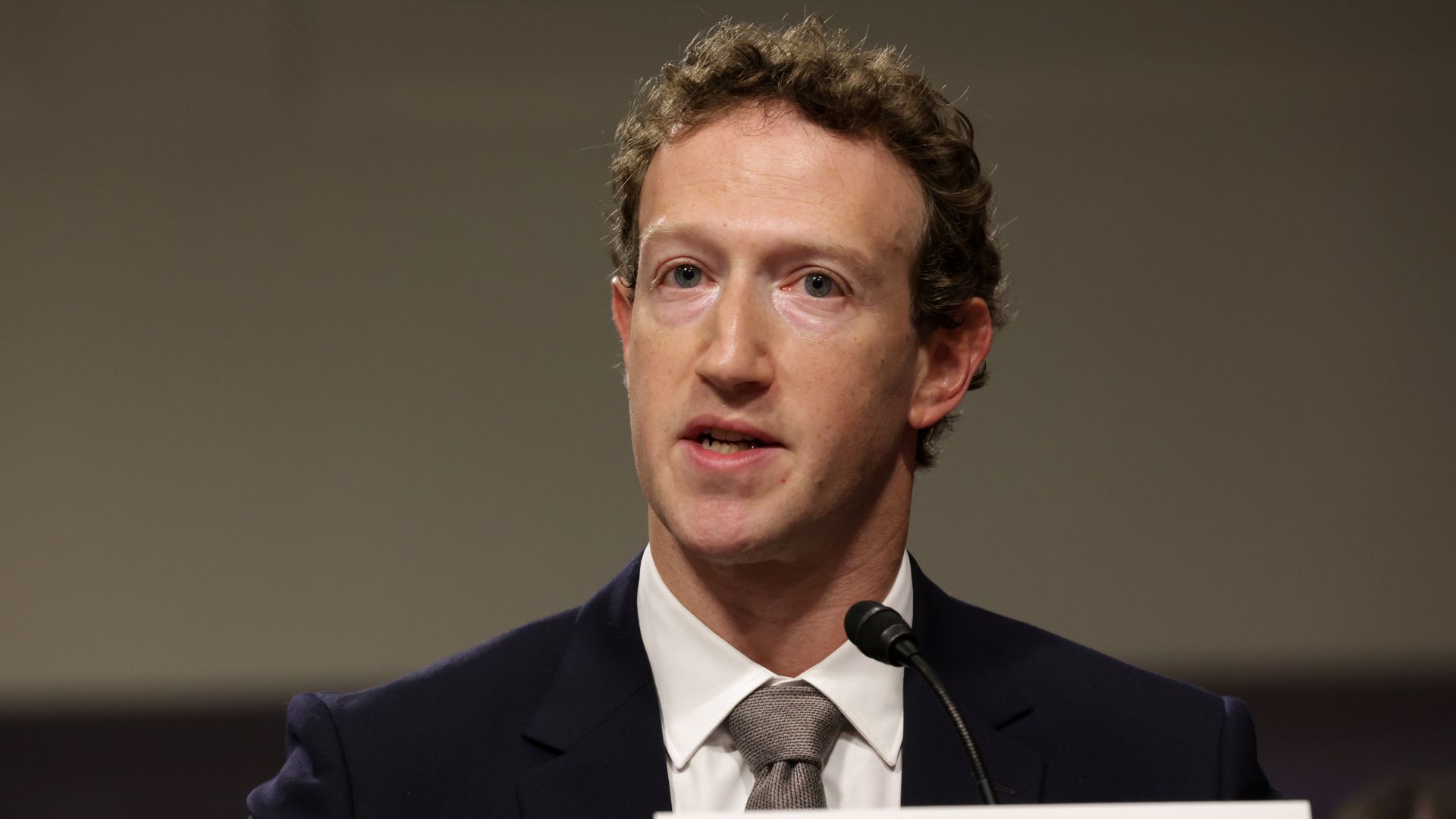
Mark Steven Zuckerberg, an Indiana bankruptcy lawyer, is suing Meta because his work-related Facebook page keeps getting suspended.
The big picture: The lawsuit, filed in Marion Superior Court in Indianapolis this week, accuses Meta of breach of contract for the page takedowns that accuse him of "impersonating a celebrity" because he paid $11,000 for ads.
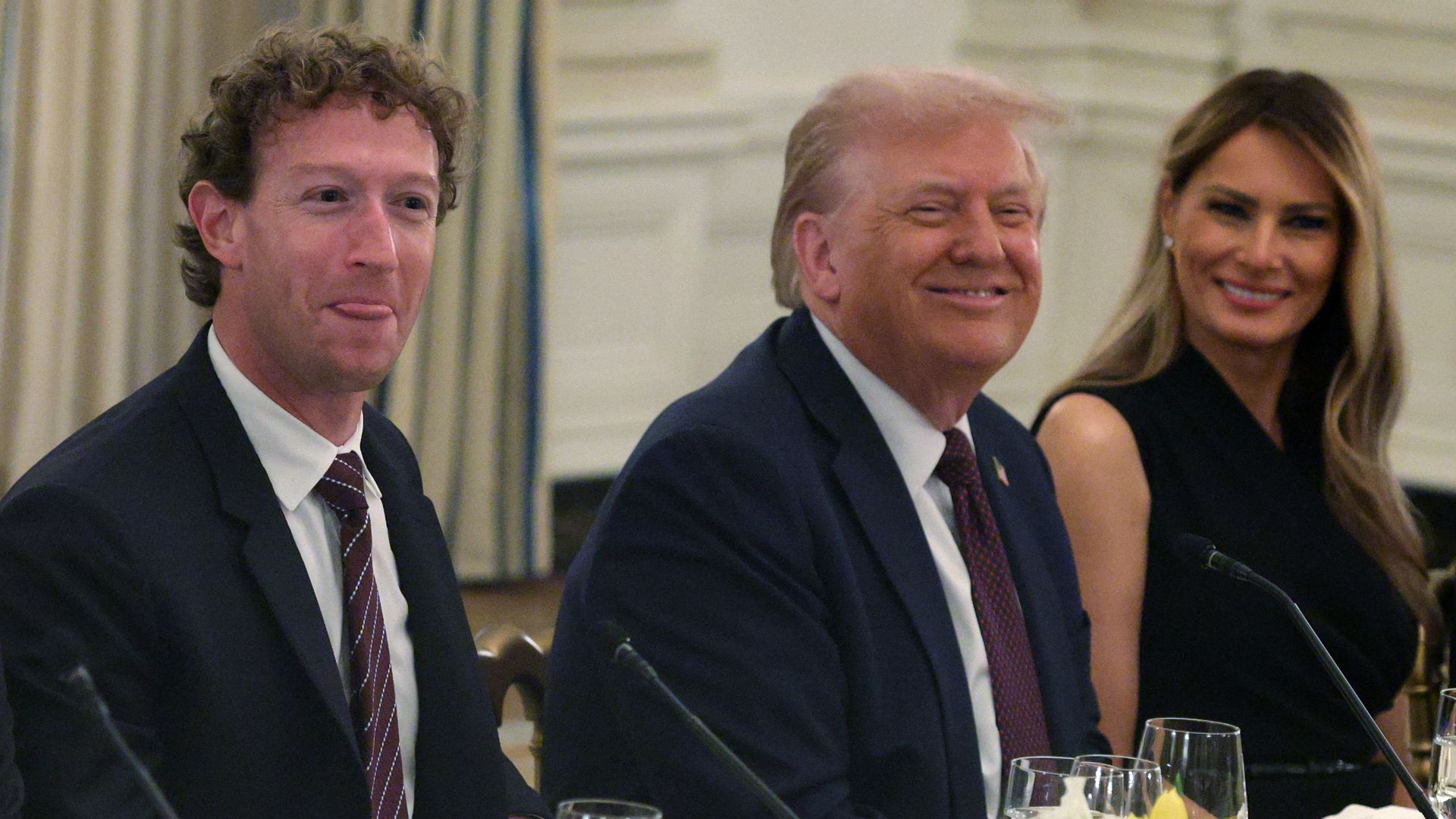
President Trump hosted the elite of Big Tech at a White House dinner Thursday evening, including Meta's Mark Zuckerberg and Microsoft's Bill Gates — and each took turns to lavish praise on him.
Why it matters: The dinner comes at a time when tech leaders are pushing for a hands-off government approach to AI, and as current FTC Chair Andrew Ferguson is an outspoken critic of Big Tech.
For the last few months, I've been developing a pen-pal habit with a close friend. At first it was just something fun to do, but it has since become a bulwark against existential dread.