With AI-driven content flooding social media feeds, creators are pivoting to apps like Patreon, Substack, OnlyFans and Beehiiv to build their businesses.
Why it matters: Social media is still a great place for creators to grow their free audiences. But connecting with fans on a deeper level and getting them to actually pay for content often requires a specialized focus that most social apps don't offer.
SB Nation, one of the highest traffic brands within the Vox Media portfolio, has redesigned its website and its dozens of niche sports fan websites to include a new community content section called "The Feed," Vox Media president of revenue and growth Ryan Pauley told Axios.
Why it matters: The redesign, which places user and fan content alongside SB Nation's professionally created content, is meant to help the brand recapture engagement that occurs on external social media feeds instead of its sites.
OpenAI on Tuesday debuted two freely downloadable models that it says can, for certain tasks, match the performance of some modes of ChatGPT.
Why it matters: OpenAI is aiming the new models at customers who want the cost savings and privacy benefits that come from running AI models directly on their own devices rather than relying on cloud-based services like ChatGPT or its rivals.
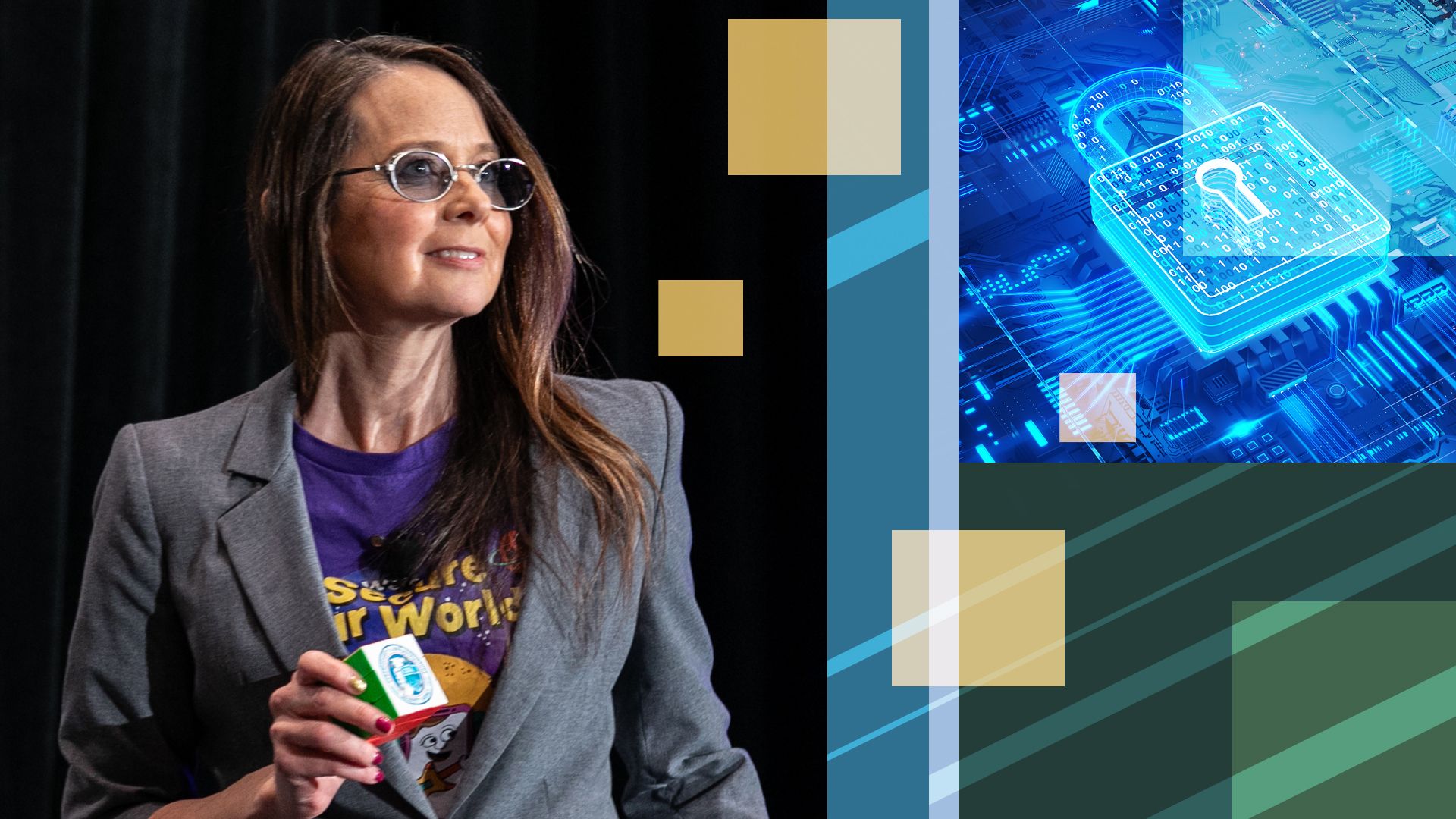
Former CISA director Jen Easterly is joining the advisory board at cybersecurity company Huntress, the company announced today.
Why it matters: The news, shared exclusively with Axios, marks the first private sector role for Easterly since she left government — and her first job announcement since West Point rescinded her teaching job offer last week following far-right pressure.
Linda Yaccarino has a new job in a vastly different industry weeks after her exit as CEO of X, Elon Musk's social discourse app.
Why it matters: Musk hired the former NBCUniversal ad boss as the first permanent CEO of the platform formerly known as Twitter after he acquired it in 2022.
Corridor, an AI security startup led by two former CISA employees, has raised $5.4 million and hired longtime security heavyweight Alex Stamos as its chief security officer.
Why it matters: Stamos — currently the CSO at SentinelOne and an adjunct professor at Stanford — is a prominent figure across both the cybersecurity industry and the broader tech ecosystem.
SmartNews, the Japanese news discovery app founded in 2012, is releasing a new artificial intelligence-powered app, executives tell Axios.
Why it matters: The new app — called NewsArc — is meant to offer heavily engaged news readers a more personalized experience without putting them in echo chambers.
For the past year, a dark horse contestant has been quietly racking up wins in student hacking competitions: Claude.
Why it matters: Anthropic's large language model has been quietly outperforming nearly all of its human competitors in basic hacking competitions — with minimal human assistance and little-to-no effort.
Creators on Patreon have received more than $10 billion in payments from fans since the company was founded in 2013, CEO and co-founder Jack Conte tells Axios.
Why it matters: With more than 25 million paid memberships on the platform, Patreon has proven itself essential to the growth of the modern creator economy, says Conte.
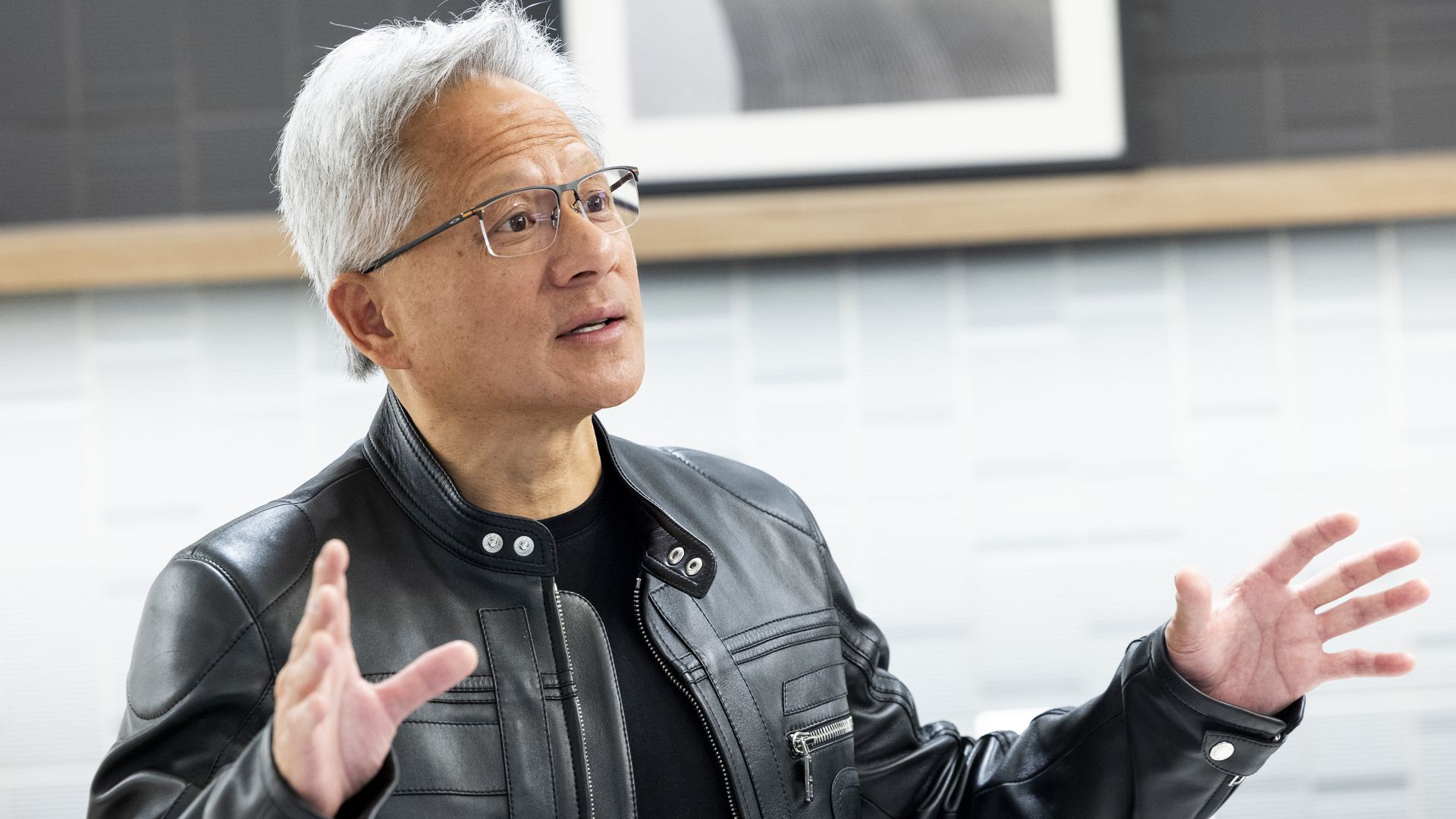
Nvidia is announcing today that founder and CEO Jensen Huang will keynote a splashy AI conference in Washington on Oct. 28, with a focus on how Nvidia is helping U.S. technology power global innovation.
The event will be called GTC DC, after Nvidia's glitzy annual GTC (short for GPU Technology Conference) in San Jose, which has been called AI Woodstock and the Super Bowl of AI.
GTC DC will be at the Walter E. Washington Convention Center from Oct. 27-29.
The U.S. Army is consolidating 75 contracts into a single arrangement with Palantir Technologies worth as much as $10 billion — a move the service said will accelerate deliveries and eliminate middleman fees.
Why it matters: The 10-year deal is evidence of three things, closely related:
The ascendancy of Palantir in Washington and at the Pentagon, in particular. (At an AI summit last month, President Trump remarked, "We buy a lot of things from Palantir.")
The changing ways militaries are trying and buying products, especially software.
The maturing D.C.-Silicon Valley relationship, which was on the rocks not too long ago.
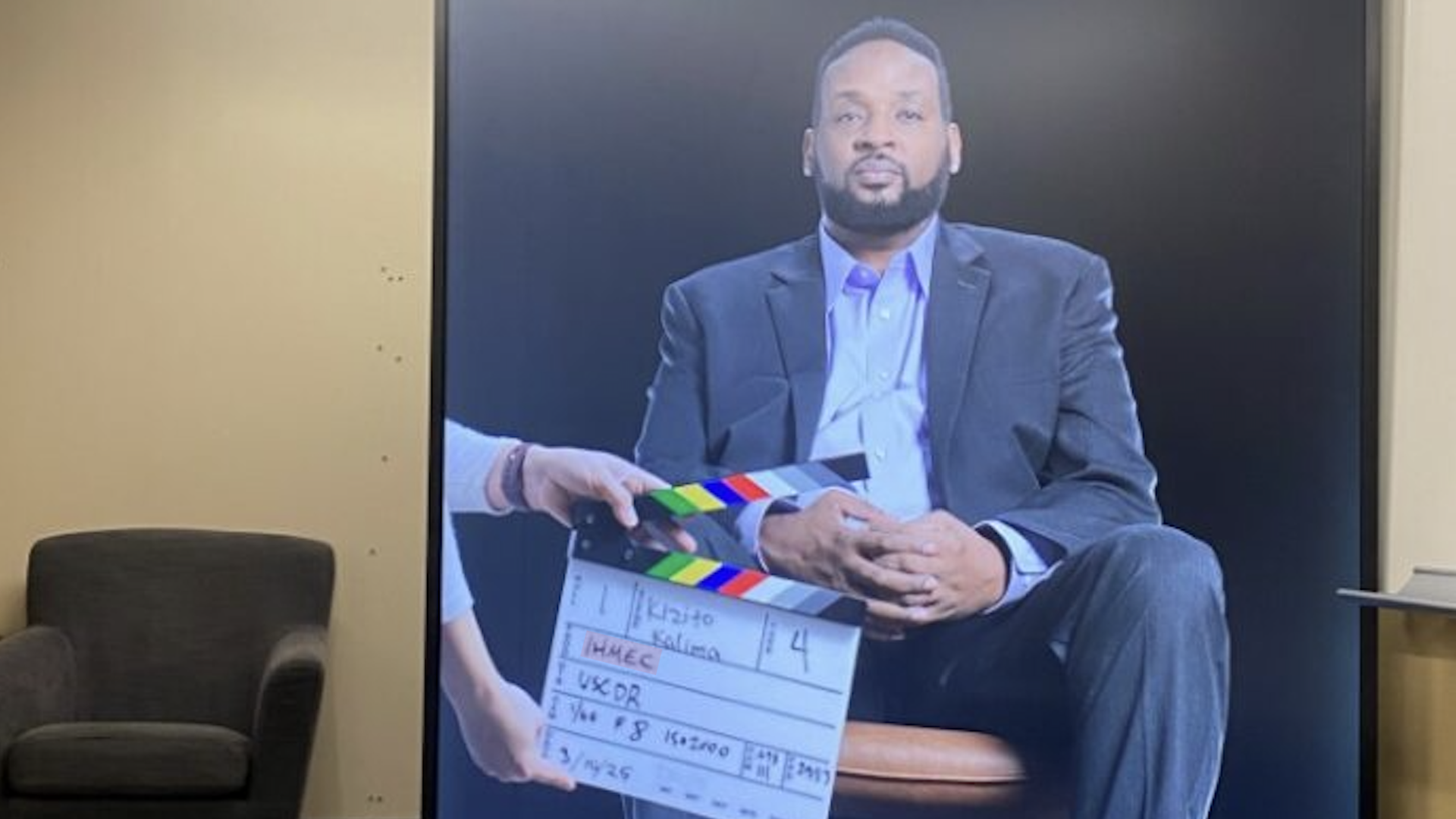
An Illinois Holocaust museum that uses AI technology to create "interactives" with Holocaust survivors is expanding its offering and including a project with a Tutsi survivor of the Rwandan genocide.
Why it matters: It's the first-ever non-Holocaust interactive interview for the Illinois Holocaust Museum & Education Center in Skokie, Ill., and signals that Holocaust museums are using the technology to bring attention to more recent genocides.
The bidding war for top AI talent masks a deepening crisis in the broader market for tech skills.
The big picture: You'll never get a billion-dollar job offer from Mark Zuckerberg if you're not a top AI expert. And even if you are, you're still not getting one unless you're among the tiny handful of researchers who've built the massive models at AI's frontier edge.