When Sally (not her real name) thought she'd landed a job at ID verification company Socure after months of searching, she was thrilled.
The only problem: The job wasn't real, and she had just lost nearly $8,000 to fraudsters.
Why it matters: Sally's case isn't unusual. Last year, the Federal Trade Commission received about 105,000 reports of job scams and employment agency impersonations — nearly triple the 38,000 reports in 2020.
Approximately half of the companies that paid a ransom to hackers last year ended up paying less than the criminals originally asked for, according to new Sophos data.
Why it matters: That's good news for companies worried about devastating losses from data-encrypting ransomware attacks.
States across the U.S. are rolling out tough new laws that cap deposits and tighten oversight on cryptocurrency ATMs, seeking to cut off a favorite tool of scammers and extortionists.
Why it matters: The kiosks are the easiest way for ordinary people to turn cash into crypto, and their use by fraudsters has surged over the last few years, especially with scams targeting older Americans.
Why it matters: Amazon's sale has become a marquee mid-year event, prompting rivals to create their own overlapping promotions to keep shoppers from heading exclusively to the e-commerce giant.
Elon Musk still isn't happy with how his AI platform answers divisive questions, pledging in recent days to retrain Grok so it will answer in ways more to his liking.
Why it matters: Efforts to steer AI in particular directions could exacerbate the danger of a technology already known for its convincing but inaccurate hallucinations.
As near record-high temperatures continue to broil the Midwest, many are turning to pools, lakes and cooling centers for relief. But don't sleep on using food to beat the heat.
Why it matters: Chilled soups, salads and other cold delicacies offer a way to turn down your body temperature without heating your kitchen.
The Federal Trade Commission on Monday said it will approve Omnicom Group's $13.5 billion acquisition of rival The Interpublic Group, but only if the agencies agree they won't bar ads based on politics.
Why it matters: A consent order that addresses the possibility of political collusion is rare, and speaks to the hyper-political climate facing the business community.
Travel disruptions, cyber attacks, demonstrations and heightened security presence are likely following attacks on Iran, U.S. officials have warned.
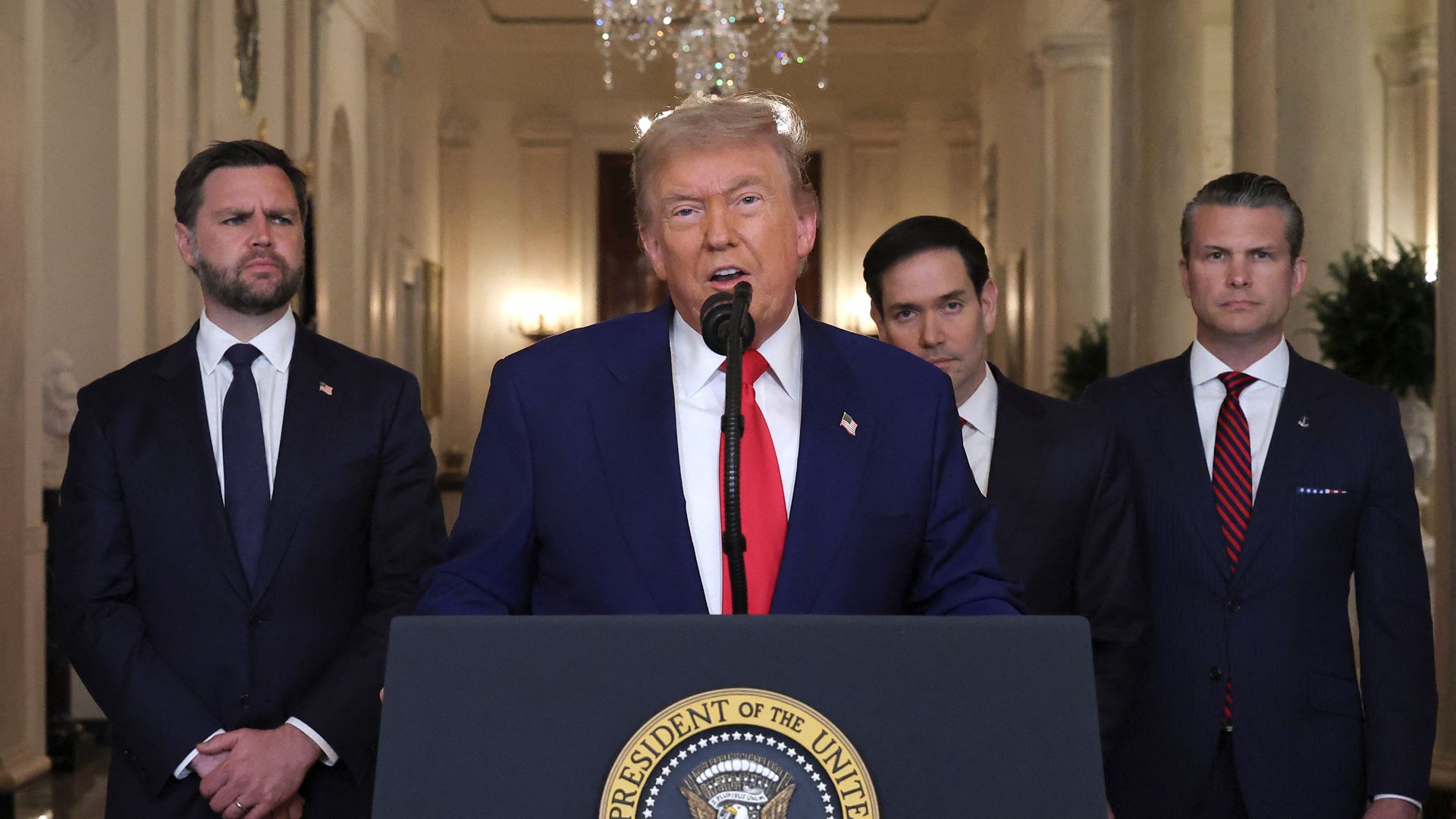
The big picture: The weekend airstrikes on Iran's nuclear facilities by the U.S. — dubbed Operation Midnight Hammer — marked a historic escalation in the Middle East that Tehran has framed as a betrayal of diplomacy.
The U.S. House's chief administrative officer informed congressional staffers Monday that messaging app WhatsApp is banned on their government devices, Axios has learned.
Why it matters: The ban, which centers on the vulnerability of staffers' data, comes as Congress is also taking steps to limit the use of AI programs it deems similarly risky.




/2025/06/24/1750779398266.gif?w=3840)